

Lactic acidosis is a serious condition where lactic acid builds up in the blood. This can lead to severe health problems.
Lactic acidosis is identified by high levels of lactic acid in the blood. It also shows a blood pH below 7.35 and low plasma bicarbonate levels. It’s common in hospitalized patients and can be caused by hypoxia and bad reactions to some medicines.
It’s important to know about the different types of lactic acidosis. We need to understand their causes and how to treat them. At Liv Hospital, we keep up with the latest medical research. This helps us give our patients the best care possible.
Key Takeaways
- Lactic acidosis is defined by elevated serum lactate levels above 4 mmol/L.
- It is often associated with low blood pH and plasma bicarbonate levels.
- Hypoxia and certain medications can trigger lactic acidosis.
- There are seven distinct types of lactic acidosis, each with different causes.
- Effective treatment depends on identifying the underlying cause.
Understanding Metabolic Acidosis and Lactic Acidosis

Metabolic acidosis and lactic acidosis are two related conditions. They need a deep understanding for proper diagnosis and treatment. Metabolic acidosis happens when the body’s acid-base balance is off, leading to too much acid.
Defining Metabolic Acidosis
Metabolic acidosis is when the serum bicarbonate level is below 24 mEq/L. The blood pH might be normal or slightly acidic. It’s caused by an imbalance in acid production or loss of bicarbonate.
A study on NCBI says, “Metabolic acidosis is common. It can be caused by diabetes, kidney disease, or severe diarrhea.”
Key factors contributing to metabolic acidosis include:
- Increased production of acidic substances
- Reduced excretion of acids
- Loss of bicarbonate-rich fluids
Lactic Acidosis: Definition and Significance
Lactic acidosis is a type of metabolic acidosis. It’s when lactate builds up in the body. It’s defined by a lactate level over 5 mmol/L and a pH under 7.35.
Lactic acidosis can be caused by many things, like tissue hypoxia or certain medications. It’s important because it can lead to serious health issues. Quick diagnosis and treatment are key.
The Anion Gap in Metabolic Acidosis
The anion gap is key in diagnosing metabolic acidosis. It’s found by subtracting chloride and bicarbonate from sodium. Normally, it’s between 8 to 16 mmol/L.
An elevated anion gap means there are unmeasured anions. This is often seen in lactic acidosis, diabetic ketoacidosis, or kidney disease. Experts say, “The anion gap helps in figuring out the cause of metabolic acidosis.”
The anion gap is very useful. It helps doctors narrow down the diagnosis and plan the right treatment.
Knowing about the anion gap is important for managing metabolic acidosis. By understanding these conditions, doctors can create better treatment plans. This helps improve patient care.
Metabolic Acidosis Range and Diagnostic Values
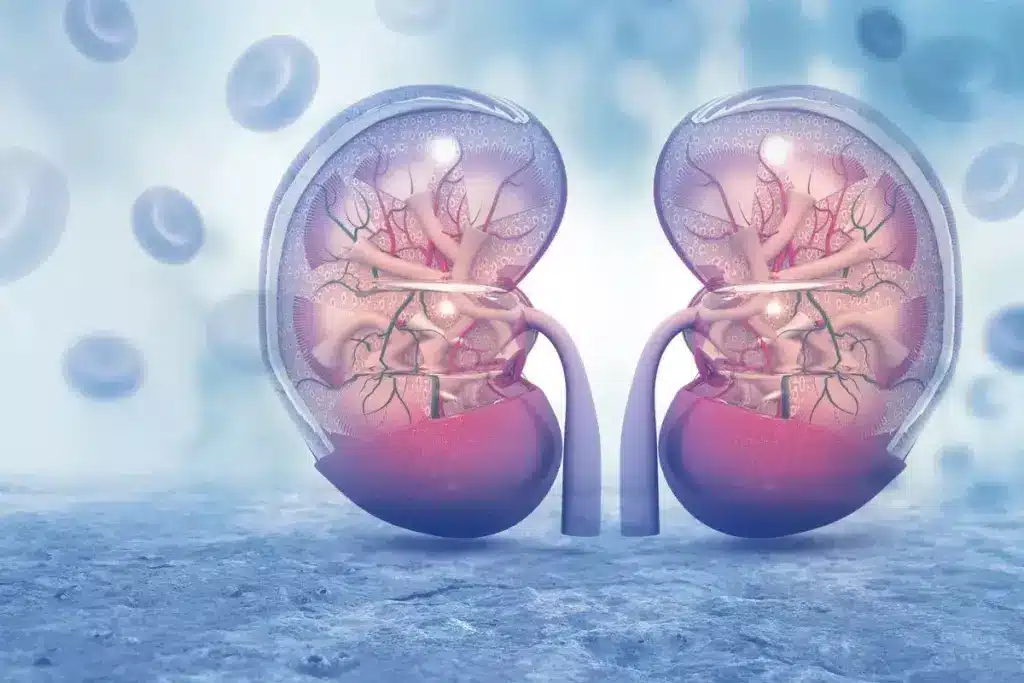
Understanding lactic acidosis starts with knowing normal and abnormal lactate levels. It’s key to grasp the metabolic acidosis range and its diagnostic values for accurate diagnosis.
Normal vs. Abnormal Lactate Levels
Normal lactate levels are between 0.5 and 1.8 mmol/L. Knowing these levels is vital for spotting lactic acidosis-related conditions. Abnormal lactate levels are above 2 mmol/L, hinting at hyperlactatemia or lactic acidosis, based on the situation.
Distinguishing normal from abnormal lactate levels is critical for the right treatment. For example, levels between 2 and 4 mmol/L might show hyperlactatemia without acidosis. But, levels over 4 mmol/L usually mean lactic acidosis.
Hyperlactatemia vs. Lactic Acidosis
Hyperlactatemia and lactic acidosis both have high lactate levels, but they’re different. Hyperlactatemia is high lactate without acidosis, seen in hard exercise or some health issues. Lactic acidosis has high lactate and acidosis.
Critical Values Requiring Immediate Intervention
Lactate levels over 4 mmol/L are critical and need quick action. These high levels can mean severe lactic acidosis, a serious condition needing fast treatment. We must spot critical values for urgent care, including lactate levels and the patient’s symptoms.
The 7 Types of Lactic Acidosis and Their Causes
Lactic acidosis can be divided into seven types, each with its own cause. It happens when lactate builds up in the body, causing metabolic acidosis. Knowing the different types is key for proper diagnosis and treatment.
Type A: Tissue Hypoxia-Related Lactic Acidosis
Type A lactic acidosis is caused by tissue hypoxia. This can happen due to shock, severe anemia, or carbon monoxide poisoning. It’s when tissues don’t get enough oxygen, leading to lactate production.
Type B1: Disease-Related Lactic Acidosis
Type B1 lactic acidosis is linked to diseases that harm mitochondria or boost lactate levels. Conditions like diabetes, cancer, and severe infections can cause it. Even without tissue hypoxia, lactate can build up.
“The presence of lactic acidosis in diabetic patients can be a sign of underlying metabolic dysregulation.” Medical Expert, Endocrinologist
Type B2: Medication and Toxin-Induced Lactic Acidosis
Type B2 lactic acidosis is triggered by some medications and toxins that mess with mitochondria. Drugs like metformin and certain antiretroviral drugs, along with toxins like cyanide, are common culprits. They block mitochondrial respiration, causing more lactate.
- Metformin: Can cause lactic acidosis, mostly in those with kidney problems.
- Antiretroviral drugs: Some NRTIs can lead to lactic acidosis.
- Toxins: Cyanide and other toxins can cause severe lactic acidosis.
There are also other types, like Type B3, which is linked to genetic or congenital conditions. These can cause chronic or recurring lactic acidosis.
| Type | Causes | Characteristics |
| Type A | Tissue hypoxia | Inadequate oxygen delivery |
| Type B1 | Diseases (diabetes, cancer) | Impaired mitochondrial function |
| Type B2 | Medications and toxins | Inhibition of mitochondrial respiration |
| Type B3 | Congenital/genetic conditions | Chronic or recurrent lactic acidosis |
In conclusion, knowing the different types of lactic acidosis is vital for effective management. Each type has its own causes and signs, needing a specific approach for diagnosis and treatment.
Conclusion: Treatment Approaches and Prevention
Managing lactic acidosis well means fixing the main problem first. This could be improving oxygen flow, fixing dehydration, or adjusting medicines. It’s key to act fast to avoid worse problems.
Dehydration and lactic acidosis go hand in hand. Drinking enough water is key to stop lactic acidosis. Also, keeping an eye on lactate levels in at-risk patients helps catch and treat it early.
Stopping lactic acidosis needs a few steps. This includes handling underlying issues, avoiding harmful drugs and toxins, and staying hydrated. Knowing the causes and types helps doctors create better prevention and treatment plans.
We think a full plan to tackle lactic acidosis can really help patients. By tackling the main issues and using prevention, we can lower its occurrence. This way, we can give better care to those dealing with it.
FAQ:
What is lactic acidosis?
Lactic acidosis is a condition where lactic acid builds up in the body. It can happen due to not enough oxygen in tissues, side effects of medicines, or diseases.
What are the different types of lactic acidosis?
There are two main types. Type A is caused by not enough oxygen in tissues. Type B includes diseases, medicines, and genetic conditions.
What is the normal range for lactate levels?
Normal lactate levels are between 0.5 to 2 mmol/L. This can slightly vary based on the lab and individual factors.
What is the difference between hyperlactatemia and lactic acidosis?
Hyperlactatemia means high lactate levels. Lactic acidosis is more serious. It has high lactate levels and metabolic acidosis.
What is the role of the anion gap in metabolic acidosis?
The anion gap helps identify metabolic acidosis types. A high anion gap often points to lactic acidosis or other acidosis.
What are some common causes of Type B lactic acidosis?
Type B lactic acidosis can be caused by medicines like metformin, toxins, and diseases like diabetes or cancer.
How is lactic acidosis diagnosed?
Doctors use clinical evaluation, lab tests like lactate levels, and other tools to diagnose lactic acidosis.
What is the treatment for lactic acidosis?
Treatment involves fixing the cause, managing symptoms, and sometimes using therapies like sodium bicarbonate to correct acidosis.
Can lactic acidosis be prevented?
Some cases can’t be prevented. But managing diseases, avoiding harmful medicines and toxins, and staying hydrated can lower the risk.
What are the critical values that require immediate intervention for lactic acidosis?
Lactate levels above 4-5 mmol/L are critical. They need immediate medical attention as they show severe lactic acidosis.
References:
National Center for Biotechnology Information. Evidence-Based Medical Guidance. Retrieved from https://www.ncbi.nlm.nih.gov/books/NBK470202/



 Departments
 Related Videos
 Our Doctors
 News
News