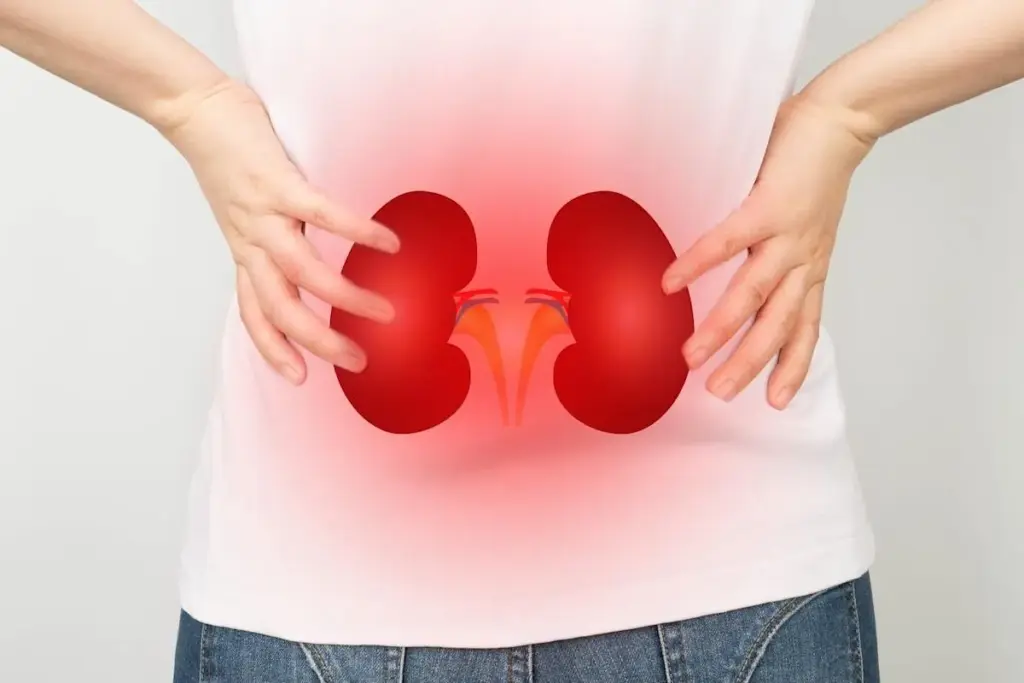
Kidney disease is a silent threat affecting millions of adults worldwide. Up to 90% of cases go undiagnosed until it’s too late. Knowing the early signs is key to catching it early.
Recognizing symptoms early can greatly improve treatment results. The Medical organization says chronic kidney disease causes progressive damage and loss of kidney function. About 35.5 million U.S. adults are affected, and 9 in 10 don’t know they have it.
Liv Hospital is committed to top-notch kidney care. They help patients spot early signs before they turn into big problems.
Key Takeaways
- Understanding the early warning signs of kidney disease is vital for early detection.
- Approximately 35.5 million U.S. adults are affected by kidney disease.
- 9 in 10 people with chronic kidney disease are unaware they have it.
- Early detection can significantly improve treatment outcomes.
- Liv Hospital provides patient-centered expertise in kidney health.
Understanding Kidney Disease: A Silent Health Crisis

Kidney disease is a big problem, with many people not knowing they have it until it’s too late. About one in seven American adults has chronic kidney disease (CKD). Most of them don’t know they have it. This shows how important it is to learn about the risks and early signs of kidney disease.
The Alarming Statistics
CKD is a big worry for public health. It affects a lot of people and can really hurt their quality of life and the healthcare system. The Centers for Disease Control and Prevention (CDC) says over 37 million people in the U.S. have CKD. Sadly, nearly 90% of them don’t know they have it.
Early detection is key. It lets doctors start treatments early to slow the disease. Our team stresses the need to know the risks and look out for early signs to keep kidneys healthy.
High-Risk Groups
Some groups are more likely to get kidney disease. These include people with diabetes, high blood pressure, and a family history of kidney disease. Older adults and those who are obese are also at higher risk. Knowing these risk factors is the first step to preventing and catching kidney disease early.
- Diabetes
- High Blood Pressure
- Family History of Kidney Disease
- Obesity
By knowing these risk factors and the signs of kidney disease, people can take steps to protect their kidneys. Our team is dedicated to giving full care and support to those at risk or already affected by kidney disease.
Kidney Failure and Leg Cramps: 8 Early Warning Signs

Knowing the early signs of kidney disease can save lives. It lets people get treatment early. Kidney disease often goes unnoticed, so it’s key to know the warning signs.
Changes in Urination Patterns
One of the first signs of kidney disease is changes in how you pee. You might pee more often, have foamy urine, or see blood in the urine. A nephrology expert says watching your urine can tell you a lot about your kidneys.
If your pee changes, see a doctor. They can figure out if it’s kidney trouble or something else.
Swelling Around the Eyes and Extremities
Swelling, or edema, is another sign of kidney disease. If your kidneys can’t remove extra fluids, you might see swelling. This swelling is a sign that something is wrong.
Swelling isn’t just about looks. It means your body is holding onto too much fluid, which is a serious issue.
Persistent Fatigue and Weakness
Feeling tired or weak is common in kidney disease. The kidneys make a hormone that helps make red blood cells. If the kidneys don’t work right, you might get anemia, leading to constant tiredness and weakness.
“Fatigue is one of the most common symptoms reported by patients with chronic kidney disease. It’s not just about feeling tired; it’s a profound exhaustion that can impact daily life.”
High Blood Pressure
High blood pressure is both a cause and a symptom of kidney disease. The kidneys help control blood pressure. If they don’t work right, you might get high blood pressure.
Keeping blood pressure in check is key for your kidneys. You can do this with lifestyle changes or medicine.
Knowing these early signs can help you protect your kidneys. If you notice any of these symptoms, see a doctor right away.
Conclusion: Taking Action for Kidney Health
It’s important to know the early signs of kidney disease to keep your kidneys healthy. Look out for changes in how you pee, swelling, and feeling really tired. These signs can help you take care of your kidneys early on.
Getting your kidneys checked early can really help. If you notice any symptoms or are at risk, talk to your doctor. They can help you figure out the best way to take care of your kidneys.
Looking after your kidneys is key to feeling good overall. By knowing the signs of kidney disease and staying informed, you can manage your health better. This way, you can make smart choices about your care.
FAQ:
What are the early symptoms of kidney disease?
Early signs of kidney disease include changes in how you urinate. You might also notice swelling in your eyes and legs. Feeling very tired and having high blood pressure are other signs. Catching these early can help a lot.
How would you know if you have kidney problems?
Kidney issues can show up in different ways. You might notice changes in your urine, swelling, or feel really tired. High blood pressure is another sign. If you see any of these, see a doctor right away.
What are the signs of bad kidney function?
Bad kidney function can cause leg cramps and itchy skin. You might also notice changes in how you urinate. If you see these signs, get medical help fast.
How to know if you have bad kidneys?
Look for signs like changes in urination, swelling, and feeling tired. High blood pressure is another clue. If you notice these, talk to a doctor to figure out what’s going on.
What are the symptoms of kidney disease in elderly?
Older adults with kidney disease might show the same signs as younger people. These include changes in urination, swelling, and feeling tired. They might also have high blood pressure. But older people can face more serious problems because of other health issues.
What are the early signs of failing kidneys?
Early signs of failing kidneys include changes in urination, swelling, and feeling tired. High blood pressure is another sign. Knowing these signs early can help you get the right treatment.
How do I know if I have kidney damage?
To find out if you have kidney damage, see a doctor. They will do tests like blood work and urinalysis. This helps them check how well your kidneys are working.
What is a sign of kidney problem?
Signs of kidney problems include changes in urination, swelling, and feeling tired. High blood pressure is another clue. If you notice any of these, get a doctor’s opinion.
What are the signs of kidney trouble in women?
Women with kidney trouble might show the same signs as men. These include changes in urination, swelling, and feeling tired. High blood pressure is also a sign. Women with diabetes or high blood pressure are at higher risk.
References:
Government Health Resource. Evidence-Based Medical Guidance. Retrieved from https://www.cdc.gov/kidney-disease/php/data-research/index.html