

When a tumor hits the brain’s language and memory spots, talking becomes hard. At Liv Hospital, we know how tough a brain tumor diagnosis is, even more so when it messes with speech. Brain tumor speech problems happen when a tumor gets in the way of the brain’s language areas. These areas are often found in the left side of the brain.
Studies have found that brain tumors can lead to speech issues like slurred words, trouble speaking, and saying the wrong thing. We’re dedicated to helping patients with brain tumor speech problems. We use special, patient-focused methods to help.
Key Takeaways
- Brain tumor speech problems can show up in different ways, based on the tumor’s size, type, and where it is.
- The speech center of the brain, usually in the left side, is very important and can get affected.
- Symptoms might include slurred speech, trouble speaking, and saying the wrong words.
- At Liv Hospital, we offer patient-centered ways to tackle brain tumor speech problems.
- Getting a diagnosis and treatment early can really help with talking and feeling better overall.
The Neurological Basis of Speech and Language
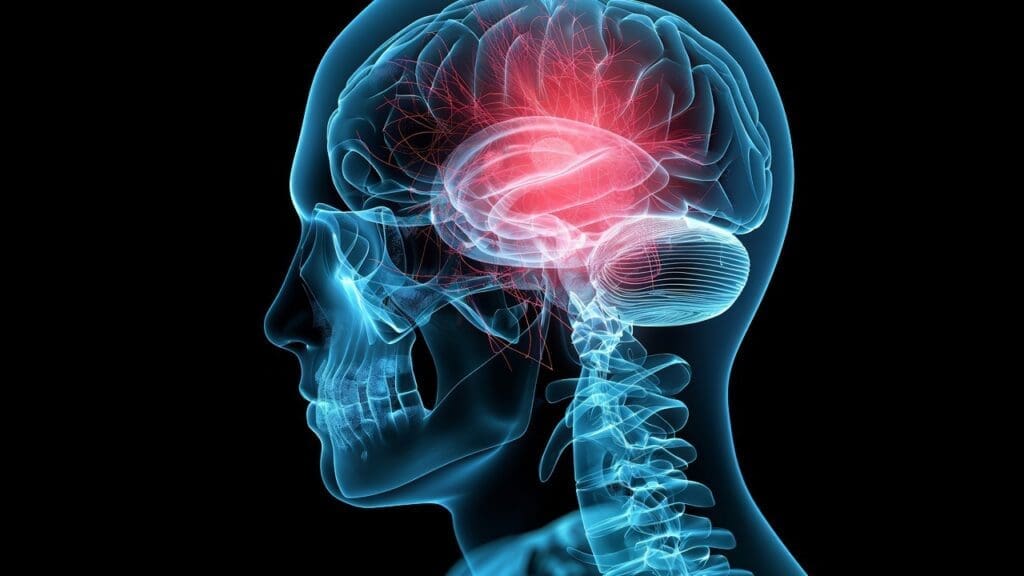
It’s key to know how the brain handles speech and language to treat speech problems caused by tumors. The brain’s communication skills are complex, involving many areas.
How the Brain Controls Communication
The brain uses a network of areas to manage communication, mainly in the left hemisphere. This side is mostly in charge of language processing, a fact known as left hemisphere dominance.
The Speech Center in the Brain: Location and Function
The speech center in the brain, known as Broca’s and Wernicke’s areas, is in the left hemisphere. These spots are key for speaking and understanding language.
Left Hemisphere Dominance in Language Processing
Studies show the left hemisphere leads in language processing for about 95% of right-handed people and 70% of left-handed ones. This is important for grasping how tumors impact speech.
| Hemisphere | Function | Language Processing Role |
|---|---|---|
| Left | Language Production, Comprehension | Dominant in most individuals |
| Right | Spatial Processing, Emotional Processing | Supports language processing |
Knowing the left hemisphere’s role in language processing aids doctors in diagnosing and treating speech issues from brain tumors.
Brain Tumor Speech Problems: Types and Manifestations
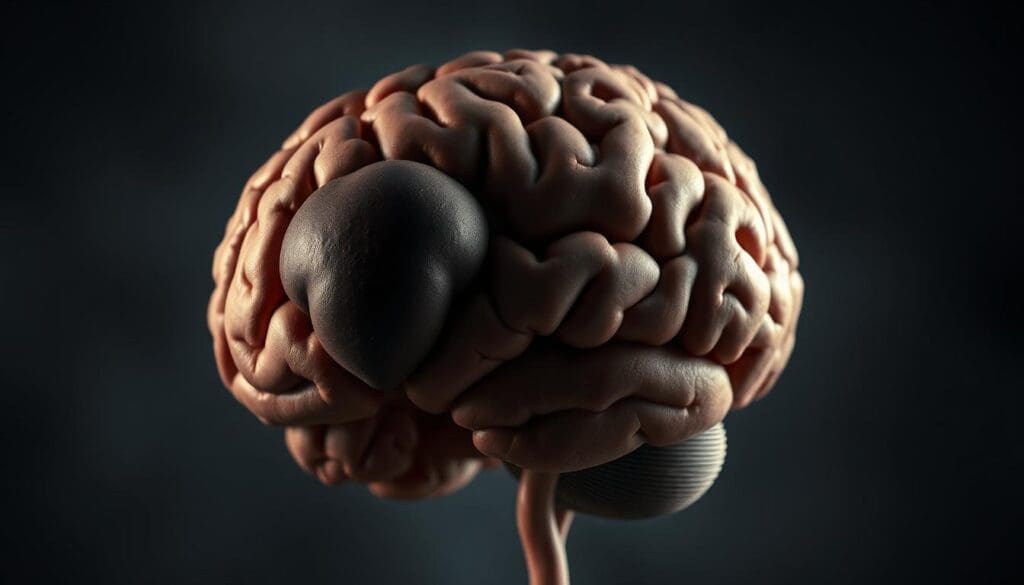
Brain tumors can greatly affect how we communicate. This can lead to various speech problems. These issues can be very distressing for both patients and their families.
Brain tumor speech problems can show up in different ways. This depends on the tumor’s location, size, and type.
Dysarthria: Slurred and Unclear Speech
Dysarthria is a common speech disorder linked to brain tumors. It makes speech slow, slurred, or labored. This makes it hard for others to understand the patient.
This condition happens when the tumor affects brain areas that control speech muscles. For example, glioblastoma, a fast-growing tumor, can quickly cause severe language problems, including dysarthria.
Speech Hesitancy and Word-Finding Difficulties
Some patients with brain tumors struggle with speech hesitancy and word-finding. They might know what they want to say but can’t find the right words. Brain tumors can impact the brain’s language centers, leading to these speech problems.
Saying Wrong Words: Paraphasia Explained
Paraphasia is another issue that can occur in brain tumor patients. It involves saying wrong words or using incorrect sounds. This can be confusing for both the patient and the listener.
In some cases, patients might use made-up words. This makes communication even harder. A study noted that paraphasic errors can be phonemic, semantic, or a combination of both. This shows the complex relationship between language processing and brain damage from tumors.
“The presence of a brain tumor can lead to a variety of speech and language disorders, including dysarthria, apraxia of speech, and aphasia. Understanding these conditions is key for effective care and support.”
The Progressive Nature of Speech Deterioration
Speech problems from brain tumors can get worse over time if not treated. As the tumor grows, it can affect the brain’s language centers more. This leads to more speech difficulties.
Regular monitoring and timely intervention are vital to manage these symptoms effectively.
| Speech Disorder | Characteristics | Impact on Communication |
|---|---|---|
| Dysarthria | Slurred, slow, or labored speech | Difficulty being understood by others |
| Speech Hesitancy | Difficulty initiating or continuing speech | Frustration and decreased communication effectiveness |
| Paraphasia | Using wrong words or sounds | Confusion and decreased understanding |
Understanding the different speech problems linked to brain tumors helps healthcare providers create better treatment plans. This can include speech therapy, cognitive rehabilitation, and other supportive interventions. These efforts aim to improve communication and quality of life for patients.
Aphasia Brain Tumor Symptoms and Their Impact
Aphasia is a big worry for people with brain tumors. It makes it hard for them to talk and communicate. This symptom really affects their life and how they connect with others.
Types of Tumor-Related Aphasia
There are different kinds of aphasia caused by brain tumors. This depends on where the tumor is and how it affects the brain. Here are the main types:
- Broca’s aphasia: It’s hard to speak in complete sentences and find the right words.
- Wernicke’s aphasia: It’s tough to understand what others say and speak clearly.
- Global aphasia: This is the worst kind. Patients have trouble with both speaking and listening.
Why Aphasic Patients Are Unable to Communicate Effectively
Aphasic patients find it hard to talk because of the tumor’s effect on the brain. This can make them feel frustrated and lonely. They have trouble sharing their thoughts and understanding others.
| Communication Challenge | Impact on Patient |
|---|---|
| Difficulty finding the right words | Frustration and slowed communication |
| Struggling to understand spoken language | Increased reliance on non-verbal cues |
| Producing incoherent or nonsensical speech | Difficulty being understood by others |
Distinguishing Aphasia from Other Speech Disorders
It’s important to tell aphasia apart from other speech problems. For example, dysarthria is when speech sounds slurred because of weak muscles. Knowing the difference helps in finding the right treatment.
Understanding aphasia and its effects on brain tumor patients helps us support them better. We can work to improve their ability to communicate.
Glioblastoma Speech Problems and Aggressive Tumor Effects
Glioblastoma is a fast-growing brain tumor that can make it hard for people to talk. This tumor grows quickly, leading to serious language problems.
How Fast-Growing Tumors Rapidly Affect Speech
Glioblastoma tumors grow fast and can cause big problems with speech. Research shows that these tumors can put pressure on the brain. This pressure can harm areas that help us speak.
These speech problems can happen quickly and be very hard to deal with. Some common speech issues include:
- Dysarthria: Speech that sounds slurred or unclear
- Anomia: Trouble finding the right words
- Paraphasia: Saying the wrong words or using the wrong language
The Unique Speech Challenges with Glioblastoma
Glioblastoma brings special speech challenges because it grows fast and aggressively. Where the tumor is and how big it gets can really affect how we speak. This leads to many communication problems.
These problems can be very hard for patients and their families. It’s important to get help and support to make life better.
Warning Signs of Malignant Tumors in Speech Patterns
Spotting early signs of glioblastoma in speech is key for quick treatment. Look out for:
- Sudden speech problems
- Fast decline in language skills
- Strange speech patterns, like making up words or saying things wrong
Seeing these signs early can help doctors find and treat glioblastoma better.
Brain Tumors Affecting Speech and Memory Simultaneously
Speech and memory are closely linked in the brain. Brain tumors can disrupt both, causing big challenges in communication.
The Interconnection of Language and Memory Centers
The brain’s language and memory centers are closely linked. They are mainly in the left hemisphere for most right-handed people. Tumors in these areas can make speech and memory hard to use.
Studies show that how close a tumor is to these areas affects symptoms. Knowing this helps doctors plan better treatments.
Cognitive-Communication Disorders
Brain tumors can cause cognitive-communication disorders. These include trouble finding words, following conversations, and understanding complex instructions.
These disorders not only affect patients but also their families and caregivers. They need to learn new ways to communicate.
Strategies for Managing Dual Deficits
Dealing with speech and memory problems needs a full plan. This includes speech therapy, cognitive rehab, and support systems.
- Speech therapy helps improve communication skills.
- Cognitive rehabilitation boosts memory and other thinking skills.
- Support systems, like family and caregivers, are key to recovery.
Support Systems for Patients and Caregivers
Support systems are essential for patients and caregivers. They offer emotional support, practical help, and education on managing communication disorders.
| Support System | Description | Benefits |
|---|---|---|
| Family Support | Emotional and practical help from family. | Better patient well-being, less burden on caregivers. |
| Support Groups | Groups for sharing experiences. | Emotional support, practical advice, sense of community. |
| Professional Care | Speech therapy, cognitive rehab, and medical care. | Better communication skills, improved thinking. |
Understanding the link between language and memory centers is key. With the right support systems, we can manage brain tumors’ effects on speech and memory better.
Obstructive Communication: When Tumors Block Speech Pathways
Brain tumors can block the normal flow of speech. This is because they physically or neurologically obstruct speech pathways. It’s a big challenge for patients with brain tumors.
Defining Obstructive Communication in Neurological Contexts
Obstructive communication in the brain means speech is disrupted. This can happen because of a tumor’s physical presence or its effects on brain areas for speech. Research shows that tumors can block speech in two ways: physically or through brain effects.
Physical vs. Neurological Obstruction
Brain tumors can block speech in two main ways. Physical obstruction happens when a tumor gets in the way of speech production. Neurological obstruction occurs when a tumor messes with the brain’s speech control, affecting speech centers.
- Physical obstruction can make speech production hard.
- Neurological obstruction messes with speech and language processing.
Progressive Changes in Communication Abilities
As brain tumors grow, they can change how a person communicates. These changes can get worse over time. It’s important to understand these changes to find effective treatments.
Dealing with obstructive communication is complex. By tackling the root causes, we can help patients with brain tumors more effectively.
Evaluating Cerebellar Function in Brain Tumor Patients
The cerebellum is key for moving and speaking. It’s vital to check its function in brain tumor patients. This helps us diagnose and treat them well.
Clinical Assessment Techniques for Speech Motor Control
To check cerebellar function, a nurse asks patients to do specific tasks. These tasks help see how well the patient speaks. Speech motor control is about using the brain to speak clearly.
Coordination Tasks That Reveal Speech Impairments
Tasks like repeating words show if there are speech problems. These tasks help find speech issues early. We use them to make treatment plans that meet each patient’s needs.
The Role of Imaging in Diagnosis and Treatment Planning
Imaging like MRI or CT scans is key for finding brain tumors. They show where and how big the tumor is. This helps us plan the best treatment. Accurate diagnosis is key for good treatment plans.
Multidisciplinary Approach to Evaluation
Checking cerebellar function needs a team effort. Neurologists, neurosurgeons, nurses, and others work together. This teamwork ensures patients get the best care.
Aphasia After Brain Surgery: Recovery and Rehabilitation
Recovering from brain surgery is more than just healing physically. It’s also about getting back your speech and language skills. Aphasia after brain surgery is a big challenge for many patients. It makes it hard to talk and communicate well.
We know how much this condition can affect a patient’s life. That’s why we focus on making sure they get the best rehabilitation.
Common Post-Surgical Speech Challenges
Brain surgery can lead to many speech problems. Patients might struggle to find the right words or understand complex sentences. They might also have trouble speaking clearly.
These issues often come from the surgery’s effect on the speech center in the brain. This area is key for processing language.
Speech Therapy Approaches for Tumor Patients
For patients with aphasia after brain surgery, speech therapy approaches are key. We use different methods to help each patient improve their communication skills. This includes language therapy, cognitive rehab, and ways to deal with ongoing speech issues.
Technology-Assisted Communication Methods
Technology-assisted communication is also important in rehab. Tools like speech-generating devices and mobile apps for aphasia help patients find new ways to communicate. This can really boost their ability to express themselves.
Timeline and Expectations for Recovery
Recovering from aphasia after brain surgery takes time and varies for everyone. Some see quick progress, while others need more therapy over a longer time. Knowing the timeline and expectations for recovery helps patients and their families plan and set goals.
By using speech therapy approaches and technology-assisted communication together, we can really help patients with aphasia after brain surgery. We also make sure to offer emotional support to help them through this tough time.
Conclusion: Advances in Understanding and Treating Brain Tumor Speech Disorders
Understanding brain tumor speech disorders is key to helping patients. Research has led to better diagnosis and treatment. This has improved life for those with dysarthria and apraxia of speech.
Brain tumors can cause speech problems like hesitancy and language issues. These issues can greatly affect a patient’s life. The tumor’s location and treatment can lead to these problems.
For more info on brain tumor speech disorders, check out The Brain Tumour Charity website. It has lots of resources on the topic.
As we learn more about brain tumor speech disorders, we can find better treatments. With the right care and support, patients can face these challenges head-on.
FAQ
What are the common speech problems associated with brain tumors?
Brain tumors can cause different speech issues. These include dysarthria, speech hesitancy, and paraphasia. The type and location of the tumor play a big role.
How does a brain tumor affect speech and language processing?
The left hemisphere of the brain is key for speech. A tumor here can mess up language processing. This leads to speech problems.
What is aphasia, and how is it related to brain tumors?
Aphasia is a serious issue from brain tumors that makes talking hard. There are many types of aphasia. Knowing the cause helps find the right treatment.
How does glioblastoma affect speech?
Glioblastoma is a fast-growing tumor that quickly impacts speech. It’s important to understand its effects on speech to help patients.
Can brain tumors affect both speech and memory?
Yes, brain tumors can harm both speech and memory. This leads to complex communication problems. Finding ways to manage these issues is key.
What is obstructive communication, and how is it related to brain tumors?
Obstructive communication is a big problem for brain tumor patients. Knowing why it happens helps find better treatments.
How is cerebellar function evaluated in brain tumor patients?
Checking cerebellar function is important for brain tumor patients. It helps see how tumors affect speech and movement. A team approach is needed for treatment.
Can aphasia after brain surgery be treated?
Yes, speech therapy and technology can help with aphasia after surgery. It’s a way to recover and improve communication skills.
Where is the speech center located in the brain?
The speech center is usually in the left hemisphere of the brain. It’s vital for language processing.
What are the warning signs of malignant tumors in speech patterns?
Signs of malignant tumors in speech include fast changes. This can be slurred speech, hesitancy, or wrong words.
FAQ
What are the common speech problems associated with brain tumors?
Brain tumors can cause different speech issues. These include dysarthria, speech hesitancy, and paraphasia. The type and location of the tumor play a big role.
How does a brain tumor affect speech and language processing?
The left hemisphere of the brain is key for speech. A tumor here can mess up language processing. This leads to speech problems.
What is aphasia, and how is it related to brain tumors?
Aphasia is a serious issue from brain tumors that makes talking hard. There are many types of aphasia. Knowing the cause helps find the right treatment.
How does glioblastoma affect speech?
Glioblastoma is a fast-growing tumor that quickly impacts speech. It’s important to understand its effects on speech to help patients.
Can brain tumors affect both speech and memory?
Yes, brain tumors can harm both speech and memory. This leads to complex communication problems. Finding ways to manage these issues is key.
What is obstructive communication, and how is it related to brain tumors?
Obstructive communication is a big problem for brain tumor patients. Knowing why it happens helps find better treatments.
How is cerebellar function evaluated in brain tumor patients?
Checking cerebellar function is important for brain tumor patients. It helps see how tumors affect speech and movement. A team approach is needed for treatment.
Can aphasia after brain surgery be treated?
Yes, speech therapy and technology can help with aphasia after surgery. It’s a way to recover and improve communication skills.
Where is the speech center located in the brain?
The speech center is usually in the left hemisphere of the brain. It’s vital for language processing.
What are the warning signs of malignant tumors in speech patterns?
Signs of malignant tumors in speech include fast changes. This can be slurred speech, hesitancy, or wrong words.
References
- Duke Tisch Brain Tumor Center (What Are Red Flags for Brain Tumors) : https://www.tischbraintumorcenter.duke.edu/blog/what-are-red-flags-brain-tumors
- Cancer Research UK (Brain Tumour Symptoms) : https://www.cancerresearchuk.org/about-cancer/brain-tumours/symptoms
- National Brain Tumor Society (How to Help Patients with Brain Tumors Navigate Speech and Language Challenges) : https://braintumor.org/news/how-to-help-patients-with-brain-tumors-navigate-speech-and-language-challenges
- PMC – PubMed Central : https://pmc.ncbi.nlm.nih.gov/articles/PMC11261801



 Departments
 Related Videos
 Our Doctors
 News
News