
Eating well is key to keeping your body healthy and strong. This is because of stem cell activating foods. Studies have found that some foods can really help increase stem cells. These cells are important for staying healthy and feeling good.
Including natural stem cells“supporting foods in your meals can enhance your body’s ability to repair and regenerate.This article will talk about why these foods are important. It will also show how they can help keep your stem cells healthy.
Key Takeaways
- Certain foods can boost stem cell production.
- A healthy diet is key for stem cell health.
- Natural foods support the body’s healing.
- Stem cell foods help with overall wellness.
- Adding these foods to your diet can greatly improve your health.
Understanding Stem Cells and Their Role in Health
Stem cells are vital for our bodies to repair and maintain tissues. They can turn into different cell types, acting as the body’s building blocks.
What Are Stem Cells and Why Are They Important?
Stem cells are key to our health, helping our bodies heal naturally. Stem cell activating foods play an important role by providing nutrients that support stem cells, enabling them to become many cell types like muscle or nerve cells. This is essential for keeping tissues healthy and fixing damaged ones.
Stem cell health is essential for our overall well-being. When stem cells work well, they help our bodies heal and grow back tissues. This is very important as we get older, as our stem cells’ efficiency can drop, causing health problems.
“Stem cells are essential for the body’s repair mechanisms, and their dysfunction is associated with a range of diseases and conditions.”
How Diet Influences Stem Cell Function
Diet greatly affects stem cell function. Some nutrients help, while others can harm stem cells, impacting their ability to repair and grow tissues.
Eating foods rich in antioxidants, vitamins, and minerals can boost stem cell health. Foods packed with these nutrients can help the body’s natural healing processes. This might improve health and extend life.
It’s important to understand how diet and stem cells are connected. By picking the right foods, we can support our stem cells. This could help our bodies heal better.
The Science Behind Stem Cell Activating Foods
It’s important to know how stem cell foods work for their health benefits. Recent studies have looked into how certain nutrients and diets affect stem cell production and function.
How Certain Nutrients Affect Stem Cell Production
Nutrients are key for stem cell health. Vitamins and minerals like vitamin D and zinc help stem cells work right. Vitamin D helps stem cells grow and change, while zinc keeps stem cell areas healthy.
Polyphenols in fruits and veggies boost stem cell health. These compounds protect stem cells from damage and help them repair tissues.
Research on Dietary Influence on Stem Cell Mobilization
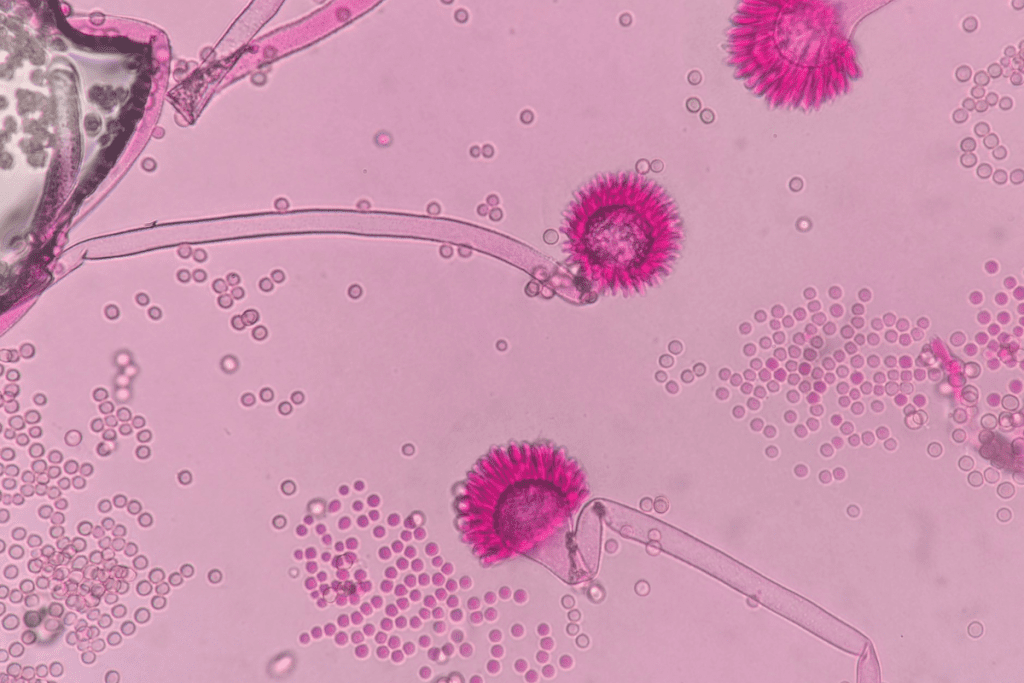
Studies show diet affects stem cell release. Phytochemicals in berries and green tea help stem cells move into the blood. This can help fix damaged tissues.
Research also points to diet’s role in stem cell function. Eating less or fasting can boost the body’s repair abilities. It helps stem cells work better and resist stress.
Knowing how nutrients and diets impact stem cells helps us choose better foods. This supports our body’s ability to heal and grow.
Berries: Nature’s Stem Cell Boosters
Berries are not just tasty but also great for boosting stem cell health. They are full of antioxidants, vitamins, and minerals. These nutrients help the body repair itself naturally.
Blueberries and Their Stem Cell Activating Properties
Blueberries stand out for their ability to activate stem cells. They are loaded with anthocyanins, powerful antioxidants. Studies show that eating blueberries can improve brain function and support stem cell health.
Nutritional Highlights of Blueberries:
- High in antioxidants
- Rich in vitamins C and K
- Good source of dietary fiber
Strawberries, Blackberries, and Other Berries for Stem Cell Health
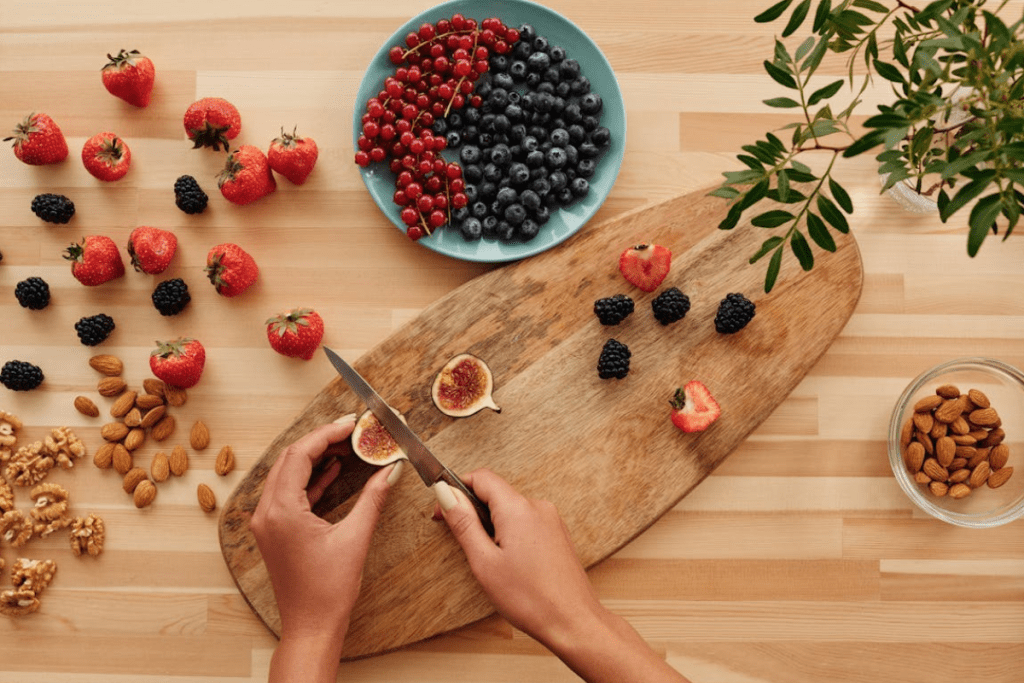
Other berries like strawberries and blackberries also benefit stem cell health. Strawberries are full of vitamin C and ellagic acid, which fight inflammation. Blackberries are rich in antioxidants and fiber, supporting overall health and stem cell function.
Benefits of Various Berries:
- Strawberries: High in vitamin C and ellagic acid
- Blackberries: Rich in antioxidants and dietary fiber
- Raspberries: Contains ellagic acid and anthocyanins
How to Incorporate More Berries Into Your Diet
Adding more berries to your diet is simple. Here are some easy ways to enjoy their benefits:
- Add fresh or frozen berries to your breakfast oatmeal or yogurt
- Blend berries into smoothies for a quick and nutritious snack
- Use berries as a topping for salads or desserts
- Make a homemade berry compote to serve over ice cream or pancakes
By adding different berries to your meals, you support your body’s stem cell function. You’ll also get many other health benefits from berries.
Cruciferous Vegetables and Stem Cell Regeneration
Cruciferous vegetables like broccoli, kale, and cauliflower are getting more attention. They are packed with nutrients that help keep us healthy. These veggies support stem cell regeneration, which is key for our body’s repair.
Benefits of Broccoli, Kale, and Cauliflower
Broccoli, kale, and cauliflower are great for stem cell health. They are full of vitamins, minerals, and antioxidants. Broccoli, for example, has lots of vitamin C, which is good for stem cells.
Sulforaphane, found in these veggies, is also important. It fights inflammation and protects stem cells from harm.
Sulforaphane: The Key Compound for Stem Cell Support
Sulforaphane is a powerful compound for stem cell health. It comes from glucoraphanin in cruciferous veggies. Studies show it boosts our body’s defenses and helps stem cells grow.
Preparation Methods That Preserve Beneficial Compounds
To get the most from these veggies, prepare them right. Steaming is best because it keeps vitamins and sulforaphane in. Eating them raw or lightly cooked also helps keep myrosinase, needed for sulforaphane.
- Steaming broccoli for 3-5 minutes keeps it nutritious.
- Adding mustard powder to cooked veggies boosts sulforaphane.
- Mixing raw and cooked veggies gives you the best of both worlds.
Eating cruciferous veggies and preparing them well supports stem cell regeneration. This helps your body stay healthy.
Green Tea: A Powerful Stem Cell Activator
Green tea is a standout among health drinks for its support of stem cell health. Its ability to activate stem cells comes from its high levels of catechins, a type of antioxidant.
Catechins and Their Effect on Stem Cell Mobilization
Catechins, like epigallocatechin gallate (EGCG), play a key role in stem cell mobilization. EGCG is known for its strong antioxidant properties. These properties help protect stem cells from damage, supporting their health and function.
The way catechins work on stem cells involves changing how cells signal each other. Research shows these compounds can help stem cells move and grow. This helps in fixing and regrowing tissues.
Optimal Consumption for Maximum Benefits
To get the most from green tea for stem cell health, drink it right. Drinking 2-3 cups of high-quality green tea daily is best. This ensures you get enough catechins.
- Choose high-quality, organic green tea to avoid pesticides.
- Brew green tea at the right temperature (around 160 °F to 170 °F) to keep catechins.
- Adding green tea to a diet rich in stem cell support foods can boost benefits.
Omega-3 Rich Foods for Stem Cell Support
Eating foods high in omega-3 fatty acids is key for stem cell health. Omega-3s help stem cells work better. They are important for fixing and growing tissues.
Fatty Fish and Their Stem Cell Enhancing Properties
Fatty fish are packed with omega-3s like EPA and DHA. These nutrients boost stem cell health by fighting inflammation and helping cells grow. Good fatty fish for stem cell support are:
- Salmon
- Sardines
- Mackerel
- Anchovies
Eating these fish often keeps your omega-3 levels right. This supports your stem cells well.
Plant-Based Sources of Omega-3s
Plant-based diets can get omega-3s too. These sources have ALA, which the body can turn into EPA and DHA. Good plant-based sources are:
- Chia seeds
- Flaxseeds
- Walnuts
- Algal oil supplements
Adding these foods to your diet helps your stem cells, even if you don’t eat fish or animal products.
Balancing Omega-3 and Omega-6 for Optimal Stem Cell Function
Omega-3s are vital for stem cells, but so is balancing them with omega-6s. Too much omega-6 can cause inflammation, hurting stem cell work. To keep a good balance:
- Reduce omega-6s from processed foods
- Eat more omega-3 rich foods
- Take supplements if needed, with a doctor’s advice
By balancing omega-3s and omega-6s and eating a variety of omega-3 foods, you support your stem cells and health.
Top Stem Cell Activating Foods You Should Include in Your Diet
To keep your stem cells healthy, eat a variety of foods every day. Foods rich in nutrients help your stem cells work better and improve your health.
Everyday Foods with Remarkable Stem Cell Benefits
Some foods can greatly help your stem cell health. Here are some of the best ones:
- Berries: Blueberries, strawberries, and blackberries are full of antioxidants. They help your stem cells stay healthy.
- Leafy Greens: Kale and spinach are loaded with nutrients. They boost your stem cell function.
- Fatty Fish: Salmon and sardines have omega-3 fatty acids. These are key for stem cell health.
- Nuts and Seeds: Walnuts, almonds, and chia seeds are rich in healthy fats and antioxidants. They support your stem cells.
Combining Foods for Enhanced Effects
Mixing different foods can make them even more beneficial. For instance, berries with nuts or seeds make a great snack for stem cell health. Also, eating a variety of colorful veggies gives you lots of nutrients.
Here are some good combinations:
- Blueberries and walnuts for a boost in antioxidants and healthy fats.
- Spinach and salmon for a nutrient-rich meal that supports stem cell function.
- Kale and almonds for a snack that’s high in vitamins and minerals.
Frequency and Portion Recommendations
To get the most from these foods, eat them often. Try to have a variety of these foods every day.
Here are some tips:
- Eat berries 3-4 times a week.
- Include leafy greens in your meals 5 times a week.
- Eat fatty fish 2-3 times a week.
- Snack on nuts and seeds daily, about 1 ounce or a small handful.
By adding these foods to your diet and mixing them well, you can boost your stem cell health and overall well-being.
Dark Chocolate and Its Impact on Stem Cells
Dark chocolate might do more for our health than just taste good. It’s packed with flavanols, which help our stem cells. This is because dark chocolate has a lot of cocoa.
Flavanols in Cocoa and Stem Cell Activation
Flavanols in cocoa are key to dark chocolate’s health benefits. They help make nitric oxide, which boosts blood flow. This is good for stem cell health and helps fix and grow tissues.
The way flavanols help stem cells is complex. But, eating cocoa products can improve heart health and brain function. It might also help our body heal and grow.
Choosing the Right Dark Chocolate for Health Benefits
Not all dark chocolate is good for you. To get the most health benefits, pick dark chocolate with lots of cocoa. Look for chocolate with at least 70% cocoa solids.
When picking dark chocolate, remember these tips:
- Cocoa Content: Choose chocolate with at least 70% cocoa solids.
- Processing Methods: Some methods can lower flavanol levels. Choose products with minimal processing.
- Additives: Avoid chocolate with too much sugar or milk. They can lessen the health benefits.
By picking high-quality dark chocolate and eating it in small amounts, you can help your stem cells. Plus, you get to enjoy a tasty treat.
Turmeric and Other Anti-Inflammatory Spices
Adding turmeric and other anti-inflammatory spices to your meals can boost stem cell health. These spices have been used for ages in cooking and are now seen as health boosters.
Curcumin’s Role in Stem Cell Health
Turmeric has a key compound called curcumin. It’s known for fighting inflammation and being an antioxidant. Studies show curcumin helps stem cells by supporting a healthy inflammation response and boosting repair.
Curcumin’s ability to control inflammation is key for stem cells. Too much inflammation can slow down stem cell work.
Other Beneficial Spices for Stem Cell Support
While turmeric and curcumin are famous for their health perks, other spices also help stem cells. For instance, ginger has anti-inflammatory effects that work well with turmeric. Spices like cinnamon and cayenne pepper also have antioxidants that help overall health.
Creative Ways to Include These Spices in Your Diet
It’s easy and tasty to add anti-inflammatory spices to your daily food. Here are some ideas:
- Add turmeric to your morning smoothie or oatmeal.
- Use ginger in soups or as a flavor enhancer in stir-fries.
- Sprinkle cinnamon on your toast or yogurt.
- Add a pinch of cayenne pepper to your meals for an extra kick.
By adding these spices to your meals, you can improve your stem cell health and overall health. Try out different recipes and make these spices a staple in your cooking.
Mushrooms: Overlooked Stem Cell Enhancers
Mushrooms are becoming key players in supporting stem cells naturally. They are often overlooked but have amazing properties. These properties can boost stem cell health.
Medicinal Mushrooms and Their Stem Cell Benefits
Medicinal mushrooms have been valued for centuries for their health benefits. Recent studies show they can also support stem cell health. Reishi, Chaga, and Cordyceps are top choices, known for boosting the immune system and reducing inflammation.
Reishi mushrooms help strengthen the body’s defenses and improve overall health. Chaga mushrooms are packed with antioxidants, protecting cells. Cordyceps is thought to enhance physical performance and increase energy.
Incorporating Various Mushrooms Into Your Meals
Adding medicinal mushrooms to your meals is simple and tasty. Here are some ideas:
- Add dried Reishi or Chaga to your morning coffee or tea for an immune boost.
- Use Cordyceps powder in your post-workout smoothie to aid in recovery.
- Incorporate Shiitake mushrooms into your stir-fries for their antiviral properties.
It’s important to buy medicinal mushrooms from trusted sources for the best quality. They come in capsules, powders, and whole mushrooms.
By adding these stem cell boosters to your diet, you can help your body heal and stay healthy.
Nuts and Seeds for Stem Cell Nourishment
Nuts and seeds are full of vitamins, minerals, and healthy fats. These are key for stem cell health. Adding different types to your diet can boost your health and help stem cells work better.
Walnuts, Almonds, and Other Beneficial Nuts
Nuts like walnuts and almonds are not just yummy. They’re also full of nutrients good for stem cells. Walnuts have omega-3 fatty acids and antioxidants. Almonds are rich in vitamin E, which guards cells from harm.
- Walnuts: Rich in omega-3 fatty acids and antioxidants
- Almonds: High in vitamin E for cell protection
- Pecans: Contain a variety of minerals and antioxidants
Flaxseeds, Chia Seeds, and Hemp Seeds
Seeds like flaxseeds, chia seeds, and hemp seeds are great for stem cell health. Flaxseeds and chia seeds are full of omega-3 fatty acids. Hemp seeds offer a complete protein and essential fatty acids.
- Flaxseeds: High in omega-3 fatty acids
- Chia Seeds: Rich in fiber and omega-3s
- Hemp Seeds: Complete protein source with essential fatty acids
Optimal Consumption Amounts and Methods
To get the most from nuts and seeds for stem cell health, eat them in the right amounts. A handful of nuts or a tablespoon of seeds a day is a good start. Adding them to meals or snacks is a great way to include them in your diet.
Knowing the nutritional benefits of different nuts and seeds and how to eat them is key. This helps people make choices that support their stem cell health.
Colorful Vegetables and Their Stem Cell Activating Properties
A rainbow of vegetables on your plate isn’t just for show; it’s a key to unlocking the full stem cell activation. The diverse colors of vegetables show the variety of nutrients and antioxidants they contain. These are key for supporting stem cell health.
Red Bell Peppers and Lycopene-Rich Foods
Red bell peppers, tomatoes, and other red or pink fruits and vegetables owe their color to lycopene. This powerful antioxidant supports stem cell health. Lycopene’s ability to reduce oxidative stress helps stem cells function better.
- Incorporate red bell peppers into salads or stir-fries.
- Enjoy tomatoes in sauces, salads, or as a fresh snack.
- Cooking tomatoes can increase the bioavailability of lycopene.
Purple and Blue Vegetables and Their Unique Benefits
Purple and blue vegetables, like eggplants and purple cabbage, contain anthocyanins. These are powerful antioxidants linked to health benefits, including stem cell support. They help protect stem cells from damage and support their function.
Some ways to include these vegetables in your diet:
- Add purple cabbage to slaws or salads.
- Grill or roast eggplants as a side dish.
- Experiment with purple potatoes in your favorite recipes.
Creating a Rainbow Diet for Stem Cell Support
To maximize stem cell health benefits, eat a variety of colorful vegetables. This ensures you get a wide range of nutrients and antioxidants.
“Eating a rainbow isn’t just about making your plate look appealing; it’s about giving your body the range of nutrients it needs to support overall health and stem cell function.”
By adding a variety of colorful vegetables to your diet, you support stem cell health and overall well-being.
Common Misconceptions About Stem Cell Foods
Some foods are called stem cell superfoods, but it’s key to know the truth. The link between diet and stem cell health is complex. Knowing the facts helps us make better health choices.
Separating Fact from Fiction
Many foods are thought to boost stem cells, but not all claims are true. For example, berries are full of antioxidants that are good for health. But, their direct effect on stem cells is not fully understood yet.
- Berries are often cited for their stem cell benefits due to their high antioxidant content.
- Green tea is believed to support stem cell health through its catechins, which may enhance stem cell mobilization.
- Dark chocolate, rich in flavanols, is thought to have a positive effect on stem cells, though the best amount to eat is unclear.
It’s important to remember that while these foods are good for health, their effect on stem cells can differ. Many factors, like diet quality and health, play a role.
Understanding the Limitations of Dietary Approaches
Diet is important for stem cell health, but it’s not everything. Lifestyle choices like exercise, sleep, and managing stress also matter a lot.
- Eating a balanced diet with fruits, veggies, and omega-3s helps stem cells.
- Staying active boosts stem cell movement and health.
- Getting enough sleep and managing stress are key for healthy stem cells.
In summary, while diet is key, it’s part of a bigger plan. Healthy lifestyle choices are also essential.
Conclusion: Nourishing Your Body’s Regenerative Ability
It’s key to feed your body’s stem cells to stay healthy. Foods like berries, cruciferous veggies, green tea, and omega-3s are full of nutrients.How do polyphenols and antioxidants in foods support stem cell health?
Polyphenols and antioxidants protect stem cells from damage. This helps them stay healthy and function well They help your stem cells work well.
Eating these foods can boost your body’s repair and growth. Adding them to your meals helps your body fix itself naturally. This is a smart way to support your body’s health.
For the best results, eat a variety of whole foods. This ensures your body gets all the nutrients it needs. It’s important for keeping your stem cells healthy and your body regenerating well.
Choosing the right foods can help your body heal and grow. This can make you healthier and lower your risk of serious diseases. It’s a simple way to take care of your body.
What are stem cell activating foods?
Stem cell activating foods are nutrients that help stem cells work well. Stem cells are key for fixing and growing new cells in our bodies.
How do berries support stem cell health?
Berries are full of antioxidants. These protect stem cells from harm and help them work better. This boosts health and helps with repair.
What is sulforaphane, and how does it support stem cells?
Sulforaphane is in broccoli and kale. It helps stem cells grow and work better. This is good for our health.
Can green tea really activate stem cells?
Yes, green tea has catechins. These help move stem cells and make them work better. This is good for our health.
Why are omega-3 fatty acids important for stem cell health?
Omega-3s help stem cells by reducing inflammation. This makes a better environment for stem cells to thrive.
How can I incorporate stem cell activating foods into my diet?
Eat foods like berries, broccoli, green tea, fatty fish, and nuts. These support stem cell health.
Are there any specific foods that are particular beneficial for stem cell health?
Yes, dark chocolate, turmeric, mushrooms, and colorful veggies are great. They have nutrients that help stem cells
Can certain cooking methods affect the nutritional value of stem cell activating foods?
Yes, cooking methods matter. Steaming or sautéing helps keep nutrients in stem cell foods.
How do polyphenols and antioxidants in foods support stem cell health?
Polyphenols and antioxidants protect stem cells from damage. This helps them stay healthy and function well
What role do nuts and seeds play in supporting stem cell health?
Nuts and seeds have healthy fats, antioxidants, and nutrients. They support stem cell health and overall well-being.
References
- Bhatia-Dey, N., & Periyasamy-Thandavan, S. (2022). Nutritional modulation of adult stem cell function: A novel approach for regenerative medicine. Frontiers in Cell and Developmental Biology, 10, Article 854754.
- Chen, M., Yan, Y., & Liu, J. (2021). Effects of sulforaphane on stem cell proliferation and differentiation: Implications for cancer and neurodegenerative diseases. Molecules, 26(4), 1057.