


Cardiology specialist at Liv Hospital.
View doctor profile →



At Liv Hospital, we know how worrying irregular heartbeats or sudden breathlessness can be. These symptoms might not just be stress. They could be signs of atrial fibrillation, a common heart rhythm problem.
It’s important to recognize atrial fibrillation signs early for timely treatment. We aim to offer top-notch healthcare to patients from around the world. Atrial fibrillation is becoming more common worldwide. Knowing its key signs can greatly help in managing it.
Key Takeaways
- Atrial fibrillation is a common and potentially serious heart condition.
- Recognizing its signs is key for timely medical help.
- Liv Hospital provides internationally competitive medical care.
- We support international patients with full healthcare services.
- Early diagnosis can greatly improve managing atrial fibrillation.
What Is Atrial Fibrillation? Understanding the Condition
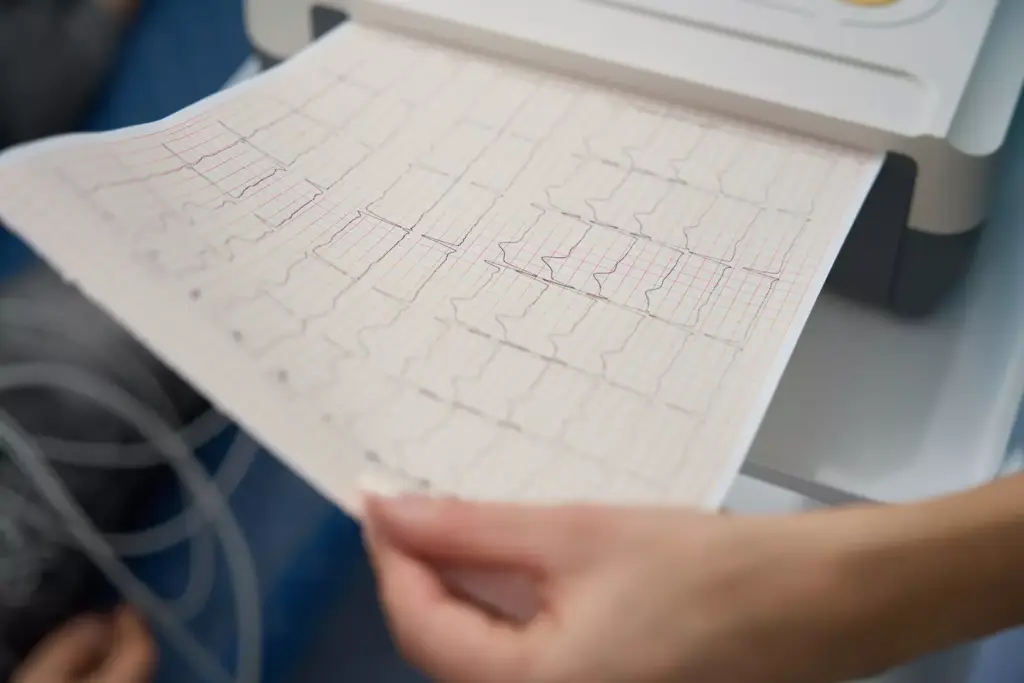
Atrial fibrillation, or AFib, is a heart rhythm disorder that affects millions. It happens when the heart’s electrical system gets disrupted. This causes the atria to quiver instead of beating right.
This disruption leads to irregular heartbeats. These can be too fast, too slow, or just irregular.
The Mechanics of an Irregular Heartbeat
The heart’s rhythm is controlled by its electrical system. This ensures the heart chambers beat together. But in AFib, this system is disrupted.
This leads to chaotic signals in the atria. So, the atria fibrillate or quiver instead of contracting well. This can make the ventricles beat too quickly or irregularly.
This can cause symptoms like palpitations, shortness of breath, and fatigue.
AFib’s Impact on Overall Heart Function
AFib can greatly affect the heart’s efficiency and health. When the atria don’t contract right, blood may pool. This increases the risk of clot formation and stroke.
Also, the irregular heartbeat can lower the heart’s pumping efficiency. This could lead to heart failure over time if not managed well.
To understand AFib’s effects on heart function, let’s compare normal heart rhythm to AFib:
| Characteristics | Normal Heart Rhythm | Atrial Fibrillation (AFib) |
|---|---|---|
| Heartbeat Regularity | Regular | Irregular |
| Atrial Contraction | Effective contraction | Fibrillation or quivering |
| Risk of Clot Formation | Low | High |
| Pumping Efficiency | High | Reduced |
Knowing these differences is key to managing AFib well. It helps reduce the risk of complications.
The 9 Most Common AFib Symptoms to Watch For

It’s important to know the symptoms of atrial fibrillation early. AFib can show itself in many ways, some subtle, others clear. Spotting these signs early can help avoid serious problems.
Why Symptom Recognition Matters
Spotting symptoms early is key. It leads to quicker treatment and better results. Knowing the common signs helps patients and doctors work together better.
The common symptoms of AFib include:
- Heart palpitations
- Fatigue
- Shortness of breath
- Chest pain or discomfort
- Dizziness or lightheadedness
- Reduced exercise tolerance
- Anxiety
- Sweating
- Irregular pulse
The Varying Intensity of AFib Symptoms
AFib symptoms can be different for everyone. Some might feel only a little off, while others might feel very bad. How bad the symptoms are can depend on many things.
Some people might not feel any symptoms at all. This is called silent AFib. They might only find out they have it during a check-up for something else.
Knowing and spotting AFib symptoms is a big step in managing it. By being aware and working with doctors, people can lower their risk of serious problems and live better.
Heart Palpitations: Feeling Your Heart Flutter
Atrial fibrillation often shows up as heart palpitations. These can feel like a fluttering or pounding in the chest. This happens because the heart’s upper chambers beat irregularly. They don’t beat well to move blood into the lower chambers.
Identifying Irregular Heartbeat Sensations
Heart palpitations linked to AFib can be described in many ways. Some common feelings include:
- Fluttering in the chest
- Rapid heartbeat
- Pounding or throbbing sensations
- Irregular heartbeat
- Skipped beats
These feelings can be unsettling and disruptive. They can affect daily activities and overall well-being. It’s important to recognize these symptoms to know when they might mean AFib.
How Palpitations Differ in AFib vs. Normal Variations
While healthy people can have occasional heart palpitations, those with AFib are different. Here’s why:
- Persistence: AFib-related palpitations can last from seconds to days.
- Irregularity: The heartbeat is not just fast but irregularly irregular.
- Association with other symptoms: Often accompanied by other AFib symptoms like fatigue or shortness of breath.
Knowing these differences helps figure out when palpitations might mean an underlying condition like atrial fibrillation.
Fatigue and Weakness: The Energy-Draining Effects of AFib
Atrial fibrillation (AFib) causes many symptoms, with fatigue being one of the worst. People with AFib often feel very tired, which affects their life a lot.
Living with AFib means feeling weak and tired all the time. The heart’s irregular beat makes it pump blood poorly. This means less blood gets to important parts of the body and muscles.
Why AFib Makes You Feel Exhausted
The heart’s poor pumping is why AFib patients feel so tired. An irregular heartbeat means less oxygen gets to tissues and organs. This makes even simple tasks feel like a big effort.
AFib can also cause other problems like anemia or sleep apnea. These issues make fatigue worse. It’s important to treat these problems to help with AFib fatigue.
Distinguishing AFib-Related Fatigue from Other Causes
Fatigue is a big symptom of AFib, but it’s not the only cause. Other health issues, lifestyle choices, or medicines can also make you tired. It’s important to figure out if the tiredness is from AFib or something else.
To tell if AFib is causing your fatigue, look for patterns. Keeping a journal of your symptoms can help. It shows when you’re tired and how it relates to AFib. This info is useful for managing AFib and improving your life.
Understanding how AFib and fatigue are connected is key. By recognizing the signs and finding the causes, you can lessen AFib’s effects. This helps improve your overall health and well-being.
Shortness of Breath: When Simple Activities Become Difficult
AFib can make it hard to breathe, even when you’re not moving much. This makes life much harder for people with atrial fibrillation.
AFib makes the heart pump less efficiently. This means less oxygen gets to the body’s tissues. People with AFib often feel shortness of breath, or dyspnea.
The Connection Between AFib and Breathing Difficulties
The irregular heartbeat of AFib can lower the heart’s pumping power. This can cause fluid to build up in the lungs, leading to congestion.
- Increased heart rate: AFib can cause the heart to beat too quickly.
- Reduced cardiac output: The irregular rhythm can lead to less effective pumping.
- Fluid buildup: Congestion in the lungs can result from the heart’s inability to pump properly.
Activity-Related vs. Rest-Related Breathlessness
Activity-related breathlessness happens when you’re active and need more oxygen. Rest-related breathlessness is a sign of serious heart problems and means you should see a doctor.
To manage shortness of breath, treat the AFib. This includes medicines, anticoagulants, and changes in lifestyle.
Chest Pain and Discomfort: Understanding AFib-Related Discomfort
It’s important to know the difference between chest pain in AFib and heart attacks. Atrial fibrillation can cause different symptoms, and chest pain is one of the most worrying.
How AFib Chest Pain Differs from Heart Attack Symptoms
Chest pain from AFib can be scary, but it’s different from a heart attack. AFib pain comes from an irregular heartbeat and fast rate. Heart attack pain is from blocked arteries.
AFib chest pain might feel sharp or dull and not always tied to exercise. Here’s a table to help understand the differences:
| Characteristics | AFib Chest Pain | Heart Attack Chest Pain |
|---|---|---|
| Pain Description | Sharp, stabbing, or dull ache | Crushing, squeezing, or pressure |
| Relation to Activity | May occur at rest or with activity | Often occurs with physical or emotional stress |
| Duration | Variable, can be intermittent | Typically persists for more than a few minutes |
When Chest Symptoms Warrant Emergency Care
Knowing when to get emergency care for chest pain is key. Severe, lasting pain or with symptoms like shortness of breath needs immediate help.
If you’re not sure about your chest pain, it’s best to get medical help. Being safe is always better when it comes to heart symptoms.
Dizziness, Lightheadedness, and Fainting: Brain Effects of AFib
AFib can cause dizziness and fainting by reducing blood flow to the brain. It affects not just the heart but also brain function.
The Relationship Between Heart Rhythm and Brain Function
The heart and brain are closely connected. The heart’s rhythm is key to keeping blood flowing to the brain. When AFib happens, the irregular heartbeat can lower blood flow to the brain.
This can cause dizziness and lightheadedness. The brain needs a steady supply of oxygen and nutrients. An irregular heartbeat can disrupt this, leading to neurological symptoms.
Preventing Falls and Injuries During Episodes
For those with AFib, preventing falls is very important. Simple steps can greatly lower the risk of injury. Standing up slowly from sitting or lying down can help avoid sudden drops in blood pressure.
It’s wise to avoid standing for long periods or doing activities that could cause falls if dizzy. Making sure living spaces are safe and installing handrails can also help.
| Precautionary Measure | Description | Benefit |
|---|---|---|
| Stand up slowly | Gradually stand up from sitting or lying down | Reduces risk of sudden dizziness |
| Remove tripping hazards | Clear living spaces of obstacles | Minimizes risk of falls |
| Install handrails | Place handrails in strategic locations | Provides support during episodes of dizziness |
Understanding how AFib affects the brain can help manage the condition. It’s key to work with healthcare providers to create a good management plan.
Reduced Exercise Tolerance and Other Less Common AFib Symptoms
There are symptoms of atrial fibrillation that not everyone knows about. While many think of heart palpitations and shortness of breath, other signs can also point to AFib.
Why Physical Activity Becomes More Challenging
Reduced exercise tolerance is a symptom of AFib that’s not as well-known. People might get tired faster or feel uncomfortable during activities they used to handle easily. This is because the heart doesn’t pump blood as well during AFib episodes.
The heart’s inefficiency in pumping blood during AFib leads to less oxygen getting to the body. This makes it hard to keep up with physical demands. As a result, patients might feel tired, dizzy, or short of breath even when doing light exercise.
Additional Signs: Anxiety, Sweating, and Pulse Irregularities
Other symptoms of AFib include:
- Anxiety: The unpredictable nature of AFib episodes can cause significant anxiety in some patients.
- Sweating: Some individuals may experience sweating, particular during episodes of AFib.
- Pulse irregularities: Patients may be aware of an irregular or “fluttering” pulse, which can be unsettling.
These symptoms can differ from person to person and not everyone with AFib will experience them. But knowing about these symptoms can help in identifying AFib more effectively.
Silent AFib: When Symptoms Don’t Appear
In some cases, AFib can happen without any symptoms at all. This is called silent AFib. Silent AFib is dangerous because it might not be caught until it’s too late, like during a stroke.
Regular health check-ups are key, even more so for those at risk of AFib. Risk factors include age, high blood pressure, heart disease, obesity, and a family history of AFib.
How Often Does AFib Occur? Understanding Episode Patterns
Knowing how often and how long AFib episodes last is key for treatment. Atrial fibrillation (AFib) comes in different patterns. Each pattern has its own treatment needs.
Paroxysmal AFib: Occasional Episodes That Resolve Within 7 Days
Paroxysmal AFib episodes stop on their own within 7 days. They can happen at any time and vary in how often they occur. Managing this type involves watching for and adjusting treatment to stop future episodes.
Persistent AFib: Episodes Lasting Longer Than 7 Days
Persistent AFib episodes last more than 7 days or need medical help to end. This shows a longer-lasting heart rhythm problem. It often needs stronger treatment.
Long-Standing Persistent AFib: Episodes Lasting Over 12 Months
Long-standing persistent AFib lasts over a year. It needs a long-term treatment plan. This might include medication, lifestyle changes, and more.
Permanent AFib: When Normal Rhythm Cannot Be Restored
Permanent AFib is when the decision is made to not treat it anymore. Or when treatments fail to bring back a normal rhythm. Then, the focus is on managing symptoms and preventing problems.
Classifying AFib helps doctors create the right treatment for each patient. Knowing the pattern of AFib episodes is key to better care and outcomes.
| Type of AFib | Duration | Management Approach |
|---|---|---|
| Paroxysmal AFib | Less than 7 days | Monitoring, possible treatment adjustment |
| Persistent AFib | More than 7 days | Stronger treatment plans |
| Long-Standing Persistent AFib | Over 12 months | Long-term treatment plan |
| Permanent AFib | Continuous | Focus on symptom control and preventing complications |
Conclusion: Recognizing AFib Symptoms for Better Health Outcomes
It’s key to spot the signs of atrial fibrillation early. This helps in getting the right treatment and better health. Atrial fibrillation, or AFib, is a common heart rhythm problem. It raises the risk of stroke and heart issues.
Knowing the 9 main signs, like heart palpitations and shortness of breath, is important. This way, people can get help fast.
Being aware and educated about AFib is vital.
Older age, high blood pressure, and heart disease are big risk factors. Being watchful is important.
Spotting AFib symptoms early helps in making a personal treatment plan. This lowers the risk of serious problems and boosts health. We aim to offer top-notch healthcare to international patients. We want to help them manage their condition well.
What are the common symptoms of atrial fibrillation?
Symptoms include heart palpitations and fatigue. You might also feel short of breath or have chest pain. Dizziness, lightheadedness, and fainting are common too. Some people feel anxious, sweat a lot, or get tired easily.
How often does atrial fibrillation occur?
It can happen in different ways. Sometimes, it’s occasional and goes away in 7 days. Other times, it lasts longer, even permanently.
What is the difference between AFib-related fatigue and normal tiredness?
AFib fatigue is more severe and lasts longer. It’s because the heart can’t pump blood well. Normal tiredness is not as bad and doesn’t last as long.
Can atrial fibrillation cause shortness of breath at rest?
Yes, it can. You might feel short of breath even when you’re not active. This is because the heart can’t pump blood right, causing fluid in the lungs.
How can I differentiate AFib-related chest pain from a heart attack?
Chest pain from AFib might feel like a heart attack. But it’s usually because of the heartbeat. If you have sudden, severe chest pain, get help right away.
What causes dizziness and lightheadedness in atrial fibrillation?
Dizziness and lightheadedness come from a drop in blood pressure. This happens because the heartbeat is irregular.
Can atrial fibrillation occur without symptoms?
Yes, some people have it without feeling anything. This is called silent AFib. It’s important to get checked regularly, even if you don’t feel sick.
How does atrial fibrillation affect physical activity?
It makes it harder to exercise because the heart can’t pump blood well. This leads to fatigue, shortness of breath, and other symptoms.
What are the signs and symptoms of atrial fibrillation episodes?
Symptoms include an irregular pulse and palpitations. You might also feel short of breath, have chest discomfort, or get dizzy. The symptoms can vary in intensity and length.
How is atrial fibrillation diagnosed?
Doctors use electrocardiogram (ECG) tests to find it. They also use Holter monitors and event recorders to catch AFib episodes.
References
- NHS. (n.d.). Atrial fibrillation. Retrieved from https://www.nhs.uk/conditions/atrial-fibrillation/ nhs.uk
- Streur, M., et al. (2018). Atrial Fibrillation Symptom Perception. PMC. Retrieved from https://www.ncbi.nlm.nih.gov/articles/PMC6660167/ PMC
- Stony Brook Medicine. (n.d.). Atrial Fibrillation (AFib) – signs, symptoms & treatment. Retrieved from https://health.stonybrookmedicine.edu/atrial-fibrillation-afib-signs-symptoms-and-treatment medlineplus.gov+1


