


Işıl Yetişkin is a versatile Content Writer with 9 years of professional…
View author profile →We review our content at regular intervals and update it whenever new research or a change in clinical guidelines requires it.


Spinal surgery can be scary for many, and laminectomy surgery is no different. Over 300,000 spinal surgeries happen every year in the United States. This shows many people are looking for relief from spinal problems. But what is a laminectomy, and is it a big surgery? Get the definitive answer: is laminectomy a high risk surgery? Understand its classification and the potential laminectomy complications clearly.
A laminectomy means removing part or all of a vertebra to ease pressure on the spinal cord or nerves. It’s a surgery that can bring a lot of relief. But, there are valid concerns about its risks. We will look into the risks of laminectomy and what it means for those thinking about it.
Key Takeaways
- Understanding what a laminectomy is and its purpose.
- The possible risks and complications of laminectomy surgery.
- Things that can affect how well a laminectomy works.
- Why talking about risks with a doctor is important.
- Other options instead of laminectomy surgery.
What is a Laminectomy? Definition and Purpose
A laminectomy is a surgery that removes part of the vertebra called the lamina. It aims to ease pressure on the spinal cord or nerves. This is done when other treatments don’t work for spinal problems.
Anatomy of the Spine and Lamina
The spine is made of vertebrae, discs, and ligaments. These parts work together for support and flexibility. The lamina is a key part of the spine’s back wall, protecting the spinal cord.
The posterior ligamentous complex (PLC), which includes the lamina, helps keep the spine stable. This is important for the spine’s health.
Conditions Requiring Laminectomy
Laminectomy is used to treat conditions that press on the spinal cord or nerves. These include spinal stenosis, herniated discs, and tumors. By removing the lamina, surgeons can ease the pressure on nerves.
This can help reduce pain, numbness, and weakness. It can greatly improve a patient’s life.
Goals of the Procedure
The main goal of laminectomy is to relieve pressure on the spinal cord or nerves.This can significantly enhance a patient’s quality of life. In some cases, it’s done with spinal fusion to stabilize the spine.
Types of Laminectomy Procedures
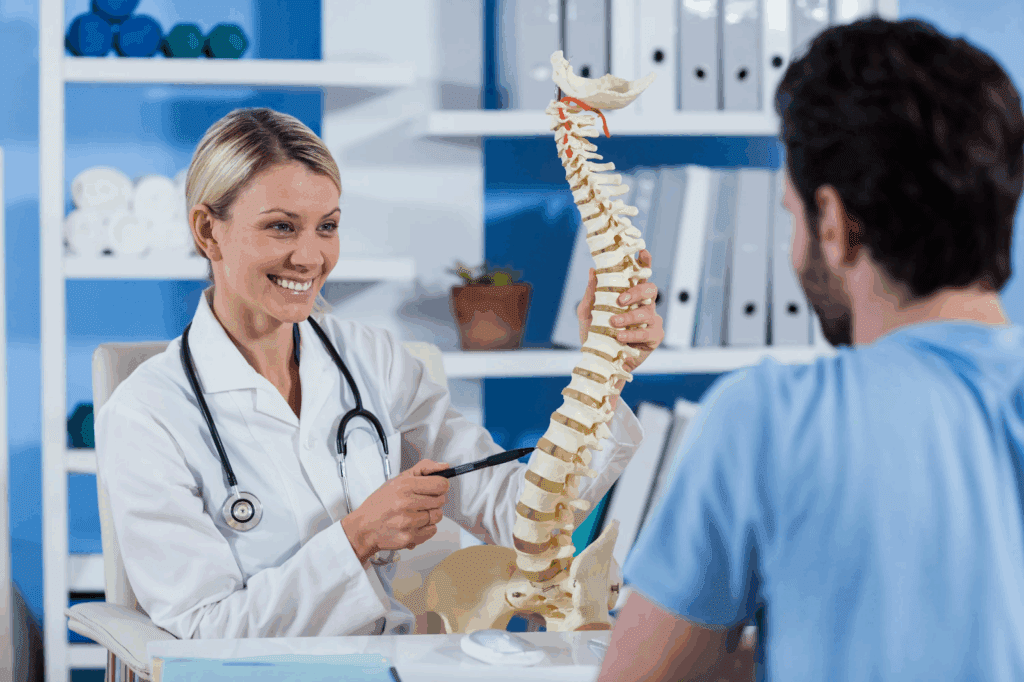
It’s important for patients to know about the different laminectomy procedures. Laminectomy is a surgery to relieve pressure on the spinal cord or nerves. It comes in various forms to treat specific spinal conditions.
Traditional Open Laminectomy
Traditional open laminectomy is a common surgical method. It involves a larger incision to access the spine. This way, surgeons can see the area directly and perform the needed decompression.
Key aspects of traditional open laminectomy include:
- A larger incision is made to provide direct access to the spine.
- This approach is often used for more complex cases or when additional procedures are required.
- It allows for thorough examination and decompression of the affected area.
Minimally Invasive Techniques
Minimally invasive laminectomy techniques are becoming more popular. They offer the chance for quicker recovery and less tissue damage. These procedures use smaller incisions and special instruments for decompression.
Benefits of minimally invasive techniques include:
- Smaller incisions result in less tissue trauma.
- Reduced blood loss during surgery.
- Shorter hospital stays and quicker recovery times.
Recent data shows that minimally invasive surgery is used in 17.72% of lower lumbar spinal metastases. This highlights its growing acceptance in spinal surgery.
Laminectomy with Fusion
Laminectomy with fusion combines two procedures. The laminectomy relieves pressure, and the spinal fusion stabilizes the spine. This is often recommended when there’s a risk of spinal instability after laminectomy.
Considerations for laminectomy with fusion:
| Procedure | Benefits | Risks |
| Laminectomy with Fusion | Relieves pressure and stabilizes the spine | Longer recovery time, possible hardware failure |
| Traditional Laminectomy | Effective for decompression | Potential for spinal instability |
Cervical vs. Lumbar Laminectomy
The approach to laminectomy varies depending on whether it’s in the cervical (neck) or lumbar (lower back) region. Each area has its own challenges and considerations.
“The choice between cervical and lumbar laminectomy depends on the patient’s specific condition and the surgeon’s professional judgment.”
In conclusion, the type of laminectomy procedure depends on several factors. These include the patient’s condition, the location of the spinal issue, and the surgeon’s expertise. Understanding these differences is key to making informed decisions about spinal surgery.
Is a Laminectomy Considered Major Surgery?
To know if laminectomy is major surgery, we need to look at its complexity. It involves removing part of the vertebrae to ease pressure on nerves. The complexity can change based on several factors.
Classification of Surgical Procedures
Surgeries are sorted by how invasive they are and their risks. Laminectomy can be simple or complex, depending on the technique used. This includes whether it’s done alone or with other surgeries like fusion.
Whether laminectomy is major or minor surgery isn’t clear-cut. It depends on:
- The number of levels involved
- The surgical approach used (open vs. minimally invasive)
- Whether the procedure is performed in isolation or in conjunction with other surgeries like fusion
Factors That Determine Surgical Complexity
Several things make a laminectomy complex:
- Patient’s Overall Health: Patients with health issues face more risks during and after surgery.
- Anatomical Considerations: The location and extent of the compression, along with the patient’s anatomy, can affect complexity.
- Surgical Technique: The choice between open surgery and minimally invasive methods can change complexity and recovery time.
Comparison to Other Spine Surgeries
Comparing laminectomy to other spine surgeries shows its unique place. For example, a simple discectomy is less invasive than laminectomy with fusion. Fusion adds stabilization to the spine.
Laminectomy falls between simple discectomy and complex fusion in complexity. Whether it’s major surgery depends on the patient’s condition and the surgeon’s skill.
In summary, laminectomy is a significant surgery due to its risks and the spine’s importance. Yet, its major surgery status varies with each case and the surgical plan.
Preparing for Laminectomy Surgery
The weeks before laminectomy surgery are key for getting healthy and reducing risks. Good preparation can make your surgery and recovery better.
Medical Evaluations and Tests
We need a detailed medical check before surgery to see your health and risks. This includes:
- Blood tests for infections or bleeding issues
- Imaging like X-rays, MRI, or CT scans for the spine
- Cardiac tests for older patients or those with heart problems
- Special tests based on your health history
These steps help us make a surgery plan just for you. It ensures you’re a good fit for the procedure.
Medication Adjustments
Some medicines can affect surgery or healing. We might change or stop certain drugs before your surgery. This includes:
- Blood thinners like warfarin or aspirin, which can increase bleeding risks
- Anti-inflammatory drugs that may slow bone healing
- Certain supplements or herbal remedies that can interact with anesthesia or other drugs
It’s important to tell us about all your medicines. This helps us manage your care safely before surgery.
Lifestyle Modifications Before Surgery
Changing your lifestyle before surgery can help your recovery. We suggest:
- Quitting smoking, as it can harm healing and increase risks
- Maintaining a healthy weight to ease spine stress and improve health
- Doing gentle exercises as your doctor approves to boost flexibility and strength
- Eating a balanced diet to support healing
Patients with lower lumbar spinal metastases need detailed preoperative checks. This shows how important thorough preparation is for complex cases.
The Laminectomy Procedure: What to Expect
Understanding the laminectomy procedure is key. It involves removing part of the vertebra to relieve pressure on the spinal cord or nerves. This is done to help patients feel better.
Anesthesia and Positioning
The procedure starts with general anesthesia. This keeps the patient comfortable and pain-free. Then, the patient is placed on the operating table to access the spine easily.
Key aspects of anesthesia and positioning include:
- General anesthesia is used to induce unconsciousness.
- The patient is positioned to facilitate surgical access.
- Careful monitoring of vital signs is critical.
Surgical Steps and Techniques
The steps in a laminectomy vary based on the condition and surgeon’s method. The surgery involves an incision, muscle retraction, and lamina removal. This helps to decompress the spinal cord or nerves.
The surgical team takes great care to:
- Minimize tissue damage.
- Use precise instruments to remove the lamina.
- Monitor for any signs of complications.
Duration and Hospital Stay
The laminectomy procedure can last from 1 to 3 hours. The hospital stay varies, but most patients go home in a few days.
Factors influencing hospital stay include:
- The extent of the surgery.
- The patient’s overall health.
- The presence of any complications.
General Risks Associated with Any Surgery
Laminectomy, like any surgery, has its own risks. We work hard to ensure the best results for our patients. It’s important to know the general risks of surgery.
Anesthesia Complications
Anesthesia is key for pain-free surgery. But, it can have risks. Anesthesia complications can be mild or severe. They include allergic reactions, breathing problems, and rare cases of anaphylaxis.
- Respiratory issues, such as difficulty breathing or pneumonia
- Cardiovascular problems, including changes in heart rate or blood pressure
- Nausea and vomiting
- Rare but serious complications, such as malignant hyperthermia
Infection Risks
Infection following laminectomy is a risk, like with any surgery. We use strict precautions to lower this risk. These include sterile equipment and antibiotics. Yet, infections can happen.
Signs of infection include:
- Increased pain or swelling at the surgical site
- Fever or chills
- Redness or warmth around the incision
- Pus or discharge from the wound
Blood Clots and Cardiovascular Issues
Blood clots are a risk, mainly with surgeries that keep you immobile for a long time. Deep vein thrombosis (DVT) is a blood clot in a deep vein, usually in the legs. If it breaks loose, it can go to the lungs, causing a pulmonary embolism, which is very dangerous.
To lower these risks, we:
- Encourage early movement after surgery
- Use compression stockings or intermittent pneumatic compression devices
- May prescribe anticoagulant medications in some cases
Knowing these risks helps patients make better choices about their care. Most patients have laminectomy without big problems. By picking a skilled team and following post-op instructions, patients can reduce their risk of complications.
Laminectomy Complications: Common Issues Patients Face
Laminectomy is a common treatment for spinal problems. But, it comes with risks and complications. Understanding these issues and how to manage them is key.
Dural Tears and Cerebrospinal Fluid Leaks
Dural tears are a common complication of laminectomy. These tears can cause cerebrospinal fluid (CSF) leaks. The dura mater protects the spinal cord, and tears can lead to headaches, nausea, and infection.
Fixing these tears often requires more surgery. This is to prevent further problems.
Nerve Damage and Neurological Deficits
Nerve damage is another risk of laminectomy. The surgery can harm nerves and tissues. This can cause numbness, weakness, or changes in sensation in the limbs.
Some symptoms may go away on their own. But, in some cases, they can last forever.
Infection Following Laminectomy
There’s always a chance of infection after laminectomy. This can range from skin infections to deeper infections in the spine. We use antibiotics and keep the surgery area clean to reduce this risk.
Spinal Instability
Laminectomy can sometimes cause spinal instability. This happens if too much of the lamina or other stabilizing parts are removed. This might need more surgery, like spinal fusion, to fix.
Spinal instability can cause ongoing pain or abnormal spine movement.
Serious Complications of Laminectomy Surgery
Knowing the serious complications of laminectomy surgery is key for making informed choices. Laminectomy aims to ease pressure on the spinal cord or nerves. Yet, it’s vital to know about the severe risks involved.
Spinal Cord Injury
Spinal cord injury is a severe complication of laminectomy surgery. It can happen due to trauma during the surgery or from bleeding in the spinal canal. Spinal cord injury can cause lasting damage, including loss of motor function or sensation.
Failed Back Surgery Syndrome
Failed back surgery syndrome (FBSS) is when patients keep feeling pain after laminectomy surgery. The causes can be many, like not enough decompression, scar tissue, or spine instability. Managing FBSS can be tough and might need more surgery or other treatments.
Adjacent Segment Disease
Adjacent segment disease (ASD) is when the spinal segments next to the surgery site degenerate. Laminectomy might speed up this process by changing the spine’s mechanics. ASD can cause new symptoms, like pain or neurological issues, needing more treatment.
Paralysis and Permanent Neurological Damage
In rare cases, laminectomy surgery can lead to paralysis or permanent neurological damage. This usually happens from injury to the spinal cord or nerves during surgery. The risk is higher in complex cases or when surgery involves multiple levels. It’s important for patients to know these risks before deciding on laminectomy surgery.
| Complication | Description | Potential Consequences |
| Spinal Cord Injury | Direct trauma or bleeding during surgery | Loss of motor function, sensation |
| Failed Back Surgery Syndrome | Inadequate decompression, scar tissue | Chronic pain, further surgery |
| Adjacent Segment Disease | Degeneration of adjacent spinal segments | New pain, neurological deficits |
| Paralysis/Permanent Neurological Damage | Injury to spinal cord or nerves | Paralysis, permanent deficits |
Patients should talk to their healthcare provider about these serious complications. This way, they can understand the risks and benefits of laminectomy surgery for their specific case.
Risk Factors That Increase Complication Rates
It’s important for patients and doctors to know about the risks of laminectomy surgery. Spotting these risks early can help avoid problems.
Age and Overall Health
Age is a big risk for problems during and after laminectomy surgery. Older people often have health issues like diabetes and heart disease. They may need more careful checks before and after surgery to stay safe.
Smoking and Substance Use
Smoking can lead to serious issues during and after surgery, including laminectomy. It can slow down healing and increase infection risks. Stopping smoking before surgery is key to avoid these problems. Substance use can also make anesthesia and pain control harder.
Pre-existing Medical Conditions
People with health problems like heart or lung disease face higher risks during and after surgery. It’s vital to manage these conditions well before surgery to reduce risks. Working closely with doctors is important.
Multi-level Procedures
Dealing with multiple levels of the spine in laminectomy surgery adds to the complexity. Such procedures take longer and require more recovery time. Patients need close monitoring for any issues.
By tackling these risk factors, doctors can improve patient outcomes from laminectomy surgery.
Minimizing Risks During and After Laminectomy
To lower risks after laminectomy, we need a detailed plan that starts before surgery. Understanding what causes risks helps patients and doctors work together to reduce them.
Surgeon Experience and Hospital Volume
Research shows that surgeon experience and hospital volume greatly affect laminectomy results. Hospitals that do more of these surgeries have better staff and processes. This leads to better care for patients. When picking a surgeon, look at their laminectomy experience and the hospital’s spinal surgery volume.
Preoperative Optimization
Preoperative optimization is key to lowering risks before and after laminectomy. It means a full medical check, adjusting meds, and changing lifestyle habits like quitting smoking. Getting a patient’s health in top shape before surgery greatly cuts down on complications.
Postoperative Care Protocols
Good postoperative care is vital for a smooth recovery and fewer risks. It includes watching for complications, managing pain, and starting to move early to prevent blood clots. A solid post-op plan can greatly improve a patient’s recovery.
By focusing on surgeon skill, pre-surgery prep, and post-op care, we can greatly reduce laminectomy risks. This leads to better results for patients.
Recovery Process After Laminectomy
The recovery after laminectomy is key to the surgery’s success. Good care after surgery can greatly improve outcomes. Knowing what to expect in each stage of recovery helps patients prepare.
Immediate Post-Operative Period
The first hours after surgery are critical. Patients are watched closely in the recovery room to catch any issues early. Pain management is a top priority, with pain meds given to ease discomfort.
Resting and avoiding hard activities are advised during this time. The length of the hospital stay varies. Most patients go home the same day or the next, based on the surgery’s complexity and their health.
Physical Therapy and Rehabilitation
Physical therapy is essential for recovery after laminectomy. A good rehab plan helps patients regain strength and mobility. Physical therapists create custom exercise plans for each patient’s needs.
Rehab starts soon after surgery with gentle exercises. It gradually gets more challenging. This approach helps prevent complications and speeds up getting back to normal.
Activity Restrictions and Timeline
Following activity restrictions is vital for recovery. Patients should avoid heavy lifting, bending, and twisting for weeks. The exact time to start normal activities depends on health and the surgeon’s advice.
- Avoid heavy lifting (more than 10 pounds) for 4-6 weeks
- Gradually resume normal activities as advised by the surgeon
- Avoid bending and twisting for 6-8 weeks
Pain Management Strategies
Managing pain is key for a smooth recovery. Patients often get pain meds to help with post-op pain. Other methods like physical therapy, relaxation, and heat or cold therapy can also help.
It’s important to follow the surgeon’s pain medication advice. Reporting any severe or ongoing pain is also critical. Effective pain management improves recovery and lowers complication risks.
Recognizing Post-Laminectomy Complications
Knowing about possible complications after a laminectomy is key. It helps you get help quickly. It’s important to watch for signs that might mean something is wrong.
Warning Signs to Watch For
After a laminectomy, keep an eye out for certain signs. These could mean you’re facing a complication. Look out for:
- Increasing pain that doesn’t go away with medicine
- Numbness or tingling in your hands or feet
- Weakness in your muscles that gets worse
- Fever or signs of infection like redness or swelling
- Bowel or bladder problems, like not being able to go or hold it
When to Contact Your Surgeon
If you notice any of these signs, call your surgeon right away. It’s good to know who to call and when. Your surgeon’s office should tell you:
- How to get in touch, like a phone number or email
- What to say when you call, like how bad the symptoms are
If you’re not sure about your symptoms, it’s always better to call. Your health is the most important thing.
Emergency Situations Requiring Immediate Care
Some problems need help right away. If you have any of these, go to the emergency room:
- Severe pain that doesn’t go away with medicine
- Sudden numbness or weakness in your legs or arms
- Loss of bladder or bowel control
- Signs of infection like a high fever or redness around the surgery site
Knowing about these complications and when to get help can help your recovery. We’re here to support you every step of the way. We want to make sure you have the knowledge and help you need.
Success Rates and Long-Term Outcomes
Laminectomy surgery’s success is seen in its rates and the life quality it brings to patients. Studies on long-term results after laminectomy offer key insights into its success.
Statistical Data on Laminectomy Success
Research shows laminectomy can greatly help many patients. Success rates vary based on the condition, patient age, and health.
A study in a top medical journal found about 70% of patients saw big improvements after surgery. But, results can change based on the condition and patient factors.
Factors Affecting Outcomes
Many things can change how well laminectomy works. These include:
- Patient selection: Choosing the right patients based on their health and condition is key.
- Surgical technique: The surgeon’s skill and method used can impact results.
- Postoperative care: Good care after surgery is vital for recovery and success.
Long-Term Quality of Life
Laminectomy can greatly improve life quality for many. It relieves pressure on the spinal cord or nerves, reducing pain and improving movement.
Long-term studies show many patients keep their better life quality years after surgery. But, some may see changes over time.
We offer a balanced view of outcomes, knowing results can vary. Understanding what affects success rates and long-term results helps patients make better choices.
Alternatives to Laminectomy Surgery
For those thinking about spine surgery, looking into alternatives to laminectomy is key. Laminectomy works well for many spinal issues. But, not everyone needs or will benefit from it.
Some might find relief with conservative treatment options. These include physical therapy, pain meds, and changes in diet and exercise. They’re great for those with mild to moderate symptoms.
Conservative Treatment Options
Conservative management treats spinal issues without surgery. It includes:
- Physical therapy to boost flexibility and strength
- Pain management through medication or injections
- Lifestyle changes like losing weight, better posture, and regular exercise
These methods can help manage symptoms and improve life quality for many.
Minimally Invasive Alternatives
For those needing more than just conservative care but not open surgery, minimally invasive alternatives are an option. These procedures have smaller cuts, less damage, and faster recovery than traditional surgery.
Examples include:
- Endoscopic spine surgery
- Laser spine surgery
- Minimally invasive decompression procedures
Emerging Technologies and Approaches
The spine surgery field is always changing, with emerging technologies and methods. New tools, robotic surgery, and better implants are coming.
Some exciting new things are:
- Biologics and stem cell therapies for spinal healing
- Advanced imaging for better diagnosis and planning
- Personalized medicine for each patient’s needs
These new developments are giving more treatment options. They might reduce the need for traditional laminectomy for some.
Specific Risks by Laminectomy Type and Location
The risks of laminectomy surgery vary by type and location. It’s important for patients to know these risks to make good choices about their treatment.
Cervical Laminectomy Risks
Cervical laminectomy is done in the neck. This area is delicate and important. Some risks include:
- Nerve damage or irritation, leading to numbness, tingling, or weakness in the arms or legs
- Spinal cord injury, which can cause serious problems like paralysis
- Difficulty swallowing or breathing because of the surgery’s close location to vital structures
We will look at these risks in more detail. We’ll also talk about how to reduce them.
Lumbar Laminectomy Complications
Lumbar laminectomy is done in the lower back. It has its own risks. These include:
- Spinal instability, which might need more surgery
- Nerve root injury, causing pain, numbness, or weakness in the legs
- Infection, which can be treated with antibiotics but might need more care
Knowing these complications helps patients understand what might happen after surgery.
Laminectomy with Fusion Additional Risks
Laminectomy with fusion is more complex. It removes part of the vertebra and fuses the vertebrae. Risks include:
- Hardware failure, where the rods, screws, or other devices used for fusion fail
- Pseudoarthrosis, a condition where the bone does not fuse as expected
- Adjacent segment disease, where the levels above or below the fusion site degenerate over time
We will explore these risks and how to lessen them.
To understand the risks of different laminectomies, let’s look at a table:
| Procedure | Common Risks | Specific Complications |
| Cervical Laminectomy | Nerve damage, spinal cord injury | Difficulty swallowing, breathing complications |
| Lumbar Laminectomy | Spinal instability, nerve root injury | Infection, persistent pain |
| Laminectomy with Fusion | Hardware failure, pseudoarthrosis | Adjacent segment disease, increased recovery time |
By knowing the risks of each laminectomy type and location, patients can prepare for surgery. This helps them make informed decisions about their care.
Conclusion: Weighing the Risks and Benefits of Laminectomy
We’ve looked into laminectomy surgery, a treatment for many spinal issues. It’s important to know the risks and benefits to make the right choice.
The risks of laminectomy depend on several things. These include the type of surgery, the patient’s health, and the surgeon’s skill. Patients need to think about these factors to decide if laminectomy is right for them.
Our talk has shown how key a detailed approach to laminectomy is. From getting ready for surgery to recovering, it’s all about reducing risks and getting the best results.
Choosing to have laminectomy surgery should be a careful decision. It’s best to talk it over with a healthcare provider. They can help you understand if it’s a good choice for your situation.
FAQ
What is a laminectomy?
A laminectomy is a surgery that removes part or all of the lamina. This is a bony structure in the spine. It’s done to relieve pressure on the spinal cord or nerves.
Is laminectomy considered a major surgery?
Yes, laminectomy is seen as a major surgery. It’s complex and carries risks. The extent of the procedure can vary.
What are the common complications associated with laminectomy?
Common complications include dural tears and nerve damage. Infections and spinal instability are also risks.
How can I minimize the risks during and after laminectomy?
To reduce risks, choose an experienced surgeon. Follow pre and postoperative care instructions closely. Keeping good health is also key.
What is the recovery process like after a laminectomy?
The recovery involves immediate care, physical therapy, and activity limits. Pain management is also important. The specifics depend on the surgery and individual factors.
How long does it take to recover from a laminectomy?
Recovery time varies. Most patients take weeks to months to fully recover. It depends on the surgery’s complexity and individual factors.
What are the alternatives to laminectomy surgery?
Alternatives include physical therapy and medication. Minimally invasive procedures and spinal cord stimulation are also options.
Are there specific risks associated with different types of laminectomy?
Yes, risks differ based on the type of laminectomy. Cervical or lumbar, with or without fusion, affects the risks.
Can laminectomy lead to long-term neurological damage?
While rare, laminectomy can cause long-term neurological damage. This includes paralysis, if serious complications happen.
How successful is laminectomy in relieving symptoms?
Laminectomy can greatly relieve pressure on nerves or the spinal cord. Success rates vary. It depends on individual factors and the surgery’s technique.
What are the warning signs of complications after laminectomy?
Warning signs include severe pain and numbness. Weakness, difficulty walking, fever, and infection signs are also indicators.
References
National Center for Biotechnology Information. Evidence-Based Medical Insight. Retrieved from https://pubmed.ncbi.nlm.nih.gov/24521189/





