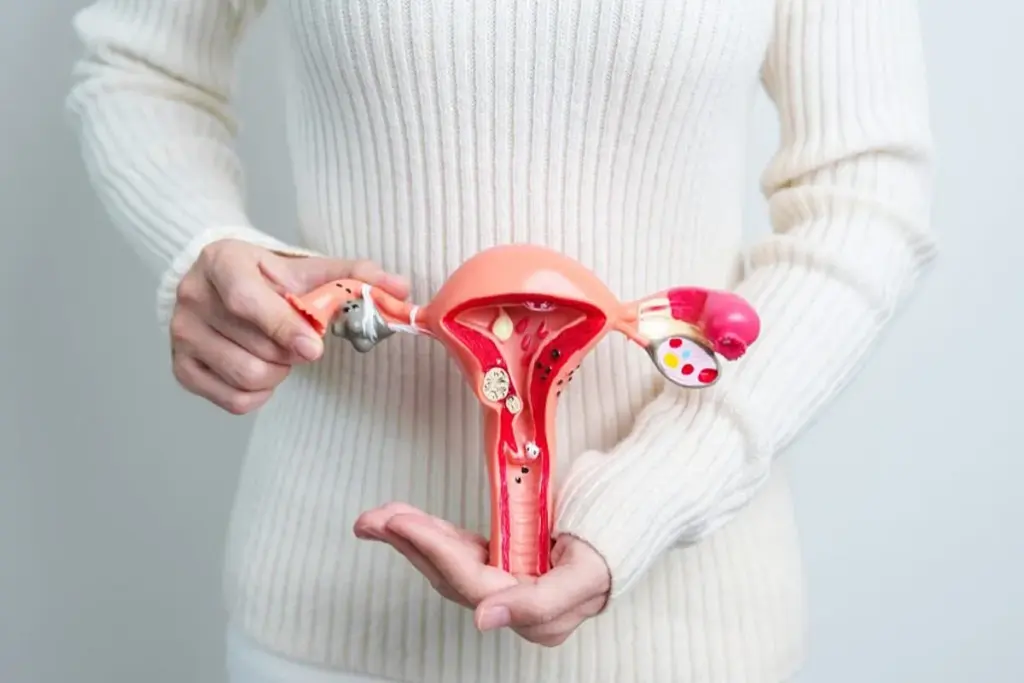
Dealing with cervix pain or chronic cervicitis can be tough. Looking into natural ways to heal is a big step towards feeling better. We think natural healing is more than just treating symptoms. It’s about fixing the root causes of cervical inflammation and improving overall health. Recognize painful cervicitis symptoms and discover amazing natural ways to heal your cervix and restore your reproductive health quickly.
Recent studies show the good side of integrative therapies. Things like acupuncture, PRP, and stem cell therapies are promising. Also, making lifestyle changes, like eating right and doing pelvic floor exercises, can help. These methods help the body heal itself, which can ease cervicitis symptoms and boost health.
By choosing natural healing methods, people can take charge of their health. They can mix traditional medicine with proven alternative therapies.
Key Takeaways
- Integrative therapies like acupuncture can support cervical healing.
- Lifestyle changes, including nutrition and physical therapy, play a key role.
- Regenerative approaches such as PRP and stem cell therapies show promise.
- Addressing underlying causes is key to natural healing.
- Combining conventional and alternative therapies can enhance overall health.
Understanding Cervical Health and Function
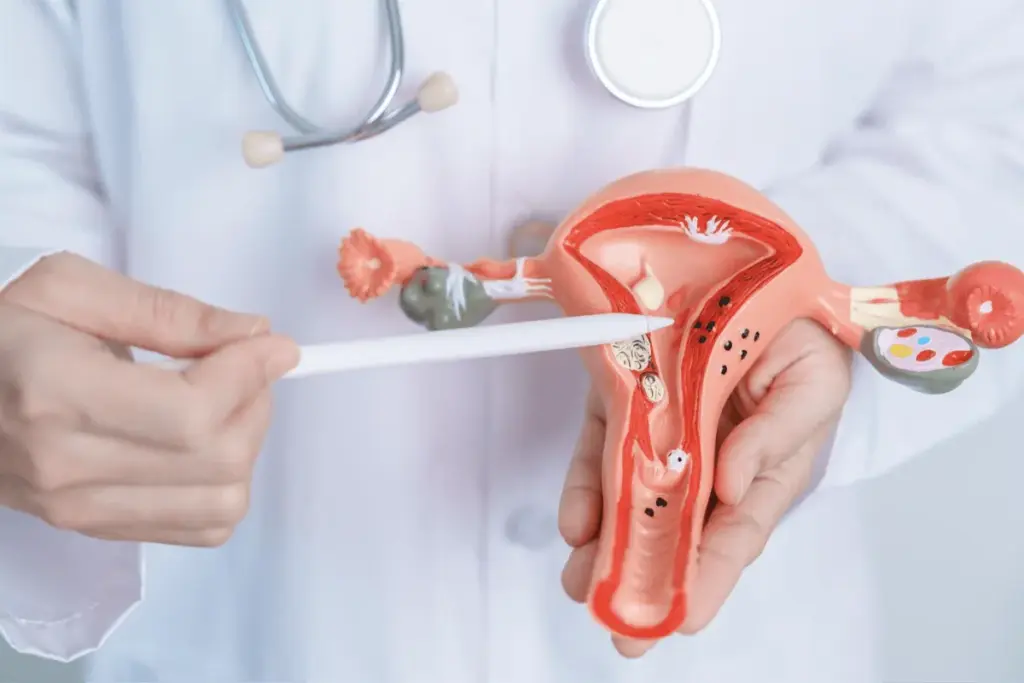
The cervix is vital for women’s health. It works well for reproductive health. Knowing about the cervix’s anatomy and how it works is important. We also need to know the signs of a healthy versus unhealthy cervix and how the body heals itself.
The Anatomy and Physiology of the Cervix
The cervix is the lower part of the uterus that opens into the vagina. It’s a key part of reproductive health. It lets menstrual blood out and helps a baby pass through during birth.
The cervix also makes mucus. This mucus changes to help or block sperm entry into the uterus. It depends on the cycle and fertility status.
Signs of a Healthy vs. Unhealthy Cervix
A healthy cervix feels firm and has clear or white discharge. An unhealthy cervix might show symptoms like abnormal bleeding or unusual discharge. It’s important to notice these signs early for treatment.
Some signs of an unhealthy cervix include:
- Abnormal vaginal bleeding, such as bleeding between periods, after intercourse, or after menopause.
- Unusual vaginal discharge that is yellow, green, or gray, and may have a foul odor.
- Pelvic pain or discomfort that is persistent or severe.
- Pain during sexual intercourse.
The Body’s Natural Healing Mechanisms
The body can heal itself, including the cervix. The immune system helps with this healing. Eating well, staying active, and managing stress can help too.
Using natural therapies can also help. By living a healthy lifestyle and getting medical care when needed, women can keep their cervix healthy. This helps with overall reproductive health and lowers the risk of problems.
Cervicitis Symptoms: Identifying Cervical Inflammation

Knowing the signs of cervicitis is key to getting the right care and feeling better. Cervicitis is when the cervix gets inflamed. It shows through different symptoms that might mean you need to see a doctor.
Common Signs of Acute Cervicitis
Acute cervicitis shows clear signs. These include:
- Abnormal vaginal discharge
- Intermenstrual bleeding or post-coital bleeding
- Pelvic pain or discomfort during sexual intercourse
- Urinary frequency or urgency
These symptoms can be upsetting. They might mean you have an infection or another problem that needs a doctor’s check-up.
Chronic Cervicitis Symptom Patterns
Chronic cervicitis has milder or less obvious symptoms. Common signs are:
- Recurring or persistent cervical inflammation
- Mild pelvic discomfort or pain during intercourse
- Occasional spotting or light bleeding
It’s important to watch these symptoms. Chronic cervicitis can cause bigger problems if not treated.
Differentiating Cervicitis from Other Conditions
It’s important to tell cervicitis apart from other gynecological issues. Similar symptoms can be seen in:
- Vaginitis
- Endometriosis
- Pelvic inflammatory disease (PID)
A doctor can run tests to find out what’s causing your symptoms. They’ll then suggest the best treatment.
Root Causes of Cervical Inflammation and Infection
Finding the main causes of cervical inflammation is key to treating it. This inflammation can come from infections, physical harm, and hormonal changes.
Bacterial and Viral Triggers
Bacteria and viruses are big reasons for cervical inflammation. Chlamydia trachomatis and Neisseria gonorrhoeae are common bacteria. Human papillomavirus (HPV) and herpes simplex virus (HSV) are viruses that can cause it too.
These infections can make the cervix inflamed. This can cause pain, unusual discharge, and serious problems if not treated.
Knowing about these pathogens helps doctors find the right treatments. Antibiotics work for bacteria, and antiviral meds are for viruses.
|
Infectious Agent |
Type |
Common Symptoms |
|---|---|---|
|
Chlamydia trachomatis |
Bacterial |
Abnormal vaginal discharge, pelvic pain |
|
Neisseria gonorrhoeae |
Bacterial |
Vaginal discharge, pain during urination |
|
Human Papillomavirus (HPV) |
Viral |
Often asymptomatic; abnormal Pap smear |
|
Herpes Simplex Virus (HSV) |
Viral |
Painful genital sores, fever |
Physical Trauma and Irritation Factors
Physical harm or irritation can also cause cervical inflammation. This can happen from childbirth, surgery, or certain birth control devices. Physical trauma can disrupt the natural barrier of the cervix, making it more susceptible to infection.
Practices like douching or using harsh soaps can also irritate the cervix. It’s important to avoid these to keep the cervix healthy.
Hormonal Imbalances and Autoimmune Connections
Hormonal changes can affect the cervix’s health. For example, changes during the menstrual cycle or menopause can impact cervical mucus and tissue health. Hormonal imbalances can make the cervix more prone to inflammation and infection.
Autoimmune conditions, where the body attacks its own tissues, can also affect the cervix. Conditions like lupus or rheumatoid arthritis can raise the risk of cervical inflammation.
Understanding these causes helps doctors create detailed treatment plans. These plans aim to treat the root causes of cervical inflammation and infection, not just the symptoms.
Conventional vs. Natural Approaches to Cervical Healing
<SEP-1211_image_4>
When it comes to treating cervicitis, you don’t have to choose between traditional and natural methods. They can work together to help you heal. Traditional treatments tackle the immediate cause of inflammation. Natural and integrative therapies add extra benefits for healing and health.
Standard Medical Treatments for Cervicitis
Traditional treatments for cervicitis aim to fix the root cause of inflammation. Antibiotics are often used for bacterial infections, and antiviral meds for viruses. Sometimes, treatments like cryotherapy or cauterization are needed to remove bad cells or fix damaged tissue.
“The main goal of traditional treatment is to get rid of the infection and reduce inflammation,” says a top gynecology expert. “This helps ease symptoms and prevents serious problems.”
The Integrative Medicine Perspective
Integrative medicine blends traditional treatments with natural therapies. Nutritional advice, stress management, and herbal remedies help the body heal. It focuses on treating the whole person, not just the physical symptoms.
When to Combine Approaches for Optimal Results
Using both traditional and natural methods can lead to better care. For example, antibiotics might be needed for a bacterial infection. But, changing your diet and taking supplements can boost your immune system and aid recovery. It’s key to work with your doctor to find the best treatment plan, weighing the pros and cons of each option.
A study found that treating cervicitis holistically, with both traditional and natural therapies, can be the most effective. It improves symptoms and overall life quality.
- Conventional treatments address the immediate causes of cervical inflammation.
- Natural therapies support the body’s healing processes and overall well-being.
- Integrating both approaches can lead to more complete care.
Anti-Inflammatory Nutrition for Cervical Tissue Repair
<SEP-1211_image_5>
Eating a balanced diet is key for healing the body, including the cervical area. What we eat can either help or hurt our body’s healing process.
Foods That Combat Cervical Inflammation
Adding certain foods to your diet can fight cervical inflammation. These include:
- Fatty Fish: Rich in omega-3 fatty acids, which are known for their anti-inflammatory properties.
- Leafy Greens: High in antioxidants and other nutrients that help reduce inflammation.
- Berries: Packed with vitamins and antioxidants that combat oxidative stress.
- Turmeric: Contains curcumin, a compound with potent anti-inflammatory effects.
- Green Tea: Rich in polyphenols that help in reducing inflammation.
Essential Nutrients for Tissue Regeneration
Some nutrients are vital for healing cervical tissues. These include:
- Vitamin C: Essential for collagen synthesis and tissue repair.
- Zinc: Plays a critical role in immune function and wound healing.
- Protein: Necessary for the repair and regeneration of tissues.
|
Nutrient |
Role in Cervical Health |
Food Sources |
|---|---|---|
|
Vitamin C |
Collagen synthesis, immune support |
Citrus fruits, berries, leafy greens |
|
Zinc |
Immune function, wound healing |
Red meat, poultry, seafood, beans |
|
Protein |
Tissue repair, regeneration |
Meat, poultry, fish, eggs, dairy |
Meal Planning for Cervical Health Optimization
To improve cervical health through food, plan meals with anti-inflammatory foods and key nutrients. Here are some tips:
- Incorporate a variety of colorful vegetables into your meals to ensure a broad intake of antioxidants.
- Choose whole grains over refined grains to benefit from fiber and other nutrients.
- Include lean protein sources in your diet to support tissue repair.
By focusing on anti-inflammatory nutrition and essential nutrients, you can help your body heal naturally. This supports cervical health.
Herbal Medicine Protocols for Cervical Healing
<SEP-1211_image_6>
Herbal medicine is a valuable addition to standard care for cervical healing. It supports the body’s natural healing, reduces inflammation, and fights infection.
Research-Backed Herbs for Inflammation Reduction
Certain herbs have shown anti-inflammatory properties. Turmeric is known for its strong anti-inflammatory effects. Studies have found that curcumin in turmeric can block inflammatory pathways.
Ginger has been used for centuries for its anti-inflammatory effects. It reduces pain and inflammation, making it great for cervical health.
Antimicrobial Herbs for Infection Support
Addressing infections is key for cervical healing. Garlic is known for its antimicrobial activity against bacteria and viruses. Its active compound, allicin, is responsible for this effect.
Echinacea is studied for its immune-modulating effects. It may help the body fight off infections. Though its effectiveness can vary, it’s a popular choice for immune support.
Preparation Methods and Dosage Guidelines
The way you prepare and take herbal remedies matters. Turmeric can be made into tea, added to meals, or taken as a supplement. The goal is to take a consistent, therapeutic dose.
- Turmeric: 1-2 teaspoons of turmeric powder per day, or 400-600 mg of curcumin extract three times a day.
- Ginger: 250-500 mg of ginger extract three times a day, or consumed as tea.
- Garlic: 600-1200 mg of garlic extract per day, or consumed raw in moderation.
- Echinacea: 300-500 mg of dried root or 3-4 ml of tincture three times a day.
Always talk to a healthcare professional before starting herbal remedies. This is important for avoiding interactions with other medications or health conditions.
Pelvic Floor Physical Therapy for Cervical Support
Physical therapy for the pelvic floor is key for good cervical health. The pelvic floor and cervix work together closely. Taking care of one can help the other a lot.
The Cervix-Pelvic Floor Connection
The cervix relies on muscles, ligaments, and fascia in the pelvic floor for support. A strong pelvic floor is vital for the cervix’s proper function and position. Weak or dysfunctional pelvic floors can cause cervical instability and worsen conditions like cervicitis.
Therapeutic Exercises and Techniques
Pelvic floor physical therapy uses exercises and techniques to strengthen cervix-supporting muscles. It also improves circulation and reduces inflammation. Some common methods include:
- Kegel exercises to strengthen pelvic floor muscles
- Pelvic tilts and other mobilization techniques to improve flexibility and reduce tension
- Myofascial release to address scar tissue and adhesions
Self-Care Practices Between Professional Sessions
Patients can do self-care between therapy sessions to help their cervical health. These practices include:
- Maintaining a consistent pelvic floor exercise routine
- Using heat or cold therapy to manage pain and inflammation
- Practicing good posture and body mechanics to reduce strain on the pelvic floor
|
Outcome |
With Pelvic Floor Physical Therapy |
Without Pelvic Floor Physical Therapy |
|---|---|---|
|
Symptom Improvement |
Significant reduction in cervical inflammation and pain |
Limited improvement, possible worsening symptoms |
|
Quality of Life |
Enhanced overall well-being and reduced discomfort |
No significant change or possible decrease |
Adding pelvic floor physical therapy to a treatment plan can greatly improve cervical health and quality of life.
Stress Reduction Strategies for Enhanced Healing
Reducing stress is key for better healing, including for the cervix. Chronic stress can make inflammation worse and slow healing. So, it’s important to use stress reduction techniques.
The Impact of Stress on Inflammation
Stress makes our body release cortisol, a hormone that can cause inflammation. This can harm the cervix and lead to problems like cervicitis. Knowing how stress and inflammation work together is the first step to managing cervical health.
Long-term stress weakens our immune system. This makes it harder to fight off infections, including those that affect the cervix. By lowering stress, we can strengthen our immune system and help our body heal better.
Mindfulness and Breathing Practices
Mindfulness and breathing exercises are great for reducing stress. They calm the mind and body, lowering cortisol and inflammation. Simple breathing exercises, like diaphragmatic breathing, are easy to do anywhere.
Mindfulness, including meditation and yoga, can lower stress and anxiety. It helps us relax and feel better. Adding these practices to our daily lives can help manage stress and support cervical health.
“Mindfulness is the practice of being present in the moment, which can help reduce stress and promote healing.”
— A Mindfulness Expert
Restorative Yoga for Cervical Health
Restorative yoga uses props to support the body in relaxing poses. It helps us relax deeply and relieve stress. This practice is good for cervical health by reducing body stress and aiding healing.
|
Stress Reduction Technique |
Benefits for Cervical Health |
|---|---|
|
Mindfulness Meditation |
Reduces stress, promotes relaxation |
|
Breathing Exercises |
Lowers cortisol levels, reduces inflammation |
|
Restorative Yoga |
Promotes deep relaxation, supports healing |
By using these stress reduction strategies every day, we can help our body heal better, including for cervical health. It’s about taking a holistic approach to well-being, focusing on managing stress as a key part.
Evidence-Based Alternative Therapies for Cervical Pain
Managing cervical pain needs a mix of treatments. We’ll look at some alternatives and their benefits and limits.
Acupuncture: Research and Clinical Applications
Acupuncture is studied for pain relief, including cervical pain. It may help by promoting healing and reducing swelling. Clinical trials show it can help some people feel less pain.
How acupuncture works is not fully known. It’s thought to involve neurotransmitters and how we feel pain. It’s important to choose a licensed practitioner for cervical pain treatment.
Manual Therapy Approaches and Limitations
Manual therapy, like massage, can help with cervical pain. It aims to improve joint movement and reduce muscle tightness. Studies show it can offer short-term relief.
But, manual therapy has its limits. It might not fix the root cause of pain. Its success can vary greatly from person to person.
Energy Medicine Modalities: What the Science Says
Energy medicine, like Reiki and qigong, is being studied for cervical pain. Early research suggests it might help with pain and improve life quality.
The science behind energy medicine is not clear. Many in the medical field are skeptical. Yet, for some, it’s a helpful way to manage pain.
Looking into alternative therapies for cervical pain, we see a need for a mix of treatments. Combining traditional and alternative methods might work best for many.
Regenerative Medicine: PRP and Stem Cell Therapies
PRP and stem cell therapies are leading in regenerative medicine. They offer new ways to fix and grow cervical tissue. These methods use the body’s own healing powers to improve cervical health.
Understanding Platelet-Rich Plasma for Tissue Repair
Platelet-rich plasma (PRP) therapy uses a patient’s own platelets. These platelets have growth factors that help heal. PRP can help fix damaged cervical tissue by growing new cells and reducing swelling.
The PRP therapy process is:
- Drawing a patient’s blood
- Centrifuging the blood to isolate platelet-rich plasma
- Injecting the PRP into the affected cervical area
Benefits of PRP therapy include it’s easy to do and uses the patient’s own cells. This lowers the chance of bad reactions.
Stem Cell Applications in Cervical Regeneration
Stem cell therapy is another big step in regenerative medicine. Stem cells can turn into different cell types. This makes them great for fixing or replacing damaged cervical tissues.
Researchers are looking into how safe and effective stem cell therapy is for the cervix. They are studying:
- The best stem cells for cervical use
- The best ways to get stem cells to the cervix
- If stem cells can help keep tissue healthy and working well long-term
Current Research Status and Clinical Availability
PRP and stem cell therapies are promising, but we need to know more about them. Research is key to making sure these treatments are safe and work well.
Right now, these treatments are not widely available for cervical issues. Some are in clinical trials or used in ways not approved by the FDA. People interested in these treatments should talk to their doctors. This will help figure out if they are right for them.
We are dedicated to keeping up with the latest in regenerative medicine. We want to offer the best treatments for cervical health.
Preventing Recurrent Cervical Inflammation
To prevent cervical inflammation from coming back, it’s important to make lifestyle changes, support your immune system, and be aware of environmental factors. These steps can help lower the chance of cervicitis coming back and keep your cervix healthy.
Lifestyle Modifications for Long-Term Health
Choosing a healthy lifestyle is key to avoiding cervical inflammation. This means:
- Eating a balanced diet full of fruits, veggies, and whole grains to boost health and immune strength.
- Staying active to improve blood flow and overall health.
- Not smoking and avoiding secondhand smoke, as smoking harms the cervix.
- Drinking less alcohol to protect immune function.
Immune System Support Strategies
A strong immune system fights off infections, like those causing cervicitis. Ways to strengthen your immune system include:
- Getting enough sleep to help your body heal and make new immune cells.
- Managing stress with meditation, yoga, or deep breathing.
- Taking immune-boosting supplements like vitamin C, zinc, and probiotics, but only with a doctor’s advice.
Environmental Factors to Address
Being careful about your environment also helps prevent cervical inflammation. This includes:
- Staying away from harmful chemicals in some products or cleaners.
- Using protection during sex to lower the risk of infections that cause cervicitis.
- Keeping clean to avoid bacterial or fungal infections.
By following these tips, you can greatly lower the risk of cervical inflammation coming back. This helps keep your cervix healthy for a long time.
Tracking Your Healing Progress
It’s key to watch how you’re healing to know what’s working. This helps you make smart choices about your care. You can then tweak your plan as you see fit.
Symptom Journaling Techniques
Keeping a symptom journal is a great way to track your healing. It lets you see patterns and changes. Start with a notebook or app to log your symptoms, including how bad they are and for how long.
Make sure to write down any symptom changes, no matter how small. This helps you see what’s helping and what needs more work. For instance, use a 1-5 scale to rate how bad your symptoms are.
Objective Markers of Improvement
There are clear signs of getting better in cervical health too. These include:
- Reduced inflammation
- Improved cervical mucus quality
- Decreased pain or discomfort
- Normalization of menstrual cycles
Watching these signs gives a full picture of your healing.
When to Reassess and Adjust Your Approach
It’s vital to check your treatment plan often and change it if needed. If your symptoms aren’t getting better or are getting worse, it’s time to rethink your plan. You might need to try new treatments or talk to your doctor.
Regular checks keep you on the right path. By using symptom journals, clear signs of improvement, and regular checks, you can lead your healing journey well.
Safety Profile of Complementary Therapies
Exploring complementary therapies for cervical health is important. We must look at their safety. These therapies can be helpful but also carry risks.
Research on Adverse Events and Interactions
Therapies like herbal medicine, acupuncture, and physical therapy can have side effects. Some herbs might not work well with medicines or make health problems worse.
Studies show that most of these therapies are safe when used right. But, we need more research to know for sure. A study on herbal supplements for cervical health found they might affect blood pressure or interact with blood thinners.
Red Flags and Contraindications
It’s key to know when to avoid certain therapies. For example, some manual therapies might not be good for acute cervical inflammation or infection.
People with health issues or on other treatments should be careful with these therapies. Here are some red flags to watch out for:
- Severe pain or discomfort during or after therapy
- Unusual bleeding or discharge
- Fever or signs of infection
- Dizziness or fainting
Communicating with Your Healthcare Team
Talking openly with your healthcare team is important when using these therapies. Tell them about any therapies you’re using or plan to use.
This helps avoid risks and make sure your care is well-coordinated. Here’s a table with key points to discuss with your healthcare provider:
|
Therapy Type |
Key Information to Share |
Potential Concerns |
|---|---|---|
|
Herbal Supplements |
List of herbs, dosages, and frequency |
Interactions with medications, allergic reactions |
|
Acupuncture |
Frequency of sessions, areas treated |
Bleeding risks, infection control measures |
|
Physical Therapy |
Type of exercises, intensity, and frequency |
Exacerbation of symptoms, overexertion |
In summary, while complementary therapies can help with cervical health, it’s important to know their risks. By talking openly with your healthcare team and watching for red flags, you can use these therapies safely.
Conclusion: Your Personalized Cervical Healing Journey
As we wrap up our look at natural ways to improve cervical health, it’s clear that everyone’s path is different. What helps one person might not work for another. This shows how vital a personalized cervical healing approach is.
We’ve talked about many natural healing methods. These include anti-inflammatory foods, herbal remedies, pelvic floor therapy, and ways to reduce stress. You can mix these with traditional treatments for a better integrative approach to cervical health.
We suggest you look into these options and talk to healthcare experts. They can help you create a plan that fits your needs and health goals. By being active and holistic in your cervical health care, you can heal, avoid future problems, and feel better overall.
Your journey to better cervical health is unique, and we’re here to support you all the way.
FAQ
What is cervicitis and what are its symptoms?
Cervicitis is when the cervix gets inflamed. It can happen due to infection, physical harm, or hormonal changes. Signs include unusual vaginal discharge, pelvic pain, and bleeding after sex. We explain how to spot and tell apart acute and chronic cervicitis from other issues.
How can I naturally heal my cervix?
To heal your cervix naturally, tackle the root causes of inflammation. This means changing your diet, using herbal remedies, reducing stress, and doing pelvic floor exercises. We dive into these methods, showing you how to customize them for your needs.
What role does nutrition play in cervical health?
Nutrition is key for cervical health and healing. Some foods and nutrients can fight inflammation and help repair tissues. We talk about the role of anti-inflammatory foods and give meal planning tips for better cervical health.
Can herbal medicine help with cervical inflammation?
Yes, herbal medicine can help with cervical inflammation. Certain herbs have anti-inflammatory and antimicrobial effects that aid healing. We look at research-backed herbs, how to use them, and the right dosages.
How does stress impact cervical health?
Stress can make inflammation worse and slow healing. We explore how stress affects inflammation and introduce mindfulness, breathing, and yoga for stress relief and healing.
What alternative therapies are available for managing cervical pain?
Options like acupuncture, manual therapy, and energy medicine can help with cervical pain. We examine the research and benefits of these therapies, helping you decide what’s best for you.
Can regenerative medicine help with cervical healing?
Regenerative medicine, like PRP and stem cell therapy, might help heal the cervix. We discuss the latest research and its promise, exploring its benefits and future uses.
How can I prevent recurrent cervical inflammation?
To avoid cervical inflammation coming back, make lifestyle changes, boost your immune system, and watch out for environmental factors. We share strategies for long-term health and the importance of tracking your progress.
Are complementary therapies safe to use?
Complementary therapies can be helpful but knowing their safety is important. We look at the risks, discuss when to avoid them, and stress the need to talk to your healthcare team.
How do I know if my treatment approach is working?
Keeping track of your healing is key to knowing if your treatment works. We offer tips on journaling symptoms, looking for signs of improvement, and when to change your approach for better cervical health.
References:
ScienceDirect. Neck pain management – holistic and alternative methods. https://www.sciencedirect.com/science/article/pii/S2589234721001153