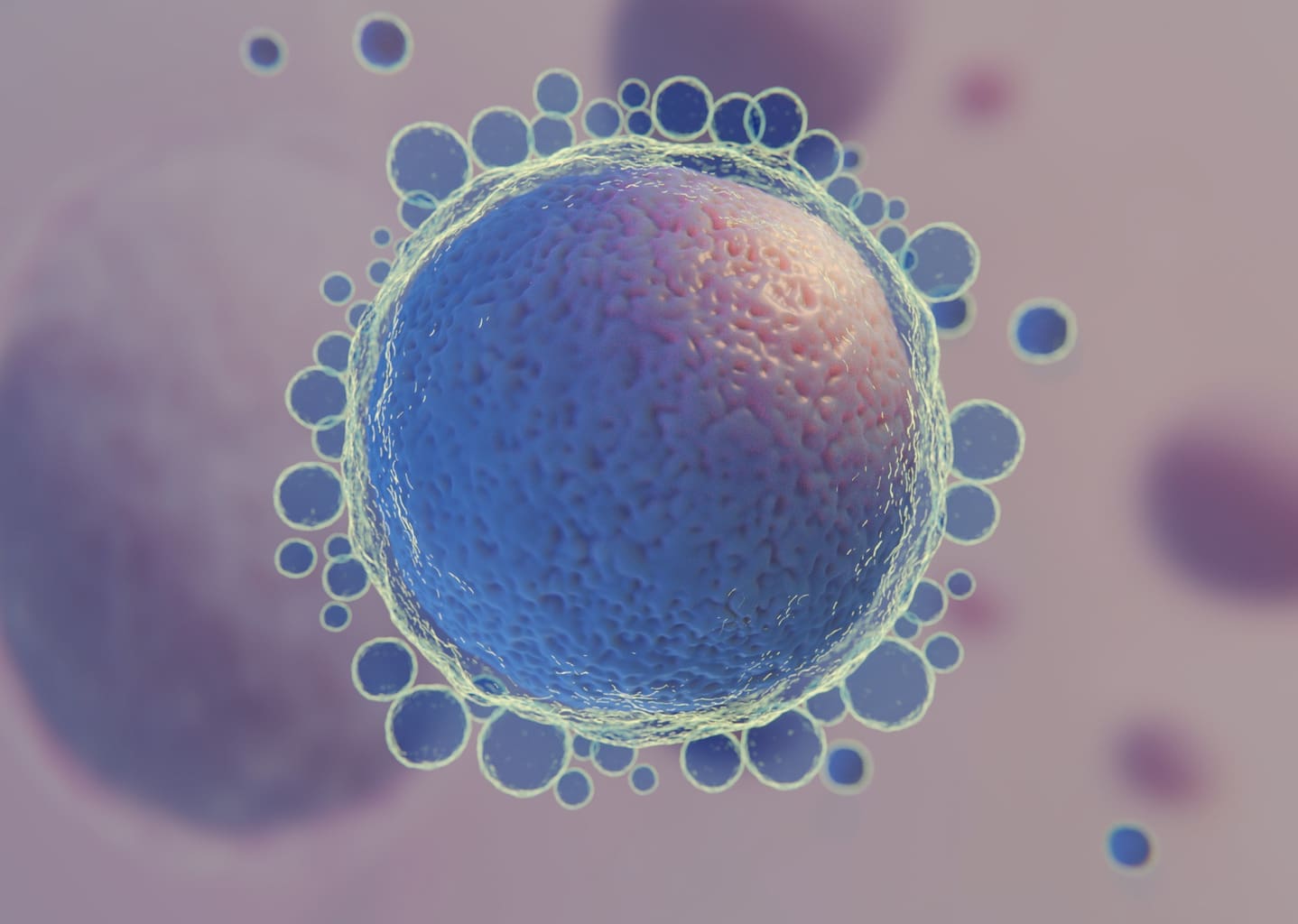
We are on the cusp of a revolution in regenerative medicine, thanks to the power of adult stem cells. Also known as somatic stem cells, these cells are found all over our bodies. They play a key role in keeping our tissues healthy and repairing them when needed.
Adult stem cells can turn into many different cell types. This makes them very important for tissue regeneration. Recent studies have shown their great promise in treatments like bone marrow transplants and regenerative medicine. At Liv Hospital, we use the latest research to help our patients benefit from these cells.
Key Takeaways
- Adult stem cells are key for fixing and growing tissues.
- These cells are found in many parts of our body, like bone marrow and fat tissue.
- The healing power of adult stem cells is being looked into for regenerative medicine.
- Liv Hospital is leading the way in research and treatment with adult stem cells.
- The ability of these cells to become many different types makes them very valuable.
The Science Behind Adult Stem Cells
We are learning more about adult stem cells and their role in keeping tissues healthy. These cells, also known as somatic stem cells, are found in adult bodies. They help repair and grow tissues.
Definition and Basic Characteristics
Adult stem cells can grow and change into different cell types, but not as many as embryonic stem cells. They are multipotent, which means they can make several types of cells, but only within their own tissue. For example, bone marrow stem cells can become different blood cells.
Comparison with Embryonic Stem Cells
Adult stem cells and embryonic stem cells are different in how they can change into other cells and in ethical issues. Embryonic stem cells can become any cell type, but this raises ethical questions. Adult stem cells, on the other hand, are not as controversial and are being studied for their healing abilities.
“The use of embryonic stem cells is controversial due to the source of these cells, typically from embryos that are several days old”
. Adult stem cells are not as debated and are being looked into for their healing powers. For more on stem cells, visit Liv Hospital.
How Adult Stem Cells Function in Tissue Repair

Adult stem cells are key to keeping tissues healthy. They help repair and grow new cells. This is because they can turn into different cell types and keep themselves going.
Multipotency and Differentiation Capabilities
Adult stem cells can become many types of cells. This is important for fixing damaged tissues. For example, mesenchymal stem cells can become bone, cartilage, and fat cells.
Self-Renewal and Tissue Homeostasis
Adult stem cells can keep themselves going. This helps them support the health of tissues. They balance growing new cells and keeping their numbers steady.
For instance, hematopoietic stem cells in the bone marrow keep making blood cells all our lives.
| Stem Cell Type | Differentiation Capability | Role in Tissue Repair |
|---|---|---|
| Mesenchymal Stem Cells | Osteoblasts, Chondrocytes, Adipocytes | Bone, Cartilage, Fat Tissue Repair |
| Hematopoietic Stem Cells | Blood Cells | Blood Cell Production |
| Neural Stem Cells | Neurons, Glial Cells | Neural Tissue Repair |
Bone Marrow: The Classic Source of Adult Stem Cells
Bone marrow is a key source of adult stem cells. It plays a big role in our body’s functions. It’s a complex tissue with many stem cells, like hematopoietic and mesenchymal stem cells.
Hematopoietic Stem Cells (HSCs)
Hematopoietic stem cells are in bone marrow. They make all blood cell types. They help keep our blood cell count and immune system healthy.
Blood Cell Production and Immune Function
HSCs turn into different blood cells. This is key for healthy blood counts and immune defense. “HSCs are vital for our blood system, giving us blood cells for life.”
Bone Marrow Transplantation Applications
Bone marrow transplants use HSCs to treat blood disorders. This method has saved many lives. It’s a key treatment for blood cancers.
“Bone marrow transplantation has revolutionized the treatment of blood cancers, giving patients a second chance at life.”
Mesenchymal Stem Cells in Bone Marrow
Mesenchymal stem cells are in bone marrow too. They can become different cell types, like bone and fat cells.
MSCs are being studied for healing and regrowing tissues. They can calm the immune system and help fix damaged tissues. Research shows they can reduce inflammation and aid in healing.
As we learn more about MSCs, we see their huge promise in medicine. “The possibilities of mesenchymal stem cells in regenerative medicine are endless and mostly unexplored.”
Adipose Tissue: An Abundant Adult Stem Cell Reservoir
Adipose tissue is a key source of adult stem cells for many treatments. We’re looking into how adipose-derived stem cells (ASCs) can help in regenerative medicine and tissue engineering.
Characteristics of Adipose-Derived Stem Cells
ASCs are similar to MSCs from bone marrow. They can turn into different cell types, like fat cells, bone cells, cartilage cells, and muscle cells. ASCs are easily gotten through liposuction, which is why they’re popular in research and medicine.
ASCs also have immunomodulatory properties. This means they can help control the immune system. They can reduce inflammation and help fix damaged tissues.
Extraction Methods and Clinical Applications
Getting ASCs from fat tissue involves several steps. First, you harvest the tissue, then digest it with enzymes, and lastly, isolate the cells. Liposuction is often used to get the fat tissue, which is then processed for ASCs.
Regenerative Medicine Approaches
ASCs are being studied for their role in regenerative medicine. They could be used in:
- Tissue engineering: ASCs can help build tissues like bone, cartilage, and fat.
- Cell therapy: ASCs might treat diseases like joint problems and heart issues.
Aesthetic and Reconstructive Procedures
ASCs are also used in beauty and reconstructive treatments. For example:
- Fat grafting: ASCs can make fat grafts last longer.
- Skin rejuvenation: ASCs can help make skin look younger and smoother.
As we learn more about ASCs, we’ll see new uses in regenerative medicine and other fields.
Neural Stem Cells: Regenerative Power in the Brain
Neural stem cells are key to the brain’s repair power. They are adult stem cells that can turn into different types of brain cells. This makes them promising for treating brain diseases.
Locations and Unique Properties
These cells mainly live in two brain spots: the subventricular zone and the hippocampus. These places are important for making new brain cells.
Subventricular Zone and Hippocampus
The subventricular zone is a big spot in the brain for making new neurons. These neurons then move to other parts of the brain. The hippocampus, key for memory, also makes new neurons all our lives.
Neurogenesis in Adults
Neurogenesis in adults is complex, influenced by exercise, environment, and genes. Neural stem cells are essential in this process. They help the brain stay flexible and adapt.
Applications in Neurodegenerative Diseases
Research on neural stem cells looks promising for diseases like Parkinson’s and Alzheimer’s. These cells can turn into neurons and glial cells. This makes them good for fixing damaged brain areas.
Scientists are working to use neural stem cells for therapy. They aim to boost neurogenesis and fix damaged brain areas.
Skin and Hair Follicle Adult Stem Cells
Adult stem cells in the skin and hair follicles are key to their upkeep and growth. They help fix and renew these areas, keeping them working well.
Epidermal Stem Cells and Wound Healing
Epidermal stem cells live in the skin’s outer layer. They help fix wounds by turning into different skin cells. This ability to grow and change makes them vital for skin health.
Studies show these cells play a big role in healing wounds. They help with inflammation, growing new tissue, and fixing damaged areas. They might also help treat skin problems in the future.
Hair Follicle Stem Cells and Regeneration
Hair follicle stem cells are found in the skin too. They help hair grow back by regenerating hair follicles. They are key for keeping hair growing and could help with hair loss treatments.
Hair Cycle Regulation
The hair growth cycle is controlled by many signals. These signals tell hair follicle stem cells when to grow and when to rest. Knowing how this works is important for finding ways to make hair grow more.
Potential for Skin Grafts and Treatments
Hair follicle stem cells could be used in skin grafts and treatments. Scientists are looking into using them for healing wounds and fixing skin. This could lead to new ways to treat skin and hair problems.
Liver and Muscle Adult Stem Cell Populations
The liver and skeletal muscle are vital organs that use adult stem cells for repair. The liver can regrow itself, thanks to liver stem cells. Skeletal muscle uses satellite cells for fixing and growing itself.
Liver Stem Cells and Hepatic Regeneration
Liver stem cells are key to the liver’s ability to heal itself. They help keep the liver working well and fix it when it’s hurt.
Oval Cells and Liver Repair
Oval cells are a special kind of liver stem cell. They can turn into liver cells and bile duct cells. This helps fix damaged liver tissue. A leading researcher said,
“Oval cells are bipotential progenitors that can give rise to the two main epithelial cell types in the liver, making them critical for liver regeneration.”
Therapeutic Use for Liver Diseases
There’s a lot of hope for using liver stem cells to treat liver diseases. Scientists are studying how they can help with cirrhosis and hepatitis. Liver stem cell therapy could help the liver heal better and improve life for those with liver problems.
Satellite Cells in Skeletal Muscle Repair
Satellite cells are the main stem cells for fixing skeletal muscle. They live between the muscle’s outer layer and the basement membrane. When muscle gets damaged, these cells grow and change to fix the muscle. A recent study found,
“Satellite cells are vital for muscle repair, and their problems are linked to muscle diseases.”
Satellite cells show how important adult stem cells are for keeping tissues healthy. Learning more about these cells can help us find better treatments for muscle diseases.
Dental Pulp and Intestinal Adult Stem Cells
Dental pulp and intestinal adult stem cells are key in fixing and keeping tissues healthy. They are essential for the health and function of their specific areas.
Dental Pulp Stem Cells and Tooth Regeneration
Dental pulp stem cells (DPSCs) live in tooth pulp. They can turn into different cell types, like odontoblasts and osteoblasts. DPSCs are promising for fixing teeth and engineering new dental tissues.
Research shows DPSCs can help grow new dental tissues. This could lead to new ways to treat dental problems and injuries. It’s an exciting area of study for dental care.
Intestinal Stem Cells and Gut Homeostasis
Intestinal stem cells (ISCs) live in the intestinal crypts. They are vital for keeping the gut healthy by constantly renewing the lining. ISCs turn into different cells, like absorptive and secretory cells, to keep the lining strong and working right.
Continuous Epithelial Renewal
The lining of the intestine is replaced every few days, thanks to ISCs. This is key to keeping the gut’s barrier strong and stopping harmful invaders.
Implications for Digestive Disorders
ISCs play a role in digestive issues like inflammatory bowel disease (IBD) and colorectal cancer. Learning more about ISCs could help find new treatments for these problems.
| Stem Cell Population | Location | Function |
|---|---|---|
| Dental Pulp Stem Cells | Dental Pulp | Tooth Regeneration |
| Intestinal Stem Cells | Intestinal Crypts | Gut Homeostasis |
We’re learning more about adult stem cells in different tissues, like dental pulp and the intestinal lining. More research will likely open up new ways for regenerative medicine and fixing tissues.
Conclusion: The Promise and Future of Adult Stem Cell Therapy
We’ve seen how adult stem cells can change medicine, helping fix damaged tissues. They are found in many parts of our body. This makes adult stem cell therapy a big hope for treating many diseases and injuries.
Stem cell research is growing, helping us learn more about adult stem cells. This knowledge is key to making good treatments. The field of regenerative medicine is getting better fast, with new studies and ideas coming up.
The outlook for adult stem cell therapy is very good. It could help with many health issues, from degenerative diseases to serious injuries. We expect more research to bring big changes in how we treat patients. This could make life better for many people.
References
- University of Notre Dame: https://stemcell.nd.edu/research/alternative-stem-cell-sources/adult-stem-cells/
- National Institutes of Health: https://www.ncbi.nlm.nih.gov/books/NBK223693/
- Cells4Life: https://cells4life.com/2023/05/where-can-stem-cells-be-found/
- DVC Stem: https://www.dvcstem.com/post/where-are-stem-cells-found
- UCLA Stem Cell Research: https://stemcell.ucla.edu/understanding-stem-cell-research