
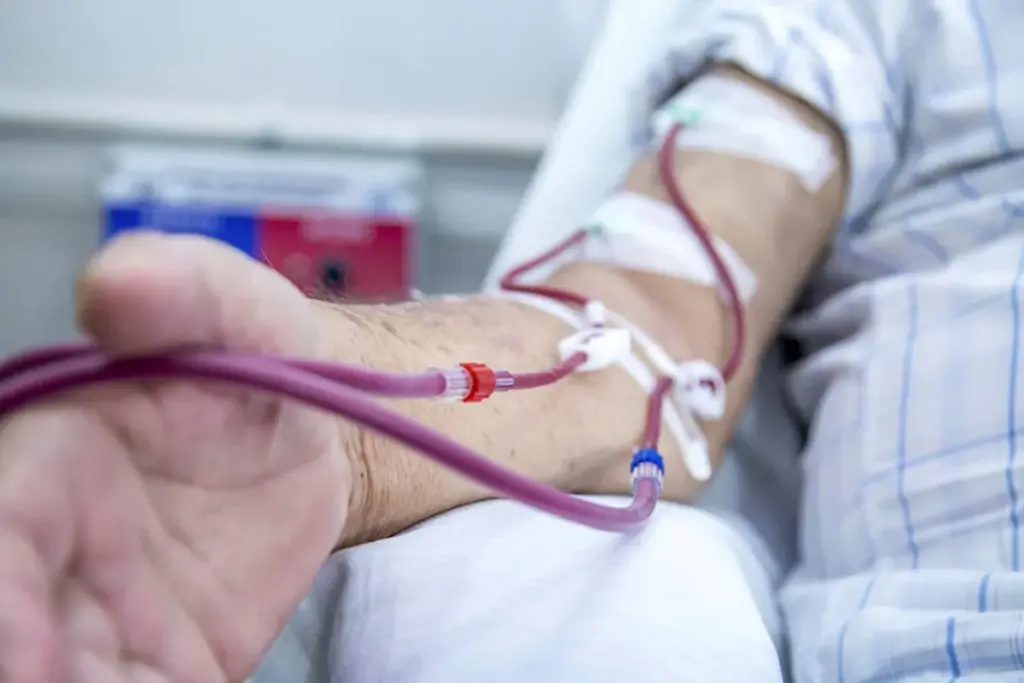
When a patient faces life-threatening problems, time is of the essence. At Liv Hospital, we know that emergent hemodialysis is key in treating severe kidney issues.
The AEIOU mnemonic helps doctors quickly spot the five main reasons for urgent dialysis. It’s a tool that helps save lives by acting fast in cases of acute kidney injury.
We know how critical quick action is in critical care. The AEIOU mnemonic covers Acidosis, Electrolyte problems, Ingestions, Overload, and Uremia. These are the top reasons for needing emergent hemodialysis.
Emergent hemodialysis is critical for life-threatening conditions. Learn the AEIOU mnemonic – the 5 absolute indications for urgent dialysis.
Key Takeaways
- Emergent hemodialysis is a lifesaving intervention for patients with severe kidney issues.
- The AEIOU mnemonic is a valuable tool for healthcare professionals to quickly identify the need for urgent dialysis.
- The five indications for emergent hemodialysis are Acidosis, Electrolyte abnormalities, Ingestions, Overload, and Uremia.
- Timely recognition of these indications can prevent catastrophic outcomes in acute kidney injury.
- At Liv Hospital, we are committed to delivering world-class nephrology care.
Understanding Emergent Hemodialysis and Its Critical Role
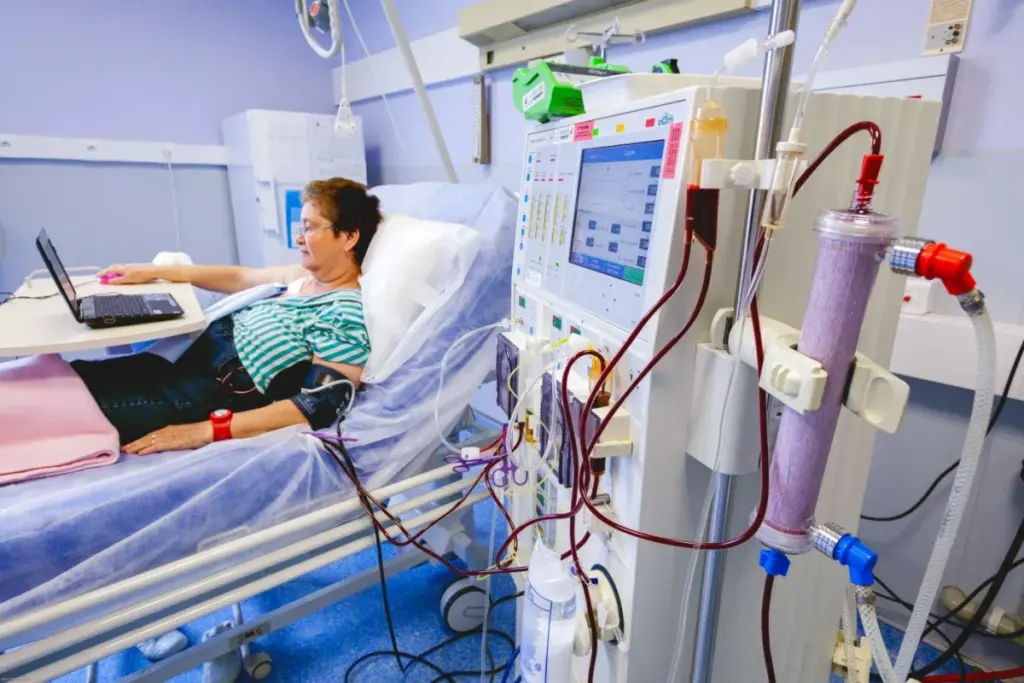
Emergent hemodialysis is key in handling severe kidney problems. It’s vital to know the difference between urgent and routine dialysis. Urgent dialysis is for life-threatening situations.
What Defines an Emergent Hemodialysis Situation
Emergent hemodialysis is needed for serious issues like severe metabolic acidosis, life-threatening hyperkalemia, and fluid overload causing pulmonary edema. These are emergencies that need quick action.
The AEIOU mnemonic helps remember when dialysis is urgent: Acidosis, Electrolyte imbalances, Ingestions, Overload, and Uremic symptoms. Knowing these signs is critical for healthcare workers to act fast and right.
Difference Between Urgent and Routine Dialysis
The main difference is urgency and severity. Urgent dialysis is for emergencies where delay could be deadly. Routine dialysis follows a set schedule.
It’s important to know the difference. This ensures patients in urgent need get the help they need quickly.
The AEIOU Mnemonic for Hemodialysis: A Complete Guide
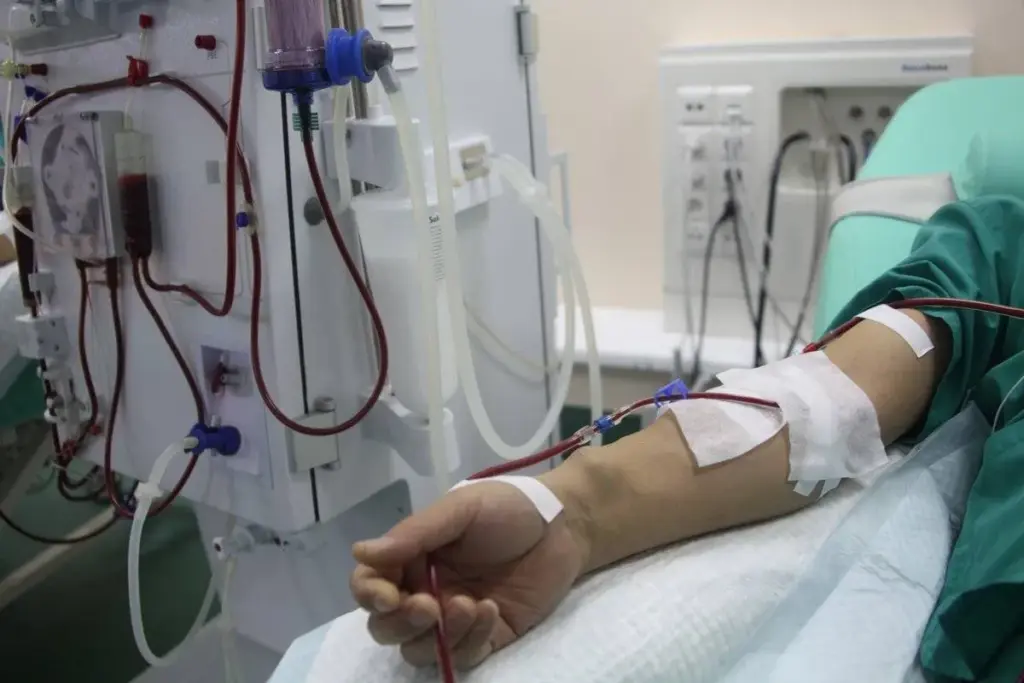
The AEIOU mnemonic helps us figure out when someone needs hemodialysis fast. It’s very important in emergency care where quick action is key.
A – Acidosis: Managing Severe Metabolic Derangements
‘A’ in AEIOU means acidosis, a serious condition with a pH under 7.1 to 7.2. Severe metabolic acidosis is very dangerous and needs quick help. We start emergent hemodialysis to fix the acid-base problem.
Fixing acidosis with hemodialysis helps the patient’s health a lot. It makes their acid-base balance better and improves their chances of getting better.
E – Electrolyte Abnormalities: Addressing Life-Threatening Hyperkalemia
‘E’ in AEIOU is for electrolyte problems, like life-threatening hyperkalemia. High potassium can cause heart problems that can be deadly. We use emergent hemodialysis to lower potassium levels fast and avoid heart issues.
Fixing electrolyte imbalances helps prevent heart problems in patients on hemodialysis.
I – Ingestions: Removing Dialyzable Toxins
‘I’ in AEIOU is for poisoning or overdose. Some toxins can be taken out with hemodialysis. This makes it a key treatment for poisoning.
We use hemodialysis to get rid of toxins from poisoning. This helps patients get better in cases of overdose or poisoning.
O – Overload: Treating Refractory Fluid Accumulation
‘O’ means fluid overload, which can cause refractory pulmonary edema. We use emergent hemodialysis to handle fluid buildup that doesn’t respond to usual treatments.
By treating fluid overload with hemodialysis, we avoid serious problems like pulmonary edema. This helps patients live longer.
Clinical Application and Decision-Making Process
The AEIOU mnemonic is key in helping healthcare pros make quick decisions about hemodialysis. It helps us act fast and right when patients are in danger.
Rapid Assessment Protocols in Emergency Settings
In emergencies, we must quickly find who needs hemodialysis right away. The AEIOU mnemonic helps us see how serious a patient’s situation is. This way, we know if they need help fast.
Key components of rapid assessment include:
- Rapid evaluation of laboratory values
- Assessment of clinical symptoms and signs
- Review of medical history and current medications
We quickly check these things to spot who needs urgent hemodialysis. This includes those with severe acidosis or dangerous electrolyte issues.
“The timely recognition of indications for emergent hemodialysis is critical in preventing complications and improving patient outcomes.” – Expert in Nephrology
Laboratory Values and Clinical Findings That Trigger Intervention
Laboratory values and clinical findings are key in deciding when to act fast. The AEIOU mnemonic helps us understand these signs.
| AEIOU Criteria | Laboratory/Clinical Findings |
|---|---|
| A – Acidosis | pH |
| E – Electrolyte Abnormalities | Potassium > 6.5 mmol/L, unresponsive to medical therapy |
| I – Ingestions | Presence of dialyzable toxins |
| O – Overload | Severe fluid overload, refractory to diuretics |
Knowing the important lab values and clinical signs helps us give patients the care they need quickly and correctly.
Conclusion
The AEIOU mnemonic is a key tool in healthcare. It helps doctors decide when patients need urgent hemodialysis. The AEIOU stands for severe acidosis, life-threatening electrolyte issues, dialyzable ingestions, fluid overload, and uremic complications.
By using the AEIOU, doctors can act quickly to help patients. This can greatly improve their health outcomes. It’s a way to make sure patients get the care they need fast.
Using the AEIOU in medical decisions is very important. It makes sure patients get the right treatment right away. As healthcare keeps getting better, the AEIOU will keep helping doctors save lives. It’s a big help in giving top-notch care to patients all over the world.
FAQ
What is the AEIOU mnemonic used for in clinical practice?
The AEIOU mnemonic helps identify when a patient needs emergent hemodialysis. It stands for Acidosis, Electrolyte abnormalities, Ingestions, Overload, and Uremia.
What are the critical indications for emergent hemodialysis as per the AEIOU mnemonic?
The key signs are Acidosis, Electrolyte abnormalities, Ingestions, Overload, and Uremia. These are serious conditions that need immediate care.
How does the AEIOU mnemonic help healthcare professionals in emergency settings?
It helps them quickly check lab results and clinical signs. This way, they can decide if a patient needs emergent hemodialysis right away.
What is considered a life-threatening electrolyte abnormality that requires emergent hemodialysis?
Severe hyperkalemia is a critical issue. It can cause fatal heart problems if not treated quickly. This is why it’s a reason for emergent hemodialysis.
What does ‘O’ signify in the AEIOU mnemonic, and how is it managed?
‘O’ means fluid overload. This can cause lung problems and needs urgent treatment. Emergent hemodialysis is used to remove excess fluid.
How does understanding the AEIOU mnemonic improve patient care?
Knowing the AEIOU mnemonic helps doctors decide when to start dialysis. This can save lives for patients with kidney problems.
What is the difference between emergent and routine dialysis?
Emergent dialysis is for life-threatening cases. Routine dialysis is for those with chronic kidney disease. The AEIOU mnemonic helps spot when emergent dialysis is needed.
Can the AEIOU mnemonic be applied to patients with chronic kidney disease?
Yes, it can be used for patients with chronic kidney disease who suddenly get worse. It helps doctors know when they need to act fast.
Reference:
https://pmc.ncbi.nlm.nih.gov/articles/PMC7121551



 Departments
 Related Videos
 Our Doctors
 News
News