What is the #1 cause of aging? Learn the science behind why our bodies change and how you can slow down the process effectively today.
At Liv Hospital, we focus on the complex factors that lead to aging. The main cause of aging is the buildup of genomic instability and cellular senescence. This happens due to damage at the molecular and cellular levels.
It’s important to understand these factors to find ways to manage and even reverse some aging effects. We use the latest protocols and global standards to help with healthy aging.
Key Takeaways
- The #1 cause of aging is linked to genomic instability and cellular senescence.
- Damage at the molecular and cellular levels contributes to aging.
- Liv Hospital uses advanced protocols to support healthy aging.
- Understanding aging factors is key to managing and potentially reversing certain aspects.
- Our commitment is to deliver world-class healthcare with complete support.
The Science Behind Human Aging
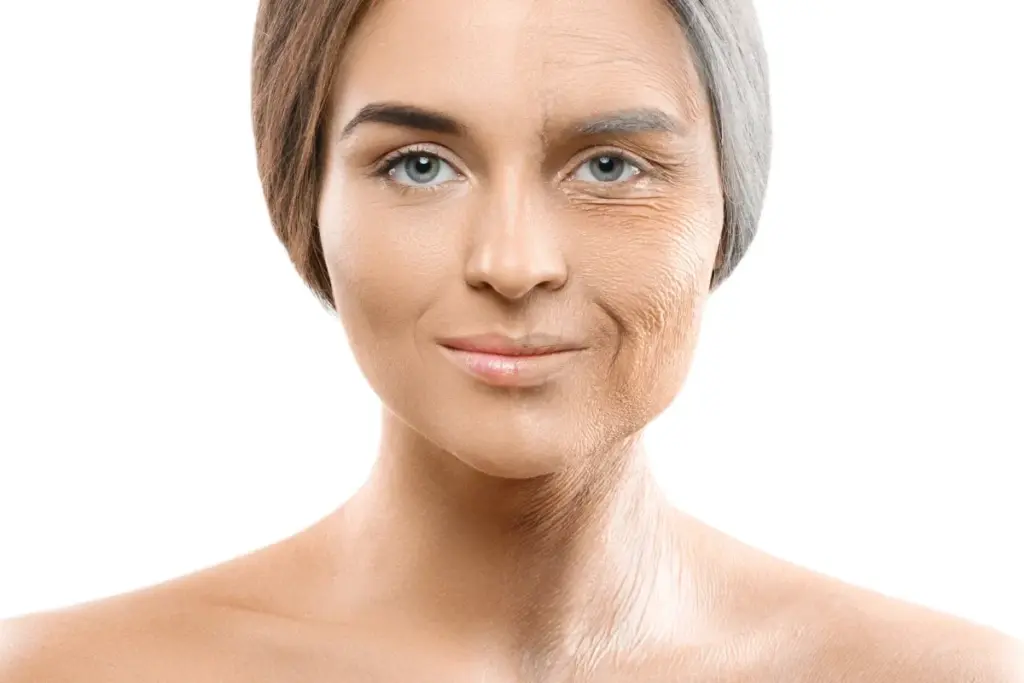
Human aging is a mix of genetics, environment, and lifestyle. These factors change how our cells and body work. As we get older, our health and well-being can be affected.
Defining Aging at the Biological Level
Aging is a slow decline in how our cells and body work. This decline results from a combination of genetics, environment, and lifestyle, and understanding these factors helps us discover ways to maintain our health as we grow older.
The aging process changes cells, tissues, and organs. These changes can make us weaker, more prone to disease, and less able to heal.
The Nine Hallmarks of Aging
The nine hallmarks of aging help us understand aging. They include:
- Genomic Instability: DNA damage that leads to genetic changes.
- Telomere Attrition: Telomeres get shorter, causing cells to age.
- Epigenetic Alterations: Changes in gene expression that aren’t due to DNA changes.
- Loss of Proteostasis: Cells can’t keep proteins in balance, leading to damage.
- Deregulated Nutrient Sensing: Cells have trouble sensing and using nutrients.
- Mitochondrial Dysfunction: Mitochondria don’t work well, leading to less energy and more stress.
- Cellular Senescence: Cells stop dividing but stay active, which can contribute to aging.
- Stem Cell Exhaustion: Stem cells, important for repair, get used up.
- Altered Intercellular Communication: Cells have trouble talking to each other, affecting health.
These hallmarks work together and affect each other. Understanding them helps us find ways to age healthily and prevent diseases.
Genomic Instability: The Primary Driver of Aging

Our genome faces constant threats, leading to aging. Genomic instability, where the genome’s integrity is lost, is a key factor in aging.
What is Genomic Instability?
Genomic instability means our genome changes more during aging. This includes mutations and DNA damage. It can come from stress, DNA replication errors, or repair issues.
Cells face many stressors, both inside and outside. These can harm our DNA, causing mutations and changes if not fixed.
How DNA Damage Accumulates Over Time
DNA damage builds up over time. As we age, cells divide more, raising the chance of DNA errors. Environmental stressors like UV radiation also play a role.
DNA damage slowly adds up. Cells try to fix it, but they’re not perfect. So, some damage stays, helping aging along.
The Million Daily DNA Damage Events
Human cells face up to a million DNA damage events daily. These come from stress, replication mistakes, and the environment. Most are fixed, but some damage stays, causing aging.
This damage leads to genomic instability, driving aging. Knowing how it works is key to helping us age better.
Cellular Senescence and Its Impact
Cellular senescence is when cells stop dividing. It’s key in the aging process and age-related diseases. It happens due to stress, causing cells to stop growing.
Understanding cellular senescence is vital. It affects how tissues work. Senescent cells, though alive, don’t grow and pile up, making us age.
The Concept of Cellular Senescence
Cellular senescence is when cells stop growing due to stress. This includes DNA damage and telomere shortening. Tumor suppressors like p53 and p16INK4a/Rb stop this growth.
This stop helps prevent cancer by stopping damaged cells from growing. But, too many senescent cells can harm tissues and age us.
How Senescent Cells Disrupt Tissue Function
Senescent cells can mess with tissue health. They change the tissue environment, causing inflammation and reducing healing.
These cells are linked to diseases like atherosclerosis and neurodegenerative diseases. Removing them, or senolysis, can improve health in animal studies. This shows targeting senescent cells could be beneficial.
The Senescence-Associated Secretory Phenotype (SASP)
The SASP is what senescent cells release. It includes inflammatory signals and growth factors. The SASP affects nearby cells and causes chronic inflammation.
The SASP is important in aging, leading to inflammation and tissue damage. Knowing how to control the SASP is key to fighting aging.
Internal Factors Contributing to Aging
Aging is a complex process with many internal factors at play. These factors affect how our cells and bodies age. Understanding these factors helps us see how they impact our health and how long we live.
Reactive Oxygen Species (ROS)
Reactive Oxygen Species (ROS) are molecules that contain oxygen and are made during cell work. They can cause damage to cells by harming DNA, proteins, and lipids. This damage is a big part of why we age.
ROS are made naturally, but things like stress and how fast we metabolize can change how much we make. Knowing about ROS helps us find ways to slow down aging.
Metabolic Byproducts
Cells make byproducts during their work, some of which are harmful if they build up. For example, AGEs form when proteins or fats mix with sugar in the blood. They can cause stress and inflammation, which are linked to aging.
Byproducts can mess with how cells work and speed up aging. Finding ways to reduce these byproducts could help us age better.
Replication Errors
DNA replication is a complex process that’s usually very accurate. But sometimes, mistakes happen, leading to mutations. Cells have ways to fix DNA damage, but these abilities get weaker with age.
- Errors during DNA replication can lead to genetic mutations.
- The accumulation of mutations can disrupt normal cellular function.
- Decline in DNA repair mechanisms with age can exacerbate the accumulation of mutations.
Learning about DNA replication mistakes and how cells handle them is key to understanding aging. It also helps us find ways to age better.
External Stressors Accelerating the Aging Process
Aging isn’t just about getting older. It’s also affected by things outside of us. Our choices and the world around us can speed up or slow down aging.
UV Radiation Exposure
UV rays from the sun or tanning beds are big stressors. UV exposure can damage DNA, leading to wrinkles and skin cancer. This damage can cause mutations if not fixed right.
Prevention strategies include using sunscreens, wearing protective clothes, and staying in the shade during peak sun hours.
Environmental Toxins
Things like air pollution and heavy metals can stress our bodies and age us faster. Particulate matter (PM) in air pollution can harm our lungs deeply.
“Reducing exposure to environmental toxins is key for healthy aging.”
To reduce exposure, use air purifiers, avoid polluted areas, and eat foods full of antioxidants.
Lifestyle Factors
Our lifestyle choices greatly affect aging. Smoking and a bad diet can make us age faster. They cause wrinkles and diseases.
- Eat a balanced diet with fruits, veggies, and whole grains.
- Stay active with regular exercise.
- Stop smoking or avoid it.
Making smart lifestyle choices can help control how fast we age.
The Genetics of Aging
Genetics play a big role in how we age. The study of how genes and aging interact is very important. It has gotten a lot of attention in recent years.
Over 400 Genes Linked to Accelerated Aging
More than 400 genes have been found to speed up aging. These genes affect things like DNA repair and how cells age. For example, a study on found certain genes linked to aging.
Knowing about these genes helps us understand aging better. It also shows us ways to slow down or even reverse aging.
Genetic Predisposition to Longevity
Some genes help us live longer, while others speed up aging. People with certain genes might live longer and stay healthier. For instance, some have genes that help keep their telomeres healthy, which could mean a longer life.
Learning about genes linked to longevity is important. It helps us find ways to help people age better. It also shows why genetic counseling is key for those with a family history of long life or early aging.
Epigenetic Changes Throughout Life
Epigenetic changes are like chemical tags on our DNA. They can change how genes work without changing the DNA itself. These changes are influenced by things like our environment and lifestyle.
Epigenetic drift is when these tags change over time. This can lead to age-related diseases. Scientists are studying this to understand aging better.
“Epigenetic changes are a key part of aging. Learning about them can give us insights into how we age.”
By studying the genetics of aging, we can understand it better. This knowledge could lead to new ways to help people age healthily.
DNA Repair Mechanisms and Aging
Our DNA faces many challenges, and DNA repair is key to fixing this damage. Cells have developed complex ways to repair DNA. This keeps our genes stable and our cells working right.
Normal DNA Repair Processes
Cells use different ways to fix DNA damage. These include base excision repair, nucleotide excision repair, and more. These methods are important for fixing damage from the environment and mistakes during cell division.
Efficient DNA repair is essential for our genome’s health. When DNA gets damaged, cells use specific repair paths to fix it. This prevents mutations and keeps cells functioning well.
Decline in Repair Efficiency with Age
As we get older, our DNA repair gets worse. This is due to damage to the repair tools, changes in gene expression, and more. So, cells can’t fix DNA damage as well as they used to.
The age-related decline in DNA repair leads to more DNA damage. This damage can cause cells to malfunction. It affects genes needed for normal cell function.
Consequences of Unrepaired DNA Damage
Unfixed DNA damage harms cells and speeds up aging. It can cause mutations and disrupt cell functions. This leads to age-related diseases and speeds up aging.
More DNA damage means cells can’t work right anymore. This can lead to cell death and cancer. It’s a big problem for aging.
In summary, DNA repair is vital for keeping our genes stable. As we age, this repair gets worse, leading to aging. Understanding this can help find ways to slow down aging.
The Connection Between Aging and Chronic Diseases
Aging makes us more likely to get chronic health problems. As we get older, our bodies change in complex ways. These changes can make our bodies work less well and lead to diseases.
How Cellular Damage Leads to Disease
Cell damage is a big part of aging. It comes from DNA problems, changes in how genes work, and losing control over proteins. This damage can make cells stop working or die, upsetting the balance in our bodies. It can also lead to chronic diseases.
For example, damaged cells can release harmful substances. These substances can hurt other cells and tissues around them.
Common Age-Related Conditions
As we age, we face a higher risk of many chronic conditions. These include cardiovascular disease, type 2 diabetes, some cancers, and neurodegenerative disorders like Alzheimer’s and Parkinson’s. These conditions can make life less enjoyable and put a big strain on healthcare systems.
The Concept of Biological vs. Chronological Age
It’s important to know the difference between chronological age and biological age. Chronological age is how old we are in years. Biological age is how our bodies have aged, which can be different. It’s influenced by our lifestyle, genes, and environment.
Understanding this difference helps us find ways to slow down aging. It’s key to reducing the risk of age-related diseases.
By knowing how aging and chronic diseases are connected, we see why it’s important to take preventive steps. Early action can help us age healthily.
The Molecular Biology of Aging
Aging at the molecular level involves many complex changes. These changes affect how our cells work. As we get older, our cells change in ways that can harm our body’s functions.
Telomere Shortening
Telomere shortening is a key sign of aging. Telomeres are the protective caps on chromosome ends. They get shorter with each cell division. When telomeres shorten, cells can stop working or die, which helps age us. Telomere length is seen as a marker of aging and is linked to many age-related diseases.
Protein Homeostasis Disruption
Protein homeostasis, or proteostasis, is about keeping proteins in balance. As we age, this balance is lost. This leads to damaged or misfolded proteins. This buildup can cause cells to malfunction and lead to diseases like Alzheimer’s and Parkinson’s.
Stem Cell Exhaustion
Stem cell exhaustion is also key in aging. Stem cells help fix and grow tissues. But, as we age, fewer and less effective stem cells are available. This decline can cause our bodies to physically weaken with age.
In summary, aging’s molecular biology is complex and involves many factors. Understanding telomere shortening, protein imbalance, and stem cell decline helps us grasp aging’s mechanisms. This knowledge could lead to ways to age more healthily.
Measuring and Quantifying Aging
Aging is a complex process that needs detailed measurement tools. Understanding and tackling aging’s challenges require us to track its progress.
There are many ways to measure aging, including biomarkers of aging. These biomarkers give insights into a person’s biological age. They can be things like blood pressure, metabolic rate, and genetic signs like telomere length.
Biomarkers of Aging
Biomarkers help figure out a person’s biological age, which might not match their actual age. For example, someone might be 60 but feel 50 years younger because of good health and genetics. Common biomarkers include:
- Telomere length
- Epigenetic changes
- Inflammatory markers
- Hormonal indicators
Assays, “Biomarkers of aging are not just predictive; they also offer a window into the underlying mechanisms driving the aging process.”
“The use of biomarkers in aging research has revolutionized our understanding of how and why we age,” she adds.
Epigenetic Clocks
Epigenetic clocks are a new and powerful tool for measuring aging. They estimate a person’s age based on DNA methylation patterns. This method has been shown to accurately predict age and has implications for understanding age-related diseases.
Research shows epigenetic clocks can help assess the effectiveness of anti-aging interventions. For example, a study found that certain lifestyle changes could reduce epigenetic age, suggesting a possible reversal of biological aging.
Functional Assessments
In addition to biomarkers and epigenetic clocks, functional assessments are key in measuring aging. These assessments look at a person’s physical and cognitive abilities, giving a full picture of their health.
Examples of functional assessments include tests of physical performance, like gait speed and grip strength, and cognitive evaluations, such as memory and problem-solving tasks.
By using these methods together, we can better understand aging and create targeted interventions to promote healthy aging.
Interventions Targeting the Root Causes of Aging
Understanding aging is key to finding ways to slow it down. New strategies aim to tackle aging’s root causes. They aim to help us age healthily and maybe live longer.
Senolytic Therapies
Senolytic therapies are a new hope. They target cells that age us faster. These treatments might make our tissues younger and improve our health.
Studies show they can make our hearts healthier and reduce aging cells in animals.
DNA Repair Enhancement
DNA repair is vital for keeping our genes stable. As we age, our DNA repair gets worse. This leads to more DNA damage.
Improving DNA repair could fight aging. It might lower the risk of age-related diseases.
Antioxidant Approaches
Antioxidants fight oxidative stress, which ages us. They protect our cells from harm. Many antioxidants are being studied for aging prevention.
But, results are mixed. More research is needed to see their full benefits.
Lifestyle Modifications
Our lifestyle affects aging. Eating less, exercising, and managing stress can help. A diet full of fruits and veggies is good for aging.
By changing our lifestyle, we can fight aging diseases. It’s a way to live healthier longer.
In conclusion, tackling aging’s causes is promising. Understanding aging helps us find ways to live longer and healthier. More research is essential to unlock these benefits.
The Role of Inflammation in Aging
Inflammaging is a condition of chronic low-grade inflammation that marks aging. As we age, our bodies change, leading to inflammaging. This condition contributes to age-related diseases.
Inflammaging: Chronic Low-Grade Inflammation
Inflammaging is more than just higher inflammatory markers. It’s a complex process involving many cellular and molecular changes. This chronic inflammation causes tissue damage and speeds up aging.
Several factors lead to inflammaging, including:
- Accumulation of senescent cells
- Increased production of pro-inflammatory cytokines
- Dysregulation of the immune system
How Senescent Cells Promote Inflammation
Senescent cells play a key role in inflammation through the SASP. SASP is the secretion of pro-inflammatory factors like cytokines and growth factors. These factors cause chronic inflammation and tissue damage.
The presence of senescent cells and SASP has significant consequences. They promote inflammaging and contribute to age-related diseases.
Anti-Inflammatory Strategies
Developing effective anti-inflammatory strategies is vital for aging. Some approaches include:
|
Strategy |
Description |
Potential Benefits |
|---|---|---|
|
Lifestyle Modifications |
Dietary changes, exercise, stress management |
Reduced inflammation, improved overall health |
|
Pharmacological Interventions |
Anti-inflammatory medications, senolytics |
Targeted reduction of inflammation, removal of senescent cells |
|
Nutritional Supplements |
Omega-3 fatty acids, antioxidants |
Anti-inflammatory effects, enhanced cellular protection |
Understanding inflammaging and using anti-inflammatory strategies can help. We can reduce aging’s negative effects and improve healthspan.
Multidisciplinary Approaches to Age Management
Age management is becoming more complex, combining preventive and curative methods. It’s clear that a single approach won’t work for everyone. Instead, a mix of healthcare disciplines is needed to help people age healthily and manage diseases.
Preventive Strategies
Preventive strategies are key in age management. This includes making lifestyle changes like eating right, exercising, and managing stress. These habits can greatly improve healthspan.
Preventive screenings and early treatments are also vital. They help catch health problems early. This allows doctors to act quickly, improving health outcomes and quality of life.
Curative Interventions
Curative interventions aim to fix the causes of age-related diseases. This might include using drugs like senolytic therapies to remove aging cells. It also includes regenerative medicine, like stem cell treatments, to repair damaged tissues.
These treatments are being studied and improved, giving hope for treating age-related conditions. They target the biological causes of these diseases, leading to more effective treatments for each person.
Personalized Age Management Programs
Personalized age management programs are tailored to each person. They consider genetic, environmental, and lifestyle factors. This approach makes healthcare more precise and effective.
Advanced diagnostic tools and data analysis help create targeted plans. This focuses on each person’s specific needs and risk factors. It makes treatments more effective and improves patient satisfaction.
Conclusion: The Future of Aging Research and Management
As we learn more about aging, we see hope for better health in older age. Liv Hospital is leading the way in top-notch healthcare and aging research. We aim to make aging healthier and manage it better.
The study of aging is changing fast. Soon, we’ll have new treatments that really tackle aging’s causes. By studying aging’s key signs, we can make life better for people everywhere.
We’re all about improving aging care at Liv Hospital. We’re excited to use new aging research to help our patients. This will lead to healthier aging and better care for everyone.
FAQ
What is the primary cause of aging?
Aging is caused by a mix of genetic, environmental, and lifestyle factors. Genomic instability and cellular senescence are key players.
What is genomic instability?
Genomic instability means the genome changes more often as we age. This happens due to DNA damage from stress, replication errors, and other factors.
How does cellular senescence impact aging?
Cellular senescence makes cells stop growing permanently. This disrupts tissue function and causes inflammation. It contributes to aging and age-related diseases.
What are the internal factors that contribute to aging?
Internal factors include reactive oxygen species (ROS) from normal cell work, metabolic byproducts, and DNA replication errors. These can damage and dysfunction cells.
How do external stressors accelerate the aging process?
Stressors like UV radiation, toxins, and unhealthy lifestyle choices cause DNA damage. They lead to oxidative stress and inflammation, speeding up aging.
What is the role of DNA repair mechanisms in aging?
DNA repair keeps the genome stable by fixing damage. But, it gets less efficient with age. This leads to more DNA damage and faster aging.
How is aging related to chronic diseases?
Aging increases the risk of chronic diseases like heart disease, diabetes, and neurodegenerative disorders. This is due to cellular damage and genomic instability.
What are the molecular processes involved in aging?
Aging involves processes like telomere shortening, protein homeostasis disruption, and stem cell exhaustion. These contribute to cellular dysfunction and aging.
How can aging be measured and quantified?
Aging can be measured with biomarkers, epigenetic clocks, and functional assessments. These tools give insights into biological age and help evaluate interventions.
What interventions target the root causes of aging?
Interventions include senolytic therapies, DNA repair enhancement, antioxidants, and lifestyle changes. They aim to promote healthy aging and reduce age-related diseases.
What is inflammaging, and how can it be addressed?
Inflammaging is chronic low-grade inflammation in aging. It can be tackled with anti-inflammatory strategies, like lifestyle changes and medications.
What approaches are used in age management?
Age management uses a multi-disciplinary approach. It includes preventive strategies, curative interventions, and personalized programs for individual needs.
What is the significance of age management in promoting healthy aging?
Age management is key to healthy aging. It identifies and addresses age-related changes, reduces chronic disease risk, and improves quality of life.
References:
National Center for Biotechnology Information. Evidence-Based Medical Insight. Retrieved from https://pubmed.ncbi.nlm.nih.gov/16590110/