
Are you aging gracefully? Discover the key signs that your body is staying healthy and learn the best habits for a long, beautiful life.
As we get older, it’s key to keep our independence and handle chronic health issues. 93% of adults over 65 have at least one chronic condition. This shows how vital it is to know the signs of aging well.
So, what does it mean to age gracefully? It’s about keeping up with daily tasks and reducing chronic diseases. We’ll dive into these topics in this article. You’ll learn about the latest facts and data that show if you’re aging well.
Key Takeaways
- Understanding the signs of aging well is key for staying independent.
- Handling chronic conditions is vital for aging gracefully.
- Recent data shows most adults over 65 have chronic conditions.
- Keeping up with daily tasks is a sign of aging well.
- New hospital networks are leading the way in healthy aging.
The Science Behind Healthy Aging
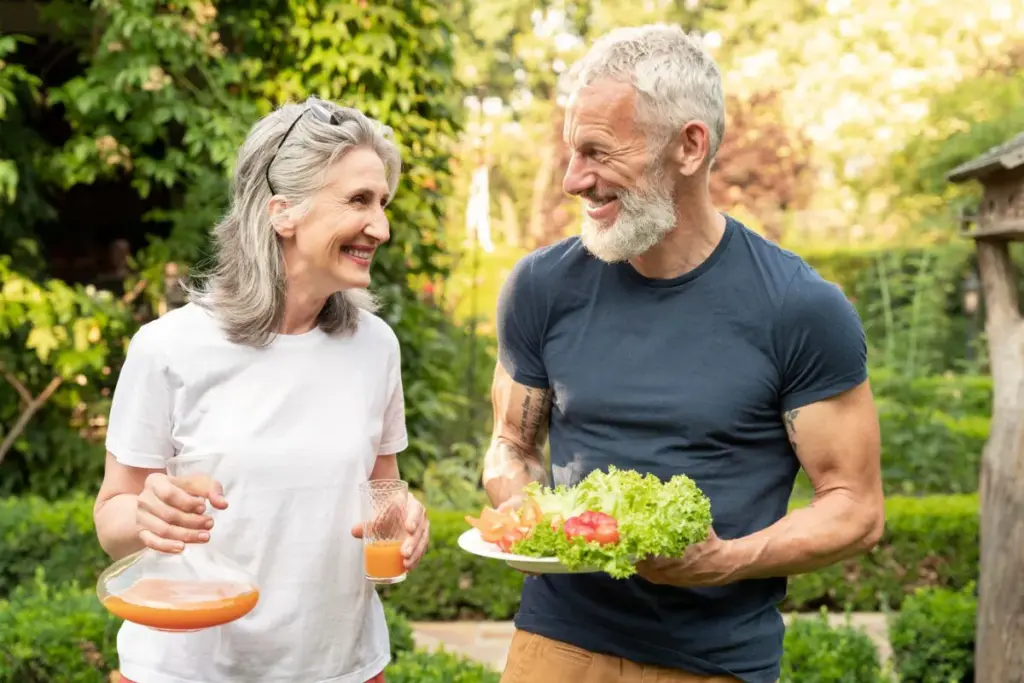
Understanding the science of healthy aging is key to living longer and healthier. As we age, our bodies go through many changes. These changes can impact our health and happiness.
Biological vs. Chronological Age
Chronological age is how old we are in years. Biological age shows how well our body is working compared to our actual age. Studies show that lifestyle choices greatly affect our biological age.
For example, someone who is 60 years old might feel like they are 50 because of a healthy lifestyle. Or, someone younger might feel older due to unhealthy habits.
Lifestyle factors influencing biological age include:
- Diet and nutrition
- Physical activity level
- Smoking and alcohol consumption
- Stress management
- Sleep quality
Current Research on Longevity
Research on longevity is all about understanding aging at a genetic and molecular level. It has found several important areas for healthy aging, including:
|
Area of Research |
Key Findings |
|---|---|
|
Genetics |
Certain genetic markers are associated with increased longevity and reduced risk of age-related diseases. |
|
Telomere Length |
Telomere shortening is linked to aging, and lifestyle interventions can help maintain telomere length. |
|
Epigenetics |
Epigenetic changes influence gene expression and can be affected by lifestyle factors, impacting aging. |
As research deepens, we learn more about how to age healthily. This knowledge helps us create better ways to stay young and healthy.
Key Indicators You’re Aging Well
Knowing the signs of aging well helps us live healthier lives. As we get older, keeping our independence and physical health is key.
Maintaining Independent Daily Function
Being able to do daily tasks on your own is a big sign of aging well. This includes bathing, dressing, and handling personal matters. Independent living shows good health and happiness in older years.
Research shows that staying active and involved helps older adults stay healthy and independent. Walking, cooking, and managing medicines are important for daily tasks.
Physical Resilience and Recovery
Being able to bounce back from illness or injury is another sign of aging well. Physical resilience means your body can handle and recover from stress. Older adults who are resilient tend to have fewer health problems and heal faster.
Regular exercise, a healthy diet, and enough sleep are key for physical resilience. Also, staying connected and managing stress helps a lot.
By paying attention to these signs, we can see if we’re aging well. Regular health checks and healthy habits are vital for staying independent and resilient as we age.
Understanding Chronic Disease in the Aging Process
Managing chronic diseases is a big challenge for older adults. As we age, our bodies change, making us more likely to get chronic conditions.
Chronic diseases are long-term health issues that need ongoing care. They can greatly affect a person’s life quality and worry healthcare providers a lot.
The Reality of Statistics: 93% of Adults Over 65
A shocking fact is that 93% of adults over 65 have at least one chronic condition. This shows how important it is to handle chronic diseases as we age.
Having chronic diseases can make healthcare harder. People with many conditions need complex treatment plans. This can make it tough to manage their health well.
Regional Variations in Chronic Disease
The 93% statistic is scary, but it’s also key to know that chronic disease rates vary by region. Different places have different rates of chronic conditions. This is because of things like lifestyle, diet, and healthcare access.
Knowing these regional differences helps healthcare providers tailor their services. It also guides public health efforts to lower chronic disease rates.
By facing the reality of chronic disease in aging and understanding regional differences, we can improve health for older adults. We need to manage chronic diseases well and tackle the factors that cause them.
Cognitive Health: A Critical Measure of Aging Well
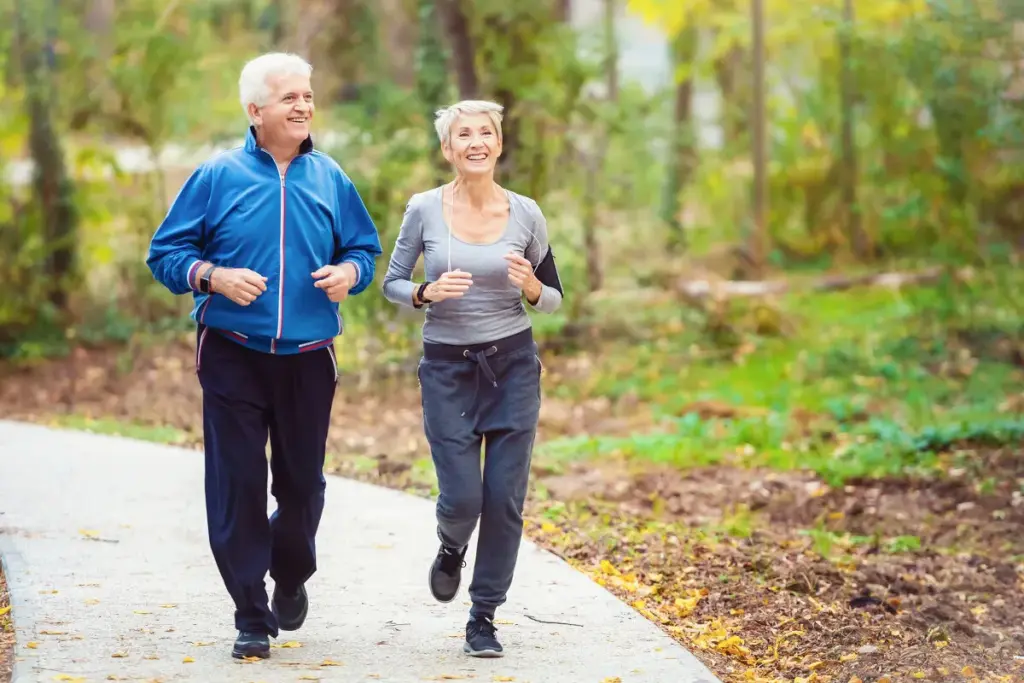
Aging well is closely tied to our cognitive health. This includes our ability to think, learn, and remember. As we get older, our brains do change, but a big drop in function is not normal. It’s important to know the difference between normal aging and signs of trouble.
Normal Cognitive Changes vs. Warning Signs
Normal aging means our brains might process things a bit slower and we might forget things sometimes. But these changes shouldn’t really get in the way of our daily lives. Warning signs, though, are different. They include memory loss that doesn’t go away, getting confused, trouble with words, solving problems, and making bad judgments.
Key warning signs to watch out for include:
- Forgetting recently learned information or important dates
- Repeating questions or conversations
- Becoming increasingly disorganized
- Difficulty understanding visual information
- Losing track of time
Positive Trends in Cognitive Health
Studies show that older adults are facing fewer cognitive challenges. This is good news and points to better health care, more education, and healthier living. Activities like reading, solving puzzles, or learning something new can help keep our minds sharp.
The importance of cognitive health cannot be overstated. It’s key to our independence and quality of life. By knowing what’s normal and what’s not, we can take steps to keep our minds healthy.
To support our cognitive health, we should stay connected with others, manage health issues, and eat well. A diet full of fruits, veggies, and omega-3s is good. Also, regular exercise is important for our brain health.
Mobility and Balance as Aging Indicators
Aging well means keeping our mobility and balance. As we get older, these skills are key to staying independent and happy.
The Significance of Reduced Fall Rates
Falling less is a big sign of aging well. Falls can cause serious injuries like hip fractures and head traumas. These can really hurt our health and freedom.
Studies show that fewer falls mean better balance and strength in older adults. This is good news for their physical health.
There are ways to lower fall risks. These include exercises that build strength and flexibility. Also, making homes safer can help prevent falls.
Maintaining Strength and Flexibility
Keeping muscles strong and flexible is vital for moving around and staying balanced. Regular exercise helps older adults stay independent and lowers fall risks.
Here’s a look at how different exercises help older adults:
|
Exercise Type |
Benefits |
Examples |
|---|---|---|
|
Strength Training |
Improves muscle mass, bone density, and overall strength |
Weight lifting, resistance band exercises |
|
Flexibility Exercises |
Enhances range of motion, reduces stiffness |
Yoga, stretching exercises |
|
Balance Exercises |
Improves balance, reduces fall risk |
Tai Chi, balance training exercises |
By mixing these exercises into their routine, older adults can boost their mobility and balance. This helps them age more healthily.
Social Engagement and Aging Gracefully
Social engagement is key to aging well and enjoying life. As we get older, our social interactions greatly affect our well-being and how long we live.
It’s important for older adults to keep strong social ties. Research shows that those with good social networks have better health. This is because socializing helps fight loneliness and isolation, which can harm our health.
The Impact of Social Connections on Longevity
Studies show that older adults with strong social ties live longer. For example, a study in PLOS Medicine found that those with strong social bonds were 50% more likely to survive for 7.5 years than those with weak ties.
|
Study |
Findings |
Implications |
|---|---|---|
|
PLOS Medicine Study |
50% greater likelihood of survival for those with stronger social relationships |
Highlights the importance of social connections for longevity |
|
Nursing Home Study |
Residents with more social engagement had better mental health outcomes |
Emphasizes the need for social activities in care facilities |
Volunteerism and Community Involvement
Volunteering and getting involved in the community are vital. They offer chances for socializing and give a sense of purpose. Volunteer work has been shown to improve mental health, reduce stress, and even boost physical health.
A study on older volunteers found they saw big improvements in their thinking skills and overall happiness. This was compared to those who didn’t volunteer.
By staying socially active, older adults can greatly improve their life quality and possibly live longer. It’s vital for communities to support social interaction and keep older adults engaged and active.
Gender-Specific Aging Patterns
Men and women age in different ways. Many factors affect their health. Knowing these differences is key to good healthcare.
Health Challenges in Men
Men face unique health issues with age. One big concern is heart disease, including stroke. Studies show men are more likely to have a stroke than women, often at a younger age.
Key Health Statistics for Men:
|
Condition |
Men’s Risk |
Comparative Risk |
|---|---|---|
|
Stroke Prevalence |
Higher |
Compared to women |
|
Cardiovascular Disease |
Increased |
Significant risk factor |
Health Considerations for Women
Women also face special health challenges with age. Osteoporosis is a big worry, mainly after menopause. This is because estrogen levels drop, raising the risk of fractures and affecting mobility and life quality.
Key Health Statistics for Women:
|
Condition |
Women’s Risk |
Impact |
|---|---|---|
|
Osteoporosis |
Higher post-menopause |
Increased fracture risk |
|
Autoimmune Diseases |
More prevalent |
Affects quality of life |
Understanding these differences helps healthcare providers meet the unique needs of men and women. This improves health outcomes and quality of life as people get older.
The Underutilized Power of Prevention
Preventive care is key to keeping us healthy, but it gets too little funding. It helps lower the cost of chronic diseases. This makes the healthcare system more affordable for everyone.
Today, most healthcare money goes to treating illnesses, not preventing them. Only a tiny part of it is for stopping problems before they start.
The 3% Healthcare Spending Reality
Just 3% of U.S. healthcare money goes to prevention. This is a big problem because prevention can save a lot of money. It can help avoid the high costs of chronic diseases.
Chronic diseases are very expensive to treat. But, we can stop or delay them with good prevention. More money for prevention could save a lot for both people and the healthcare system.
Evidence-Based Preventive Strategies
There are many proven ways to keep us healthy. These include:
- Screenings for early detection of diseases: Early tests can catch and treat diseases like cancer and diabetes.
- Vaccination programs: Vaccines stop infectious diseases. They help control outbreaks and prevent diseases.
- Lifestyle interventions: Healthy eating and exercise can lower the risk of chronic diseases.
Using these strategies can make healthcare more focused on keeping us well. It’s a step towards a better, more affordable healthcare system.
Working with Healthcare Professionals
More older adults than ever have access to specialized care. This is thanks to the growing number of geriatric clinicians. This trend is a positive step, as it helps address the unique health challenges of older adults.
The Growing Field of Geriatric Medicine
Geriatric medicine is now a key part of healthcare for older adults. Healthcare professionals in this field can handle complex health issues. They also manage multiple chronic conditions and focus on the overall well-being of their patients.
As the field grows, we’ll see more geriatricians and other healthcare professionals. They will be trained to meet the specific needs of older adults. This includes medical treatment, lifestyle advice, preventive measures, and managing age-related conditions.
Essential Health Assessments by Age
Regular health assessments are key to staying healthy as we age. They help catch health issues early and ensure timely interventions. The type and frequency of these assessments depend on age, health status, and risk factors.
|
Age Group |
Recommended Health Assessments |
Frequency |
|---|---|---|
|
65-74 years |
Annual physical exam, blood pressure check, cholesterol screening, diabetes screening |
At least annually |
|
75 years and older |
Annual physical exam, fall risk assessment, cognitive function assessment, review of medications |
At least annually, with more frequent assessments as needed |
Working with healthcare professionals is essential for older adults. It ensures they get the health assessments they need. This helps prevent complications and improves their quality of life. By being proactive about their health, older adults can manage their conditions better and stay independent.
Nutrition as a Cornerstone of Aging Well
Nutrition is key to aging well. It affects our quality of life and how long we live. As we get older, our bodies need different nutrients to stay healthy and independent.
Dietary Patterns Associated with Longevity
Studies show certain diets help us live longer. Eating lots of fruits, vegetables, whole grains, and healthy fats is important. The Mediterranean diet is a great example.
“A diet rich in fruits, vegetables, and whole grains can help reduce the risk of chronic diseases and support healthy aging.”
Nutritional Guidelines
Plant-based foods are a big part of these diets. They are full of antioxidants, fiber, and important nutrients.
- Fruits and vegetables give us vital vitamins and minerals.
- Whole grains give us lasting energy and fiber.
- Healthy fats are good for our hearts and brains.
Addressing Age-Related Nutritional Challenges
Older people often face nutritional challenges. These include less hunger, changes in taste and smell, and trouble chewing and swallowing.
|
Nutritional Challenge |
Potential Solution |
|---|---|
|
Decreased Appetite |
Eating smaller, more frequent meals |
|
Changes in Taste and Smell |
Using herbs and spices to enhance flavor |
|
Difficulties with Chewing and Swallowing |
Consuming softer foods or nutritional supplements |
It’s important to tackle these challenges. This way, older adults can get the nutrients they need to stay healthy.
By choosing nutrient-rich foods and solving age-related nutrition problems, we can help older adults age healthily. This improves their quality of life.
Physical Activity: The Non-Negotiable Factor
Regular physical activity is key to a healthy aging process. As we get older, our bodies change, affecting our health and mobility. But, staying active can help a lot, keeping us feeling good and independent.
Exercise Recommendations for Different Age Groups
Exercise needs change with age. For those 65 and older, the American Heart Association suggests 150 minutes of moderate activity weekly. Or, 75 minutes of vigorous activity, or a mix of both.
- For those aged 65-75: Brisk walking, swimming, or cycling are great. Adding strength training twice a week helps keep muscles and bones strong.
- For those aged 75 and above: Tai chi or yoga improve balance and flexibility. It’s also good to keep up with aerobic activities that fit their fitness level.
Adapting Exercise as You Age
It’s important to adjust your workout as you age. You might switch to lower-impact activities or do exercises while seated or holding onto something for balance.
“The key is to find activities that you enjoy and that fit your lifestyle, making it more likely that you’ll stick with them,” says a specialist in geriatric medicine. “It’s never too late to start exercising, and even small amounts of physical activity can make a significant difference in overall health.”
Here are some tips for adapting exercise:
- Listen to your body and rest when needed.
- Try different exercises to avoid boredom and prevent injuries.
- Get advice from a healthcare professional before starting a new exercise program, if you have health issues.
By understanding the importance of physical activity and adjusting our routines, we can improve our aging process. This helps us stay healthy, independent, and enjoy life more.
Mental and Emotional Resilience
Aging affects us deeply, and our mental and emotional strength plays a big role. As we get older, handling stress and keeping our emotions in check becomes key. It’s vital for our overall health and happiness.
Stress Management Techniques for Older Adults
Older adults need good stress management. Activities like meditation, deep breathing, and yoga can help. Doing things we love also helps manage stress.
Studies show that older adults who reduce stress tend to feel and be healthier. For example, a mindfulness meditation study found less anxiety and better sleep.
Recognizing and Addressing Depression
Depression is common among older adults but often not treated. It’s important to spot the signs early, like feeling sad all the time or losing interest in things we used to enjoy.
Dealing with depression requires both medical help and lifestyle changes. Doctors might suggest therapy, medication, or both. Adding regular exercise, staying connected with others, and eating well can also help our mental health.
|
Signs of Depression |
Interventions |
|---|---|
|
Persistent sadness or hopelessness |
Therapy, medication |
|
Loss of interest in activities |
Engage in hobbies, social activities |
|
Changes in appetite or sleep |
Lifestyle adjustments, medical treatment |
By focusing on mental and emotional strength, older adults can face aging’s challenges better. Using stress management and recognizing depression are key to keeping our minds healthy and happy.
Sleep Quality as a Barometer of Health
Sleep quality is now seen as a key health indicator, more so as we age. As we get older, our sleep changes can affect our health. It’s important to understand these changes and tackle sleep issues to stay healthy.
Changes in Sleep Patterns with Age
As we age, our sleep patterns change. Older adults often sleep less deeply and wake up more. This can happen for many reasons, like changes in our body’s clock, less activity, and health issues.
Studies show that older adults sleep less deeply and have more broken sleep. This can cause daytime tiredness, lower brain function, and increase the risk of accidents.
“Sleep is essential for physical and mental restoration. As we age, it’s vital to focus on sleep quality to keep our health and well-being.”
Addressing Common Sleep Disturbances
There are ways to improve sleep in older adults. These include setting a regular sleep schedule, making the bedroom sleep-friendly, and avoiding activities that get you excited before bed.
|
Strategy |
Description |
Benefit |
|---|---|---|
|
Establish a bedtime routine |
Do relaxing things before bed, like reading or meditation |
Tells your body it’s time to sleep |
|
Create a sleep-friendly environment |
Make sure your bedroom is dark, quiet, and comfy |
Helps you sleep better |
|
Avoid screens before bedtime |
Don’t use screens for at least an hour before bed |
Less blue light helps you sleep |
Regular exercise and a healthy diet can also help sleep. Managing health issues and sleep disorders is key too.
By focusing on sleep quality and solving sleep problems, older adults can greatly improve their health and well-being.
Creating Your Personal Aging Well Assessment
Creating a personal aging well assessment is a proactive step towards understanding and improving our health as we age. This process involves regularly evaluating various aspects of our health and lifestyle to identify areas for improvement.
Self-Monitoring Tools and Techniques
Self-monitoring is a key part of a personal aging well assessment. It involves tracking various health metrics and lifestyle factors to gain insights into our overall well-being. Some effective self-monitoring tools and techniques include:
- Keeping a health journal to track daily activities, sleep patterns, and nutrition
- Using wearable devices to monitor physical activity, heart rate, and other vital signs
- Regularly assessing cognitive function through puzzles, memory games, or cognitive apps
By using these tools and techniques, we can better understand our health trends. This helps us make informed decisions to improve our well-being.
When to Seek Professional Evaluation
While self-monitoring is valuable, there are times when professional evaluation is necessary. It’s essential to seek medical attention if we notice significant changes in our health, such as:
- Unexplained weight loss or gain
- Changes in cognitive function or memory
- Increased frequency of falls or balance issues
Regular check-ups with healthcare professionals can also help identify health issues early. This allows for timely interventions.
By combining self-monitoring with professional evaluations, we can create a complete aging well assessment. This guides us towards a healthier and more fulfilling life as we age.
Conclusion: Embracing the Journey of Aging
As we age, our health is greatly influenced by our lifestyle and actions. The U.S. is seeing more people live longer, but with more health issues. It’s key to focus on staying healthy as we get older.
Living well as we age means staying active, managing health problems, and connecting with others. Data shows Americans are living longer but with more chronic diseases. This highlights the need for preventive care and healthy living. For more on this, check out the Population Reference Bureau.
By being proactive and using the knowledge we have, we can age in a healthy way. This isn’t just about living longer. It’s about enjoying a better, healthier life as we age.
FAQ
What are the signs of aging well?
Aging well means you can do daily tasks on your own. You stay physically strong and sharp mentally. It’s also about managing health issues, staying connected with others, and keeping a positive outlook.
How does biological age differ from chronological age?
Biological age is about how your body changes with age. Chronological age is just how many years you’ve lived. Knowing the difference helps you take steps to age better.
What are the most common chronic conditions among older adults?
Most adults over 65 have at least one long-term health issue. Common ones are diabetes, high blood pressure, and heart disease.
How can I maintain my physical resilience as I age?
To stay physically strong, exercise regularly and eat well. Get enough sleep too. Managing health issues and staying connected with others also helps.
What are the benefits of social engagement for older adults?
Being social can make you live longer and feel better mentally. Joining in community activities or volunteering is a great way to stay connected.
How can I manage stress and depression as I age?
Use stress-reducing activities like meditation. Recognizing and treating depression is key. If you feel down, get help from a professional.
What are the essential health assessments I should undergo as I age?
Health checks change with age. They include regular doctor visits, screenings for health issues, and tests of your physical and mental health.
How can I create a personal aging well assessment?
Make a personal aging well plan by tracking your health. Monitor your activity, sleep, and diet. Also, get professional advice when needed.
What dietary patterns are associated with longevity?
Eating well for a long life means a diet full of fruits, veggies, whole grains, and lean proteins. Drinking enough water is also important.
How can I adapt my exercise routine as I age?
Update your workout to include exercises that boost balance, flexibility, and strength. Listen to your body and adjust your routine as needed.
What are the benefits of prevention in healthcare?
Preventive care is vital for good health. It includes screenings, vaccines, and healthy habits. These steps can greatly improve your health.
How can I address age-related sleep disturbances?
To improve sleep, stick to a regular sleep schedule. Make your bedroom sleep-friendly and avoid activities that stimulate you before bed.
References:
• National Council on Aging. (n.d.). Get the facts on healthy aging.
https://www.ncoa.org/article/get-the-facts-on-healthy-aging/