
Ever had itching, redness, or watering in just one eye and thought of allergies? Eye allergies usually hit both eyes. But sometimes, they can target just one eye because of where the allergen is allergies in one eye.
At Liv Hospital, we know that symptoms in just one eye might mean more than allergies. We dive into why, how, and how to fix unilateral eye allergies. We aim to give you a full picture of this issue.
Key Takeaways
- Allergies can affect one eye due to localized allergen exposure.
- Unilateral eye allergies can be a rare but recognized medical occurrence.
- Symptoms include itching, redness, and watering in the affected eye.
- Professional evaluation is necessary to determine the underlying cause.
- Liv Hospital offers complete support for diagnosing and treating unilateral eye allergies.
Understanding Unilateral Eye Allergies
When allergies show up in just one eye, it raises important questions. Unilateral eye allergies are less common but offer insights into allergic reactions. They help us understand how allergies work.
What Makes One-Sided Eye Allergies Unique
One-sided eye allergies are special because they affect only one eye. Unlike typical allergies that hit both eyes, these are caused by direct contact with an allergen. This can happen through contact transfer, where allergens get into one eye from the hand.
This unique way of getting an allergy can cause different symptoms in the affected eye. This makes diagnosing and treating them a bit different from allergies that affect both eyes.
It’s key to understand the special nature of unilateral eye allergies for effective treatment. We need to look at the specific allergens and the person’s overall allergy situation. This way, we can create treatment plans that meet each patient’s needs.
Prevalence and Recognition in Medical Literature
Even though unilateral eye allergies are not as common, they are recognized in medical studies. Research shows they can be caused by many things, like environmental allergens and irritants. Seeing them in medical studies shows how important they are to consider when diagnosing eye problems.
Studying unilateral eye allergies helps us understand how allergies work in specific areas. This knowledge can help us make better treatments and improve how we care for patients.
The Science Behind Allergies in One Eye
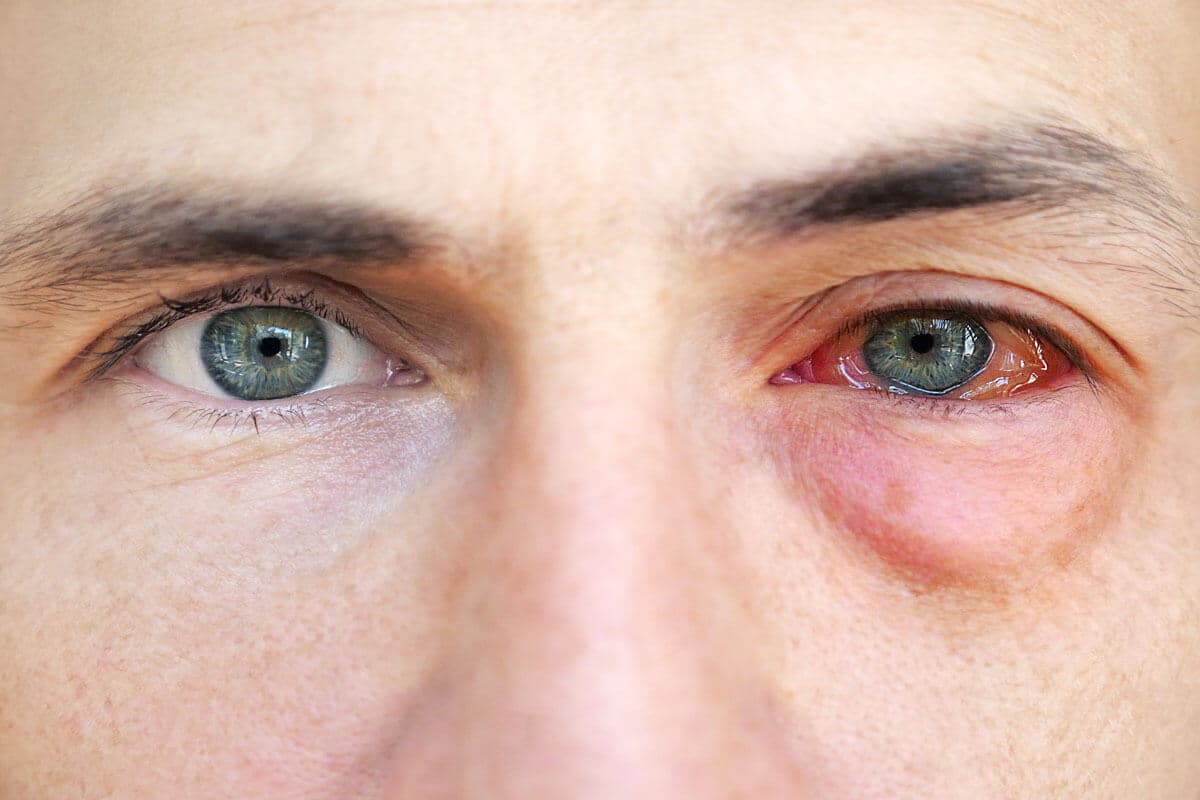
Experiencing allergic reactions in just one eye is complex. It involves how the immune system reacts. We’ll look into what causes these one-sided symptoms.
Immune System Response Mechanisms
The immune system fights off invaders like bacteria and viruses. But with allergies, it overreacts to things like pollen or dust. This leads to symptoms like itching, redness, and swelling.
Key components of the immune response include:
- Recognition of allergens by immune cells
- Activation of mast cells and the release of histamine
- Increased blood flow to the affected area, leading to inflammation
Mast Cell Activation and Histamine Release
Mast cells are key in allergic reactions. When they find an allergen, they release histamine. This chemical makes blood vessels wider, causing symptoms.
The process involves:
- Mast cell activation upon encountering an allergen
- Release of histamine and other chemical mediators
- Binding of histamine to receptors on blood vessels and other cells, causing the allergic response
Why Symptoms Can Manifest Unilaterally
Allergic symptoms can show up in just one eye. This is because of how we’re exposed to allergens, eye anatomy, or how we touch our eyes.
|
Factor |
Description |
Impact on Unilateral Symptoms |
|---|---|---|
|
Localized Exposure |
Direct exposure of one eye to an allergen |
Increases the likelihood of unilateral symptoms |
|
Anatomical Differences |
Variations in the structure or function of the eyes |
Can affect the severity or presence of symptoms in one eye |
|
Contact Transfer |
Transferring allergens from hand to eye |
Can cause unilateral symptoms if only one eye is affected |
Common Triggers for Single-Eye Allergic Reactions
Knowing what causes allergic reactions in one eye is key to managing them. These reactions happen when the body’s immune system reacts too strongly to something foreign. In the case of single-eye allergies, this reaction only affects one eye.
Many things can lead to allergic reactions in one eye. These include things in the environment, animal dander, and chemical irritants. Let’s look at these causes more closely.
Environmental Allergens (Pollen, Dust, Mold)
Environmental allergens are a big reason for eye allergies. Pollen is a common one that can cause eye irritation during certain seasons. When pollen is everywhere, people might see their eyes get itchy, red, and swollen.
Dust mites and mold are other environmental allergens that can cause problems. These can get into the air and reach the eyes, leading to an allergic reaction.
To avoid these allergens, there are steps you can take. Using air purifiers, keeping windows shut when pollen is high, and cleaning surfaces often can help. These actions can reduce your exposure to allergens.
Animal Dander and Pet-Related Triggers
Animal dander is another common cause of eye allergies. When you pet or touch animals, dander can get on your hands and then in your eyes. This can lead to an allergic reaction. Cat dander is very potent and can cause strong allergic reactions in some people.
To deal with pet allergies, it’s important to wash your hands often, after touching pets. Keeping pets clean and out of your bedroom can also help lower dander levels.
Chemical Irritants and Cosmetic Products
Chemical irritants in products can also cause eye allergies. Cosmetic products like eye makeup and contact lens solutions can irritate the eyes. When these products touch one eye, they can cause irritation or an allergic reaction.
To avoid these irritants, choose hypoallergenic products. Also, follow good hygiene when using cosmetics or handling contact lenses. If irritation happens, stop using the product and see an eye doctor.
Seasonal Factors Affecting One-Eye Allergies
It’s important to know how seasonal changes affect one-eye allergies. This knowledge helps in managing and finding relief. Seasonal changes can trigger allergic reactions, and being aware of these can help individuals take proactive measures.
Spring and Summer Pollen Considerations
In spring and summer, pollen counts are usually high. This affects people with allergies. Trees, grasses, and weeds release pollen into the air, causing allergic reactions in one eye.
- Tree Pollen: In early spring, tree pollen is a common allergen.
- Grass Pollen: Late spring and early summer see a rise in grass pollen.
- Weed Pollen: Weed pollen, from ragweed, is prevalent in late summer.
Fall Allergens and Their Impact
In the fall, ragweed pollen is a big allergen for people with one-eye allergies. Mold spores that grow in damp places can also make symptoms worse.
Mold Prevention: Keeping homes dry and well-ventilated is key to reducing mold exposure.
Winter Indoor Allergy Triggers
In winter, indoor allergy triggers become more common because we spend more time inside. Dust mites, pet dander, and indoor mold can all cause one-eye allergy symptoms.
- Using allergen-proof bedding to reduce dust mite exposure.
- Regularly cleaning and vacuuming to minimize pet dander.
- Maintaining good ventilation to prevent indoor mold growth.
By understanding these seasonal factors and taking the right steps, individuals can manage their one-eye allergies better. This helps reduce discomfort.
Why Allergies Might Affect Only One Eye
Allergies can show up in just one eye due to how we’re exposed and our body’s unique shape. We’ll look into why this happens. It’s about how we get exposed, touching our eyes, and our body’s shape.
Localized Exposure Patterns
Being near allergens on one side of your face can make one eye allergic. This is because the allergen hits that eye first.
Things like rubbing your eye after touching something can spread allergens. Knowing this helps figure out why one eye gets more allergy symptoms.
Contact Transfer (Hand-to-Eye)
Touching your eye after touching something with allergens is another way to get allergies. This is a common way allergens get into our eyes.
Washing your hands often helps. And try not to touch your eyes to avoid getting allergens in them.
Anatomical Factors That Influence Unilateral Symptoms
Our body’s shape can also affect which eye gets allergies. How our tear ducts work or the shape of our eye socket matters. These things can make one eye more likely to react to allergens.
Also, if one eye is already different, it might get allergies more easily. Knowing about these body differences helps understand why we get allergies in just one eye.
Recognizing Symptoms of One-Eye Allergic Reactions
It’s important to know the signs of one-eye allergies to take the right steps. Allergic reactions in one eye can show up differently for everyone. So, it’s key to know the various symptoms that can occur.
Mild to Moderate Symptoms
Mild to moderate symptoms include itching, redness, and feeling like something is in your eye. These symptoms can be annoying but are usually not too bad.
Common mild symptoms:
- Itching or burning sensation
- Redness or pinkish hue in the eye
- Watery discharge
Severe Manifestations
Severe symptoms like swelling, pain, and vision changes can happen too. These need quick medical help to avoid serious problems.
Severe symptoms to watch out for:
- Significant swelling around the eye
- Pain or tenderness to the touch
- Blurred vision or other vision changes
Duration and Progression Patterns
The length and how symptoms get worse can differ for each person and allergen. Knowing these patterns helps in managing the condition well.
|
Symptom Duration |
Possible Progression |
|---|---|
|
Short-term (hours to days) |
Symptoms may resolve once the allergen is removed or treated. |
|
Long-term (weeks to months) |
Chronic exposure can lead to persistent symptoms, requiring ongoing management. |
Understanding the range of symptoms and how long they last helps manage the condition. It also helps know when to get medical help.
Diagnosing Allergies in One Eye
To find out if you have an allergy in one eye, doctors use many steps. They look at your symptoms, past health, and what’s around you.
Clinical Evaluation Process
The first step is a clinical evaluation. We start by asking about your health history. This helps us guess what might be causing your symptoms.
Then, we check your eye closely for signs of an allergy. We look for redness, swelling, and itching. This helps us figure out if it’s an allergy or something else.
Allergy Testing Options
Testing is key to finding out what’s causing your allergy. There are a few ways to do this, like skin prick tests and blood tests.
- Skin prick tests involve placing a small amount of the suspected allergen on the skin and observing the reaction.
- Blood tests measure the level of allergy-related antibodies in the blood.
Ruling Out Other Conditions
We also make sure it’s not something else that looks like an allergy. This includes infections or eye problems.
By taking a detailed approach, we can give you the right diagnosis and treatment plan.
|
Diagnostic Approach |
Description |
Benefits |
|---|---|---|
|
Clinical Evaluation |
Detailed medical history and physical examination |
Helps identify possible allergens and check symptoms |
|
Allergy Testing |
Skin prick tests and blood tests |
Finds out what’s causing the allergy |
|
Differential Diagnosis |
Ruling out other conditions |
Makes sure we get the right diagnosis and treatment |
Conditions That Mimic One-Eye Allergies
When we talk about allergies in one eye, it’s important to look at other conditions that might seem like allergies. Getting the right diagnosis is key to treating the problem effectively. Many conditions can show similar symptoms, making it hard to tell them apart.
Infections
Infections are a big worry when we’re trying to figure out eye allergies. Bacterial, viral, and fungal infections can all look like allergies. For example, pink eye, or conjunctivitis, is often caused by infections. It shows up with redness and discharge, just like an allergic reaction.
Infection Types and Their Characteristics:
|
Infection Type |
Common Causes |
Symptoms |
|---|---|---|
|
Bacterial |
Staphylococcus, Streptococcus |
Purulent discharge, redness |
|
Viral |
Adenovirus, Herpes Simplex |
Watery discharge, sensitivity to light |
|
Fungal |
Candida, Aspergillus |
Thick discharge, possible corneal involvement |
Structural Eye Problems
Eye problems can also look like allergies. Dry eye syndrome or a foreign body in the eye can cause irritation and redness. These symptoms are similar to what we see in allergies.
Dry Eye Syndrome happens when the eyes don’t make enough tears or when the tears are bad. It can make the eyes itchy and irritated, just like an allergy.
Autoimmune Conditions
Autoimmune diseases can also show symptoms that look like allergies. For example, Sjögren’s syndrome or rheumatoid arthritis can cause dryness and irritation in the eyes.
It’s important to know about these conditions to make the right diagnosis and treatment. A full check-up, including looking at your medical history and doing tests, is needed to tell allergies apart from other conditions.
Medical Treatments for Single-Eye Allergic Reactions
There are many treatments for allergic reactions in one eye. These range from simple over-the-counter options to more complex prescription drugs. Knowing about these treatments is key to managing seasonal allergies that affect one eye.
Over-the-Counter Options
Antihistamine eye drops are a common first choice for single-eye allergies. These drops block histamine, a chemical that causes allergic symptoms. Brands like Zaditor and Alaway are popular. It’s important to pick products labeled for allergic relief to work well.
Prescription Medications
For severe or ongoing symptoms, prescription drugs might be needed. These include stronger antihistamine drops, mast cell stabilizers, or combinations. Cyclosporine (Restasis) or lifitegrast (Xiidra) might be suggested for long-term cases. Seeing an eye care professional is key to finding the right prescription treatment.
Advanced Therapies for Severe Cases
For very severe or hard-to-treat allergies, advanced therapies might be used. These include oral immunotherapy or biologic drugs that target allergic responses. Though rare for single-eye allergies, these treatments can help those with extreme sensitivity.
|
Treatment Type |
Examples |
Use Case |
|---|---|---|
|
Over-the-Counter |
Zaditor, Alaway |
Mild to moderate symptoms |
|
Prescription |
Restasis, Xiidra |
Severe or persistent symptoms |
|
Advanced Therapies |
Oral immunotherapy, Biologics |
Severe cases resistant to other treatments |
Natural Remedies and Home Management
For those with allergic reactions in just one eye, there are many natural remedies and home management techniques. These can help manage one-eye allergies effectively. It’s important to understand the options and how to use them.
Cold Compresses and Eye Irrigation
One simple and effective remedy is using cold compresses. They can reduce swelling and itching by narrowing blood vessels and calming the reaction. To make one, wet a clean cloth with cold water, wring it out, and apply it to the eye for a few minutes. Do this several times a day as needed.
Eye irrigation is also helpful. Rinsing the eye with a saline solution can remove allergens and lessen irritation. Use a sterile solution or mix 1 teaspoon of salt with 1 cup of lukewarm water. Make sure the solution isn’t too salty to avoid more irritation.
Dietary Approaches
Diet is key in managing allergies, including one-eye allergies. Eating foods rich in omega-3 fatty acids, like salmon and flaxseeds, can reduce inflammation. Foods high in vitamin C, such as oranges and strawberries, can also boost the immune system and lessen allergic reactions.
It’s also important to avoid foods that can trigger or worsen allergic reactions. Some people find that dairy products or gluten can make symptoms worse. Keeping a food diary can help identify any specific foods that trigger allergies.
Lifestyle Modifications
Making some lifestyle modifications can greatly help manage one-eye allergies. Avoid rubbing the affected eye to prevent further irritation and introducing more allergens. Wearing protective eyewear, like sunglasses, outdoors can also protect the eyes from pollen and other allergens.
Keeping a clean environment is also essential. Regularly dusting and vacuuming, and using hypoallergenic products for cleaning and personal care, can reduce exposure to allergens.
By using these natural remedies and home management strategies, people can find relief from one-eye allergies and improve their quality of life.
Preventing Allergies in One Eye
To prevent eye allergies in one eye, we need a plan. This plan includes controlling the environment, staying clean, and using protective gear. Knowing what triggers allergies and using the right strategies can help a lot.
Environmental Control Strategies
First, we must limit our exposure to allergens in the environment. Here are some ways to do it:
- Keep windows closed when pollen counts are high to keep it out of homes and cars.
- Use air purifiers with HEPA filters to clean the air of allergens.
- Clean surfaces and floors often to cut down on dust and dander.
Table: Environmental Control Measures
|
Measure |
Description |
Benefit |
|---|---|---|
|
Air Purifiers |
Devices that remove allergens from the air |
Reduces airborne allergens |
|
Closed Windows |
Preventing outdoor allergens from entering |
Decreases pollen and dust entry |
|
Regular Cleaning |
Removing dust and dander from surfaces |
Reduces allergen accumulation |
Personal Hygiene Practices
Good personal hygiene is key to avoiding eye allergies. Simple habits can help a lot:
- Wash your hands often, after being outside or around pets.
- Don’t touch your eyes to stop allergens from getting in.
- Take a shower and change clothes after being outside to get rid of pollen and allergens.
Protective Eyewear Options
Wearing protective eyewear can block allergens from reaching your eyes. Here are some options:
- Wraparound sunglasses keep allergens out from the sides.
- Goggles are good for people working with chemicals or in dusty places.
By using these methods together, we can lower our risk of eye allergies. It’s about building a strong defense against allergens.
Conclusion
Understanding allergies that affect only one eye is key to managing them well. We’ve looked at what causes them, like environmental allergens and animal dander. We’ve also talked about symptoms and treatment options.
Knowing the signs of an allergic reaction in one eye is important. It helps people get medical help fast and avoid more problems. We’ve seen how important it is to get a proper diagnosis and allergy tests.
Managing an allergy in one eye needs a mix of treatments. This includes medicines and natural remedies like cold compresses. Also, controlling the environment and staying clean can help prevent allergies.
In short, while rare, knowing about one-eye allergies can greatly improve life. By being proactive, people can reduce discomfort and avoid serious damage.
FAQ
Can allergies only affect one eye?
Yes, allergies can only affect one eye, but it’s rare. This might happen because of how you’re exposed to allergens, how they move between eyes, or because of how your eyes are shaped.
Why do my allergies only affect one eye?
Several reasons can cause allergies to only affect one eye. These include how much you’re exposed to allergens, the shape of your eyes, or if an allergen is transferred to one eye.
Can allergies cause eye pain in one eye?
Yes, allergies can make one eye hurt or feel uncomfortable. You might also feel itching, see redness, or notice swelling.
Can seasonal allergies affect one eye?
Yes, seasonal allergies can hit one eye hard, mainly during peak pollen times. Pollen from spring, summer, and fall can make one eye allergic.
How can I manage allergies in one eye?
To manage allergies in one eye, try to avoid allergens. Use eye drops, apply cold compresses, and keep your environment clean to reduce exposure.
Can allergies affect one eye more than the other?
Yes, allergies can hit one eye harder than the other. This can be because of how much you’re exposed or how your body reacts.
What are the symptoms of an allergic reaction in one eye?
Symptoms can range from mild itching and redness to severe swelling, pain, and vision changes. If symptoms are severe, see a doctor right away.
How are allergies in one eye diagnosed?
Doctors diagnose by looking at your medical history and doing a physical exam. They might also do allergy tests to find out what’s causing the problem.
Can an allergic reaction in one eye be a sign of an underlying condition?
An allergic reaction in one eye is usually not a sign of a serious problem. But, it could sometimes mean there’s an infection or an autoimmune issue. A doctor should check this.
Are there any natural remedies for one-eye allergies?
Yes, natural remedies include using cold compresses, rinsing your eyes with saline, eating foods that reduce inflammation, and avoiding allergens.
Can allergies in one eye be prevented?
While you can’t always prevent allergies, you can lower the risk. Use environmental controls, keep clean, and wear protective eyewear.
Why is only one eye itchy due to allergies?
Itchiness in one eye can be due to being exposed to an allergen in that area, transferring an allergen to that eye, or because of how your eyes are shaped or sensitive.
References
National Center for Biotechnology Information. Unilateral Eye Allergies: Causes and Focused Presentation. Retrieved from https://pmc.ncbi.nlm.nih.gov/articles/PMC2515354/