Allogeneic hematopoietic stem cell transplantation (allo-HSCT) is a complex medical procedure. It is used to treat various life-threatening diseases. While it offers a chance for a cure for some patients, it comes with significant risks and complications.
Recent research shows that overall treatment-related mortality (TRM) at two years after allo-HSCT can reach 22%. The relapse incidence of underlying malignancy is at 50%. Progression-free survival is just 28%.
We will look at the major complications of allo-HSCT. These include graft-versus-host disease (GVHD) and infections. These issues significantly contribute to TRM cases. It’s important to understand these risks for informed decision-making and patient safety.
Learn about allogeneic risks. Discover amazing scary transplant facts and find powerful, vital ways to manage your essential donor therapy.
Key Takeaways
- Treatment-related mortality (TRM) at two years after allo-HSCT can reach 22%.
- Relapse incidence of underlying malignancy is around 50%.
- Graft-versus-host disease (GVHD) accounts for about 34% of TRM cases.
- Infections contribute to 30-50% of TRM cases.
- Progression-free survival is around 28%.
Understanding Allogeneic Hematopoietic Stem Cell Transplantation
Allogeneic hematopoietic stem cell transplantation (allo-HSCT) is a treatment that moves stem cells from a donor to a patient. It’s used for many blood diseases, like leukemia and lymphoma. Knowing about it is key for those thinking about it.
Definition and Basic Principles
Allo-HSCT uses stem cells from a donor. Its success depends on the donor and recipient’s match, the stem cell source, and the preparation of the recipient’s body. The goal is to replace the patient’s sick blood system with healthy donor cells.
Differences Between Allogeneic and Autologous Transplants
The main difference is where the stem cells come from. Allogeneic transplants use a donor’s cells, while autologous transplants use the patient’s own. Studies show both types have their benefits and risks.
|
Characteristics |
Allogeneic Transplant |
Autologous Transplant |
|---|---|---|
|
Source of Stem Cells |
Donor |
Patient’s own cells |
|
Graft-Versus-Host Disease (GVHD) Risk |
Yes |
No |
|
Graft-Versus-Tumor Effect |
Yes |
No |
Donor Source Considerations
Choosing the right donor is key in allo-HSCT. Donors can be family or unrelated, and stem cells come from bone marrow, blood, or umbilical cord. The choice depends on many factors, like who’s available and how well they match.
Statistical Overview of Allogeneic Transplant Outcomes

Allogeneic hematopoietic stem cell transplantation (allo-HSCT) is a complex procedure. It is influenced by many factors, like the disease and donor-recipient match. Knowing the statistical outcomes is key to understanding its effectiveness and safety.
Treatment-Related Mortality Rates
Treatment-related mortality (TRM) is a big worry in allo-HSCT. It shows the risks of the treatment, graft-versus-host disease, and infections. Recent studies found TRM rates up to 22% two years after transplant.
Progression-Free Survival Statistics
Progression-free survival (PFS) is another important measure. It shows how many patients stay alive without their disease getting worse. Studies found PFS rates around 28% after allo-HSCT.
Relapse Incidence of Underlying Malignancy
The risk of relapse after allo-HSCT is a big concern. Rates can be as high as 50%. The risk depends on the disease, treatment, and graft-versus-host disease.
|
Outcome Measure |
Reported Rate |
|---|---|
|
Treatment-Related Mortality |
Up to 22% at 2 years |
|
Progression-Free Survival |
Around 28% |
|
Relapse Incidence |
As high as 50% |
These statistics show how important it is to choose patients carefully and match donors well. They also highlight the need for good care after transplant. Understanding these numbers helps doctors talk to patients about the risks and benefits of this treatment.
Graft-Versus-Host Disease (GVHD): The Major Complication
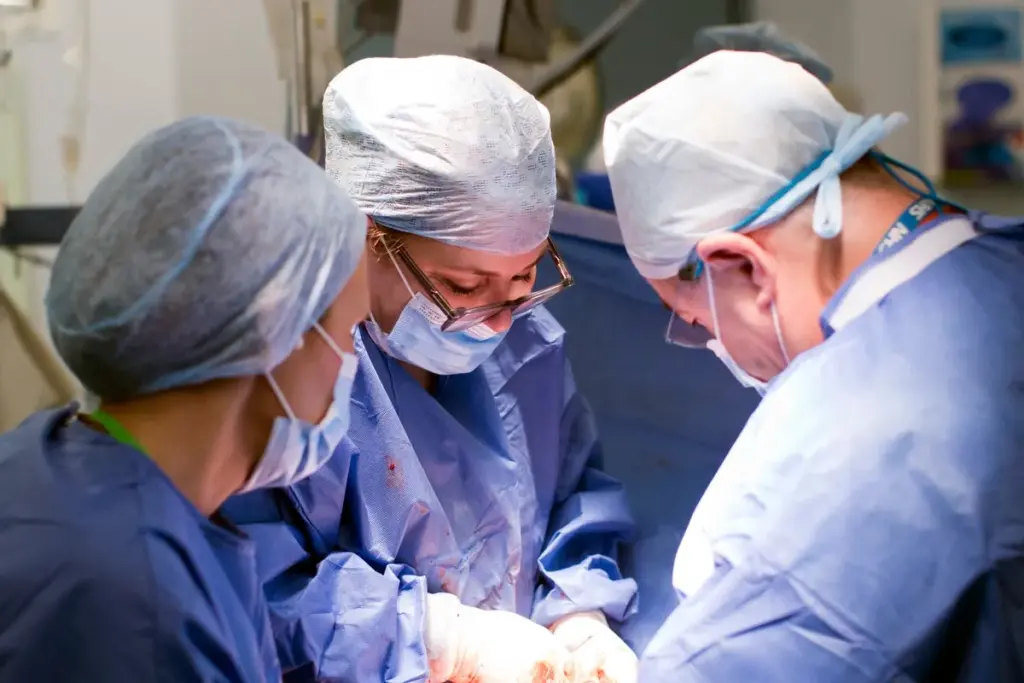
Allo-HSCT comes with a big risk: graft-versus-host disease (GVHD). GVHD happens when the donor’s immune cells see the recipient’s body as foreign. They then attack it.
Acute GVHD: Mechanisms and Clinical Presentation
Acute GVHD strikes within the first 100 days post-transplant. It’s when the immune system fights the recipient’s body, mainly the skin, liver, and gut. Symptoms can be mild or severe, like skin rash, liver issues, and gut problems.
Chronic GVHD: 2-Year Incidence and Manifestations
Chronic GVHD can start anytime after the transplant. It’s a big cause of illness. The chance of getting it in the first two years depends on many things, like how well the donor and recipient match. It can affect many parts of the body, making life hard for the patient.
Impact on Organs and Tissues
GVHD can harm many organs, like the skin, liver, lungs, and gut. How bad GVHD is depends on how much of the body it affects and the symptoms.
Quality of Life Considerations
GVHD’s effect on a patient’s life is huge. Chronic GVHD can cause long-term problems, affecting how well you can move, feel, and interact with others. Treating GVHD well is key to better outcomes and a better life for patients.
|
Organ/System |
Acute GVHD Symptoms |
Chronic GVHD Symptoms |
|---|---|---|
|
Skin |
Rash, erythema |
Sclerotic changes, pigmentary changes |
|
Liver |
Elevated bilirubin, liver dysfunction |
Cholestasis, liver failure |
|
Gastrointestinal Tract |
Nausea, vomiting, diarrhea |
Esophageal strictures, malabsorption |
We understand how complex GVHD is and how it affects patients. We need good ways to manage it to help patients do better.
Infection Risks in Allogeneic Transplant Recipients
People who get allogeneic hematopoietic stem cell transplants face big risks from infections. Their immune systems are weak, making them more likely to get sick. This is a big problem, causing 30-50% of deaths related to treatment.
It’s key to know the risks and use good ways to prevent and manage infections. This can help make treatment better and safer for patients.
Bacterial, Viral, and Fungal Infections
These patients can get many kinds of infections, like bacterial, viral, and fungal ones. Bacterial infections often come from Escherichia coli and Pseudomonas aeruginosa. Viral infections, like those from herpesviruses like cytomegalovirus (CMV), can also be very bad. Fungal infections, like invasive aspergillosis, are very dangerous for them.
Contribution to Treatment-Related Mortality
Infections play a big role in deaths related to treatment in these patients. Their weak immune system, graft-versus-host disease (GVHD), and drugs that lower the immune system make infections more likely. Data shows infections cause a lot of deaths, showing we need better ways to prevent and treat them.
|
Type of Infection |
Common Pathogens |
Risk Factors |
|---|---|---|
|
Bacterial |
E. coli, P. aeruginosa, S. aureus |
Neutropenia, mucositis |
|
Viral |
CMV, HSV, VZV |
Immunosuppression, GVHD |
|
Fungal |
Aspergillus, Candida |
Prolonged neutropenia, corticosteroids |
Prophylaxis and Management Strategies
It’s very important to prevent and manage infections in these patients. We use antibiotics, antivirals, and antifungals to stop infections before they start. We also recommend vaccines against diseases like flu and pneumococcus. Finding and treating infections early is key to keeping patients safe and healthy.
We need a team effort to handle infection risks in allogeneic transplant patients. By knowing the risks and using the right prevention and treatment, we can make treatment safer and more effective.
Veno-Occlusive Disease and Hepatic Complications
Allo-HSCT carries a significant risk of veno-occlusive disease, a serious condition. Veno-occlusive disease, or SOS, blocks the liver’s sinusoids, causing liver problems.
Risk Factors and Pathophysiology
Risks for VOD include strong conditioning regimens, liver disease before transplant, and certain drugs. Damage to the liver’s sinusoids leads to blockage and liver failure. Knowing these risks helps in prevention and early action.
Clinical Presentation and Diagnosis
VOD symptoms include jaundice, tender liver, and weight gain from fluid. Doctors diagnose based on symptoms timing and signs. Quick diagnosis is key for managing the disease.
Prevention and Treatment Approaches
To prevent VOD, ursodeoxycholic acid and defibrotide are used. Treatment includes supportive care and defibrotide for severe cases. A team of doctors, including hepatologists and transplant specialists, is essential for managing VOD.
Veno-occlusive disease is a major complication of allo-HSCT. It needs close monitoring and quick action. By knowing the risks and symptoms, we can help patients better.
Graft Failure: A Critical Risk of Allogeneic Transplantation
Allogeneic hematopoietic stem cell transplantation (allo-HSCT) has a risk of graft failure. This is a serious condition that can be life-threatening. It happens when the donor’s stem cells don’t work and can’t make blood cells.
Primary vs. Secondary Graft Failure
Graft failure is divided into primary and secondary types. Primary graft failure is when the graft can’t start making blood cells. Secondary graft failure happens after the graft starts working, but then stops due to immune issues or other problems.
Contributing Factors
Several things can increase the risk of graft failure. These include HLA mismatch, insufficient stem cell dose, and recipient’s immune status. Knowing these factors helps us reduce the risk of graft failure.
Management Options
Dealing with graft failure involves different approaches. These include supportive care and sometimes second transplantation. The choice depends on why the graft failed and the patient’s health.
Graft failure is a big problem in allo-HSCT, affecting up to 10% of patients. By understanding graft failure, its causes, and how to manage it, we can help more patients succeed with allo-HSCT.
Organ Toxicity Following Allogeneic Stem Cell Transplant
Patients getting allo-HSCT face a risk of organ toxicity. This is because of the conditioning regimen and other factors. Organ toxicity can affect different parts of the body.
Conditioning Regimen-Related Damage
The conditioning regimen prepares the body for the transplant. It can harm organs. High-dose chemotherapy and radiation therapy are used and can damage lungs, heart, and kidneys.
Pulmonary Complications
Pulmonary issues are a big worry for those getting allo-HSCT. These can include pneumonitis and bronchiolitis obliterans. These can be very dangerous.
Cardiac, Renal, and Neurological Toxicities
Cardiac toxicity can lead to heart failure. Renal toxicity can cause kidney injury. Neurological toxicity can lead to seizures and brain problems.
Long-term Organ Dysfunction
Long-term survivors of allo-HSCT may face chronic organ issues. Regular follow-up care is key. It helps monitor for organ toxicity and manage complications.
Disease Relapse: Incidence and Management
After an allogeneic hematopoietic stem cell transplant (allo-HSCT), disease relapse is a big worry. It happens in up to 50% of patients. This can greatly affect their long-term survival and quality of life.
Risk Factors Associated with Relapse
Several things can increase the chance of disease relapse after allo-HSCT. These include the type and stage of the disease, the conditioning regimen, and how well the donor and recipient match. Knowing these risk factors helps doctors identify high-risk patients and plan their treatment better.
Monitoring Strategies
It’s important to watch for signs of disease relapse closely. This means checking for minimal residual disease (MRD) regularly. Finding MRD early helps doctors catch relapse before it gets worse.
Treatment Options Post-Relapse
When disease relapse happens after allo-HSCT, there are several ways to treat it. These include donor lymphocyte infusion (DLI), a second transplant, and new treatments like CAR-T cell therapy. The right treatment depends on the patient’s health, when the relapse happens, and if there’s a good donor.
Impact on Long-term Survival
Disease relapse has a big impact on long-term survival. Patients who relapse usually face a tougher road ahead. But, thanks to new treatments and strategies, survival chances are getting better. Spotting relapse early and acting fast is key to better survival rates.
Managing disease relapse needs a team effort. Doctors, oncologists, and other healthcare experts work together to give patients the best care.
Advances in Risk Mitigation for Allogeneic Transplants
Medical technology has improved a lot, and we understand immunogenetics better. This has led to better results in allogeneic transplantation. New developments are helping to lower the risks of allo-HSCT.
Precision in HLA Matching
One big step forward is better Human Leukocyte Antigen (HLA) matching. High-resolution HLA typing has cut down GVHD cases and boosted survival rates. “The accuracy of HLA matching has been a game-changer in the field of allo-HSCT,” say top researchers.
Evolution of Conditioning Regimens
Conditioning regimens have changed a lot. Now, they are more personalized and less toxic. This change has lowered death and sickness rates from treatment.
Novel GVHD Prevention Strategies
New ways to prevent GVHD are being studied. These include post-transplant cyclophosphamide and other new ways to keep the immune system in check.
Personalized Risk Assessment
Modern allo-HSCT focuses on personalized risk assessment. Advanced genetic and immunological tests help doctors predict risks better. They can then tailor treatments for each patient.
These advances are a big leap forward in allo-HSCT. They improve patient outcomes and quality of life. As research keeps going, we’ll see even more ways to make care better for those getting allogeneic transplants.
Liv Hospital’s Approach to Allogeneic Transplantation
At Liv Hospital, we focus on comprehensive care for patients getting allogeneic hematopoietic stem cell transplantation (allo-HSCT). Our method tackles the complex needs of our patients, aiming for the best results.
International Best Practices Implementation
We follow international best practices in allo-HSCT. This ensures our patients get top-notch care. We keep up with new transplant techniques and patient care methods.
Multidisciplinary Management Team
Our multidisciplinary team has experts from different fields. They work together for complete care. This team approach covers all aspects of a patient’s health.
Tailored Care for International Patients
We know international patients have special needs. We offer tailored care to meet these needs. We provide language support and cultural sensitivity to make them feel at home.
Post-Transplant Monitoring and Support
Post-transplant monitoring is key to our care. We offer ongoing support to handle any issues and ensure a smooth recovery. Our team is dedicated to our patients’ long-term health.
|
Care Component |
Description |
Benefits |
|---|---|---|
|
International Best Practices |
Adherence to global standards in allo-HSCT |
Improved patient outcomes |
|
Multidisciplinary Team |
Collaboration among experts from various fields |
Comprehensive patient care |
|
Tailored Care |
Personalized support for international patients |
Enhanced patient comfort and satisfaction |
|
Post-Transplant Monitoring |
Ongoing care post-transplantation |
Reduced risk of complications |
Conclusion: Weighing the Risks and Benefits of Allogeneic Transplantation
Allogeneic hematopoietic stem cell transplantation (allo-HSCT) is a complex procedure. It offers a chance to cure life-threatening diseases. We’ve talked about the risks and complications, like graft-versus-host disease (GVHD), infections, and organ damage.
GVHD affects about 50% of those who get HSCT. Infections are a big reason for death from treatment. For more on the dangers of allogeneic transplantation, check out the American Society of Hematology website.
Even with these risks, new ways to reduce them have helped patients. Knowing the risks and benefits is key to choosing the right treatment. Patients and families can make better choices by considering the cure’s benefits against the risks.
FAQ
What is allogeneic hematopoietic stem cell transplantation?
Allogeneic hematopoietic stem cell transplantation is a complex medical procedure. It uses stem cells from a donor to treat serious diseases like leukemia and lymphoma.
What are the risks associated with allogeneic transplant?
Risks include treatment-related death, disease coming back, and graft-versus-host disease (GVHD). Other risks are infections, liver damage, and the transplant not working.
What is graft-versus-host disease (GVHD)?
GVHD is a serious complication of allogeneic transplant. It happens when the donor’s immune cells attack the recipient’s body as foreign.
How is GVHD managed?
GVHD is managed with different strategies. This includes preventing it, treating acute and chronic GVHD, and managing symptoms to improve life quality.
What are the risks of infections after allogeneic transplant?
People who have had an allogeneic transplant are at high risk of infections. Their immune systems are weak, making them vulnerable to bacteria, viruses, and fungi.
How are infections prevented and managed after allogeneic transplant?
Infections are prevented and managed with prophylaxis and strategies. This includes using antimicrobial agents and supportive care.
What is veno-occlusive disease, and how is it managed?
Veno-occlusive disease is a serious complication of allogeneic transplant. It’s when the liver’s hepatic sinusoids get blocked. Its management involves understanding its risk factors, symptoms, and treatment options.
What is graft failure, and how is it managed?
Graft failure is a serious complication of allogeneic transplant. It’s when the donor’s stem cells don’t work and can’t make blood cells. Its management involves understanding its types, causes, and treatment options.
What are the risks of organ toxicity after allogeneic transplant?
Allogeneic transplant can cause damage to organs like the lungs, heart, kidneys, and nervous system. Understanding these risks and how to manage them is key to better outcomes.
How is disease relapse managed after allogeneic transplant?
Disease relapse is managed by understanding its risk factors, monitoring, and treatment options. This includes using new therapies and supportive care.
What advances have been made in risk mitigation for allogeneic transplants?
Advances in allogeneic transplants include better HLA matching, new conditioning regimens, and ways to prevent GVHD. These have led to better survival rates and fewer complications.
What is Liv Hospital’s approach to allogeneic transplantation?
Liv Hospital offers a complete approach to allogeneic transplantation. This includes following international best practices, a team of experts, and care tailored for international patients.
References
- Nature: https://www.nature.com/articles/s41375-024-02318-3
- LIDSEN Transplantation: https://www.lidsen.com/journals/transplantation/transplantation-09-01-241
- ASH: https://www.hematology.org/education/trainees/fellows/hematopoiesis/2022/the-toxicities-of-allogeneic-transplantation
- Cancer.gov: https://www.cancer.gov/news-events/cancer-currents-blog/2022/allogeneic-stem-cell-transplants-complications
- New England Journal of Medicine: https://www.nejm.org/doi/full/10.1056/NEJMoa2022756


 Departments
 Related Videos
 Our Doctors
 News
News