An allogenic hematopoietic stem cell (HSC) is a stem cell used in transplantation. It comes from a donor who is genetically different from the person getting the transplant. This type of stem cell is key in treating blood-related disorders through stem cell transplants.
In 2023, Europe saw 20,485 allogeneic HSC transplants. This made up about 43% of all hematopoietic cell and stem cell transplants. The growing use of allogenic HSCs shows their big role in healthcare today. They offer hope to those with blood diseases.
Key Takeaways
- Allogenic HSCs are stem cells used in transplantation, sourced from a genetically distinct donor.
- The use of allogenic HSCs in transplants has been increasing, with a significant percentage of hematopoietic cell transplants being allogeneic.
- Understanding allogenic HSCs is key for patients and healthcare workers.
- Allogenic HSC transplants treat various blood-related disorders.
- The number of allogeneic HSC transplants is big, showing their vital role in healthcare.
The Science Behind Hematopoietic Stem Cells
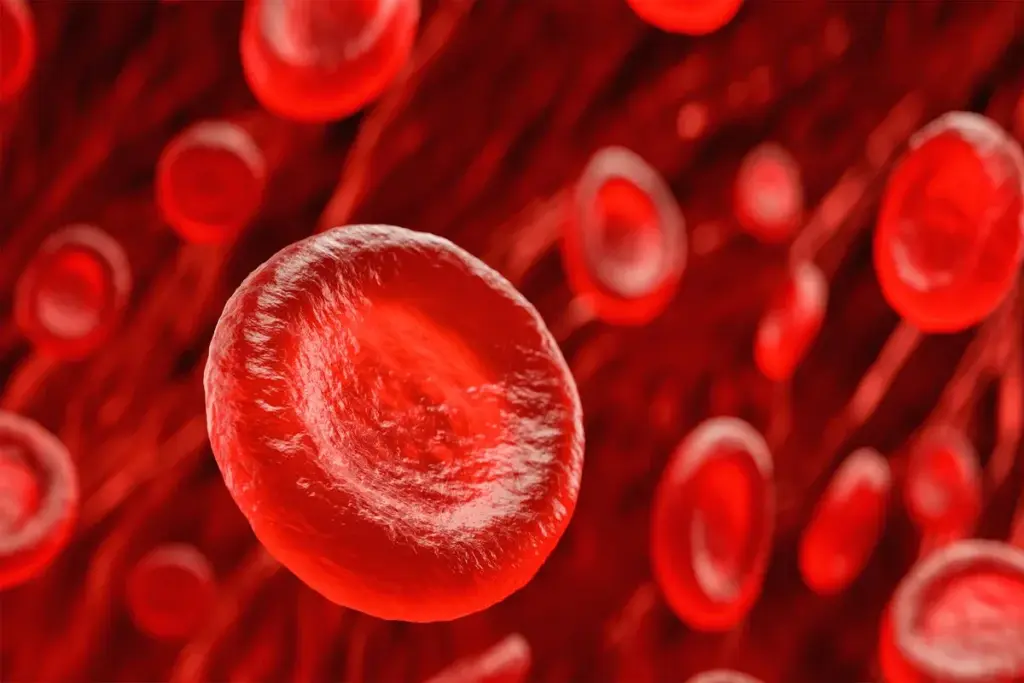
Hematopoietic stem cells can turn into all types of blood cells. This makes them key in regenerative medicine. They live mainly in the bone marrow and help make blood cells.
Definition and Biological Function
Hematopoietic stem cells (HSCs) can grow and change into all blood cell types. They create myeloid and lymphoid cells, which are red and white blood cells, and platelets. They are vital for keeping our blood cell count and immune system healthy.
The process of making blood cells, called hematopoiesis, is complex. It involves many cells and molecules working together. Knowing how this works helps us understand HSCs’ role in health and disease.
Different Types of HSCs
HSCs are divided by their source and stage of development. The main types are:
- Embryonic HSCs: These come from embryos and play a big role in early development.
- Adult HSCs: In adult bone marrow, these cells keep making blood cells throughout our lives.
- Cord blood HSCs: From umbilical cord blood, these cells are a great source for transplants.
Each type of HSC has its own traits and uses in medicine, mainly in stem cell transplants.
What is an Allogenic HSC?
Allogenic HSC transplantation moves stem cells from a donor to a patient. It offers hope for those with certain blood diseases. This method is different from using the patient’s own stem cells.
Definition and Fundamental Characteristics
Allogenic HSCs come from a donor who is not genetically related to the patient. These cells replace the patient’s damaged blood system. Finding a good match between donor and patient is key to avoiding complications.
Key characteristics of allogenic HSCs include:
- Derived from a genetically distinct donor
- Used to replace the recipient’s hematopoietic system
- Requires careful donor-recipient matching
Comparison with Autologous HSCs
Allogenic and autologous HSCs differ in their source. Autologous HSCs come from the patient, while allogenic HSCs come from a donor. This difference affects the transplant process and outcomes.
|
Characteristics |
Allogenic HSCs |
Autologous HSCs |
|---|---|---|
|
Source |
Donor |
Patient themselves |
|
Genetic Match |
Donor-recipient matching required |
No matching required |
|
Graft-Versus-Host Disease (GVHD) Risk |
Present |
Absent |
Historical Development of Allogenic Transplantation
The idea of allogenic HSC transplantation started in the early days of bone marrow transplants. The first successful transplant was in 1968. This marked a new era in treating blood diseases.
Advances have been made in understanding the immune system and reducing GVHD risks. This has expanded the use of allogenic HSCs in treating various diseases.
Research and clinical trials have shaped allogenic HSC transplantation. As we learn more about the immune system and blood production, allogenic HSCs can treat more diseases.
Sources of Allogenic HSCs
There are now more ways to get allogenic HSCs. We can use bone marrow, peripheral blood, and umbilical cord blood. This makes it easier to find HSCs for transplants.
Bone Marrow Harvesting
Bone marrow harvesting is a common way to get HSCs. It takes marrow from the donor’s pelvic bone. This is done under anesthesia to avoid pain.
This method is effective but has some downsides. It requires hospital stay and can cause pain after.
Advantages of bone marrow harvesting include a lot of HSCs and a well-known process. But, it’s more invasive than other methods.
Peripheral Blood Stem Cell Collection
Peripheral blood stem cell collection is now more popular. It’s less invasive. Donors get G-CSF to move HSCs into their blood. Then, these cells are collected through apheresis.
Benefits of this method include faster recovery for donors. It also has fewer risks than bone marrow harvesting.
Umbilical Cord Blood Banking
Umbilical cord blood banking is another source of HSCs. It uses cord blood after birth. This is safe for both the mother and baby.
The advantages of umbilical cord blood include its quick availability. It also has a lower risk of graft-versus-host disease. Plus, it can be used by many different people because it’s less immune.
In summary, having different sources for allogenic HSCs helps tailor transplants. This improves how well patients do after the transplant.
The Critical Process of Donor Selection
Finding the right donor is key in allogenic HSC transplantation. It’s about matching the donor and recipient well. This affects how well the transplant works.
HLA Typing and Matching Requirements
HLA typing plays an important role in the process of selecting a suitable donor. It checks the HLA genes in both the donor and the recipient. Matching HLA helps avoid graft-versus-host disease (GVHD) and makes the transplant more likely to succeed.
The needed HLA match level depends on the transplant plan and the illness being treated. Generally, a better match means better results.
|
HLA Matching Level |
Description |
Impact on GVHD Risk |
|---|---|---|
|
High Resolution |
Matching at the allele level for HLA-A, B, C, DRB1, and DQB1 |
Lowest risk of GVHD |
|
Intermediate Resolution |
Matching at the antigen level for HLA-A, B, and DRB1 |
Moderate risk of GVHD |
|
Low Resolution |
Limited matching, potentially at the antigen level for fewer loci |
Higher risk of GVHD |
Related vs. Unrelated Donors
Choosing between a related or unrelated donor depends on several things. It includes finding a good match in the family and the patient’s health.
Related donors, like siblings or parents, might match better because of shared genes. But, not everyone has a matching relative.
Unrelated donors come from registries. Better HLA typing has made finding a good match easier.
Haploidentical Transplantation Approaches
Haploidentical transplantation uses a donor who is half a match, often a family member. This method helps more patients find a donor.
These transplants need special care before and after to manage GVHD and ensure the transplant works.
Haploidentical transplants have made more patients eligible for allogenic HSC transplantation. This was a big help for those with few donor options.
Medical Indications for Allogenic HSC Transplantation
Hematological malignancies and certain non-malignant disorders are key reasons for allogenic HSC transplantation. This treatment has greatly improved the care of many serious blood diseases.
Myeloid Malignancies
Myeloid malignancies are a big part of why people get allogenic HSC transplantation. These include:
- Acute Myeloid Leukemia (AML)
- Myelodysplastic Syndromes (MDS)
- Chronic Myeloid Leukemia (CML)
- Myeloproliferative Neoplasms (MPN)
Allogenic HSC transplantation can be a cure for these diseases. It’s often chosen when other treatments don’t work or are unlikely to help.
Lymphoid Malignancies
Lymphoid malignancies are also treated with allogenic HSC transplantation. The main conditions are:
- Acute Lymphoblastic Leukemia (ALL)
- Non-Hodgkin Lymphoma (NHL)
- Hodgkin Lymphoma
- Chronic Lymphocytic Leukemia (CLL)
Deciding on allogenic HSC transplantation for lymphoid malignancies depends on several factors. These include the disease stage, how well previous treatments worked, and if a suitable donor is available.
Non-Malignant Disorders
Allogenic HSC transplantation is also used for non-malignant disorders. These include:
- Aplastic Anemia
- Severe Combined Immunodeficiency (SCID)
- Hemoglobinopathies (e.g., Sickle Cell Disease, Thalassemia Major)
- Certain Inherited Metabolic Disorders
The goal of using allogenic HSC transplantation for these conditions is to replace the faulty or missing blood system. This aims to cure the disorder.
The table below lists the main reasons for allogenic HSC transplantation:
|
Disease Category |
Specific Conditions |
|---|---|
|
Myeloid Malignancies |
AML, MDS, CML, MPN |
|
Lymphoid Malignancies |
ALL, NHL, Hodgkin Lymphoma, CLL |
|
Non-Malignant Disorders |
Aplastic Anemia, SCID, Hemoglobinopathies, Inherited Metabolic Disorders |
The wide range of uses for allogenic HSC transplantation shows its flexibility and effectiveness in treating complex blood diseases.
Current Statistics and Trends in Allogenic HSC Transplants
<image4>
The world of allogenic hematopoietic stem cell (HSC) transplantation is always changing. New data shows us what’s happening now.
In 2023, Europe saw a big step forward in allogenic HSC transplants. There were 20,485 of these transplants done. This is a big deal for treating blood diseases.
2023 European Transplant Data
The 2023 data from Europe shows we’re relying more on allogenic HSC transplants. More transplants were done, showing we’re getting better at treating diseases.
|
Condition |
Number of Transplants |
Percentage Change |
|---|---|---|
|
CML |
4,200 |
+12% |
|
MDS |
6,100 |
+15% |
|
NHL |
3,500 |
+10% |
Recent Increases in Specific Conditions
There’s been a big jump in transplants for CML, MDS, and NHL. This is because we’re getting better at treating these diseases with HSC transplants.
Key Trends:
- More HSC transplants for CML, MDS, and NHL
- Haploidentical transplants are becoming more common
- We’re getting better at finding the right donor
Regional Variations in Practice
Different places have different ways of doing allogenic HSC transplants. This includes how they pick donors and care for patients after the transplant. Knowing these differences helps us improve care and find the best ways to treat patients.
The trends and statistics show we need to keep researching and working together. By sharing what we know, we can make treatments better and help more patients.
The Allogenic HSC Transplantation Procedure
The allogenic HSC transplant process is complex and involves many steps. It starts with preparing the patient and ends with post-transplant care. Each step is important for a successful transplant.
Pre-Transplant Conditioning Regimens
Before the transplant, the patient undergoes conditioning. This includes chemotherapy and sometimes total body irradiation (TBI). These treatments kill the patient’s old blood cells and weaken the immune system. This makes it easier for the new cells to take hold.
The type of conditioning depends on the patient’s health and the disease being treated. The intensity and type of conditioning are key to the transplant’s success and the risk of side effects.
The Transplantation Process
After preparation, the donor’s HSCs are given to the patient through an IV. This is a quick process that doesn’t need anesthesia.
The HSCs then go to the bone marrow to make new blood cells. This is called engraftment. It’s a key step in the patient’s recovery.
Post-Transplant Care and Monitoring
After the transplant, the patient needs close care to avoid complications. They are watched for signs of graft-versus-host disease (GVHD), infections, and other problems.
They may need antimicrobial prophylaxis and blood transfusions. Long-term care is also important to check for late effects and manage chronic GVHD.
Graft-Versus-Host Disease: A Major Challenge
Allogenic HSC transplantation faces a big challenge: graft-versus-host disease (GVHD). GVHD happens when the donor’s immune cells see the recipient’s body as foreign. They then attack it, causing serious problems.
Immunological Mechanisms of GVHD
The fight against GVHD involves a complex battle between the donor’s T cells and the recipient’s body. T cells are key in the immune fight. In GVHD, they attack the recipient’s body, causing damage and dysfunction.
The donor’s T cells see the recipient’s body as foreign. This is often because of differences in human leukocyte antigen (HLA) between them.
Acute vs. Chronic GVHD Manifestations
GVHD can be acute or chronic. Acute GVHD happens early, within months after the transplant. It shows as a skin rash, liver issues, and stomach problems.
Chronic GVHD shows up later. It affects more organs, like the skin, liver, lungs, and eyes. It can really hurt the quality of life for transplant patients.
Prevention and Management Strategies
To prevent GVHD, we try to avoid immune reactions. This includes matching the donor and recipient’s HLA closely. We also use drugs to calm down the immune system.
Managing GVHD means using immunosuppressive drugs to control the immune system. Sometimes, treatments like photopheresis or extracorporeal photochemotherapy are used too.
It’s important to understand GVHD, know its types, and use good prevention and treatment plans. This helps reduce GVHD risk and improves outcomes for those getting allogenic HSC transplants.
Other Risks and Complications of Allogenic HSC Transplants
Patients getting allogenic HSC transplants face many risks. These include getting sick more easily and damage to organs. Knowing about these risks helps doctors take better care of patients.
Infection Susceptibility
The treatment weakens the immune system, making infections more likely. Patients are most at risk right after the transplant when their immune system is very weak.
Common infections include bacteria, viruses, and fungi. Doctors use special medicines to prevent these infections. The choice of medicine depends on the patient’s health and the treatment they got before the transplant.
Organ Toxicities and Damage
The treatments before the transplant can harm organs. This can affect the liver, lungs, and heart.
Liver toxicity can cause serious problems. It’s important to watch the liver closely and find ways to reduce damage.
Long-Term Health Considerations
People who survive allogenic HSC transplants may have long-term health issues. These include getting cancer later and chronic health problems. They need ongoing care to manage these risks.
Doctors should watch for secondary cancers and other late problems. Guidelines help ensure patients get the right care for a long time.
Clinical Guidelines and Specialized Protocols
Creating clinical guidelines for allogenic HSC transplantation is key to standardizing care. These guidelines help ensure patients get top-notch care during the transplant process.
Guidelines cover donor selection, transplant procedures, and post-transplant care. The role of donor selection and HLA matching is vital. These steps greatly affect patient results.
International Standards of Care
Reputable groups like the European Society for Blood and Marrow Transplantation (EBMT) and the American Society for Transplantation and Cellular Therapy (ASTCT) set international standards. These standards guide transplant centers, ensuring care is consistent.
Guidelines stress the need for comprehensive donor evaluation and rigorous HLA typing. Following these, transplant centers can better patient outcomes and lower GVHD risks.
Transplant Center Accreditation
Accreditation is key to ensure transplant centers meet care standards. Organizations like FACT or EBMT grant accreditation.
To get accredited, centers must follow strict standards. This includes donor selection, transplant procedures, and post-transplant care. Accreditation is vital for quality care.
Specialized Care Pathways
Specialized care pathways aim to improve allogenic HSC transplantation outcomes. These paths cover care from before transplant to after.
Pathways might include multidisciplinary team meetings, standardized treatment protocols, and patient education programs. Following these, centers can enhance patient care and outcomes.
Benefits and Therapeutic Potential of Allogenic HSCs
Allogenic HSCs have a wide range of benefits. They are a key treatment for many blood disorders.
Graft-Versus-Tumor Effect
The graft-versus-tumor effect is a big plus of allogenic HSCs. It happens when the donor’s immune cells fight the recipient’s cancer cells. This is very important for getting rid of any cancer cells left after treatment.
The donor’s T cells play a big role here. They can find and attack cancer cells. This can greatly reduce the cancer and even lead to long-term remission.
Complete Replacement of Diseased Hematopoietic System
Allogenic HSCs can replace the patient’s sick bone marrow with healthy donor cells. This is key for treating blood cancers and other bone marrow problems.
- Reconstitution of healthy hematopoiesis
- Elimination of malignant clones
- Restoration of normal immune function
Long-Term Disease Control Potential
Allogenic HSCs can control diseases for a long time. They replace the patient’s sick bone marrow with healthy cells. This can cure some blood cancers.
This control comes from the graft-versus-tumor effect and fixing the bone marrow. These two actions make allogenic HSCs a strong treatment for many blood disorders.
Patient Outcomes and Survival Rates
It’s important to know how well allogenic HSC transplantation works. The success of this treatment depends on many things. These include the disease being treated, the patient’s age, and when the transplant happens.
Factors Affecting Transplant Success
Several key factors influence the success of allogenic HSC transplantation. These include:
- Disease type and stage at the time of transplant
- Patient age and overall health
- Degree of HLA matching between donor and recipient
- Conditioning regimen used before transplantation
|
Factor |
Impact on Success |
|---|---|
|
Disease Type |
Affects the likelihood of disease recurrence and survival |
|
Patient Age |
Older patients may have higher risks of complications |
|
HLA Matching |
Better matching reduces the risk of GVHD and improves survival |
Disease-Specific Outcomes
Outcomes after allogenic HSC transplantation vary a lot. This is because different diseases respond differently to treatment. For example, patients with leukemia might have different survival rates than those with lymphoma or other non-cancerous conditions.
Quality of Life After Transplantation
It’s key to look at how well patients do after allogenic HSC transplantation. Things like chronic GVHD, organ damage, and mental health support play big roles. They all affect how well a patient can live after the transplant.
Survival rates have gotten better thanks to new transplant methods and better care. But, individual outcomes can really vary. This is because of the many factors we’ve talked about.
Conclusion
Allogenic HSC transplantation is a complex procedure. It offers a treatment option for various hematological disorders. The process involves selecting a donor based on HLA matching. Sources include bone marrow, peripheral blood, and umbilical cord blood.
Understanding the benefits and risks of allogenic HSC transplantation is key. It helps in optimizing patient care and outcomes. This is important for everyone involved.
The graft-versus-tumor effect is a significant advantage of allogenic HSC transplantation. Studies on the show its therapeutic value. But, the risk of graft-versus-host disease is a major challenge.
Healthcare professionals must carefully weigh the benefits and risks. This helps in making informed decisions. It improves patient outcomes in hematopoietic stem cell transplantation.
FAQ
What is an allogenic HSC?
An allogenic HSC is a stem cell from a donor. It’s used in transplants to replace a patient’s sick or damaged blood system.
What is the role of allogenic HSCs in transplantation?
Allogenic HSCs are key in blood-related disorder treatments. They help in transplants for diseases like cancer and some non-cancer conditions.
How are allogenic HSCs sourced?
These stem cells come from bone marrow, blood, and umbilical cord. Each source has its own benefits and drawbacks.
What is the significance of HLA typing and matching in allogenic HSC transplantation?
HLA typing and matching are vital. They help avoid graft-versus-host disease (GVHD) and ensure the donor and recipient are compatible.
What are the risks associated with allogenic HSC transplantation?
Risks include GVHD, infections, and organ damage. There’s also a chance of long-term health issues like cancer.
What is graft-versus-host disease (GVHD)?
GVHD is a serious issue after transplant. It happens when the donor’s immune system attacks the recipient’s body.
How is GVHD prevented and managed?
To prevent GVHD, choose a compatible donor and use immunosuppressive drugs. After transplant, watch for GVHD signs.
What are the benefits of allogenic HSC transplantation?
This transplant can fight cancer and replace the patient’s blood system. It may lead to long-term disease control or cure.
What factors affect the success of allogenic HSC transplantation?
Success depends on the disease, patient age, and transplant timing. These factors play a big role.
What is the current trend in allogenic HSC transplants?
More allogenic HSC transplants are happening, with a lot in Europe. This shows better treatment options and changes in disease rates.
References
- Passweg, J. R., Baldomero, H., Atlija, M., Kleovoulou, I., Witaszek, A., Alexander, T., Angelucci, E., … Sureda, A. (2025). The 2023 EBMT report on hematopoietic cell transplantation and cellular therapies: Increased use of allogeneic HCT for myeloid malignancies and of CAR‑T at the expense of autologous HCT. Bone Marrow Transplantation, 60(4), 519‑528. DOI:10.1038/s41409‑025‑02524‑2 (Nature)
- Giralt, S., Bishop, M. R., et al. (2009). Principles and Overview of Allogeneic Hematopoietic Stem Cell Transplantation. (Chapter) Cancer Treatment and Research. (PMC6953421) (PMC)
- Kanate, A. S., et al. (2020). Indications for Hematopoietic Cell Transplantation and Cellular Therapy: Report of the ASTCT Workshop. [White paper] (ASTCT Journal)
- Definition of “Allogeneic Stem Cell Transplant.” National Cancer Institute Dictionary of Cancer Terms. U.S. National Institutes of Health. Retrieved from https://www.cancer.gov/publications/dictionaries/cancer-terms/def/allogeneic-stem-cell-transplant (Cancer.gov)
- Blood Journal, Volume 138, Issue 24, Page 2481. [Exact title not retrieved] (ASH Publications)
National Center for Biotechnology Information. Evidence-Based Medical Insight. Retrieved from https://pmc.ncbi.nlm.nih.gov/articles/PMC6953421/