
Nearly 10 million nuclear stress tests are done every year in the United States. But, worries about radiation have led people to look for safer ways. This makes many patients ask, “Is there an alternative to a nuclear stress test? as they explore safer diagnostic options.
A nuclear stress test checks heart health by watching blood flow during exercise. But, the use of radioactive tracers has raised health concerns. This has led to a search for other methods.
One option getting more attention is the Bruce Protocol stress test. It’s a non-invasive way to check heart function during exercise. It doesn’t use radioactive materials.
Key Takeaways
- Nuclear stress tests are widely used but have limitations due to radiation exposure.
- Alternatives are being explored to reduce health risks associated with nuclear stress tests.
- The Bruce Protocol is a non-invasive and safer alternative.
- Safer diagnostic options are key for better patient outcomes.
- New medical technology is helping create safer stress testing methods.
What Are Cardiac Stress Tests and Why Are They Performed?
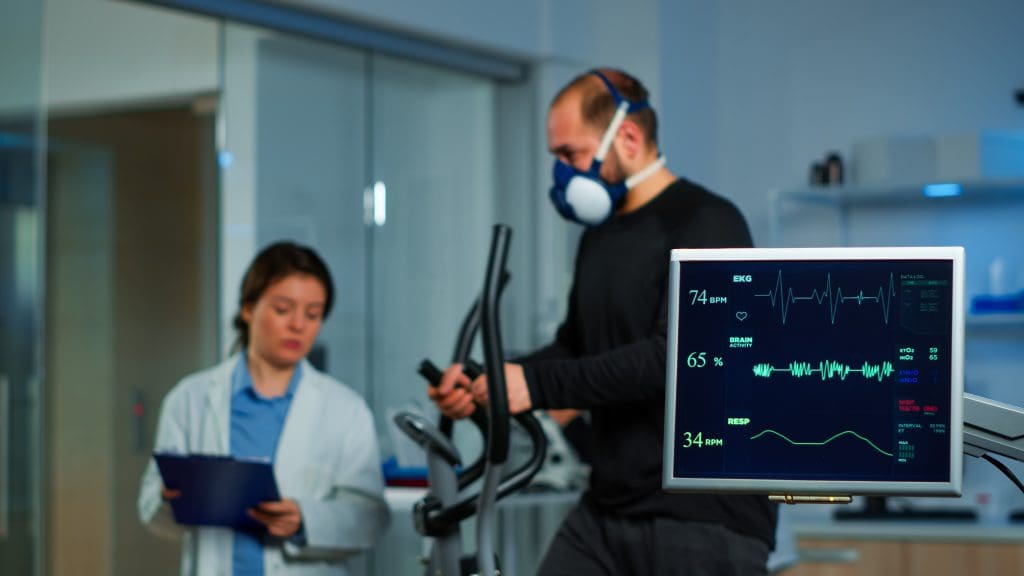
Cardiac stress tests are key tools for checking the heart’s health under stress. They see how well the heart works when it’s most active, like during exercise.
Definition and Purpose of Stress Testing
A cardiac stress test, or exercise stress test, is a non-invasive way to watch the heart’s activity under stress. It checks if the heart gets enough blood and oxygen when active. It’s used to find coronary artery disease and other heart issues.
The test has you walk on a treadmill or bike while your heart rate and blood pressure are tracked. The exercise gets harder to stress the heart, letting doctors see how it reacts.
Signs You May Need a Stress Test
Several signs and symptoms might mean you need a cardiac stress test. These include:
- Chest pain or discomfort (angina)
- Shortness of breath
- Dizziness or lightheadedness
- Abnormal heart rhythms
- A history of heart disease
If you’re feeling any of these symptoms, your doctor might suggest a stress test to find out why.
How Stress Tests Help Diagnose Heart Conditions
Stress tests give important info about the heart’s function under stress. Doctors can:
- Diagnose coronary artery disease
- Assess the risk of heart attack
- Evaluate the effectiveness of current treatments
- Determine safe levels of exercise
The test’s results help doctors create a treatment plan for better heart health and lower future heart risks.
Nuclear Stress Tests: Procedure and Considerations
A nuclear stress test is a detailed medical imaging method. It helps doctors check how well your heart works under stress. This test is key for finding and managing heart disease.
How Nuclear Stress Tests Work
Nuclear stress tests use a small amount of radioactive tracer to see how your heart pumps blood. The test is done in two parts: at rest and under stress. Stress can be from exercise on a treadmill or special medicine that acts like exercise.
The tracer is injected into your blood, and a camera takes heart images. Doctors can then see how well your heart muscle works and find any blood flow issues.
Advantages of Nuclear Imaging
Nuclear imaging has advantages over other stress tests. It shows detailed heart images and finds problems like coronary artery disease. It’s great for those who can’t do a regular exercise test.
This test gives both functional and anatomical heart information. This detailed view helps doctors make better diagnoses and treatment plans.
Radiation Exposure and Other Concerns
One big worry with nuclear stress tests is radiation exposure. Though the radiation is small, it’s something to think about, mainly for younger people or those needing many tests. But, the test’s benefits often outweigh the risks, helping find serious heart problems.
Other worries include allergic reactions to the tracer and the test itself. People with certain health issues might need to be careful or look for other tests.
The Bruce Protocol Stress Test: A Common Alternative
The Bruce Protocol stress test is a common choice for checking heart health. It was created in the 1960s by Dr. Robert A. Bruce. This test is now a key way to see how the heart works when you exercise.
Development and Methodology
The Bruce Protocol was made to check how well the heart works during exercise. It’s done on a treadmill, where the pace gets faster every few minutes. This lets doctors see how the heart handles hard work.
Key components of the Bruce Protocol include:
- Initial stage: walking at a moderate pace
- Progressive increase in speed and incline
- Monitoring of electrocardiogram (ECG) and blood pressure
Stages and Intensity Levels
The Bruce Protocol has several stages, each lasting 3 minutes. The test gets harder with each stage, with faster speeds and steeper inclines. This helps doctors check how well the heart works.
| Stage | Speed (mph) | Incline (%) | METs |
| 1 | 1.7 | 10 | 4-5 |
| 2 | 2.5 | 12 | 6-7 |
| 3 | 3.4 | 14 | 8-9 |
The table shows how the test gets harder, with higher METs as it goes on. This helps doctors see how well the heart is working.
METs and Cardiovascular Assessment
METs are key in the Bruce Protocol, showing how much energy is used during the test. A higher MET means better heart fitness. The results help find heart problems, check heart risk, and plan treatment.
“The Bruce Protocol stress test is a valuable tool for assessing cardiovascular health, providing insights into heart function under stress.”
In summary, the Bruce Protocol stress test is a trusted way to check heart health. Its clear steps and results make it a key tool in cardiology.
Standard Exercise Stress Tests vs. Nuclear Tests
Standard exercise stress tests and nuclear stress tests aim to check heart function under stress. But they use different methods.
Standard exercise stress tests are a common tool to check heart health. They monitor the heart’s activity during physical stress, usually through exercise.
Treadmill ECG Testing
Treadmill ECG testing is a common exercise stress test. It tracks the patient’s electrocardiogram (ECG) while they walk on a treadmill. The exercise gets harder to increase the heart rate and check the heart’s response.
Key aspects of treadmill ECG testing include:
- Continuous ECG monitoring
- Gradual increase in exercise intensity
- Assessment of heart rate and rhythm
Bicycle Ergometer Options
Bicycle ergometer testing is another exercise stress test. The patient rides a stationary bicycle while their ECG and blood pressure are checked. It’s good for those who can’t use a treadmill because of balance or mobility issues.
The benefits of bicycle ergometer testing include:
- More controlled exercise intensity
- Less risk of falling compared to treadmill testing
- Ability to monitor blood pressure during exercise
When Exercise Tests Are Preferable to Nuclear Tests
Exercise stress tests are often better than nuclear tests for those who can exercise. They give important heart function info without radioactive tracers.
Exercise tests are preferable when:
- The patient is physically capable of exercising
- There is a need to avoid radiation exposure
- A less expensive diagnostic option is desired
Choosing the right stress test helps healthcare providers get the needed info. This way, they can reduce risks and costs for the patient.
Echocardiogram Stress Tests: Visualizing Heart Function
Echocardiogram stress tests help doctors understand how well the heart works. They combine stress testing with echocardiography’s detailed images. This gives a clear view of the heart’s performance.
How Echo Stress Tests Work
An echocardiogram stress test is done before and after exercise. It’s usually on a treadmill or stationary bike. Ultrasound images of the heart are captured to see how it works under stress and at rest.
Benefits and Limitations
These tests are non-invasive and don’t use radiation. They’re safer for some patients. They provide real-time images of the heart’s function. This is great for spotting blood flow and heart valve issues.
But, there are downsides. The quality of ultrasound images can be affected by body type and other factors. This might make the results less accurate. Also, skilled technicians are needed to perform and interpret the tests.
Echo Stress Test Results Interpretation
Doctors compare images taken at rest and after exercise. Abnormalities in wall motion or signs of ischemia suggest heart disease.
They look at the results with the patient’s health, symptoms, and other tests. This helps decide what to do next or if more tests are needed.
Pharmacological Stress Testing for Limited Mobility Patients
For those with limited mobility, pharmacological stress testing is a great option. It simulates exercise effects on the heart. This is key for patients who can’t do traditional exercise tests because of health issues or physical limits.
Medications Used to Simulate Exercise
Pharmacological stress tests use special medicines to act like exercise on the heart. These medicines boost heart rate and blood flow. This makes the heart work like it does during exercise. Adenosine, regadenoson, and dobutamine are common medicines used.
Adenosine widens blood vessels to check blood flow. Regadenoson is another vasodilator used because it’s easier to give and has fewer side effects. Dobutamine increases heart rate and strength, just like exercise does.
Who Should Consider Pharmacological Testing
People with severe arthritis, peripheral vascular disease, or neurological disorders might need pharmacological testing. It’s also good for the frail or elderly. Exercise might be too hard or risky for them.
“Pharmacological stress testing provides a safe and effective means of diagnosing coronary artery disease in patients who cannot undergo traditional exercise stress tests.” –
American Heart Association
Comparing Results to Exercise-Based Tests
Pharmacological stress tests are as accurate as exercise tests for diagnosing heart disease. But, they don’t give the same info about exercise capacity or functional status.
Research shows pharmacological testing is reliable for finding coronary artery disease. It’s as good as exercise tests. The choice between pharmacological and exercise tests depends on the patient’s health and abilities.
What to Expect During Your Stress Test
Getting ready for a stress test means knowing what happens, where, and what it feels like. Knowing this can make you feel more at ease and ready.
Pre-Test Preparation and Instructions
Your doctor will tell you what to do before the test. You might need to:
- Avoid certain foods and drinks that could affect the test results
- Tell your doctor about any medicines you’re taking
- Wear comfy clothes and shoes for moving around
Also, getting there a bit early to fill out any forms is a good plan.
The Testing Environment and Equipment
The test usually happens in a hospital or a special testing place. The room has:
- A treadmill or stationary bike for the exercise part
- Electrodes on your chest to watch your heart
- A blood pressure cuff to check your blood pressure
Average Duration and Physical Demands
The whole stress test usually takes 30 to 60 minutes. The exercise part is shorter, lasting 7 to 12 minutes. How hard it feels depends on the test and your health.
You’ll exercise hard during the test. It might be tough, but you’re in a safe place with doctors watching over you.
Knowing these details can help you get ready mentally and physically. It makes the test go smoother.
Age-Related Considerations for Stress Testing
Age is key when it comes to stress tests. As we get older, our hearts react differently to stress. This means we need to adjust how we do and understand stress tests.
Target Heart Rates by Age Group
Heart rates during stress tests depend on age. Doctors use a formula to figure out the maximum heart rate. But, this formula might not work for everyone, like older adults or those with health issues.
- Young adults (20-30 years) usually aim for a heart rate above 80% of their maximum.
- Older adults (65+ years) might aim for a heart rate of 70-80% of their maximum.
Average Treadmill Times and METs by Age
Treadmill times and METs change with age. Younger people usually do better, reaching higher METs and lasting longer.
| Age Group | Average Treadmill Time (minutes) | Average METs Achieved |
| 20-39 years | 10-12 minutes | 10-12 METs |
| 40-59 years | 8-10 minutes | 8-10 METs |
| 60+ years | 6-8 minutes | 6-8 METs |
Modified Protocols for Elderly Patients
Stress tests for older adults are adjusted. This is because they might not be as physically able. Doctors might use lower intensity tests or tests that don’t require exercise.
Key considerations for elderly patients include:
- Using lower target heart rates or alternative endpoints.
- Adjusting the intensity and duration of the test.
- Monitoring for signs of distress or discomfort.
Understanding Stress Test Results and Metrics
Knowing what your stress test results mean is key to understanding your heart health. Stress tests check how well your heart works when it’s under stress. This stress can come from exercise or medicine.
Normal vs. Abnormal Findings
Stress test results can show if your heart is working right or not. If your heart is fine, the results are normal. But if they’re abnormal, it might mean you have heart disease or other heart problems.
Key indicators of abnormal findings include:
- Electrocardiogram (ECG) changes that suggest heart problems
- Symptoms like chest pain or trouble breathing during the test
- Not reaching the target heart rate
- Big drops or wrong increases in blood pressure
The Duke Treadmill Score and Risk Assessment
The Duke Treadmill Score is a way to measure how well you do on a treadmill test. It looks at how long you exercise, heart changes, and symptoms to guess how bad your heart disease is. It also tries to predict your risk of heart problems in the future.
| Duke Treadmill Score | Risk Category | 5-Year Survival Rate |
| ≥ +5 | Low Risk | 95-97% |
| -10 to +4 | Moderate Risk | 80-90% |
| ≤ -11 | High Risk | 65-75% |
What “Positive” and “Negative” Results Mean
When it comes to stress tests, “positive” and “negative” can be tricky. A positive result usually means there’s something wrong with your heart, like disease. On the other hand, a negative result is good news, showing your heart is likely healthy.
Talking to your doctor about your stress test results is very important. They can help you understand what they mean and what to do next for your health.
When Results Are Inconclusive or Abnormal
When stress test results are unclear or abnormal, it can worry people about their heart health. These results don’t always mean a big problem. But, they do need more checking to understand what they mean.
Common Reasons for False Positives
False positives can happen for many reasons. Here are some common ones:
- Technical issues during the test, like broken equipment.
- Patient-related factors like being overweight, which can mess with test images.
- Certain medications that can change heart rate and blood pressure.
- Pre-existing conditions like left bundle branch block, which can make ECG hard to read.
Next Steps After an Abnormal Test
If your stress test shows something odd, your doctor will probably want to do more tests. These might include:
- Further questioning about your health history and symptoms.
- A physical examination to check for heart disease signs.
- Additional diagnostic tests, like echocardiography or coronary angiography, to see the heart and blood vessels up close.
When Additional Testing May Be Needed
Sometimes, more tests are needed to confirm or rule out heart disease. The choice of tests depends on:
- The type of initial stress test done and what it found.
- Patient’s overall health and any other health issues.
- Risk factors for heart disease, like family history, smoking, or diabetes.
Knowing why stress test results are unclear or abnormal and what to do next can ease worries. It helps guide patients to the right care.
Safety Considerations and Possible Risks
Staying safe during a stress test means knowing the risks and how to avoid them. Stress tests are usually safe, but they can have some risks.
Common Side Effects and Discomforts
People getting a stress test might feel some common side effects. These include:
- Dizziness or lightheadedness
- Shortness of breath
- Chest pain or discomfort
- Fatigue
- Muscle soreness
These effects usually go away soon after the test. But, it’s important to tell your doctor if you feel any discomfort or symptoms.
Serious Complications and Their Frequency
Even though rare, serious problems can happen during or after a stress test. These might include:
| Complication | Frequency |
| Heart attack | Less than 1 in 10,000 |
| Serious arrhythmias | Less than 1 in 1,000 |
| Cardiac arrest | Extremely rare |
A study in the Journal of the American College of Cardiology shows the risk of serious problems is very low. This highlights the safety of these tests when done right.
“The safety profile of stress testing is well-established, with serious complications being exceedingly rare. Yet, careful patient selection and monitoring are key.”
A Cardiologist
How to Prepare to Minimize Risks
To lower risks during a stress test, patients should:
- Follow pre-test instructions carefully, including dietary restrictions and medication guidance.
- Tell their healthcare provider about any medical conditions, allergies, or concerns.
- Wear comfortable clothing and shoes for exercise.
- Be ready to report any symptoms or discomfort during the test.
By knowing the risks and taking steps to avoid them, patients can safely get their heart health checked.
Cost Comparison of Different Stress Test Types
It’s important for patients and healthcare providers to know the costs of stress tests.Test costs vary depending on type, location, and insurance coverage.
Average Costs With and Without Insurance
Stress test prices differ a lot, depending on if you have insurance and the test type. Without insurance, a basic stress test can cost between $200 to $500. Nuclear stress tests, which use a radioactive tracer, cost more, from $1,000 to $3,000 or more.
Factors That Influence Pricing
Several things can affect how much a stress test costs. These include:
- The type of stress test: Nuclear tests are pricier than basic exercise tests.
- Location: Tests in cities or special cardiac centers might cost more than those in rural areas.
- Facility fees: Tests done in hospitals might have extra fees.
- Physician fees: The doctor’s fee for reading the test results can add to the cost.
Questions to Ask Your Insurance Provider
Before getting a stress test, it’s key to know your insurance. Here are some questions to ask:
- Is the stress test covered by my plan?
- What are my out-of-pocket costs, like copays and coinsurance?
- Are there any pre-approval or referral needs?
- Are there specific providers or facilities I must use to be covered?
| Type of Stress Test | Average Cost Without Insurance | Average Cost With Insurance |
| Standard Exercise Stress Test | $200 – $500 | $100 – $300 (after deductible) |
| Nuclear Stress Test | $1,000 – $3,000 | $300 – $1,000 (after deductible and coinsurance) |
| Echocardiogram Stress Test | $500 – $1,500 | $200 – $600 (after deductible and coinsurance) |
Conclusion
In conclusion, while nuclear stress tests are common, there are other good options. These alternatives can give important insights into heart health.
The meaning of stress tests covers many types. This includes exercise tests, echocardiogram tests, and tests using medicine. Each has its own benefits and things to think about.
It’s key for both patients and doctors to know about these stress tests. This knowledge helps make better choices about heart health checks.
Looking at different stress test options helps people make better choices for their care. This leads to better heart health management.
FAQ
What is a nuclear stress test?
A nuclear stress test uses a tiny amount of radioactive material. It helps see how the heart and blood vessels work when stressed. This stress is usually caused by exercise or medicine.
What are the alternatives to a nuclear stress test?
Other tests include the Bruce Protocol stress test and treadmill ECG tests. There are also echocardiogram stress tests and pharmacological stress testing.
What is the Bruce Protocol stress test?
The Bruce Protocol is a test to check heart health. It measures how well a person exercises and how their heart works during a treadmill test.
How does a stress test help diagnose heart conditions?
A stress test checks how well the heart works under stress. It can find problems like coronary artery disease. It also helps see how much risk there is for heart problems.
What are the signs that indicate the need for a stress test?
Signs you might need a stress test include chest pain or shortness of breath. Dizziness is also a sign. Other signs are high blood pressure, high cholesterol, or a family history of heart disease.
How long does a stress test typically take?
A stress test usually takes 30-60 minutes. This includes getting ready and recovering.
What is the target heart rate for a stress test?
The target heart rate depends on age and fitness. It’s usually 85% of the maximum heart rate predicted.
How is a stress test result interpreted?
Results are based on how well you exercise, your heart rate, and ECG readings. They can be normal, abnormal, or unclear.
What does a positive stress test result mean?
A positive result means the test found heart function problems under stress. This could mean coronary artery disease or other heart issues.
What are the risks associated with stress testing?
Stress tests are mostly safe but can have risks. These include heart problems like heart attack or arrhythmias. Other risks are dizziness or feeling very tired.
Are there any modifications for elderly patients undergoing stress testing?
Yes, elderly patients might need special stress tests. These could be lower intensity exercise or medicine tests. This is because they might have physical or health issues.
Can I prepare to minimize risks during a stress test?
Yes, you can prepare to reduce risks during a stress test. Avoid certain medicines, wear comfy clothes, and tell your doctor about your health.
What should I expect during a stress test?
During a stress test, you’ll do physical exercise or take medicine to stress your heart. You’ll be watched with ECG and other tools to check your heart’s function.



 Departments
 Related Videos
 Our Doctors
 News
News