
Pregnancy is a big change, but it also brings health challenges. One major issue is iron deficiency during pregnancy, which is closely tied to anemia.
Worldwide, 36.8% of pregnant women suffer from anemia. This makes it a big public health problem. We need to understand and manage anemia to keep both mom and baby healthy.
During pregnancy, the body needs more iron and nutrients. This increases the risk of anemia. We’ll look at why anemia happens, its risks, and how to manage it in pregnant women. It’s all about getting the right care.
Key Takeaways
- Pregnancy increases the risk of anemia due to higher demand for iron and other nutrients.
- Globally, 36.8% of pregnant women are anemic, making it a significant public health concern.
- Managing anemia is key for the health of both mother and baby.
- Comprehensive care is essential to prevent and address anemia during pregnancy.
- Understanding the causes and risks of anemia can help in its management.
Understanding Anemia and Its Relationship to Pregnancy
Anemia is a big deal during pregnancy for the health of both mom and baby. It happens when there aren’t enough red blood cells. These cells are key for carrying oxygen around the body.
Definition and Types of Anemia
Anemia can be caused by many things, like not enough iron or vitamins. Pregnancy makes it more likely because of changes in blood.
Types of Anemia:
- Iron deficiency anemia
- Folate deficiency anemia
- Vitamin B12 deficiency anemia
How Pregnancy Affects Blood Composition
Pregnancy brings big changes to a woman’s body to help the baby grow. One change is an increase in blood volume. This can lead to anemia if not managed right.
The blood volume increase is natural and prepares for blood loss during delivery. But, it can also dilute red blood cells. This can cause anemia if red blood cells aren’t made fast enough.
|
Change in Blood Composition |
Effect on Pregnancy |
|---|---|
|
Increase in blood volume |
Dilutional effect, potentially leading to anemia |
|
Increased demand for iron |
Higher risk of iron deficiency anemia |
|
Changes in red blood cell production |
Potential for anemia if production doesn’t keep pace with blood volume expansion |
Pregnant women need to know about these changes. Talking to their healthcare provider is key for a healthy pregnancy.
Prevalence of Anemia in Pregnancy: Global and U.S. Statistics
It’s important to know how common anemia is in pregnancy. This knowledge helps us make better health plans. Anemia is a big problem for pregnant women all over the world, affecting both mom and baby.
Global Prevalence Rates
Anemia in pregnancy is found in about 36.8% of pregnant women globally. But, this number changes a lot in different places. Countries with less money and healthcare often have more anemia.
Health data shows anemia is more common where people are poorer and have less access to healthcare. We need to focus on helping these areas more.
U.S. Statistics and Trends
In the U.S., about 11.4% of pregnant women in the WIC program have anemia. But, this number can change based on who is being studied and other factors.
U.S. data shows anemia is a big worry, mainly for certain groups at risk. The Centers for Disease Control and Prevention (CDC) has a report on.
Regional Variations and High-Risk Populations
Anemia rates vary a lot, both worldwide and in the U.S. Some groups, like those who are poorer or have less prenatal care, face a higher risk.
It’s key for doctors to know these differences. This way, they can spot who’s at risk and take steps to prevent anemia. By focusing on these groups, we can lower anemia rates in pregnancy.
Physiological Changes During Pregnancy That Increase Anemia Risk
During pregnancy, a woman’s body changes a lot to support the growing fetus and get ready for childbirth. One big change is the increase in blood volume. This can greatly affect the risk of anemia. We will look at these changes and how they impact pregnant women.
Blood Volume Expansion
Blood volume expansion is a key change in pregnancy. It can increase by up to 50% of what it was before. This is needed to meet the growing needs of the mother and fetus, and to prepare for blood loss during delivery. The extra blood can dilute red blood cells, which might lead to anemia.
Increased Iron Demands
Pregnancy makes a woman’s body need more iron. This is because the mother’s red blood cells increase, and the fetus also needs iron. The need for iron is highest in the second and third trimesters. If iron needs aren’t met, pregnant women are more likely to get iron deficiency anemia. Studies show that iron supplements can greatly lower anemia risk.
Hemodilution Effect
The hemodilution effect is when red blood cells get diluted because of more plasma volume in pregnancy. This is important for preventing blood clots and ensuring blood flow to the placenta. But, it can also lower hemoglobin levels, leading to anemia. The main reasons for hemodilution are:
- Increased plasma volume
- Red blood cell expansion
- Changes in blood composition
It’s important to understand these changes to manage and prevent anemia in pregnancy. By knowing the risks of blood volume increase, iron needs, and hemodilution, healthcare providers can help pregnant women.
Common Causes of Anemia in Pregnancy
Understanding the causes of anemia during pregnancy is crucial for effective management. Anemia can come from many things, making it hard to treat.
Iron Deficiency Anemia
Iron deficiency is the top reason for anemia in pregnancy. The body needs more iron when pregnant because of the growing baby. Not getting enough iron or not absorbing it well can cause iron deficiency anemia. This is bad for both mom and baby.
Folate Deficiency Anemia
Folate is a B vitamin that helps prevent anemia in pregnancy. Folate deficiency anemia happens when the body doesn’t have enough folate for red blood cells. This is scary because folate is key for the baby’s growth, and not enough can cause birth defects.
Vitamin B12 Deficiency
Vitamin B12 is important for making red blood cells. Not having enough vitamin B12 can cause anemia with big, odd red blood cells. Pregnant women who don’t eat meat or animal products are at risk of vitamin B12 deficiency.
Other Types of Anemia During Pregnancy
Iron, folate, and vitamin B12 aren’t the only causes of anemia in pregnancy. Other anemias can come from chronic diseases, genetic issues like sickle cell anemia, or blood loss. Each type needs its own treatment plan to keep mom and baby healthy.
Risk Factors for Developing Anemia in Pregnancy
Anemia in pregnancy can be caused by several factors. These include nutritional deficiencies and having multiple pregnancies. Knowing these risks helps in early detection and treatment.
Pre-existing Nutritional Deficiencies
Nutritional deficiencies before pregnancy can lead to anemia. Iron, folate, and vitamin B12 are key for making red blood cells.
- Iron deficiency is the most common cause of anemia in pregnancy.
- Folate deficiency can lead to megaloblastic anemia.
- Vitamin B12 deficiency can also cause megaloblastic anemia and neurological problems.
Multiple Pregnancies
Women with multiple fetuses face a higher risk of anemia. This is because they need more iron and nutrients.
- The demand for iron increases with the number of fetuses.
- Multiple pregnancies can worsen nutritional deficiencies if not managed well.
Short Intervals Between Pregnancies
Pregnancies close together can deplete nutrient stores. This increases the risk of anemia.
- Short intervals between pregnancies mean less time for the mother’s body to recover.
- This can lead to a buildup of nutritional deficiencies.
Socioeconomic and Dietary Factors
Socioeconomic status and diet greatly affect anemia risk in pregnancy.
- Low socioeconomic status can limit access to nutrient-rich foods.
- Dietary factors, like not eating enough iron-rich foods or drinking too much tea or coffee, can block iron absorption.
Healthcare providers can target interventions to lower anemia risk in pregnancy by understanding these factors.
White Blood Cell Changes During Pregnancy
During pregnancy, the white blood cell count often goes up. This is usually a normal response. It helps the body support the growing fetus and fight off infections.
Normal Elevation of WBC Count in Pregnancy
The white blood cell (WBC) count can increase during pregnancy. This is because of the body’s natural inflammatory response. Studies show that WBC counts can start rising in the first trimester and keep going up throughout the pregnancy.
This increase is seen as a normal change. It helps protect both the mother and the fetus from infections.
Normal WBC Count Range in Pregnancy:
|
Trimester |
Normal WBC Count Range (×10^9/L) |
|---|---|
|
First Trimester |
4.7-12.0 |
|
Second Trimester |
5.4-13.4 |
|
Third Trimester |
5.8-14.1 |
Distinguishing Between Normal Elevation and Infection
An elevated WBC count is normal during pregnancy. But, a very high count might mean there’s an infection. It’s important to tell the difference between a normal response and a serious condition.
Symptoms like fever, chills, or pain in one area can mean an infection. If you have these symptoms and a high WBC count, you should see a doctor.
Key indicators of infection:
- Fever above 100.4°F (38°C)
- Chills or sweating
- Localized pain or swelling
- Cough or sore throat
- Burning sensation during urination
Relationship Between WBC Count and Anemia
There might be a link between WBC count and anemia in pregnancy. But, the exact relationship is not fully understood. Some studies suggest that a high WBC count could be linked to a higher risk of anemia.
More research is needed to understand this connection. It’s important for pregnant women to know about this possible link.
Key Considerations:
- Inflammation and infection can affect both WBC count and hemoglobin levels.
- Pregnant women with anemia should be monitored for signs of infection.
- Further studies are required to elucidate the relationship between WBC count and anemia.
Signs and Symptoms of Anemia in Pregnancy
It’s important to know the signs of anemia in pregnancy early. Anemia can show up in ways that seem like normal pregnancy changes. So, it’s key for moms-to-be to listen to their bodies.
Common Symptoms
The usual signs of anemia in pregnancy are fatigue, weakness, and shortness of breath. These happen because anemia means less oxygen gets to the body’s tissues.
- Fatigue and weakness make everyday tasks hard.
- Shortness of breath happens even with simple tasks.
- Dizziness or lightheadedness raises the risk of falls.
How Symptoms May Differ from Normal Pregnancy Changes
Some symptoms of anemia are like normal pregnancy changes, but there are differences. For example, severe fatigue that doesn’t get better with rest might mean anemia, not just pregnancy.
Iron Deficiency Symptoms in Pregnant Women
Iron deficiency anemia, the most common type in pregnancy, brings extra symptoms. These include pica (craving non-food items) and restless leg syndrome. These are because of iron lack.
|
Symptom |
Description |
|---|---|
|
Pica |
Craving non-food items like dirt or ice. |
|
Restless Leg Syndrome |
A condition causing an uncontrollable urge to move the legs. |
Warning Signs That Require Immediate Attention
Some symptoms need immediate medical help. If you have severe shortness of breath, chest pain, or severe dizziness, get help fast. These could be signs of a serious issue.
- Severe shortness of breath.
- Chest pain or palpitations.
- Severe dizziness or fainting.
Knowing these signs and symptoms helps pregnant women get the care they need. This ensures a healthier pregnancy for both mom and baby.
Diagnosis of Anemia in Pregnancy

Diagnosing anemia in pregnancy is very important. It helps keep both mom and baby healthy. If anemia is not treated, it can cause serious problems.
Routine Screening Tests
Blood tests are used to check for anemia. They look at hemoglobin and hematocrit levels. Hemoglobin carries oxygen, and hematocrit is the red blood cell count in the blood.
These tests are done at the first prenatal visit. They might be done again later in pregnancy.
“According to the American College of Obstetricians and Gynecologists (ACOG), all pregnant women should be screened for anemia at the first prenatal visit.”
Interpreting Blood Test Results
Understanding blood test results is important. Normal ranges for pregnant women are different from non-pregnant women. A hemoglobin level below 11 g/dL in the first and third trimesters or below 10.5 g/dL in the second trimester means anemia.
- Hemoglobin levels below the normal range indicate anemia.
- Hematocrit levels are also used to assess the severity of anemia.
Additional Diagnostic Procedures
If tests show anemia, more tests might be needed. These can include:
- Iron studies to check for iron deficiency.
- Folate and vitamin B12 level checks for deficiencies.
- Other tests to rule out conditions like thalassemia or chronic disease.
Trimester-Specific Diagnostic Considerations
Diagnosing anemia in pregnancy can be tricky. Blood volume changes in each trimester can affect hemoglobin levels. This makes diagnosis harder.
a maternal-fetal medicine specialist, says, “Understanding blood composition changes in pregnancy is key to accurately diagnosing anemia.”
Healthcare providers use a mix of tests to accurately diagnose and manage anemia in pregnancy.
Maternal and Fetal Complications of Untreated Anemia
Untreated anemia in pregnancy can harm both the mother and the baby. It’s vital to know these risks to give the right care.
Risks to the Mother
Anemia can affect the mother’s health a lot. It can lead to several complications. Here are some key risks:
- Increased risk of preterm labor: Anemic women are more likely to have preterm labor. This can cause health problems for both the mother and the baby.
- Cardiac complications: Anemia puts more strain on the heart. This can cause heart problems.
- Impaired postpartum recovery: Women with untreated anemia may take longer to recover after giving birth.
Risks to the Baby
The baby is also at risk because of the mother’s anemia. Some possible complications include:
- Low birth weight: Babies of anemic mothers are more likely to be underweight. This can lead to health issues.
- Preterm birth: Anemia increases the chance of preterm birth. This can cause health problems for the baby.
- Increased risk of fetal mortality: In severe cases, untreated anemia can increase the risk of the baby dying.
Anemia and Childbirth Complications
Anemia can make childbirth harder, leading to:
- Increased risk of postpartum hemorrhage: Anemic women are more likely to have severe bleeding after birth.
- Prolonged labor: Anemia can make labor longer. This increases the risk of more complications.
Long-term Health Implications
Untreated anemia during pregnancy can have long-term effects on both the mother and the child.
|
Complication |
Mother |
Baby |
|---|---|---|
|
Preterm Labor/Birth |
X |
X |
|
Low Birth Weight |
X | |
|
Cardiac Complications |
X | |
|
Postpartum Hemorrhage |
X | |
|
Fetal Mortality |
X |
Knowing these risks shows why treating anemia during pregnancy is so important. It helps prevent these complications.
Treatment Approaches for Anemia in Pregnancy
Anemia treatment in pregnancy includes many options. Each one is chosen based on the individual’s needs. The main goal is to increase red blood cell counts for the health of both mother and baby. We will look at different treatments, from supplements to more serious medical steps.
Oral Iron Supplementation
Oral iron supplements are often the first choice for iron deficiency anemia in pregnancy. Iron supplements help increase red blood cell production, fixing the deficiency. It’s best to take iron supplements on an empty stomach for better absorption. But, if stomach problems happen, you can take them with food.
Intravenous Iron Therapy
If oral iron doesn’t work or is not tolerated, intravenous iron therapy is used. This method puts iron directly into the blood, speeding up iron levels. It’s great for women with severe anemia or in late pregnancy.
Blood Transfusions
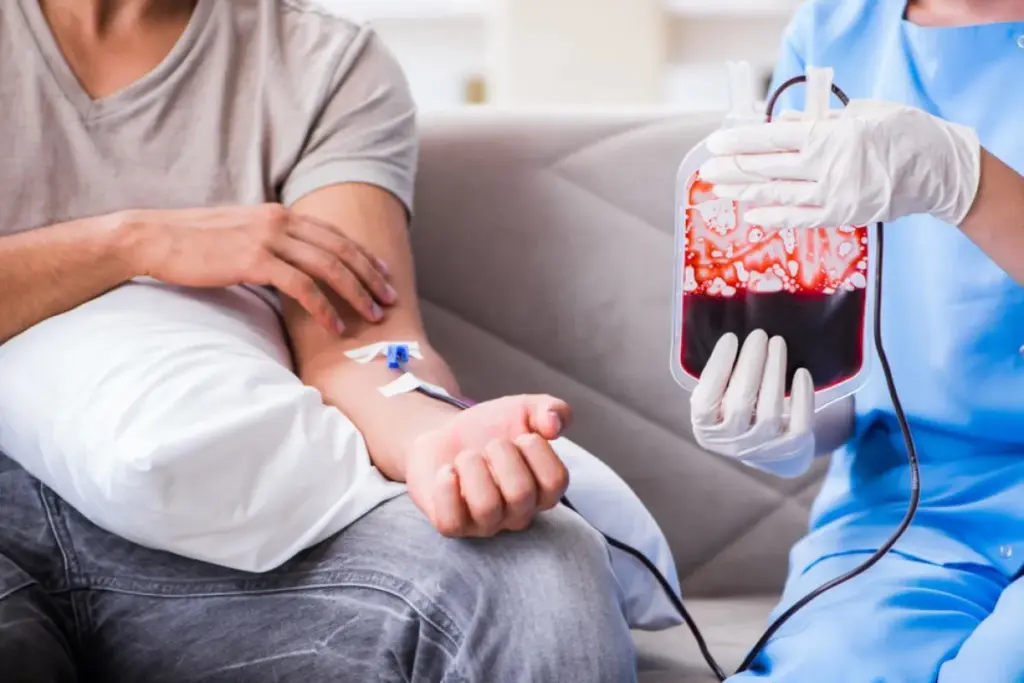
In very severe cases of anemia, blood transfusions might be needed. Blood transfusions quickly raise red blood cell counts and improve oxygen delivery. This helps both mother and fetus.
Treatment Based on Anemia Type and Severity
The type and severity of anemia guide the treatment. For example, folate or vitamin B12 deficiency anemia needs supplements of the missing nutrient. We make a treatment plan that fits each person’s needs, ensuring the best care.
With a personalized treatment plan, we can manage anemia in pregnancy well. This approach reduces risks and helps ensure a healthier pregnancy outcome.
Dietary Recommendations to Combat Anemia During Pregnancy
Managing anemia during pregnancy needs a full plan that includes diet changes. A balanced diet can prevent and treat anemia. This ensures the health of both mother and baby.
Iron-Rich Foods for Pregnant Women
Iron is key for making hemoglobin, a protein in red blood cells. It carries oxygen to the body’s parts. Pregnant women need to eat iron-rich foods to meet their higher iron needs.
- Red meat: Beef, lamb, and pork are great sources of iron.
- Poultry: Chicken and turkey have iron, but less than red meat.
- Fish and seafood: Shellfish, sardines, and anchovies are iron-rich.
- Legumes: Lentils, chickpeas, and black beans are iron sources from plants.
- Leafy greens: Spinach, kale, and collard greens are iron-rich.
- Nuts and seeds: Pumpkin seeds, sesame seeds, and sunflower seeds are iron sources.
- Fortified cereals: Many breakfast cereals are fortified with iron.
Foods That Enhance Iron Absorption
Vitamin C boosts iron absorption, mainly from plant-based foods. Foods rich in vitamin C include:
- Citrus fruits: Oranges, grapefruits, and lemons.
- Berries: Strawberries, blueberries, and raspberries.
- Tomatoes: Fresh tomatoes and tomato products.
- Bell peppers: Green, red, and yellow bell peppers.
Eating these foods with iron-rich foods can improve iron absorption.
Foods to Avoid
Some foods and drinks can block iron absorption and should be limited or avoided during meals.
- Tea and coffee: Both have compounds that reduce iron absorption.
- Calcium-rich foods: While good for bones, too much can block iron absorption.
- Foods high in phytates: Phytates in whole grains and legumes can bind to iron, reducing absorption.
Sample Meal Plans for Anemic Pregnant Women
Here’s a sample meal plan with iron-rich foods and foods that help iron absorption:
|
Meal |
Foods |
Iron Content |
|---|---|---|
|
Breakfast |
Oatmeal with sliced banana, almond butter, and a glass of orange juice |
Moderate |
|
Lunch |
Grilled chicken breast with spinach, bell peppers, and quinoa; a side salad with citrus vinaigrette |
High |
|
Snack |
Apple slices with almond butter and a handful of pumpkin seeds |
Moderate |
|
Dinner |
Grilled salmon with roasted vegetables and brown rice; a side of steamed broccoli |
High |
By following these dietary tips, pregnant women can manage anemia and support a healthy pregnancy.
Prevention Strategies for Anemia in Pregnancy
Preconception care and prenatal practices are key to avoiding anemia in pregnancy. By using effective prevention strategies, expectant mothers can lower their risk of anemia. This ensures a healthier pregnancy for them.
Preconception Care
Preconception care is the first step in preventing anemia during pregnancy. It involves checking and improving the mother’s health before she gets pregnant. This includes:
- Checking for and treating any pre-existing nutritional deficiencies, such as iron or folate deficiency.
- Providing guidance on a balanced diet rich in essential nutrients.
- Discussing the importance of prenatal vitamins and supplements.
Prenatal Vitamins and Supplements
Prenatal vitamins and supplements are vital for preventing anemia during pregnancy. They fill any nutritional gaps in the mother’s diet. This ensures she gets enough iron, folate, and other essential nutrients.
Key nutrients include:
- Iron: Essential for the production of red blood cells.
- Folate: Critical for preventing neural tube defects in the baby.
- Vitamin B12: Important for the production of red blood cells and nerve function.
Regular Prenatal Check-ups
Regular prenatal check-ups are vital for monitoring the health of both mother and baby. These check-ups allow healthcare providers to:
- Monitor the mother’s hemoglobin levels to detect anemia early.
- Provide timely interventions, such as iron supplementation, if anemia is detected.
- Offer guidance on maintaining a healthy diet and lifestyle during pregnancy.
Importance of Iron in Pregnancy
Iron is very important during pregnancy. The mother’s body and the growing fetus need more iron. Adequate iron intake helps prevent iron deficiency anemia. This is important for both the mother and the baby.
|
Nutrient |
Role in Pregnancy |
Food Sources |
|---|---|---|
|
Iron |
Production of red blood cells |
Red meat, spinach, fortified cereals |
|
Folate |
Prevents neural tube defects |
Leafy greens, legumes, citrus fruits |
|
Vitamin B12 |
Production of red blood cells and nerve function |
Meat, fish, poultry, dairy products |
Conclusion: Managing Anemia for a Healthy Pregnancy
Managing anemia well is key for a healthy pregnancy. We’ve talked about anemia in pregnancy, including what causes it, who’s at risk, how to diagnose it, and how to treat it.
To manage anemia in pregnancy, awareness, prevention, and treatment are important. Pregnant women should know the signs of anemia and see a doctor if they notice anything unusual.
Healthcare providers can help by understanding the changes in the body during pregnancy that raise anemia risk. They can suggest diet changes, iron supplements, and regular check-ups.
Our main goal is to give pregnant women the care they need to stay healthy. By focusing on anemia management, we can lower the risk of problems for both mom and baby. This helps support a healthy pregnancy journey.
FAQ
What is anemia in pregnancy?
Anemia in pregnancy means not having enough healthy red blood cells. These cells carry oxygen to the body’s tissues. It often happens because of too little iron or other important nutrients.
How does pregnancy affect blood composition?
Pregnancy makes the body produce more blood to support the growing fetus. This can cause a dilutional anemia if the increase in red blood cells doesn’t match the plasma volume increase.
What are the common causes of anemia during pregnancy?
The main causes are iron, folate, and vitamin B12 deficiencies. Other types of anemia can also occur due to various factors.
What are the risk factors for developing anemia in pregnancy?
Risk factors include pre-existing nutritional deficiencies. Also, multiple pregnancies, short intervals between pregnancies, and socioeconomic and dietary factors play a role.
How does pregnancy affect white blood cell count?
Pregnancy can raise white blood cell (WBC) count. It’s important to tell the difference between a normal response and an infection.
What are the symptoms of anemia during pregnancy?
Symptoms include fatigue, weakness, pale skin, and shortness of breath. These can be more severe and last longer than normal pregnancy changes.
How is anemia diagnosed during pregnancy?
Anemia is diagnosed through routine screening tests. These include blood tests to measure hemoglobin and hematocrit levels. Additional tests may be needed.
What are the complications of untreated anemia during pregnancy?
Untreated anemia can increase risks during childbirth. It can also have long-term health effects for both the mother and the baby.
How is anemia treated during pregnancy?
Treatment includes oral iron supplements, intravenous iron therapy, and blood transfusions. The approach depends on the type and severity of anemia.
What dietary changes can help combat anemia during pregnancy?
Eating iron-rich foods and foods that enhance iron absorption helps. Avoiding foods that block iron absorption is also important.
How can anemia be prevented during pregnancy?
Prevention includes preconception care and prenatal vitamins and supplements. Regular prenatal check-ups and focusing on iron are key.
What is the importance of iron in pregnancy?
Iron is vital for making red blood cells. It supports the health of both the mother and the growing fetus.
Can anemia during pregnancy affect the baby?
Yes, untreated anemia can cause complications. These include low birth weight and premature birth.
Are there any specific foods that can help alleviate anemia symptoms?
Foods rich in iron like rAnemia In Pregnancy: Protecting Your New Babyed meat, poultry, fish, beans, lentils, and fortified cereals can help alleviate symptoms.
References:
• Global Prevalence of Anemia in Pregnant Women – PubMed. https://pubmed.ncbi.nlm.nih.gov/35608810/