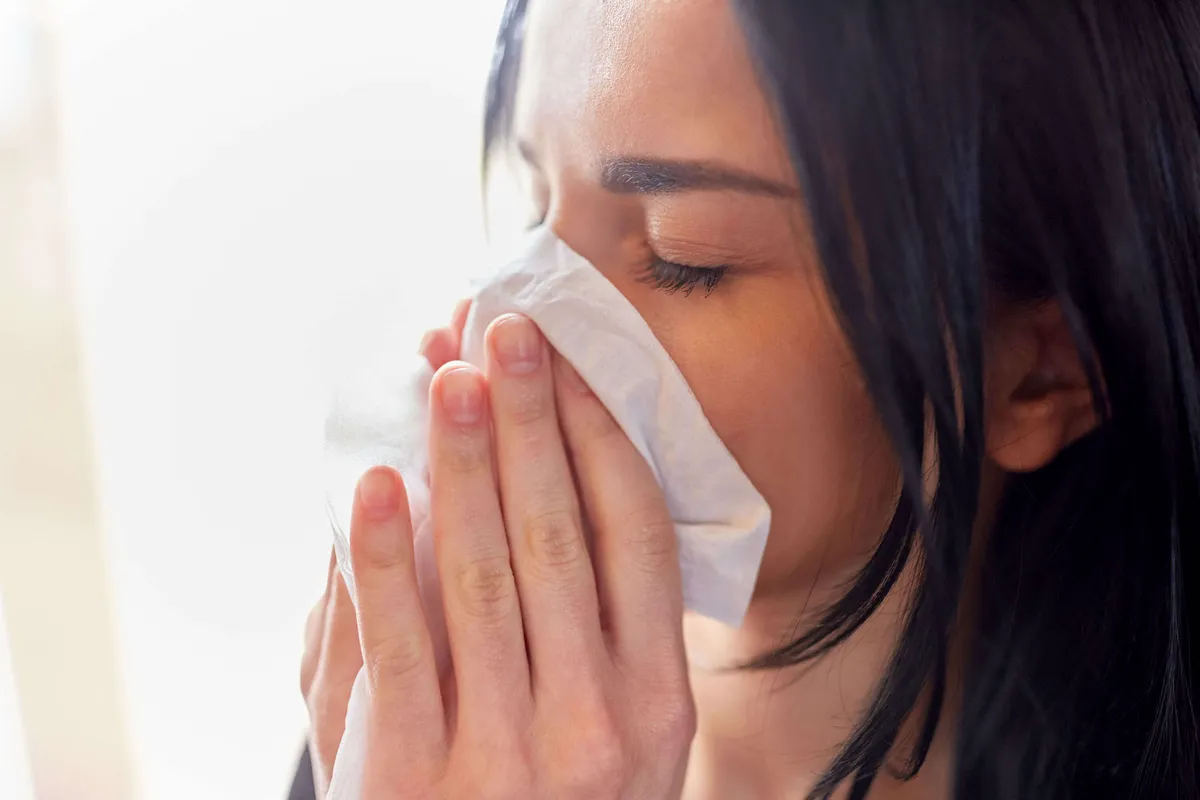
Ever felt your chest tighten and had trouble catching your breath when stressed? It’s more common than you think to link anxiety with breathing issues.anxiety and feeling short of breath8 Key Symptoms of Coronary Atherosclerosis and Narrowed Heart Arteries
Anxiety sets off a fight-or-flight response in your body. This leads to changes in how you breathe and feel oxygen. Stress hormones like cortisol and adrenaline make your heart race and breathing quicken.
It’s important to understand this connection and know these symptoms can be treated. By diving into the link between anxiety and shortness of breath, we can handle these breathing problems better.
Key Takeaways
- Anxiety triggers the body’s fight-or-flight response, releasing stress hormones that affect breathing.
- Rapid breathing patterns and increased heart rate contribute to the sensation of shortness of breath.
- Understanding the physiological mechanisms behind anxiety-related breathing difficulties is key for effective management.
- Recognizing the symptoms as treatable is the first step towards alleviating them.
- Techniques like slow, controlled breathing can help manage shortness of breath caused by anxiety.
The Connection Between Anxiety and Breathing Difficulties

Anxiety can make our breathing feel tight. This isn’t just a coincidence. Our mind and breathing are closely linked.
Understanding Dyspnea in the Context of Anxiety
Dyspnea, or trouble breathing, is common in people with anxiety. It shows up as feeling short of breath or breathing too much. This can really hurt how we live our lives.
Studies show anxiety can change how we breathe. We might breathe faster and not fully exhale. This can cause a lot of breathing problems.
How Common Breathing Problems Are Among Anxiety Sufferers
People with anxiety often have breathing issues. In situations that make them anxious, they breathe more and don’t exhale as much. This can lead to symptoms like:
- Shortness of breath
- Hyperventilation
- Chest tightness
Anxiety and breathing troubles are closely related. Anxiety can make us feel like we can’t breathe because of our body’s stress response. This response is triggered by stress hormones like adrenaline and cortisol, which can change how we breathe.
It’s important to know that anxiety can cause breathing problems. But, breathing issues can also make anxiety worse. This shows we need to tackle both problems together.
In summary, anxiety and breathing troubles are connected in many ways. By understanding how anxiety affects breathing and how common breathing issues are in anxious people, we can work on solving these problems.
The Fight-or-Flight Response Explained

When anxiety hits, our body’s fight-or-flight response kicks in. It gets us ready to face or run from danger. This ancient reaction involves many parts of our body.
Preparing for Perceived Threats
The fight-or-flight response is controlled by the sympathetic nervous system. It releases stress hormones like adrenaline and cortisol. These hormones make our heart race, breathing quicken, and senses get sharper.
Our body gets ready to deal with the threat. Our heart pumps more blood to our muscles. Our breathing gets faster to take in more oxygen.
Key physiological changes include:
- Increased heart rate and blood pressure
- Rapid breathing and increased oxygen intake
- Heightened senses and alertness
- Suppressed digestion and other non-essential functions
The Role of the Sympathetic Nervous System
The sympathetic nervous system is key in the fight-or-flight response. It turns on our body’s systems to get ready for action. It’s in charge of releasing stress hormones and handling threats.
Dr. [Researcher’s Name] says, “The sympathetic nervous system is vital for stress response. But, constant activation can harm our health.”
“The fight-or-flight response is a basic part of human biology. But, when it’s out of balance, it can lead to health problems, like anxiety disorders.”
|
Physiological Response |
Effect on the Body |
|---|---|
|
Increased Heart Rate |
Pumps more blood to muscles |
|
Rapid Breathing |
Increases oxygen intake |
|
Heightened Senses |
Enhances alertness and awareness |
It’s important to understand the fight-or-flight response and its link to anxiety. Knowing how our body reacts can help us manage anxiety better. This way, we can improve our breathing and overall health.
Stress Hormones and Their Impact on Breathing
Stress hormones change how we breathe when we’re anxious. When we feel anxious, our body gets ready to either fight or run away. This natural response is meant to protect us, but it can make breathing hard.
Cortisol’s Effect on Respiratory Function
Cortisol, known as the “stress hormone,” affects how we breathe. When we’re anxious, cortisol levels go up. This can make us breathe faster, leading to too much oxygen and not enough carbon dioxide in our blood.
Also, too much cortisol can weaken our immune system and affect how our body works, including breathing. Knowing how cortisol affects breathing can help us deal with anxiety-related breathing problems.
How Adrenaline Alters Breathing Patterns
Adrenaline, another stress hormone, quickly changes how we breathe when we’re anxious. It gets our body ready to face or run from danger. This can make us breathe faster and deeper, which is okay for short times but not good for always.
Adrenaline makes us breathe shallowly and quickly, like when we’re hyperventilating. This kind of breathing is not as good and can make us feel dizzy, lightheaded, and short of breath. This makes anxiety worse.
|
Hormone |
Effect on Breathing |
Potential Outcome |
|---|---|---|
|
Cortisol |
Increases respiratory rate |
Hyperventilation, imbalance in blood gases |
|
Adrenaline |
Rapidly increases breathing rate and depth |
Shallow breathing, hyperventilation, dizziness |
Understanding how stress hormones like cortisol and adrenaline affect breathing helps us manage anxiety-related breathing issues. Knowing how our body reacts to anxiety is the first step to finding ways to cope.
Anxiety and Feeling Short of Breath: The Physiological Mechanism
Anxiety makes our body change in ways that can make us feel short of breath. When we’re anxious, our body’s fight-or-flight response kicks in. This releases stress hormones like cortisol and adrenaline.
These hormones get our body ready to face or run from danger. They change how we breathe, among other things.
Changes in Breathing Rate and Depth
Anxiety makes our breathing faster and shallower. Stress hormones like cortisol and adrenaline affect our brain’s breathing centers. This makes us breathe more often but not as deeply.
So, even though we’re breathing a lot, it feels like we’re not getting enough air.
Chest Muscles and Tension During Anxiety Episodes
Our chest muscles tighten during anxiety, making it harder to breathe deeply. This tension can make us feel like we can’t catch our breath. The tightness in our chest can be scary, making us worry it’s something serious.
Shallow Breathing Patterns and Oxygen Levels
Shallow breathing from anxiety can upset the balance of oxygen and carbon dioxide in our blood. When we breathe too fast or shallowly, we lose more carbon dioxide than usual. This can cause a condition called respiratory alkalosis.
This imbalance can make us dizzy, lightheaded, and feel even more short of breath.
|
Physiological Change |
Effect on Breathing |
|---|---|
|
Increased Breathing Rate |
Rapid, shallow breathing |
|
Chest Muscle Tension |
Difficulty breathing deeply |
|
Shallow Breathing Patterns |
Imbalance in oxygen and carbon dioxide levels |
Hyperventilation: The Primary Culprit
Anxiety can make us breathe faster and less well. When we’re anxious, our body’s “fight-or-flight” response kicks in. This changes how we breathe.
Why We Breathe Faster Yet Less Efficiently When Anxious
When we’re anxious, our breathing gets quicker. But this fast breathing is shallow. It doesn’t let our lungs exchange oxygen and carbon dioxide well.
So, even though we breathe more, our body might not get enough oxygen.
The Paradox of Oxygen Levels During Hyperventilation
Hyperventilation has a strange effect on oxygen levels. It might seem odd, but it can actually lower oxygen levels in the body. This happens because our lungs don’t get to exchange gases properly.
Physical Symptoms Associated with Hyperventilation
Hyperventilation can cause many physical symptoms. These include dizziness, feeling lightheaded, and numbness or tingling in our hands and feet. These symptoms can be scary and make anxiety worse.
It’s important to understand how hyperventilation affects breathing when we’re anxious. By knowing the signs and learning to control our breathing, we can manage our anxiety better. This helps reduce feelings of shortness of breath.
The Brain’s Role in Anxiety-Related Breathing Problems
Anxiety greatly affects how we feel about breathing. When we’re anxious, our brain changes how we sense breathing. This can make us feel like we can’t breathe well.
The Anterior Cingulate Cortex and Breathing Perception
The anterior cingulate cortex (ACC) is key in handling negative feelings like anxiety. It affects how we feel about breathing. Medical Expert, “The brain is not just a passive receiver of sensory information; it’s an active constructor of our experience”. This shows how much the brain influences our feelings of anxiety.
How Anxiety Amplifies Physical Sensations
Anxiety makes us more aware of our body’s sensations, including breathing. When we’re anxious, our brain notices our breathing more. This can start a cycle where anxiety makes breathing feel worse, which then makes us more anxious.
As “the body’s response to anxiety can create a self-reinforcing loop”, it’s hard to break this cycle. We need to understand the brain’s role to manage these symptoms.
Neurological Pathways of Breathing Discomfort
The brain’s pathways for breathing discomfort are complex. It uses information from the lungs and airways to sense breathing. Anxiety can make us feel like we’re not breathing right. Knowing these pathways helps us find ways to deal with anxiety-related breathing issues.
Anticipatory Anxiety and Breathing Changes
Stressful events can make us anxious, which changes how we breathe. When we worry about the future, our body gets ready to either fight or flee. This leads to many physical changes.
Increased Breathing Flow and Tidal Volume
Anticipatory anxiety makes our breathing faster and deeper. Tidal volume is the air we breathe in and out normally. Taking deeper breaths means our tidal volume goes up. This prepares our body for action.
Research shows that people breathe more quickly and deeply when they’re stressed about something. This can make us feel lightheaded or dizzy because of how our body handles oxygen.
Decreased Expiration Time During Anticipatory States
Anticipatory anxiety also shortens the time we spend exhaling. This disrupts the balance between breathing in and out. It can lead to hyperventilation.
Hyperventilation causes symptoms like dizziness and tingling. It can make it hard to breathe, which is very distressing. It can also make our anxiety worse.
How Worrying About Future Events Affects Current Breathing
Thinking about future stress can change how we breathe right now. The anxiety we feel can make us breathe faster and shallower. This change in breathing is a sign of anxiety and can make it worse.
To deal with anticipatory anxiety and its impact on breathing, we need to find ways to control our breathing. Diaphragmatic breathing is a good technique. It involves deep, controlled breaths that can help calm our body’s response to anxiety.
- Practice relaxation techniques to calm the mind and body.
- Engage in regular physical activity to reduce overall anxiety levels.
- Use cognitive-behavioral therapy (CBT) to address underlying worries and fears.
Understanding how anticipatory anxiety affects our breathing and using the right strategies can help us manage anxiety about the future.
Different Types of Anxiety and Their Breathing Patterns
Anxiety and breathing issues are linked in various ways across different anxiety disorders. These disorders include panic disorder, generalized anxiety disorder, and social anxiety. Each has its own effects on breathing.
Panic Disorder and Characteristic Breathing Changes
Panic disorder causes frequent panic attacks. These are intense episodes of fear or discomfort. People often breathe too fast and deeply during these attacks.
This fast breathing lowers carbon dioxide in the blood. It can cause dizziness, lightheadedness, and make the panic worse.
The hyperventilation in panic disorder can make the symptoms worse. This creates a cycle where the physical symptoms of the panic attack are amplified by the breathing changes, further intensifying the anxiety.
Generalized Anxiety Disorder and Chronic Breathing Issues
Generalized anxiety disorder (GAD) is about constant worry about everyday things. People with GAD often feel tense and anxious all the time. This can lead to breathing problems that don’t go away.
Those with GAD might breathe too fast and shallowly. This can lead to not enough oxygen and make anxiety and tension worse.
Social Anxiety and Situational Breathing Difficulties
Social anxiety disorder makes people fear being judged in social or performance situations. In these situations, they might have trouble breathing, feeling short of breath or like they’re choking.
Thinking about social situations can make breathing harder. It makes it tough for people to handle their anxiety in social settings.
It’s important to understand how different anxiety disorders affect breathing. This helps healthcare providers create better plans to help people with anxiety.
Distinguishing Anxiety-Induced Shortness of Breath from Medical Conditions
Shortness of breath can be caused by anxiety or medical issues. It’s important to find out why to treat it right. When you can’t breathe well, figuring out the cause is key.
Key Differences Between Anxiety and Cardiac or Respiratory Issues
Anxiety makes you breathe fast, feel tight in the chest, and like you can’t breathe. Heart problems might make you feel pain in your chest, dizzy, and tired. Lung issues like asthma or COPD can make you wheeze, cough, and have trouble breathing out.
Key differences are in when and how symptoms show up. Anxiety makes you breathe funny when you’re stressed or scared. But heart or lung problems can happen anytime and are often worse and last longer.
When Shortness of Breath Warrants Medical Attention
See a doctor if you can’t breathe well, it lasts a long time, or if you have other scary symptoms. Warning signs include chest pain, feeling really dizzy, or trouble speaking. Even if you think it’s just anxiety, a doctor can check for other serious problems.
Doctors will look at your health, past medical issues, and symptoms to figure out why you can’t breathe. They might do tests like heart checks, chest X-rays, or lung function tests.
Comorbid Conditions That Complicate Diagnosis
Having other health problems can make it harder to know if anxiety or something else is causing shortness of breath. For example, people with heart or lung diseases might breathe poorly because of their condition or anxiety.
When this happens, doctors need to look at everything carefully. They have to understand how anxiety, medical conditions, and symptoms all work together. This helps them find the best way to help you.
Techniques to Manage Anxiety-Related Breathing Difficulties
Managing anxiety-related breathing issues needs a mix of techniques. Understanding how anxiety affects breathing helps us find ways to cope. Diaphragmatic breathing, progressive muscle relaxation, and mindfulness are effective methods.
Diaphragmatic Breathing Exercises
Diaphragmatic breathing, or belly breathing, uses the diaphragm for breathing. It slows down breathing and eases anxiety. Here’s how to do it:
- Lie on your back with one hand on your belly and the other on your chest.
- Take slow, deep breaths through your nose, letting your belly rise while your chest stays steady.
- Exhale slowly through your mouth, letting your belly fall.
Benefits of Diaphragmatic Breathing: It reduces stress and anxiety by promoting relaxation and easing hyperventilation symptoms.
Progressive Muscle Relaxation for Chest Tension
Progressive muscle relaxation (PMR) involves tensing and relaxing muscles to release tension. It helps with chest tension that can cause breathing problems.
|
Muscle Group |
Tense for |
Relax for |
|---|---|---|
|
Chest Muscles |
5 seconds |
10 seconds |
|
Neck and Shoulders |
5 seconds |
10 seconds |
Regular PMR practice can greatly reduce anxiety-related muscle tension.
Mindfulness Practices for Breath Awareness
Mindfulness focuses on the present moment, often through breath awareness. It helps people notice their breathing and reduce anxiety-related breathing issues.
To practice mindfulness for breath awareness:
- Sit comfortably with your eyes closed.
- Focus on your breath, noticing its sensation, rhythm, and depth.
- When your mind wanders, gently bring your attention back to your breath.
By using these techniques daily, people can manage anxiety-related shortness of breath better and improve their well-being.
Long-Term Strategies for Reducing Anxiety-Induced Shortness of Breath
Managing anxiety-induced shortness of breath long-term means using many approaches. This includes therapy, lifestyle changes, and sometimes medication. These steps can help people breathe better and feel less anxious.
“Anxiety is like a rocking chair. It gives you something to do, but it doesn’t get you anywhere.” This quote shows how frustrating anxiety can be, making breathing hard. To manage it well, we must tackle the root causes of anxiety.
Cognitive Behavioral Therapy Approaches
Cognitive Behavioral Therapy (CBT) is very effective for anxiety-induced shortness of breath. It helps people spot and change negative thoughts that cause their anxiety. This makes breathing easier.
CBT teaches people how to handle situations that make them anxious. It helps them control their breathing and feel better overall.
Lifestyle Modifications That Improve Breathing
Changing how we live can also help with anxiety-induced shortness of breath. Activities like yoga or walking can help by releasing happy hormones.
Also, using relaxation techniques like deep breathing or meditation can lower anxiety. This improves how we breathe.
Medication Options When Appropriate
Sometimes, medicine is needed to manage anxiety-induced shortness of breath. Drugs like benzodiazepines or SSRIs can lessen anxiety symptoms.
But, it’s key to talk to a doctor about the right medicine and how much to take. They can create a plan that fits your needs.
By using these long-term strategies, people can manage anxiety-induced shortness of breath. This improves their life quality.
Conclusion
It’s important to understand how anxiety and shortness of breath are connected. Anxiety makes our body go into fight-or-flight mode. This can change how we breathe, leading to breathing problems.
We can find ways to deal with this by learning about the body’s response to anxiety. Using techniques like deep breathing, muscle relaxation, and mindfulness can help. These methods can ease the breathing issues caused by anxiety.
For lasting relief, we can try long-term strategies too. Things like therapy and changing our lifestyle can help a lot. By tackling anxiety and its effects on breathing, we can live better and feel less stressed.
FAQ
Can anxiety cause shortness of breath?
Yes, anxiety can cause shortness of breath. It triggers the body’s fight-or-flight response. This releases stress hormones like cortisol and adrenaline. These hormones increase heart rate and lead to rapid breathing.
Why does anxiety lead to difficulty breathing?
Anxiety makes breathing hard by changing how we breathe. It makes us breathe faster and for shorter times. It also tightens chest muscles, leading to shallow breathing.
How can I tell if my shortness of breath is caused by anxiety?
Check for other anxiety symptoms like a fast heartbeat or sweating. See if your breathing problems happen in certain situations or all the time.
Can stress cause breathlessness?
Yes, stress can make you breathe harder. It releases hormones like cortisol and adrenaline. These hormones can change how we breathe and lead to hyperventilation.
What is hyperventilation, and how is it related to anxiety?
Hyperventilation is fast and deep breathing, often from anxiety. It can lower oxygen levels in the body. This makes shortness of breath worse.
How can I manage anxiety-related breathing difficulties?
Use diaphragmatic breathing exercises, progressive muscle relaxation, and mindfulness. These can calm your body and reduce symptoms.
Are there long-term strategies for reducing anxiety-induced shortness of breath?
Yes, long-term strategies include cognitive behavioral therapy and lifestyle changes. Regular exercise and stress management help. Medication may also be needed.
Can anxiety disorders lead to different breathing patterns?
Yes, different anxiety disorders can cause different breathing patterns. For example, panic disorder is known for rapid breathing. Generalized anxiety disorder can cause chronic breathing issues.
How do I distinguish between anxiety-induced shortness of breath and underlying medical conditions?
Consider the context of your symptoms and other health factors. Look for other symptoms like chest pain or dizziness. These may mean you need to see a doctor.
Can lifestyle changes help alleviate anxiety-related breathing difficulties?
Yes, changes like regular exercise and stress management can help. Relaxation techniques also reduce anxiety and improve breathing.
Does anxiety cause shallow breathing?
Yes, anxiety can cause shallow breathing. It tightens chest muscles and changes breathing patterns. This reduces oxygen intake and can make shortness of breath worse.
References
National Center for Biotechnology Information. Evidence-Based Medical Guidance. Retrieved from https://pmc.ncbi.nlm.nih.gov/articles/PMC3031667/