
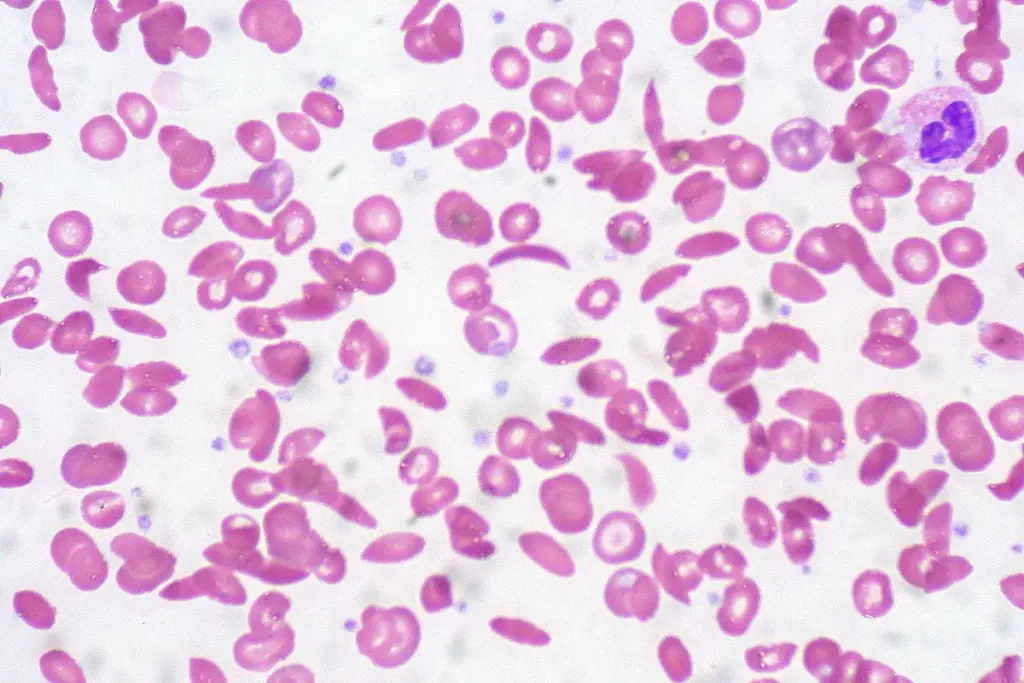
Aplastic anemia is a rare and serious blood disorder. It happens when the bone marrow can’t make enough new blood cells. About 65% to 70% of cases have no known cause, called idiopathic aplastic anemia. But, in cases where we know the cause, the main one is an autoimmune response. This is when the body’s immune system attacks its own bone marrow stem cells. Why do most people get aplastic anemia? Explore the causes and why feeling apathetic is a major sign that your marrow needs medical attention.
Medical research shows other things can harm the bone marrow too. These include radiation and chemotherapy, toxic chemicals, certain drugs, and viral infections. At Liv Hospital, we offer top-notch healthcare for international patients. Our team works hard to give each patient the care and treatment they need for aplastic anemia.
Key Takeaways
- Aplastic anemia is a rare blood disorder where the bone marrow can’t make new blood cells.
- The most common cause is idiopathic, making up 65% to 70% of cases.
- Autoimmune response is a leading cause among acquired cases with known triggers.
- Other factors that can cause aplastic anemia include radiation, chemotherapy, toxic chemicals, certain drugs, and viral infections.
- Personalized care and treatment options are available for patients with aplastic anemia.
Understanding Aplastic Anemia: Definition and Overview
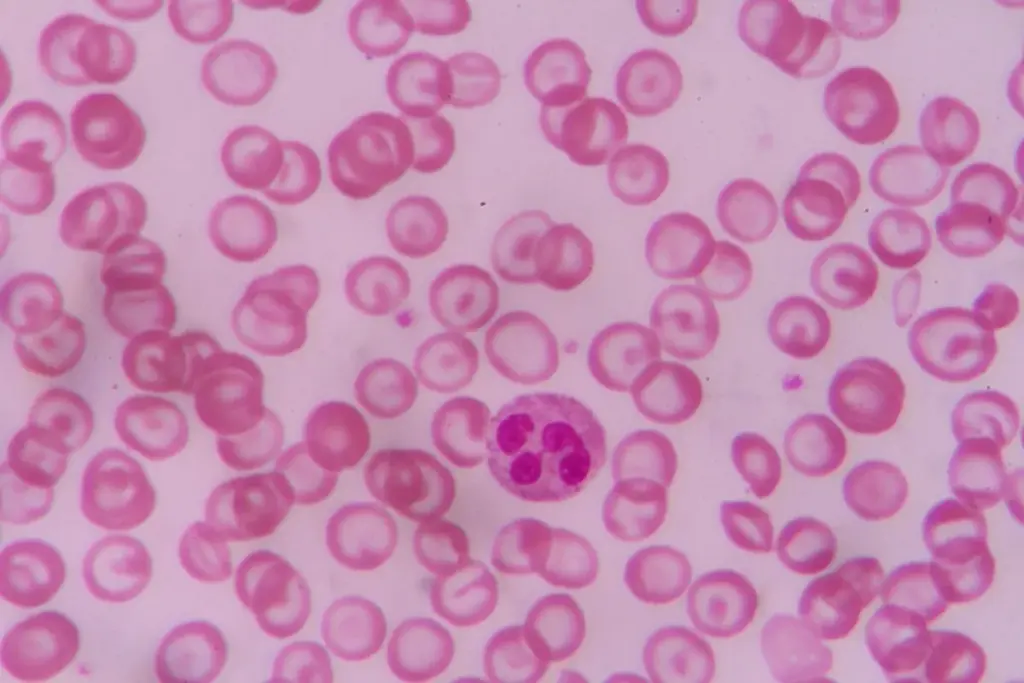
Aplastic anemia is a rare and serious blood disorder. It happens when the bone marrow fails to make blood cells. This leads to fatigue, infections, and bleeding. Knowing what anemia is and its types is key to understanding aplastic anemia.
Causes and Risk Factors
The exact cause of aplastic anemia is often unknown. But it can be triggered by toxic chemicals, certain drugs, viral infections, and radiation. It can also be linked to autoimmune disorders, where the body attacks its own cells. Recognizing symptoms early is crucial for diagnosis and can greatly enhance the chances of effective treatment.
Many cases of aplastic anemia are idiopathic, meaning the cause is not known. Autoimmune disorders are a common cause. It’s important to understand different types of anemia, like microcytic anemia and rare blood types.
For more information on aplastic anemia, visit or . We offer comprehensive care and support. This includes immunosuppressive therapy and bone marrow transplantation. Our goal is to help patients recover and manage their conditions.
FAQ
What is aplastic anemia?
Aplastic anemia is a rare blood disorder. It happens when the bone marrow can’t make enough new blood cells. This leads to tiredness, infections, and bleeding.
What are the most common causes of aplastic anemia?
The main causes include idiopathic and autoimmune factors. Environmental and genetic factors also play a role. Sometimes, the cause is unknown.
What is idiopathic aplastic anemia?
Idiopathic aplastic anemia means the cause is not known. It’s not linked to any specific factor or condition.
How is aplastic anemia diagnosed?
Doctors use blood tests and bone marrow biopsies to diagnose it. These tests check how well the bone marrow makes blood cells.
What are the treatment options for aplastic anemia?
Treatments include immunosuppressive therapy and bone marrow transplantation. The right treatment depends on the condition’s severity and cause.
What is the role of immunosuppressive therapy in treating aplastic anemia?
It helps by reducing the immune system’s attack on the bone marrow. This helps the bone marrow to start making blood cells again.
Can aplastic anemia be cured?
Yes, in some cases. Effective treatments like immunosuppressive therapy or bone marrow transplantation can cure it or greatly improve symptoms.
What is pancytopenia, and how is it related to aplastic anemia?
Pancytopenia means having fewer red and white blood cells and platelets. Aplastic anemia is a main cause of this condition.
Are there any rare blood types associated with aplastic anemia?
Rare blood types can make finding compatible donors hard. But, they are not directly linked to aplastic anemia.
How does microcytic anemia differ from aplastic anemia?
Microcytic anemia is about small red blood cells, often from iron deficiency. Aplastic anemia is when the bone marrow can’t make enough blood cells.
References
National Center for Biotechnology Information. Evidence-Based Medical Insight. Retrieved from https://www.ncbi.nlm.nih.gov/books/NBK534212/