

Apheresis is a groundbreaking medical technology that has changed how we treat blood-related disorders. This innovative procedure separates blood components to target disease at its most fundamental level. It offers a highly effective treatment for conditions like sickle cell disease and supports stem cell transplants.
The World Apheresis Association reports over 89,000 apheresis procedures worldwide in more than 12,000 patients. This shows how important apheresis is in modern medicine. As we delve into its capabilities and benefits, it’s clear that apheresis is a crucial tool in fighting certain diseases.
Key Takeaways
- Apheresis is a medical procedure that separates blood components for treatment.
- It is used to treat conditions such as sickle cell disease and support stem cell transplants.
- Over 89,000 apheresis procedures have been recorded worldwide.
- Apheresis is a vital tool in modern medicine for targeting disease.
- This technology has revolutionized the treatment of various blood-related disorders.
The Definition and Purpose of Apheresis
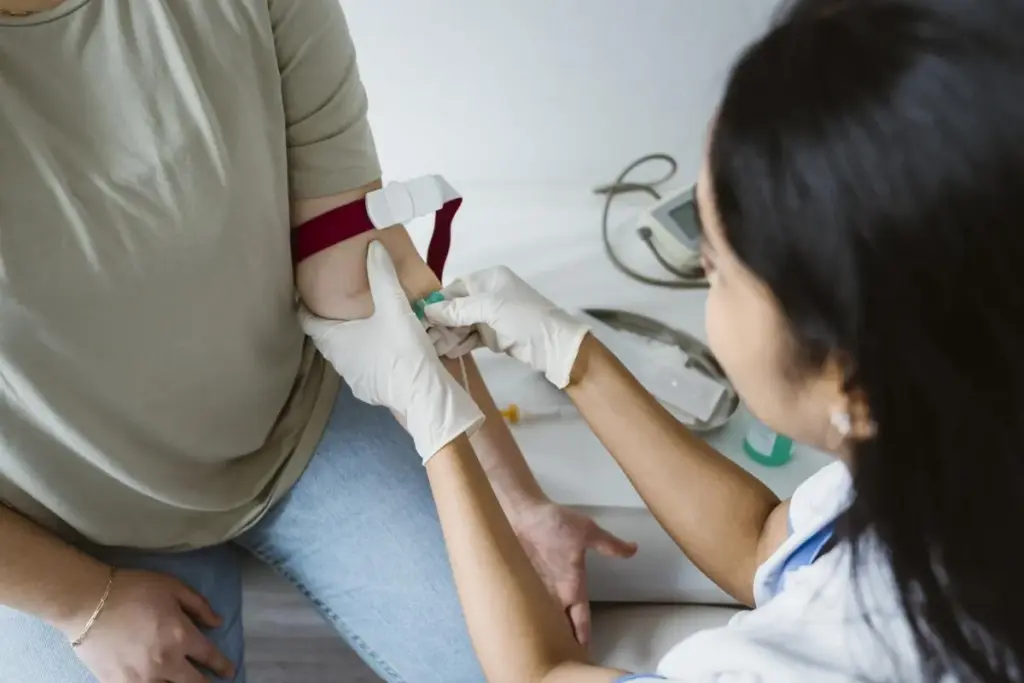
Apheresis is a medical process that removes or collects specific blood parts. It offers therapeutic benefits. This method is key in treating many conditions by targeting the root cause.
Medical Explanation of Blood Component Separation
Apheresis starts with drawing blood from a patient or donor. The blood then goes through a special device. This device separates the blood into its parts, like plasma and platelets.
The device collects or removes the desired part. The rest of the blood is put back into the body. This selective separation makes apheresis very useful.
The separation happens through centrifugation or membrane filtration. These methods let doctors isolate specific blood parts. By removing or replacing certain parts, apheresis helps balance the body’s blood. This is crucial for managing some diseases.
Primary Goals of Apheresis Procedures
The main goals of apheresis depend on the condition being treated. For therapeutic apheresis, the aim is often to remove harmful substances or adjust the immune system. For instance, plasmapheresis takes out bad antibodies from the plasma. Plateletpheresis collects platelets for patients who need them.
Apheresis helps treat many medical conditions. It improves patient outcomes and quality of life. Whether it’s removing diseased parts or collecting healthy ones, apheresis is essential in modern medicine.
Historical Development of Apheresis Technology
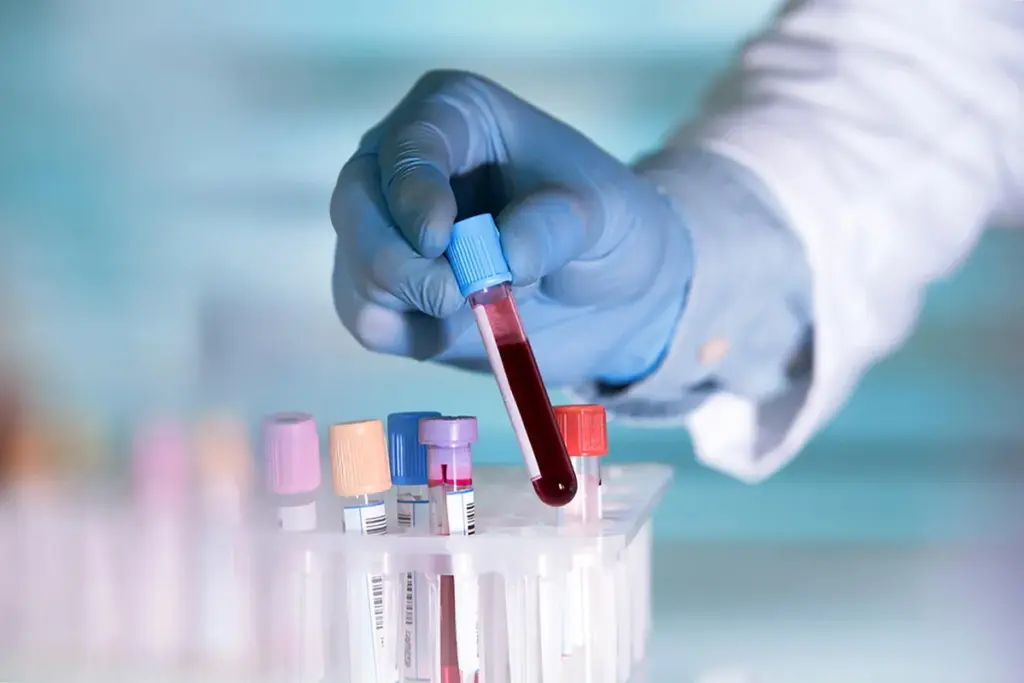
Apheresis technology has come a long way from its early days. It has seen major improvements, changing how we process and use blood in medicine.
Early Blood Separation Techniques
In the early 20th century, people first tried to separate blood components. These early methods were simple but slow and often got contaminated.
One of the first methods was plasmapheresis. It separated plasma from other blood parts using basic techniques. But, these methods were not very effective and had risks like infections.
“The development of apheresis technology has been instrumental in advancing medical treatments, enabling the selective removal or collection of specific blood components.”
— Apheresis Expert
Evolution to Modern Apheresis Methods
Modern apheresis technology changed the game. New technologies like better centrifuges, membrane filters, and automation made it safer and more precise.
Today’s apheresis machines use advanced software and monitoring. This lets them adjust in real-time and ensure the quality of the separated blood. These improvements have made apheresis more effective and safer for patients.
|
Feature |
Early Apheresis Techniques |
Modern Apheresis Methods |
|---|---|---|
|
Separation Method |
Manual centrifugation or sedimentation |
Automated centrifuge and membrane filtration |
|
Precision and Efficiency |
Limited precision, time-consuming |
High precision, efficient processing |
|
Patient Safety |
Higher risk of contamination and infection |
Enhanced safety features, minimal risk |
|
Operator Dependence |
Highly dependent on operator skill |
Automated systems reduce operator dependence |
The journey of apheresis technology has been long and filled with innovation. It has become a key part of medical science. As we look to the future, apheresis will keep playing a crucial role.
The Science Behind Apheresis
Apheresis is a medical technology that separates blood into its components. It allows for the selective removal or collection of specific elements. This process is key to understanding apheresis.
Blood Component Separation Principles
The separation of blood components is based on their physical properties. Centrifugation is the main method used. It spins the blood at high speeds to layer the components by density.
The process involves several steps:
- Whole blood is drawn from the patient or donor.
- The blood is then centrifuged to separate it into its various components, such as plasma, platelets, and red blood cells.
- The desired component is isolated and either collected or removed, depending on the purpose of the apheresis procedure.
- The remaining blood components are then returned to the patient or donor.
|
Blood Component |
Density (g/mL) |
Function |
|---|---|---|
|
Plasma |
1.025-1.030 |
Carries proteins, nutrients, and hormones |
|
Platelets |
1.055-1.065 |
Involved in blood clotting |
|
Red Blood Cells |
1.090-1.100 |
Carries oxygen throughout the body |
Blood Circulation and Return Process
The blood circulation and return process is crucial in apheresis. The patient’s or donor’s blood is continuously circulated through the machine. The machine separates the blood into its components, and the desired component is either collected or removed.
The return process involves recombining the remaining blood components and returning them to the patient or donor. This process is done carefully to prevent any adverse reactions.
We ensure that the blood circulation and return process is monitored closely. This is to guarantee the safety and comfort of the patient or donor.
Types of Apheresis Procedures
Apheresis includes plasmapheresis, plateletpheresis, leukapheresis, and erythrocytapheresis. These methods target different health issues. They separate and collect specific blood parts for treatment.
Plasmapheresis: Plasma Collection and Exchange
Plasmapheresis separates plasma from other blood parts. It’s used for collecting plasma for life-saving treatments. It also removes harmful antibodies and proteins from the blood.
Key applications of plasmapheresis include:
- Therapeutic plasma exchange for conditions like myasthenia gravis and Guillain-Barré syndrome
- Plasma collection for fractionation into immunoglobulins, albumin, and clotting factors
Plateletpheresis: Platelet Donation and Removal
Plateletpheresis collects platelets from a donor’s blood. The donor’s other blood parts are returned. It’s key for getting platelets for patients with low platelet counts or those on chemotherapy.
The benefits of plateletpheresis include:
- Collection of high-quality platelets with minimal contamination from other blood components
- Ability to collect a large number of platelets from a single donor, reducing the need for multiple donations
Leukapheresis: White Blood Cell Collection
Leukapheresis collects white blood cells. It’s useful in treating leukemias and lymphomas. It can remove too many white blood cells or collect stem cells for transplant.
Leukapheresis is used in:
- Treatment of hyperleukocytosis in leukemia patients
- Collection of peripheral blood stem cells for autologous or allogeneic transplantation
Erythrocytapheresis: Red Blood Cell Exchange
Erythrocytapheresis exchanges red blood cells. It removes infected or abnormal red blood cells. This helps in conditions like sickle cell disease or malaria.
The advantages of erythrocytapheresis include:
- Rapid reduction of sickled red blood cells in patients with sickle cell disease
- Effective removal of parasitized red blood cells in malaria
Apheresis Equipment and Technology
Apheresis machines have become more advanced, offering better safety and efficiency. These updates have made blood component separation more reliable and precise.
Modern Apheresis Machines
Today’s apheresis machines focus on better separation and patient comfort. They use advanced software for real-time monitoring and adjustments. Key features include:
- High-precision pumps for accurate blood flow control
- Advanced centrifuge technology for efficient component separation
- User-friendly interfaces for simplified operation
Safety Features and Monitoring Systems
Safety is crucial in apheresis procedures. Modern machines have many safety features, including:
- Air detection systems to prevent air embolism
- Pressure monitoring to avoid vascular damage
- Automated anticoagulation control to minimize bleeding risks
These safety features work with advanced monitoring systems. They track various parameters in real-time, ensuring the procedure’s integrity and the patient’s well-being.
Recent Technological Advancements
Recent years have brought big changes in apheresis equipment. Some key developments include:
|
Technological Advancement |
Description |
Benefit |
|---|---|---|
|
Automated Process Control |
Advanced algorithms control the apheresis process |
Enhanced precision and reduced operator error |
|
Real-time Data Analytics |
Continuous monitoring and data analysis during procedures |
Improved patient safety and procedure outcomes |
|
Integrated Patient Monitoring |
Vital signs and other health metrics are continuously monitored |
Enhanced patient safety and immediate response to any adverse events |
These updates have made apheresis procedures more effective and safer for patients. As technology keeps improving, we can look forward to even more advancements in apheresis equipment and technology.
The Apheresis Procedure: Step by Step
The apheresis procedure is a detailed process. It needs careful preparation, precise steps, and thorough care after. We help our patients through each step, making sure they are comfortable and safe.
Pre-Procedure Preparation and Assessment
Before starting an apheresis procedure, patients get a detailed check-up. We look at their medical history, current health, and what they hope to achieve with the treatment.
Key preparation steps include:
- Medical evaluation to identify any potential risks or complications
- Review of current medications and supplements to avoid any adverse interactions
- Hydration and nutritional guidance to ensure the patient is well-prepared for the procedure
- Education on what to expect during and after the procedure to alleviate anxiety
During the 1-6 Hour Apheresis Session
During the apheresis session, patients are watched closely by our skilled medical team. The procedure starts by accessing the patient’s blood through a vein in their arm. Sterile equipment is used to separate the blood components needed.
The apheresis process itself involves several critical steps:
- Insertion of a needle or catheter into a vein to access the bloodstream
- Use of an apheresis machine to separate the desired blood components from the rest of the blood
- Collection or removal of the targeted blood components
- Return of the remaining blood components to the patient
Post-Procedure Care and Recovery
After the apheresis procedure, patients get careful care to help them recover well. We watch for any immediate problems and give advice on self-care after.
Post-procedure care may involve:
- Observation for a period to monitor for any adverse reactions
- Removal of any catheters or needles used during the procedure
- Advice on resuming normal activities, including diet, exercise, and medication
- Follow-up appointments to assess the effectiveness of the treatment and address any concerns
Knowing the steps of an apheresis procedure helps patients prepare better. This leads to a better experience and better results.
Therapeutic Applications of Apheresis
Apheresis is a key part of modern medicine. It helps treat complex diseases by removing or exchanging blood components. This targeted approach is crucial for managing various health issues.
Treatment for Hematological Disorders
Hematological disorders affect the blood and blood-making organs. Therapeutic apheresis is used to treat these conditions. It removes abnormal cells from the blood, easing the immune system’s workload.
Neurological Condition Management
Apheresis is also vital for neurological conditions. For example, plasmapheresis treats autoimmune neurological disorders. It removes autoantibodies that harm the nervous system, improving symptoms in conditions like multiple sclerosis and Guillain-Barré Syndrome.
Autoimmune Disease Interventions
Apheresis is a valuable strategy for autoimmune diseases. It removes harmful antibodies and immune complexes. This helps reduce the severity of diseases like rheumatoid arthritis and lupus, enhancing patients’ quality of life.
As we delve deeper into apheresis, its uses will likely grow. It offers new treatment options for many medical conditions. Apheresis’s versatility and effectiveness make it a powerful tool against complex diseases.
Specific Conditions Treated with Apheresis
Apheresis is a key treatment for serious conditions like sickle cell disease and thrombotic thrombocytopenic purpura. It works by removing or exchanging certain blood parts. This targeted approach helps manage complex health issues.
Sickle Cell Disease Management
Sickle cell disease is a genetic disorder that affects hemoglobin production. This leads to deformed red blood cells. Apheresis, especially red blood cell exchange, helps manage severe complications.
By replacing sickled red blood cells with healthy ones, apheresis reduces the risk of complications. This improves patient outcomes.
A study in the Journal of Clinical Apheresis showed red blood cell exchange lowers sickle cell crises. Here are the results:
|
Parameter |
Pre-Apheresis |
Post-Apheresis |
|---|---|---|
|
Sickle Cell Crises Frequency |
4.2 per year |
1.1 per year |
|
Hemoglobin S Level |
80% |
30% |
Myasthenia Gravis Treatment
Myasthenia gravis is an autoimmune disorder that affects neuromuscular transmission. Apheresis, especially plasmapheresis, removes harmful antibodies. This provides relief and improves muscle strength.
“Plasmapheresis has been shown to be effective in reducing the levels of pathogenic antibodies in myasthenia gravis patients, leading to significant clinical improvement.” – Neurology Expert
Thrombotic Thrombocytopenic Purpura Intervention
Thrombotic thrombocytopenic purpura (TTP) is a rare disorder with blood clots in small blood vessels. Apheresis, mainly plasma exchange, is the main treatment. It removes autoantibodies and replaces the ADAMTS13 enzyme.
A study in the Journal of Clinical Apheresis showed apheresis greatly improves TTP patient outcomes. Prompt plasma exchange therapy is key.
Other Conditions Benefiting from Apheresis
Apheresis also helps with other conditions, including:
- Familial hypercholesterolemia
- Multiple myeloma
- Guillain-Barré syndrome
These conditions benefit from the selective removal or exchange of specific blood components. This shows apheresis’s versatility and therapeutic potential.
Apheresis in Stem Cell Collection and Transplantation
Apheresis technology makes it easy to get peripheral blood stem cells. These cells are key for transplant success. It has changed how we treat blood diseases, giving hope to many.
Peripheral Blood Stem Cell Collection Process
The process starts with mobilization. Donors or patients get special meds to move stem cells into their blood. Then, apheresis separates and collects these cells.
Key aspects of the peripheral blood stem cell collection process include:
- Pre-apheresis evaluation to ensure the donor’s or patient’s suitability for the procedure
- Insertion of intravenous lines for blood withdrawal and return
- Continuous monitoring during the apheresis process to ensure safety and efficacy
- Collection of the desired amount of stem cells, which are then prepared for transplantation
Role in Bone Marrow Transplant Procedures
Apheresis-collected stem cells are vital for bone marrow transplants. These transplants help treat serious diseases like leukemia and lymphoma. Using peripheral blood stem cells is safer and easier than traditional methods.
The advantages of using apheresis-collected stem cells in bone marrow transplant procedures include:
- Faster engraftment and recovery times
- Reduced risk of graft-versus-host disease in some cases
- Ease of collection, eliminating the need for surgical bone marrow extraction
A study in a top medical journal shows the benefits. “Peripheral blood stem cells are now the top choice for transplants. They are easier to get and work faster.”
“Apheresis technology has significantly advanced the field of stem cell transplantation, providing a safer and more efficient method for collecting peripheral blood stem cells.”
— Expert in Hematology and Stem Cell Transplantation
Donor Apheresis: Contributing to Medical Treatments
Donor apheresis is key in helping medical treatments. It gives vital blood parts. We need donors’ help for many medical needs.
The Donation Process Experience
The apheresis donation process is safe and comfy. Donors go through a detailed check to make sure they can donate safely.
Donors sit comfortably while the machine takes out the needed blood parts. The whole thing can take hours. Their health is watched closely the whole time.
Eligibility Requirements for Apheresis Donors
To donate through apheresis, you need to meet certain rules. These include age, weight, and health checks. A medical exam is also needed.
- Donors must be healthy and not have certain illnesses.
- They must fit the age and weight rules of the apheresis center.
- A detailed medical history is checked to ensure safety and quality.
We thank apheresis donors for their kindness. Their donations are vital for medical progress and patient care.
Inpatient vs. Outpatient Apheresis Settings
The choice between inpatient and outpatient apheresis depends on several factors. These include the patient’s condition and specific needs. Apheresis, a procedure that involves separating blood components, can be effectively administered in both settings.
The decision on where to perform apheresis is influenced by the complexity of the patient’s condition. It also depends on the need for close monitoring and the type of apheresis procedure required.
Determining the Appropriate Treatment Environment
Healthcare providers consider several factors when deciding between inpatient and outpatient apheresis. These include the severity of the patient’s condition, the presence of comorbidities, and the potential risks associated with the procedure. Inpatient apheresis is typically recommended for patients who require close monitoring and support due to their medical condition or the complexity of the apheresis procedure.
Outpatient apheresis is suitable for patients with less complex conditions. They can safely undergo the procedure without the need for an extended hospital stay. Outpatient apheresis offers the advantage of convenience and reduced healthcare costs, making it an attractive option for patients who meet the criteria.
Differences in Care Approach and Monitoring
The care approach and monitoring differ significantly between inpatient and outpatient apheresis settings. In an inpatient setting, patients are under constant supervision. Their vital signs are closely monitored throughout the procedure. This setting allows for immediate intervention in case of any adverse reactions or complications.
In contrast, outpatient apheresis requires careful patient selection and preparation to ensure safety. While the procedure is generally safe, patients undergoing outpatient apheresis need to be educated on recognizing and reporting any potential side effects or complications.
Patient Selection Criteria for Each Setting
Patient selection criteria for inpatient versus outpatient apheresis are based on the patient’s overall health status. They also depend on the specific apheresis procedure to be performed and the level of care required. For inpatient apheresis, patients typically have more complex medical needs or are at a higher risk for complications.
For outpatient apheresis, patients are generally in stable condition. Their apheresis procedure is less likely to result in significant adverse effects. The selection process involves a thorough assessment by healthcare professionals to determine the most appropriate setting for the patient’s safety and well-being.
By carefully evaluating the patient’s condition and needs, healthcare providers can determine whether inpatient or outpatient apheresis is the most suitable option. This ensures that patients receive the best possible care.
Potential Complications and Side Effects of Apheresis
Apheresis is a medical procedure that separates and collects blood components. It’s generally safe but can have risks. Knowing these risks helps healthcare providers and patients ensure safe treatment.
Common Minor Complications
Minor issues can happen during or after apheresis. These include:
- Citrate toxicity causing numbness or tingling
- Hypovolemia or changes in blood pressure
- Fatigue or dizziness
- Bruising or bleeding at the needle site
Most of these issues can be managed with proper care and adjustments.
Serious Adverse Events and Their Treatment
Though rare, serious problems can occur. These include:
- Severe allergic reactions
- Vasovagal reactions
- Infection or bleeding complications
- Cardiovascular issues
Dealing with these events requires quick action. This might include medication, adjusting the procedure, or stopping it in severe cases.
Prevention Strategies and Monitoring
To lower risks, careful patient selection and monitoring are key. Strategies include:
- Checking patient health before the procedure
- Adjusting the apheresis protocol as needed
- Monitoring for signs of complications during and after
- Providing clear instructions and support to patients
By using these strategies, we can greatly reduce risks. This ensures a safe apheresis experience for our patients.
Global Statistics: Apheresis Worldwide
Apheresis procedures have grown a lot worldwide, used in many medical treatments. The World Apheresis Association leads in collecting data. This gives us important insights into its global impact.
Analysis of Procedures and Patients
Recent data shows over 89,000 apheresis procedures worldwide in more than 12,000 patients. This big dataset helps us understand apheresis use in different places and for various health issues.
Key statistics from the dataset include:
- Over 89,000 procedures conducted worldwide
- More than 12,000 patients treated with apheresis
- Diverse applications across various medical specialties
Regional Variations in Apheresis Utilization
Apheresis use changes a lot by region. This shows differences in healthcare, medical practices, and patient groups. Knowing these differences helps us spot trends and areas to improve.
|
Region |
Number of Procedures |
Percentage of Total |
|---|---|---|
|
North America |
30,000+ |
33% |
|
Europe |
25,000+ |
28% |
|
Asia-Pacific |
20,000+ |
22% |
|
Other Regions |
14,000+ |
16% |
Growth Trends and Future Projections
The data shows a steady increase in apheresis procedures worldwide. This growth comes from more people knowing about its benefits and new technology. As healthcare evolves, apheresis will become even more crucial in treatments.
Future projections suggest:
- Continued growth in apheresis procedures
- Expanded applications in new medical areas
- Advancements in apheresis technology and techniques
As we look ahead, keeping an eye on global apheresis stats and trends is key. This ensures this technology is used well and safely everywhere.
International Hospital Networks Advancing Apheresis
Apheresis is getting a big boost from international hospital networks. They are setting up top-notch programs. This helps improve patient care and results by using the newest apheresis tech.
Implementation of Cutting-Edge Apheresis Programs
International hospital networks lead in bringing in new apheresis programs. These programs aim to make treatments better and safer. For example, livhospital.com has been a leader in using new apheresis methods. These methods have greatly helped patient care.
The steps to implement these programs include:
- Checking current apheresis practices and finding ways to get better.
- Using the newest apheresis tech and equipment.
- Training doctors and staff to use the new tech well.
- Keeping an eye on patient results to make treatments even better.
Case Study: Innovative Approaches at livhospital.com
Livhospital.com is a great example of a healthcare provider that’s really pushing apheresis forward. They use the latest tech and focus on patient care.
“Our approach to apheresis involves not just the use of advanced technology, but also a deep understanding of patient needs and a commitment to delivering personalized care.” –
Livhospital.com Medical Team
Livhospital.com uses advanced apheresis machines. These machines are safer and can be customized for each patient.
International Standards and Protocol Development
Creating international standards and protocols is key for quality apheresis care worldwide. Hospital networks help by sharing best practices and working together on protocols.
These standards cover many apheresis areas, like:
- Who gets treated and how they’re checked before treatment.
- How to use apheresis machines.
- What to do after treatment and follow-up care.
By following these standards, hospitals can offer top-notch apheresis services. This ensures they meet global best practices.
Conclusion: The Future of Apheresis in Modern Medicine
Apheresis is key in treating many medical conditions. New technology has made it more effective. It’s used in more ways than before.
Looking ahead, apheresis is set to grow even more. Scientists are working hard to make it better and safer. New tech and treatments will make it even more important in healthcare.
The future looks bright for apheresis. It could help with stem cell treatments and complex diseases. As medicine keeps improving, apheresis will stay a leading part of it. It will bring hope and better care to people everywhere.
FAQ
What is apheresis, and how does it work?
Apheresis is a medical process that separates blood into its parts. This includes plasma, platelets, or white blood cells. The separated parts are then treated or collected. The rest of the blood is returned to the patient or donor.
What are the primary goals of apheresis procedures?
Apheresis aims to treat certain medical conditions. This includes sickle cell disease, myasthenia gravis, or thrombotic thrombocytopenic purpura. It does this by removing or exchanging diseased or abnormal blood components.
What types of apheresis procedures are available?
There are several apheresis procedures. These include plasmapheresis, plateletpheresis, leukapheresis, and erythrocytapheresis. Each has its own use and benefits.
How is apheresis used in stem cell collection and transplantation?
Apheresis helps collect peripheral blood stem cells. These are used in bone marrow transplant procedures. They help treat various hematological disorders.
What is the difference between inpatient and outpatient apheresis settings?
Inpatient settings offer more intensive care and monitoring. They are for patients with complex conditions. Outpatient settings are more convenient and less invasive. They are for patients with less severe conditions.
What are the potential complications and side effects of apheresis?
Apheresis can cause minor reactions like bruising or dizziness. It can also lead to more serious issues, such as allergic reactions or infection. Steps are taken to prevent and monitor these risks.
How do I become eligible to donate through apheresis?
To donate through apheresis, you must meet certain criteria. This includes age, health, and medical history. A thorough screening process assesses these requirements.
What is the role of apheresis in treating hematological disorders?
Apheresis is key in treating hematological disorders. It removes or exchanges diseased or abnormal blood components. This helps manage conditions like sickle cell disease and thrombotic thrombocytopenic purpura.
How has apheresis technology evolved over time?
Apheresis technology has greatly advanced. From early techniques to modern machines, it has evolved significantly. Today’s machines have advanced safety features and monitoring systems. This makes treatments more efficient and effective.
References
National Center for Biotechnology Information. Evidence-Based Medical Insight. Retrieved from https://pubmed.ncbi.nlm.nih.gov/20597979/