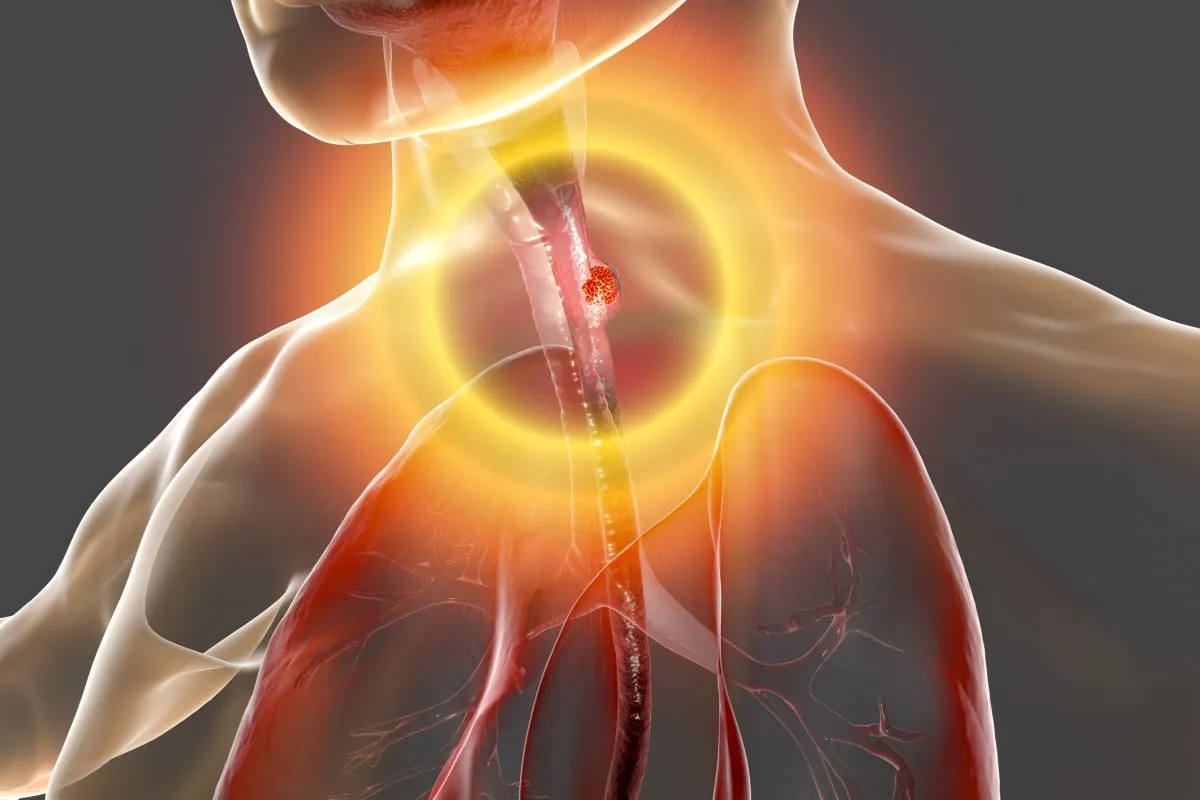
Aplastic anemia is a rare and potentially life-threatening condition. It happens when the bone marrow fails to make blood cells. This can lead to severe problems if not treated. Get the facts on insurance. Learn if aplastic anemia is considered a critical illness and how to get the best care for this serious condition.
This condition is not just a simple blood disorder. It’s a critical illness that stops the body from making vital blood cells. This results in bone marrow failure.
The severity of aplastic anemia is shown by its different stages. The severe and very severe forms are very critical. They pose a big risk to the patient’s health.
Key Takeaways
- Aplastic anemia is a rare hematologic condition.
- It is characterized by bone marrow failure to produce blood cells.
- The condition can lead to severe health consequences if untreated.
- Severe forms of aplastic anemia are considered critical illnesses.
- Comprehensive care is available for patients with aplastic anemia.
What Is Aplastic Anemia

Aplastic anemia affects the bone marrow’s ability to make blood cells. This condition means the bone marrow can’t produce enough blood cells. This can lead to serious health problems, making it important to know the causes and effects.
Definition and Basic Pathophysiology
Aplastic anemia happens when the bone marrow can’t make enough blood cells. This includes red blood cells, white blood cells, and platelets. Damage to the bone marrow can be caused by toxins, certain medicines, and viruses. This damage stops the bone marrow from making blood cells, leading to health issues like fatigue, infections, and bleeding problems.
The bone marrow is key in making blood cells. In aplastic anemia, this process is broken, leading to fewer blood cells. For more info, check out .
The Role of Bone Marrow in Blood Cell Production
The bone marrow is vital for making blood cells. It’s the spongy tissue in bones like the hips and thighbones. It produces red blood cells, white blood cells, and platelets. These cells then move into the bloodstream.
To show how bone marrow works and how aplastic anemia affects it, look at this table:
|
Blood Cell Type |
Function |
Impact of Aplastic Anemia |
|---|---|---|
|
Red Blood Cells |
Carry oxygen throughout the body |
Reduced production leads to anemia, causing fatigue and weakness |
|
White Blood Cells |
Part of the immune system, fighting infections |
Decreased production increases the risk of infections |
|
Platelets |
Involved in blood clotting |
Insufficient production can lead to bleeding disorders |
Aplastic anemia means the bone marrow can’t make enough blood cells. This leads to health problems. Knowing about this condition and its effects on blood cell production is key for finding good treatments.
Classification of Aplastic Anemia
## Classification of Aplastic Anemia
Understanding the severity of aplastic anemia is key for doctors to choose the right treatment. This condition is classified based on how severe the lack of blood cells is and specific criteria.
### Severe vs. Very Severe Aplastic Anemia
Severe aplastic anemia means a big drop in blood cells, leading to serious infections and bleeding. The criteria for severe include very low counts of neutrophils, reticulocytes, and platelets. Very severe is even worse, with even lower counts.
We know that telling severe from very severe aplastic anemia is important. It helps decide how strong the treatment should be. Patients with very severe need quick and strong treatment.
### Moderate and Mild Forms
Not all aplastic anemia is severe. There are moderate and mild forms with less severe blood cell drops. These have looser criteria, and treatment might focus on watching and supporting.
For those with moderate or mild aplastic anemia, regular check-ups and adjusting treatment plans are key. This helps stop the condition from getting worse.
### Diagnostic Thresholds
The levels that show aplastic anemia’s severity are key for treatment choices. The table below shows these levels:
|
Severity |
Neutrophil Count (cells/μL) |
Reticulocyte Count (cells/μL) |
Platelet Count (cells/μL) |
|---|---|---|---|
|
Severe | |||
|
Very Severe | |||
|
Moderate/Mild |
Varies |
Varies |
Varies |
We use these levels to accurately classify aplastic anemia. Then, we tailor treatments to meet each patient’s needs.
Epidemiology and Demographics
Aplastic anemia’s study shows us how it affects different groups. Knowing this helps us plan better for public health and research.
Incidence and Prevalence Rates
The number of aplastic anemia cases varies by age. It’s most common in people aged 10-25 and over 55.
- About 2 cases of aplastic anemia happen per million people each year.
- Young and old people have the highest rates.
Age Distribution and Risk Groups
Aplastic anemia patients are found in two main age groups. The first is children and young adults, and the second is older adults.
Key age-related risk factors include:
- Children and young adults (10-25 years)
- Older adults (over 55 years)
Geographic Variations
There are differences in aplastic anemia cases around the world. Western and Asian populations show these variations.
In summary, studying aplastic anemia’s epidemiology and demographics is key. It helps us find who’s most at risk and plan better for public health.
Causes and Risk Factors
Aplastic anemia can come from various sources, like idiopathic and secondary causes. Knowing these causes helps doctors diagnose and treat it better.
Idiopathic Aplastic Anemia
Idiopathic aplastic anemia means we don’t know the cause. Despite lots of research, we’re not sure what triggers it. It seems to involve the immune system and bone marrow failure.
Studies show it’s a big part of aplastic anemia cases. This makes it clear we need more research to understand it.
Secondary Aplastic Anemia
Secondary aplastic anemia has known causes. These include toxins, infections, and certain medications. For example, chemicals like benzene or pesticides can increase the risk.
Certain viral infections and chemotherapy drugs can also cause it. Research shows knowing these risk factors is key to preventing and treating it early ().
Understanding the difference between idiopathic and secondary aplastic anemia is important. It affects how we treat and manage it. Idiopathic cases need a more detailed approach. But, avoiding known risk factors can help prevent or lessen secondary cases.
Signs and Symptoms of Aplastic Anemia
Knowing the signs and symptoms of aplastic anemia is key for early diagnosis and treatment. This condition is marked by a drop in blood cell production. This leads to various symptoms.
Early Warning Signs
The first signs of aplastic anemia can be hard to spot. They include fatigue, weakness, and shortness of breath. Patients might also have pale skin and dizziness.
Advanced Symptoms
As aplastic anemia gets worse, symptoms get more serious. Patients may face frequent infections and bleeding or bruising easily. These symptoms can really affect a person’s life and need quick medical help.
Emergency Presentations
In severe cases, aplastic anemia can be life-threatening. Emergency signs include severe infections, heavy bleeding, and symptoms of heart failure. Quick medical care is essential in these cases.
|
Symptom Category |
Common Symptoms |
Clinical Implications |
|---|---|---|
|
Early Warning Signs |
Fatigue, weakness, pale skin |
Anemia, reduced red blood cell count |
|
Advanced Symptoms |
Frequent infections, bleeding or bruising |
Low white blood cell count, low platelet count |
|
Emergency Presentations |
Severe infections, heavy bleeding, heart failure symptoms |
Life-threatening complications requiring immediate medical attention |
Diagnostic Criteria and Testing
To diagnose aplastic anemia, doctors use blood tests and bone marrow biopsies. This method is key to correctly identifying the condition and its severity.
Blood Tests and Cell Counts
Blood tests are vital in diagnosing aplastic anemia. A complete blood count (CBC) is often the first test. It shows the levels of red, white blood cells, and platelets. In aplastic anemia, the CBC usually shows pancytopenia, meaning low counts of all blood cell types.
More tests might be done to check for other health issues. These include tests for liver and kidney health and screenings for infections or inflammation.
Bone Marrow Biopsy
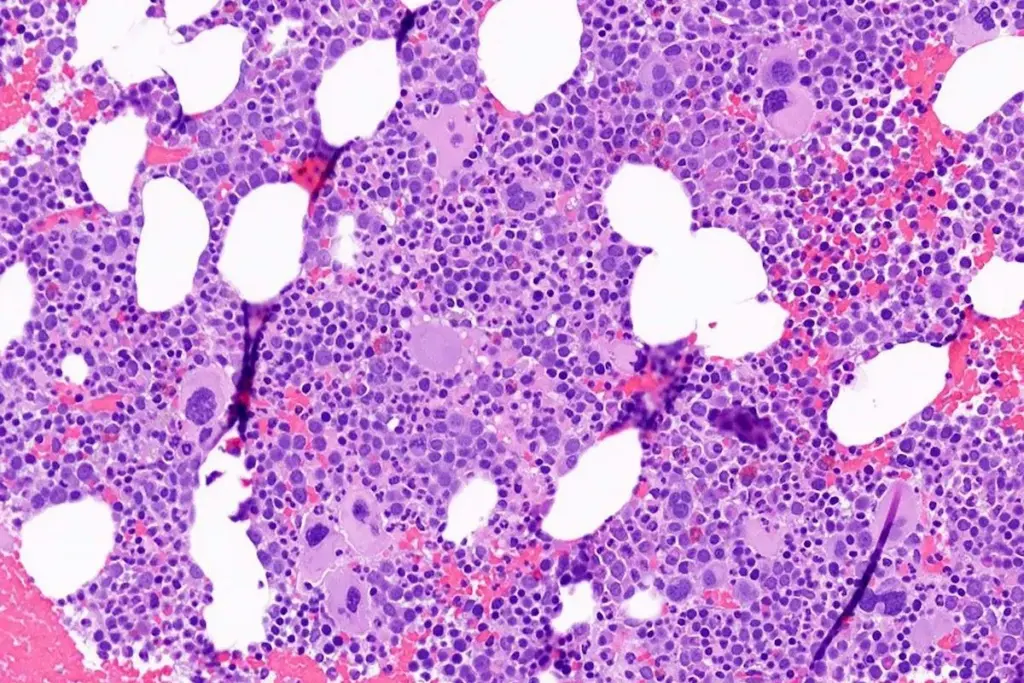
A bone marrow biopsy is a key test for diagnosing aplastic anemia. It takes a small bone marrow sample, usually from the hipbone. The sample is then examined under a microscope. In aplastic anemia, the biopsy shows a hypocellular marrow, meaning there’s a big drop in blood cell production.
“The bone marrow biopsy is essential for diagnosing aplastic anemia, as it provides direct evidence of the marrow’s cellularity and helps rule out other marrow failure syndromes.”- Expert in Hematology
Differential Diagnosis
Diagnosing aplastic anemia also means ruling out other conditions. This is called differential diagnosis. It’s important to make sure the patient gets the right diagnosis and treatment.
Other conditions like myelodysplastic syndromes, acute leukemia, and bone marrow failure syndromes might be considered. A detailed evaluation, including blood tests and bone marrow biopsies, helps to tell aplastic anemia apart from these conditions.
Why Aplastic Anemia Is Considered a Critical Illness
Aplastic anemia is a serious illness that affects patients’ lives and survival chances. It happens when the bone marrow can’t make enough blood cells. This leads to severe health problems.
Life-Threatening Complications
This illness can cause serious issues, like infections and bleeding. Without enough white blood cells, patients get sick easily. Not having enough platelets can cause severe bleeding.
- Severe Infections: Patients with aplastic anemia are at a higher risk of developing severe infections due to their compromised immune systems.
- Bleeding Disorders: The reduction in platelet count can cause bleeding disorders, ranging from minor bruising to life-threatening hemorrhages.
Impact on Quality of Life
Being diagnosed with aplastic anemia greatly affects a patient’s life. It requires constant medical care. This can limit what patients can do every day and how well they feel.
Chronic Fatigue: Not having enough red blood cells can make patients very tired. This makes it hard to do daily tasks.
Long-term Health Consequences
Aplastic anemia can lead to long-term health issues. It can damage organs because of infections or bleeding. Also, treatments like immunosuppressive therapy can have lasting side effects.
- Organ damage from prolonged illness
- Long-term side effects of treatment
- Potential for relapse or disease progression
Complications of Untreated Aplastic Anemia
Untreated aplastic anemia can cause many serious health problems. This condition happens when the bone marrow can’t make enough blood cells. It’s very dangerous if not treated quickly.
Severe Infections
One big problem is getting very sick from infections. This is because the body has fewer white blood cells. White blood cells help fight off germs.
Consequences of Severe Infections:
- Increased risk of sepsis
- Prolonged hospital stays
- Higher mortality rates
Bleeding Disorders
Another issue is bleeding problems. This is because there are not enough platelets. Platelets help blood to clot, so without enough, bleeding can last a long time.
The risks associated with bleeding disorders include:
- Easy bruising
- Nosebleeds
- Gastrointestinal bleeding
Cardiovascular Complications
Lastly, aplastic anemia can also harm the heart. With fewer red blood cells, the heart has to work harder. This can lead to heart problems.
|
Complication |
Description |
Risks |
|---|---|---|
|
Severe Infections |
Increased susceptibility to infections due to low white blood cell count |
Sepsis, prolonged hospital stays, higher mortality |
|
Bleeding Disorders |
Difficulty in blood clotting due to low platelet count |
Easy bruising, nosebleeds, gastrointestinal bleeding |
|
Cardiovascular Complications |
Heart problems due to reduced red blood cell count |
Heart failure, arrhythmias, cardiac arrest |
Treatment Options for Aplastic Anemia
Treatment for aplastic anemia varies based on several factors. We will look at the different ways to treat this condition.
Hematopoietic Stem Cell Transplantation
Hematopoietic stem cell transplantation can cure aplastic anemia. It replaces the patient’s bone marrow with healthy stem cells from a donor. This method works best for younger patients and those with severe aplastic anemia.
- Choosing the right donor is key for success.
- Preparation is important, including treatments to weaken the immune system.
- Managing graft-versus-host disease is a challenge.
Immunosuppressive Therapy
For those not suited for stem cell transplantation, immunosuppressive therapy is an option. It aims to stop the immune system from attacking the bone marrow.
Immunosuppressive therapy uses a mix of drugs, like antithymocyte globulin (ATG) and cyclosporine. It aims to boost blood counts and lower the risk of problems.
Supportive Care Measures
Supportive care is vital for managing aplastic anemia. It includes:
- Blood transfusions to treat anemia and low platelets.
- Antimicrobial therapy to prevent and treat infections.
- Growth factors to help produce more blood cells.
Treatment Selection Criteria
Choosing the right treatment for aplastic anemia depends on several factors. These include the condition’s severity, the patient’s age, and their health. We tailor treatment plans to meet each patient’s needs for the best results.
It’s important to understand the treatment options and their effects. This helps patients make informed decisions about their care.
Emergency Management and Hospitalization
Emergency management is key for patients with severe aplastic anemia. Severe cases need quick hospital care and advanced treatments to handle serious problems.
When to Seek Immediate Medical Attention
It’s important for patients and caregivers to know when to get help fast. Look out for severe infections, big bleeding, and signs of anemia like dizziness or shortness of breath.
- Severe infections shown by high fever or chills
- Big bleeding or bruising
- Shortness of breath or chest pain
Hospital Protocols for Severe Cases
When hospitalized, severe aplastic anemia patients get care from many experts. This team includes hematologists, infectious disease specialists, and sometimes intensive care doctors.
|
Protocol Component |
Description |
|---|---|
|
Infection Control |
Isolation steps and antibiotic use |
|
Blood Component Therapy |
Transfusions of red blood cells and platelets |
|
Immunosuppressive Therapy |
Medicines to calm the immune system |
Intensive Care Considerations
Patients in intensive care need close watch and life-saving treatments. This might include breathing machines for lung failure or medicines to keep blood pressure up.
We stress the need for a detailed care plan for severe aplastic anemia patients. Knowing the available treatments helps patients and families deal with this condition’s challenges.
Prognosis and Survival Rates
The outlook for aplastic anemia depends on several important factors. Knowing these factors helps both patients and doctors make better treatment plans.
Factors Affecting Prognosis
The severity of aplastic anemia is a big factor in how well a patient will do. Those with severe cases usually face a tougher road than those with milder forms. How well a patient responds to treatment also plays a big role.
Key factors affecting prognosis include:
- Severity of the condition
- Response to initial treatment
- Age of the patient
- Presence of other health conditions
Five-Year Survival Statistics
Survival rates for severe aplastic anemia can vary. But, with the right treatment, they can be between 50-80% at 5 years. A medical expert noted,
“The advancements in treatment options have significantly improved the survival rates for patients with aplastic anemia.”
Quality of Life After Treatment
After treatment, the quality of life is very important. Good treatment not only helps patients live longer but also improves their life quality. Patients who get the right care can see big improvements in their health.
It’s essential for patients to work closely with their healthcare team to manage their condition well and handle any problems that come up.
Living with Aplastic Anemia
Living with aplastic anemia is a journey filled with treatment options, daily routines, and emotional ups and downs. It’s a condition that needs a full-on management plan. This includes taking daily meds, making lifestyle changes, and getting psychological support.
Daily Management Strategies
Managing aplastic anemia daily means a mix of meds, lifestyle tweaks, and regular check-ups. Patients often take immunosuppressive drugs to boost blood cell making. Sticking to the treatment plan is key to keep the condition in check.
Making lifestyle changes is also vital. This includes staying clean, avoiding sick people, and eating well. A diet full of fruits, veggies, and whole grains helps keep you healthy.
Psychological Impact
The mental side of living with aplastic anemia is just as important. It can cause anxiety, depression, and feelings of being alone. Getting psychological help is a must to deal with these feelings. Counseling or therapy offers a place to talk and find ways to cope.
Support groups, online or in-person, are also great. They provide a community and understanding. Sharing experiences with others who get it can be really helpful.
Support Resources
There are many resources for those with aplastic anemia and their families. These include counseling, support groups, and educational materials. offer new insights into treatments and management.
By using these resources and being proactive, people with aplastic anemia can live better lives. They can manage their condition more effectively.
Insurance and Financial Considerations
The cost of aplastic anemia can be high. It’s key to look into insurance and financial help. Patients with this condition have big medical bills. These include hospital stays, medicines, and ongoing care.
Critical Illness Coverage
Critical illness insurance gives a big payment when you’re diagnosed with a serious illness like aplastic anemia. This money can help with medical bills, lost income, or other needs. Check your insurance to see what it covers.
Disability Benefits
Aplastic anemia can make it hard to work, leading to disability. Disability benefits can help with money during this time. Talk to your doctor and insurance about these benefits.
Patient Assistance Programs
Many groups offer help with aplastic anemia costs. They can cover medicine, travel for treatment, and more. Look into these programs for your care plan.
Handling aplastic anemia’s financial side needs a full plan. This includes knowing your insurance, looking into disability benefits, and using patient help programs. These steps help patients deal with their condition’s financial hurdles.
Specialized Care Centers for Aplastic Anemia
Specialized care centers offer hope for those with aplastic anemia. They have the latest technology and teams of experts. These teams work together to give patients the best care.
Finding Expert Treatment
Locating the appropriate treatment options for aplastic anemia can be challenging. But places like Liv Hospital are there to help. Liv Hospital is known for its top-notch care and treatments for aplastic anemia.
At Liv Hospital, patients get a team of skilled doctors. These doctors include hematologists and oncologists. They create treatment plans that fit each patient’s needs. The hospital’s modern facilities and new treatments help patients get the best care.
“The care I received at Liv Hospital was exceptional. The team was knowledgeable, compassionate, and truly dedicated to my recovery.” – Aplastic Anemia Patient
Multidisciplinary Care Approaches
Specialized care centers use a team approach. This means many healthcare professionals work together. They provide care that covers all aspects of treatment.
|
Specialty |
Role in Aplastic Anemia Care |
|---|---|
|
Hematology |
Diagnosis and treatment of blood disorders |
|
Oncology |
Cancer treatment and management |
|
Immunology |
Management of immune system disorders |
International Treatment Centers
For those looking for treatment outside their country, international centers are an option. These centers offer top-quality care at a lower cost than in the patient’s home country.
Liv Hospital is a great example of an international center. It’s known for its excellent care and attracts patients from all over. These patients come for advanced treatments for aplastic anemia.
Conclusion
Aplastic anemia is a serious condition that needs quick medical help. It’s important to know the causes, symptoms, and how to diagnose and treat it. This knowledge helps manage the condition well.
At Liv Hospital, we offer top-notch healthcare for international patients. Our team creates personalized care plans for each patient. We focus on delivering world-class care.
If you or a loved one has aplastic anemia, get medical help from a trusted provider. The right treatment can improve your life quality. We’re here to support and care for those with aplastic anemia.
FAQ
What is aplastic anemia?
Aplastic anemia is when the bone marrow doesn’t make enough blood cells. This leads to a lack of all blood cell types.
What are the causes of aplastic anemia?
It can be caused by many things. This includes not knowing the cause (idiopathic) and secondary causes like toxins or certain medicines.
What are the signs and symptoms of aplastic anemia?
Symptoms vary by how bad it is. They can include feeling very tired, serious infections, and bleeding a lot.
How is aplastic anemia diagnosed?
Doctors use blood tests and a bone marrow biopsy to diagnose it. These tests check for the lack of blood cells.
What are the treatment options for aplastic anemia?
Treatment depends on how severe it is. It might include bone marrow transplants, medicines to stop the immune system, and supportive care.
Is aplastic anemia considered a critical illness?
Yes, it’s very serious. It can lead to life-threatening infections and bleeding.
What are the complications of untreated aplastic anemia?
If left untreated, it can cause severe problems. These include serious infections, bleeding issues, and heart problems.
What is the prognosis for aplastic anemia?
The outlook depends on how severe it is and how well it responds to treatment. Survival rates can be 50-80% at 5 years.
How can I manage aplastic anemia daily?
Managing it daily means taking medicine, making lifestyle changes, and getting psychological support.
Are there any financial assistance programs available for aplastic anemia patients?
Yes, there are programs for financial help. These include coverage for critical illness, disability benefits, and patient assistance programs.
Where can I find specialized care for aplastic anemia?
Liv Hospital offers specialized care. They have a team of experts using the latest treatments for aplastic anemia.
References
National Center for Biotechnology Information. Evidence-Based Medical Insight. Retrieved from https://pubmed.ncbi.nlm.nih.gov/22624627/