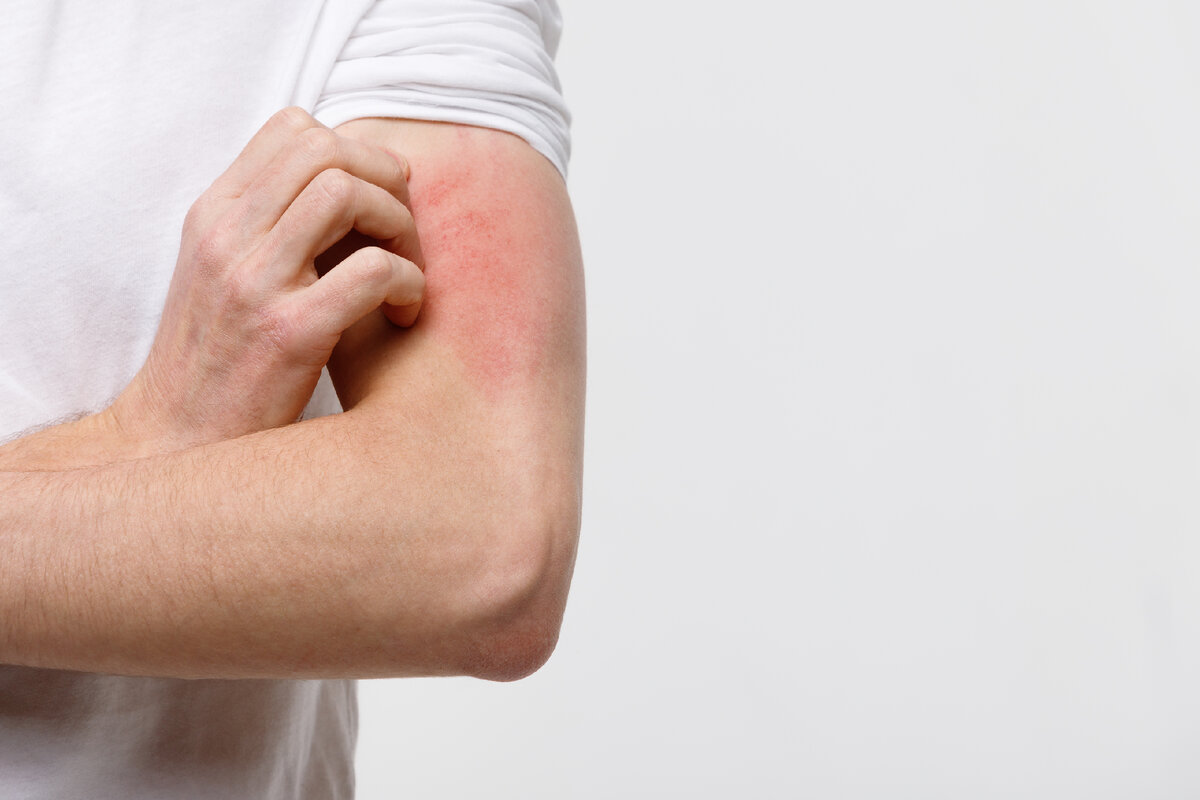
Asking are hives contagious? Learn the vital safety facts about urticaria and why this allergic reaction cannot be spread to others. Asking are hives contagious? Learn the vital safety facts about urticaria and why this allergic reaction cannot be spread to others.
Hives, also known as urticaria, are a common skin issue. They appear as raised, itchy, red bumps. At Liv Hospital, we often see patients worried about hives being contagious.
Hives are not contagious. They can’t spread from one person to another. This is important to know, as it helps reduce worry and stigma around this condition.
But, can you get just one hive? The answer is yes, but it depends on the cause. We’ll look into the science behind localized hives. You’ll get all the info you need to take care of your skin with confidence.
Key Takeaways
- Hives are not contagious and cannot spread from person to person.
- Localized hives can occur due to various factors, including allergic reactions.
- Understanding the causes of hives is key to managing them effectively.
- Liv Hospital offers trusted, evidence-based info and care for skin issues.
- Our team is committed to helping you manage your skin health.
Understanding Hives: What They Are and Why They Occur
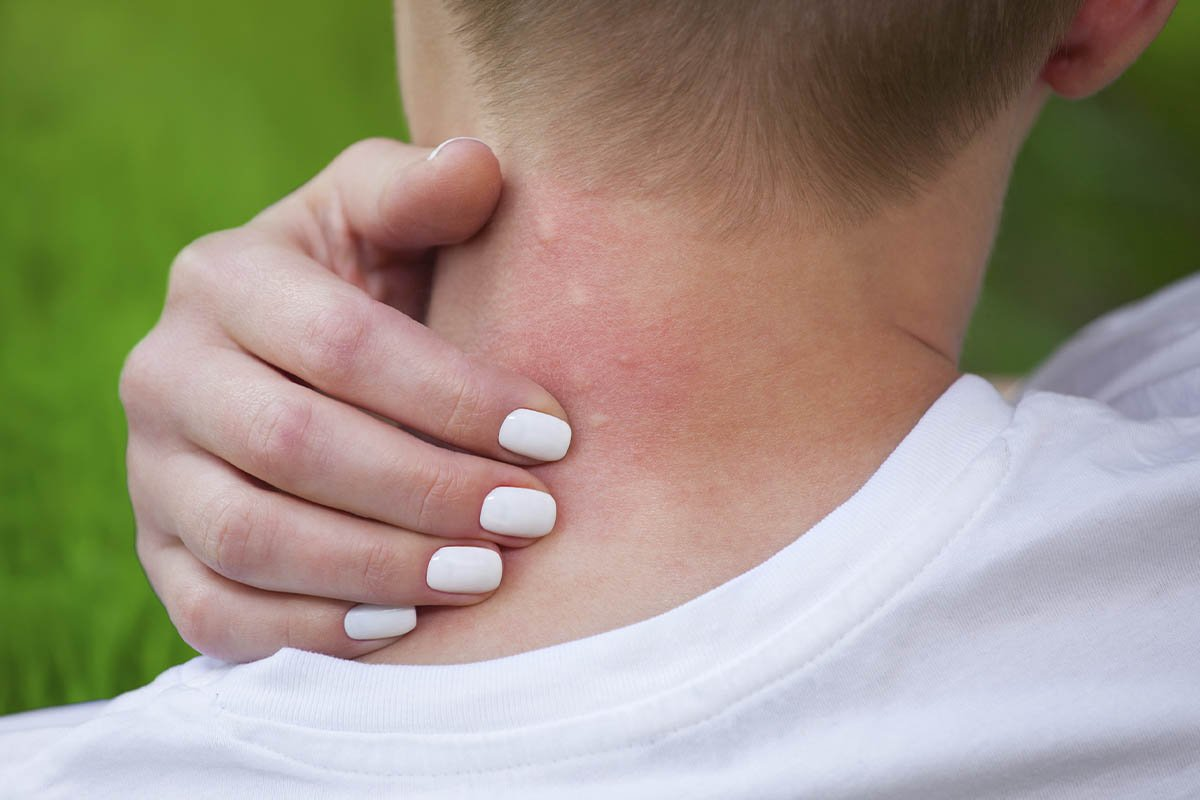
Hives, or urticaria, are a common skin condition. They are itchy, raised welts that can appear anywhere on the body. These welts can vary in size and shape and often cause discomfort due to their itchy nature.
The Science Behind Urticaria
Urticaria occurs as an immune system response. It is often triggered by an allergen or other physical causes. Each person’s body chemistry is unique, making it a complex condition to diagnose and treat.
According to Texas Children’s Hospital, hives are raised, itchy welts. They appear on the skin, often as a result of allergic reactions or other physical causes.
The immune system’s response involves the release of histamine and other chemical mediators. This causes blood vessels to leak. This leads to the characteristic swelling and itching associated with hives.
Common Triggers and Causes
Several factors can trigger urticaria. Allergens such as certain foods, insect bites, or pollen are common triggers. Other triggers may include physical stimuli like heat, cold, or pressure on the skin. In some cases, hives can be triggered by emotional stress or underlying medical conditions.
- Allergic reactions to foods, medications, or insect stings
- Physical urticaria triggered by cold, heat, or pressure
- Infections and autoimmune disorders
How Hives Develop on the Skin
The development of hives on the skin involves a complex interplay between the immune system and various triggers. When an individual is exposed to a trigger, their immune system responds by releasing histamine. This leads to increased permeability of blood vessels.
This results in the characteristic itchy, raised welts associated with urticaria. Understanding how hives develop is key to identifying the underlying cause. It helps in determining the most effective treatment plan.
Are Hives Contagious? The Truth About Urticaria Transmission

Many people wonder if hives can spread from one person to another. The worry about hives being contagious is understandable, given how uncomfortable and visible they are. We aim to clear up this question and explain how urticaria is transmitted.
Why Hives Cannot Spread From Person to Person
Hives, or urticaria, are not contagious. The American Academy of Allergy, Asthma, and Immunology says hives can’t be spread by touching someone who has them. This is because hives are an immune response, not an infection. They usually appear due to allergens, stress, or other internal factors, not because of something contagious.
The main reasons hives are not contagious include:
- The condition is caused by an individual’s immune response.
- Hives are often triggered by non-infectious factors such as allergies or stress.
- There is no evidence to suggest that hives can be transmitted through contact with an affected person.
The Immune Response Nature of Hives
Hives are closely tied to the body’s immune response. When the body sees a threat, like an allergen, it releases chemicals like histamine. This leads to swelling and redness, which are signs of hives. This reaction is unique to each person and can’t be passed on to others.
“Hives are a manifestation of the body’s immune system reacting to a perceived threat. This reaction is unique to the individual and is not contagious.” — American Academy of Allergy, Asthma, and Immunology
Distinguishing Between Contagious Rashes and Hives
It’s important to tell hives apart from other rashes that might be contagious. Conditions like chickenpox or measles can cause rashes that spread. Unlike hives, these are caused by viruses or bacteria that can be passed from person to person. If you’re not sure about a rash, it’s best to talk to a doctor.
Understanding that hives are an immune response and not contagious helps ease worries about spreading them. If you have hives, you don’t need to worry about passing them on. But, if your hives are persistent or severe, getting medical advice is wise. This can help figure out the cause and find the right treatment.
The Confusion: When Infections Cause Hives
Hives, or urticaria, can be confusing, mainly because of how they relate to infections. Medical Expert’s Hospital says many hives in kids come from viral infections. This shows how infections and hives are connected.
Viral Infections That Can Trigger Hives
Viral infections often lead to hives. Viruses like those causing the common cold, flu, and hepatitis can start hives. The body’s fight against these viruses releases histamine, causing hives. Here are some common viral infections that can cause hives:
- Infectious mononucleosis (mono)
- Hepatitis A, B, and C
- Herpes simplex virus
These viruses can cause hives because of how our body reacts. It’s important to know that while hives aren’t contagious, the virus might be.
Bacterial Infections and Urticaria
Bacterial infections can also lead to hives. Streptococcus pyogenes, the bacteria behind strep throat, is a known cause. Other bacterial infections, like urinary tract and sinus infections, can also cause hives. The body’s immune response is key in these cases.
Why the Infection May Be Contagious But Not the Hives
People often get confused about hives being contagious. The truth is, hives themselves aren’t contagious. But the infection that causes them might be. For instance, if the flu virus triggers hives, you can spread the flu virus but not the hives.
It’s important to understand this difference. If you have hives from an infection, follow your treatment plan. Also, take steps to stop the infection from spreading.
Types of Hives: Acute vs. Chronic Urticaria
Knowing the different types of hives is key to managing them well. Hives, or urticaria, come in various forms. Each has its own traits and causes.
Acute Hives: Short-Term Reactions
Acute hives last less than six weeks. They are often caused by allergic reactions to foods, medicines, or infections. Common causes include:
- Food allergies
- Medications such as antibiotics or NSAIDs
- Viral infections
These hives can be uncomfortable but usually go away once the cause is removed or treated.
Chronic Urticaria: When Hives Persist
Chronic urticaria lasts more than six weeks. It’s hard to manage because the causes are often unknown. Characteristics include:
|
Characteristics |
Description |
|---|---|
|
Duration |
More than six weeks |
|
Triggers |
Often unknown; may include autoimmune disorders, thyroid disease, or infections |
|
Treatment |
May require long-term antihistamine use or other immunosuppressive therapies |
Experts say chronic urticaria can really affect a person’s life. It needs a detailed treatment plan.
“Chronic spontaneous urticaria is a complex condition that requires a multifaceted approach to management, including patient education and support.”
Physical Urticarias: Hives Triggered by Environmental Factors
Physical urticarias are caused by things like temperature, pressure, or vibration. Examples include:
- Dermographic urticaria (hives triggered by stroking or pressure on the skin)
- Cold urticaria (hives triggered by cold temperatures)
- Solar urticaria (hives triggered by sunlight)
Knowing about these different hives helps find the right treatment. By understanding each type’s characteristics and causes, people can manage their condition better. This improves their quality of life.
Can You Get Just One Hive? Understanding Localized Reactions
Hives can show up in different ways. But can you get just one? This question is key to understanding localized reactions, a common issue in urticaria. We’ll look into single hives, their differences from widespread outbreaks, and why some people have isolated hives.
Single Hive Occurrences: How Common Are They?
Medical sources say hives can be a single lesion or many. A single hive is not rare and can be small or large on the skin. How often this happens varies, based on the cause and the body’s immune response.
Isolated hives can be caused by allergic reactions, insect bites, or skin irritants. Sometimes, a single hive is the body’s reaction to a small allergen or irritant.
Localized Hives vs. Widespread Outbreaks
Localized hives are in one area, while widespread outbreaks cover more of the body. The causes and triggers for these can be different.
|
Characteristics |
Localized Hives |
Widespread Outbreaks |
|---|---|---|
|
Cause |
Localized allergic reaction, insect bite, or skin irritant |
Systemic allergic reaction, infection, or autoimmune disorder |
|
Area Affected |
Specific, limited area |
Large body surface |
|
Triggers |
Minor allergen or irritant exposure |
Significant allergen exposure, infection, or stress |
Why Some People Experience Isolated Hives
People can get hives in specific areas due to localized allergic reactions or sensitivities. The immune system’s response affects whether hives are isolated or widespread.
In conclusion, getting a single hive is possible. Understanding localized reactions helps in managing urticaria. Recognizing the differences between localized and widespread hives helps individuals navigate their condition better and seek the right medical care.
Identifying a Single Hive: Appearance and Characteristics
To spot a single hive, you need to look at its unique traits. A single hive, or wheal, is a raised, itchy spot on the skin. It can pop up anywhere on your body.
What a Single Hive Looks Like
A single hive looks like a clear, raised welt on your skin. Medical Expert. They can be different sizes and shapes, but are often round or oval.
The color of a hive can change, from pale red to bright red. This depends on your skin and how severe the reaction is. Sometimes, the center might look pale.
Common Locations for Isolated Hives
Isolated hives can pop up anywhere, but they often show up on the torso, arms, and legs. These spots are more likely to get exposed to things that might cause a hive.
|
Body Region |
Common Triggers |
|---|---|
|
Torso |
Allergic reactions to clothing or laundry detergent |
|
Arms |
Insect bites, contact with irritants |
|
Legs |
Friction from clothing, exposure to certain plants |
How to Distinguish a Hive From Other Skin Conditions
It can be hard to tell a hive from other skin issues because they look similar. But, hives itch and can change shape or fade in 24 hours.
Other conditions like eczema or dermatitis might look like hives but are different. It’s best to see a doctor for a correct diagnosis.
Treatment Options for Single vs. Multiple Hives
Treating hives can vary a lot, depending on if you have one or many. The main goal is to lessen symptoms and stop them from coming back.
Over-the-Counter Solutions for Isolated Hives
For single hives, you can try over-the-counter (OTC) antihistamines first. These drugs block histamine, which causes blood vessels to leak and leads to itchy welts.
Some common OTC antihistamines include:
- Diphenhydramine (Benadryl)
- Loratadine (Claritin)
- Fexofenadine (Allegra)
Using a cool compress can also help. “Applying a cool, damp cloth to the affected area can help alleviate discomfort.”
When to Seek Medical Attention
If your hives don’t get better, get worse, or come with other scary symptoms, see a doctor. Look out for signs like trouble breathing, a fast heartbeat, or very bad and widespread hives.
Prescription Treatments for Different Types of Hives
For serious or ongoing hives, you might need prescription meds. These can include stronger antihistamines, corticosteroids, or drugs that target the root cause of the hives.
|
Treatment Type |
Description |
Used For |
|---|---|---|
|
Corticosteroids |
Strong anti-inflammatory medications |
Severe or chronic hives |
|
Immunosuppressants |
Medications that suppress the immune system |
Chronic urticaria not responding to other treatments |
|
Omalizumab |
A monoclonal antibody that targets IgE |
Chronic spontaneous urticaria |
Natural Remedies and Their Effectiveness
Some people find relief with natural remedies. These include:
- Oatmeal baths
- Aloe vera gel
- Tea tree oil
These can feel good, but talk to a doctor before using them alone. They might not fix the real problem.
“The key to managing hives effectively is understanding the cause and selecting the appropriate treatment based on the severity and frequency of the outbreaks.”
When to Worry: Red Flags and Complications
Hives are usually not serious, but sometimes they can be a sign of a bigger health issue. It’s important to know when to worry. We should watch for red flags that show complications or serious conditions.
Signs That Hives May Indicate a Serious Condition
Hives can be a sign of a bigger problem that needs medical help. Signs that hives may be serious include trouble breathing, a fast heartbeat, and low blood pressure. If you have these symptoms with hives, get medical help right away.
Understanding Angioedema and Its Relationship to Hives
Angioedema is when the skin and mucous membranes swell fast. It can happen with hives and is serious if not treated quickly. Angioedema in the face, lips, tongue, or throat can block the airway, which is a medical emergency.
Emergency Symptoms That Require Immediate Medical Care
Some symptoms with hives need quick medical care. These include trouble breathing, swelling in the face or throat, stomach cramps, and a fast or weak pulse. Knowing these symptoms can save lives, like in anaphylaxis, a severe allergic reaction.
Chronic Single Hives: What They Might Mean
Chronic single hives are rare but can mean a serious health issue. Long-lasting or recurring hives without a clear reason should be checked by a doctor. If you have hives that last more than a few days or keep coming back, see a healthcare professional.
Conclusion: Managing Hives With Confidence
Understanding what causes hives helps us manage them better. Hives are not contagious, but they can signal a bigger health issue. It’s important to pay attention to these signs.
Knowing what triggers hives is key to managing them. We’ve looked at many causes, like allergies and infections. We’ve also talked about different types of hives, like acute and chronic urticaria.
Managing hives well means using medicine and making lifestyle changes. Working with doctors and knowing what triggers hives can help. This way, people can have fewer hives and feel better.
Managing hives is all about treating symptoms and finding the root cause. With the right help and support, people can handle their hives better. This improves their life quality a lot.
FAQ
Are hives contagious?
No, hives are not contagious. They are an immune response to a trigger. They cannot be spread from person to person.
Can you get just one hive?
Yes, it is possible to get a single hive. Localized reactions can cause isolated hives. These can appear anywhere on the body.
What causes hives?
Hives are caused by many factors. These include allergic reactions, infections, and environmental triggers. The exact cause varies from person to person.
Can infections cause hives?
Yes, certain infections can trigger hives. Viral and bacterial infections are known to cause urticaria in some individuals.
Are localized hives common?
Yes, localized hives are relatively common. They can occur in response to a specific trigger. Examples include an insect bite or skin irritation.
How do I distinguish a hive from other skin conditions?
Hives are typically characterized by raised, itchy welts. They can be distinguished from other skin conditions by their appearance. Look for itching or burning sensations.
Can hives be a sign of a serious condition?
In some cases, hives can be a symptom of a more serious condition. Angioedema is an example. If you experience severe symptoms or difficulty breathing, seek medical attention immediately.
What are the treatment options for hives?
Treatment options for hives include over-the-counter antihistamines, prescription medications, and natural remedies. The best treatment will depend on the cause and severity of the hives.
Can I get rid of hives on my own?
In many cases, hives can be managed with self-care and over-the-counter treatments. If the hives persist or worsen, it is best to seek medical attention.
Can you have a single hive for a long time?
Yes, it is possible to experience chronic single hives. This can be a sign of an underlying condition that needs to be addressed.
References
World Health Organization. Hives: Urticaria, Contagion, and Common Concerns. Retrieved from https://www.who.int/news-room/fact-sheets/detail/urticaria