
For those with end-stage renal failure, a kidney transplant can change their life. It frees them from dialysis and boosts their quality of life. At Liv Hospital, we know how vital this surgery is and the risks it comes with.
A renal transplant has its own set of risks and complications. The scar and healing issues are key concerns about safety and long-term health.
We aim to offer top-notch medical care and focus on our patients. We ensure they get all the support they need during their treatment.
Key Takeaways
- Knowing the risks of kidney transplant scarring is key for making smart choices.
- A kidney transplant can greatly improve life for those with end-stage renal disease.
- Complications include scar problems, narrowed blood vessels, and side effects from immunosuppression.
- Liv Hospital is committed to world-class healthcare and support for international patients.
- Patients need to understand the risks and complications of renal transplant scar.
Understanding Kidney Transplantation and Recovery
Getting a kidney transplant is more than just the surgery. It’s a journey of recovery and learning to adapt. This complex medical procedure saves lives and greatly improves life quality for those with end-stage renal disease.
The Life-Changing Nature of Kidney Transplants
Kidney transplants are a game-changer for those with chronic kidney disease. They replace a sick kidney with a healthy one, greatly improving health and well-being. This procedure gives patients a second chance at a normal life, free from dialysis and strict diets.
Many patients see a big improvement in their life after the transplant. They feel more energetic, have a better appetite, and feel generally well. The psychological impact of not being tied to a dialysis machine is huge, bringing independence and a return to normal daily activities.
Typical Surgical Procedure
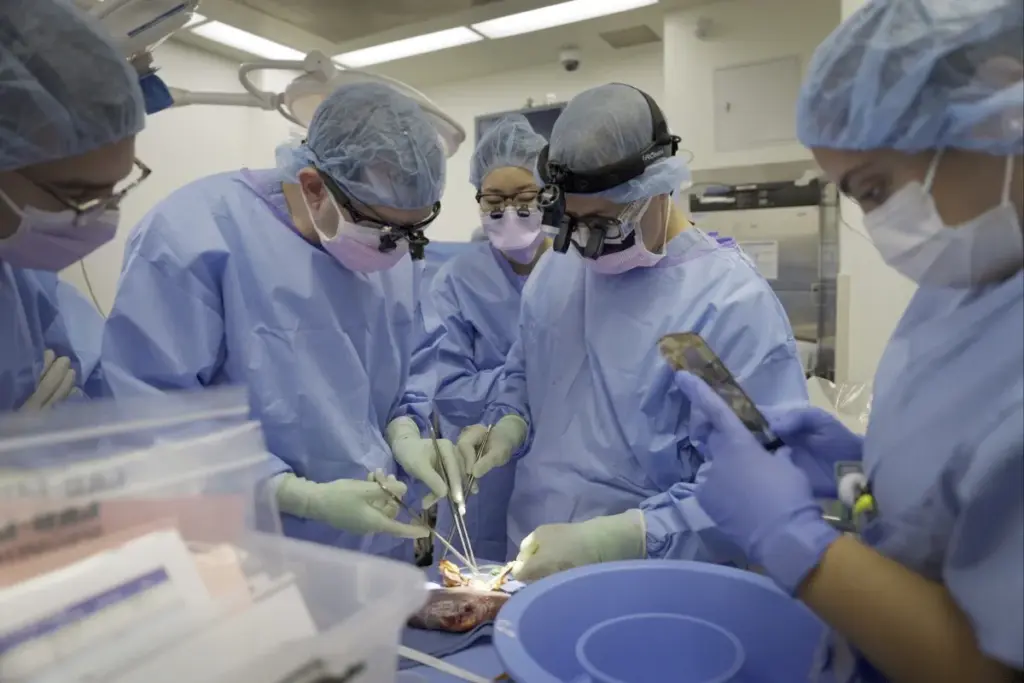
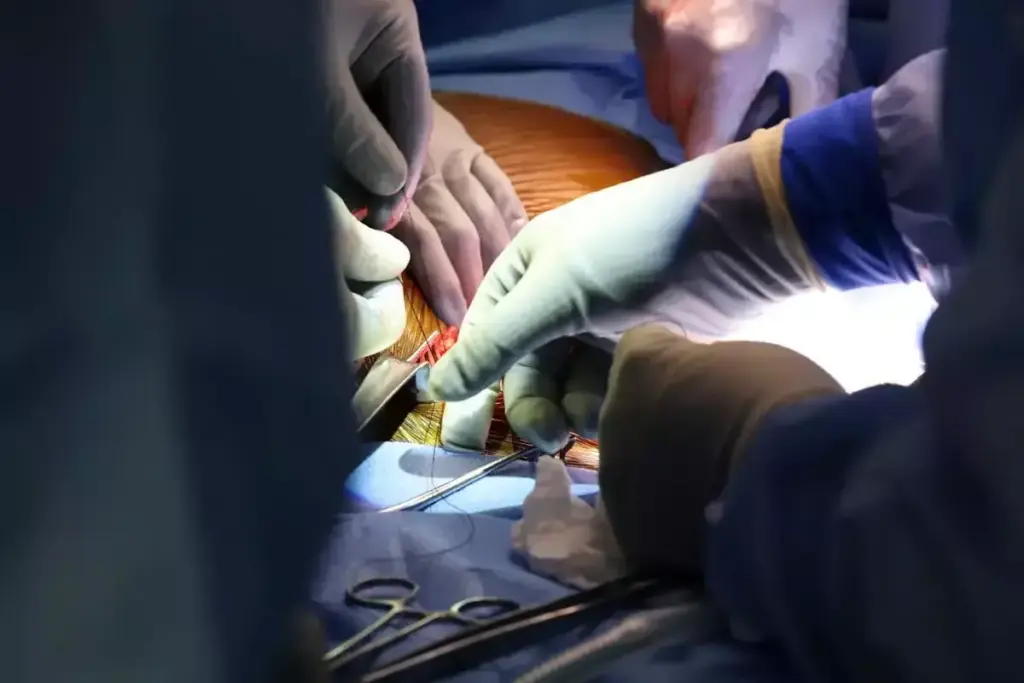
Kidney transplant surgery takes about 3 to 4 hours. The team makes an incision in the lower abdomen to place the new kidney. They then attach the new kidney’s blood vessels to the existing ones in the abdomen, just above a leg. This requires great care to ensure the new kidney works well and to avoid complications.
Expected Recovery Timeline
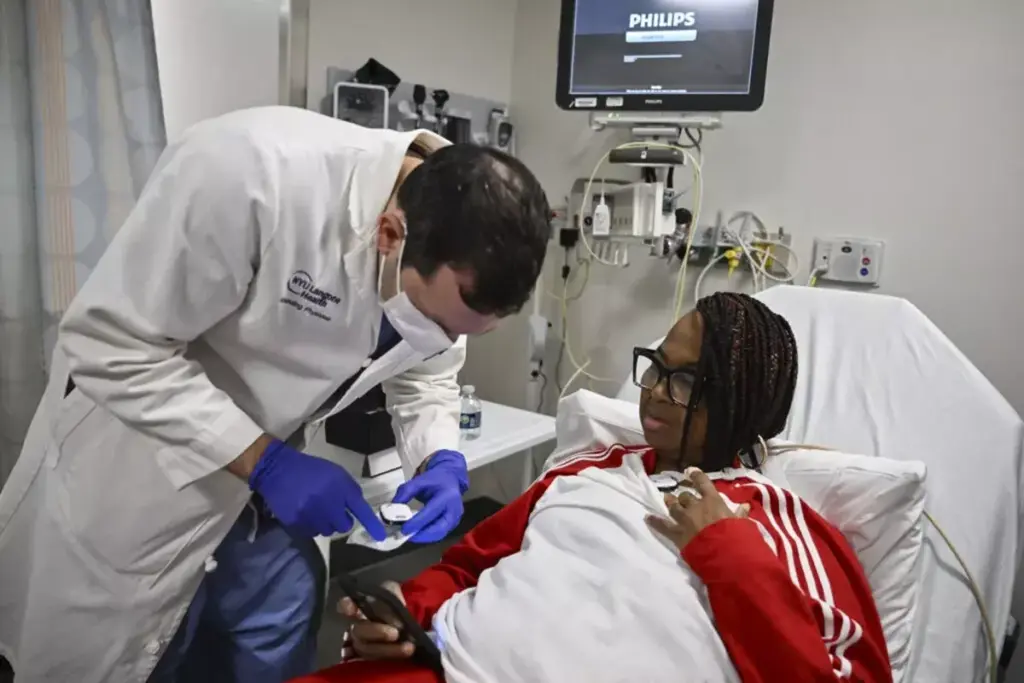
Recovery from kidney transplant surgery takes time. Patients are closely watched in the hospital for any signs of problems or rejection. They usually stay in the hospital for a few days to a week. After going home, they slowly get back to normal activities over weeks to months.
The risk of transplant rejection is highest in the first 3 to 6 months. During this time, patients need strong immunosuppression. Taking the prescribed medication is key to prevent rejection and ensure the transplant lasts.
| Recovery Stage | Timeline | Key Activities |
| Immediate Post-Surgery | 0-1 week | Hospital stay, initial recovery |
| Early Recovery | 1-6 weeks | Gradual return to normal activities, follow-up appointments |
| Late Recovery | 3-6 months | Intensive immunosuppression, monitoring for rejection |
Understanding the recovery process and following post-transplant care instructions are key. With proper care and following medical advice, many patients enjoy a much better quality of life after their transplant.
Kidney Transplantation Scars: Appearance and Possible Complications
It’s important to know about kidney transplant scars to manage recovery expectations. Many patients worry about the scarring from kidney transplant surgery.
Location and Size of Typical Transplant Scars
The kidney transplant scar is usually 2 to 5 inches long. It’s found on either the right or left side of the lower abdomen. Surgeons choose this spot for easy access to the new kidney’s location.
Keloid Formation and Hypertrophic Scarring
Scars are a normal part of healing, but some may get keloid formation or hypertrophic scarring. These happen when the body makes too much collagen, making scars look raised or thick. About 15% of patients might get these scars.
Adhesions and Tissue Complications
Some patients might also face adhesions or other tissue issues. Adhesions are fibrous tissue bands that can form between organs or an organ and the abdominal wall. While they might not cause symptoms, they can sometimes lead to discomfort or serious problems.
Knowing about these possible issues helps patients understand their recovery better. It also helps them talk to their healthcare providers about their concerns.
Major Risks Beyond Scarring in Kidney Transplants
A kidney transplant can save a life, but it comes with big risks. These risks include organ rejection, surgery problems, and long-term effects of drugs to prevent rejection. These issues can affect a person’s health and happiness.
Rejection Risk: Highest in First 3-6 Months
The chance of organ rejection is highest in the first few months. Studies show that the right drugs can lower this risk. We watch patients closely to catch and treat rejection early.
Rejection can happen suddenly or slowly. Quick treatment can stop acute rejection. But chronic rejection can slowly damage the kidney. It’s important to know the signs and take the right drugs to prevent it.
Surgical Complications: Bleeding and Infection
Bleeding and infection are risks with any big surgery, like a kidney transplant. Bleeding might need a blood transfusion or more surgery. Infections are a big worry, too, because the drugs used can weaken the immune system.
We follow strict rules to prevent infections and watch for bleeding. We teach patients to recognize these problems and when to get help.
Long-Term Immunosuppression Side Effects
Drugs to prevent rejection can cause long-term problems. Table 1 lists some of these issues. These include more infections, cancer, and other health problems.
| Side Effect | Description | Management Strategies |
| Increased Infection Risk | Immunosuppression increases the risk of various infections. | Prophylactic antibiotics, vigilant monitoring |
| Cancer Risk | Long-term immunosuppression is associated with a higher risk of certain cancers. | Regular cancer screening, minimizing immunosuppression when possible |
| Other Complications | Side effects can include kidney damage, hypertension, and diabetes. | Regular monitoring, adjusting immunosuppressive regimen as needed |
We help patients manage these side effects to improve their life quality. By understanding the risks and benefits of these drugs, patients can make better choices for their care.
Conclusion: Balancing Risks Against Quality of Life Benefits
Modern medicine and surgery have made kidney transplants very successful. But, there are some complications to watch out for. After a transplant, the new kidney filters blood, and dialysis is no longer needed.
Patients must take medicines to prevent their body from rejecting the new kidney. These medicines are needed for life.
Many people wonder how long they can live after a transplant. With good care, many can live 15-20 years or more. But, how long you live depends on your health and the kidney’s quality.
Is a kidney transplant dangerous? It’s a complex question. There are risks, but the benefits in quality of life are big. The scar from the surgery is a small price for the health and energy many gain.
We need to weigh the risks against the benefits of a kidney transplant. Knowing the risks and taking steps to avoid them can help. This way, patients can have a successful transplant and live a long, healthy life.
FAQ:
What is the typical appearance of a kidney transplant scar?
A kidney transplant scar is usually long, several inches, and on the lower abdomen. It’s near where the new kidney is placed. The look can change based on how well you heal and the surgery method.
Are kidney transplant scars permanent?
Yes, kidney transplant scars are usually permanent. But, they can fade over time. Taking good care of the wound and managing the scar can make them less noticeable.
What are the risks associated with kidney transplant surgery?
Risks include the new kidney being rejected and surgical problems like bleeding and infection. Long-term side effects from medicines used to prevent rejection are also risks. There’s a chance of scarring, like keloid or hypertrophic scarring.
How long does it take to recover from a kidney transplant?
Recovery time varies, but most spend weeks to months recovering. It can take longer to fully recover and get back to normal activities.
Can a kidney transplant be rejected?
Yes, rejection is a risk, mainly in the first 3-6 months. Medicines help lower this risk. But, it’s important to watch closely for any signs of rejection.
What are the long-term side effects of immunosuppression after a kidney transplant?
Long-term use of immunosuppressive medicines can lead to infections, certain cancers, and other problems. Regular check-ups are needed to manage these risks.
How dangerous is a kidney transplant?
A kidney transplant is a big surgery with risks. But, it’s often safe for those with end-stage renal disease. For many, the benefits are worth the risks, improving their life quality.
What is the risk of keloid or hypertrophic scarring after a kidney transplant?
About 15% of people get keloid or hypertrophic scarring after a transplant. Good wound care and scar management can help lower this risk.
How long can a person live after a kidney transplant?
Lifespan after a transplant varies. It depends on the person’s health, the kidney’s function, and sticking to the medicine plan. Many live 10, 20, or more years after a successful transplant.
References:
National Center for Biotechnology Information. Evidence-Based Medical Guidance. Retrieved from https://pubmed.ncbi.nlm.nih.gov/23937546/