
Stem cell patches are seen as a new hope for back pain relief. But, the big question is: are they safe and approved by the FDA? At Liv Hospital, we keep up with the latest in regenerative therapy.
As of 2025, there’s no FDA approval for stem cell patches for back pain. This means patients need to know about the safety and rules around these treatments. We aim to give you the latest and most accurate info to guide your health choices.
Key Takeaways
- The current regulatory status of stem cell patches for back pain is pending FDA approval.
- Safety concerns are associated with unapproved stem cell treatments.
- It’s essential to consult with healthcare professionals before undergoing any stem cell therapy.
- Liv Hospital is dedicated to providing the latest information on regenerative therapies.
- Patients should be cautious of unapproved treatments claiming to be safe and effective.
The Current Regulatory Status of Stem Cell Treatments for Back Pain

Stem cell treatments are becoming more popular for back pain relief. It’s important to know their regulatory status. The FDA is key in overseeing these therapies.
Overview of FDA Approval Process for Regenerative Therapies
The FDA’s approval process for regenerative therapies is detailed. “The FDA is committed to ensuring that these innovative products are safe and effective,” the FDA says. The process includes pre-IND meetings, IND applications, clinical trials, and Biologics License Applications (BLA) for approval.
Regenerative therapies must show they are safe and work well through clinical trials. The FDA guides on trial design. It stresses the need for strong data and patient safety.
Regulatory Classification of Stem Cell Products
Stem cell products are sorted by risk level. The FDA looks at the stem cell source, manufacturing, and use. High-risk products need stricter rules because of their complexity or non-homologous use.
“The FDA’s risk-based approach to regulating stem cell products ensures that products with higher risk profiles are subject to more rigorous premarket review and post-market surveillance.”
The regulatory class affects how stem cell therapies reach the market. Knowing these classes helps developers and patients understand the complex rules.
Understanding Stem Cell Patches for Back Pain
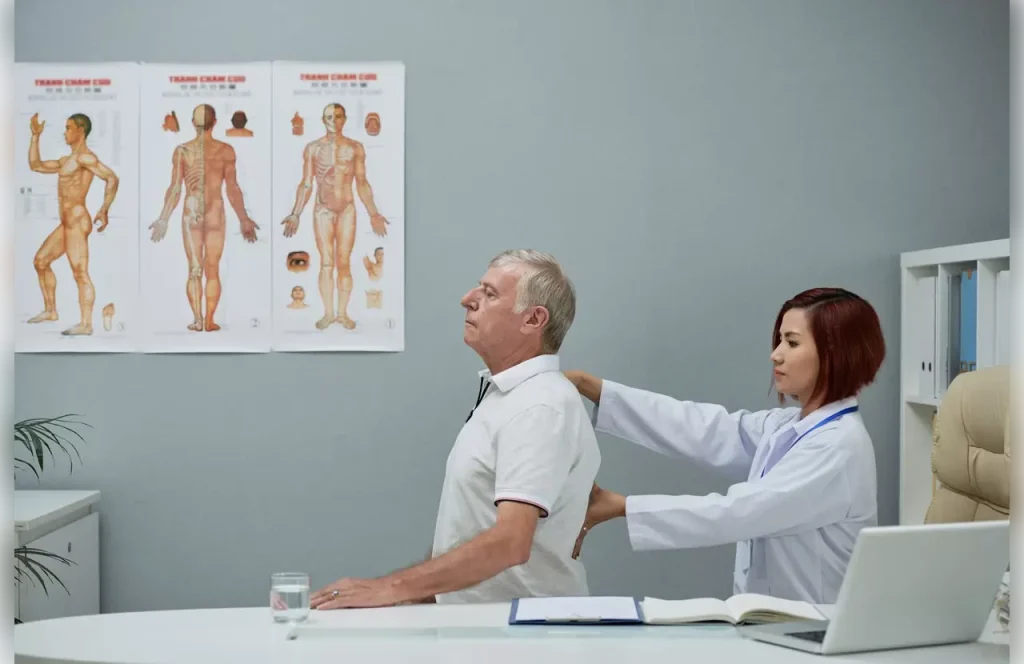
Stem cell patches are a new way to manage back pain. They use the body’s own healing powers. These patches send stem cells to the back, helping with different pain issues.
How Stem Cell Patches Work
Stem cell patches release stem cells that can turn into different cell types. This helps fix damaged tissues and grow new ones. The stem cells go to the hurt area, helping it heal and reducing swelling.
The mechanism involves several key steps:
- Stem cells are applied to the patch, which is then placed on the skin or inserted near the affected area.
- The stem cells migrate to the damaged tissue.
- Once in the damaged area, stem cells differentiate into the necessary cell types to repair the tissue.
- The healing process is supported by the reduction of inflammation and the promotion of tissue regeneration.
Types of Stem Cells Used in These Treatments
The success of stem cell patches depends on the stem cells used. There are a few main types:
| Type of Stem Cell | Characteristics | Potential Applications |
|---|---|---|
| Mesenchymal Stem Cells (MSCs) | Ability to differentiate into various cell types, including bone, cartilage, and muscle cells. | Treatment of degenerative disc disease, osteoarthritis. |
| Adipose-Derived Stem Cells (ADSCs) | Easily obtainable from fat tissue, capable of differentiating into multiple cell types. | Regeneration of damaged spinal discs, treatment of chronic back pain. |
| Embryonic Stem Cells | Pluripotent, capable of differentiating into any cell type. | Potential for treating a wide range of back conditions, though ethical and regulatory issues exist. |
Targeted Back Conditions
Stem cell patches are being studied for treating many back problems. These include:
- Degenerative disc disease
- Chronic lower back pain
- Herniated discs
- Spinal stenosis
Stem cell patches show promise for back pain relief. But, it’s important to know if they are FDA approved. The FDA’s rules can affect how available these treatments are.
FDA’s Position on Stem Cell Therapies
It’s important for patients to know the FDA’s view on stem cell therapies. The FDA makes sure any stem cell therapy in the U.S. is safe and works well.
Current Approved Applications
The FDA has okayed some stem cell therapies for certain health issues. For example, stem cell transplants are a proven treatment for blood disorders. These approved treatments have gone through many clinical trials to show they are safe and effective.
| Condition | Approved Stem Cell Therapy |
|---|---|
| Blood Disorders | Hematopoietic Stem Cell Transplantation |
| Corneal Damage | Stem Cell Therapy for Corneal Repair |
FDA Warnings About Unapproved Stem Cell Products
Even though stem cell therapies seem promising, the FDA warns about unapproved products. These products haven’t been tested enough to prove they’re safe and work. Patients should be careful of clinics that offer untested stem cell treatments, as they could be very risky.
Regulatory Framework for Regenerative Medicine
The FDA has rules for regenerative medicine to help new treatments while keeping people safe. This includes guidelines for stem cell therapies. Understanding these rules helps developers and patients in the complex world of regenerative medicine.
The field of stem cell therapy is always changing. So, the FDA keeps updating its rules and guidelines. This ensures patients get safe and effective treatments.
Intradiscal Stem Cell Injections: The BRTX-100 Case Study
BRTX-100 is a new stem cell therapy for chronic back pain. The FDA has given it Fast Track status. This shows it could be a big help for people with back problems.
Fast Track Designation Explained
The FDA’s Fast Track is for drugs that could really help people. BRTX-100 got this because it might solve a big back pain problem. It’s a big step for treating back pain with stem cells.
Getting Fast Track means BRTX-100’s team can talk more with the FDA. They might get approved faster. This could include rolling reviews, where the FDA checks parts of the application as they come in.
Clinical Trial Results
Tests on BRTX-100 look good for back pain treatment. Early results show it can really help people feel better. They have less pain and can move more easily.
These results are key for BRTX-100’s approval. The FDA will look at them closely. They make sure the therapy is safe and works well.
Path to Possible Approval
To get FDA approval, BRTX-100’s team must finish trials and apply. They’ll send a Biologics License Application (BLA) with all the trial data. They’ll also share how it’s made and tested.
If the FDA says yes, BRTX-100 will be a big win. It will be a new way to treat back pain. This gives hope to those who suffer from it.
Commercial Stem Cell Therapies: Regenexx and QC Kinetix
Regenexx and QC Kinetix are big names in stem cell treatments for back pain. But, their legal status is tricky. They are known for new ways to treat back pain and other muscle issues.
Regenexx’s Regulatory Status
Regenexx uses stem cells from the patient’s own body. They say their treatments are not FDA-approved but are okay under a doctor’s watch. This is because the FDA lets doctors use approved drugs in new ways if they think it’s right.
Regenexx’s treatments are not fully approved by the FDA. But, they use FDA-approved parts in their treatments. This puts them in a gray area, using approved parts but not for the exact treatments they offer.
QC Kinetix Treatment Offerings
QC Kinetix is also big in regenerative medicine, treating back pain with stem cells. They focus on treatments that don’t need surgery and help the body heal itself.
QC Kinetix uses stem cells, growth factors, and other biologics in their treatments. The exact mix depends on the patient’s needs and the clinic’s methods.
| Treatment Aspect | Regenexx | QC Kinetix |
|---|---|---|
| Treatment Type | Autologous stem cell therapy | Combination of stem cells and growth factors |
| Regulatory Status | Operates in a gray area, using FDA-approved components off-label | Similar to Regenexx, with a focus on physician-directed use of approved biologics |
| Clinical Evidence | Some clinical data available, but not FDA-approved for specific indications | Limited publicly available data on specific treatment outcomes |
FDA Compliance Issues
Regenexx and QC Kinetix follow FDA rules for using approved products in new ways. But, the FDA has warned some clinics about not following rules. The main problem is if clinics are making or using products not approved by the FDA.
The FDA keeps an eye on these clinics and has taken action against those breaking rules. People thinking about these treatments should know about the legal status and risks of unapproved stem cell therapies.
The Exosome Therapy Controversy
The exosome therapy controversy shows the tough job regulatory bodies have with new medical treatments. It’s important to know what’s causing this issue.
What Are Exosomes?
Exosomes are tiny particles that help cells talk to each other. They carry important stuff like proteins and genes between cells. Scientists think they could help heal and treat diseases.
But, making exosomes for therapy is tricky. There’s no clear way to make them, which worries people about their safety and how well they work.
FDA’s Stance on Exosome Products
The FDA is careful about exosome products. There are no FDA-approved exosome therapies yet. The FDA warns companies selling unapproved exosome products. They say more research is needed to prove they’re safe and work well.
“The FDA is committed to ensuring that consumers have access to biological products that are safe, effective, and of high quality. We will continue to monitor the development of exosome products and take enforcement actions as necessary to protect public health.”
Scientific Evidence and Clinical Concerns
Some early studies look good for exosome therapy. But, we need more research to know for sure. Doctors worry about side effects, how different exosomes can be, and how they’re made.
| Clinical Concerns | Description |
|---|---|
| Adverse Reactions | Potential for immune reactions or other adverse effects due to exosome administration |
| Variability in Composition | Differences in exosome content can affect their safety and efficacy |
| Manufacturing Variability | Lack of standardized production methods can lead to inconsistent product quality |
In conclusion, exosome therapy might be promising. But, we need more research and rules to make sure it’s safe and works for patients.
X39 Stem Cell Patches: Claims vs. Reality
The X39 patch is a popular stem cell therapy with interesting claims. We need to look closely at these claims, the product’s status, and the science behind it. This is important when talking about stem cell treatments for back pain.
Product Marketing Analysis
The X39 stem cell patch promises to boost the body’s healing, helping with back pain and overall health. It says it can wake up dormant stem cells for tissue repair and growth. But we must check these claims against real science and approvals.
Looking closer, we see that X39’s marketing mixes real science with hopeful research. It’s hard to find clear info on how it works and if it really helps.
Regulatory Status
Understanding the X39 patch’s regulatory status is key. The FDA is in charge of approving medical products, including stem cell therapies. We need to know if the X39 patch is FDA-approved and what that means for its safety and effectiveness.
Our research shows the X39 stem cell patch isn’t FDA-approved as a medical treatment. This raises big questions about its marketing claims and if it follows the rules.
Scientific Evidence Assessment
The scientific world relies on solid clinical trials and research to prove a treatment works and is safe. When looking at the X39 stem cell patch, we must check the science supporting it.
After reviewing, we find little strong, peer-reviewed studies backing the X39 patch’s claims. The lack of solid science is a big worry for those thinking of using it.
In summary, while the X39 stem cell patch is interesting, its lack of FDA approval and weak science mean we should be careful. Always talk to a doctor before trying X39 patches or similar products.
Dynace Rocenta and Similar Products
Dynace Rocenta is a stem cell treatment that needs a closer look. We’ll dive into its details, including its product overview, FDA approval status, and marketing claims.
Product Overview
Dynace Rocenta is a stem cell patch for back pain relief. It uses advanced stem cell technology to repair and regenerate tissues. But, the exact details of its manufacturing and composition are not shared with consumers.
The marketing for Dynace Rocenta talks about its benefits. It claims to reduce inflammation and improve mobility. But, without clear info on its ingredients and how it’s made, it’s hard for people to make smart choices.
FDA Approval Status
It’s important to check Dynace Rocenta’s FDA approval status. Right now, it’s not FDA-approved. The FDA hasn’t cleared it for back pain treatment or any medical use. This lack of approval raises big concerns about its safety and effectiveness.
- The FDA demands strict testing and evaluation for new medical treatments, including stem cell therapies.
- Dynace Rocenta’s lack of FDA approval means it hasn’t gone through this process.
- People should be careful with unapproved medical products.
Marketing Claims Evaluation
Dynace Rocenta’s marketing is bold, promising a lot for back pain relief. But, these claims lack strong clinical evidence. The scientific world relies on studies and trials to prove a treatment works.
“The use of stem cell therapies for back pain is an area of ongoing research, but products like Dynace Rocenta must be viewed with skepticism until they are backed by substantial clinical data.”
When looking at products like Dynace Rocenta, it’s key to separate marketing from science. People should talk to doctors before trying new treatments, even if they’re not FDA-approved.
In summary, while Dynace Rocenta and similar products might look appealing, their lack of FDA approval and clear science calls for caution. Always choose treatments backed by solid evidence and talk to healthcare experts.
Safety Concerns and Reported Side Effects
Stem cell treatments offer hope for back pain relief but also carry risks and side effects. It’s vital for patients and healthcare providers to understand these risks as these treatments become more common.
Immune Reactions
One major concern with stem cell treatments is the risk of immune reactions. When stem cells are introduced, the immune system might react against them. This can lead to complications.
Immune reaction risks include the body rejecting the stem cells. This can cause inflammation or other adverse effects.
Infection Risks
Infection is another risk, mainly when the procedure involves injections. It’s critical to ensure the treatment is done in a sterile environment to reduce this risk.
Other Documented Adverse Events
Other adverse events have been reported, such as pain at the injection site, fever, and fatigue. It’s important to monitor patients after the procedure to manage these side effects effectively.
Long-term Safety Considerations
The long-term safety of stem cell treatments for back pain needs ongoing research. As these therapies evolve, understanding their long-term effects is key for safe and effective use.
To better understand the safety concerns and side effects, let’s examine some data:
| Adverse Event | Reported Frequency | Severity |
|---|---|---|
| Immune Reactions | 15% | Moderate to Severe |
| Infection | 5% | Severe |
| Pain at Injection Site | 20% | Mild to Moderate |
| Fatigue | 10% | Mild |
As stem cell treatments for back pain grow in use, it’s important to weigh their benefits against risks. Understanding safety concerns and side effects helps patients make informed decisions about their treatment options.
“Celulas Madres” Pills: A Warning Case
A worrying trend is the rise of “Celulas Madres” pills. They claim to offer health benefits through stem cell therapy. We look into their claims, regulatory status, and side effects to highlight the dangers.
Product Claims
“Celulas Madres” pills promise to regenerate tissues and improve health. They claim to treat various conditions with stem cells. But, these claims lack solid scientific backing.
Manufacturers often use testimonials and unverified data to sell these products. We should be wary of such claims. They can lead patients to believe in ineffective treatments.
Regulatory Status
The “Celulas Madres” pills are not FDA-approved. The FDA has warned about the dangers of unapproved stem cell products. These include dietary supplements or “natural” treatments.
The FDA requires strict testing for safety and effectiveness before approval. Selling unapproved stem cell products breaks FDA rules. This means these products haven’t met safety and effectiveness standards.
Documented Side Effects
Reports show “Celulas Madres” pills and similar products can cause harm. Side effects range from mild to severe health issues. Here are some documented side effects:
| Side Effect | Severity |
|---|---|
| Allergic reactions | Mild to Severe |
| Infections | Severe |
| Tumor formation | Severe |
It’s important for patients to know the risks before trying unapproved stem cell treatments. We suggest talking to healthcare professionals for safe and effective options.
The Science Behind Stem Cell Treatments for Back Pain
It’s important to understand how stem cell treatments work for back pain. These treatments are seen as a hopeful solution for those with chronic back pain.
Mechanism of Action
Stem cell treatments for back pain use the regenerative powers of stem cells. These cells can turn into different types of cells, helping to fix damaged spine tissues. The mechanism of action includes reducing inflammation, helping tissues grow back, and making the spinal area healthier.
Studies show that stem cells can also calm the immune system. This helps reduce inflammation and makes healing easier. It’s thought to help lessen pain and improve movement for those with back pain.
Current Research Status
Research on stem cell treatments for back pain is ongoing. Many studies are looking into how safe and effective these treatments are. Some trials have shown that stem cell therapy can help a lot with pain and function for certain back pain types.
For example, side effects of stem cell therapy are being watched closely. It’s key to talk to doctors to know the good and bad of these treatments.
Evidence Gaps
Even with promising findings, there are big evidence gaps in the research. Many studies have small groups, and bigger, better trials are needed. This will help us understand how well stem cell treatments work for back pain in the long run.
Also, the different types of stem cell products and how they’re used makes it hard to compare studies. It’s important to have standard ways of treating and measuring results to move the field forward.
Conclusion: Making Informed Decisions About Stem Cell Treatments
When looking into stem cell treatments for back pain, it’s key to make smart choices. The rules, safety, and science behind these treatments are all different. We’ve looked at FDA approvals, the role of regenerative medicine, and the debates around some products.
It’s important to be careful with stem cell treatments. Talking to doctors is a must to know the good and bad sides. There’s not enough long-term safety info, and different products work differently. So, we need to think carefully about our choices.
By keeping up with new research and rules, patients can make choices that fit their health goals. We urge readers to talk openly with their doctors about using stem cells for back pain.
Are stem cell patches for back pain FDA approved?
No, stem cell patches for back pain are not FDA approved. Some stem cell therapies have FDA clearance for certain uses. But, using them for back pain is not approved.
What is the FDA’s stance on stem cell therapies?
The FDA has approved some stem cell products for specific uses, like blood disorders and corneal injuries. But, many stem cell therapies, including back pain treatments, are not approved. They face FDA warnings and actions.
Are exosome therapies FDA approved?
No, exosome therapies are not FDA approved for most uses, including treating back pain. The FDA has warned about unapproved exosome products. Their use is considered experimental.
Is Regenexx FDA approved?
Regenexx is a stem cell therapy provider, but their treatments are not FDA approved for back pain or most uses. They have faced FDA warnings and actions for their unapproved products.
What are the safety concerns associated with stem cell treatments?
Stem cell treatments can have safety issues like immune reactions and infection risks. There are also concerns about long-term safety, as some therapies may have unknown effects.
Are stem cell patches safe to use?
The safety of stem cell patches is a concern. They are often unapproved and may not be tested well. Patients should be cautious and talk to healthcare professionals before using them.
What is the scientific basis for stem cell treatments for back pain?
Stem cell treatments for back pain aim to repair and regenerate tissue. But, the research is mixed. There are gaps in evidence about their effectiveness and safety over time.
Are QC Kinetix treatments FDA approved?
QC Kinetix is a stem cell therapy provider, but their treatments are not FDA approved for back pain or most uses. Patients should be careful with unapproved therapies.
What are “Celulas Madres” pills, and are they safe?
“Celulas Madres” pills are unapproved stem cell products with safety concerns and adverse events. Patients should avoid them, as they are not FDA regulated.
Is the X39 stem cell patch FDA approved?
The X39 stem cell patch is not FDA approved. Patients should be cautious with unapproved products and talk to healthcare professionals before using them.
What is Dynace Rocenta, and is it FDA approved?
Dynace Rocenta is a product marketed as a stem cell therapy. But, its FDA approval status is unclear. Patients should be cautious and consult with healthcare professionals before using it.
How can I make informed decisions about stem cell treatments?
To make informed decisions, patients should talk to healthcare professionals. They should also evaluate the regulatory status and scientific evidence. Be cautious of unapproved or off-label uses.
References
- EMPR. Stem cell therapy gets fast‘track status for chronic lumbar disc disease. Retrieved from https://www.empr.com/news/stem-cell-therapy-gets-fast-track-status-for-chronic-lumbar-disc-disease/
- Lonestar Pain. What we’d like McGill University / OSS. Patchy science: LifeWaves mysterious patches. Retrieved from https://www.mcgill.ca/oss/article/pseudoscience-technology/patchy-science-lifewaves-mysterious-patches
- REPROCELL. Current landscape of FDA stem cell approvals and trials (2023“2025). Retrieved from https://www.reprocell.com/blog/current-landscape-of-fda-stem-cell-approvals-and-trials-2023-2025



 Departments
 Related Videos
 Our Doctors
 News
News