

Asthma is a chronic condition that affects millions. It makes airways swell, narrow, and fill with mucus. Symptoms include chest tightness, cough, and wheezing, making breathing hard.
Knowing the different asthma classifications is key to finding the right treatment.
At Liv Hospital, we understand the importance of asthma staging. We have four main asthma categories. They range from mild intermittent to severe persistent, each needing its own treatment.
By identifying the asthma levels of severity accurately, we can tailor care for each patient. Our goal is to offer top-notch healthcare and support for international patients.
Key Takeaways
- Understanding asthma classifications is key to managing it well.
- The four main asthma categories range from mild intermittent to severe persistent.
- Proper asthma staging is vital for finding the best treatment.
- Liv Hospital provides personalized care based on the identified asthma levels of severity.
- Our commitment is to delivering world-class healthcare with full support.
Understanding Asthma as a Chronic Respiratory Condition

Asthma is a long-term condition that affects the airways. It causes wheezing, coughing, and shortness of breath. It’s hard to manage because its symptoms come and go.
Asthma causes a number of clinical and testing abnormalities. It can greatly affect a person’s quality of life. Healthcare experts say asthma is not just a minor issue but a serious condition that needs careful management.
The Pathophysiology of Asthma
Asthma leads to chronic inflammation in the airways. This causes symptoms like wheezing and shortness of breath. It’s a complex disease involving genetics, environment, and immune responses.
Common Triggers and Risk Factors
Knowing common triggers and risk factors is key to managing asthma. Triggers include allergens and irritants like tobacco smoke. Understanding these helps in preventing and treating asthma.
Family history, allergies, and early childhood infections are risk factors. These can increase the chance of developing asthma.
The Global Burden of Asthma
Asthma is a big problem worldwide. It affects millions of people of all ages. The cost of asthma, including healthcare and lost work, is huge.
The global burden of asthma highlights the need for more research and better management. Knowing the different stages of asthma helps doctors create better treatment plans. This improves outcomes and quality of life for patients.
The Four Asthma Categories and Their Clinical Significance
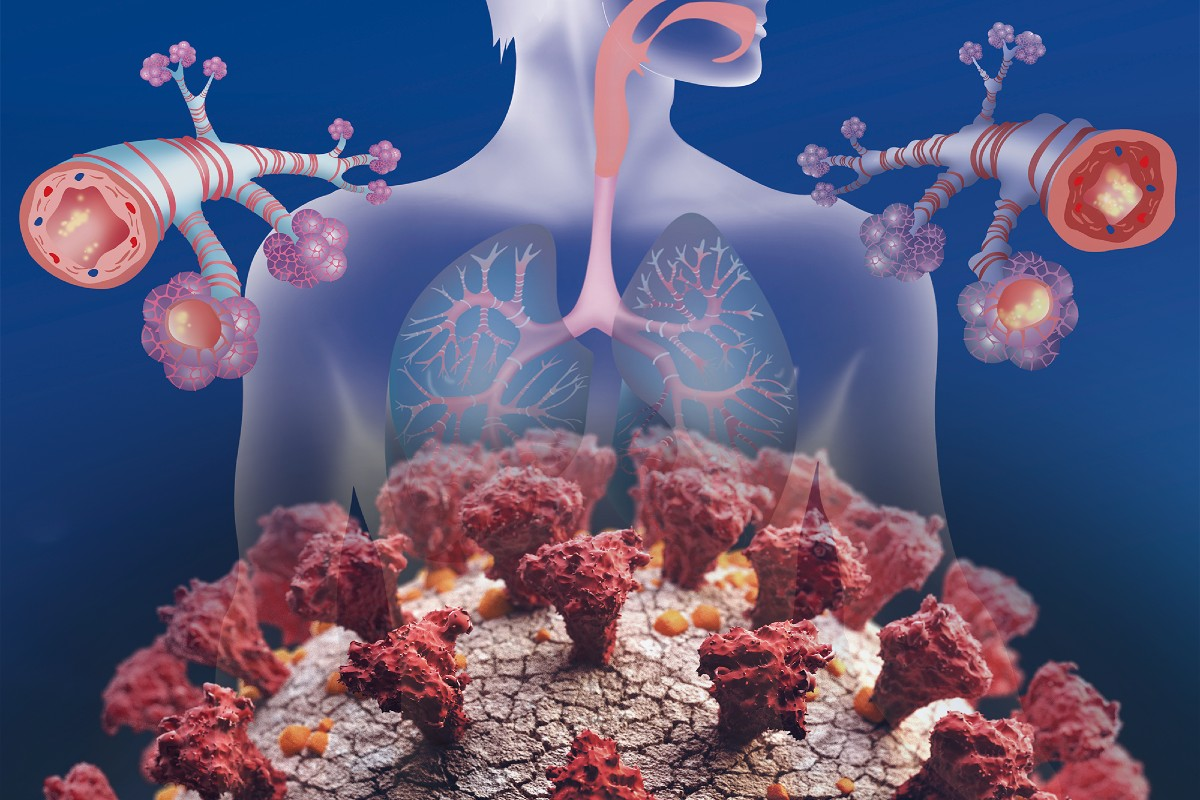
Asthma is divided into four categories, each with its own clinical importance. It’s a complex disease that affects people of all ages. Knowing the severity of asthma is key to managing it well.
Classification System Evolution
The way we classify asthma has changed over time. At first, asthma was grouped together without much detail. But as we learned more, the system evolved. Now, we recognize four main types: mild intermittent, mild persistent, moderate persistent, and severe persistent.
Table: Evolution of Asthma Classification
|
Year |
Classification |
Description |
|---|---|---|
|
Early 2000s |
Simple Categorization |
Asthma was broadly categorized without much differentiation. |
|
Current |
Four Categories |
Asthma is now classified into four categories based on symptom frequency and severity. |
How Severity Assessment Guides Treatment Decisions
Figuring out how severe asthma is is very important. It helps doctors decide how to treat it. For example, someone with mild asthma might need less treatment than someone with severe asthma.
Symptom frequency and severity are key factors in determining the category and, consequentially, the treatment plan. Doctors use different tools and assessments to accurately classify asthma.
The Role of Symptom Control in Classification
Keeping symptoms under control is central to managing asthma. The goal of treatment is to control symptoms well. The classification helps tailor treatment to meet this goal.
- Assessing symptom frequency and severity
- Using lung function tests to assess asthma severity
- Adjusting treatment based on the level of symptom control
Understanding the four asthma categories helps healthcare providers give better care. This care is more personalized and effective for patients with asthma.
Key Variables Used to Determine Asthma Severity
Assessing asthma severity is complex. It helps doctors choose the right treatment. We look at three main things: how often symptoms happen during the day, how often they wake you up at night, and lung function tests. These help us create a treatment plan that fits each patient’s needs.
Daytime Symptom Frequency Assessment
Daytime symptoms are key to figuring out how severe asthma is. We check for wheezing, coughing, and feeling short of breath during the day. If symptoms happen a lot, asthma is likely more severe.
Tracking daytime symptoms is important. We use symptom diaries or peak flow meters. This helps us see patterns and find what might be causing symptoms.
Nighttime Awakening Patterns
Waking up at night because of asthma is a big deal. It shows asthma isn’t well-controlled. This can really affect a person’s life.
People who wake up a lot at night are more likely to have bad asthma attacks. We try to find out why this happens. It might be because of allergies or not taking medicine right.
Lung Function Testing and Interpretation
Lung function tests, like spirometry, are key. They measure how well you can breathe out. This tells us how blocked your airways are.
Understanding lung function tests is important. We use them to decide on treatments. Regular tests help us see if treatment is working and make changes if needed.
Mild Intermittent Asthma: Characteristics and Management
Mild intermittent asthma has its own set of symptoms and ways to manage them. It’s when symptoms happen less than twice a week, and you rarely wake up at night because of it. We’ll look into how this affects your daily life and how to manage it well.
Defining Symptoms and Frequency Patterns
Mild intermittent asthma has symptoms that don’t happen often. Symptoms occur less than twice weekly, and you rarely wake up at night because of it. This shows it’s not as severe.
- Symptoms are mild and don’t usually disrupt your day.
- You might feel short of breath, wheeze, or cough after exercise or when exposed to triggers.
- You usually don’t need to use rescue medication more than twice a week.
Impact on Daily Activities and Quality of Life
Even though it’s mild, mild intermittent asthma can affect your daily life. Exercise-induced symptoms or reactions to allergens can be uncomfortable. But, with the right strategies, it’s manageable.
People with mild intermittent asthma usually have a good quality of life. They don’t face much disruption in their daily routines. But, it’s important to watch out for symptoms and triggers to avoid getting worse.
Rescue Inhaler Strategies
The main way to manage mild intermittent asthma is with rescue inhalers. These inhalers give quick relief by opening up the airways.
- Use rescue inhalers as needed, before exercise or when exposed to known triggers.
- Keep track of how often you use your rescue inhaler to see if your asthma is under control.
- Make sure you know how to use your rescue inhaler correctly.
When to Consider Step-Up Treatment
It’s important to watch your condition and think about increasing treatment if symptoms worsen. Signs you might need to step up treatment include more frequent symptoms, using your rescue inhaler more often, or having more severe attacks.
We suggest regular check-ups to see how well your asthma is being managed. Adjusting your treatment plan as needed helps keep your asthma under control and improves your quality of life.
Mild Persistent Asthma: Beyond Occasional Symptoms
Mild persistent asthma is more serious than mild intermittent asthma. It needs a more detailed management plan. Symptoms happen more than twice a week but not every day. Nighttime symptoms occur three to four times a month.
This means a treatment plan is needed that goes beyond just rescue medication.
Symptom Patterns and Clinical Presentation
The symptoms of mild persistent asthma are noticeable but not severe. Patients may cough, wheeze, or have shortness of breath more often. It’s important to see how these symptoms affect daily life and overall well-being.
Daily Low-Dose Inhaled Corticosteroid Therapy
For mild persistent asthma, daily low-dose inhaled corticosteroid (ICS) therapy is often the best long-term treatment. ICS therapy reduces airway inflammation. This helps decrease symptoms and their severity.
We stress the importance of sticking to daily ICS therapy for the best asthma control.
Alternative Controller Medication Options
While daily ICS is usually the first choice, there are alternative options for those who can’t use ICS or have reasons not to. These might include leukotriene modifiers or other anti-inflammatory drugs. The right choice depends on the patient’s needs and preferences.
Monitoring Treatment Response
It’s key to regularly check how well treatment is working for mild persistent asthma. We suggest regular check-ups to see how symptoms are controlled and lung function. Rescue medication use should also be monitored.
Based on these checks, the treatment plan can be adjusted. This ensures asthma stays under control.
Moderate Persistent Asthma: Daily Symptom Management
Managing symptoms every day is key for those with moderate persistent asthma. This type of asthma causes symptoms daily and wakes you up at night more than once a week. But it doesn’t wake you up every night.
Increased Symptom Burden
It’s important to know that moderate persistent asthma has a bigger symptom burden. These symptoms can really affect your life, making it hard to do everyday things. They can also make you feel not so well overall.
Key characteristics include:
- Daily symptoms that can vary in severity
- Nighttime awakenings more than once a week
- Potential need for rescue medication daily
Combination Therapy
Using a mix of corticosteroids and long-acting beta-agonists (LABAs) is key for managing moderate persistent asthma. This combo helps control inflammation and prevent symptoms.
|
Therapy Component |
Function |
Benefits |
|---|---|---|
|
Corticosteroids |
Reduce inflammation |
Decreased symptoms, improved lung function |
|
Long-Acting Beta-Agonists (LABAs) |
Bronchodilation |
Improved symptom control, reduced exacerbations |
Add-On Therapies
Sometimes, you might need extra treatments to control symptoms better. These can be other types of medications or different treatments.
Examples of add-on therapies:
- Leukotriene modifiers
- Theophylline
- Anti-IgE therapy
Preventing and Managing Exacerbations
It’s very important to prevent and manage asthma attacks. Stick to your medication, avoid things that can trigger attacks, and have a plan for when symptoms get worse.
Understanding the bigger symptom burden and using the right treatments can help control symptoms. This way, people with moderate persistent asthma can live better lives.
Severe Persistent Asthma: Comprehensive Treatment Approaches
Managing severe persistent asthma needs a detailed plan. This type of asthma causes constant symptoms and disrupts sleep. It greatly affects a person’s quality of life.
Continuous Symptoms and Their Impact on Daily Life
People with severe persistent asthma face symptoms that never go away. These symptoms make everyday tasks hard and affect their happiness. A good treatment plan must be flexible and proactive.
Daily life challenges include trouble with physical activities, missing school or work, and feeling stressed about managing asthma. It’s important to find ways to lessen these effects.
High-Dose Combination Therapy Regimens
For severe asthma, a strong treatment is needed. This usually includes high-dose inhaled corticosteroids and long-acting beta-agonists. The goal is to control symptoms better and prevent attacks.
We help patients find the best combination and dosage. We adjust the plan as needed based on how well symptoms are controlled and lung function tests.
Biologic Treatments for Severe Asthma
When high-dose therapy doesn’t work, biologic treatments can help. These treatments target specific parts of the inflammation process. They offer a more personalized way to manage severe asthma.
Biologics have been shown to cut down on attacks and improve life quality for many. We consider them as part of a complete treatment plan for the right patients.
Managing Comorbidities That Worsen Asthma
Conditions like rhinitis, gastroesophageal reflux disease (GERD), and obesity can make asthma worse. It’s key to identify and treat these conditions too.
We care for patients holistically, focusing not just on asthma but also on related health issues. This might involve working with a team of specialists to ensure the best care.
Special Considerations in Pediatric Asthma Categories
Pediatric asthma needs a special approach because it’s different from adult asthma. Kids with asthma require a strategy that takes into account their growth, development, and lifestyle.
Age-Specific Classification Differences
Asthma in kids is influenced by their age. Symptoms and severity can change as they grow. Younger kids might have more frequent wheezing due to viruses, while older kids show more typical asthma symptoms.
It’s important to consider these age-specific differences when classifying asthma severity. The table below shows how asthma severity can be classified differently based on age.
|
Age Group |
Asthma Severity Classification |
Symptom Frequency |
|---|---|---|
|
0-4 years |
Mild Intermittent |
<1 episode per week |
|
5-11 years |
Mild Persistent |
>1 episode per week, but not daily |
|
12+ years |
Moderate Persistent |
Daily symptoms, but not severe |
Growth and Development Concerns
Managing pediatric asthma means keeping an eye on the child’s growth and development. Some asthma medications, like inhaled corticosteroids, can affect growth if not used carefully.
We should regularly check the child’s height and weight to make sure their asthma treatment isn’t harming their growth.
School and Activity Management
Children spend a lot of time in school, so managing asthma there is key. We need to work with schools to create asthma action plans. These plans should help prevent and respond to asthma attacks.
It’s also important to encourage kids to stay active. Exercise is vital for their health and development.
Family-Centered Asthma Care
Family-centered care is essential for managing pediatric asthma. This means teaching parents and caregivers about asthma management. This includes how to use medications, monitor symptoms, and know when to seek medical help.
By working with families, we can create effective asthma management plans. These plans can greatly improve the quality of life for kids with asthma.
Conclusion: Living Well Through Proper Asthma Classification and Management
Proper asthma classification and management help people live well with asthma. Knowing the different types of asthma and using the right treatments can control symptoms. This improves life quality.
Managing asthma well means adjusting treatments as needed. It’s about finding the right balance for each person. This includes medicines, lifestyle changes, and regular check-ups.
By focusing on controlling asthma, we can lower the chance of bad attacks. This approach improves health outcomes. Every person’s asthma is different, so a tailored plan is key.
With the right approach, people with asthma can live active, healthy lives. We aim to give the support and resources needed for optimal asthma control. This helps improve overall well-being.
FAQ
What are the four main categories of asthma?
Asthma is divided into four main types. These are mild intermittent, mild persistent, moderate persistent, and severe persistent. Knowing these types helps find the best treatment.
How is asthma severity assessed?
Doctors check asthma severity by looking at symptoms and lung function. They use these to sort asthma into its four types.
What is mild intermittent asthma, and how is it managed?
Mild intermittent asthma happens when symptoms pop up now and then. Treatment includes rescue inhalers. If symptoms get worse, treatment gets stronger.
What is the difference between mild persistent and moderate persistent asthma?
Mild persistent asthma has symptoms more often than mild intermittent. Moderate persistent asthma has even more symptoms. Treatment for mild persistent might include daily inhalers. For moderate, it might be a mix of inhalers and other medicines.
How is severe persistent asthma managed?
Severe persistent asthma needs strong treatment. This includes medicines and biologic treatments. It’s also important to manage other health issues that make asthma worse.
Are there special considerations for pediatric asthma?
Yes, kids with asthma need special care. Their treatment plans must consider their age and how they’re growing. Schools and families play a big role in managing their asthma.
How do asthma categories guide treatment decisions?
Asthma categories help doctors decide how to treat asthma. They look at how well symptoms are controlled and the risk of problems. This helps pick the right treatment.
What is the role of symptom control in classifying asthma severity?
Controlling symptoms is key in figuring out asthma severity. The goal is to keep symptoms under control. Treatment plans are adjusted based on how well symptoms are managed.
Can asthma classification change over time?
Yes, asthma classification can change. Symptoms and lung function can change too. Regular check-ups and adjusting treatment plans are important for good management.
How does lung function testing contribute to asthma severity assessment?
Lung function tests, like spirometry, help figure out asthma severity. They show how well air flows and if it can be improved. This info helps doctors decide on treatment.
Reference
World Health Organization. Asthma Severity: Classifying Mild Intermittent to Moderate Persistent. Retrieved from https://www.who.int/news-room/fact-sheets/detail/asthma



 Departments
 Related Videos
 Our Doctors
 News
News