Getting a multiple myeloma diagnosis can feel overwhelming. It’s important for patients and caregivers to know about treatment options. Autologous stem cell transplant (ASCT) is a key treatment for some patients. It uses the patient’s own stem cells to rebuild bone marrow after intense chemotherapy.
New studies show that ASCT is vital for some patients, both at first diagnosis and when the disease comes back. Choosing the right treatment can be tough, but knowing your options is essential. In this article, we’ll dive into seven important facts about autologous transplant for multiple myeloma.
Key Takeaways
- ASCT is a standard treatment for eligible multiple myeloma patients.
- High-dose chemotherapy is followed by the restoration of the patient’s own stem cells.
- Recent studies show improved progression-free survival rates with ASCT.
- Immunomodulatory maintenance therapy is often used in conjunction with ASCT.
- Understanding treatment options is key for patients and caregivers.
Understanding Multiple Myeloma and Its Treatment Landscape
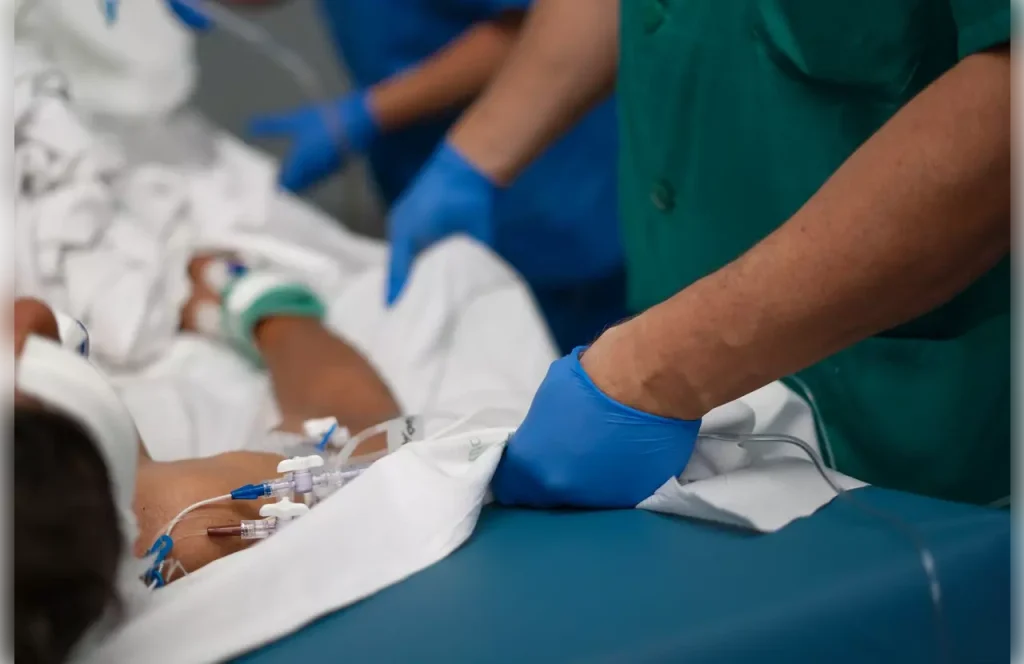
It’s key for patients and doctors to understand multiple myeloma and its treatments. This blood cancer is caused by bad plasma cells in the bone marrow. Thanks to new research, treatments are getting better, giving hope to those affected.
What is Multiple Myeloma?
Multiple myeloma is a blood cancer that affects plasma cells in the bone marrow. These bad cells take over the marrow, leaving less room for healthy cells. Instead of making good antibodies, they make bad proteins that can harm the body.
This can lead to anemia, bone pain, and a higher risk of infections.
Standard Treatment Approaches
Doctors use a mix of treatments for multiple myeloma. Chemotherapy kills the bad cells. Targeted therapy and immunotherapy target cancer cells and boost the immune system. The right treatment depends on the patient’s health, age, and disease stage.
“The treatment landscape for multiple myeloma is rapidly evolving, with novel agents and combination regimens showing better results for patients.”
The Role of Transplantation
Transplantation, like autologous stem cell transplant (ASCT), is a big part of treating multiple myeloma for some patients. ASCT uses the patient’s own stem cells, collected, stored, and then given back after strong chemotherapy. This can lead to a deeper, longer-lasting remission than regular chemotherapy.
Studies show ASCT is improving outcomes for multiple myeloma patients.
Finding the right treatment for multiple myeloma can be tough. But with the right info and support, patients can make good choices. As we keep learning, new treatments, including transplantation, are opening up new ways to fight this disease.
What is an Autologous Transplant for Multiple Myeloma?
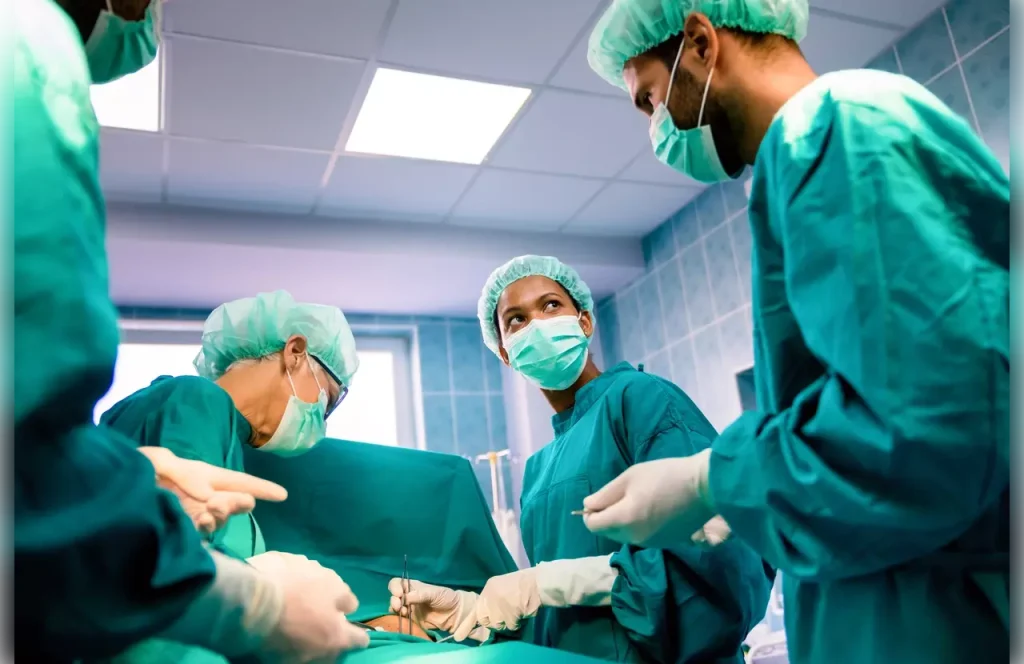
An autologous stem cell transplant (ASCT) is a key treatment for multiple myeloma. It can extend a patient’s life. The process uses the patient’s own stem cells, collected, stored, and then reinfused after chemotherapy.
Definition and Basic Concept
An autologous transplant, or ASCT, uses the patient’s own stem cells. This is different from allogeneic transplantation, which uses a donor’s stem cells. The first step is mobilizing stem cells from the bone marrow into the bloodstream for collection.
The collected stem cells are frozen and stored until needed. After high-dose chemotherapy, the stored stem cells are reinfused. This helps the bone marrow recover and the immune system to heal.
Difference Between Autologous and Allogeneic Transplants
The main difference is the source of stem cells. Autologous transplants use the patient’s own cells, lowering the risk of graft-versus-host disease (GVHD). GVHD is a serious issue with allogeneic transplants.
| Characteristics | Autologous Transplant | Allogeneic Transplant |
|---|---|---|
| Stem Cell Source | Patient’s own stem cells | Donor’s stem cells |
| Risk of GVHD | Lower | Higher |
| Treatment Intensity | High-dose chemotherapy | High-dose chemotherapy + immunotherapy |
ASCT Medical Terminology Explained
It’s important to understand ASCT terms for those considering this treatment. ASCT means Autologous Stem Cell Transplantation. Key terms include stem cell mobilization and conditioning regimen, which is high-dose chemotherapy before stem cell reinfusion.
The SUNMO study and other research show ASCT’s effectiveness and safety in treating multiple myeloma. It’s a key part of current treatment plans for new and some relapsed patients.
Key Fact #1: How Autologous Stem Cell Transplant Works
Understanding autologous stem cell transplant is key for those with multiple myeloma. This treatment, also known as autologous hematopoietic cell transplantation (HCT), involves several steps.
The Science Behind Stem Cell Collection
Stem cell collection is a vital first step. We use stem cell mobilization to get stem cells from the bone marrow into the blood. This makes them easier to collect. Growth factors and sometimes chemotherapy help with this process.
Peripheral Blood Stem Cells vs. Bone Marrow
Stem cells are usually collected from peripheral blood, not bone marrow. This method is easier and safer than bone marrow harvesting.
High-Dose Melphalan Chemotherapy
After collecting stem cells, patients get high-dose chemotherapy with melphalan. This treatment kills the cancer cells. It’s a key part of the transplant, aiming for a strong response.
Stem Cell Reinfusion Process
After chemotherapy, the stem cells are given back to the patient. This is done through an intravenous line, like a blood transfusion. It helps the bone marrow recover and function again.
Those thinking about autologous stem cell transplant should talk to their doctor. For more details, visit Liv Hospital’s guide on bone marrow transplantation.
Key Fact #2: Patient Eligibility Criteria for ASCT
Choosing ASCT for multiple myeloma means looking at many health and disease factors. This check is key to see if a patient will gain from this strong treatment.
Age Considerations
Age is a big part of deciding if someone can get ASCT. There’s no exact age limit, but older people are looked at more closely. This is because they might have other health issues or not be as strong.
We check how well older patients are doing overall. This helps us decide if they can handle the transplant.
Health Status Requirements
A patient’s health is very important. We look at their heart, lungs, and kidneys to make sure they can handle the treatment. People with big health problems might face more risks.
Disease Stage Factors
The stage and how well the disease responds also matter a lot. Patients with disease that responds well or is in an early stage are best for ASCT. How well the disease reacts to first treatments is a good sign for ASCT success.
Contraindications
Some health issues or advanced disease might mean ASCT isn’t right. We check for things like serious organ problems, infections, or brain issues. If these are present, other treatments might be needed.
In short, deciding if someone can get ASCT in multiple myeloma looks at many things. Age, health, disease stage, and any reasons not to do it are all important. A doctor’s careful check is needed to see if this treatment is right.
Key Fact #3: The Complete Autologous Transplant Process
For those with multiple myeloma, knowing about autologous transplant is key. This treatment is complex, with many steps. Each step is vital for success.
Initial Evaluation and Testing
The first step is checking if you’re a good candidate for an autologous stem cell transplant (ASCT). Tests like blood work, bone marrow biopsy, and imaging studies are used. They help see your health and how far the disease has spread.
Induction Therapy Before Transplant
Before the transplant, you’ll get induction therapy. This is to shrink the disease. Chemotherapy and other treatments are used to get the best results before the transplant.
Stem Cell Mobilization and Collection
Next, stem cells are moved from the bone marrow to the blood. This is called mobilization. Then, these cells are collected through apheresis. After that, they’re frozen and saved for later use.
Hospital Admission and Conditioning
When you’re admitted to the hospital, you’ll get conditioning chemotherapy. This is usually high-dose melphalan to kill any remaining cancer cells. Then, the saved stem cells are given back to you. They help rebuild your bone marrow.
| Stage | Description | Key Elements |
|---|---|---|
| Initial Evaluation | Assessing patient eligibility | Blood work, bone marrow biopsy, imaging studies |
| Induction Therapy | Reducing disease burden | Chemotherapy, targeted therapies |
| Stem Cell Mobilization | Collecting stem cells | Apheresis, stem cell collection |
| Hospital Admission and Conditioning | Preparing for stem cell reinfusion | Conditioning chemotherapy, stem cell reinfusion |
Knowing about these stages helps patients prepare for the autologous transplant. It makes them understand what to expect at each part of their treatment.
Key Fact #4: Effectiveness and Survival Statistics
Research shows that autologous transplant for multiple myeloma leads to better survival rates. It is a key treatment for eligible patients with this disease.
Progression-Free Survival Rates
Progression-free survival (PFS) is key in measuring ASCT’s success in multiple myeloma. Recent studies show ASCT greatly improves PFS, with some studies showing a median PFS of over 3 years post-transplant (source). The intensive conditioning regimen and the healthy stem cells’ reinfusion are the main reasons for this improvement.
Overall 5-Year Survival Data
The survival benefit of ASCT in multiple myeloma is significant. Various clinical trials show that the 5-year OS rates for patients undergoing ASCT range from 50% to 70%. These rates depend on age, disease stage, and response to initial therapy. They highlight ASCT’s role as a potentially curative option for eligible patients.
Factors Affecting Outcomes
Several factors impact ASCT outcomes in multiple myeloma. These include the patient’s age, health status, disease stage, and genetic abnormalities. Patients with favorable cytogenetic profiles tend to have better outcomes than those with high-risk cytogenetics. Understanding these factors is key to tailoring treatment plans.
Comparison with Non-Transplant Approaches
Comparing ASCT to non-transplant methods, the evidence favors ASCT. ASCT offers superior PFS and, in some cases, OS benefits. Yet, the choice between ASCT and other treatments depends on the patient’s characteristics and preferences. A multidisciplinary approach is essential in making these decisions.
Key Fact #5: Potential Risks and Side Effects
Choosing ASCT for multiple myeloma means looking at the good and the bad. ASCT can be a strong treatment, but it comes with risks that can affect how well you live.
Short-Term Complications
Right after ASCT, you might face infections, bleeding, and harm to organs. These problems are more likely during the treatment and right after getting the stem cells.
Infection risk is a big worry because your immune system is weakened. To keep you safe, you might stay in the hospital to catch and treat infections fast.
Infection Risks During Recovery
Even after you’re home, you’re at risk for infections. Your doctors will teach you how to avoid germs and give you medicine to prevent some infections.
“The risk of infection is highest in the first few months after transplant. Patients need to be vigilant and follow their healthcare provider’s instructions carefully to minimize this risk.”
Long-Term Side Effects
ASCT can also lead to rare cancers or harm to organs and hormones over time. These effects are not common, but they can happen.
| Long-Term Side Effect | Description | Management |
|---|---|---|
| Secondary Malignancies | Rare cancers that can develop after ASCT | Regular follow-up and monitoring |
| Organ Damage | Potential damage to organs such as the heart, lungs, or kidneys | Pre-transplant evaluation and post-transplant monitoring |
| Hormonal Imbalances | Changes in hormone levels that can affect various bodily functions | Hormone replacement therapy and other supportive treatments |
Quality of Life Considerations
Life after ASCT can be different for everyone. Some might feel like themselves again, while others might face ongoing issues like tiredness, mood changes, and physical problems.
It’s key to know about these risks and side effects before deciding on ASCT. Talking openly with your doctor about your concerns is also important.
Key Fact #6: Recovery Timeline After Autologous Transplant
Knowing the recovery timeline after an autologous transplant is key for patients. It helps them get ready for life after treatment. The recovery includes hospital stay, rebuilding the immune system, physical therapy, and follow-up care.
Hospital Stay Duration
The time in the hospital after ASCT varies. Usually, patients stay for 2-4 weeks. This time is for watching for complications and making sure the patient is stable before going home.
Immune System Reconstitution
The immune system takes time to get back after ASCT. Immune reconstitution can take months to a year or more. During this time, patients are more at risk for infections and may need antibiotics and regular check-ups.
Physical Rehabilitation Process
Physical therapy is key in recovery. It helps patients get their strength back and improve their life quality. The therapy includes physical exercises, nutrition advice, and mental support.
Follow-up Care Protocol
Aftercare is important for watching the patient’s recovery and catching any problems early. The care includes regular visits, blood tests, and sometimes imaging. The number of visits goes down over time but is always important for long-term care.
| Recovery Phase | Timeline | Key Components |
|---|---|---|
| Hospital Stay | 2-4 weeks | Monitoring, supportive care |
| Immune Reconstitution | Several months to 1 year+ | Prophylactic antibiotics, follow-ups |
| Physical Rehabilitation | Ongoing, varies by patient | Physical therapy, nutritional counseling |
| Follow-up Care | Ongoing, frequency decreases over time | Regular check-ups, blood tests, imaging studies |
Understanding the recovery timeline helps patients prepare for their journey. It lets them work closely with their healthcare team for the best results.
Key Fact #7: Maintenance Therapy After ASCT
After an autologous stem cell transplant, patients need ongoing care. This care is key to keeping multiple myeloma at bay. It helps improve patient outcomes.
Immunomodulatory Maintenance Drugs
Immunomodulatory drugs, like lenalidomide, are used after ASCT. They boost the immune system’s fight against cancer. Studies show they help patients live longer without the disease getting worse.
Lenalidomide is a top choice for maintenance therapy. It’s effective and easy on the body.
Duration of Post-Transplant Treatment
The length of maintenance therapy varies. It depends on how well the patient responds, their health, and other factors. Usually, treatment goes on for years if the patient can handle it.
Monitoring for Relapse
It’s important to watch for relapse during maintenance therapy. This means regular blood tests, bone marrow biopsies, and imaging. Catching relapse early helps adjust treatment plans quickly.
Recent Advances in Post-Transplant Care
New developments aim to make maintenance therapy better. Research into new drugs and strategies is ongoing. This offers hope for better disease control and quality of life for patients.
Ongoing clinical trials explore new combinations and agents. They aim to make maintenance therapy even more effective.
Recent Research and Developments in Autologous Transplant Protocols
Studies are making autologous stem cell transplants for multiple myeloma better. New treatments are being tested to make them safer and more effective.
Tandem Transplants
Tandem transplants involve two autologous stem cell transplants. This method is great for patients who don’t fully respond after the first transplant. It has been shown to help more patients live longer without their disease getting worse.
Combination Therapies
Researchers are also looking at combining new drugs with stem cell transplants. Using ASCT with new drugs might make treatments work better and last longer. Doctors are working to find the best mix of treatments for each patient.
Second Transplants for Relapsed Disease
For patients who relapse after a transplant, a second transplant is being considered. Salvage ASCT could give some patients a second chance at getting better. Scientists are trying to figure out who would benefit most from a second transplant and how to do it safely.
We’re dedicated to giving patients with multiple myeloma the best treatments. As research keeps improving, we’re excited about the future of stem cell transplants.
Preparing for Your Autologous Stem Cell Transplant
Getting ready for an autologous stem cell transplant is more than just medical steps. It’s about taking care of yourself fully. We’ll help you understand the need for caregiver support, home setup, and getting mentally ready.
Caregiver Support Requirements
A strong support system is key during your ASCT recovery. Caregivers help with daily tasks, emotional support, and health checks.
- Identify caregivers early in the process
- Discuss their roles and responsibilities
- Make sure they know about the transplant and recovery
Home Preparation
Getting your home ready can greatly affect your recovery. Small changes can make a big difference.
| Preparation Task | Description |
|---|---|
| Cleanliness | Clean your home well, focusing on areas you’ll use a lot. |
| Comfort | Make a comfy recovery spot with everything you need close. |
| Safety | Clear out tripping hazards and make sure it’s well-lit. |
Psychological Readiness
Getting mentally ready is as important as getting physically ready. Knowing what to expect and having ways to cope can help with the emotional side of treatment.
We know preparing for an autologous stem cell transplant is tough. By focusing on caregiver support, home setup, and mental preparation, you can handle this journey better.
Conclusion
Autologous stem cell transplant (ASCT) is a key treatment for some with multiple myeloma. We’ve covered seven important facts about ASCT. These include how it works, its benefits, and possible risks.
Knowing these details is key for patients and their families to make good treatment choices. We looked at how ASCT is done, who can get it, and its effects. We also talked about its risks, recovery time, and follow-up care.
By understanding these points, patients can make better decisions about their treatment. Keeping up with new research in ASCT is also important. This helps improve treatment results.
In short, ASCT is a major treatment for multiple myeloma. It helps many patients live longer and better. We hope this info helps you understand autologous transplant for multiple myeloma.
What is an autologous stem cell transplant for multiple myeloma?
An autologous stem cell transplant, or ASCT, is a treatment. It collects a patient’s own stem cells. Then, it uses high-dose chemotherapy and reinfuses the stem cells to fix bone marrow.
How does autologous stem cell transplant work?
It works in steps. First, stem cells are collected. Next, high-dose chemotherapy with melphalan is used. Lastly, the stem cells are reinfused to fix bone marrow.
What are the eligibility criteria for an autologous stem cell transplant?
Who can get ASCT depends on age, health, and myeloma stage. Some health issues or older age might make it not possible.
What is the difference between autologous and allogeneic transplants?
Autologous transplant uses your own stem cells. Allogeneic transplant uses stem cells from someone else.
What are the possible risks and side effects of ASCT?
Risks and side effects include infections and organ damage short-term. Long-term, it can affect quality of life.
What is the recovery timeline after an autologous stem cell transplant?
Recovery time varies. It includes hospital stay, getting immune system back, physical rehab, and follow-up care.
What is maintenance therapy after ASCT, and why is it necessary?
Maintenance therapy keeps disease under control after ASCT. It uses drugs to help. Treatment length depends on the patient.
Are there any recent developments in autologous transplant protocols?
Yes, new research aims to improve outcomes. It looks at tandem transplants, combination therapies, and second transplants for relapsed disease.
How can patients prepare for an autologous stem cell transplant?
Preparing includes getting caregiver support, preparing your home, and mentally preparing. This helps the treatment go smoothly.
What is the role of melphalan in high-dose chemotherapy for ASCT?
Melphalan is a key chemotherapy drug in ASCT. It helps kill cancer cells in multiple myeloma patients.
References
- International Myeloma Foundation (IMF). Autologous stem cell transplant. Retrieved from https://www.myeloma.org/autologous-stem-cell-transplant
- PMC / NCBI. PMC3943303 (journal article). Retrieved from https://pmc.ncbi.nlm.nih.gov/articles/PMC3943303/
- Multiple Myeloma Research Foundation (MMRF). ASCT Patient Toolkit (PDF). Retrieved from https://themmrf.org/wp-content/uploads/2023/05/ASCT_Patient-Toolkit.pdf
- PMC / NCBI. PMC8870632 (journal article). Retrieved from https://pmc.ncbi.nlm.nih.gov/articles/PMC8870632/



 Departments
 Related Videos
 Our Doctors
 News
News