Researchers have found a major breakthrough in medicine: induced pluripotent stem cells (iPSCs). They can be made from adult cells. This represents a significant advancement as it provides an alternative to using embryonic stem cells.
The benefits of induced pluripotent stem cells are clear ” they can turn into almost any cell in our bodies, making them very useful for medical studies and possible treatments.
iPSCs could help treat many diseases and injuries. This includes conditions like Parkinson’s disease and heart damage.
Key Takeaways
- iPSCs can be made from adult cells, so we don’t need to use embryonic stem cells.
- iPSCs can become almost any type of cell in our bodies.
- Using iPSCs could be a great way to treat many diseases and injuries.
- iPSCs could change medicine a lot.
- iPSCs are a great tool for medical research and treatments.
The Science of Pluripotent Stem IPS Cells
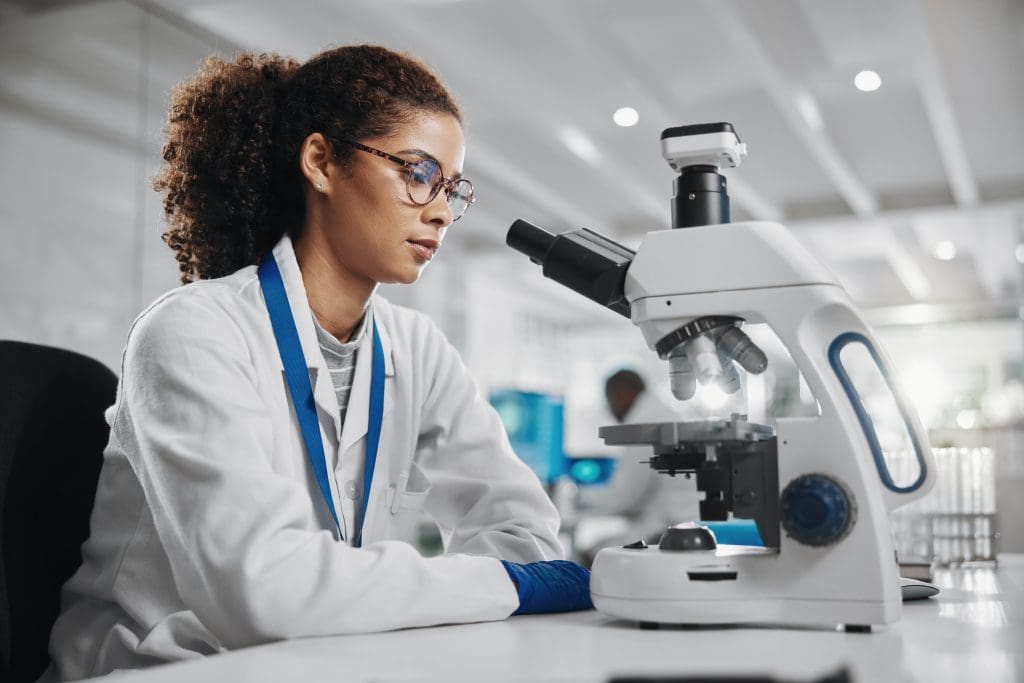
The discovery of induced pluripotent stem cells (iPSCs) has changed stem cell biology. iPSCs are a type of pluripotent stem cell that can be made from adult cells. They can grow and change into different cell types, which is great for medical research and fixing damaged tissues.
Definition and Basic Characteristics
iPSCs can turn into any cell in the body. This makes them very useful for research and treatments. To make iPSCs, scientists turn adult cells like skin or blood cells back into a pluripotent state.
These cells can keep growing forever and can turn into all three germ layers: ectoderm, endoderm, and mesoderm. This ability to change into different types of cells is what makes them special.
History and Discovery by Shinya Yamanaka
Shinya Yamanaka and his team first made iPSCs in 2006. They found the key genes needed to turn adult cells into pluripotent cells. This breakthrough won Yamanaka the Nobel Prize in Physiology or Medicine in 2012 and opened new doors in stem cell research.
Yamanaka’s discovery has led to big steps in understanding how to change cells and its uses in medicine. It has also brought hope for new treatments for many diseases.
How Induced Pluripotent Stem Cells Are Created
Creating induced pluripotent stem cells (iPSCs) starts with a process called cellular reprogramming. This method turns adult cells into a state similar to embryonic stem cells. It does this without using embryos.
Cellular Reprogramming Process
The journey to make iPSCs begins with picking somatic cells, like skin or blood cells. These cells are then mixed with specific transcription factors. These factors change the cells’ genes, making them like embryonic stem cells.
This process is complex and needs many transcription factors to work right. Getting high-quality iPSCs is a challenge that requires careful work.
Key Transcription Factors in Reprogramming
The discovery of key transcription factors was a big step in making iPSCs. Oct4, Sox2, Klf4, and c-Myc are the most important ones. They help change the cells’ genes, making them pluripotent.
Oct4 and Sox2 keep the cells in a pluripotent state. Klf4 and c-Myc help them become pluripotent. How these factors work together is key to making good iPSCs.
Knowing how these factors work is vital for better iPSCs. Research keeps improving how well we can make these cells.
iPSCs vs. Embryonic Stem Cells: Key Differences
Induced pluripotent stem cells (iPSCs) and embryonic stem cells (ESCs) both aim to help in regenerative medicine. But, they come from different sources and have unique traits.
Similarities in Pluripotency and Function
Both types of stem cells can turn into many cell types. This makes them great for medical studies and possible treatments. They can become any type of body cell, which is key for fixing tissues, finding new drugs, and studying diseases.
The main similarities are:
- They can grow and change into different cell types.
- They have markers like OCT4, SOX2, and NANOG.
- They can be used in regenerative medicine and fixing tissues.
Source and Derivation Differences
iPSCs and ESCs differ mainly in where they come from and how they’re made. ESCs come from the inner cell mass of embryos at the blastocyst stage. These embryos are usually from embryos made through in vitro fertilization.
iPSCs, on the other hand, are made from adult cells like skin or blood. This is done through a process called cellular reprogramming. It involves adding special genes to the cells.
Technical Advantages and Limitations
iPSCs have some big advantages over ESCs:
- They don’t raise ethical issues because they don’t destroy embryos.
- They can be made into cells that match a patient’s own, lowering the chance of rejection.
- They are easier to make from a patient’s own cells.
But, iPSCs also have some downsides:
- They can be tricky to make and may not always work well.
- They might keep some of the original cell’s traits, which can be bad.
- They might be more likely to turn into tumors than ESCs.
Knowing these differences is key to picking the right stem cells for research or treatments.
Ethical Advantages of iPSC Technology
iPSC technology changes adult cells into a pluripotent state. This avoids the ethical issues of embryonic stem cells. It’s seen as a big step forward, helping to solve long-standing debates in stem cell research.
Bypassing Embryonic Ethical Concerns
iPSC technology doesn’t need to destroy embryos for stem cells. This is good news for those who don’t want to use embryonic stem cells. It lets us get pluripotent cells from adult tissues or other non-embryonic sources.
Key benefits of iPSC technology in bypassing embryonic ethical concerns include:
- Elimination of embryo destruction
- Potential for patient-specific cell lines
- Reduced ethical controversy surrounding stem cell sources
Remaining Ethical Questions and Considerations
iPSC technology has solved some ethical problems but also brought up new ones. The genetic manipulation in the reprogramming process is a concern. There are also worries about the source of cells and the misuse of iPSCs.
| Ethical Consideration | Description | Potential Impact |
| Genetic Manipulation | The process of reprogramming cells involves altering their genetic makeup. | Potential for unintended genetic consequences or mosaicism. |
| Cell Source | The origin of cells used for iPSC generation can raise ethical concerns. | Issues related to informed consent and privacy. |
| Reproductive Use | The misuse of iPSCs for reproductive cloning or other purposes. | Raises ethical concerns about the possibility of human cloning or other unethical uses. |
In conclusion, iPSC technology is a better choice than embryonic stem cells in many ways. But, it also has its own ethical challenges. We need to keep talking about these issues to make sure iPSC research is done right.
The Stem Cell Research Controversy: Pros and Cons
The debate over stem cell research touches on ethics, science, and society. It centers on the benefits of new medical treatments and the ethical issues with some stem cell methods.
Historical Debates in Stem Cell Research
The main debate has been about embryonic stem cells. Getting these cells means destroying embryos, a big ethical issue. Supporters say the medical gains are worth it, while critics say it’s wrong to destroy embryos.
Key arguments in the historical debate include:
- Embryonic stem cells could lead to new treatments.
- Destroying embryos is a big ethical problem.
- It’s hard to turn this research into real treatments.
How iPSCs Changed the Ethical Landscape
Induced pluripotent stem cells (iPSCs) changed the game. They come from adult cells, not embryos. This means no embryos are destroyed, easing some ethical worries.
iPSCs have:
- Given a new option, reducing controversy.
- Allowed for testing on patient-specific cells.
- Helped in making medicine more personal.
Current Points of Contention
Even with iPSCs, debates continue. There are worries about safety, the ethics of some uses, and how to control the market.
Today’s debates include:
- Safety and efficacy: Making sure treatments work and are safe.
- Regulatory frameworks: Creating rules for stem cell treatments.
- Accessibility: Making treatments affordable and available.
Medical Research Applications of iPSCs
iPSC technology has changed medical research. It lets scientists model diseases, find new drugs, and do toxicology studies better. Induced pluripotent stem cells (iPSCs) are key in regenerative medicine and research. They can mimic human diseases in a lab.
Disease Modeling for Genetic Disorders
iPSCs help model genetic disorders. They turn patient-specific cells into stem cells that can become disease-specific cells. This lets researchers study diseases, find treatments, and create personalized plans.
For example, iPSCs are used to study neurodegenerative diseases like Parkinson’s and Alzheimer’s. They are also used to study heart diseases.
Drug Discovery and Screening Platforms
iPSCs have changed drug discovery. They provide a way to quickly test drugs. This method uses disease-specific cells to see if drugs work and are safe, without needing animal tests.
Also, iPSCs create complex models that mimic human tissues. This makes it easier to predict how drugs will work in people.
Toxicology Studies and Safety Testing
iPSCs are used in toxicology studies and safety testing. They can become different cell types, like liver and heart cells. These cells are important for checking drug safety.
Using iPSCs in toxicology studies can find harmful effects early. This reduces the chance of expensive failures and makes patients safer.
| Application | Description | Benefits |
| Disease Modeling | Modeling genetic disorders using patient-specific iPSCs | Understanding disease mechanisms, identifying therapeutic targets |
| Drug Discovery | High-throughput screening using iPSC-derived cells | Accelerating drug development, reducing animal model usage |
| Toxicology Studies | Safety testing using iPSC-derived cells | Identifying potentially toxic effects early, improving patient safety |
The table shows how iPSCs are used in medical research. They help in disease modeling, drug discovery, and toxicology studies. This shows how iPSCs can change medicine.
Regenerative Medicine Potencial
Induced pluripotent stem cells (iPSCs) are changing regenerative medicine. They can make functional tissues and organs for treatment. This is a big deal, with uses in tissue engineering, organ regeneration, and cell therapy for diseases.
Tissue Engineering and Reconstruction
Tissue engineering is key in regenerative medicine. It aims to create biological substitutes to fix or improve tissue function. iPSCs are essential here, providing cells for tissue repair.
Researchers are working on different methods to build tissues. These include:
- 3D bioprinting of iPSC-derived cells
- Scaffold-based tissue engineering
- Microfluidic systems for tissue maturation
These methods could help treat many conditions, from skin wounds to organ failures.
Organ Regeneration and Bioartificial Organs
Organ regeneration is a big area in regenerative medicine. iPSCs could solve the organ shortage for transplants. Scientists are looking into making bioartificial organs with iPSCs.
This could change transplant medicine a lot. Key research areas include:
- Creating vascular networks in bioartificial organs
- Making organoids that act like real organs
- Scaling up bioartificial organ production for use in clinics
“Making bioartificial organs with iPSCs could greatly help organ transplants. It could save many lives.”
Cell Replacement Therapies for Degenerative Diseases
Cell replacement therapies are another big use of iPSCs. By turning iPSCs into specific cells, researchers can treat degenerative diseases. This includes:
- Parkinson’s disease: replacing dopamine-producing neurons
- Diabetes: generating insulin-producing beta cells
- Cardiac disease: regenerating heart tissue
These treatments could manage symptoms and even stop or reverse disease. This gives hope to those with currently untreatable conditions.
Personalized Medicine Through iPSCs
iPSCs are leading to a new era in healthcare. They allow for treatments tailored to each person. This is because they can create cells specific to a patient.
Patient-Specific Disease Models and Drug Testing
iPSCs can be made from a patient’s own cells. This creates disease models that truly reflect the patient’s condition. It makes personalized drug testing possible, where treatments are tested on the patient’s cells.
To do this, somatic cells are turned into iPSCs. Then, these iPSCs are turned into the cell type affected by the disease. For example, a patient with a heart condition can have their iPSCs turned into heart cells. This helps study the disease and test treatments.
Customized Treatment Approaches and Precision Medicine
iPSCs make it possible to create treatments just for each patient. By studying the genetic and molecular basis of a disease in a patient’s cells, doctors can make targeted therapies.
| Treatment Aspect | Traditional Approach | iPSC-Based Approach |
| Disease Modeling | Generic models | Patient-specific models |
| Drug Testing | Population-based trials | Personalized drug testing |
| Treatment Development | One-size-fits-all | Customized treatment approaches |
Using iPSCs in medicine is a big step towards precision medicine. It means treatments are made for each person’s unique needs.
Current Clinical Trials and Therapeutic Applications
Clinical trials with iPSCs offer new hope for patients with hard-to-treat conditions. These cells are being tested in many areas, from degenerative diseases to regenerative medicine. This shows their wide range of uses.
Research in this field is showing great promise. Trials have led to positive results in treating macular degeneration, Parkinson’s disease, and heart issues. These findings are exciting for future treatments.
Macular Degeneration Treatments
iPSCs are being studied for treating macular degeneration. Trials use iPSCs to create retinal cells that replace damaged ones. This could help restore vision in those with age-related macular degeneration.
Parkinson’s Disease Therapies
iPSCs might also treat Parkinson’s disease. Scientists are turning iPSCs into dopamine-producing neurons. These could replace damaged brain cells, helping symptoms and slowing disease growth.
Early trials suggest these cells can improve motor function in Parkinson’s patients. But, more research is needed to confirm their long-term benefits.
Cardiac Regeneration Approaches
iPSCs are also being studied for heart repair. They could become cardiomyocytes to fix damaged heart tissue. This is a new way to treat heart injuries.
| Disease/Condition | iPSC-Derived Cell Type | Clinical Trial Status |
| Macular Degeneration | Retinal Pigment Epithelial Cells | Ongoing |
| Parkinson’s Disease | Dopamine-Producing Neurons | Early-Stage |
| Cardiac Regeneration | Cardiomyocytes | Preclinical |
The table shows the current state of iPSC trials for different conditions. As research advances, we’ll see more trials and new treatments. This is an exciting time for medical science.
The future of iPSC therapies is bright. Ongoing research tackles the challenges of these treatments. We can expect big leaps in treating diseases with iPSC technology.
Technical Challenges in iPSC Research and Development
Induced pluripotent stem cells (iPSCs) hold great promise in medical research. Yet, several technical hurdles must be overcome to fully harness their benefits.
Reprogramming Efficiency and Quality Control
Improving reprogramming efficiency is a major challenge in iPSC research. The process of turning somatic cells into iPSCs is complex. It often results in variable efficiency rates. Ensuring the quality and consistency of iPSCs is key for their use in research and therapy.
- Optimizing reprogramming protocols to enhance efficiency
- Developing robust methods for characterizing iPSC lines
- Implementing stringent quality control measures
Genetic and Epigenetic Stability Concerns
Genetic and epigenetic stability are critical in iPSC research. Epigenetic changes during reprogramming can impact the behavior and differentiation of iPSCs. It’s essential to ensure these cells’ stability to prevent abnormalities or tumorigenesis.
- Monitoring genetic mutations and epigenetic alterations
- Understanding the impact of reprogramming on cellular stability
- Developing strategies to mitigate risks
Differentiation Protocol Standardization
Standardizing differentiation protocols is another significant challenge. Variability in differentiation methods can lead to inconsistent results. This affects the reliability and reproducibility of iPSC-derived cells.
- Establishing standardized protocols for specific cell types
- Improving the scalability of differentiation processes
- Enhancing the maturity and functionality of differentiated cells
Overcoming these technical challenges is essential for advancing iPSC research and its applications in regenerative medicine. By improving reprogramming efficiency, ensuring genetic and epigenetic stability, and standardizing differentiation protocols, researchers can unlock the full promise of iPSCs.
Safety Considerations for iPSC-Based Therapies
Ensuring safety is key in making iPSC-based treatments work well and reduce risks. As scientists dive into the possibilities of induced pluripotent stem cells, it’s vital to tackle safety worries.
Tumorigenicity Risks and Mitigation Strategies
One big worry with iPSC-based treatments is the chance of tumors. Because iPSCs can grow forever, they might turn into tumors. To lower this risk, scientists are working on:
- Improving the purity and homogeneity of iPSC-derived cell populations
- Developing more efficient differentiation protocols to reduce the presence of undifferentiated iPSCs
- Implementing stringent quality control measures to detect and eliminate potentially tumorigenic cells
A study in Nature found that “the risk of teratoma formation can be significantly reduced by optimizing the differentiation process and using appropriate cell purification methods”
“The ability to generate human iPSCs has revolutionized the field of regenerative medicine, opening new ways to treat diseases. But the risk of tumors is a big concern.”
| Mitigation Strategy | Description | Effectiveness |
| Cell Purification | Removing undifferentiated iPSCs from the cell population | High |
| Differentiation Protocols | Optimizing protocols to drive cells towards desired lineage | Moderate to High |
| Genetic Modification | Introducing suicide genes or other safety switches | Experimental |
Immune Rejection Issues and Solutions
Another big challenge is the risk of the body rejecting iPSC-based treatments. Even though iPSCs come from the patient’s own cells, there’s a chance of rejection. This is more likely if the iPSCs don’t perfectly match the host.
To tackle this, scientists are looking into:
- Using patient-specific iPSCs to minimize immunogenicity
- Developing immunosuppressive regimens tailored to iPSC-based therapies
- Engineering iPSC-derived cells to express immunomodulatory molecules
Creating safe and effective iPSC-based treatments means understanding and solving both tumor and immune rejection problems. With new research and tech, the promise of iPSCs in regenerative medicine can be reached.
Economic Impact and Commercial Development
As iPSC technology gets better, its economic effects are starting to show. The chance for induced pluripotent stem cells to change regenerative medicine is huge. It’s not just a scientific challenge but also a big economic chance.
Market Growth and Industry Trends
The market for iPSC-based therapies is set to grow a lot in the next few years. Industry trends show more interest in regenerative medicine, with lots of money going into research and development. This growth comes from iPSCs’ ability to meet medical needs that are currently not met.
The global market for stem cell therapies, including iPSCs, is expected to grow as trials go on and more products get approved. Big players in the field are working on making manufacturing processes cheaper and more efficient to meet the demand.
Cost Considerations and Accessibility Challenges
Even with promising market growth, there are big cost issues with iPSC-based therapies. The costs of development and manufacturing are high, which could make these treatments hard for patients to get.
There are also big challenges in making these treatments accessible. It’s important to find ways to make these treatments more affordable and accessible. Ways to lower costs and make treatments more accessible are being looked into, like better manufacturing tech and policies on paying for treatments.
The economic effect of iPSCs will also depend on their cost-effectiveness compared to current treatments. As the field grows, it’s key to do a detailed economic study. This will help us understand how iPSC technology will affect healthcare systems and economies.
Regulatory Framework for iPSC Research and Therapies
As iPSC therapies move forward, rules are being made to make sure they are safe and work well. The rules for using iPSCs in research and treatments are complex. They involve many guidelines and steps to get approval.
FDA Guidelines and Approval Pathways
The FDA is key in regulating iPSC-based products in the U.S. The agency has set rules for making and approving cellular treatments, including those from iPSCs. FDA guidelines cover things like where cells come from, how they are made, and testing in people.
To get approval for iPSC treatments, there are several steps. These include pre-IND meetings, IND applications, and clinical trials in phases 1, 2, and 3. The FDA also gives advice on CMC (Chemistry, Manufacturing, and Controls) for products made from iPSCs.
| Stage | Description | FDA Requirements |
| Pre-IND Meetings | Initial discussions between sponsors and FDA | Submission of pre-IND meeting package |
| IND Application | Formal application to begin clinical trials | Detailed CMC, preclinical, and clinical plans |
| Phase 1, 2, 3 Trials | Clinical trials to assess safety and efficacy | Progress reports, safety monitoring, and trial results |
International Regulatory Approaches and Harmonization
Rules for using iPSCs in research and treatments differ around the world. The International Council for Harmonisation of Technical Requirements for Pharmaceuticals for Human Use (ICH) helps make guidelines the same in different countries.
Each area has its own rules and agencies. For example, in Europe, the European Medicines Agency (EMA) looks after advanced therapy medicines, including those from iPSCs.
There are ongoing efforts to make rules the same worldwide. This helps with the global development and approval of iPSC treatments. It involves working together between agencies and setting common standards for products made from iPSCs.
Recent Breakthroughs in iPSC Technology
Recent years have brought big changes to iPSC technology, changing regenerative medicine a lot. New tools and methods have helped us understand and use induced pluripotent stem cells better.
CRISPR-Cas9 Integration for Gene Editing
CRISPR-Cas9 gene editing technology has changed iPSC research a lot. It lets researchers make precise changes to the genome. This means they can fix genetic problems that cause diseases.
This precise gene editing opens new ways to treat genetic diseases.
Using iPSCs and CRISPR-Cas9 together could change gene therapy a lot. Scientists can make healthy cells from patient iPSCs for treatments.
Organoid Development and 3D Culture Systems
A big step forward in iPSC tech is organoid culture systems. Organoids are 3D cell cultures that look and work like real organs. They help us study human development and disease better.
Organoids made from iPSCs are useful for many things. They help model diseases, test drugs, and might even replace organs one day. As research gets better, we’ll see more progress in making useful organoids for medicine.
In short, the latest in iPSC tech, like CRISPR-Cas9 and organoids, is set to change regenerative medicine and gene therapy a lot.
Limitations and Disadvantages of iPSC Technology
iPSC research is growing, but we must face its challenges. This technology has great promise but also faces hurdles. These need to be overcome for its full use in medicine and research.
Technical Limitations and Quality Control Issues
iPSC technology has a big challenge: making it efficient and consistent. Creating iPSCs involves changing somatic cells into a pluripotent state. This process can be hit-or-miss.
Reprogramming Efficiency: How well somatic cells turn into iPSCs varies. It depends on the cell type, the factors used, and the culture conditions.
Quality Control: It’s key to ensure iPSCs are good and stable. Differences in the reprogramming can cause iPSC lines to vary. This affects their use in research and medicine.
| Technical Challenge | Description | Potential Solution |
| Reprogramming Efficiency | Variability in reprogramming somatic cells into iPSCs | Optimization of reprogramming protocols and factors |
| Quality Control | Heterogeneity among iPSC lines | Standardization of iPSC generation and characterization protocols |
| Genetic Stability | Risk of genetic mutations during reprogramming | Regular genetic screening of iPSC lines |
Clinical Translation Challenges
Using iPSC technology in medicine is tough. It’s about making sure the cells are safe and work well. There are also issues with immune rejection and making the process affordable and big enough.
Safety Concerns: A big worry is that iPSC cells might cause tumors. To avoid this, we need to check the cells carefully and find safe ways to make them into different types of cells.
Cost and Scalability Concerns
iPSC technology is expensive and hard to scale up. Making and checking iPSCs, and turning them into specific cells, is a costly and complex task.
Scalability: To make these therapies available to more people, we need to make the process cheaper and bigger. This means automating cell culture and using bioreactors for large cell production.
By tackling these issues, we can unlock the full power of iPSC technology for treating diseases.
Conclusion: The Future of iPSC Research and Applications
Induced pluripotent stem cells (iPSCs) have changed the game in stem cell research. They offer a new path for medical progress. The future looks bright for iPSCs in regenerative medicine, disease modeling, and finding new drugs.
iPSCs have many benefits. They can be made from a patient’s own cells, avoiding the ethical issues of embryonic stem cells. As research grows, iPSCs will be key in personalized medicine and treating many diseases.
Breakthroughs in iPSC technology are exciting. Things like CRISPR-Cas9 gene editing and organoid models are opening up new possibilities. We can expect to see more iPSC-based treatments for diseases like macular degeneration, Parkinson’s, and heart problems.
The future of iPSC research is full of hope. It will greatly improve human health. As scientists keep exploring, we’ll see big leaps forward in the coming years.
FAQ
What is the future of iPSC research and applications?
The future looks bright. Advances in iPSC technology, like gene editing and organoid development, are expected to lead to big medical breakthroughs.
What are the limitations and disadvantages of iPSC technology?
There are some downsides. These include technical hurdles, challenges in using them in the clinic, and concerns about cost and scale.
What is the current state of iPSC research and clinical trials?
Research on iPSCs is ongoing. Clinical trials are looking into treating diseases like macular degeneration and Parkinson’s.
Are iPSCs safe for therapeutic use?
Safety is a big concern. There are risks of tumors, immune reactions, and the need for strict quality checks.
What are the technical challenges in iPSC research and development?
There are a few challenges. These include making more cells, keeping their genetic makeup stable, and standardizing how to make different cell types.
Can iPSCs be used for regenerative medicine?
Yes, iPSCs can be used in regenerative medicine. They can help in making new tissues, organs, and replacing cells for diseases.
What are the possible uses of iPSCs in medical research?
iPSCs can be used for many things. This includes studying diseases, finding new drugs, and in regenerative medicine.
What are the advantages of iPSCs over embryonic stem cells?
iPSCs don’t face the same ethical issues as embryonic stem cells. They also offer personalized medicine, as they come from the patient’s own cells.
How are iPSCs created?
iPSCs are made by changing adult cells back to a pluripotent state. This is done with special transcription factors.
What are induced pluripotent stem cells (iPSCs)?
Induced pluripotent stem cells (iPSCs) are made from adult cells. They can turn into almost any cell in the body, like embryonic stem cells.


 Departments
 Related Videos
 Our Doctors
 News
News