Spinal stenosis is a condition where the spinal canal narrows. It affects millions globally, with many cases at the L4-L5 level. This can cause severe back pain, numbness, and leg weakness.
Knowing the treatment options for spinal stenosis is vital. It helps manage symptoms and improve life quality. There are many spinal stenosis treatments, from non-surgical to surgical methods.
Key Takeaways
- Spinal stenosis is a common condition that can cause significant discomfort.
- Treatment options vary based on the severity and location of the stenosis.
- Understanding the available treatments is key to effective management.
- Consulting a healthcare professional is essential for determining the best course of treatment.
- Early diagnosis and treatment can significantly improve outcomes.
Understanding Spinal Stenosis at L4-L5
Spinal stenosis at L4-L5 involves the anatomy of the lumbar spine. The lumbar spine, with five vertebrae, supports a lot of our body’s weight. It also helps us move in many ways.
Anatomy of the Lumbar Spine
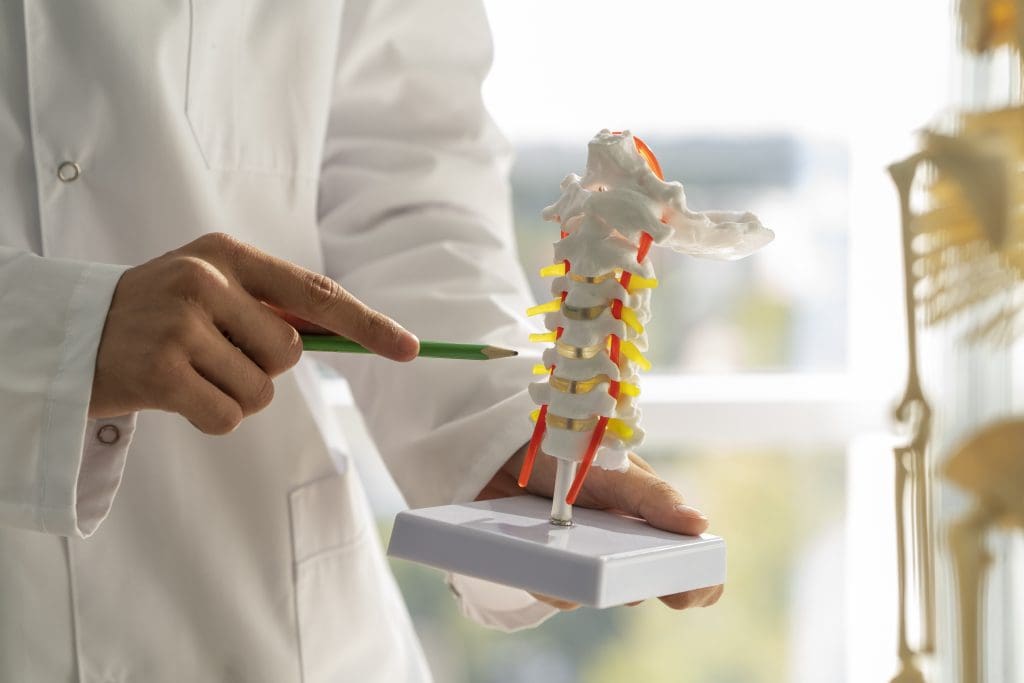
The lumbar spine has five vertebrae, from L1 to L5. The L4-L5 segment is key because it carries a lot of weight. The spinal canal, which holds the spinal cord and nerves, is formed by these vertebrae and discs.
Narrowing of this canal can lead to spinal stenosis. This condition causes pain, numbness, and weakness in the lower back and legs.
Causes of Stenosis at L4-L5
Several factors cause spinal stenosis at L4-L5. Degenerative changes from aging are a main reason. As we age, discs can bulge and facet joints can grow, narrowing the spinal canal.
Other causes include herniated discs, spondylolisthesis, and ligamentum flavum hypertrophy. Trauma and genetics also play a part.
“The degenerative process is the most common cause of lumbar spinal stenosis, with the L4-L5 level being one of the most frequently affected segments.”
Types of Spinal Stenosis at L4-L5
Spinal stenosis at L4-L5 can be different types. Central stenosis affects the central spinal canal. Lateral stenosis impacts the areas where nerves exit the spine.
Foraminal stenosis is a type of lateral stenosis in the foramina. Knowing the type of stenosis helps choose the right treatment.
Symptoms and Diagnosis of L4-L5 Spinal Stenosis
L4-L5 spinal stenosis symptoms can be very hard to deal with. Getting a diagnosis and treatment quickly is key. These symptoms can really affect how well you live your life.
Common Symptoms
People with L4-L5 spinal stenosis often feel pain, numbness, and weakness in their lower back and legs. This happens because nerves in the spinal canal get compressed. The pain can feel like a dull ache or sharp stabbing and may spread to the legs, known as sciatica.
Some may also feel tingling sensations or muscle weakness. This makes everyday tasks hard to do.
A medical expert says, “Spinal stenosis symptoms can differ a lot between people. But, they often include pain and discomfort in the lower back and legs.”
“The key to effective management is early diagnosis and treatment, which can significantly improve the patient’s quality of life.”
Diagnostic Procedures
Figuring out if you have L4-L5 spinal stenosis involves a few steps. First, a medical history and physical examination are done. Doctors will check muscle strength, reflexes, and how you feel in the affected areas.
Then, imaging studies are used to confirm the diagnosis. These studies include:
- Magnetic Resonance Imaging (MRI): Shows detailed pictures of the spinal canal and nerve roots.
- Computed Tomography (CT) scans: Helps see bony structures and any oddities.
- X-rays: Looks for degenerative changes like bone spurs or disc wear.
In some cases, myelography is used. It involves putting a contrast dye in the spinal canal and then doing a CT scan. This helps see how bad the nerve compression is.
Factors Determining the Best Treatment Approach
Many important factors help decide the best treatment for spinal stenosis at the L4-L5 vertebrae. Doctors look at these factors to create a treatment plan that fits each patient’s needs.
Severity of Stenosis
The level of stenosis is key in picking the right treatment. Mild stenosis might need just simple care, but severe stenosis might need more serious steps. Doctors use MRI or CT scans to check how bad it is.
Patient Age and Health Status
A patient’s age and health are big in deciding treatment. Older or sicker patients might get gentler treatments. Younger, healthier ones might get more aggressive ones.
- Age-related considerations
- Comorbid health conditions
- Physical resilience and recovery ability
Impact on Quality of Life
How much spinal stenosis affects a patient’s life is also important. Treatments aim to ease symptoms, improve movement, and boost quality of life.
Assessing the impact means looking at how well the patient does daily tasks, their pain, and any nerve problems.
Conservative Treatment for Stenosis Spine
Many people find relief from spinal stenosis symptoms through conservative treatment. This method aims to manage pain and boost mobility without surgery.
Physical Therapy Approaches
Physical therapy is key in conservative treatment. It includes exercises to boost flexibility and strengthen the spine’s muscles. It also helps improve posture.
A physical therapist may use massage or spinal mobilization to lessen pain and stiffness.
The benefits of physical therapy include:
- Improved mobility and flexibility
- Strengthened core and back muscles
- Enhanced posture
- Reduced pain through manual therapy
Medications for Pain Management
Medications help manage spinal stenosis pain. For mild to moderate pain, over-the-counter drugs like acetaminophen or ibuprofen work well. For more severe pain, doctors might prescribe stronger drugs.
| Medication Type | Use | Examples |
| Over-the-counter pain relievers | Mild to moderate pain | Acetaminophen, Ibuprofen |
| Prescription pain medications | Moderate to severe pain | Oral steroids, Nerve pain medications |
Lifestyle Modifications
Changing your lifestyle can greatly help with spinal stenosis. Keeping a healthy weight eases spine pressure. Regular, low-impact exercises like walking or swimming also help.
Good posture and proper lifting techniques are important too. They can reduce symptoms.
Key lifestyle changes include:
- Maintaining a healthy weight
- Engaging in regular, low-impact exercise
- Practicing good posture
- Using proper lifting techniques
By using these conservative treatments, many can manage their spinal stenosis symptoms well. This improves their quality of life.
Injection Therapies for Spinal Stenosis
Injection therapies are a new way to manage spinal stenosis symptoms. They involve putting medicine into specific spots around the spine. This helps reduce pain and swelling.
Epidural Steroid Injections
Epidural steroid injections are a common treatment for spinal stenosis. They put steroids into the space around the spinal cord. This helps lessen inflammation and eases nerve pressure.
Benefits: They can greatly reduce pain and swelling for some people.
Procedure: Doctors use X-rays to guide the injection for accuracy.
Nerve Block Procedures
Nerve block procedures inject medicine around compressed nerves. This can help find the source of pain and offer relief.
Diagnostic Value: They help pinpoint which nerves are causing pain.
Therapeutic Value: They can give temporary or sometimes long-lasting pain relief.
Effectiveness and Limitations
How well injection therapies work can vary a lot. Some people get a lot of relief, while others don’t see as much improvement.
| Therapy Type | Success Rate | Duration of Relief |
| Epidural Steroid Injections | 60-80% | Several months to a year |
| Nerve Block Procedures | 50-70% | Varies; can be temporary or long-term |
It’s key for patients to talk to their doctors about the good and bad sides. This helps figure out the best treatment plan.
Minimally Invasive Procedures
Minimally invasive procedures are becoming more popular for treating spinal stenosis. They offer relief without the need for open surgery. These methods aim to reduce pain, restore function, and improve life quality for those with spinal stenosis at L4-L5.
Verticflex Procedure
The Vertiflex procedure is a minimally invasive surgery for lumbar spinal stenosis. It involves placing a special device to stabilize the spine and ease symptoms.
Key Benefits:
- Reduced recovery time
- Minimally invasive, causing less tissue damage
- Effective in relieving spinal stenosis symptoms
MILD Procedure (Minimally Invasive Lumbar Decompression)
The MILD procedure is a treatment for spinal stenosis. It removes a small part of the lamina to decompress the spinal canal. This relieves pressure on the nerves.
Procedure Highlights:
- Done under local anesthesia
- Minimally invasive, lowering complication risk
- Quick recovery, allowing patients to return to normal activities in days
X-STOP Interspinous Process Decompression
The X-STOP device is used in a minimally invasive procedure for spinal stenosis. It distracts the spinous processes. This distraction reduces nerve pressure and improves symptoms.
| Procedure | Description | Benefits |
| Vertiflex | Implantation of a stabilizing device | Reduced recovery time, less tissue damage |
| MILD | Decompression of the spinal canal | Minimally invasive, quick recovery |
| X-STOP | Distraction of spinous processes | Reduces pressure on nerves, improves symptoms |
These minimally invasive procedures offer various options for treating spinal stenosis at L4-L5. Each has its own benefits and considerations. It’s important to talk to a healthcare professional to find the best treatment plan.
Surgical Options for L4-L5 Stenosis
For those with severe L4-L5 spinal stenosis, surgery can offer relief when other treatments don’t work. Surgery is considered when other treatments fail and the condition greatly affects a person’s life.
Laminectomy
A laminectomy removes part or all of the lamina, a vertebra part, to ease pressure on the spinal cord or nerves. It’s often used to treat spinal stenosis. This can help reduce pain, numbness, and weakness in the legs.
Spinal Fusion
Spinal fusion joins two or more vertebrae together using bone grafts, rods, or screws. It stabilizes the spine and can lessen pain from spinal stenosis. It’s usually for more severe cases or when the spine is unstable.
Foraminotomy
A foraminotomy widens the foramina, the nerve exit points, to ease nerve pressure. It’s less invasive than laminectomy or spinal fusion. It’s effective for nerve compression due to L4-L5 stenosis.
Each surgical option has its own benefits and risks. The right procedure depends on the stenosis severity, the patient’s health, and their symptoms. It’s key for patients to talk to a spine specialist to find the best surgery for them.
Alternative and Complementary Treatments
There are more ways to treat spinal stenosis at L4-L5 than just traditional methods. Some people find relief in alternative and complementary therapies. These can be used along with standard treatments.
Chiropractic Care
Chiropractic care is a well-known alternative. It focuses on the spine and musculoskeletal system. Chiropractors use techniques to improve mobility and reduce pain.
Studies show chiropractic care can help with spinal stenosis. It can ease pain and improve function. But, always talk to a doctor before trying it.
Acupuncture
Acupuncture uses thin needles to stimulate healing and pain relief. It’s based on traditional Chinese medicine. It’s used for many conditions, including spinal stenosis.
Massage Therapy
Massage therapy manipulates soft tissues for relaxation and pain relief. It can help with spinal stenosis by reducing muscle tension and improving flexibility.
Massage isn’t a cure for spinal stenosis. But, it can help manage symptoms. Regular massages may reduce pain and improve mobility.
In summary, treatments like chiropractic care, acupuncture, and massage offer more options for spinal stenosis at L4-L5. They can be used with traditional treatments for a more complete approach.
Emerging Treatments for Spinal Stenosis
New treatments are being explored for spinal stenosis. The medical field is always looking for better ways to help patients. This includes finding new ways to ease symptoms and improve life quality.
Stem Cell Therapy
Stem cell therapy is a promising area for spinal stenosis treatment. It uses stem cells to fix or replace damaged spine tissues. Stem cells can turn into different cell types, which might help fix the spine and reduce swelling.
The benefits of stem cell therapy for spinal stenosis could be:
- Less inflammation and pain
- Fixing damaged spinal tissues
- Avoiding surgery
Even though stem cell therapy looks promising, more research is needed. We need to know more about its safety and how well it works for spinal stenosis.
Ultrasonic Surgery
Ultrasonic surgery, or focused ultrasound, is another new treatment for spinal stenosis. It uses high-frequency sound waves to target specific areas of the spine. This might help relieve nerve pressure and reduce pain.
The benefits of ultrasonic surgery include:
- It’s non-invasive with no cuts
- It has fewer risks than traditional surgery
- It might lead to faster recovery times
Ultrasonic surgery for spinal stenosis is also being studied. We need more research to see how well it works and when it’s best to use it.
In summary, new treatments like stem cell therapy and ultrasonic surgery are being explored for spinal stenosis. These options are promising, but patients should talk to doctors to find the best treatment for their case.
Comparing Treatment Effectiveness for L4-L5 Stenosis
Treating L4-L5 spinal stenosis can have different results. It’s important to know how well each treatment works. This helps patients make the best choice for their health.
Success Rates of Different Approaches
The success of treatments for L4-L5 stenosis depends on several things. These include how bad the condition is, the patient’s health, and the treatment used. Conservative treatments like physical therapy and medicine work well for mild to moderate cases. They have success rates from 60% to 80%.
Injection therapies, like epidural steroid injections, help some patients. They have success rates from 40% to 60%.
Minimally invasive procedures and surgical options are for more serious cases. They have success rates from 70% to 90%. This depends on the method and who it’s for.
Risk-Benefit Analysis
Every treatment has its own risks and benefits. Conservative treatments are safe but might not help much for severe cases. Injection therapies can give temporary relief but have risks like infection or nerve damage. Surgical options have bigger risks like anesthesia problems or infection. But they can really help the right patients.
Doing a risk-benefit analysis is key to finding the best treatment. It looks at the patient’s health, how bad their condition is, and what they want.
Personalized Treatment Selection
Personalized treatment selection is very important for L4-L5 stenosis. It means choosing a treatment that fits the patient’s needs. This includes looking at their age, health, and how the condition affects their life.
Healthcare providers should talk about the good and bad of each treatment. This helps patients make informed choices. A treatment plan that fits the patient can lead to better results and happier patients.
Recovery and Rehabilitation
After treatment, recovery and rehabilitation are key for spinal stenosis at L4-L5. They help patients regain strength and mobility. They also lower the chance of future problems.
Rehabilitation is vital for a quick return to normal life. It includes physical therapy, lifestyle changes, and pain management. Each plan is made for the patient’s specific needs.
Post-Treatment Physical Therapy
Physical therapy is a big part of getting better. It helps patients get stronger, more flexible, and move better. A physical therapist creates a special exercise plan for each patient.
The main goals of physical therapy are:
- Improving flexibility and range of motion
- Strengthening the muscles that support the spine
- Enhancing posture and reducing pain
- Improving balance and coordination
Timeline for Recovery
The time it takes to recover varies. It depends on the treatment and the patient’s health. Most people see big improvements in a few weeks to months.
A typical recovery timeline is:
| Timeframe | Recovery Milestones |
| 1-2 weeks | Initial recovery, reduction in pain and inflammation |
| 2-6 weeks | Gradual improvement in mobility and strength |
| 6-12 weeks | Significant improvement in function and reduction in pain |
It’s important for patients to follow their doctor’s advice. Sticking to their rehabilitation plan helps ensure a smooth recovery.
When to Consult a Spinal Stenosis Specialist
If you’re feeling symptoms of spinal stenosis, it’s key to know when to see a specialist. This condition affects the spine, and getting help early can really help your treatment.
Warning Signs That Require Medical Attention
Certain symptoms mean you should see a doctor right away. These include:
- Severe pain that goes down to the legs
- Weakness or numbness in the legs
- Difficulty walking or standing for long periods
- Loss of bladder or bowel control
These signs mean you need to find a specialist.
Finding the Right Specialist
When searching for a spinal stenosis specialist, think about these points:
- Expertise: Find specialists who know a lot about spinal stenosis.
- Patient Reviews: Look at what other patients say to see if they’re happy.
- Treatment Approach: Make sure the specialist can offer different treatment plans.
| Criteria | Description | Importance Level |
| Expertise in Spinal Stenosis | Experience in diagnosing and treating spinal stenosis | High |
| Patient Reviews and Ratings | Feedback from previous patients | Medium |
| Range of Treatment Options | Availability of conservative, minimally invasive, and surgical treatments | High |
By looking at these points and knowing the warning signs, you can choose the right specialist.
Conclusion
Spinal stenosis at L4-L5 requires a personalized treatment plan tailored to each patient.This plan considers how bad the stenosis is, your age, and your health.
There are many ways to treat spinal stenosis. You might start with physical therapy and medicine. Or, you could try injections, small surgeries, or bigger surgeries.
What treatment you choose depends on how much the condition affects your life. It’s important to think about this when deciding.
Knowing about all the treatments and talking to a spinal stenosis expert helps. This way, you can make the best choice for your care. And you can get the best results.
FAQ
What is spinal stenosis, and how does it affect the spine?
Spinal stenosis is when the spinal canal gets narrower. This can put pressure on the spinal cord and nerves. It can happen due to age, herniated discs, or injuries.
What are the common symptoms of L4-L5 spinal stenosis?
Symptoms include pain, numbness, tingling, or weakness in the lower back, legs, or buttocks. Walking or standing for long periods can also be hard.
How is spinal stenosis diagnosed?
Doctors use a medical history, physical exam, and imaging tests like X-rays, MRI, or CT scans. These tests confirm the condition and its severity.
What are the conservative treatment options for spinal stenosis?
Treatments include physical therapy, pain meds, and lifestyle changes. Chiropractic care, acupuncture, and massage therapy are also options.
What is the Vertiflex procedure, and how does it treat spinal stenosis?
The Vertiflex procedure is a minimally invasive surgery. It involves placing a device between vertebrae to stabilize the spine and reduce nerve pressure.
Are injection therapies effective for treating spinal stenosis?
Injection therapies like epidural steroid injections and nerve blocks can offer temporary pain relief. Their effectiveness varies, and they’re often used with other treatments.
What are the surgical options for treating L4-L5 spinal stenosis?
Surgical options include laminectomy, spinal fusion, and foraminotomy. These procedures aim to relieve nerve pressure by adjusting or removing structures.
Can stem cell therapy help treat spinal stenosis?
Stem cell therapy is a new treatment that injects stem cells into the affected area. It aims to heal and regenerate. More research is needed to confirm its effectiveness.
How long does it take to recover from spinal stenosis treatment?
Recovery time varies. Conservative treatments may take weeks to months. Surgical recovery can take several months.
What are the warning signs that necessitate consulting a spinal stenosis specialist?
Warning signs include severe or worsening pain, numbness, tingling, or weakness in the legs. Difficulty walking or loss of bladder or bowel control are also signs. If you experience these, seek medical attention.
How can I find the right specialist for my spinal stenosis treatment?
Start by asking your primary care physician for a referral. You can also search online for specialists in your area. Look for board-certified orthopedic surgeons or neurosurgeons with spinal stenosis experience.
What is the role of physical therapy in spinal stenosis treatment?
Physical therapy is key in conservative treatment and post-surgical rehab. It improves flexibility, strength, and range of motion. This reduces pain and promotes recovery.
Are there any alternative treatments that can help manage spinal stenosis symptoms?
Yes, treatments like chiropractic care, acupuncture, and massage therapy can help. They can improve quality of life. Always consult a healthcare professional before starting new therapies.