
Cancer treatment is more than just fighting the tumor. It also means taking care of the body’s health during treatment.
Blood transfusions are key for many cancer patients. This is true for those with leukemia treatment or other blood cancers.
Cancers like leukemia, lymphoma, and myeloma often need transfusions. This is because they struggle to make blood cells. The Alliance for Community Transfusion Services says 34% of all U.S. transfusions are for cancer and blood disease patients.
Key Takeaways
- Cancer patients, specially those with blood cancers, often need blood transfusions.
- Leukemia, lymphoma, and myeloma have a high need for transfusions.
- 34% of all U.S. transfusions go to cancer and blood disease patients.
- Blood transfusions help patients survive and improve their quality of life.
- Cancer treatment is about more than just fighting the disease. It’s about managing side effects too.
The Critical Role of Blood in Cancer Treatment
Blood transfusions are key in cancer care. They help with many treatment problems. Cancer and its treatments can harm blood cell making, causing anemia and thrombocytopenia.
Cancer messes with blood cell making in several ways. It can take over the bone marrow, where blood cells are made. Also, treatments like chemo and radiation can hurt the bone marrow. This leads to fewer red and white blood cells and platelets.
How Cancer Affects Blood Components
Cancer and its treatments cause blood problems. For example:
- Anemia: Low red blood cells cause fatigue, weakness, and shortness of breath.
- Thrombocytopenia: Low platelets increase bleeding risk.
- Neutropenia: Low white blood cells make infections more likely.
Why Blood Support Is Essential for Cancer Patients
Blood support is vital for cancer patients for many reasons:
- Blood transfusions help with anemia, improving life quality.
- Platelet transfusions prevent and treat bleeding.
- Blood components help during surgeries and recovery.
Understanding how cancer affects blood and the role of transfusions helps doctors give better care. This improves patient outcomes and life quality.
Blood Cancers: The Highest Need for Transfusions
Blood cancers like leukemia, lymphoma, and multiple myeloma affect the body’s blood cell production. This often means patients need blood transfusions. These cancers harm blood cells or the organs that make them, causing issues like anemia and low platelet counts.
Leukemia and Blood Transfusion Requirements
Leukemia is a cancer that makes too many white blood cells. It can also lower the production of red blood cells and platelets. This leads to anemia and bleeding problems, making transfusions necessary.
The need for transfusions in leukemia patients depends on the disease stage and treatment. Red blood cell transfusions help with anemia. Platelet transfusions prevent bleeding.
Lymphoma Patients and Blood Support
Lymphoma starts in lymph system cells and can affect blood cell production. Not all lymphoma patients need transfusions, but some do, mainly those getting intense chemotherapy.
Blood transfusions are key in lymphoma care. They help keep blood cell counts up, allowing patients to stick to their treatment plans.
Multiple Myeloma and Transfusion Needs
Multiple myeloma is a cancer of plasma cells in the bone marrow. It causes anemia, bone pain, and infections. Blood transfusions are vital for many patients, improving their quality of life.
The need for transfusions in multiple myeloma patients varies. It depends on bone marrow involvement, kidney function, and treatment. Transfusions help manage anemia and other blood issues, playing a big role in treating multiple myeloma.
Solid Tumors Requiring Blood Transfusions
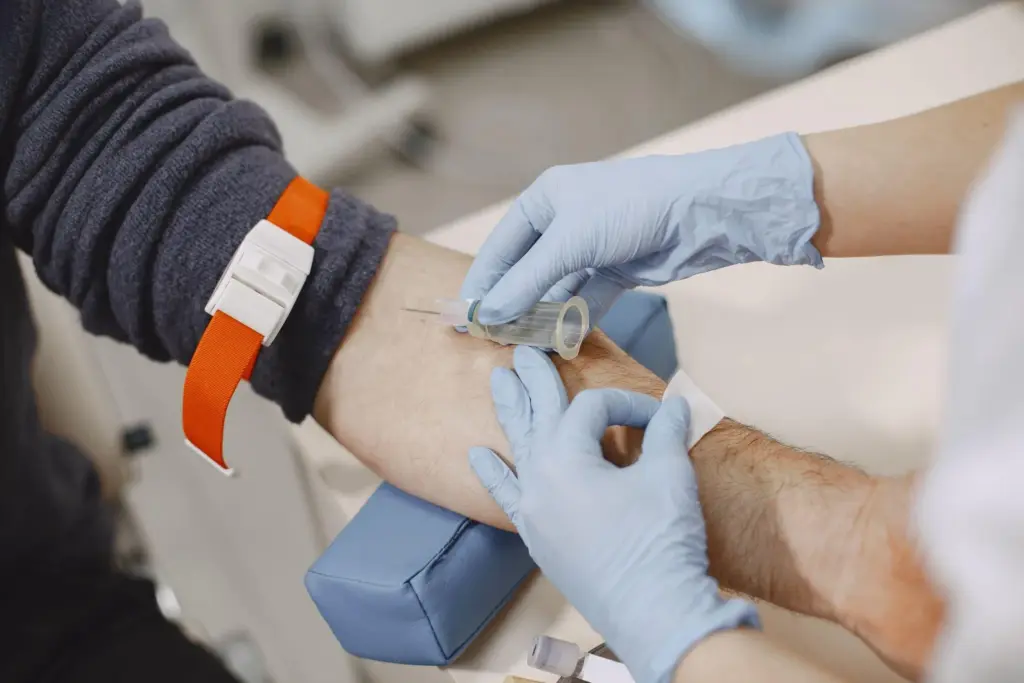
Solid tumors like breast, lung, and prostate cancers often need blood transfusions. This is because of treatment side effects. Blood cancers need transfusions, but so do solid tumors.
Lung Cancer: Transfusion Impact on Outcomes
Lung cancer patients have a complex relationship with blood transfusions and survival. Research shows the amount of blood transfused can affect outcomes. It’s important to understand this to improve lung cancer care.
Gastrointestinal and Colorectal Cancers
Gastrointestinal and colorectal cancers often need big surgeries, leading to blood loss. Blood transfusions help replace lost blood and aid in recovery. This shows how vital blood support is in managing surgery complications.
Prostate and Urological Cancers
Prostate and urological cancers might also need blood transfusions, mainly after surgery. It’s critical to manage blood loss and anemia for the best patient outcomes.
|
Cancer Type |
Common Reasons for Transfusions |
Impact on Patient Outcomes |
|---|---|---|
|
Breast Cancer |
Surgery, chemotherapy-induced anemia |
Improved oxygen delivery, reduced fatigue |
|
Lung Cancer |
Complex surgeries, anemia |
Potential dose-dependent relationship between transfusion volume and survival |
|
Gastrointestinal/Colorectal Cancer |
Significant blood loss during surgery |
Replacement of lost blood, support during recovery |
|
Prostate/Urological Cancers |
Surgical blood loss, anemia |
Improved outcomes through management of blood loss and anemia |
In conclusion, blood transfusions are key in managing solid tumors like breast, lung, gastrointestinal, and prostate cancers. Knowing the specific needs and outcomes helps improve patient care.
Understanding Blood Therapy for Cancer Patients
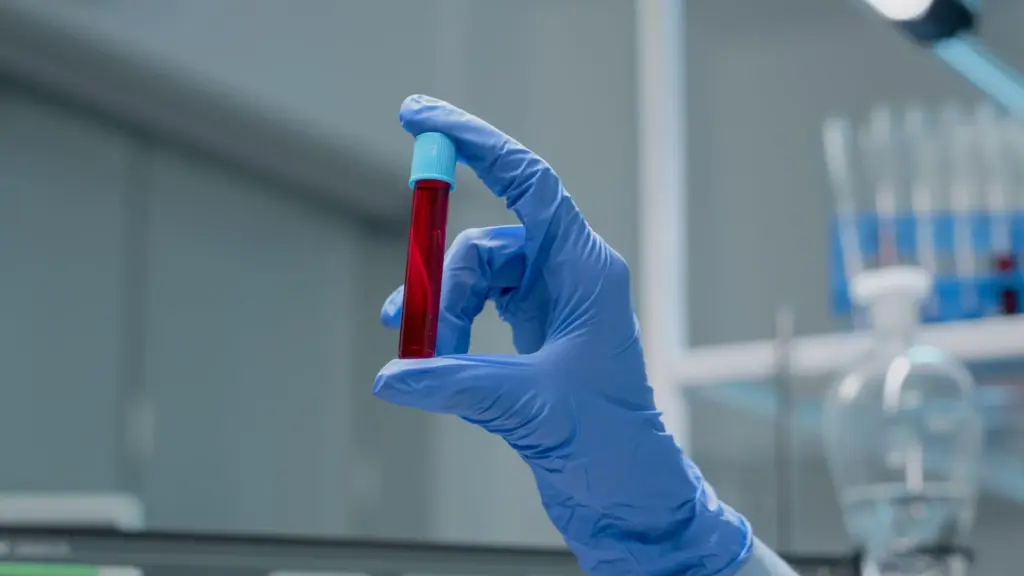
Blood therapy is key in managing cancer treatment side effects and improving patient outcomes. It uses blood components like red blood cells, platelets, and plasma. These help support cancer patients during their treatment.
Types of Blood Components Used in Cancer Care
Cancer patients get different blood components based on their needs. Red blood cells help with anemia caused by cancer or treatment. Platelets are for those at risk of bleeding. Plasma helps control bleeding by replacing clotting factors.
Matching and Compatibility Considerations
Before a blood transfusion, the donor and recipient’s blood types must match. This prevents adverse reactions. ABO blood group compatibility and Rh factor matching are critical. Ensuring compatibility is essential for safe transfusions.
Frequency and Timing of Transfusions
The frequency and timing of blood transfusions vary. Factors include the cancer type, treatment stage, and patient health. Some need regular transfusions for chronic conditions. Others require them during intensive treatments like chemotherapy or surgery.
Understanding blood therapy is vital for cancer patient care. Tailoring transfusions to each patient’s needs improves treatment outcomes and quality of life.
Cancer Treatments That Increase Transfusion Needs
Cancer treatments like chemotherapy and radiation therapy often lead to a higher need for blood transfusions. This is because these treatments can harm the body’s ability to make blood cells. As a result, patients may develop anemia and thrombocytopenia, which require blood transfusions to manage.
Chemotherapy-Induced Anemia and Thrombocytopenia
Chemotherapy is a key part of cancer treatment, targeting fast-growing cancer cells. But it can also harm the bone marrow, causing chemotherapy-induced anemia and thrombocytopenia. Anemia means fewer red blood cells, leading to fatigue and shortness of breath. Thrombocytopenia, with fewer platelets, raises the risk of bleeding.
Both conditions often require blood transfusions to help tissues get enough oxygen and prevent bleeding.
Radiation Therapy Effects on Blood Production
Radiation therapy can also affect blood production. When radiation hits areas with active bone marrow, like the pelvis or spine, it can lower blood cell production. The impact depends on the dose and area treated.
Patients getting radiation therapy may need blood transfusions to manage anemia or thrombocytopenia caused by bone marrow suppression.
Surgical Interventions and Blood Loss
Surgery is a key part of cancer treatment for many. Surgical interventions can cause a lot of blood loss, both during and after surgery. This loss can lead to anemia, requiring blood transfusions to restore red blood cell counts.
The amount of blood lost and the need for transfusions depend on the surgery’s type and complexity.
Stem Cell Transplantation and Blood Support
Stem cell transplantation is used for cancers like leukemia and lymphoma. It involves high-dose chemotherapy and/or radiation therapy followed by stem cell infusion. This process can severely suppress the bone marrow, causing anemia, thrombocytopenia, and neutropenia.
Patients getting stem cell transplants often need a lot of blood support, including red blood cell and platelet transfusions, until their bone marrow recovers.
Clinical Indicators for Blood Transfusions in Cancer Care
Clinical indicators are key in deciding if a cancer patient needs a blood transfusion. These signs help doctors figure out when a transfusion is needed to help the patient or prevent problems.
Hemoglobin and Red Blood Cell Thresholds
Hemoglobin levels are very important in deciding if a cancer patient needs a blood transfusion. Low hemoglobin thresholds mean the patient has anemia. This can cause tiredness, shortness of breath, and other symptoms that make life harder and treatment harder to handle.
The decision to transfuse is based on how bad the anemia is and the patient’s overall health.
Red blood cell count is also important. Patients with low counts may need transfusions to help their bodies get enough oxygen.
Platelet Count Considerations
Platelet count is another key indicator for blood transfusions in cancer patients. Patients getting chemotherapy or treatments that harm bone marrow may have low platelet counts. This raises the risk of bleeding. Transfusions of platelets may be needed to stop or control bleeding.
Symptoms Triggering Transfusion Decisions
Symptoms like fatigue, shortness of breath, and dizziness can also lead to transfusion decisions. These symptoms are often linked to anemia and can really affect a patient’s life quality. Doctors look at how bad these symptoms are and lab values like hemoglobin and platelet counts when deciding on a transfusion.
Bleeding is another symptom that may need a transfusion. Cancer patients with low platelet counts or those having surgeries may bleed. This bleeding needs quick attention and blood product transfusions.
The Transfusion Process for Cancer Patients
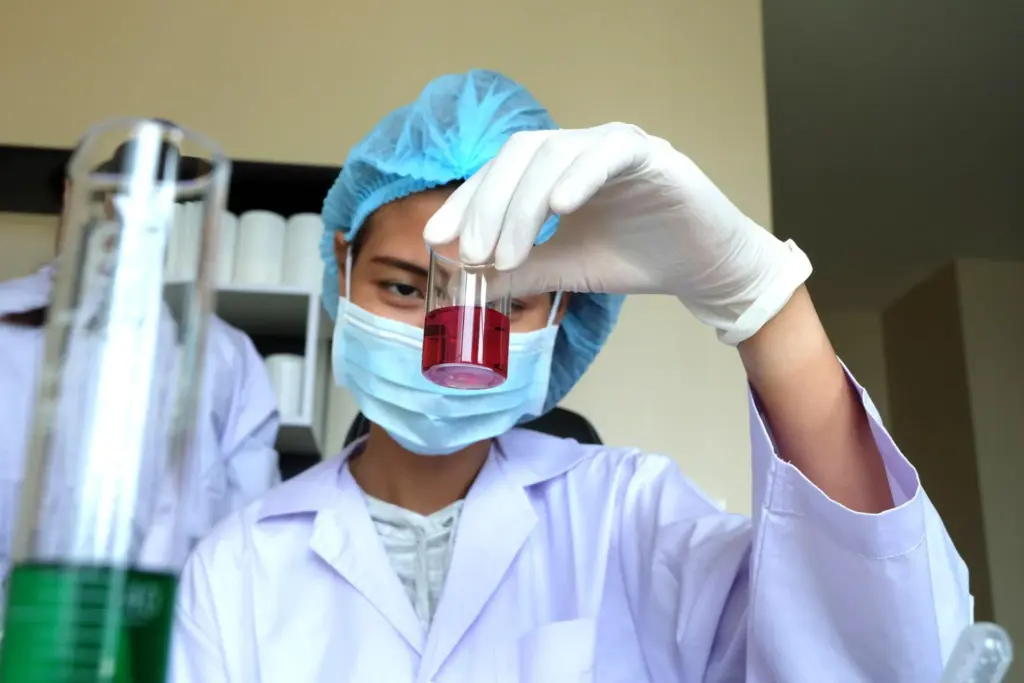
The transfusion process for cancer patients is very important. It has several key steps to make sure treatment is safe and works well. This process aims to get the most benefits from blood transfusions while avoiding risks.
Pre-Transfusion Testing and Preparation
Before a blood transfusion, pre-transfusion testing is done. This checks if the donor blood matches the patient’s blood. It looks at the blood types and does cross-matching tests to avoid bad reactions.
Healthcare providers also check the patient’s health. They look at hemoglobin levels, platelet count, and past transfusion reactions. This helps decide which blood components to use.
What Happens During a Transfusion Session
A transfusion session happens in a safe place like a hospital or clinic. The patient is watched closely for any bad reactions, like fever or shortness of breath.
The blood is given through an IV line. How long the transfusion lasts depends on the blood type and amount.
Post-Transfusion Monitoring and Care
After the transfusion, post-transfusion monitoring is key. Healthcare providers watch for any late reactions and check vital signs.
Patients are told what to expect and how to handle side effects. They might need more blood tests to see how they’re doing after the transfusion.
Potential Risks and Complications of Blood Transfusions
Blood transfusions are key in cancer treatment but come with risks. Cancer patients may face various side effects, from quick reactions to long-term issues.
Immediate Transfusion Reactions
Reactions can happen right during or soon after a transfusion. These can be mild or severe. Symptoms include:
- Allergic reactions: Symptoms may include hives, itching, and fever.
- Febrile non-hemolytic reactions: Characterized by fever and chills.
- Acute hemolytic reactions: A severe reaction where the immune system rapidly destroys the transfused red blood cells.
Doctors watch patients closely during transfusions to spot and handle any bad reactions fast.
Long-Term Considerations for Multiple Transfusions
Those getting many transfusions face long-term risks. These include:
- Iron overload: Getting too much iron from transfusions can harm organs like the heart and liver.
- Immunomodulation: Too many transfusions can weaken the immune system, making it harder to fight infections and possibly leading to cancer coming back.
Managing these risks means keeping a close eye on patients and sometimes giving extra treatments to lower iron levels or boost the immune system.
Minimizing Risks in Cancer Patients
To lower the risks of blood transfusions, doctors use several methods:
- Personalized transfusion plans: Making transfusion plans that fit each patient’s needs.
- Strict monitoring: Watching patients closely during and after transfusions to catch any bad reactions quickly.
- Use of leukoreduced blood products: Reducing risks by removing white blood cells from the blood being transfused.
By knowing the risks and taking steps to lessen them, doctors can make sure blood transfusions are safe and effective for cancer patients.
Special Considerations for Pediatric Cancer Patients
Children with cancer need special blood transfusions. Their age, size, and stage of development make their needs different from adults. This makes their transfusions more complex.
Transfusion Needs in Children with Cancer
Children with cancer often need blood transfusions. This is because chemotherapy and radiation harm their bone marrow. The amount of blood needed varies based on the cancer type, treatment intensity, and the child’s health.
Key factors influencing transfusion needs in children include:
- The type and stage of cancer
- The treatment protocol being used
- The child’s initial blood counts and overall health
|
Type of Cancer |
Common Transfusion Needs |
Frequency of Transfusions |
|---|---|---|
|
Leukemia |
Red blood cells, platelets |
Frequent, often weekly |
|
Lymphoma |
Red blood cells |
Occasional, depending on chemotherapy cycle |
|
Solid Tumors |
Red blood cells, occasionally platelets |
Varies based on surgery and chemotherapy |
Long-Term Effects of Transfusions in Survivors
Children who survive cancer may face long-term issues from transfusions. These include iron overload. It’s important to monitor and manage these effects for their health.
Iron overload can cause organ damage if not managed. Regular check-ups are key to preventing these problems.
Family Donation Considerations
Family members might want to donate blood for their child with cancer. Directed donation is an option. But, it’s important to know the process, compatibility, and risks.
Talking to the healthcare team is vital. They can help decide the best donation option for the child.
Statistics on Blood Transfusions in Cancer Care
Statistics show that blood transfusions are key in cancer care. They are vital for patients at different stages of treatment.
Percentage of Cancer Patients Requiring Transfusions
A lot of cancer patients need blood transfusions. The Alliance for Community Transfusion Services says 34% of U.S. transfusions are for cancer and blood disease patients. This shows how important blood donations are for cancer treatment.
Volume of Blood Products Used in Oncology
Cancer patients need a lot of blood products. They often get many transfusions, including red blood cells, platelets, and plasma. This need stresses the importance of having enough blood.
Regional Variations in Transfusion Practices
Transfusion practices for cancer patients vary by region. These differences come from healthcare policies, patient demographics, and treatment plans in different areas.
Knowing these stats helps healthcare providers and policymakers. It ensures cancer patients get the blood transfusions they need. It also shows the ongoing need for blood donations to support cancer care.
The Critical Importance of Blood Donation for Cancer Care
Blood donation is key for cancer care. Cancer patients often need blood transfusions. This is for treatments like chemotherapy, surgery, or to keep them healthy during treatment.
Supporting Cancer Treatment Through Donated Blood
Donated blood is vital for cancer patients. Blood transfusions boost red blood cells, improve oxygen delivery, and help fight infections. For patients with leukemia or lymphoma, transfusions are extra important. Their treatments can harm the bone marrow’s blood-making ability.
Blood Shortages and Their Impact on Cancer Patients
Blood shortages harm cancer patients. They can delay or cancel transfusions. This leads to more fatigue, infection risks, and trouble tolerating treatments. Keeping blood supplies steady is key to helping patients.
|
Impact of Blood Shortages |
Consequences for Cancer Patients |
|---|---|
|
Delayed Transfusions |
Increased fatigue, higher risk of complications |
|
Canceled Surgeries |
Postponement of critical cancer surgeries |
|
Increased Risk of Infection |
Weakened immune system due to lack of necessary blood components |
Becoming a Donor: The Process and Requirements
Becoming a blood donor is easy. First, you must meet certain criteria like age and health. Then, you get a blood test to check your type and screen for diseases. The donation itself only takes about an hour.
- Check eligibility criteria
- Register as a donor
- Undergo a mini-physical examination
- Donate blood
- Recover and refresh with post-donation care
Donating blood can greatly help cancer patients. It gives them the support they need during tough times.
Advances in Blood Management for Cancer Patients
New breakthroughs in blood management are changing how we care for cancer patients. They help cut down on the need for blood transfusions. These changes are key to better patient care and safer blood transfusions.
Patient Blood Management Strategies
Patient Blood Management (PBM) is a team effort to help patients who might need blood transfusions. It includes:
- Preoperative anemia management
- Minimizing blood loss during surgery
- Optimizing the patient’s own blood through various medical interventions
A study in the Journal of Clinical Oncology showed PBM programs cut blood transfusions in cancer patients.
|
PBM Strategy |
Description |
Benefit |
|---|---|---|
|
Preoperative Anemia Management |
Treatment of anemia before surgery |
Reduces need for transfusions |
|
Minimizing Blood Loss |
Use of surgical techniques and tools to reduce bleeding |
Less blood loss, fewer transfusions |
|
Optimizing Patient’s Blood |
Medical treatment to improve patient’s blood count |
Improved patient outcomes |
Alternatives to Traditional Transfusions
Scientists are looking into new ways to replace traditional blood transfusions. This includes:
- Blood substitutes
- Recombinant clotting factors
- Cell salvage techniques
These new options aim to offer safer and more effective treatments for cancer patients.
Research on Reducing Transfusion Dependency
Research is ongoing to lessen the need for blood transfusions in cancer patients. This includes studies on:
- The use of erythropoietin-stimulating agents to reduce red blood cell transfusions
- Iron supplementation to treat anemia
- Investigational drugs that stimulate blood cell production
A study in the New England Journal of Medicine found erythropoietin-stimulating agents cut red blood cell transfusions in cancer patients.
As research keeps improving, cancer patients will see better and safer blood management. This will greatly enhance their care and outcomes.
Conclusion: The Lifesaving Connection Between Blood Donation and Cancer Care
The link between blood donation and cancer care is truly lifesaving. Donated blood is key in helping cancer patients. It allows them to get through chemotherapy, radiation, and surgery.
Blood transfusions are a must for cancer patients. They help fight anemia and other blood issues. By giving blood, people can greatly help cancer patients, improving their survival and life quality.
The role of blood donation in cancer care is huge. Cancer affects millions globally, making blood donations critical. Knowing how blood donation helps cancer patients, we can all contribute. Together, we can ensure cancer patients get the blood they need to recover.
FAQ
Why do cancer patients need blood transfusions?
Cancer patients might need blood transfusions for several reasons. The disease itself can cause issues. Or, treatments like chemotherapy, radiation, or surgery can lead to problems like anemia or low platelet count.
What types of cancer are most likely to require blood transfusions?
Blood cancers like leukemia, lymphoma, and multiple myeloma often need frequent transfusions. Solid tumors, such as breast, lung, or prostate cancers, might also require transfusions, mainly if treatments are aggressive.
How does chemotherapy affect the need for blood transfusions?
Chemotherapy can lead to anemia and low platelet count. This is because it weakens the bone marrow’s ability to make blood cells. As a result, patients may need transfusions to keep their blood cell counts up.
What are the clinical indicators that guide blood transfusion decisions in cancer care?
Doctors look at several things to decide if a transfusion is needed. They check the patient’s hemoglobin and red blood cell levels. They also consider platelet counts and symptoms like fatigue or shortness of breath.
Are there risks associated with blood transfusions for cancer patients?
Yes, there are risks with blood transfusions, like immediate reactions or long-term issues for those getting many transfusions. To lower these risks, doctors carefully match and test the blood for compatibility.
How does blood donation support cancer treatment?
Donated blood is vital for cancer treatment. It provides the blood components needed for transfusions. This helps manage complications and improves patient outcomes.
Can pediatric cancer patients receive blood transfusions, and are there special considerations?
Yes, kids with cancer can get blood transfusions. There are special considerations for children, like their unique needs and the long-term effects of transfusions. Family members can also donate blood.
What are the advances in blood management for cancer patients?
There are new strategies and research to better manage blood use in cancer care. These include patient blood management, alternatives to traditional transfusions, and ways to reduce dependency on transfusions. The goal is to improve patient care and outcomes.
How common are blood transfusions in cancer care?
Blood transfusions are quite common in cancer care. A significant number of cancer patients need them at some point. The exact percentage depends on the cancer type and treatment.
What is the process of receiving a blood transfusion like for cancer patients?
Getting a blood transfusion involves several steps. First, there’s pre-transfusion testing and preparation. Then, the transfusion itself. Afterward, there’s monitoring and care to ensure safety and effectiveness.
References
- NCBI / PMC. Transfusion support in cancer: indications and challenges. Available at: https://pmc.ncbi.nlm.nih.gov/articles/PMC7573206/
- AME Groups / TLCR. Blood transfusion requirements in thoracic cancers / lung cancer – clinical review. Available at: https://tlcr.amegroups.org/article/view/50387/html
- BioBridge Global. Who needs blood transfusions? Available at: https://biobridgeglobal.org/donors/who-needs-blood-transfusions/
- News-Medical. Why do people need blood transfusions? Available at: https://www.news-medical.net/health/Why-do-people-need-blood-transfusions.aspx
- BBC News. Health news: when and why people require transfusions in disease. Available at: https://www.bbc.com/news/health-60266872
National Center for Biotechnology Information. Evidence-Based Medical Insight. Retrieved from https://pubmed.ncbi.nlm.nih.gov/