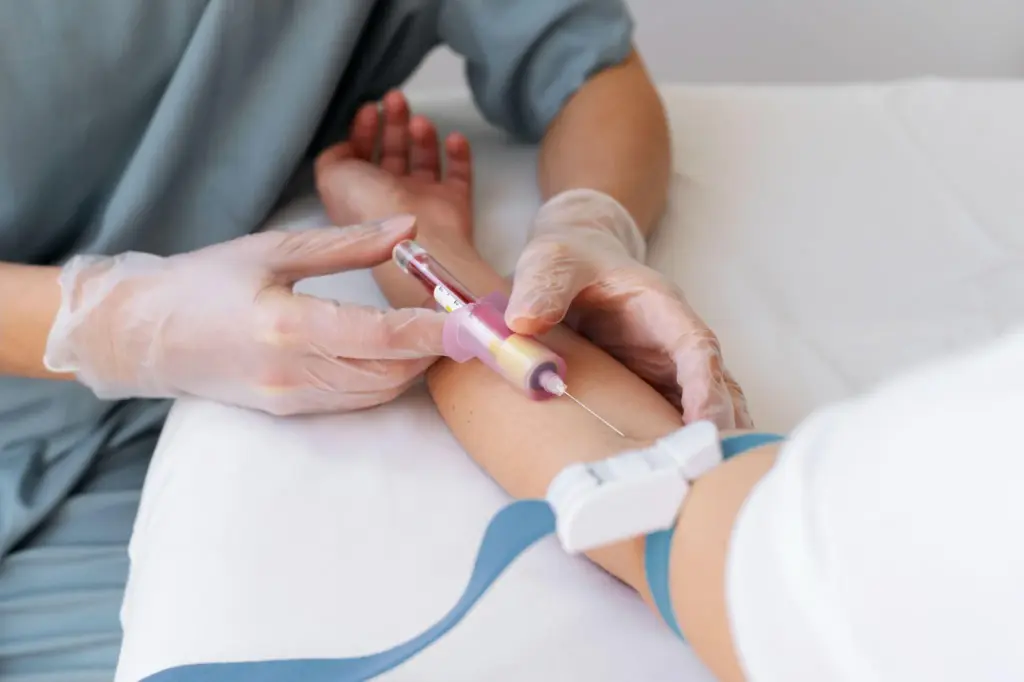
Blood transfusion procedures are life-saving events. Discover the vital guide to successful recovery and healthy outcomes for all patients.
The role of blood transfusions is huge. They save millions of lives every year.
But, the process is complex and risky. It needs strict rules to keep everyone safe. The American Red Cross is asking for donations, mainly from those with types O positive and B negative blood.
Risks are real, but so is the need for safe transfusion practices. Keeping blood transfusions safe and effective is key.
Key Takeaways
- Blood transfusions are critical for saving lives.
- The process involves significant risks and requires strict safety protocols.
- Donations from specific blood types are urgently needed.
- Safe transfusion practices are essential for patient safety.
- The role of organizations like the American Red Cross is vital in managing blood supplies.
The Critical Role of Blood Transfusions in Modern Medicine
Blood transfusions are vital in healthcare, helping patients survive. They are a key part of modern medicine, treating many health issues.
Historical Evolution of Transfusion Therapy
The idea of blood transfusions started in the 17th century. But, it wasn’t until the early 1900s that it became a real medical option. Karl Landsteiner’s discovery of blood groups in 1901 was a big step forward. This made safe transfusions possible.
Thanks to better blood typing, cross-matching, and storage, transfusions are now safer and more effective.
What Exactly Is a Blood Transfusion?
A blood transfusion is a medical process where blood or blood parts are given to a patient. It’s key for treating serious injuries, surgeries, and blood-related diseases.
Definition and Basic Mechanisms
Blood transfusions add blood or parts like red blood cells, plasma, or platelets to a patient’s blood. The main aim is to help with oxygen delivery, clotting, or blood volume. The basic mechanisms ensure the donor’s blood matches the recipient’s to avoid bad reactions.
The American Red Cross gives about 40% of the country’s blood. This shows how important blood donation systems are for transfusions.
Types of Blood Products Used in Transfusions
Blood transfusions use different blood products for various needs:
- Red Blood Cells: Help carry oxygen to tissues and organs.
- Plasma: Treats clotting issues or provides vital proteins.
- Platelets: Stops or treats bleeding from low platelet counts.
- Cryoprecipitate: Fixes fibrinogen and clotting factor disorders.
Knowing about these blood products and their uses is vital for doctors to choose the right transfusion.
Medical Conditions Requiring Blood Transfusions
Blood transfusions are vital for patients facing major surgeries or certain medical issues. They help ensure patients survive and recover well.
Surgical Procedures and Trauma Cases
Surgeries and trauma cases often need blood transfusions. Patients in major surgeries lose blood, which must be replaced. This keeps tissues getting enough oxygen. Trauma victims, like those from accidents, also need transfusions to stay stable.
Blood Transfusion for Anemia
Anemia is another reason for blood transfusions. Severe anemia means very low red blood cells or hemoglobin. This makes it hard for tissues to get oxygen. People with sickle cell disease often get transfusions regularly.
Cancer Treatments and Blood Disorders
Cancer treatments, like chemotherapy, can cause anemia and blood issues. Blood disorders, like leukemia, may also need transfusions. This is because of the disease or its treatment.
|
Medical Condition |
Reason for Blood Transfusion |
|---|---|
|
Surgical Procedures |
To replace lost blood and maintain oxygen delivery |
|
Anemia |
To improve oxygen delivery to body tissues |
|
Cancer Treatments |
To counteract anemia and other blood-related complications |
Blood transfusions are key in healthcare. Knowing when they’re needed helps doctors improve patient care and results.
The Complete Blood Transfusion Process
The blood transfusion process is complex. It includes checking the patient before, the transfusion itself, and watching the patient after. This careful approach makes sure the transfusion is safe and works well.
Pre-Transfusion Assessment and Testing
Before a blood transfusion, a detailed check is done. This makes sure the patient’s blood type matches the donated blood. Strict protocols are followed to avoid bad reactions. This shows how important it is to get the blood types right.
How Long Does a Blood Transfusion Take?
The time a blood transfusion takes varies. It depends on the patient’s health and the blood product given. Usually, it lasts one to four hours. But, getting ready and watching the patient can take longer.
Post-Transfusion Monitoring Protocols
After the transfusion, patients are watched closely for any bad reactions. Their vital signs are checked and they are looked for symptoms like fever or rash. The Red Cross stresses the importance of careful watching to keep patients safe. They also say strict protocols are needed for safe transfusions. Having enough blood donations is key too, so transfusions can happen when needed.
In summary, the blood transfusion process is detailed and strictly followed. It needs careful planning, doing, and watching. By sticking to these steps, doctors can lower risks and help patients get better.
Blood Compatibility: The Science of Safe Transfusions
The science behind safe blood transfusions is based on blood compatibility. This includes typing and cross-matching procedures. It’s key to make sure the blood given is safe for the person getting it.
Understanding Blood Typing Systems
Blood typing is the first step in checking if blood is compatible. The ABO blood group system is the most common. It divides blood into four types: A, B, AB, and O.
The Rh blood type system is also important. It classifies blood as either Rh positive or Rh negative. This combination gives us common blood types like O positive and A negative.
Cross-Matching Procedures and Importance
Cross-matching is a test that checks if donor and recipient blood are compatible. It’s key to avoid bad reactions. The test mixes donor red cells with the recipient’s serum to see if there’s a reaction.
If the cross-match is okay, the transfusion can go ahead safely.
Universal Donors and Recipients: Facts and Limitations
People with Type O negative blood can donate to anyone in an emergency. Those with AB positive blood can receive blood from any ABO type. But, even universal donors and recipients need to be tested for safety.
|
Blood Type |
Can Donate To |
Can Receive From |
|---|---|---|
|
O- |
Any ABO type |
O- |
|
AB+ |
AB+ |
Any ABO type |
|
A+ |
A+, AB+ |
A+, A-, O+, O- |
The Red Cross says all blood types are needed, but O positive and B negative are most important. Having a wide range of blood types is key to helping patients.
“Blood donation is a vital act that can save lives. The diversity in blood types necessitates a broad base of donors to cater to various patient needs.”
— American Red Cross
Blood Transfusion Side Effects and Risks
Blood transfusions save lives but can have side effects. These can be mild or serious. It’s important for patients and doctors to know about these risks.
Common Mild Reactions
Mild side effects of blood transfusions include fever, chills, and rash. These are usually not dangerous and can be treated with medicine or by slowing the transfusion.
Some people might have an allergic reaction. This can show up as hives or itching. Doctors often use antihistamines to treat this.
Serious Complications
Though rare, serious problems can happen. One big risk is transfusion-associated circulatory overload (TACO). It happens when the transfusion puts too much pressure on the heart, causing breathing problems. TACO is a leading cause of death from blood transfusions.
Another serious issue is transfusion-related acute lung injury (TRALI). It’s a severe condition that can cause lung problems.
Long-Term Considerations
Long-term risks include iron overload from frequent transfusions. This can harm organs if not managed well.
There’s also a chance of transfusion-transmitted infections. But this risk is low in places with strict blood screening.
It’s key to understand the risks and benefits of blood transfusions. Doctors must think carefully about whether a transfusion is needed, considering the possible side effects.
Understanding Blood Transfusion Reactions

It’s key to know about blood transfusion reactions to keep patients safe. These reactions happen when the body doesn’t take well to blood transfusions. They can be mild or very serious, depending on how fast they happen and how bad they are.
Acute Transfusion Reactions
Acute reactions show up within 24 hours of getting blood. Symptoms might include fever, chills, and in extreme cases, shock or death. It’s very important to spot and handle these quickly to avoid serious problems.
Delayed Transfusion Reactions
Delayed reactions appear more than 24 hours after the transfusion. They can be either hemolytic or non-hemolytic. Delayed hemolytic reactions are very serious because they can cause a lot of anemia.
Management and Prevention Strategies
Managing these reactions means figuring out what type it is and taking the right steps. To prevent them, it’s important to do thorough blood typing and cross-matching.
|
Reaction Type |
Timing |
Common Symptoms |
Management |
|---|---|---|---|
|
Acute |
Within 24 hours |
Fever, chills, shock |
Stop transfusion, supportive care |
|
Delayed |
After 24 hours |
Anemia, jaundice |
Monitor hemoglobin, supportive care |
In the UK, there’s been a 47.2% rise in delayed transfusions. This shows we need to be more careful and improve how we give blood. Knowing how to handle blood transfusion reactions is vital for keeping patients safe and getting good results.
Alarming 2024 Transfusion Safety Statistics
The latest numbers on blood transfusion safety show a worrying rise in bad outcomes. Recent data shows we need better safety in transfusions.
UK Sees Significant Increase in Transfusion-Related Mortality
In the UK, a 55% increase in transfusion-related deaths has been seen. This highlights the urgent need for better safety steps and careful watching.
Rise in Delayed Transfusions
There’s also been a 47.2% rise in delayed transfusions. This can harm patients more. Delayed transfusions make hospital stays longer and raise the risk of more problems.
Avoidable Transfusions on the Rise
The data shows a 33.9% increase in avoidable transfusions. This means we can do better in transfusions. We might improve by following guidelines better and using blood products more wisely.
The following table summarizes the key statistics on transfusion safety for 2024:
|
Category |
Percentage Increase |
|---|---|
|
Transfusion-Related Mortality |
55% |
|
Delayed Transfusions |
47.2% |
|
Avoidable Transfusions |
33.9% |
These numbers show we need to look at transfusion practices again. We must put in place stricter safety rules to lower these risks.
The Problem of Unnecessary Blood Transfusions
Blood transfusions save lives but come with risks. Unnecessary transfusions can lead to serious problems. The American Red Cross stresses the importance of using blood wisely.
Defining Appropriate vs. Inappropriate Transfusions
Appropriate transfusions are backed by solid evidence and are needed. In contrast, unnecessary transfusions lack this evidence. Evidence-based guidelines help tell the difference.
Consequences of Overuse
The effects of too many blood transfusions are dire. These include:
- Severe reactions to blood products
- Less blood for those who really need it
- Higher healthcare costs for unnecessary procedures
Evidence-Based Transfusion Triggers
Using evidence-based transfusion triggers is key. These triggers come from the latest research and guidelines. They help doctors make better choices.
By being more careful with blood transfusions, doctors can reduce risks. They also save blood and improve patient care.
Global Oversight of Blood Transfusion Safety
Blood transfusion safety is a big deal worldwide. There are big differences in how countries oversee it. The World Health Organization (WHO) is key in setting global standards for blood transfusion safety.
World Health Organization Findings and Guidelines
The WHO has made detailed guidelines to improve blood transfusion safety globally. These guidelines stress the need for proper blood screening, testing, and transfusion practices.
Key Recommendations by WHO:
- Implementation of quality management systems in blood transfusion services
- Ensuring availability of safe blood through voluntary donations
- Enhancing hemovigilance systems for monitoring adverse events
Adverse Event Reporting: The 55% Problem
A big challenge in blood transfusion safety is not reporting adverse events. About 55% of adverse events related to blood transfusions are not reported.
Factors contributing to underreporting include:
- Lack of standardized reporting systems
- Insufficient training of healthcare personnel
- Lack of awareness about the importance of reporting adverse events
Disparities Between High and Low-Income Countries
There are big differences in blood transfusion safety oversight between rich and poor countries. Rich countries usually have better systems for ensuring blood transfusion safety.
|
Country Income Level |
Blood Screening Rate |
Adverse Event Reporting Rate |
|---|---|---|
|
High Income |
99% |
60% |
|
Low Income |
80% |
20% |
The table shows the differences in blood screening rates and adverse event reporting rates between rich and poor countries. It highlights the need for better global oversight and support.
Alternatives to Standard Blood Transfusions

Doctors are looking for safer ways to give blood. New methods are being used to cut down on traditional blood transfusions. This makes patients safer and helps them recover better.
Autologous Blood Transfusion Techniques
Autologous blood transfusion uses a patient’s own blood. It’s collected and stored before surgery. This way, there’s no risk of blood reactions or diseases.
Preoperative autologous blood donation (PABD) is a common method. Patients donate their blood before surgery.
Blood Conservation Strategies
Blood conservation aims to reduce blood loss during surgery. It uses meticulous surgical techniques, tourniquets, and pharmacological agents to stop bleeding. These methods lower the need for blood transfusions and reduce risks.
Emerging Technologies and Future Directions
New technologies like artificial blood substitutes and cell salvage technology are being developed. Artificial blood substitutes can carry oxygen and are being tested. Cell salvage technology collects and reinfuses a patient’s own blood lost during surgery.
|
Technique |
Description |
Benefits |
|---|---|---|
|
Autologous Transfusion |
Using a patient’s own blood |
Reduces transfusion reactions and disease transmission |
|
Blood Conservation |
Minimizing blood loss during surgery |
Decreases need for transfusions and related complications |
|
Artificial Blood Substitutes |
Synthetic alternatives to blood |
Potential to replace traditional transfusions in some cases |
From Donor to Patient: The Blood Supply Chain

Keeping the blood supply safe and reliable is key for today’s healthcare. The blood supply chain has many steps: donation, processing, storage, and distribution.
Blood Donation Process and Screening
The first step is blood donation. Donors are checked for diseases and their blood is typed. This ensures it matches with those who need it. The American Red Cross gives about 40% of the nation’s blood, showing how important groups are in keeping the supply up.
Blood Banking, Processing, and Storage
After donation, blood is split into parts like red blood cells, plasma, and platelets. These parts are stored in special conditions to keep them good. Good blood banking helps manage stock and make sure blood is ready when it’s needed.
Distribution Challenges and Solutions
Getting blood products to where they’re needed is hard. It involves keeping them cold and handling changes in demand. To solve these problems, advanced systems for managing stock and better ways to move things around are used.
|
Stage |
Description |
Key Challenges |
|---|---|---|
|
Blood Donation |
Donors are screened, and blood is collected |
Maintaining donor pool, screening for diseases |
|
Blood Processing |
Blood is processed into various components |
Ensuring component quality, managing inventory |
|
Distribution |
Blood products are delivered to hospitals |
Maintaining cold chain, managing demand |
COVID-19 Vaccination and Blood Transfusion Safety
Studies have looked into how COVID-19 vaccination affects blood transfusion safety. As we deal with the pandemic, knowing this is key for patient safety and public health.
Scientific Studies on Vaccinated Blood Donors
Research shows blood from vaccinated donors is safe for transfusions.
The study’s results were important. They showed:
- No significant difference in thrombosis risk
- No increase in mortality rates among recipients
- Blood transfusions from vaccinated donors are safe for patients
Debunking Misinformation
Despite the facts, false information about blood transfusions from vaccinated donors exists. It’s vital to trust credible sources and scientific evidence when looking at these risks.
“The consensus among medical professionals is that blood transfusions from COVID-19 vaccinated donors are safe. The evidence supports the continued acceptance of blood donations from vaccinated individuals.”
Current Guidelines and Recommendations
Health organizations’ guidelines say blood transfusions from vaccinated donors are safe. The World Health Organization and others say COVID-19 vaccination doesn’t change blood transfusion safety.
|
Organization |
Guideline |
|---|---|
|
World Health Organization |
COVID-19 vaccination does not impact blood transfusion safety |
|
America’s Blood Centers |
Research confirms safety of blood from vaccinated donors |
In conclusion, the scientific community agrees blood transfusions from vaccinated donors are safe. As we keep studying COVID-19 vaccination’s effects, the evidence keeps showing the blood supply is safe.
Improving Transfusion Medicine: Addressing Current Challenges
To move transfusion medicine forward, we must tackle the current hurdles. The UK’s rise in transfusion-related deaths shows we need better methods.
Staffing and Training Requirements
Having enough staff and training them well is key to safe blood transfusions. It’s vital that healthcare workers know the latest in transfusion methods and rules.
- Regular training sessions on transfusion medicine
- Competency assessments for transfusion-related tasks
- Continuous education on new technologies and protocols
Error Reduction Protocols
Creating strong error reduction plans is vital to lower blood transfusion risks.
Some important steps include:
- Double-checking patient and blood product identifiers
- Utilizing barcode scanning technology
- Enhancing communication among healthcare teams
Balancing Clinical Need with Risk Management
Healthcare providers must find a balance between the need for blood transfusions and the risks.
This means:
- Careful patient selection and assessment
- Following evidence-based transfusion guidelines
- Monitoring and reporting adverse events
Conclusion: Why Blood Transfusions Remain a Big Deal
Even with progress in transfusion medicine, there are ongoing challenges. Ensuring transfusion safety and better patient outcomes are top priorities. Risks like transfusion reactions and infectious disease transmission show the need for strict safety measures.
To improve blood transfusions, we need a team effort. This includes better donor screening, managing blood components, and following evidence-based guidelines. By focusing on transfusion safety and best practices, we can reduce risks and enhance benefits for patients.
In summary, blood transfusions are critical because of their life-saving role and the complexities involved. Efforts to enhance patient outcomes through safe and effective transfusions are essential for transfusion medicine’s success.
FAQ
What is a blood transfusion?
A blood transfusion is when donated blood is given to a patient. It replaces lost or damaged blood in their body.
Why are blood transfusions necessary?
Blood transfusions are needed for many medical reasons. These include surgeries, trauma, anemia, cancer treatments, and blood disorders.
How long does a blood transfusion take?
The time for a blood transfusion varies. It depends on the blood type and amount. It usually takes from 30 minutes to several hours.
What are the risks associated with blood transfusions?
Blood transfusions can have risks. These include mild reactions and serious complications. There are also long-term risks like iron overload and changes in the immune system.
How is blood compatibility ensured?
Blood compatibility is checked through blood typing and cross-matching. Donated blood is also screened carefully to prevent bad reactions.
What is the difference between autologous and allogenic blood transfusions?
Autologous blood transfusions use a patient’s own blood. Allogenic blood transfusions use blood from another person.
Are blood transfusions from vaccinated donors safe?
Yes, blood from vaccinated donors is safe. Studies have shown that COVID-19 vaccines do not harm donated blood.
What are the consequences of unnecessary blood transfusions?
Unnecessary blood transfusions can cause harm. They can lead to bad reactions, higher healthcare costs, and wasted resources. It’s important to only transfuse blood when needed.
How is blood transfusion safety monitored globally?
Global safety of blood transfusions is overseen by groups like the World Health Organization. They provide guidelines and track any bad events.
What are the emerging technologies in blood transfusion?
New technologies in blood transfusion are being developed. These include ways to use a patient’s own blood and new blood substitutes.
What is the blood supply chain, and what are its challenges?
The blood supply chain includes collecting, processing, storing, and distributing blood. It faces challenges like keeping a steady blood supply, ensuring safety, and managing logistics.
References
World Health Organization. Evidence-Based Medical Insight. Retrieved from https://www.who.int/news-room/fact-sheets/detail/blood-safety-and-availability[4