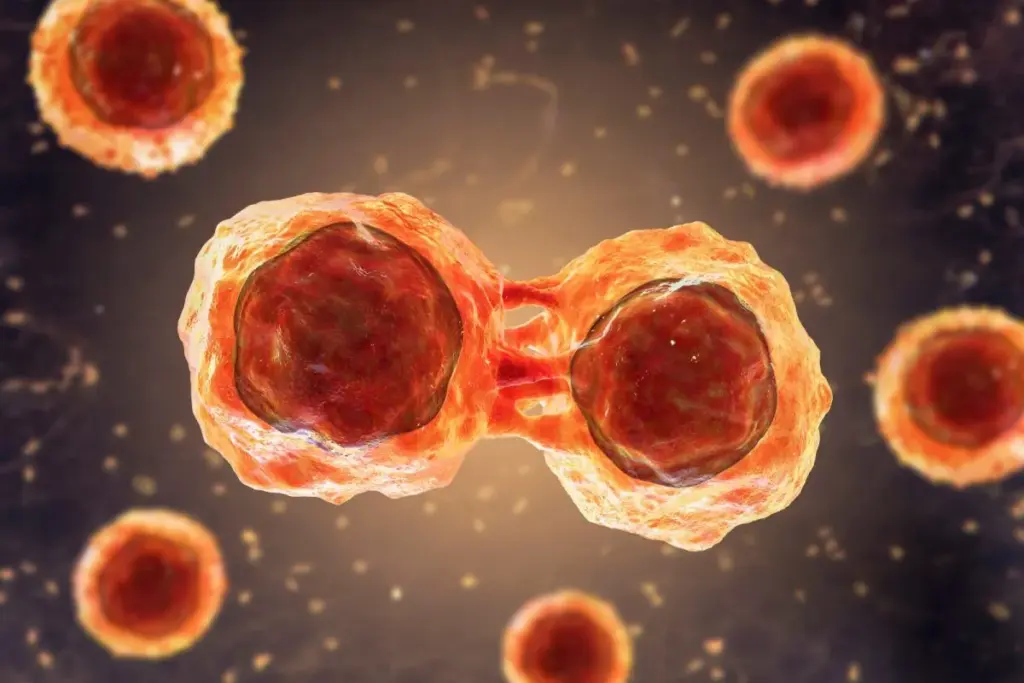
Hematopoietic cell transplantation (HCT) is a life-saving medical procedure. It has revolutionized the treatment of severe blood diseases. This method replaces damaged or sick bone marrow with healthy stem cells. These cells can come from the patient or a donor.
In 2024, over 23,000 HCTs were done in the United States. This illustrates its importance of it in today’s medicine. At LIV Hospital, we help international patients get the best care for HCT. Bm transplantation is the elite guide to cell therapy. Learn how hematopoietic transplants save lives and restore health to patients.
Key Takeaways
- Hematopoietic cell transplantation is a life-saving procedure for treating severe hematologic diseases.
- HCT involves replacing damaged bone marrow with healthy hematopoietic stem cells.
- Over 23,000 HCTs were performed in the US in 2024.
- LIV Hospital provides extensive support for international patients undergoing HCT.
- Advanced treatments and care are available for patients with hematologic diseases.
The Fundamentals of Hematopoietic Cell Transplantation
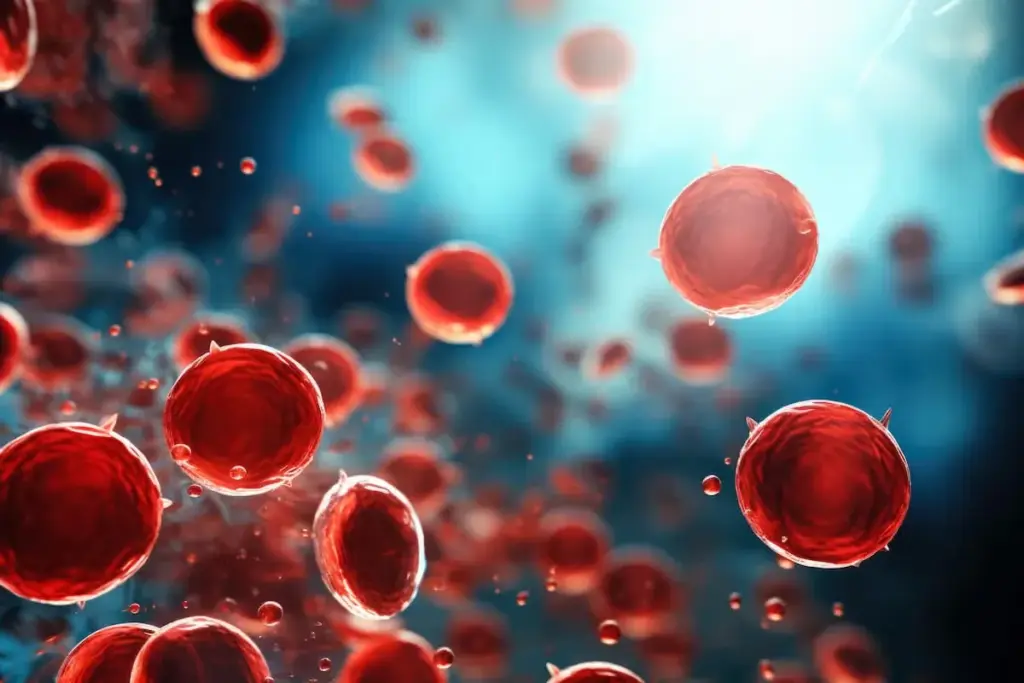
Understanding hematopoietic cell transplantation is key to seeing its importance in medicine. It’s a major treatment for many blood diseases, giving hope to people everywhere.
Looking into HCT, we see how it has grown and why it matters today. New discoveries in stem cell science and better matching methods have made HCT more popular. North America is leading in this area,.
Definition and Medical Significance
Hematopoietic cell transplantation means moving healthy stem cells from a donor to a patient. It’s also called bone marrow transplantation. The main goal is to give the patient healthy bone marrow to make blood cells again.
HCT is important because it can treat many blood cancers and diseases. It can cure some or greatly improve life for those with leukemia, lymphoma, and genetic issues. By replacing the bone marrow, HCT can fix these problems.
Historical Development of HCT
The idea of hematopoietic cell transplantation has been around for decades. The first successful transplant was in 1968. The field has grown a lot, with better matching, treatments, and care after the transplant.
The history of HCT is filled with important moments. Finding the human leukocyte antigen (HLA) system was a big step for matching donors and recipients. As research keeps going, we’ll see even better HCT methods and results.
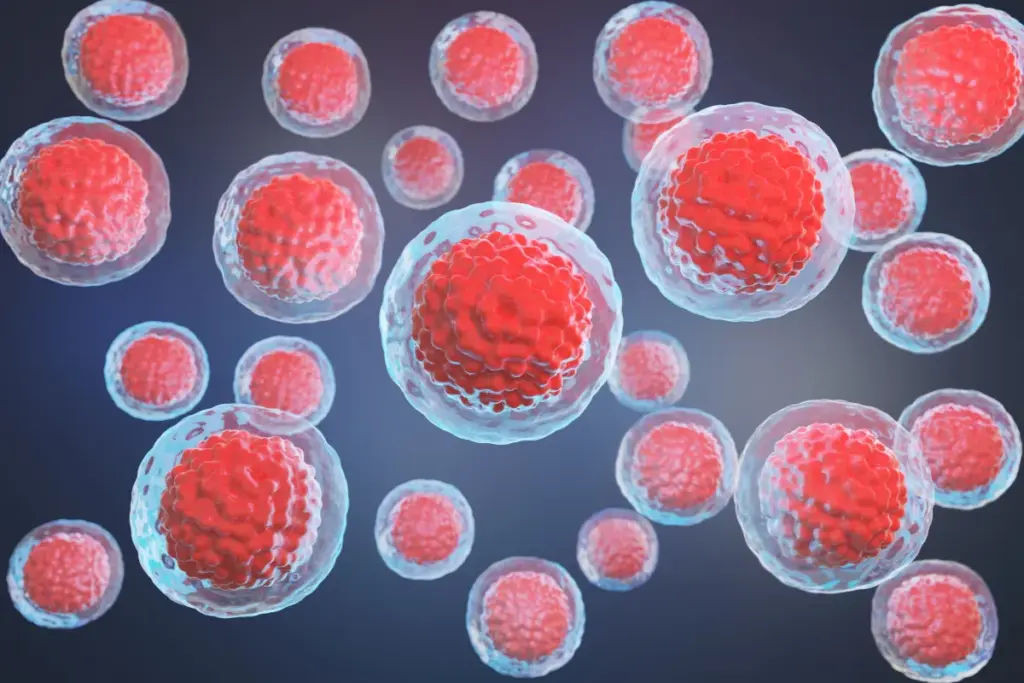
The science of BM transplantation is based on hematopoietic stem cells. These cells are key in making blood. They can turn into all types of blood cells, like red and white blood cells, and platelets.
Hematopoietic Stem Cells: The Building Blocks
Hematopoietic stem cells are the base of BM transplantation. They can grow and change into different blood cells. This process, called hematopoiesis, is complex and needs many factors to work right.
Hematopoietic Stem Cell Characteristics
|
Characteristic |
Description |
|---|---|
|
Self-Renewal |
Ability to replicate themselves |
|
Differentiation |
Ability to develop into various blood cell types |
|
Proliferation |
Ability to increase in number |
Bone Marrow’s Role in Blood Production
Bone marrow is inside some bones, like hips and thighbones. It makes blood cells. It’s full of blood vessels and hematopoietic stem cells. The bone marrow’s environment helps these stem cells grow and work well.
Bone marrow does more than just make blood cells. It also supports hematopoietic stem cells. Knowing how bone marrow works is key to understanding BM transplantation.
Types of Hematopoietic Stem Cell Transplants
<image3>
Hematopoietic stem cell transplantation includes autologous, allogeneic, and syngeneic transplants. The choice depends on the patient’s health, donor availability, and treatment needs.
Autologous Transplantation
Autologous transplantation uses the patient’s own stem cells. It’s often for cancers like multiple myeloma or lymphoma. The process harvests, stores, and then reinfuses the patient’s stem cells after a treatment.
The main advantage is less risk of graft-versus-host disease (GVHD) because it’s the patient’s own cells.
Allogeneic Transplantation
Allogeneic transplantation uses stem cells from a donor. This donor can be a relative or someone unrelated. Success depends on donor and recipient matching through HLA typing.
Allogeneic transplantation can fight cancer but also risks GVHD. We weigh the benefits and risks for each patient.
Syngeneic Transplantation
Syngeneic transplantation uses stem cells from an identical twin. It’s considered when a patient has an identical twin donor. This type has the advantage of genetic matching, reducing GVHD and other complications.
In conclusion, the transplant type chosen depends on the patient’s condition and donor availability. Knowing the differences between autologous, allogeneic, and syngeneic transplantation helps choose the best treatment.
Medical Conditions Treated with HSCT
<image4>
Hematopoietic Stem Cell Transplantation (HSCT) is a key treatment for serious diseases. It replaces damaged stem cells with healthy ones. This can cure many diseases.
Blood Cancers
Blood cancers like leukemia and lymphoma are treated with HSCT. These cancers harm the blood and bone marrow. HSCT helps fix this by replacing the damaged marrow.
Bone Marrow Failure Syndromes
Bone marrow failure, such as aplastic anemia, is treated with HSCT. It happens when the marrow can’t make blood cells. HSCT gives the patient healthy stem cells to replace the failing marrow.
Inherited Blood Disorders
Inherited blood disorders, like sickle cell disease, affect blood cell production. HSCT introduces healthy stem cells into the bone marrow. This can correct these disorders.
Immune Deficiency Disorders
Immune deficiency disorders, such as SCID, weaken the immune system. HSCT gives these patients healthy immune cells. This helps restore their immune function.
|
Medical Condition |
Description |
Role of HSCT |
|---|---|---|
|
Blood Cancers |
Cancers affecting blood, bone marrow, and lymphatic system |
Restore bone marrow function |
|
Bone Marrow Failure Syndromes |
Conditions where bone marrow fails to produce blood cells |
Replace failing bone marrow with healthy stem cells |
|
Inherited Blood Disorders |
Genetic conditions affecting blood cell production or function |
Correct disorders by introducing healthy stem cells |
|
Immune Deficiency Disorders |
Conditions resulting in weakened or absent immune system |
Restore immune function with healthy immune cells |
Knowing about HSCT’s uses helps patients and doctors make better choices. It’s a potentially life-saving treatment for many conditions.
The Bone Marrow Transplant Procedure: Step by Step
The bone marrow transplant process is detailed and planned carefully. It aims to give patients the best chance of success.
Pre-Transplant Evaluation and Testing
Before the transplant, patients get a full check-up. This helps doctors see if they’re ready for the treatment. Tests like blood work and imaging studies are used to check for risks.
Key tests include:
- Blood typing and cross-matching
- Infectious disease screening
- Organ function tests (liver, kidney, heart)
- Pulmonary function tests
Conditioning Regimens
Before the transplant, patients get treatments to prepare their bodies. These treatments, like chemotherapy and radiation, do several things:
- They weaken the immune system to prevent rejection
- They kill cancer cells, if there are any
- They make room in the bone marrow for new cells
The treatment plan depends on the patient’s health and the transplant type.
The Transplantation Process
The transplant itself is when the donor’s or patient’s stem cells are given through an IV. These cells then go to the bone marrow to make new blood cells.
|
Step |
Description |
Timeline |
|---|---|---|
|
Pre-transplant evaluation |
Comprehensive assessment of patient’s health |
Several weeks before transplant |
|
Conditioning regimen |
Chemotherapy and/or radiation therapy |
1-2 weeks before transplant |
|
Stem cell infusion |
Infusion of hematopoietic stem cells |
Day 0 |
|
Engraftment |
Stem cells start producing new blood cells |
2-4 weeks after transplant |
During this time, patients are watched closely for any problems. They also get support as needed.
Donor Selection and Matching Process
<image5>
Finding the right donor is key to a successful stem cell transplant. The process is detailed and involves several important steps.
HLA Typing and Compatibility
HLA typing is a big part of finding a donor. It checks if the donor’s genes match the recipient’s. We use the latest HLA typing to find the best donors.
HLA matching is very important. It helps avoid graft-versus-host disease (GVHD), a serious transplant complication.
Sources of Hematopoietic Stem Cells
Stem cells can come from different places. The main sources are:
- Related donors: Family members who are HLA-matched.
- Unrelated donors: People who are HLA-matched but not family.
- Cord blood: Stem cells from umbilical cord blood.
National and International Donor Registries
Donor registries are very important. They have huge databases of donors who have been HLA typed.
|
Registry Type |
Description |
Benefits |
|---|---|---|
|
National Registries |
Maintain a database of donors within a specific country. |
Helps find matches faster within the country. |
|
International Registries |
Work together to have a global donor database. |
Boosts chances of finding a match for those with rare HLA types. |
Using these registries helps us find donors for patients needing stem cell transplants.
What is a Stem Cell Transplant: Collection Methods
<image6>
Stem cell transplant involves collecting stem cells in different ways. Each method has its own benefits. We’ll look at the various techniques used to collect stem cells, which are key for a successful transplant.
Bone Marrow Harvest Procedure
Bone marrow harvest is a traditional method for collecting stem cells. It involves taking stem cells directly from the bone marrow, usually from the pelvic bones. The process is done under general anesthesia to reduce pain. The advantages of bone marrow harvest include a high yield of stem cells and the ability to collect cells directly from the marrow. But, it’s a surgical procedure that requires hospitalization.
Peripheral Blood Stem Cell Collection
Peripheral blood stem cell collection is a less invasive method. It involves using growth factors to release stem cells into the bloodstream. Then, apheresis is used to collect these stem cells. The benefits of peripheral blood stem cell collection include reduced recovery time and lower risk of complications. It’s now the preferred method for many patients undergoing stem cell transplantation.
Umbilical Cord Blood Collection
Umbilical cord blood collection is another important source of stem cells. It involves collecting blood from the umbilical cord after birth. This blood is rich in hematopoietic stem cells. The advantages of umbilical cord blood collection include its non-invasive nature and the possibility of use in unrelated transplants. Cord blood banks store these cells for future use, providing a valuable resource for patients in need of a stem cell transplant.
In conclusion, the choice of stem cell collection method depends on several factors. These include the patient’s condition, donor availability, and the transplant procedure’s specific needs. Understanding these different methods helps us appreciate the complexity and versatility of stem cell transplantation.
Risks and Complications of Hematopoietic Cell Transplantation
HCT offers hope for some patients but also comes with big risks. It’s important to understand these risks and complications.
Graft-Versus-Host Disease (GVHD)
Graft-Versus-Host Disease (GVHD) is a big problem with allogeneic HCT. It happens when the donor’s immune cells attack the recipient’s body. GVHD can be acute or chronic, with different levels of severity.
Acute GVHD usually happens in the first 100 days after the transplant. It affects the skin, liver, and GI tract. Chronic GVHD can happen months or years later. It can affect many organs and cause a lot of suffering.
|
GVHD Type |
Onset |
Organs Affected |
|---|---|---|
|
Acute GVHD |
Within 100 days |
Skin, Liver, GI Tract |
|
Chronic GVHD |
Months to years |
Multiple organs |
Infections and Immune Suppression
Patients getting HCT are more likely to get infections. This is because of the conditioning regimen and weakened immune system. It’s very important to manage these infections to keep the patient alive.
Prophylactic measures, like antimicrobial therapy, are used to prevent infections. But, infections are a big cause of sickness and death.
Organ Damage and Long-Term Effects
HCT can damage organs and have long-term effects. The conditioning regimen can harm the heart, lungs, and liver. Long-term survivors might also face secondary cancers, endocrine problems, and mental health issues.
It’s key to watch for and manage these long-term effects. A good follow-up care plan is vital to improve the life quality of HCT survivors.
The Recovery Process After Transplant of Bone Marrow
The recovery after a bone marrow transplant is complex. It involves immediate care, engraftment, and long-term follow-up. This journey needs careful medical attention and patient cooperation for success.
Immediate Post-Transplant Care
Right after the transplant, patients stay in the hospital for weeks. They are watched for signs of engraftment and possible problems like graft-versus-host disease (GVHD) or infections. They get support care, like blood transfusions and antibiotics, to manage symptoms and prevent infections.
Important parts of immediate care include:
- Watching blood counts and overall health
- Medications to prevent GVHD and infections
- Nutritional support for recovery
- Emotional and psychological support for patients and families
Engraftment and Immune Reconstitution
Engraftment is a key step, showing the new blood cells are working. This usually happens in 2-4 weeks after the transplant. Immune reconstitution, the recovery of the immune system, takes longer, often several months to a year or more.
During this time, patients are at risk for infections. They may need ongoing antibiotics. Regular visits with the transplant team are important to track progress and adjust care as needed.
Long-Term Follow-Up Care
Long-term care is key to watch for late transplant effects, like organ damage or secondary cancers. Patients learn about lifestyle changes, like diet and exercise, to help their long-term health.
Important parts of long-term care include:
- Regular check-ups with the transplant team
- Monitoring for late complications
- Adjustments to immunosuppressive therapy as needed
- Support for managing chronic GVHD or other long-term effects
Understanding the recovery process after a bone marrow transplant helps patients navigate their healing journey.
Success Rates and Outcomes of HSCTs
HSCT has seen big improvements in survival rates and quality of life for many. It’s a key treatment in today’s medicine. The success of HSCT depends on several factors, which we’ll look at here.
Factors Affecting Transplant Success
Many things can affect how well a transplant works. These include the type of transplant, the patient’s age and health, the disease’s status at transplant time, and how well the donor and recipient match. Knowing these factors helps manage patient hopes and improve results.
- Type of Transplant: Autologous, allogeneic, and syngeneic transplants have different success rates based on the underlying condition being treated.
- Patient Health: Patients with fewer health problems and better overall health tend to do better.
- Disease Status: The stage and status of the disease at transplant time greatly affect success rates.
- Donor Compatibility: Better HLA matching between donor and recipient improves graft survival and reduces complications.
Survival Statistics and Quality of Life
Survival rates for HSCT patients have gotten better over time. This is thanks to better conditioning regimens, graft-versus-host disease management, and care support. The quality of life after transplant is also a key measure of success.
|
Transplant Type |
1-Year Survival Rate |
5-Year Survival Rate |
|---|---|---|
|
Autologous |
85% |
60% |
|
Allogeneic |
70% |
50% |
|
Syngeneic |
90% |
70% |
These numbers change based on the condition, patient demographics, and other factors. It’s important for patients and healthcare providers to talk about individual chances and hopes.
Psychological and Social Aspects of BMT Transplant
The psychological impact of bone marrow transplantation is huge for patients and their caregivers. Patients face big emotional and social challenges during BMT.
Emotional Challenges for Patients
Patients going through BMT deal with many emotions. They feel anxious, scared, depressed, and isolated. The emotional side of BMT is as tough as the physical.
Emotional support is key for patients to handle these feelings. We focus on caring for both their physical and emotional needs.
Impact on Family and Caregivers
Family members and caregivers also face big challenges. They have to balance caring for the patient with their own lives. This can lead to stress and burnout.
Support for caregivers is vital. We offer resources and advice to help them manage their duties and stay well.
Support Resources and Coping Strategies
Having support resources and coping strategies makes a big difference. This includes counseling, support groups, and educational materials.
|
Support Resource |
Description |
Benefit |
|---|---|---|
|
Counseling Services |
Professional counseling to address emotional challenges |
Reduces anxiety and depression |
|
Support Groups |
Group sessions with others undergoing similar experiences |
Provides community and understanding |
|
Educational Materials |
Information on BMT, recovery, and managing side effects |
Empowers patients and caregivers with knowledge |
We offer a wide range of support to help patients and families deal with BMT’s challenges. This improves their experience and outcomes.
Financial Considerations and Insurance Coverage
Hematopoietic stem cell transplantation (HSCT) is a big deal medically and financially. It’s important to plan well and know about insurance. The cost of HSCT can be high, and understanding insurance and financial help is key for patients.
The financial aspects of HSCT can often be overwhelming for patients. So, let’s look at the main points: the cost, insurance, and financial aid.
Cost of Hematopoietic Stem Cell Transplantation
The cost of HSCT changes based on several things. These include the type of transplant, the patient’s health, and the treatment center. The average cost is between $100,000 and over $500,000. This includes tests before the transplant, the transplant itself, hospital stay, and care after.
- Pre-transplant tests and evaluations
- Preparation and the transplant process
- Hospital stay and care after
- Follow-up care and managing any issues
This shows why you need to plan your finances well and know about insurance.
Insurance Coverage in the United States
In the U.S., insurance for HSCT varies. Many plans cover HSCT for some reasons, but how much they cover can be different.
- Check with your insurance about what’s covered.
- Know the costs you’ll have to pay, like deductibles and co-pays.
- See if your policy covers things like finding a donor and follow-up care.
It’s important to talk to your healthcare team and insurance about your coverage.
Financial Assistance Programs
For many, financial help programs are a big help. They can cover costs like travel, staying somewhere, and medicine.
- Patient advocacy groups
- Non-profit groups that give financial aid
- Programs from drug companies
We suggest looking into these options to help with the financial stress of HSCT.
Advances and Future Directions in Definition of BMT
The future of BMT is bright, thanks to new therapies and better transplant methods. Research is moving towards more tailored and effective treatments for BMT patients.
CAR-T Cell Therapy and Immunotherapy
CAR-T cell therapy is a big step forward in fighting blood cancers. It uses a patient’s immune cells to target and kill cancer. This therapy has shown great success in trials, giving hope to those with hard-to-treat cancers. For more on CAR-T cell therapy, check out the.
Reduced-Intensity Conditioning Regimens
Reduced-intensity conditioning (RIC) is a new option for some patients. It’s for those who can’t handle the usual strong conditioning due to age or health issues. RIC aims to control disease while keeping treatment risks low. This makes BMT possible for more people.
Gene Therapy Applications
Gene therapy is making big strides. It fixes or changes genes to treat blood disorders. Early results show it could be a game-changer for BMT.
LIV Hospital’s Innovative Approaches
LIV Hospital is leading the way in BMT innovation. They use the latest tech and develop new treatments. Their goal is to give top-notch care to patients from around the world. They’re always looking to improve BMT through research and trials.
Conclusion
Hematopoietic cell transplantation has changed how we treat serious diseases. It gives hope to people all over the world. This method uses stem cells to fix the bone marrow.
LIV Hospital leads in this field, helping patients from around the globe. We use the newest medical tech and treatments. This way, our patients get the best results.
As research gets better, so will the treatments. LIV Hospital is committed to top-notch care. We support our patients every step of the way.
FAQ
What is hematopoietic cell transplantation (HCT)?
HCT is a medical process. It replaces damaged bone marrow with healthy stem cells. These can come from the patient or a donor.
What is the difference between autologous and allogeneic transplantation?
Autologous uses the patient’s own stem cells. Allogeneic uses stem cells from a donor. Syngeneic uses stem cells from an identical twin.
What medical conditions are treated with hematopoietic stem cell transplantation (HSCT)?
HSCT treats blood cancers, bone marrow failures, inherited blood disorders, and immune deficiencies.
What is the role of HLA typing in donor selection?
HLA typing checks if the donor and recipient are compatible. A close match reduces the risk of GVHD.
What are the risks and complications associated with HCT?
Risks include GVHD, infections, immune suppression, organ damage, and long-term effects like secondary cancers and infertility.
What is the recovery process like after a bone marrow transplant?
Recovery involves immediate care, engraftment, and immune reconstitution. Long-term follow-up is also needed. Patients need close monitoring and support.
What are the success rates and outcomes of HSCTs?
Success rates vary based on disease, donor match, and patient health. Survival and quality of life depend on the condition being treated.
How much does hematopoietic stem cell transplantation cost?
Costs vary by transplant type, disease, and location. Insurance and financial aid may help cover costs.
What are the latest advances in bone marrow transplantation?
Advances include CAR-T cell therapy, reduced-conditioning regimens, gene therapy, and new approaches like those at LIV Hospital.
What is the significance of hematopoietic stem cells in transplantation?
Hematopoietic stem cells are crucial because they can generate all types of blood cells. This helps the recipient’s bone marrow function properly.
How are hematopoietic stem cells collected?
Stem cells are collected through bone marrow harvest, peripheral blood, or umbilical cord blood. The choice depends on the recipient’s needs.
References
- Future Market Insights. (2025, April 11). Hematopoietic Stem Cell Transplantation Market Size 2025-2035. Retrieved from Future Market Insights website.
- Majhail, N. S., et al. (2013). Prevalence of Hematopoietic Cell Transplant Survivors in the United States. Biology of Blood and Marrow Transplantation. PMC. https://www.ncbi.nlm.nih.gov/pmc/articles/PMC3779514/ PMC
- Health Resources & Services Administration. (2025). Donation and Transplantation Statistics. U.S. Department of Health & Human Services. https://bloodstemcell.hrsa.gov/data/donation-and-transplantation-statistics bloodstemcell.hrsa.gov
- Center for International Blood and Marrow Transplant Research. (2025, April). US Summary Slides & Reports: Current Activity Trends and Outcomes in Hematopoietic Cell Transplantation and Cellular Therapy. Transplant Cell Therapy, 31(8), 505-532. https://doi.org/10.1016/j.jtct.2025.05.014 cibmtr.org+1
- Health Resources & Services Administration. (2025, July 9). Transplant Activity Report: Hematopoietic Cell Transplants (2019-2023). Blood Stem Cell HRSA. https://bloodstemcell.hrsa.gov/data/donation-and-transplantation-statistics/transplant-activity-report