Hematopoietic stem cell transplantation (HSCT) is a complex medical procedure. It can be a lifeline for patients with certain diseases. But, the process can be very painful, mainly in the early stages.
Managing pain well is key to keeping patients comfortable and getting the best results. Liv Hospital uses the latest methods to reduce pain. This makes the bone marrow transplant process better for patients.
It’s important for patients and their caregivers to understand the pain of HSCT. This helps them make better choices about their treatment.
Key Takeaways
- Pain management is critical in hematopoietic stem cell transplantation.
- Liv Hospital uses advanced protocols to minimize pain and discomfort.
- Understanding the pain associated with HSCT is vital for informed decision-making.
- Effective pain management enhances patient outcomes and comfort.
- HSCT can be a lifesaving procedure for patients with certain diseases.
What Is Hematopoietic Stem Cell Transplantation
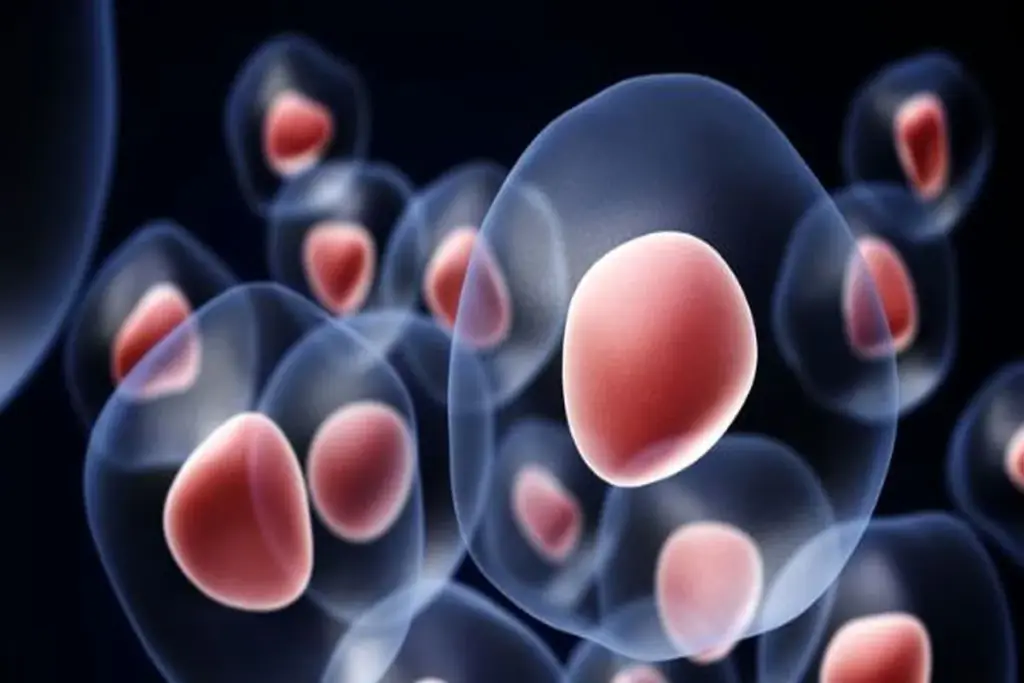
HSCT is a treatment that can save lives. It’s used for certain blood cancers and disorders. The goal is to replace unhealthy blood cells with new, healthy ones.
Definition and Basic Principles
Hematopoietic stem cell transplantation moves stem cells into a patient. These cells can turn into all blood cell types. This includes red, white, and platelets.
First, the patient’s bone marrow is prepared. This makes room for the new stem cells. Then, the stem cells are given to the patient. They go to the bone marrow and start making new blood cells.
Types of Transplants: Autologous vs. Allogeneic
There are two main types of HSCT: autologous and allogeneic. Autologous HSCT uses the patient’s own stem cells. These cells are saved, then given back after treatment. It’s often for lymphoma or multiple myeloma patients.
Allogeneic HSCT uses stem cells from a donor. The donor can be a family member or someone else. These cells can come from bone marrow, blood, or umbilical cord. It’s for leukemia or bone marrow disorders.
Common Conditions Requiring HSCT
HSCT treats serious blood diseases like leukemia and lymphoma. It’s also for multiple myeloma and genetic disorders. The choice to have HSCT depends on the disease and the patient’s health.
|
Disease |
Type of HSCT |
Purpose |
|---|---|---|
|
Leukemia |
Allogeneic |
Replace diseased bone marrow with healthy donor cells |
|
Lymphoma |
Autologous |
Re-infuse patient’s own stem cells after high-dose chemotherapy |
|
Multiple Myeloma |
Autologous |
Re-establish healthy plasma cell production |
Knowing about HSCT is key for patients and their families. It helps them understand this life-saving treatment.
The Process of BM Transplantation and Associated Discomfort
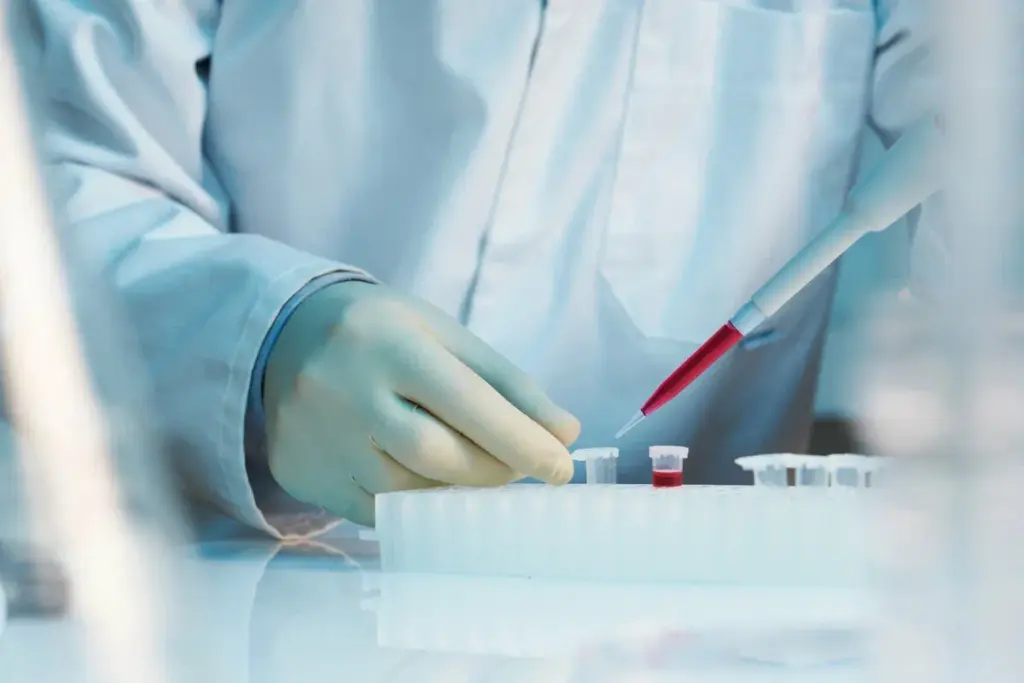
The bone marrow transplant process is complex. It includes conditioning chemotherapy, stem cell collection, and the transplant. Each step can cause discomfort for patients. It’s important to understand these challenges for those undergoing this treatment.
Pre-Transplant Evaluation and Preparation
Before the transplant, patients get a detailed check-up. This helps doctors see if they’re ready for the procedure. The preparation also includes chemotherapy, which can be very uncomfortable.
- Nausea and Vomiting: Common side effects of chemotherapy that can lead to dehydration and electrolyte imbalances if not managed properly.
- Mucositis: Inflammation of the mucous membranes, causing pain and difficulty swallowing.
- Fatigue: A persistent feeling of tiredness that can last throughout the treatment process.
Donor Selection and Stem Cell Collection
Choosing the right donor is key, whether it’s a self or donor transplant. The stem cell collection method depends on the transplant type.
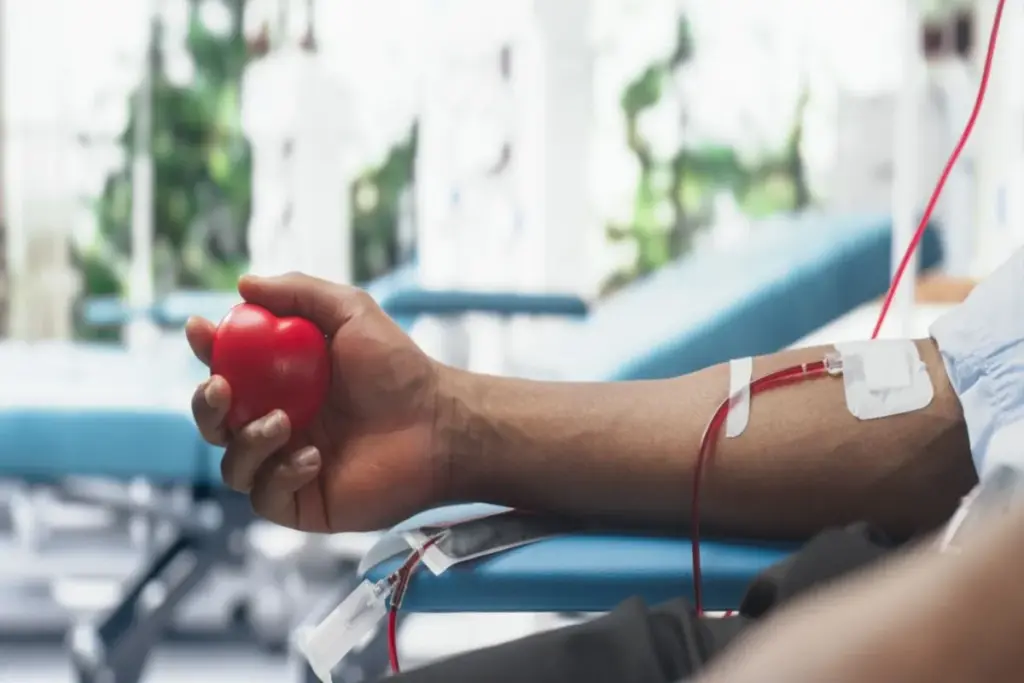
Stem cell collection can be done through bone marrow or peripheral blood. Both methods can be uncomfortable.
The Transplantation Procedure Itself
The transplant involves putting stem cells into the patient’s bloodstream. This is done through a central venous catheter. While the infusion is not painful, the catheter placement can be uncomfortable.
Patients may feel many emotions during this time. They might feel anxious or relieved as they wait for the transplant’s outcome.
Conditioning Regimens: The First Source of Pain
HSCT conditioning regimens are key to transplant success but cause a lot of pain and side effects. This process destroys the patient’s bone marrow to make room for new stem cells.
Myeloablative vs. Reduced-Intensity Conditioning
There are two main conditioning regimens in HSCT: myeloablative and reduced-intensity. Myeloablative conditioning uses high doses of chemotherapy and radiation to wipe out the bone marrow. It’s more aggressive and suits younger patients or those with specific cancers.
Reduced-intensity conditioning uses lower doses of chemotherapy and radiation. It’s less harsh and better for older patients or those with health issues who can’t handle the stronger myeloablative conditioning.
Common Side Effects and Discomfort
Both conditioning regimens lead to side effects like nausea, vomiting, fatigue, and mucositis. Mucositis can cause painful ulcers in the mouth and gut. The severity of these effects depends on the regimen’s intensity and the patient’s health.
- Nausea and vomiting
- Fatigue
- Mucositis
- Hair loss
Duration of Conditioning-Related Pain
The pain from conditioning regimens can last differently. Myeloablative conditioning pain is intense but short, usually gone in a few weeks after transplant. Reduced-intensity conditioning pain is less but can last longer.
Managing pain during this time is critical. Doctors use both medicines and non-medical methods to help patients cope with pain and discomfort.
Pain During the Stem Cell Collection Phase
It’s important to know about the pain from stem cell collection. This is key for making the HSCT experience better for patients and donors. The process of collecting stem cells can be uncomfortable.
Bone Marrow Harvest
Bone marrow harvest is a way to get stem cells. It takes bone marrow from the donor’s hip bone under anesthesia. The procedure itself isn’t painful because of the anesthesia, but post-operative pain is common.
A study found that most donors felt some pain after the procedure. This pain usually goes away in a few days to a week. It’s important to manage pain well to reduce discomfort.
Peripheral Blood Stem Cell Collection Discomfort
Peripheral blood stem cell collection (PBSCC) is another method. It involves getting stem cells into the bloodstream and then collecting them. It’s less invasive than bone marrow harvest but can cause discomfort from needles and side effects from mobilization drugs.
“The apheresis process can be lengthy, sometimes taking several hours, during which the donor or recipient may experience discomfort or fatigue.”
Donor vs. Recipient Experience
Donors and recipients feel pain differently during stem cell collection. Donors, being healthy, feel pain mainly from the procedure. Recipients, with health issues and conditioning before the transplant, have a more complex pain experience.
|
Aspect |
Donors |
Recipients |
|---|---|---|
|
Procedure-Related Pain |
Post-operative pain after bone marrow harvest; discomfort from needle insertion in PBSCC |
Potential for increased sensitivity due to conditioning regimen |
|
Overall Health |
Generally healthy |
Underlying health conditions |
|
Pain Management |
Typically managed with standard post-operative care |
May require more complex pain management due to conditioning and possible complications |
In conclusion, stem cell collection is a key part of HSCT but can cause pain and discomfort. It’s important to understand these differences to manage pain effectively.
Mucositis: A Major Source of Transplant Pain
Mucositis is a big problem for patients getting hematopoietic stem cell transplantation (HSCT). It causes a lot of pain. It happens when the mucous membranes in the digestive tract get inflamed and ulcerated.
About 50–80% of patients with HSCT face pain from mucositis. This is a big worry for doctors. It can happen in the mouth and stomach, leading to many symptoms that make patients uncomfortable and affect their treatment.
Incidence and Severity
The amount and how bad mucositis is can change a lot. It depends on the treatment, how much radiation or chemotherapy is used, and how the patient reacts. Some treatments can make mucositis worse.
|
Conditioning Regimen |
Incidence of Mucositis |
Severity of Mucositis |
|---|---|---|
|
Myeloablative |
High |
Severe |
|
Reduced-Intensity |
Moderate |
Moderate |
Oral and Gastrointestinal Manifestations
Mucositis can show up in the mouth and stomach. In the mouth, it causes painful ulcers and swelling, making it hard to eat and swallow. In the stomach, it leads to diarrhea, stomach pain, and nausea.
A healthcare worker once said, “Mucositis is not just a side effect; it’s a major complication that can significantly affect a patient’s quality of life and treatment adherence.”
“The pain from mucositis can be so severe that it requires significant pain management strategies, sometimes involving opioids.”
Duration and Impact on Quality of Life
Mucositis can last for a while, usually until the treatment is over and the bone marrow starts to heal. But during this time, it can really hurt a patient’s quality of life. It makes it hard to eat, drink, and swallow, and causes a lot of pain and discomfort.
It’s very important to manage mucositis well to help patients with HSCT. Doctors use pain medicines, special mouth care, and other support to help patients feel better and more comfortable.
Graft-Versus-Host Disease and Associated Pain
GVHD is a serious condition that happens when the immune cells from the donor attack the recipient’s body. This is a big problem in allogeneic hematopoietic stem cell transplantation (HSCT).
Acute GVHD Pain Manifestations
Acute GVHD starts within the first 100 days after the transplant. It can affect the skin, liver, and stomach. The pain can be mild or very bad, feeling like burning or discomfort.
- Skin rash or redness
- Nausea and vomiting
- Abdominal pain
- Diarrhea
Chronic GVHD and Long-term Pain
Chronic GVHD starts after 100 days and can last for years. It can harm many organs and systems, causing pain. About 50% of people who get allogeneic HSCT will get chronic GVHD, leading to long-term pain.
Organ-Specific Pain in GVHD
GVHD can hurt different organs in different ways:
|
Organ/System |
Pain Manifestations |
|---|---|
|
Skin |
Rash, itching, burning sensation |
|
Gastrointestinal Tract |
Abdominal pain, nausea, diarrhea |
|
Liver |
Right upper quadrant pain, jaundice |
Sinusoidal Obstruction Syndrome and Abdominal Pain
Sinusoidal Obstruction Syndrome (SOS) is a serious issue after Hematopoietic Stem Cell Transplantation (HSCT). It causes a lot of discomfort, mainly as abdominal pain. SOS is a big problem for many patients going through HSCT.
Incidence and Risk Factors
About 13.6% of patients get SOS after HSCT. The risk depends on several things. These include the treatment plan, the type of transplant, and any liver problems before the transplant.
Risk factors for SOS include:
- Previous chemotherapy or radiation therapy
- Pre-existing liver disease
- Use of certain conditioning regimens
- Age and overall health of the patient
Symptoms and Diagnostic Challenges
SOS symptoms can be hard to spot. They include belly pain, weight gain, and a big liver. It’s tough to tell SOS apart from other transplant problems because the symptoms are similar.
Diagnostic approaches include ultrasound, MRI, and liver function tests. These help figure out how bad the liver damage is.
Treatment Approaches for SOS Pain
Dealing with SOS pain needs a few steps. The goal is to ease symptoms, protect the liver, and improve life quality.
Treatment options include:
- Defibrotide, a drug for SOS
- Pain relief with careful choice of medicines
- Supportive care like managing fluids and nutrition
Quick diagnosis and treatment are key to managing SOS. This helps lessen the belly pain.
Infections and Inflammatory Responses Following HSCT
After HSCT, infections are a big problem. They need careful watching and treatment. The treatment weakens the immune system, making patients more likely to get sick.
Common Infections and Associated Pain
Many types of infections can happen after HSCT. These include bacteria, viruses, and fungi. These infections can make patients very sick and hurt a lot.
- Bacterial infections can cause sepsis, which is very painful. It happens because of inflammation and organ problems.
- Viral infections, like CMV, can hurt organs. This can cause pain in places like the colon or lungs.
- Fungal infections, like aspergillosis, can be very painful. They hurt because they invade and kill tissue.
Engraftment Syndrome and Discomfort
Engraftment syndrome happens when new stem cells start working in the bone marrow. It causes symptoms like fever, rash, and breathing problems. These symptoms make patients uncomfortable.
We don’t know all about engraftment syndrome. But it seems to be an inflammatory reaction to the new cells. Treating it is key to lessening pain and helping patients get better.
Managing Infection-Related Pain
Managing pain is very important when patients have infections after HSCT. It needs a mix of medicines, support, and treating the infection itself.
|
Management Strategy |
Description |
Impact on Pain |
|---|---|---|
|
Antibiotic Therapy |
Targeted treatment against bacterial infections |
Reduces pain by resolving infection |
|
Antiviral Medication |
Treatment for viral infections like CMV |
Decreases pain associated with viral replication |
|
Antifungal Treatment |
Management of fungal infections |
Reduces pain caused by fungal invasion |
Knowing about infections after HSCT and how to manage them helps a lot. Healthcare teams can lessen pain and improve patients’ lives during this tough time.
Catheter-Related Pain and Complications
Central venous catheters are key in hematopoietic stem cell transplantation (HSCT). They help with medication, fluids, and stem cells. But, they can also cause pain and problems.
Central Venous Catheter Discomfort
The central venous catheter can be uncomfortable. Patients might feel mild irritation or severe pain. This depends on the catheter’s size, how it was put in, and how sensitive the patient is.
Infection and Thrombosis Pain
Central venous catheters can lead to infections and blood clots. Infections can be mild or severe, causing pain and needing treatment. Blood clots can also cause pain and swelling, and can be serious if not treated quickly.
|
Complication |
Symptoms |
Management |
|---|---|---|
|
Infection |
Redness, swelling, pain at the site, fever |
Antibiotics, possible catheter removal |
|
Thrombosis |
Pain, swelling, warmth at the site |
Anticoagulation therapy |
Duration of Catheter Requirement
How long a central venous catheter is needed varies. It depends on the treatment plan and how well the patient recovers. Managing pain and complications is key to better patient comfort and results.
Comprehensive Pain Management in HSCT Patients
HSCT success depends a lot on pain management during and after the treatment. Good pain management helps patients recover better and faster.
Pharmacological Approaches to Pain Control
Medicine is key in managing HSCT pain. It includes:
- Opioids for severe pain.
- Non-opioid drugs like NSAIDs and acetaminophen for less severe pain.
- Adjuvant therapies like anticonvulsants and antidepressants for nerve pain.
A study compared different medicines for pain. Here’s a summary:
|
Medication Type |
Primary Use |
Common Side Effects |
|---|---|---|
|
Opioids |
Severe pain |
Constipation, nausea |
|
NSAIDs |
Mild to moderate pain |
Gastrointestinal issues |
|
Adjuvants |
Neuropathic pain |
Drowsiness, dizziness |
Non-Pharmacological Pain Management Strategies
There are also non-medical ways to manage pain. These include:
- Cognitive-behavioral therapy (CBT) to handle pain.
- Physical therapy to keep moving and reduce pain.
- Relaxation techniques like meditation and deep breathing.
Multidisciplinary Pain Management Teams
A team approach is vital for pain management. This team has:
- Pain specialists.
- Oncologists.
- Nurses.
- Physical therapists.
- Psychologists.
Together, they create a pain management plan that fits each patient’s needs.
Psychological Aspects of Transplant Pain
Understanding transplant pain’s psychological side is key for caring for HSCT patients. The transplant journey is tough, affecting both body and mind.
Anxiety, Depression, and Pain Perception
Anxiety and depression are common in HSCT patients. They can make pain feel worse. The link between mind and pain is complex, with many brain pathways involved.
It’s important to manage anxiety and depression to control pain. This can include medicine, support, and counseling.
|
Psychological Factor |
Impact on Pain Perception |
Management Strategies |
|---|---|---|
|
Anxiety |
Increased pain sensitivity |
Relaxation techniques, counseling |
|
Depression |
Altered pain processing |
Antidepressants, psychotherapy |
Effective Coping Strategies
HSCT patients can use many ways to cope with their pain and mental stress. These include:
- Relaxation techniques like deep breathing and meditation
- Cognitive-behavioral therapy (CBT) to change negative thoughts
- Support groups to connect with others facing similar challenges
The Role of Mental Health Support
Mental health support is vital for HSCT patients. Psychologists, psychiatrists, and other mental health experts help manage anxiety, depression, and pain.
A team approach to care, including mental health support, is essential. It helps improve patient outcomes and quality of life during the transplant journey.
Recovery Timeline and Evolution of Pain
Recovering from HSCT is a complex journey with many stages. It starts right after the transplant and goes on for a long time. Knowing these stages helps patients manage their pain and expectations better.
Immediate Post-Transplant Period
The first days after transplant are filled with close medical watch. Patients often feel a lot of pain and discomfort. This is because of the treatment, graft-versus-host disease (GVHD), and infections. It’s very important to manage pain well during this time.
Early Recovery Phase
As patients move into the early recovery phase, some symptoms start to lessen. But, the risk of infections is high, and pain from GVHD or other issues can persist. Non-pharmacological pain management methods, like meditation and physical therapy, are very helpful here.
Long-term Recovery and Chronic Pain Issues
In the long-term recovery phase, many patients start to feel much better. Some even get back to their usual activities. But, some may face chronic pain from GVHD, nerve damage, or other transplant problems. Dealing with chronic pain needs a team of healthcare experts.
The time it takes to recover from HSCT varies a lot. It depends on the transplant type, the patient’s health, and any complications. By knowing the recovery stages and the pain they bring, patients can better handle their healing journey.
Patient Experiences and Varied Pain Responses
Pain during Hematopoietic Stem Cell Transplantation (HSCT) is complex. Many factors influence how patients feel pain. Some feel little discomfort, while others find it severe and overwhelming.
Testimonials from HSCT Recipients
Patients who have gone through HSCT share their stories. Some talk about the intense discomfort during the treatment. Others mention feeling relief once it’s over.
“The pain was overwhelming at times, but knowing it was a necessary step towards recovery made it more bearable.”
A HSCT recipient
These stories highlight how pain is a personal experience. They show why care must be tailored to each patient.
Factors Affecting Individual Pain Experience
Many things can change how patients feel pain during HSCT. These include:
- The type of conditioning regimen used
- The presence of comorbidities
- Previous experiences with pain
- Psychological factors such as anxiety and depression
Knowing these factors helps doctors create better pain management plans for each patient.
Unexpected Aspects of the Pain Journey
Patients often face pain in ways they didn’t expect. Some may deal with chronic pain even after they’ve recovered.
|
Aspect |
Description |
Impact on Pain |
|---|---|---|
|
Conditioning Regimen |
Type and intensity of conditioning |
Significant impact on immediate pain levels |
|
Psychological State |
Levels of anxiety and depression |
Influences pain perception and tolerance |
|
Support System |
Presence and quality of support |
Affects patient’s ability to cope with pain |
By understanding and addressing these differences, healthcare providers can offer better care to HSCT patients.
Advances in Reducing Pain During HSCT
New research is bringing better ways to manage pain during hematopoietic stem cell transplantation (HSCT). Thanks to new medical tech and treatment methods, patients are finding HSCT less painful.
New Conditioning Regimens and Techniques
There’s a big push for new ways to prepare for HSCT. Old methods were too harsh and hurt a lot. Now, doctors are using gentler approaches that cause less pain.
- Reduced-Intensity Conditioning (RIC): RIC uses less harsh treatments, making the process safer and less painful.
- Targeted Therapies: Adding targeted treatments to the prep process makes it more effective and safer, which helps reduce pain.
Improved GVHD Prevention Strategies
Graft-versus-host disease (GVHD) is a big problem after some HSCTs, causing a lot of pain. New ways to stop GVHD are helping to lessen this pain.
- Better ways to pick donors have cut down on GVHD cases.
- Drugs like calcineurin inhibitors are working better to prevent GVHD.
- New treatments, like post-transplant cyclophosphamide, are showing great promise in stopping GVHD.
“The development of new GVHD prevention strategies has been a game-changer for patients undergoing HSCT, significantly improving their quality of life during and after the procedure.”
Expert Opinion
Novel Pain Management Approaches
New methods for managing pain are also being explored. These include better ways to prepare for HSCT and new ways to prevent GVHD.
- Personalized Pain Management Plans: Plans made just for each patient are helping to reduce pain.
- Non-Pharmacological Interventions: Mindfulness, meditation, and physical therapy are being used more to help with pain.
These changes are making HSCT a lot easier for patients. As research keeps going, we’ll see even more ways to make HSCT less painful.
Conclusion: Weighing the Pain Against Life-Saving Benefits
Hematopoietic Stem Cell Transplantation is a complex and potentially painful process. Yet, for many patients, the benefits of HSCT are worth the pain.
HSCT can cure life-threatening diseases. The procedure and related issues like Graft-Versus-Host Disease and mucositis can be painful. But, new pain management and HSCT techniques have made things better for patients.
Good pain management is key for HSCT patients. As medical research grows, we can expect even less pain from HSCT in the future.
Choosing to have HSCT means understanding the benefits might be greater than the risks and discomfort. For many, it’s a second chance at life.
FAQ
What is Hematopoietic Stem Cell Transplantation (HSCT)?
HSCT is a medical process. It replaces a patient’s sick or damaged stem cells with healthy ones. It helps treat blood-related cancers and diseases.
What are the types of HSCT?
There are two main types. Autologous uses the patient’s own stem cells. Allogeneic uses stem cells from a donor.
Is HSCT a painful procedure?
Yes, HSCT can be painful. This is due to conditioning chemotherapy, mucositis, and graft-versus-host disease.
What is conditioning chemotherapy?
Conditioning chemotherapy prepares the body for HSCT. It destroys the existing bone marrow. This can cause a lot of pain and discomfort.
What is mucositis, and how is it related to HSCT?
Mucositis is a condition that causes inflammation and ulceration of the mucous membranes. It often happens in HSCT patients. It can be very painful and uncomfortable.
What is graft-versus-host disease (GVHD)?
GVHD is a complication. It happens when the donor’s immune cells attack the recipient’s tissues. It can cause pain, discomfort, and damage to organs.
How is pain managed during HSCT?
Pain management during HSCT uses both medicine and non-medical methods. This includes medication, relaxation techniques, and teams of pain management experts.
What is sinusoidal obstruction syndrome (SOS)?
SOS is a rare but serious complication. It happens when the small veins in the liver get blocked. It can cause abdominal pain and discomfort.
How long does it take to recover from HSCT?
Recovery time after HSCT varies. It can take several months to a year or more for the immune system to fully recover.
Can HSCT cause long-term pain?
Yes, some patients may experience chronic pain after HSCT. This can be due to GVHD, nerve damage, or other complications.
What are the benefits of HSCT?
HSCT can be a life-saving treatment. It offers the chance for a cure or a significant improvement in quality of life for blood-related cancers and diseases.
Are there any new developments in reducing pain during HSCT?
Yes, researchers are working on new ways to reduce pain during HSCT. This includes new conditioning regimens, GVHD prevention strategies, and pain management approaches.
What is the role of mental health support during HSCT?
Mental health support is very important during HSCT. Anxiety, depression, and other psychological factors can greatly affect pain perception and overall well-being.
Can central venous catheters cause pain?
Yes, central venous catheters can cause discomfort, pain, and complications. These include infection and thrombosis.
How is engraftment syndrome managed?
Engraftment syndrome is managed with medication and supportive care. This helps alleviate symptoms and manage the complication.
References
- Wiley Online Library — Pediatric Blood & Cancer article (DOI: 10.1002/pbc.30614). Available from: https://onlinelibrary.wiley.com/doi/full/10.1002/pbc.30614
- NCBI Bookshelf — Hematopoietic Stem Cell Transplantation (StatPearls). Available from: https://www.ncbi.nlm.nih.gov/books/NBK536951/
- American Cancer Society — Stem Cell Transplant Side Effects. Available from: https://www.cancer.org/cancer/managing-cancer/treatment-types/stem-cell-transplant/transplant-side-effects.html
- National Cancer Institute — Stem Cell Transplant. Available from: https://www.cancer.gov/about-cancer/treatment/types/stem-cell-transplant
- National Center for Biotechnology Information. Evidence-Based Medical Insight. Retrieved from https://pmc.ncbi.nlm.nih.gov/articles/PMC7536558/