Graft versus Host Disease (GVHD) is a serious issue for those getting hematopoietic stem cell transplantation (HSCT). It happens when the donor’s immune cells see the recipient’s body as foreign. This leads to attacks on the body, causing many symptoms and problems.
GVHD can be either acute or chronic. It affects organs like the skin, liver, and stomach. This condition is a big reason for sickness and death in HSCT patients. How often GVHD happens depends on how well the donor and recipient match up genetically.
GVHD affects up to 50% of those getting HSCT from a matched relative. It’s even more common in those getting it from an unmatched donor.
Prevent complications in bm transplantation. Learn about common risks and the innovative strategies doctors use to ensure safe outcomes.
Key Takeaways
- GVHD is a major complication of HSCT, impacting patient survival and quality of life.
- The condition occurs when donor immune cells attack the recipient’s body.
- GVHD can be acute or chronic and affects various organs.
- The incidence of GVHD varies with donor-recipient HLA matching.
- GVHD is more frequent in HSCT recipients from unmatched donors.
The Fundamentals of Hematopoietic Stem Cell Transplantation<image2>
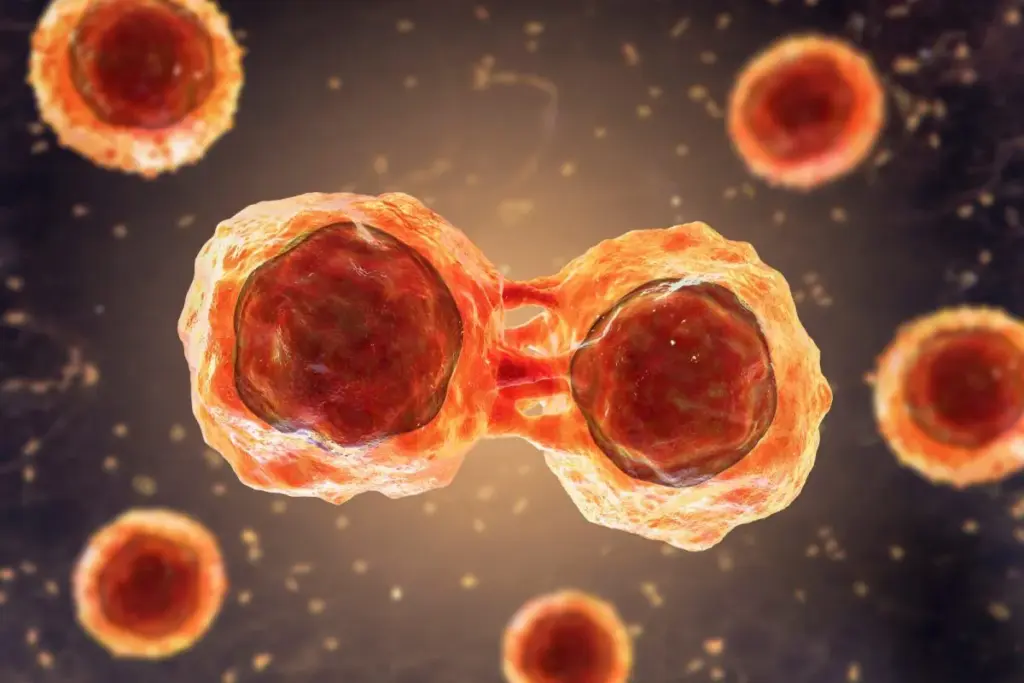
Understanding hematopoietic stem cell transplantation is key for those considering it. This treatment uses stem cells to replace damaged bone marrow. It’s a way to treat diseases by giving new cells.
Types of Hematopoietic Transplants
There are two main types of HSCT: autologous and allogeneic. Autologous HSCT uses the patient’s own stem cells. These cells are collected, stored, and then given back after treatment.
Allogeneic HSCT uses stem cells from a donor. This donor can be a relative or someone else. The choice depends on the disease, donor availability, and the patient’s health.
|
Type of HSCT |
Description |
Indications |
|---|---|---|
|
Autologous |
Using the patient’s own stem cells |
Lymphomas, multiple myeloma |
|
Allogeneic |
Using stem cells from a donor |
Leukemias, aplastic anemia |
The Transplantation Process
The process starts with conditioning regimens. This includes chemotherapy and/or radiation to clear the bone marrow. It makes room for new stem cells and helps with allogeneic transplants.
After conditioning, the patient gets the stem cell infusion. It’s like a blood transfusion. The stem cells then start making new blood cells in the bone marrow.
After the transplant, care is very important. It involves watching for problems, managing GVHD in allogeneic transplants, and helping the patient recover.
Donating bone marrow is usually safe but can be a bit painful. The procedure takes marrow from the donor’s pelvic bone while they’re under anesthesia.
BM Transplantation: Common Complications Overview<image3>

It’s important to know about the complications of bone marrow transplantation. This procedure is used to treat serious diseases like cancer and autoimmune disorders. But, it can also lead to many complications that affect patient outcomes.
Short-term vs. Long-term Complications
Complications from BMT can be short-term or long-term. Short-term complications happen in the first few weeks or months. These include infections, mouth sores, and other side effects from the treatment.
Long-term complications can show up months or years later. Graft-versus-host disease (GVHD) is a big concern, along with organ problems, new cancers, and other issues that can affect a patient’s life and survival.
Frequency and Severity of Major Complications
The types and severity of complications after BMT vary. This depends on the transplant type, donor match, treatment intensity, and the patient’s health.
|
Complication |
Frequency |
Severity |
|---|---|---|
|
Infections |
High |
Variable |
|
GVHD |
Moderate to High |
Severe |
|
Mucositis |
High |
Moderate |
|
Organ Dysfunction |
Moderate |
Variable |
Healthcare providers need to understand these complications. This helps them manage patient care better, reduce risks, and improve outcomes and quality of life for BMT patients.
Graft versus Host Disease: The Primary Complication
Graft versus Host Disease (GVHD) happens when the immune cells from the donor attack the host’s body. This is a big problem after allogeneic hematopoietic stem cell transplantation (HSCT).
Definition and Pathophysiology
GVHD comes in two types: acute and chronic. Acute GVHD starts within 100 days after the transplant. It affects the skin, liver, and stomach. Chronic GVHD can start later and affects more organs, like the lungs and eyes.
The fight between donor T cells and the host’s body is complex. How severe GVHD is depends on many things. These include how well the donor and recipient match, where the stem cells come from, and the treatment before the transplant.
Prevalence Rates Across Different Donor Types
The chance of getting GVHD changes with the donor type and how well they match. Here’s a table showing how common GVHD is with different donors:
|
Donor Type |
Acute GVHD Prevalence |
Chronic GVHD Prevalence |
|---|---|---|
|
HLA-Matched Sibling Donor |
30-50% |
30-50% |
|
Unrelated Donor (MUD) |
40-60% |
40-60% |
|
Haploidentical Donor |
50-70% |
50-70% |
|
Umbilical Cord Blood |
20-40% |
20-40% |
Knowing how common GVHD is with different donors helps plan for the transplant. It’s important for making good choices.
Acute Graft versus Host Disease
<image4>
Acute Graft versus Host Disease (aGVHD) is a big problem after allogeneic hematopoietic stem cell transplantation (HSCT). It happens when the donor cells attack the recipient’s body, causing inflammation and damage in different organs.
Timeframe and Clinical Presentation
aGVHD usually starts within the first 100 days after the transplant. It can affect the skin, liver, and GI tract. Symptoms include a rash, liver problems, and stomach issues like nausea and diarrhea.
The severity of aGVHD can vary. It’s graded based on how much of the body is affected and how bad the symptoms are. Knowing when and how aGVHD shows up is key to treating it early and effectively.
Because aGVHD can show up in many ways, it’s important to watch patients closely after transplant. The skin often gets a rash first. Liver problems show up as jaundice and high liver enzymes. GI symptoms can be mild or very severe.
|
Organ System |
Common Symptoms |
Severity Indicators |
|---|---|---|
|
Skin |
Rash, maculopapular lesions |
Extent of body surface area involved |
|
Liver |
Jaundice, elevated bilirubin |
Bilirubin levels, liver enzyme elevation |
|
Gastrointestinal |
Nausea, vomiting, diarrhea, abdominal pain |
Volume of diarrhea, presence of bloody stools |
Spotting and grading aGVHD early is vital for starting the right treatment. This can help patients do better and live longer. Treatment typically involves immunosuppressive medications, which help reduce the immune response and prevent further damage to the host’s tissues.
“The timely diagnosis and treatment of acute GVHD are critical for improving survival and reducing morbidity in HSCT recipients.” – Expert in Hematology
Chronic Graft versus Host Disease
After a hematopoietic stem cell transplant, patients might face Chronic Graft versus Host Disease (cGVHD). This condition shows up later and has its own set of symptoms. It’s different from the acute version.
Distinguishing Features from Acute GVHD
cGVHD is not like acute GVHD in how it shows up and when. Acute GVHD happens early, within 100 days. But cGVHD can take months or years to appear. It affects more organs and lasts longer.
Key distinguishing features of cGVHD include:
- Later onset, often after 100 days post-transplant
- Involvement of multiple organ systems
- More chronic and progressive disease course
Organ Systems Affected and Clinical Presentation
cGVHD can hit many parts of the body, leading to varied symptoms. Common spots include the skin, liver, eyes, mouth, stomach, and lungs. Each person’s symptoms can be different, making it hard to diagnose and treat.
Common clinical presentations of cGVHD include:
- Skin manifestations such as lichenoid or sclerotic changes
- Oral mucosal involvement with lichenoid changes or xerostomia
- Ocular symptoms including dry eyes or conjunctivitis
- Gastrointestinal symptoms like dysphagia or esophageal strictures
Long-term Impact on Quality of Life
cGVHD can really affect a patient’s life after HSCT. It’s a long-term problem that can hit many parts of the body. Finding good ways to manage it is key to better survival and quality of life.
Strategies to improve quality of life include:
- Early diagnosis and intervention
- Tailored treatment plans addressing specific organ involvement
- Supportive care measures to manage symptoms and prevent complications
Grading and Staging Systems for GVHD
Grading and staging GVHD are key in managing patients after stem cell transplants. It’s important for doctors to know how severe GVHD is. This helps them decide the best treatment and care for patients.
Acute GVHD Grading Criteria
Acute GVHD grading looks at how much of the body is affected. It checks the skin, liver, and stomach. The severity ranges from I (mild) to IV (severe).
The grading depends on how much the organs are damaged. It also looks at how much of the skin is affected.
Key factors in acute GVHD grading include:
- The percentage of body surface area affected by skin involvement
- The level of bilirubin elevation indicative of liver involvement
- The volume of diarrhea or presence of abdominal pain indicative of gastrointestinal involvement
NIH Consensus Criteria for Chronic GVHD
The NIH Consensus Criteria help diagnose and stage chronic GVHD. They look at how much of the body is affected and how it impacts the patient’s life.
They check different parts of the body like the skin, mouth, eyes, and stomach. The system scores how severe chronic GVHD is. This score helps doctors decide the best treatment.
Using the same grading and staging for GVHD is important. It helps doctors and researchers work together better.
Risk Factors Contributing to GVHD Development
Knowing the risk factors for GVHD is key to managing and preventing it. GVHD is a big problem after hematopoietic stem cell transplantation (HSCT). It affects patients’ outcomes and quality of life.
HLA Matching and Donor Selection Considerations
The match between donor and recipient’s HLA is very important. HLA mismatching raises the risk of GVHD because it sparks a strong immune reaction. Choosing the right donor, whether related or unrelated, also matters. Unrelated donors, even if HLA-matched, might have a higher GVHD risk because of minor histocompatibility antigen mismatches.
A study in the Journal of Clinical Oncology showed HLA matching’s importance. It found that “HLA mismatch is linked to higher GVHD risk, non-relapse mortality, and overall mortality after HSCT.”
Journal of Clinical Oncology
|
HLA Matching Status |
GVHD Risk |
|---|---|
|
HLA-matched |
Lower |
|
HLA-mismatched |
Higher |
Patient and Donor Demographic Factors
Age, sex, and parity can affect GVHD risk. Older recipients face higher risks due to weaker immune systems and more health issues. Donor-recipient sex mismatch, like a female donor and male recipient, can also up GVHD risk because of H-Y antigen sensitization.
Impact of Conditioning Regimen Intensity
The conditioning regimen’s intensity before HSCT greatly affects GVHD risk. More intense regimens cause more tissue damage, leading to inflammation and GVHD. Reduced-intensity conditioning (RIC) regimens aim to lower toxicity and possibly reduce GVHD risk. But, their effect on GVHD incidence varies.
New approaches like stem cell patches are being studied to lessen GVHD and HSCT complications. It’s important to understand these therapies’ side effects for safe use.
Infectious Complications in Transplant Recipients
People who have had hematopoietic stem cell transplantation (HSCT) face a big risk of infections. Their weakened immune system makes them very vulnerable. This can greatly affect their life quality and survival chances.
Donating bone marrow might be a bit uncomfortable, but it’s mostly safe. Yet, the main focus for HSCT patients is on fighting off infections after the transplant.
Bacterial Infections and Antimicrobial Prophylaxis
Bacterial infections are a big worry for HSCT patients, mainly when they’re most vulnerable after the transplant. Antimicrobial prophylaxis is key to stopping these infections. The right antibiotics depend on the patient’s risk and local infection rates.
Using antibiotics before infections happen can help lower the risk for HSCT patients. But, the rise of antibiotic-resistant bacteria makes choosing the right antibiotics a big challenge.
|
Type of Infection |
Common Pathogens |
Prophylactic Measures |
|---|---|---|
|
Bacterial |
Gram-negative bacilli, Gram-positive cocci |
Fluoroquinolones, Trimethoprim-sulfamethoxazole |
|
Viral |
Cytomegalovirus (CMV), Herpes Simplex Virus (HSV) |
Acyclovir, Valganciclovir |
|
Fungal |
Candida spp., Aspergillus spp. |
Fluconazole, Voriconazole |
Cytomegalovirus and Other Viral Infections
Viral infections, like those from CMV, are a big worry for HSCT patients. CMV reactivation can happen because of weakened immunity. Using valganciclovir can help prevent CMV disease.
Other viruses, like HSV and VZV, can also cause problems. To stop these, doctors often use acyclovir or valacyclovir.
Invasive Fungal Infections
Invasive fungal infections (IFIs) are a big threat to HSCT patients. Candida and Aspergillus are the main culprits. To prevent IFIs, doctors use antifungal drugs like fluconazole or voriconazole.
The risk of getting IFIs depends on how strong the immune system is and if there’s GVHD. Watching for early signs of IFIs and starting treatment quickly is very important for better outcomes.
Graft Failure and Rejection Complications
Hematopoietic stem cell transplantation (HSCT) can face challenges due to graft failure. This is when the transplanted stem cells don’t work right or don’t take hold. It’s a serious issue that can affect how well a patient does.
Primary vs. Secondary Graft Failure
Graft failure is split into primary and secondary types. Primary graft failure is when the stem cells never settle in. Secondary graft failure is when they do settle but then stop working.
Knowing the difference between these two is key to finding the right treatment.
Risk Factors and Management Approaches
Several things can make graft failure more likely. These include the treatment plan, how well the donor and recipient match, and where the stem cells come from. Spotting these risk factors helps in preventing and treating graft failure.
Dealing with graft failure involves using growth factors, adjusting immune suppressants, and sometimes doing a second transplant. The best approach depends on why the graft failed and the patient’s health.
|
Risk Factor |
Description |
Management Approach |
|---|---|---|
|
Conditioning Regimen |
The intensity of the conditioning regimen can impact graft failure risk. |
Adjusting the conditioning regimen intensity. |
|
Donor-Recipient HLA Matching |
Poor HLA matching between donor and recipient increases graft failure risk. |
Selecting donors with optimal HLA matching. |
|
Stem Cell Source |
The source of stem cells (bone marrow, peripheral blood, or cord blood) can influence graft failure risk. |
Choosing the appropriate stem cell source based on patient and donor characteristics. |
By understanding the risks and using the right treatments, doctors can lower graft failure rates. This helps improve results for HSCT patients.
Organ-Specific Toxicities Following Transplantation
Organ-specific toxicities are a big worry after hematopoietic stem cell transplantation. These issues can happen because of the treatments given before the transplant. These treatments can harm different organs and tissues.
Mucositis and Gastrointestinal Complications
Mucositis is a common problem after HSCT. It causes inflammation and ulcers in the mucous membranes. This can lead to pain, trouble swallowing, and a higher risk of infections.
Gastrointestinal issues can also happen. These include nausea, vomiting, and diarrhea. These problems can be caused by the treatment or graft-versus-host disease.
Managing mucositis and gastrointestinal issues involves supportive care. This includes pain management, nutritional support, and anti-emetic medications. Sometimes, more serious treatments are needed for severe symptoms.
Hepatic Veno-Occlusive Disease
Hepatic veno-occlusive disease (VOD) is a serious complication of HSCT. It happens when the small hepatic venules get blocked. This leads to liver dysfunction and failure.
The risk of VOD depends on the treatment intensity, previous liver disease, and genetic factors. Doctors diagnose it by looking for jaundice, weight gain, and a big liver.
|
Risk Factor |
Description |
|---|---|
|
Conditioning Regimen Intensity |
High-intensity regimens increase the risk of VOD |
|
Previous Liver Disease |
Pre-existing liver conditions can increase the risk |
|
Genetic Predispositions |
Certain genetic factors can predispose to VOD |
Pulmonary and Cardiovascular Complications
Pulmonary issues are a big cause of problems and death after HSCT. These can include infections, idiopathic pneumonia syndrome, and bronchiolitis obliterans. Cardiovascular problems can also happen, like heart dysfunction and arrhythmias.
Managing these complications needs a team effort. This includes pulmonologists, cardiologists, and infectious disease specialists. Early detection and treatment are key to better outcomes.
Modern Approaches to GVHD Prevention and Management
Modern medicine has made big strides in preventing and managing GVHD, a major issue in stem cell transplants. New strategies have greatly improved patient outcomes and lessened transplant side effects.
Prophylactic Medication Strategies
Immunosuppressive drugs like cyclosporine and tacrolimus are key in preventing GVHD. They help by weakening the immune system, lowering the chance of a bad reaction against the host.
The right medication depends on many factors. These include the transplant type, donor-recipient HLA match, and the conditioning regimen’s intensity. Combination therapies with several immunosuppressive drugs are showing great promise in lowering GVHD rates.
First-line and Salvage Therapies for Acute GVHD
Managing acute GVHD starts with first-line therapies like corticosteroids. For those not responding, salvage therapies like anti-thymocyte globulin (ATG) or monoclonal antibodies are used.
Choosing a salvage therapy depends on GVHD’s severity, initial treatment response, and any health issues. Novel agents and cellular therapies are being researched for treating acute GVHD that doesn’t respond to steroids.
Novel Treatments for Chronic GVHD
Chronic GVHD treatment has seen big improvements with new treatments like ibrutinib and ruxolitinib. These drugs target specific GVHD pathways, giving hope to those with hard-to-treat disease.
Personalized medicine approaches are becoming more common. They help tailor treatments to fit each patient’s needs, making GVHD management more effective.
Transplantation-Related Mortality and Long-term Outcomes
The risk of death after a stem cell transplant is a big concern. It’s important to know what causes this risk to improve care for patients.
Non-Relapse Mortality Statistics
Non-relapse mortality (NRM) is when patients die after a transplant without their disease coming back. It’s a major worry because it can cause a lot of deaths after transplant. Many things can affect NRM rates, like the type of transplant and how well the donor and recipient match.
A study on found that about 20% of patients died from NRM two years after their transplant.
- Major causes of NRM include graft versus host disease (GVHD), infections, and organ toxicity.
- GVHD is a big problem for NRM, mainly in allogeneic transplants.
Factors Influencing Survival After GVHD Diagnosis
GVHD is a big problem after some transplants. It can greatly affect how long a patient lives. Many things can change survival chances, like how bad the GVHD is and how well treatment works.
Key factors affecting survival include:
- The severity of GVHD at diagnosis, with more severe cases having a poorer prognosis.
- The response to initial GVHD treatment, with patients achieving complete or partial remission having better outcomes.
- The presence of comorbidities, such as infections or organ dysfunction, which can complicate GVHD management.
Quality of Life Considerations for Survivors
Survivors of stem cell transplants often face big challenges that affect their quality of life. These challenges can include chronic GVHD, late effects of the transplant, and psychosocial issues.
Improving quality of life for survivors requires a multifaceted approach that includes:
- Effective management of chronic GVHD and other late effects.
- Psychosocial support to address the emotional and social challenges faced by survivors.
- Long-term follow-up care to monitor for and manage late complications.
Understanding what affects mortality and long-term outcomes helps healthcare providers improve care and survival rates.
Conclusion
Hematopoietic stem cell transplantation is a complex medical procedure. It comes with many complications, like graft-versus-host disease (GVHD), infections, and damage to specific organs. It’s important to understand these issues and how to manage them to better care for patients.
GVHD is a big problem that affects patients’ long-term health and quality of life. New techniques, medicines, and treatments are helping patients live longer and better. Using bone marrow registries can also help find the right donors, improving transplant success.
The connection between GVHD, transplant problems, and long-term health shows we need more research. By tackling these challenges, doctors can give better care and help more patients survive.
FAQ
What is Graft versus Host Disease (GVHD)?
GVHD is a serious problem after getting a new bone marrow transplant. It happens when the donor’s immune cells see the recipient’s body as foreign. Then, they attack it.
What are the types of GVHD?
GVHD can be either acute or chronic. It can affect different parts of the body, like the skin, liver, and stomach.
Is donating bone marrow painful?
Giving bone marrow might hurt a bit. But, it’s usually safe and not too painful.
What are the risks associated with bone marrow donation?
Donating bone marrow can cause some pain and discomfort. But, it’s mostly safe and not too risky.
What is the life expectancy after a stem cell transplant?
How long you live after a stem cell transplant depends on a few things. These include your health before the transplant, how well the donor and recipient match, and if you get GVHD.
What are the symptoms of GVHD?
GVHD symptoms can vary a lot. They might include a skin rash, liver problems, and stomach issues.
How is GVHD diagnosed and staged?
Doctors use special criteria to diagnose and stage GVHD. This includes the NIH consensus criteria for chronic GVHD.
What are the risk factors for developing GVHD?
Several things can increase your risk of getting GVHD. These include how well the donor and recipient match, your age and gender, and the strength of the treatment before the transplant.
What are the complications of hematopoietic stem cell transplantation?
HSCT can lead to several complications. These include GVHD, infections, when the transplant doesn’t work, and damage to specific organs like the mouth and liver.
How are infections prevented and managed in HSCT recipients?
To prevent and treat infections in HSCT patients, doctors use antibiotics, watch for signs of infection, and start treatment early.
What is graft failure, and how is it managed?
Graft failure is when the new stem cells don’t work or don’t grow in the body. Doctors use different methods to manage this, including doing another transplant.
What are the modern approaches to GVHD prevention and management?
Today, doctors use new ways to prevent and treat GVHD. This includes using medicines to prevent it, and treatments for both acute and chronic GVHD.
References
- Liu, J., Han, T., Fu, H., Chen, Y., Han, W., Chen, Y., Zhang, Y.-Y., Xu, L., Wang, Y., Mo, X., Wang, F., Sun, Y., Huang, X., & Zhang, X. (2025, June). Transplantation‑Related Mortality Did Not Show Significant Differences in Patients Aged Above 55 Years With Hematological Malignancies Receiving Allogeneic Hematopoietic Stem Cell Transplantation in a Real‑World Study. Clinical Transplantation, 39(6), e70192. https://pubmed.ncbi.nlm.nih.gov/40435000/ (PubMed)
- Pulanic, D., Peczynski, C., Boreland, W., Rautenberg, C., Kröger, N., Michonneau, D., Salmenniemi, U., Zeiser, R., Egger‑Heidrich, K., Forcade, E., Blaise, D., Luft, T., Labussière‑Wallet, H., Moiseev, I., Koenecke, C., Schoemans, H., Basak, G., Penack, O., Perić, Z., … (2025, August 19). Chronic Graft‑versus‑Host Disease Trends over 30 Years – A Study by the EBMT Transplant Complications Working Party. Bone Marrow Transplantation. https://pubmed.ncbi.nlm.nih.gov/40830236/ (PubMed)
- Pawełczak‑Szastok, M., et al. (2025). Trajectories of Quality of Life During Hematopoietic Stem Cell Transplantation: Longitudinal Cohort Study. Scientific Reports, 15, Article 5142. https://www.nature.com/articles/s41598-025-88748-0 (Nature)
- American Society of Hematology. (2025). Machine Learning Program Enhances Transplant Risk Assessment in Myelofibrosis Patients. Press Release. Retrieved from https://www.hematology.org/newsroom/press-releases/2025/machine-learning-program-enhances-transplant-risk-assessment-in-myelofibrosis-patients
National Center for Biotechnology Information. Evidence-Based Medical Insight. Retrieved from https://www.ncbi.nlm.nih.gov/books/NBK538235/https://www.ncbi.nlm.nih.gov/books/NBK538235/