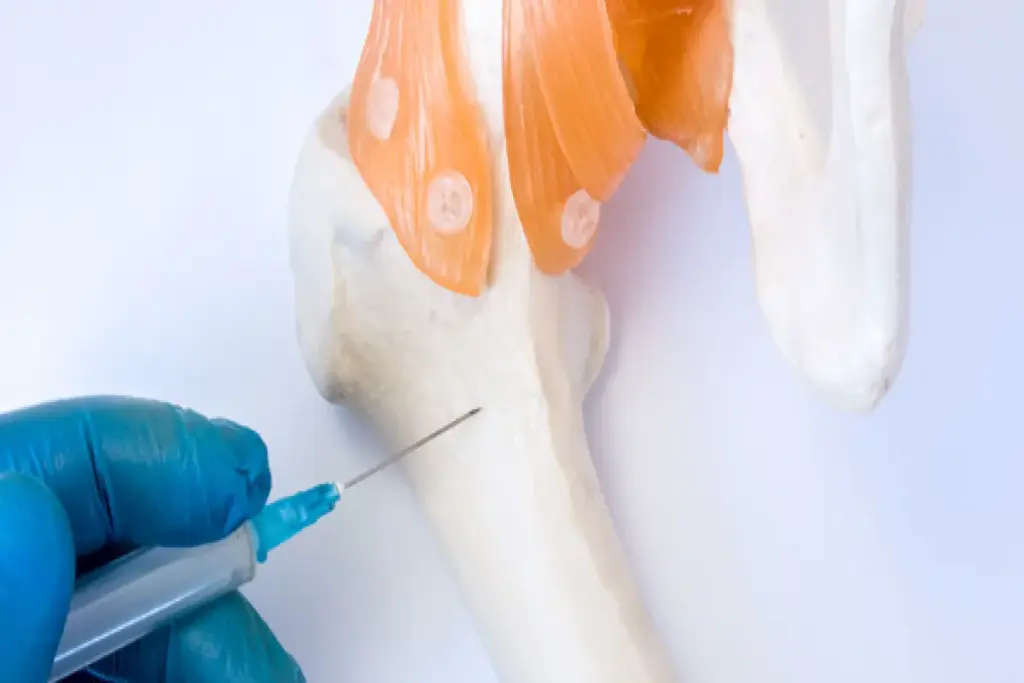
Bone marrow transplantation is a key treatment for blood-related disorders like leukemia and lymphomas. It helps restore healthy blood and immune systems. There are three main types of bone marrow transplants: autologous, allogeneic, and syngeneic.bm transplantation
Autologous transplants use the patient’s own stem cells. Allogeneic transplants use donor stem cells. Syngeneic transplants use stem cells from an identical twin. Recent studies show autologous transplants make up about 43% of all transplants worldwide.
For more details, check out the . They offer in-depth information on the different bone marrow transplants.
Key Takeaways
- There are three main types of bone marrow transplants: autologous, allogeneic, and syngeneic.
- Autologous transplants use the patient’s own stem cells.
- Allogeneic transplants involve using donor stem cells.
- Syngeneic transplants use stem cells from an identical twin.
- Understanding the differences between these types is key for making informed treatment choices.
Understanding Bone Marrow and Its Function

Bone marrow is a spongy tissue inside our bones. It makes blood cells, like red and white blood cells, and platelets. This is called hematopoiesis. It’s key for our health, helping our body carry oxygen, fight off infections, and stop bleeding.
The Role of Bone Marrow in Blood Production
Bone marrow is vital for making blood. It has stem cells that turn into different blood cells. The process of hematopoiesis requires various cell types and signals to function effectively. Stem cells in the bone marrow can grow and change into all blood cell types. This keeps our blood cell counts healthy.
Stem Cells and Their Importance
Stem cells are key for blood cell production. They can become myeloid and lymphoid cells, leading to different blood cells. Myeloid stem cells make red blood cells, platelets, and some white blood cells. Lymphoid stem cells make lymphocytes, which are important for our immune system.
Stem cells are vital, as seen in . They help replace damaged marrow with healthy one. Knowing how bone marrow and stem cells work helps us understand blood disorders and treatments like bone marrow transplants.
The Fundamentals of BM Transplantation
Starting in the 1950s, bone marrow transplantation has grown a lot. It’s now a key treatment for many blood diseases. Thanks to new tech and understanding of the immune system, the process has gotten better.
History and Development
The first was in the 1950s. It started a new chapter in treating blood diseases. Over time, we’ve seen big improvements, like better ways to prepare patients and match donors.
General Procedure Overview
Bone marrow transplantation replaces bad marrow with good. First, the patient gets treatment to weaken their immune system. This makes room for the new marrow.
Then, the healthy marrow or stem cells are given to the patient. These cells start making new blood cells in the bone marrow. This is called engraftment and is key to the transplant’s success. We watch patients closely to make sure everything goes well.
Terminology: BMT vs. Stem Cell Transplant
Bone marrow transplant (BMT) and stem cell transplant are often confused. BMT takes marrow directly from the donor’s bones. Stem cell transplant gets stem cells from the donor’s blood after special meds are used.
Both aim to help patients make healthy blood cells again. The choice between them depends on the patient’s health, the donor, and the doctor’s advice. We think about these carefully to pick the best treatment for each patient.
Diseases Treated with Bone Marrow Transplants
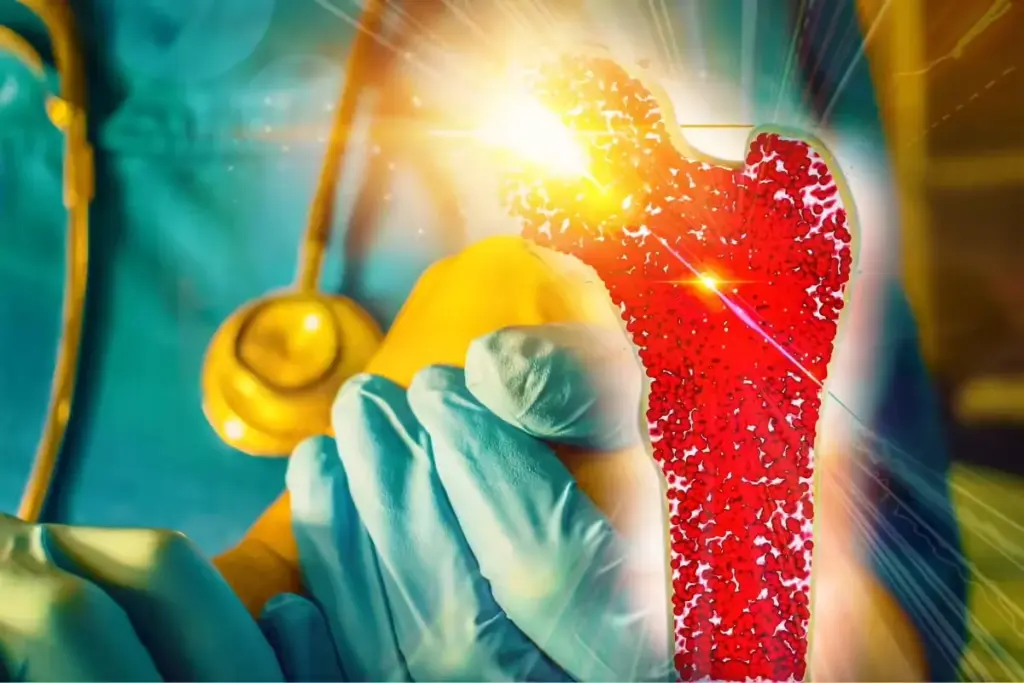
Bone marrow transplantation is a key treatment for many blood diseases and severe conditions. It offers a chance for a cure to those facing life-threatening illnesses.
Leukemia and Lymphomas
Leukemia and lymphomas are top reasons for bone marrow transplants. Leukemia is a blood or bone marrow cancer. Transplants replace bad marrow with healthy cells, treating the disease well.
Lymphomas are cancers of the lymphatic system. Bone marrow transplants are used for aggressive or relapsed cases.
Multiple Myeloma
Multiple myeloma is a blood cancer with too many plasma cells in the bone marrow. Younger patients or those with high-risk disease often get transplants. The process uses high-dose chemotherapy and healthy stem cells to fix the bone marrow.
Bone Marrow Failure Syndromes
Bone marrow failure syndromes like aplastic anemia mean the bone marrow can’t make enough blood cells. Transplants are a cure for many, helping the marrow work right again.
Other Conditions
Bone marrow transplants also treat genetic disorders and autoimmune diseases. The choice to get a transplant depends on the disease type, the patient’s health, and donor availability.
Autologous Bone Marrow Transplants
Autologous bone marrow transplants are now a common treatment for lymphomas and multiple myeloma. This method uses the patient’s own stem cells. These cells are collected, stored, and then given back after treatment.
Definition and Process
An autologous bone marrow transplant uses the patient’s own stem cells. First, stem cells are taken from the bone marrow or blood. Then, they are stored until the patient gets conditioning therapy.
Conditioning therapy uses high-dose chemotherapy and/or radiation to kill cancer cells. After this, the stored stem cells are given back to the patient. They help rebuild the bone marrow and start blood cell production again.
Indications and Common Applications
Autologous bone marrow transplants are used for many blood cancers. These include:
- Multiple myeloma
- Lymphomas (both Hodgkin and non-Hodgkin lymphoma)
- Certain types of leukemia
They are helpful when the bone marrow is damaged or when strong chemotherapy is needed.
Stem Cell Collection and Storage
To collect stem cells, we use growth factors to move them from the bone marrow to the blood. Then, we use apheresis to separate the stem cells from other blood parts.
The stem cells are frozen and stored until they are needed for the transplant.
Advantages and Limitations
One big plus of autologous bone marrow transplants is the low risk of graft-versus-host disease (GVHD). But, there’s a chance of cancer coming back if the stem cells have cancer cells.
Also, these transplants might not have the same effect against leukemia as allogeneic transplants. Allogeneic transplants use donor immune cells to fight cancer.
Key advantages include:
- Lower risk of GVHD
- Faster engraftment
- Ability to treat patients without a suitable donor
Limitations include:
- Risk of disease relapse
- Potential contamination of reinfused stem cells
Allogeneic Bone Marrow Transplants
Allogeneic bone marrow transplants have changed the game in hematology. They give hope to those with blood cancers. This method moves stem cells from a donor to a patient. It’s key for those needing healthy stem cells to replace their sick or damaged bone marrow.
Definition and Process
An allogeneic bone marrow transplant uses stem cells from a donor, often a sibling or an unrelated person. The first step is finding the right donor. Then, stem cells are taken and given to the patient after they’ve had treatment to clear their bone marrow.
Success in this transplant relies on the donor and recipient being a good match. This match is found through HLA typing. It helps find donors who are genetically close to the patient.
Donor Selection Criteria
Finding the right donor is key in allogeneic bone marrow transplants. The best donor is one who is HLA-matched to the patient. There’s a 25-30% chance of finding a matched sibling donor. If no sibling match is found, unrelated donors or other sources like cord blood are considered.
Graft-versus-Leukemia Effect
Allogeneic bone marrow transplants have a big plus: the graft-versus-leukemia (GVL) effect. This is when the donor’s immune cells fight and kill the patient’s cancer cells.
“The graft-versus-leukemia effect is a powerful tool in the fight against leukemia, giving a chance for a cure to those who have relapsed or are at high risk of relapse.”
The GVL effect is a good side effect that can make allogeneic transplants more effective.
Advantages and Limitations
Allogeneic bone marrow transplants have big pluses, like the chance for a cure and the GVL effect. But, they also have big downsides, like graft-versus-host disease (GVHD), infections, and damage to organs. Choosing the right donor and careful care after the transplant are key to avoiding these risks.
- Potential cure for certain diseases
- GVL effect
- Risk of GVHD
- Increased risk of infections
Syngeneic Bone Marrow Transplants
Syngeneic transplants use stem cells from an identical twin. This method is rare but has big benefits.
Definition and Process
A syngeneic bone marrow transplant moves stem cells from one twin to another. First, the donor twin is checked. Then, stem cells are collected through apheresis.
The recipient gets ready for the transplant with conditioning therapy. After that, the stem cells are infused.
Using stem cells from an identical twin makes the transplant simpler. It avoids the need for drugs to prevent GVHD, a big problem in other transplants.
Unique Aspects of Identical Twin Donors
The biggest plus of syngeneic transplants is the genetic match. This greatly lowers the risk of GVHD, making the transplant safer and more effective.
Also, without GVHD, patients need less strong drugs to keep their immune system down. This can lead to a quicker recovery and fewer infections.
Clinical Applications
Syngeneic bone marrow transplants are for patients with certain blood cancers or disorders. They need an identical twin donor. The choice to do this transplant depends on the patient’s health, the donor’s availability, and the benefits and risks.
Even though it’s rare, syngeneic transplants are a great option for some patients.
Advantages and Limitations
The main benefit of syngeneic transplants is avoiding GVHD. This makes recovery smoother and reduces the need for strong drugs.
The big drawback is the rarity of identical twin donors. This limits syngeneic transplants to only a few patients who could benefit.
In summary, syngeneic bone marrow transplants are a special treatment for some patients. They offer big advantagesbecause of the genetic match with the donor.
Patient Eligibility and Selection
Choosing the right patients for bone marrow transplants is key. We look at several important factors to make sure patients are good candidates.
Age Considerations
Age plays a big role in deciding if someone can get a bone marrow transplant. Older patients might face more risks because of health issues and less energy. We check each patient’s health and age to see if they’re right for the transplant.
Health Status Requirements
A patient’s health is very important for eligibility. We do a detailed medical check to see how well they’re doing. This includes tests for organ health and any infections. It helps us find and fix any problems.
Psychological Evaluation
Checking a patient’s mental health is also very important. We want to make sure they can handle the transplant’s emotional challenges. We look at their mental state, support system, and how they’ll deal with the transplant’s stress.
Financial and Support System Factors
We also think about a patient’s money situation and support system. Bone marrow transplants are expensive, and patients need financial help. A strong support system is also key for recovery, providing emotional and practical help.
By looking at these factors, we can pick the right patients for bone marrow transplants. This way, they have the best chance of success.
The Donor Matching Process
Finding a bone marrow match is key to a transplant’s success. This is because the donor and recipient must be compatible. This compatibility is found through a detailed matching process.
The matching process starts with HLA typing. This test checks for genetic markers on white blood cells. These markers help the body tell its own cells from foreign ones.
HLA Typing and Compatibility
HLA typing looks at the specific genes in an individual’s immune system. The closer the match between donor and recipient, the lower the risk of problems like graft-versus-host disease (GVHD).
There are different ways to do HLA typing. But molecular typing is now the standard because it’s more accurate.
Sibling Donors and Match Probability
Siblings are often the first choice for bone marrow donation. This is because they have a higher chance of being a match. The chance of a sibling match depends on the genetic inheritance of HLA haplotypes.
On average, siblings have a 25% chance of being a full match. They have a 50% chance of being a half match. And a 25% chance of not being a match. This is because each parent passes one HLA haplotype to their children.
|
Sibling Match Status |
Probability |
|---|---|
|
Full Match |
25% |
|
Half Match |
50% |
|
No Match |
25% |
Unrelated Donor Registries
When a sibling match isn’t possible, donor registries are key. These are databases of HLA typing from volunteer donors.
The bigger the registry, the better the chances of finding a match. Many countries have their own registries. There are also international efforts to share donor information worldwide.
Alternative Donor Sources
If no match is found in families or registries, other options are explored. These include:
- Cord blood units
- Haploidentical donors (half-matched family members)
These alternatives give hope to patients who might not find a donor elsewhere.
Pre-Transplant Preparation and Conditioning
Before a bone marrow transplant, a detailed check-up is key. This check-up makes sure the patient is ready for the transplant.
Medical Evaluation
A detailed medical evaluation is done to check the patient’s health. It looks at the patient’s medical history, current health, and past treatments. This helps figure out if the transplant will work.
- Review of medical history
- Assessment of current health status
- Evaluation of previous treatments or conditions
Myeloablative Conditioning
Myeloablative conditioning is a way to remove the old bone marrow. It’s used for patients with certain cancers or diseases.
This method aims to:
- Get rid of the old bone marrow
- Make the immune system weak to stop rejection
- Let the new bone marrow grow
Reduced-Intensity Conditioning
Reduced-intensity conditioning uses less chemotherapy and radiation. It’s for older patients or those with health issues.
Its benefits are:
- Less chance of treatment-related death
- Lower risk of graft-versus-host disease
- Quicker recovery
Stem Cell Collection Methods
Collecting stem cells is a big part of the transplant process. There are a few ways to do this, including:
- Peripheral blood stem cell collection
- Bone marrow harvest
- Cord blood collection
Each method has its own benefits. The choice depends on the patient’s needs and the transplant type.
The Transplantation Procedure and Immediate Care
Knowing about the bone marrow transplant process is key for patients. We’ll walk you through the important steps involved.
Hospital Admission Process
When you arrive at the hospital, you start getting ready for the transplant. Doctors do medical checks to make sure you’re ready.
- Initial assessment and preparation
- Placement in a sterile environment to minimize infection risk
- Insertion of a central venous catheter for the infusion process
The Infusion Process
The infusion process is when stem cells are given to you through a catheter. It’s like a blood transfusion and takes a few hours.
The stem cells then travel to the bone marrow, where they begin to produce new blood cells.
Protective Isolation
To keep infections away, you’ll stay in a special room. This means:
- Staying in a sterile room with controlled air flow
- Avoiding contact with individuals who may be sick
- Following strict hygiene protocols
Immediate Post-Transplant Care
Right after the transplant, you need close care. This includes:
- Monitoring for signs of graft-versus-host disease (GVHD)
- Managing possible complications like infections or organ damage
- Helping with nutrition and pain relief
Understanding these steps helps patients prepare for the transplant. It makes the recovery smoother.
Potential Complications and Management
Patients getting bone marrow transplants face many possible problems. This procedure can save lives, but it’s important to know and handle the risks.
Graft-Versus-Host Disease
Graft-versus-host disease (GVHD) is a big issue with bone marrow transplants. It happens when the donor’s immune cells attack the recipient’s body. We try to prevent GVHD by choosing the right donor and using medicines.
GVHD can be mild or very serious, affecting organs. We treat it with a team effort, using medicines and supportive care.
Infection Risks and Prevention
After bone marrow transplants, infections are a big worry. This is because the treatment weakens the immune system. We use isolation, medicines, and watch for infections closely.
For more info on bone marrow transplants, check out .
Organ Damage and Toxicity
The treatment for bone marrow transplants can harm organs like the liver, lungs, and heart. We try to avoid this by choosing the right patients and using careful treatment plans. We also keep a close eye on how organs are working.
|
Organ |
Potential Toxicity |
Management Strategies |
|---|---|---|
|
Liver |
Veno-occlusive disease |
Ursodeoxycholic acid, supportive care |
|
Lungs |
Interstitial pneumonitis |
Corticosteroids, antimicrobial therapy |
|
Heart |
Cardiac dysfunction |
Cardiac monitoring, heart failure management |
Psychological Impacts and Support
Bone marrow transplants can really affect a person’s mind, causing anxiety, depression, and stress. We offer lots of support, like counseling and groups, to help.
By knowing the risks and using good management, we can help patients do better after bone marrow transplants.
Recovery and Long-Term Follow-Up
Recovering from a bone marrow transplant is a complex journey. It includes stages like engraftment and rebuilding the immune system. Knowing what to expect in each phase is key.
Engraftment Timeline
Engraftment starts when the new stem cells begin making blood cells. This usually happens a few weeks after the transplant. Patients watch for signs like rising white blood cell counts. Reaching this milestone is a big step in getting better, showing the bone marrow is working right.
Immune System Reconstitution
After engraftment, the immune system starts to heal. This healing, or immune reconstitution, can take months to a year or more. During this time, patients are more at risk for infections. They might need medicines to prevent serious problems. It’s important for patients to stick to their follow-up care plans to help their immune system heal right.
Long-Term Monitoring Requirements
Aftercare is critical for long-term health after a bone marrow transplant. Regular check-ups help catch any late effects, like organ damage or secondary cancers. For more on stem cell transplants and care, visit on stem cell. Experts say, “Long-term care is key for managing late effects and better patient outcomes”
Long-term follow-up care is essential for managing the late effects of bone marrow transplantation and improving patient outcomes.
Quality of Life Considerations
As patients recover, their quality of life can greatly improve. Yet, some may face long-term challenges. We help manage these effects and support patients to enhance their quality of life. Understanding the recovery and following up on care can lead to better outcomes and well-being.
Conclusion
Bone marrow transplantation is a complex treatment that needs careful thought and planning. We’ve looked at different types of bone marrow transplants. These include autologous, allogeneic, and syngeneic transplants, each with its own features and uses.
It’s key to understand the transplant process, possible complications, and how to manage them. This knowledge is vital for both patients and healthcare providers. With the right care and support, patients can get the best results. The summaryof key points shows how important bone marrow transplant is for treating serious diseases.
In short, bone marrow transplant is a vital treatment that gives hope to those with serious diseases. We stress the need for careful planning, thorough care, and support. This ensures the best results for patients going through bone marrow transplantation.
FAQ
What are the three main types of bone marrow transplants?
There are three main types of bone marrow transplants. Autologous transplants use the patient’s own stem cells. Allogeneic transplants use stem cells from a donor. Syngeneic transplants use stem cells from an identical twin.
What is the role of bone marrow in the body?
Bone marrow is key in making blood cells. It does this through a process called hematopoiesis. Stem cells in the marrow turn into different blood cell types, making it vital for our health.
What is the difference between BMT and stem cell transplant?
BMT (Bone Marrow Transplant) and stem cell transplant are the same thing. The main difference is where the stem cells come from. BMT gets stem cells directly from the bone marrow. Stem cell transplant can use stem cells from the bone marrow, blood, or umbilical cord.
What diseases are treated with bone marrow transplants?
Bone marrow transplants treat serious diseases like leukemia and lymphomas. They also help with multiple myelomaand bone marrow failure. The choice to have a transplant depends on the disease type and stage.
How is a donor match found for an allogeneic bone marrow transplant?
Finding a donor match involves HLA typing. This checks if the donor and recipient are compatible. Siblings have a better chance of matching, but registries and other donors are used when siblings can’t donate.
What is graft-versus-host disease (GVHD)?
GVHD is a risk with allogeneic bone marrow transplants. It happens when the donor’s immune cells attack the recipient’s body. It can be acute or chronic and needs careful management to avoid serious problems.
What is the recovery process like after a bone marrow transplant?
Recovery after a bone marrow transplant includes several steps. These are engraftment, rebuilding the immune system, and ongoing monitoring. Patients need follow-up care to manage any late effects and improve their quality of life.
What are the possible complications of bone marrow transplants?
Bone marrow transplants can lead to several complications. These include GVHD, infections, organ damage, and psychological effects. A team approach is needed to prevent and manage these issues.
How are patients evaluated for bone marrow transplant eligibility?
Evaluating if a patient is eligible for a bone marrow transplant involves many factors. These include age, health, mental readiness, and financial and support system factors. A thorough evaluation ensures the patient is a good candidate for the procedure.
What is the significance of HLA typing in bone marrow transplantation?
HLA typing is key in matching donors and recipients in bone marrow transplants. It helps find compatible donors and lowers the risk of GVHD and other complications.
References:
New England Journal of Medicine. Evidence-Based Medical Insight. Retrieved from https://www.nejm.org/doi/full/10.1056/NEJMra052638