
Is a bone marrow biopsy a major procedure? Learn why this “big deal” test is essential for diagnosing life-threatening blood and marrow diseases.
Every year, thousands of patients face a bone marrow biopsy as a key step in finding out what’s wrong. This is especially true for those with blood cancers like leukemia, lymphoma, and plasma cell neoplasms. It’s natural to feel scared about this test, but knowing what it is and why it’s important can help.
A bone marrow biopsy takes a sample of hematopoietic stem cells to check for disease signs. A study on the shows how the success of the test can vary. This depends on the skill of the person doing it, the patient’s health, and the situation.
Key Takeaways
- A bone marrow biopsy is a common diagnostic tool for blood-related diseases.
- The procedure involves obtaining a sample for testing.
- Operator skill and patient factors can affect the procedure’s outcome.
- It’s a crucial step in diagnosing conditions like leukemia and lymphoma.
- Understanding the procedure can help alleviate patient concerns.
What Is Bone Marrow and Why Is It Important?
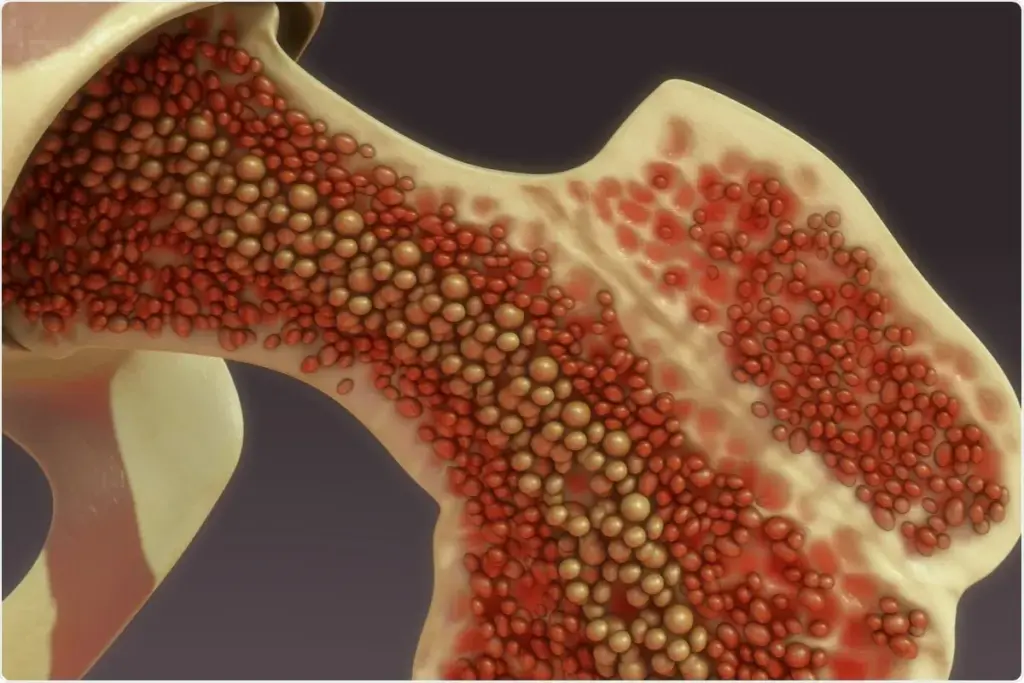
Bone marrow is a soft, spongy tissue inside many bones. It’s key for our health, making blood cells. This tissue is found in the cavities of bones.
Bone marrow has blood vessels and special cells. It has hematopoietic stem cells that make blood cells. These include red blood cells, white blood cells, and platelets.
The Composition of Bone Marrow
Bone marrow is mostly red and yellow marrow. Red marrow is where blood cells are made. It has lots of hematopoietic stem cells.
Yellow marrow is mostly fat. It’s less active in making blood cells. As we age, red marrow turns into yellow.
Hematopoietic Stem Cells and Blood Production
Hematopoietic stem cells are vital for blood cell production. They can turn into different blood cells. This keeps our blood healthy.
- Red Blood Cells: Carry oxygen.
- White Blood Cells: Fight infections.
- Platelets: Help blood clot.
Location of Bone Marrow in the Body
Bone marrow is in the cavities of bones. In adults, it’s mainly in the pelvic bones, vertebrae, and sternum. It’s also in the top parts of the femur and humerus.
In summary, bone marrow is crucial for making blood cells. Its role and location in bones are vital for our health.
Medical Conditions That Require Bone Marrow Examination

A bone marrow biopsy is key for diagnosing blood-related disorders. It helps doctors understand and track many medical conditions, especially those affecting the blood and bone marrow.
Blood Cancers: Leukemia, Lymphoma, and Plasma Cell Neoplasms
Blood cancers are a main reason for bone marrow exams. Leukemia, lymphoma, and plasma cell neoplasms need a bone marrow biopsy for diagnosis and to check how far the disease has spread.
- Leukemia: A cancer of the blood and bone marrow, marked by fast growth of abnormal white blood cells.
- Lymphoma: A cancer starting in the lymph system, which is part of the immune system.
- Plasma Cell Neoplasms: Diseases where abnormal plasma cells build up in the bone marrow, like multiple myeloma.
Blood Disorders and Unexplained Cytopenias
Bone marrow exams are also key for diagnosing blood disorders and unexplained cytopenias. Cytopenias are when there’s a drop in blood cells, causing health problems.
Some blood disorders needing a bone marrow biopsy include:
- Aplastic anemia, where the bone marrow can’t make blood cells.
- Myelodysplastic syndromes, where abnormal blood cells are made.
- Thrombocytopenia, a low platelet count condition.
Monitoring Disease Progression and Treatment Response
Beyond just diagnosing, bone marrow biopsies are vital for tracking disease and treatment success. Regular tests help doctors tweak treatment plans as needed.
Doctors can check:
- How far the disease has spread.
- How well treatments are working.
- If any disease remains after treatment.
This info is crucial for making smart decisions about patient care and aiming for the best results.
Bone Marrow Biopsy vs. Bone Marrow Aspiration
Bone marrow biopsy and aspiration are often confused, but they’re different. Both procedures take samples from the bone marrow. They differ in how they’re done and what they show.
Defining Both Procedures
Bone marrow aspiration takes a liquid sample to check blood cells. It’s key for seeing how blood cells are made and finding problems. A bone marrow biopsy takes a small bone piece with marrow inside. It gives a detailed look at the marrow’s structure and cells.
When Each Procedure Is Indicated
Choosing between aspiration and biopsy depends on what’s needed. Aspiration is used to look at cell types, like in blood cancers. Biopsy is better for checking the marrow’s structure, like in fibrosis or when aspiration fails.
Combined Procedures: The Comprehensive Approach
Often, both aspiration and biopsy are done together. This gives a full picture of the marrow’s health. It helps in diagnosing diseases accurately and checking treatment success. Knowing the differences helps doctors make better care plans.
The Diagnostic Value of Bone Marrow Procedures
Bone marrow procedures are very important. They help find diseases and plan treatments. These tests give detailed info about bone marrow and blood cells. This helps doctors diagnose and manage blood disorders.
Accuracy in Disease Detection and Staging
Bone marrow biopsies are very accurate. They help find and stage diseases like leukemia and lymphoma. This test looks at bone marrow cells to see if there’s a disease and how it’s growing.
Doctors can see how much of the disease is in the bone marrow. This helps them plan the best treatment. It makes sure patients get the right care for their condition.
Frequency of Use in Clinical Practice
Bone marrow tests are used a lot in medicine. They help diagnose and watch how diseases change over time. This is important for managing patients with blood disorders.
These tests are key in treating blood diseases. They give doctors the info they need to make treatment plans. This makes sure patients get the best care for their specific needs.
Impact on Treatment Planning
What bone marrow biopsies find affects treatment plans a lot. Doctors can tailor treatments based on the disease’s details. This makes medicine more personal and effective.
Thanks to these tests, patients get treatments that really fit their needs. This leads to better care and outcomes. It’s all about matching treatment to the patient’s unique situation.
Preparing for Your Bone Marrow Biopsy
Understanding what to expect can help alleviate anxiety surrounding your bone marrow biopsy. Preparing well for this key test is important. Here are steps to help you prepare smoothly.
Medical Tests and Evaluations
Your doctor may run several tests before the biopsy. These include a complete blood count (CBC) and blood chemistry tests. These help check your health and blood condition.
It’s important to follow your doctor’s advice on these tests. This includes fasting or changing your medication. Doing this ensures your biopsy is safe and works well.
Medication Considerations
Tell your doctor about all medicines and supplements you take. Some, like blood thinners, might need to be stopped. This is to lower the risk of bleeding during the biopsy.
Give your doctor a full list of your medicines. Include how often and how much you take. This helps your doctor make the right choices for your safety during the biopsy.
NPO Status: When to Stop Eating and Drinking
You might need to stop eating and drinking before the biopsy. This is called NPO (Nil Per Os, Latin for “nothing by mouth”). How long you need to fast depends on your procedure and the anesthesia.
It’s crucial to follow your doctor’s NPO instructions. Not doing so might delay your procedure. If you have questions, always ask your healthcare team for help.
The Bone Marrow Biopsy Procedure Explained
A bone marrow biopsy is a test that takes a sample of bone marrow for study. It’s key for spotting and tracking blood-related issues and diseases.
Step-by-Step Process
The bone marrow biopsy process has several steps:
- Preparation: The patient lies on their stomach or side, based on the biopsy spot.
- Cleaning and numbing: The skin at the biopsy site is cleaned and numbed with local anesthesia.
- Insertion: A biopsy needle is pushed through the bone and into the marrow.
- Sampling: Bone marrow is taken out with a syringe.
- Closure: Pressure is applied to stop bleeding, and a bandage is put on.
Tools Used: Needles, Syringes, and Specialized Equipment
The bone marrow biopsy needs special tools, like:
|
Tool |
Description |
|---|---|
|
Biopsy Needle |
A needle for getting a bone marrow sample. |
|
Syringe |
Used to take out the bone marrow sample. |
|
Local Anesthesia |
Used to numb the skin at the biopsy site. |
Common Biopsy Sites: Pelvic Bones and Sternum
The most common places for bone marrow biopsies are the pelvic bones and the sternum. The pelvic bones are often chosen because they offer a bigger area for sampling and are safer.
We know that a bone marrow biopsy can make patients anxious. But knowing what to expect can help ease that worry. Our medical team aims to make the experience safe and caring for all patients going through this test.
Pain Management During Bone Marrow Procedures
Pain management is key during bone marrow procedures. It ensures patients are comfortable and safe. Many patients worry about pain when they have a bone marrow biopsy.
Types of Anesthesia Used
Local anesthesia numbs the area for the biopsy. The says some get sedation to relax. The choice depends on the patient’s health and the procedure.
What Pain to Expect During the Procedure
Even with local anesthesia, some feel discomfort. The pain can feel like a dull ache or pressure. We tell our patients this pain is usually manageable and short-lived.
Techniques to Minimize Discomfort
There are ways to reduce pain during these procedures. These include:
- Proper Local Anesthesia Administration: Correctly applying local anesthesia is key for pain control.
- Conscious Sedation: Some find conscious sedation helpful for relaxation.
- Breathing Exercises: Breathing exercises can help patients relax and reduce anxiety.
- Distraction Techniques: Listening to music or other distractions can also help reduce pain perception.
By using these methods and tailoring care to each patient, we improve their experience. This makes bone marrow biopsies less stressful.
Understanding the Risks of Bone Marrow Biopsy
Deciding to have a bone marrow biopsy means knowing the risks. The procedure is mostly safe, but there are possible complications to be aware of.
Common Side Effects: Pain at the Biopsy Site
Pain at the biopsy site is a common side effect. This discomfort can be managed with over-the-counter pain meds. It usually goes away in a few days. It’s important to follow your doctor’s advice on pain relief.
Rare Complications: Bleeding and Infection
Bleeding and infection are rare but possible. Bleeding can be minor or serious and might need extra medical help. Infection is rare but can happen if bacteria get in through the biopsy site. Good wound care and watching for infection signs are key.
“The risk of complications from bone marrow biopsy, while present, is generally low. Understanding these risks is crucial for informed decision-making.”
Statistical Risk Assessment: The 6.15% Factor
Research shows about 6.15% of bone marrow biopsies have complications. Here’s a table showing how often different problems happen:
|
Complication |
Frequency |
|---|---|
|
Pain at biopsy site |
Common |
|
Bleeding |
Rare |
|
Infection |
Rare |
Knowing these risks helps patients prepare for the procedure. It’s vital to talk to your doctor about any worries you have.
Recovery After Your Bone Marrow Biopsy
Recovering from a bone marrow biopsy needs careful attention to your body’s needs. You must follow specific post-procedure guidelines. We’re here to guide you through this time.
Immediate Post-Procedure Care
Rest is key after the biopsy. Patients should avoid strenuous activities for at least 24 hours. Keeping the biopsy site clean and dry is crucial to prevent infection. Your healthcare provider will give you specific instructions on how to care for the site.
Look for redness, swelling, or increased pain. If you see these symptoms, contact your healthcare provider right away.
Managing Pain and Discomfort at Home
Managing pain is a big part of your recovery. Pain relievers may be prescribed by your doctor to help manage discomfort. Applying ice to the biopsy site can also help reduce pain and swelling. But always follow your healthcare provider’s advice on pain management.
For mild pain, over-the-counter pain medications might be suggested. But always check with your doctor before taking any medication. Keeping a pain level record is also helpful for follow-up appointments.
When to Seek Medical Attention
While complications from bone marrow biopsies are rare, knowing when to seek help is crucial. If you experience severe pain, excessive bleeding, or signs of infection, such as fever or chills, seek immediate medical attention. Also, if you notice any unusual symptoms or have concerns, contact your healthcare provider.
Being informed and prepared can greatly improve your recovery. Follow the post-procedure instructions from your healthcare team. And don’t hesitate to reach out if you have any questions or concerns.
The Critical Role of Operator Expertise
The success of a bone marrow biopsy depends a lot on the operator’s skill. This procedure is complex, needing precision and a deep knowledge of human anatomy and disease.
When a biopsy is done by a trained expert, the chance of getting a good sample goes up. Studies show that biopsies by experienced operators meet WHO standards twice as often .
How Specialist Training Affects Sample Quality
Specialist training greatly improves the quality of bone marrow samples. A skilled operator can avoid contamination and get enough sample. Medical experts say, “The quality of the sample depends on the operator’s skill”
“The quality of the sample depends on the operator’s skill”
Meeting WHO Standards for Interpretable Marrow Length
It’s key to meet WHO standards for marrow length for accurate diagnosis. The WHO says a sample must be at least 1.5 cm long to be useful. Trained operators are more likely to meet this standard, making the biopsy more valuable.
Questions to Ask About Your Provider’s Experience
Before a bone marrow biopsy, ask about your provider’s experience. Important questions include: “How many biopsies have you done?” “What’s your success rate?” and “What training do you have?”
Choosing an experienced operator can greatly improve your biopsy’s success and accuracy. In medical diagnostics, the role of operator expertise is crucial.
Special Considerations for Different Patient Populations
Bone marrow biopsies need extra care for some patients. This includes kids, older adults, and those with bleeding issues or on blood thinners. We’ll look at how to make sure each patient gets the right care.
Pediatric Bone Marrow Biopsies: Children of Blood and Bone
Kids face special challenges during bone marrow biopsies. Their small size and growing bodies need special handling. Specialized pediatric care teams are key to keeping them safe and getting accurate results. It’s also important to support the child and their family emotionally.
Elderly Patients and Additional Precautions
Elderly patients often have health issues and take many medicines. This makes bone marrow biopsies more complicated. Careful assessment of their health is crucial. This might mean watching them closely during and after the test to avoid risks.
Patients with Bleeding Disorders or on Anticoagulants
Patients with bleeding problems or on blood thinners face a higher risk of bleeding. According to
, they need special attention. This could mean changing their blood thinner, using special techniques, and watching them closely after the test.
- Adjusting anticoagulant therapy
- Using techniques to minimize bleeding
- Post-procedure monitoring
Bone Marrow Donation vs. Bone Marrow Biopsy
Bone marrow donation and bone marrow biopsy are two different medical procedures. They serve different purposes and have different methods and goals.
Differences in Purpose and Procedure
Bone marrow donation is when healthy bone marrow is given to someone who needs it. This is particularly relevant for conditions such as leukemia and lymphoma. The donor and recipient must match well to avoid serious side effects.
A bone marrow biopsy, however, is a test to check for diseases. It takes a small sample of bone marrow for examination. This is done to diagnose or keep track of conditions like blood cancers or infections.
Bone marrow donation is a more complex process than a biopsy. It involves taking bone marrow cells from the hip bones or collecting stem cells from the blood. A bone marrow biopsy just takes a small sample from the pelvic bone or sternum for tests.
The Bone Marrow Transplant Connection
Bone marrow donation is key to bone marrow transplantation. The donated marrow replaces the patient’s own, which is sick or damaged. This is a major treatment for blood disorders or cancers.
The transplant’s success depends on several things. These include how well the donor and recipient match, the patient’s health, and the disease being treated.
Modern Donation Techniques
Modern bone marrow donation has become safer and less invasive. Peripheral blood stem cell (PBSC) donation is a new method. It collects stem cells from the blood after using a special drug.
This method is now preferred for many transplants. It reduces risks and allows donors to recover faster.
We keep seeing new ways to improve bone marrow donation and transplantation. These advancements help patients and make the process safer for donors.
Understanding Your Bone Marrow Biopsy Results
After a bone marrow biopsy, you’ll get results that help diagnose and guide treatment. We’ll help you understand how to get and interpret these results.
Timeline for Receiving Results
Interpreting Your Pathology Report
Your pathology report details your bone marrow biopsy findings. It shows the bone marrow’s cells, any abnormal cells, and more. It’s key to discuss this report with your doctor to understand what it means and what to do next.
The report might have sections like:
- Clinical history and biopsy details
- Microscopic examination findings
- Immunohistochemistry results
- Molecular diagnostic test results
Follow-up Appointments and Next Steps
After getting your results, your doctor will talk about them and what’s next. This meeting is vital for understanding your diagnosis and treatment. Don’t hesitate to ask about your condition, treatment options, and any lifestyle changes.
To get ready for your follow-up, consider these steps:
- Write down your questions and concerns
- Bring a family member or friend for support
- Request a summary of your diagnosis and treatment plan in writing
Understanding your bone marrow biopsy results is a big step in your diagnosis. By working with your healthcare provider and asking questions, you can move forward with confidence and clarity.
Alternatives and Complementary Diagnostic Methods
Other diagnostic methods are key when used with bone marrow biopsies. Bone marrow biopsies give important info for diagnosing many conditions. But, other tests can give more insights, making the diagnosis better.
Blood Tests and Their Limitations
Blood tests are often the first step in diagnosing a patient. They show if there are problems with blood cells. But, they can miss some issues.
For example, blood tests can spot abnormal cells in blood cancers like leukemia. Yet, they don’t show how much the bone marrow is affected. So, blood tests are useful but need more direct tests like bone marrow biopsies.
Advanced Imaging Techniques
Modern imaging like PET/CT scans, MRI, and CT scans are key in diagnosing many conditions. They help see how far a disease has spread, check if treatments are working, and help find the right spot for biopsies.
PET/CT scans find areas where cells are very active, which might mean a tumor. MRI gives clear pictures of soft tissues. It’s great for seeing how far lymphoma has spread.
Emerging Liquid Biopsy Technologies
Liquid biopsy technologies are new and exciting for diagnosing and tracking diseases. They look at DNA, RNA, or other markers in blood to understand tumors.
Liquid biopsies are non-invasive and can track disease changes over time. They might even find tiny cancer cells left behind. Though still new, they could be a big help alongside traditional tests like bone marrow biopsies.
Psychological Aspects of Undergoing Bone Marrow Procedures
For many patients, the mental impact of a bone marrow biopsy is as big as the physical one. The process can make people feel anxious and worried about the results.
Managing Anxiety Before the Procedure
Anxiety is common for those waiting for a bone marrow biopsy. Effective anxiety management strategies can help. Talking to your healthcare provider can offer reassurance. Techniques like deep breathing and meditation can also help.
Knowing what to expect can also ease anxiety. Patients should ask questions about the biopsy. This includes what happens before, during, and after.
Coping with Fear of Results
Fear of bad results is a big worry for many. It’s normal and there are ways to deal with it. Support from family, friends, or support groups is key.
Talking to healthcare providers about possible outcomes can help. This can make the unknown less scary.
Support Resources for Patients
Having access to patient support resources is crucial. These include counseling, support groups, and educational materials. We suggest patients look into these options.
Support groups offer a sense of community. Sharing experiences with others can be comforting and helpful.
In conclusion, the mental side of a bone marrow biopsy is important. But, there are ways to manage anxiety, deal with fears, and find support.
Conclusion: Putting Bone Marrow Biopsies in Perspective
A bone marrow biopsy is a key tool for diagnosing blood-related issues. We’ve looked into the process, its importance, and the care offered by places like Liv Hospital.
The test involves using a sharp needle in the hip bone. It’s usually done with local anesthetic and is mostly painless. Though, there are risks like bleeding, infection, and pain. But, the chance of these problems is very low, about 0.12% in 13,505 tests, as reports.
Knowing about bone marrow biopsies can make patients feel more ready. Afterward, simple painkillers can help with pain. And, results usually come in 2 to 3 days. Good care from healthcare providers is key in diagnosing and treating blood disorders.
FAQ
What is a bone marrow biopsy, and why is it performed?
A bone marrow biopsy is a procedure to take a sample of bone marrow. It helps diagnose and monitor blood-related diseases. This includes blood cancers and disorders.
What is bone marrow, and what is its function?
Bone marrow is a spongy tissue in some bones, like the pelvic bones and sternum. It makes blood cells, including red and white blood cells, and platelets. This is done by hematopoietic stem cells.
What is the difference between bone marrow biopsy and aspiration?
A bone marrow biopsy takes a small sample of bone marrow tissue. Aspiration is when a liquid sample is taken with a syringe and needle. Both are often done together for a full diagnosis.
What are the risks associated with bone marrow biopsy?
Side effects like pain at the biopsy site are common. Rarely, bleeding and infection can happen. Following post-procedure care can help reduce these risks.
How should I prepare for a bone marrow biopsy?
Preparation may include medical tests and stopping certain medications. You might also need to follow NPO status, which means not eating or drinking before the procedure.
What can I expect during the bone marrow biopsy procedure?
The procedure uses a special needle to take a sample from the pelvic bones or sternum. Local anesthesia is used to reduce discomfort.
How is pain managed during bone marrow procedures?
Pain management includes local anesthesia to numb the area. Some patients may also get sedation to relax during the procedure.
How long does it take to receive bone marrow biopsy results?
Results usually take a few days to a week. Your healthcare provider will discuss the results with you and explain the next steps.
What are the alternatives to bone marrow biopsy?
Alternatives include blood tests, imaging techniques, and liquid biopsy technologies. These might be used instead of or with bone marrow biopsy, depending on the condition.
How can I manage anxiety related to undergoing a bone marrow biopsy?
To manage anxiety, talk to your healthcare provider and seek support from family and friends. You can also look into counseling or support groups.
What is the significance of operator expertise in bone marrow biopsy?
The skill of the healthcare provider is crucial. It affects the quality of the sample and diagnosis accuracy. It’s important to have a qualified and experienced professional.
Are there special considerations for different patient populations undergoing bone marrow biopsy?
Yes, special considerations are needed for different groups. This includes pediatric and elderly patients, and those with bleeding disorders or on anticoagulants. They may need extra precautions or procedure modifications.
References
National Center for Biotechnology Information. Evidence-Based Medical Insight. Retrieved from https://pubmed.ncbi.nlm.nih.gov/12786808/



 Departments
 Related Videos
 Our Doctors
 News
News