
Every year, thousands of people get bone marrow transplants through bone marrow donation. This is a lifesaving option for those with certain cancers and blood disorders. Did you know one bone marrow donor can save up to 75 lives? The bone marrow donation process is complex, and knowing the recovery time is key for donors.
Deciding to donate bone marrow is a big choice. It’s important to know what to expect before and after the procedure. This guide will explain the recovery time for bone marrow transplant donors and give insights into the bone marrow donation process.
Key Takeaways
- Understanding the bone marrow donation process
- Recovery time expectations for bone marrow transplant donors
- Eligibility criteria for donating bone marrow
- Potential risks and complications associated withbone marrow donation
- Post-donation care and recovery tips
What You Need to Know About Bone Marrow Donation
Understanding bone marrow donation is key for those thinking about donating. It’s a vital way to help patients with certain cancers and blood disorders. By donating, you help transplant healthy stem cells into those in need.
The Science Behind Bone Marrow and Stem Cells
Bone marrow is found in bones like hips and thighbones. It makes blood cells. Inside it, there are stem cells, which can turn into different types of cells. This makes them essential for bone marrow transplants.
These transplants replace damaged or sick bone marrow with healthy ones. It’s a way to save lives.
Who Needs Bone Marrow Transplants
People with leukemia, lymphoma, and sickle cell anemia often need these transplants. These diseases harm the bone marrow’s ability to make blood cells. Bone marrow transplants are lifesaving treatments for people with diseases such as leukemia, lymphoma, other cancers or sickle cell anemia.
The Life-Saving Impact of Donation
The effect of bone marrow donation is huge. By donating, you can significantly increase a patient’s chance of survival, offering hope and a second chance at life.
Bone marrow donation is a complex process. But its importance in medicine is clear. As more people learn about it, we can save more lives.
Types of Bone Marrow Donation Procedures
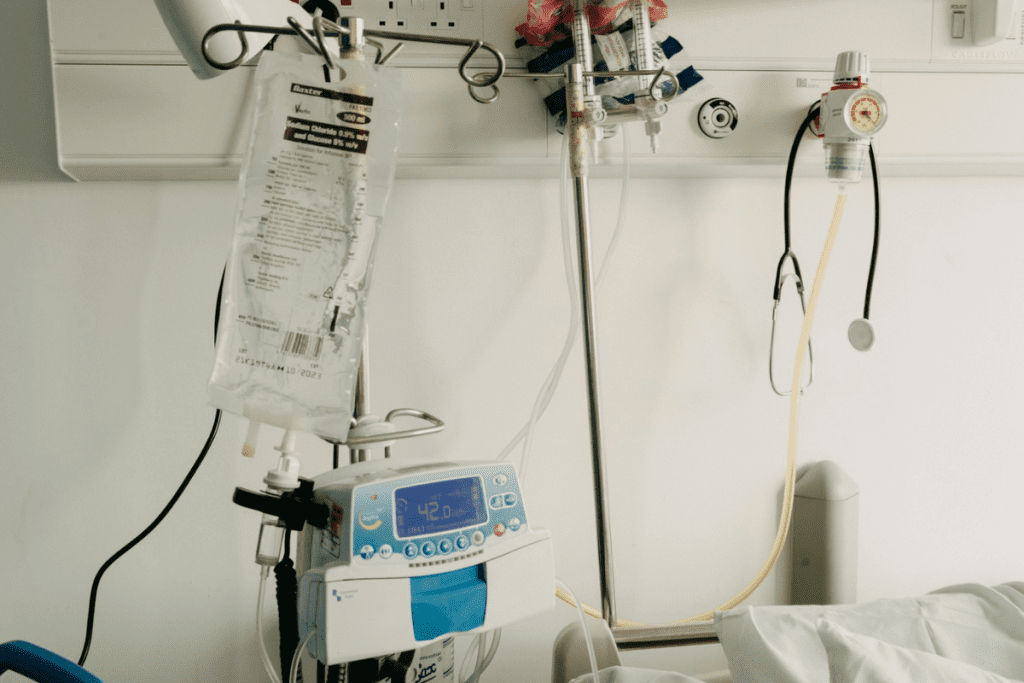
It’s important to know about the different bone marrow donation procedures. This process is a lifesaver and has changed a lot. Now, there are many ways to help, depending on what’s needed and what you prefer.
Traditional Bone Marrow Harvest Method
The traditional method takes bone marrow directly from the donor’s bone. This usually happens in the pelvic area. It needs anesthesia and is done in a hospital.
To get the bone marrow, a small cut is made. The whole process is quick. But, the donor must stay in the hospital for a few hours or overnight to be checked on.
- Procedure: Surgical extraction under anesthesia.
- Recovery: Hospital stay for observation.
- Pain Management: Managed through medication.
Peripheral Blood Stem Cell (PBSC) Donation
Peripheral Blood Stem Cell (PBSC) donation is a gentler way. It collects stem cells from the blood, without surgery or anesthesia.
First, the donor takes medicine to make more stem cells. Then, these cells are taken from the blood through a special process called apheresis. This separates the stem cells from other blood parts.
- Procedure: Apheresis after stem cell mobilization.
- Recovery: Generally quicker than traditional harvest.
- Benefits: Less invasive, no surgery required.
Both methods have their own benefits. They are chosen based on what the recipient needs and the donor’s health. Knowing about these options helps donors make better choices.
Preparing for Bone Marrow Donation
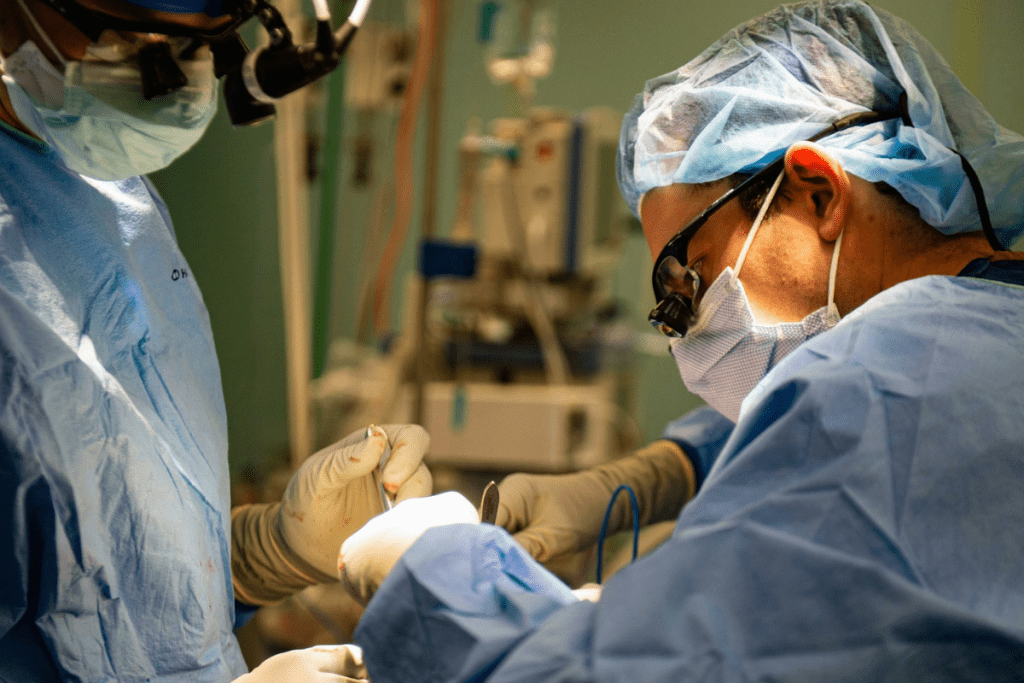
Getting ready for bone marrow donation takes several steps. These steps make sure the process is safe and works well. Donors need to check their body and mind for the donation.
Medical Evaluation and Testing
The first thing is a detailed medical check-up. Donors fill out a health history form to spot any health risks. They also do blood tests and a physical exam to check their health.
Donors also go to an info session. There, they learn about the donation, risks, and recovery. This helps answer any questions or worries they have.
Lifestyle Adjustments Before Donation
Before donating, donors might need to change their lifestyle. They should avoid some medicines like aspirin. Eating well and getting enough sleep is also important to stay healthy.
Mental Preparation and Expectations
Mental prep is key for bone marrow donation. Donors need to know what to expect. Having support from loved ones or groups can help with stress and anxiety.
Knowing what to do before donating makes donors feel more ready. This prep helps make the donation smoother and increases the transplant’s chances of success.
Is Donating Bone Marrow Painful? Addressing Common Concerns
Many wonder if donating bone marrow hurts. It’s a valid concern, given the procedure’s invasive nature. But knowing what to expect can ease worries.
Pain Levels During Different Donation Methods
The pain level during bone marrow donation varies by method. There are two main methods: traditional bone marrow harvest and Peripheral Blood Stem Cell (PBSC) donation.
Traditional bone marrow harvest takes marrow from the hipbone under anesthesia. Donors might feel some pain or discomfort after, but they won’t feel it during the procedure.
PBSC donation involves mobilizing stem cells into the bloodstream with medication. These cells are then collected through a vein. While donors might feel some discomfort from injections and IV lines, the pain is usually mild.
The biggest pain for PBSC donors is the small pinch from the IV or shots.
Pain Management Strategies
Managing pain is key for a smooth recovery. Donors often get pain medication after the procedure. For PBSC donors, over-the-counter pain relievers can help with injection-related pain.
Donors are also advised on ways to reduce discomfort. This includes resting, using ice, and eating well to aid recovery.
Real Donor Experiences and Testimonials
Listening to donors’ experiences offers valuable insights. Many say the discomfort was manageable and worth it to help someone.
“I was surprised at how quickly I recovered and how minimal the pain was. It was a small price to pay for the chance to help someone in need.”
Donor stories stress the importance of mental preparation and support. Family and medical staff play a big role in making the experience easier.
Bone Marrow Donation Risks to Donors
It’s important to know the risks of bone marrow donation before you decide to donate. The process is usually safe, but there are some risks and complications to be aware of.
Short-Term Risks and Complications
The immediate risks come from the procedure and the anesthesia. The biggest risk is the anesthesia’s effects, like nausea, vomiting, and breathing problems.
Other short-term risks include:
- Infection at the bone marrow site
- Bleeding or bruising
- Fatigue
- Pain or discomfort
Long-Term Health Considerations
Studies are looking into the long-term health effects of bone marrow donation. Most donors don’t face long-term health problems. But, some may deal with chronic pain or fatigue in rare cases.
Comparing Risks Between Donation Methods
There are two main ways to donate bone marrow: traditional harvest and peripheral blood stem cell (PBSC) donation. Each method has its own risks.
| Donation Method | Short-Term Risks | Long-Term Risks |
| Traditional Bone Marrow Harvest | Risk of infection, bleeding, and reaction to anesthesia | Potential for chronic pain |
| Peripheral Blood Stem Cell (PBSC) Donation | Risk of fatigue, bone pain, and headache | Generally considered to have fewer long-term risks |
Talking to healthcare professionals about these risks is key to making a well-informed decision.
Immediate Post-Donation Recovery Period
Knowing about the immediate recovery after donating bone marrow is key. This time is vital for a safe and smooth healing.
The First 24-48 Hours
Right after donating bone marrow, you’ll go to a recovery area. Medical staff will watch over you as you wake up from anesthesia or sedation. The first 24 to 48 hours are very important.
Rest and drinking plenty of water are important during this time. It’s good to have someone with you to help with daily tasks and support. The medical team will teach you how to handle pain and watch for any problems.
Hospital Discharge Process
When your medical team says you’re okay, you’ll get to go home. Before you leave, you’ll get clear instructions on post-donation care. This includes how to take care of your wound, manage your meds, and when to see your doctor again.
It’s very important to follow these instructions well. This helps avoid problems and makes sure you heal right. If you have any questions or worries, always talk to your healthcare provider.
Initial Activity Restrictions
Right after donating, you might not be able to do some things. Avoid heavy lifting, bending, or hard activities as your doctor tells you. Slowly starting to do normal things again is important.
By following these rules, you can help make your recovery after bone marrow donation safe and successful.
Week-by-Week Recovery Timeline
The journey to full recovery after bone marrow donation is a gradual process. It varies from person to person. Knowing what to expect can help donors prepare and plan.
First Week After Donation
In the first week, donors often feel tired, sore, and might have bruises at the donation site. Rest and hydration are key during this time. Many need to take time off work or adjust their daily activities.
Following the post-donation instructions from the medical team is vital. This includes advice on pain management, wound care, and follow-up appointments.
Weeks 2-3: Progressing Recovery
By weeks 2-3, donors start to feel better. Energy levels increase, and soreness at the donation site decreases. But, it’s important to pace activities and not overdo it.
Donors can start to do some normal activities again. But, it’s wise to keep following the medical team’s advice on physical activity and lifestyle adjustments.
One Month and Beyond
By the one-month mark, most donors have made a lot of progress. The body naturally replenishes both peripheral blood stem cells and bone marrow within a few weeks after donation, according to medical sources.
At this stage, many donors can return to their normal routines, including work and exercise. Some might feel occasional fatigue. It’s wise to keep an eye on health and report any concerns to healthcare providers.
Recovery timelines can vary based on individual health, the donation method, and other factors. Donors should stay informed and patient, allowing their bodies the necessary time to heal fully.
Returning to Normal Life After Bone Marrow Donation
Going back to normal life after donating bone marrow needs careful planning. You must know the rules for getting back to work, exercise, and daily tasks.
Guidelines for Resuming Work
Most donors can go back to work in a few days to weeks. This depends on your job and health. Desk jobs are easier, but physically demanding jobs take longer. Always listen to your doctor about when to start work again.
- Talk to your doctor about your job to figure out when to return.
- Start with part-time hours if you can to ease back in.
- Be ready for tiredness and adjust your schedule as needed.
Physical Activity and Exercise Recommendations
Starting to exercise again is key to recovery. Light exercises like walking can start soon. But, strenuous activities like heavy lifting or sports should wait a few weeks.
- Begin with short walks and slowly increase the distance and effort.
- Avoid heavy lifting, bending, or hard exercises for 2-4 weeks.
- Stop if you feel pain or discomfort while exercising.
Driving, Travel, and Other Daily Activities
Donors can usually drive and do daily activities once they feel better. But, it’s important to follow certain rules:
- Don’t drive until you’re off narcotic pain meds.
- Wait a few weeks before long trips, avoiding hard activities.
- Rest when your body tells you to.
By following these tips, donors can smoothly return to their normal lives after bone marrow donation. Always get advice from healthcare professionals for your specific needs.
Factors That Influence Recovery Time
Knowing what affects recovery time is key for bone marrow donors. Recovery times can differ a lot between people. This depends on several important factors.
Age and Physical Health
Age and physical health are big factors in recovery time. Younger donors’ cells work better when transplanted. Doctors usually look for donors aged 18 to 35 for this reason.
Being healthy also helps with recovery. People who eat well and exercise often get better faster. Those with health problems take longer to recover. Evidence suggests that the health status of a donor before donation plays an important role in shaping their recovery outcomes.
Donation Method Differences
The way bone marrow is donated also affects recovery time. There are two main methods: traditional bone marrow harvest and peripheral blood stem cell (PBSC) donation.
| Donation Method | Recovery Time | Characteristics |
| Traditional Bone Marrow Harvest | Typically longer | Involves surgical extraction from the hip bone |
| Peripheral Blood Stem Cell (PBSC) Donation | Generally shorter | Non-surgical; involves stimulating stem cell production in the blood |
Individual Healing Variations
How fast each person heals is also important. Everyone’s body heals differently. This is due to genetics, health, and following doctor’s orders.
It’s vital for donors to listen to their healthcare provider for the best recovery.
Conclusion: The Rewarding Journey of Saving Lives Through Donation
Bone marrow donation is a life-saving act that deeply impacts both the giver and the receiver. It changes lives for the better, making a big difference in those fighting serious diseases.
The process requires careful thought and preparation. Yet, it’s a rewarding journey that lets donors help in healing others. The recovery time varies, depending on age, health, and how the donation is done.
Understanding the steps, risks, and recovery helps donors make smart choices. Bone marrow donation does more than just save lives. It builds a sense of community and kindness.
For those thinking about this act, it starts with a simple choice to save a life. This choice not only changes the life of the recipient but also enriches the donor’s experience. It leaves a lasting legacy of kindness and generosity through bone marrow donation.
FAQ
What is bone marrow donation?
Bone marrow donation is when a donor gives their bone marrow to someone else. This helps treat diseases like leukemia and lymphoma.
How do I donate bone marrow?
First, you need to sign up with a bone marrow registry. Then, you’ll have a medical check-up. After that, you’ll be matched with a recipient. You can donate through a traditional bone marrow harvest or by giving peripheral blood stem cells.
Is donating bone marrow painful?
The pain from bone marrow donation can vary. Traditional bone marrow harvest might hurt more. But, PBSC donation is usually less painful. There are ways to manage pain during the process.
What are the risks associated with bone marrow donation?
Short-term risks include pain, fatigue, and bruising. Long-term risks are rare but can include infections or damage to your bone marrow. Most donors recover well.
How long does it take to recover from bone marrow donation?
Recovery time depends on the method, your age, and health. Most people recover in a few weeks to months. PBSC donors usually recover faster.
Can I donate bone marrow if I have a pre-existing medical condition?
It depends on your medical condition. Talk to a doctor to see if you can donate.
How does peripheral blood stem cell (PBSC) donation work?
For PBSC donation, you get a medication to release stem cells into your blood. Then, these cells are collected through apheresis. Your blood is returned to you.
What are the benefits of donating bone marrow?
Donating bone marrow can save lives. It’s also a rewarding experience for the donor, giving them a sense of purpose.
Can I choose the recipient of my bone marrow donation?
No, you don’t choose the recipient. The registry matches you with someone based on medical needs.
How do I register to become a bone marrow donor?
Visit a registry website, like the National Marrow Donor Program (NMDP). Follow their registration process, which includes a cheek swab or saliva sample.
References
- Burns, L. J., et al. (2016). Recovery of unrelated donors of peripheral blood stem cells and bone marrow: A prospective study. Biology of Blood and Marrow Transplantation, 22(5), 744-751. https://doi.org/10.1016/j.bbmt.2016.01.020PMC
- Miller, J. P., Bryant, E., Rutherford, D., Sobocinski, K., Baker, K., Barr, R. D., ¦ & Klingemann, H. G. (2008). Recovery and Safety Profiles of Marrow and PBSC Donors: A Prospective Study. Biology of Blood and Marrow Transplantation, 14(10), 1329-1339. https://doi.org/10.1016/j.bbmt.2008.07.017ASTCT Journal+1
- Shows that PBSC donors report a median time to full recovery of about 1 week, whereas bone marrow donors take about 3 weeks. Provides data on symptoms like fatigue.ScienceDirect+1
- Shows that PBSC donors report a median time to full recovery of about 1 week, whereas bone marrow donors take about 3 weeks. Provides data on symptoms like fatigue.ScienceDirect+1