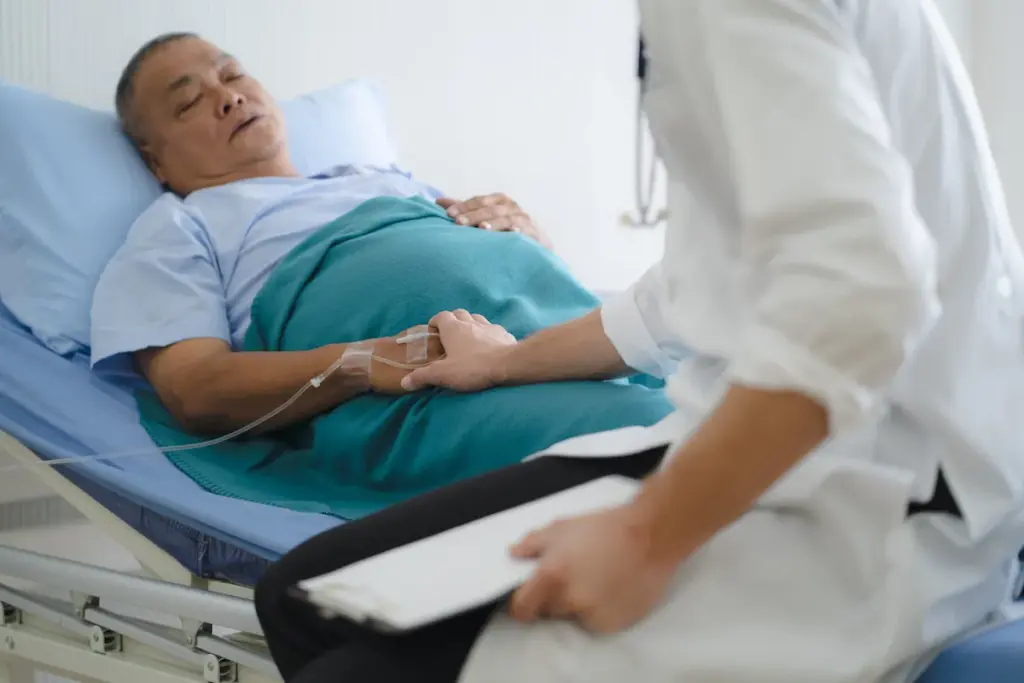
Bone marrow transplantation, or hematopoietic stem cell transplantation, is a complex procedure. It’s used to treat life-threatening diseases like certain cancers and blood disorders. Despite its life-saving benefits, it comes with significant risks. Stay safe. Learn about the bone marrow recovery process and the most common causes of death after a transplant to help prevent risks.
The most common reason for death after a bone marrow transplant is the relapse of the underlying disease. This is true, mainly for those treated for cancer. Studies show that relapse causes up to 38.7% of deaths in allogeneic transplants. In autologous procedures, it can be as high as 64.5%.
Key Takeaways
- Relapse of the underlying disease is the leading cause of death after a bone marrow transplant.
- The risk of relapse varies between allogeneic and autologous transplant procedures.
- Understanding the causes of mortality post-transplant is key to improving patient outcomes.
- Recent studies offer valuable insights into the risks of bone marrow transplantation.
- It’s essential to develop better survival strategies and care protocols for BMT patients.
Understanding Bone Marrow and Its Function
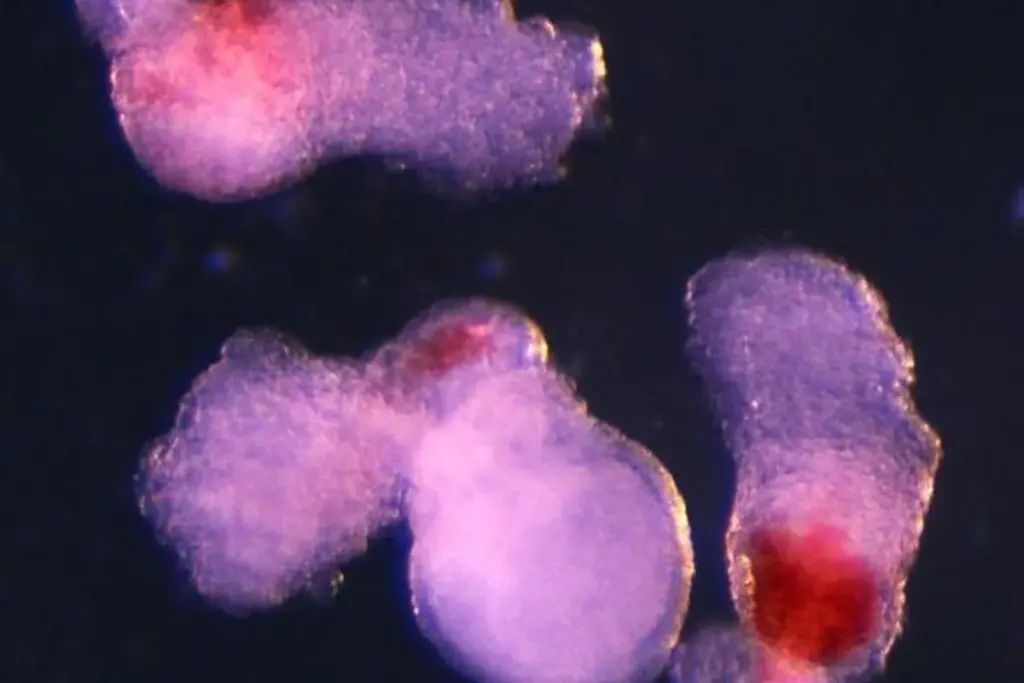
Bone marrow is a key part of our bones, playing a big role in hematopoiesis. This is how blood cells are made. It’s found in bones like the hips and thighbones. It’s vital for making blood cells that carry oxygen, fight off infections, and help heal injuries.
The Role of Bone Marrow in Blood Production
Bone marrow is essential for making blood cells. It creates red blood cells, white blood cells, and platelets. Hematopoietic stem cells in the marrow turn into these cells, keeping our blood healthy. A study in Nature shows how important bone marrow is for understanding bone marrow transplants.
“The bone marrow is a highly dynamic organ that produces billions of cells daily,” it’s a key part of our health.
Hematopoietic Stem Cells and Their Importance
Hematopoietic stem cells are special in the bone marrow. They can become any blood cell type. These cells are vital for our blood system, as they can keep making more cells. They are the base of our blood production system.
Conditions Requiring Bone Marrow Transplantation
Some conditions, like leukemia and lymphoma, might need a bone marrow transplant. This is when other treatments don’t work. A transplant can replace bad marrow with good one. The choice to get a transplant depends on the patient’s health, how bad their condition is, and if a donor is available.
Types of Bone Marrow Transplants
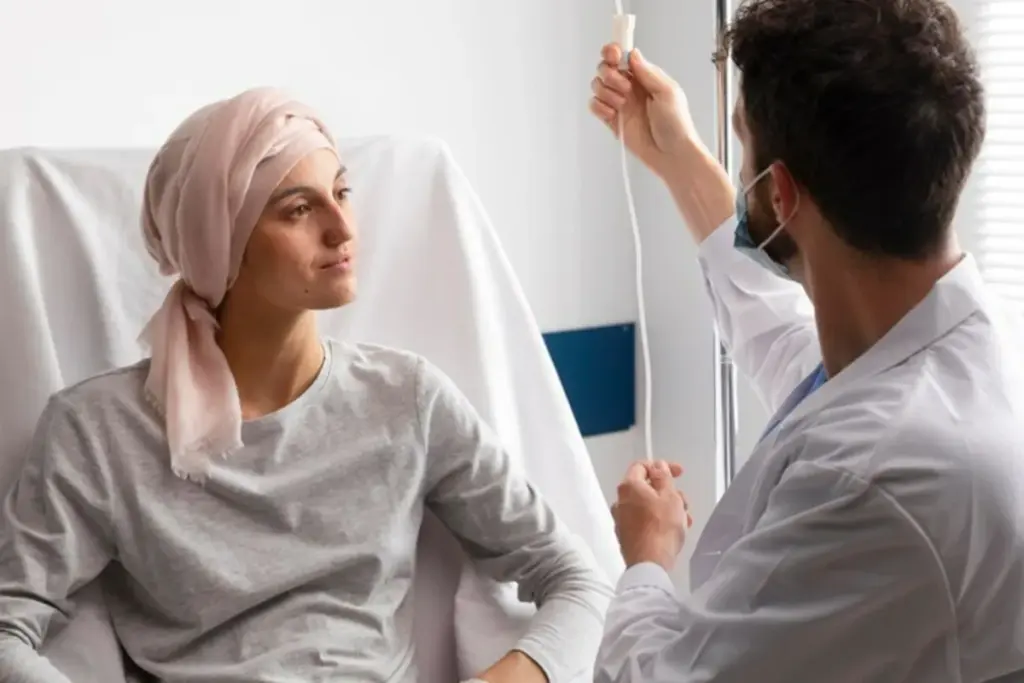
There are many types of bone marrow transplants, each with its own features and uses. The choice of transplant depends on the patient’s health, the donor’s match, and the transplant’s needs.
Allogeneic Transplantation: Process and Applications
Allogeneic transplantation uses stem cells from a donor. This donor can be a relative or someone else. First, a donor is found through Human Leukocyte Antigen (HLA) typing to lower the risk of graft-versus-host disease (GVHD). Then, the donor’s stem cells are taken from their bone marrow or blood.
This type of transplant is good for patients with genetic disorders or blood cancers. But, it can lead to GVHD, where the donor’s immune cells attack the patient’s body.
Autologous Transplantation: Procedure and Uses
Autologous transplantation uses the patient’s own stem cells. The patient’s stem cells are taken before they get high-dose chemotherapy or radiation. Then, these stem cells are put back into the patient to rebuild their bone marrow.
This method is often used for patients with certain lymphomas or multiple myeloma. Because it uses the patient’s own cells, the risk of GVHD is much lower.
Haploidentical and Cord Blood Transplants
Haploidentical transplants use stem cells from a half-matched donor, often a family member. This is useful when a fully matched donor is not available.
Cord blood transplants use stem cells from the umbilical cord. They are often used for kids or when an adult donor is not found. Both haploidentical and cord blood transplants are good options for patients without a fully matched donor.
|
Type of Transplant |
Donor Source |
Risk of GVHD |
Typical Use |
|---|---|---|---|
|
Allogeneic |
Related or unrelated donor |
Higher |
Genetic disorders, blood cancers |
|
Autologous |
Patient’s own cells |
Lower |
Lymphoma, multiple myeloma |
|
Haploidentical |
Half-matched family member |
Moderate |
Patients without a fully matched donor |
|
Cord Blood |
Umbilical cord blood |
Lower |
Pediatric patients, when adult donor not available |
Knowing about the different bone marrow transplants helps doctors choose the best treatment for each patient.
The Bone Marrow Transplant Procedure
Bone marrow transplantation is a detailed treatment that includes preparation, transplantation, and recovery. It’s a key process for those needing a bone marrow transplant. This treatment can be life-saving.
Pre-Transplant Evaluation and Conditioning
The journey to a bone marrow transplant starts with a detailed pre-transplant evaluation. This assessment is critical for checking the patient’s health and if they’re ready for the transplant. The evaluation includes tests and talks to get the patient ready.
After the evaluation, the patient goes through conditioning. This involves chemotherapy and/or radiation therapy to remove the old bone marrow and weaken the immune system. This step is vital to make room for the new stem cells.
- Chemotherapy: High-dose chemotherapy is used to destroy the existing bone marrow.
- Radiation Therapy: Total body irradiation may be used in conjunction with chemotherapy to ensure complete eradication of the existing bone marrow.
- Immunosuppression: Suppressing the immune system to prevent graft rejection.
The Stem Cell Collection Process
After conditioning, the next step is collecting stem cells. These can come from the donor or the patient themselves, depending on the transplant type. The collection process involves taking stem cells from the bone marrow or blood.
- Donor Stem Cell Collection: Donors have their stem cells mobilized into the blood, then collected.
- Autologous Stem Cell Collection: The patient’s own stem cells are collected before conditioning and then reinfused after.
Post-Transplant Recovery and Engraftment
Recovery after the transplant is a critical phase. It involves watching for signs of engraftment and managing any complications. Engraftment occurs when the new stem cells start making blood cells, showing the transplant is working.
Key parts of recovery include:
- Monitoring for Engraftment: Regular blood tests to check for new blood cells.
- Managing Complications: Watching for and handling complications like infections and graft-versus-host disease (GVHD).
- Supportive Care: Giving supportive care, like medicines and nutrition, to help in recovery.
In conclusion, the bone marrow transplant procedure is complex and involves careful steps. Understanding these steps helps patients better navigate their treatment journey.
Overall Mortality Rates After Transplantation
It’s key to know about death rates after bone marrow transplants. This helps set patient hopes and better their chances. Death rates change based on the transplant type, disease, and patient health.
Short-Term Survival Statistics
Right after a transplant, death risks are high. This is mainly because of infections and graft-versus-host disease (GVHD). The first 100 days are the deadliest.
Studies show death rates stay 2.1 times higher than normal people’s for two years after. This shows we need to keep working on transplant care to lower death rates.
Long-Term Survival Outcomes
Thanks to new transplant methods and care, long-term survival has gotten better. But, death risks are always there, more so for those with health problems.
Patients need ongoing care after a transplant. This is to watch for and fix any problems early.
The 2.1x Higher Mortality Rate Compared to General Population
Death rates after bone marrow transplants are a big worry. Studies show they are 2.1 times higher than normal people’s for two years after.
|
Time Post-Transplant |
Mortality Rate |
Comparison to General Population |
|---|---|---|
|
0-100 days |
High risk due to infections and GVHD |
2.1x higher within 2 years |
|
100 days – 1 year |
Risk remains due to GVHD and infections | |
|
1-2 years |
Risk decreases but remains significant |
These numbers show how vital ongoing care is for transplant patients.
Disease Relapse: The Primary Cause of Death
Relapse is the main reason for death after bone marrow transplants. It’s a big worry for those getting both allogeneic and autologous transplants.
38.7% Mortality Rate in Allogeneic Transplants
Research shows that in allogeneic transplants, 38.7% of patients die from relapse. This high number highlights the importance of ongoing care after the transplant.
64.5% Mortality Rate in Autologous Transplants
Autologous transplants have an even higher risk, with a 64.5% mortality rate from relapse. This is because autologous transplants lack the graft-versus-leukemia effect.
Risk Factors for Disease Recurrence
Several factors increase the risk of relapse after a bone marrow transplant. These include the underlying disease, the conditioning regimen, and minimal residual disease. Knowing these factors helps in finding ways to prevent relapse and improve outcomes.
Identifying patients at high risk for relapse is key. It allows for specific treatments to lower relapse rates. This approach is essential for better survival rates for transplant patients.
Infections as a Significant Mortality Factor
Infections are a big problem after bone marrow transplants. They greatly increase the risk of death. Patients are very vulnerable to infections because their immune systems are weak.
Bacterial Infections: 22-24% of Post-Transplant Deaths
Bacterial infections are a major cause of death after bone marrow transplants. They account for 22-24% of post-transplant deaths. Pneumonia is a common infection that needs quick treatment.
We must diagnose and treat these infections early. This is key to managing them.
Factors that increase the risk of bacterial infections include long periods of low white blood cell counts. Also, using broad-spectrum antibiotics can upset the body’s natural balance, leading to infections by resistant bacteria.
Viral Infections in Immunocompromised Patients
Viral infections are a big threat to patients with weakened immune systems after bone marrow transplants. Viruses like cytomegalovirus (CMV) and respiratory viruses can cause severe illness. It’s important to watch closely and start treatment early.
Using antiviral drugs to prevent infections is vital. It helps stop the virus from coming back or spreading.
Fungal Infections and Their Management
Fungal infections, like invasive aspergillosis, are deadly for bone marrow transplant patients. Quick diagnosis and treatment are essential to save lives.
We recommend antifungal drugs for high-risk patients. A thorough approach to fighting fungal infections is needed. This includes using advanced tests and effective treatments.
Graft-Versus-Host Disease Complications
GVHD, or graft-versus-host disease, is a serious problem that can happen after a bone marrow transplant. It happens when the donor’s immune cells see the recipient’s body as foreign. This leads to an immune attack on the body. We will look at how GVHD affects transplant success and how to manage it.
GVHD Contributing to 16% of Transplant Deaths
Graft-versus-host disease is a big reason for death after bone marrow transplants. It causes about 16% of transplant deaths. This shows we need better ways to prevent and treat GVHD.
|
GVHD Type |
Mortality Rate |
Common Symptoms |
|---|---|---|
|
Acute GVHD |
Higher in the first 100 days post-transplant |
Skin rash, liver dysfunction, gastrointestinal symptoms |
|
Chronic GVHD |
Significant long-term morbidity |
Skin sclerosis, oral mucositis, liver dysfunction |
Acute GVHD: Presentation and Management
Acute GVHD usually starts within a few months after the transplant. Symptoms can be mild or very severe. Treatment aims to control the immune system and reduce damage.
Key management strategies include:
- Prophylactic immunosuppression
- Prompt treatment of symptoms
- Supportive care to manage organ dysfunction
Chronic GVHD: Long-Term Implications
Chronic GVHD can happen later and greatly affects a patient’s life. It needs ongoing treatment to prevent infections and organ damage.
The management of chronic GVHD involves a multidisciplinary approach, including:
- Long-term immunosuppression
- Monitoring for complications
- Supportive care to improve quality of life
Timing of Mortality After Bone Marrow Transplant
The time after a bone marrow transplant shows clear patterns of death. Knowing these patterns helps doctors give better care to patients at different times.
Early Deaths: Infections and GVHD Predominance
Early deaths often come from infections and graft-versus-host disease (GVHD). These problems are common in the first few months after the transplant.
Late Deaths: Relapse and Organ Toxicity
Late deaths, happening months or years later, are usually due to disease relapse and organ toxicity. This shows why long-term care is so important.
Factors Influencing Mortality Timeline
Many things affect how long someone lives after a bone marrow transplant. These include the type of transplant, the underlying disease, and the patient’s health. Knowing these helps predict outcomes and manage care better.
|
Time Post-Transplant |
Common Causes of Mortality |
Influencing Factors |
|---|---|---|
|
Early (0-3 months) |
Infections, GVHD |
Type of transplant, conditioning regimen |
|
Late (months to years) |
Disease relapse, organ toxicity |
Underlying disease, patient health |
Understanding when deaths happen after a bone marrow transplant helps us care for patients better. The different patterns of early and late deaths show we need to tailor care for each patient.
Organ Toxicity and Failure Post-Transplantation
Managing organ toxicity is a big challenge after bone marrow transplantation. This issue comes from the conditioning regimen, infections, and graft-versus-host disease (GVHD). It can really affect a patient’s quality of life and chances of survival.
Hepatic Complications
Hepatic complications are a big worry after bone marrow transplantation. The conditioning regimen can cause veno-occlusive disease (VOD), also known as sinusoidal obstruction syndrome (SOS). This is when the liver’s veins get blocked, leading to liver failure, coagulopathy, and even death.
We watch patients closely for signs of liver problems, like jaundice, ascites, and abnormal liver function tests. We use supportive care, defibrotide for VOD, and adjust the conditioning regimen to lessen toxicity.
Pulmonary Complications
Pulmonary complications are another big problem after transplant. Idiopathic pneumonia syndrome (IPS) and infections are common. IPS is a serious condition where the lungs get injured without a clear cause.
To prevent and manage these issues, we use prophylactic antimicrobial therapy, monitor the lungs closely, and start treatment early with corticosteroids and other immunosuppressive agents for IPS.
Cardiac and Renal Toxicity
Cardiac and renal toxicity can come from the conditioning regimen and certain drugs. Cardiac toxicity can cause heart failure or arrhythmias. Renal toxicity can lead to acute kidney injury (AKI) or chronic kidney disease (CKD).
|
Organ System |
Complications |
Management Strategies |
|---|---|---|
|
Hepatic |
VOD/SOS, Liver Failure |
Supportive care, Defibrotide |
|
Pulmonary |
IPS, Infections |
Antimicrobial therapy, Corticosteroids |
|
Cardiac |
Heart Failure, Arrhythmias |
Cardiac monitoring, Heart failure management |
|
Renal |
AKI, CKD |
Renal function monitoring, Nephroprotective strategies |
By knowing the risks and using effective management strategies, we can lower the chances and impact of organ toxicity after transplant. This helps improve patient outcomes.
Impact of Patient Age on Transplant Mortality
When deciding if a patient is a good candidate for a bone marrow transplant, age is a big factor. It’s not just a number; it greatly affects the transplant’s success. Healthcare providers must carefully consider this when planning a transplant.
Pediatric Patient Outcomes
Kids usually handle the transplant prep better than adults. They also have fewer health problems. But, they face special issues like growth problems from radiation. We must think carefully about these when planning a transplant for kids.
Adult Patient Considerations
Adults, and older ones in particular, have their own set of challenges. They often have more health problems and a higher risk of dying from the transplant. The treatment can be harsher for them, making recovery harder. Yet, with the right care, many adults can have a successful transplant.
Life-Years Lost: Average of 7 Years
Research shows that bone marrow transplants can lead to losing about 7 years of life, mainly in younger patients. This highlights the need to look at the transplant’s long-term effects. We must focus on both survival rates and the patient’s quality of life over time.
The table below shows how age affects transplant outcomes:
|
Age Group |
Tolerance to Conditioning Regimen |
Comorbidity Presence |
Long-term Complications |
|---|---|---|---|
|
Pediatric |
Generally better tolerance |
Fewer comorbidities |
Growth and development issues, radiation effects |
|
Adult |
Variable tolerance; often less than pediatric |
More comorbidities |
Organ toxicity, GVHD, and other complications |
Knowing how age affects transplant outcomes is key to better patient care. It helps us make informed decisions and find ways to improve results for all ages.
Secondary Malignancies as a Late Complication
Secondary malignancies are a big risk for those who have had bone marrow transplants. These cancers can show up years later. They happen because of the treatment and because the immune system is weakened for a long time.
Types of Secondary Cancers
After a bone marrow transplant, patients might get myelodysplastic syndromes, leukemia, and solid tumors. Myelodysplastic syndromes are disorders where blood cells don’t form right. They can turn into leukemia. Leukemia, like AML and ALL, and solid tumors, like skin and oral cancers, are also risks.
- Myelodysplastic syndromes
- Leukemia (AML and ALL)
- Solid tumors (skin, oral, and other cancers)
Risk Factors and Incidence Rates
Several things can increase the chance of getting secondary cancers. These include the treatment before the transplant, graft-versus-host disease (GVHD), and how much the immune system is suppressed. Studies show that 5% to 15% of people might get secondary cancers 10 years after the transplant. Some studies even report higher rates.
Key risk factors include:
- The intensity of the conditioning regimen
- The presence and severity of GVHD
- The use of immunosuppressive therapy
- Age at the time of transplant
Screening and Early Detection Strategies
Regular checks and early detection are key to fighting secondary cancers. We suggest a detailed follow-up plan. This should include:
- Annual skin exams to detect skin cancers early
- Regular oral examinations for signs of oral cancers
- Periodic blood tests to monitor for signs of myelodysplastic syndromes or leukemia
- Adherence to recommended cancer screening guidelines for the general population, such as mammograms and colonoscopies
Finding secondary cancers early can greatly improve treatment chances. So, it’s vital for patients to team up with their healthcare team. Together, they can create a care plan that fits the patient’s needs.
Advances in Reducing Bone Marrow Transplant Mortality
Recent breakthroughs in bone marrow transplantation have greatly improved patient results. These advancements have made bone marrow transplants safer and more effective for treating serious diseases.
Improved Conditioning Regimens
The success of bone marrow transplants depends a lot on the conditioning regimen. Improved conditioning regimens have been key in cutting down on harmful side effects. By customizing the treatment for each patient, we can lessen bad effects and boost the transplant’s success.
- Reduced intensity conditioning is great for older patients or those with health issues.
- Pharmacokinetic monitoring helps in giving the right dose, reducing side effects even more.
Better HLA Matching Techniques
Human Leukocyte Antigen (HLA) matching is vital for allogeneic bone marrow transplants. New methods in HLA typing and matching have lowered the risk of GVHD and boosted survival rates.
- High-resolution HLA typing makes matching between donors and recipients more precise.
- New algorithms for picking donors have increased the chance of finding good matches.
Novel GVHD Prevention Strategies
Graft-versus-host disease is a big problem with allogeneic bone marrow transplants. Novel strategies for GVHD prevention are showing great promise, like using post-transplant cyclophosphamide.
- Post-transplant cyclophosphamide has been effective in lowering GVHD rates.
- Other methods, like regulatory T-cell therapy, are being studied.
Enhanced Supportive Care Approaches
Supportive care is essential for patients going through bone marrow transplantation. New developments in fighting infections, managing GVHD, and nutrition have all helped improve patient results.
- Antimicrobial prophylaxis has cut down on serious infections.
- Multidisciplinary care teams provide full support to patients during the transplant.
Long-Term Follow-Up and Survivorship
Surviving bone marrow transplantation is more than just getting through the procedure. It’s about ongoing care and support. As survival rates improve, we focus on making life better for those who have had transplants.
Recommended Monitoring Protocols
Long-term care is key for managing bone marrow transplant’s late effects. We check organ function regularly, like the heart, lungs, and liver. This helps catch problems early. We also screen for secondary cancers, as transplant patients are at higher risk.
Monitoring protocols should include:
- Regular blood work and bone marrow assessments
- Annual screenings for secondary cancers
- Ongoing evaluation of organ function
- Imaging studies as needed
Quality of Life Considerations
Survivors of bone marrow transplants face many challenges. Fatigue, memory issues, and emotional struggles can affect daily life. We focus on improving quality of life through care plans that include rehabilitation and psychological support.
As a survivor shared,
“The journey doesn’t end with the transplant; it’s a new beginning that requires ongoing support and care.”
— Bone Marrow Transplant Survivor
Psychosocial Support for Transplant Survivors
Psychosocial support is essential for long-term care. It helps survivors deal with emotional and social challenges. We offer counseling, support groups, and educational resources to help patients and their families.
By addressing physical, emotional, and social needs, we can enhance survivors’ quality of life and long-term outcomes.
Preventive Strategies to Improve Survival Rates
Preventive strategies are key to better outcomes for bone marrow transplant patients. Focusing on stopping infections, preventing relapse, and giving full care can greatly boost survival chances.
Infection Prevention Protocols
Infections are a big problem after transplant. Infection prevention protocols are vital. They include using antibiotics, vaccines, and keeping everything clean. A study on the National Center for Biotechnology Information shows these steps can cut down transplant-related deaths.
To make these protocols work, we need a team effort. This team should include experts in infections, microbiologists, and transplant doctors. Together, we can lower the risk of infections and help patients do better.
Relapse Prevention Approaches
Relapse is a big worry after bone marrow transplant. Relapse prevention approaches include ongoing treatment and checking for disease leftovers. These steps help spot high-risk patients early, so we can act fast.
Being proactive about preventing relapse can lead to better long-term survival. This means keeping a close eye on patients and adjusting their treatment as needed.
Multidisciplinary Care Teams
A multidisciplinary care team is vital for bone marrow transplant patients. This team includes hematologists, infectious disease specialists, and psychologists, among others.
With teamwork, we can tackle the complex needs of transplant patients. This ensures patients get the best care, from before the transplant to after.
Patient Education and Self-Management
Patient education and self-management are key in post-transplant care. Teaching patients about their condition and treatment helps them stick to preventive steps. This leads to better outcomes.
Patients who take an active role in their care can handle problems better and report issues sooner. This approach can greatly improve survival rates.
Conclusion: Future Directions in Transplant Survival
As we move forward in bone marrow transplantation, we see a lot of promise. Research in gene therapy, cellular therapy, and new treatment plans is underway. This work aims to lower death rates and boost long-term survival chances.
We are in a new era for transplant survival, thanks to medical tech and treatment improvements. By exploring new limits in bone marrow transplants, we offer hope and better results for patients. This life-saving procedure is becoming more effective.
The outlook for transplant survival is optimistic, with new treatments and strategies on the horizon. As research grows, we’ll see major improvements in patient care and fewer complications. This will lead to better health outcomes for people all over the world.
FAQ
What is bone marrow transplantation?
Bone marrow transplantation is a medical procedure. It treats serious diseases like cancer and blood disorders. It replaces the patient’s bone marrow with healthy stem cells.
What are the types of bone marrow transplants?
There are several types of bone marrow transplants. These include allogeneic (donor stem cells), autologous (patient’s own stem cells), haploidentical (half-matched donor), and cord blood transplants (umbilical cord stem cells).
What is graft-versus-host disease (GVHD)?
GVHD is a complication of allogeneic bone marrow transplantation. It happens when the donor’s immune cells see the recipient’s tissues as foreign. This can cause symptoms from mild skin rash to severe multi-organ dysfunction.
What are the primary causes of death after bone marrow transplantation?
The main reasons for death after bone marrow transplantation are disease relapse, infections, GVHD, and organ toxicity.
How does patient age affect bone marrow transplant outcomes?
Age is a big factor in transplant outcomes. Kids usually do better because they’re more resilient. Adults, and older adults in particular, face more risks due to health issues.
What are secondary malignancies, and how are they related to bone marrow transplantation?
Secondary malignancies are cancers that come after bone marrow transplantation. They’re caused by the treatment and long-term use of immunosuppressants. These cancers include myelodysplastic syndromes, leukemia, and solid tumors.
What advances have improved bone marrow transplant survival rates?
Advances have greatly improved survival rates. These include better treatment regimens, improved HLA matching, new ways to prevent GVHD, and better care for patients.
Why is long-term follow-up important for bone marrow transplant survivors?
Long-term follow-up is key for managing late effects. It helps with secondary malignancies, organ issues, and psychosocial problems. It ensures survivors get the care they need.
What preventive strategies can improve survival rates after bone marrow transplantation?
Preventive strategies are vital. They include infection prevention, ways to prevent cancer from coming back, team care, and educating patients. These help improve survival rates.
What is hematopoiesis, and how is it related to bone marrow?
Hematopoiesis is how bone marrow makes blood cells. It includes red blood cells, white blood cells, and platelets. This happens through the differentiation of hematopoietic stem cells.
What is the role of hematopoietic stem cells in bone marrow transplantation?
Hematopoietic stem cells are essential for bone marrow transplantation. They can turn into all blood cell types. This is key for the body’s blood production system.
References
National Center for Biotechnology Information. Evidence-Based Medical Insight. Retrieved from https://www.ncbi.nlm.nih.gov/pmc/articles/PMC7669225/