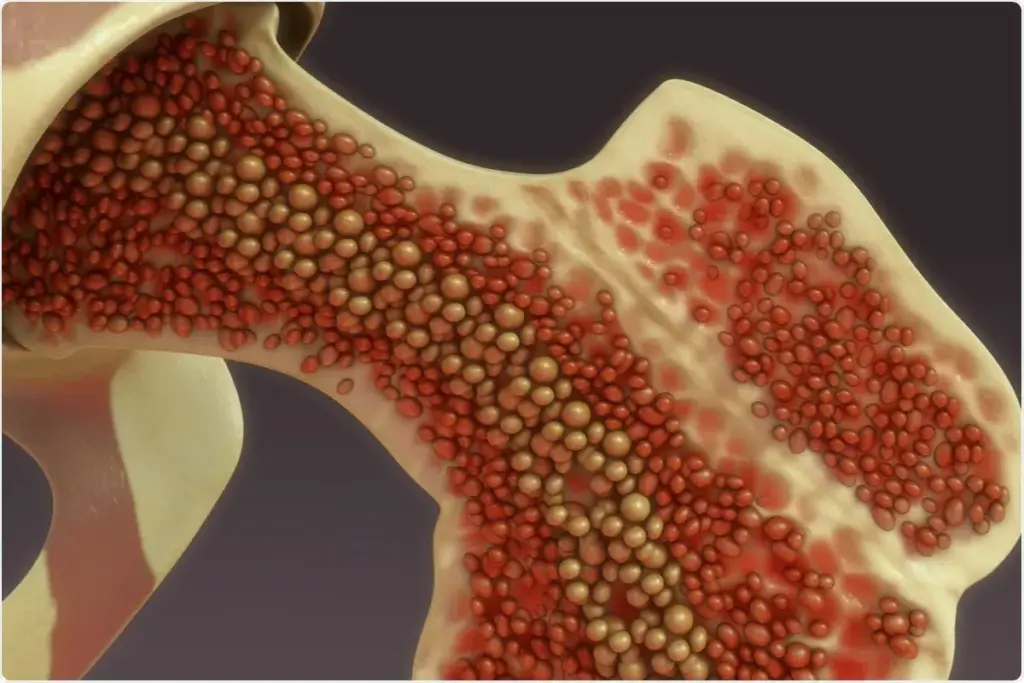
How much bone marrow do you have? Discover surprising vital facts about this essential tissue and its role in keeping your body healthy.
The human body has bone marrow in many bones. Adults usually have around 1,000 to 1,500 grams of it. This important tissue helps make blood cells.
In healthy adults, marrow makes up about 4-5% of our body weight. This shows how important it is for our health. Knowing how much and what kind of bone marrow we have helps doctors and scientists a lot.
Key Takeaways
- Adults have approximately 1,000 to 1,500 grams of bone marrow.
- Bone marrow accounts for about 4-5% of total body weight.
- It is vital for making blood cells.
- Understanding bone marrow is key for medicine and transplant science.
- Bone marrow is found in the axial skeleton and long bones.
The Essential Role of Bone Marrow in Human Health
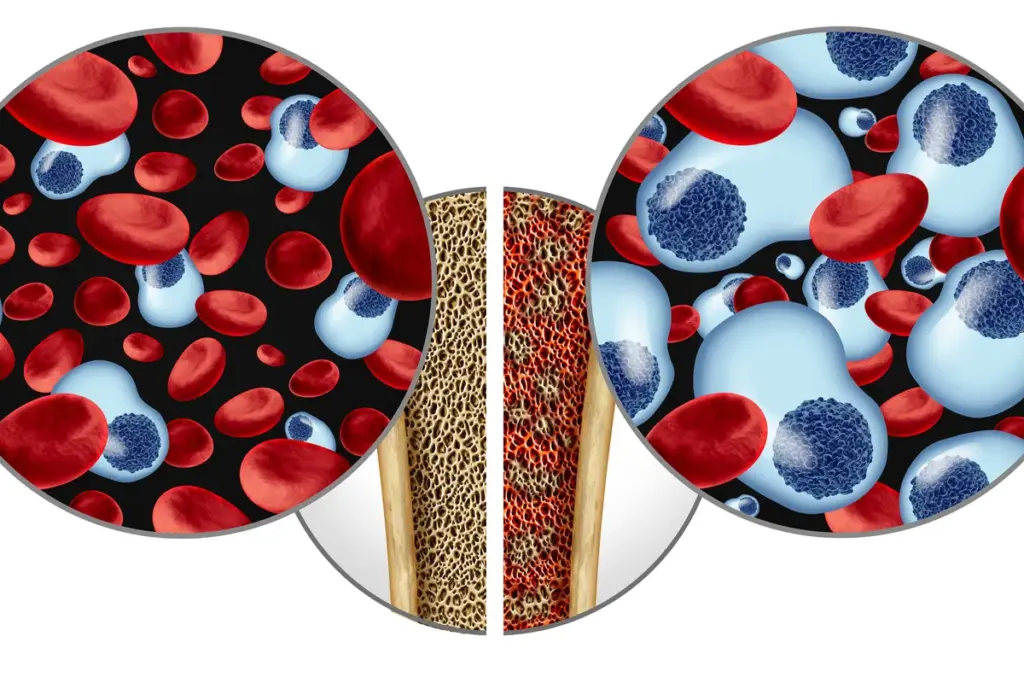
Bone marrow is vital for our health. It’s a spongy tissue inside some bones. It helps make blood cells.
Definition and Basic Functions
Bone marrow makes blood cells through a process called hematopoiesis. Red bone marrow is the type that does this. It makes red blood cells, white blood cells, and platelets.
According to the, red bone marrow is mainly in the hip bones, vertebrae, sternum, and ribs.
Yellow bone marrow is mostly fat cells. It’s in the long bones of the limbs. It stores fats that can be used when needed.
Anatomical Overview of Marrow Distribution
Red and yellow bone marrow’s distribution changes with age. At birth, most marrow is red, making blood cells. As we get older, some red marrow turns into yellow marrow.
This change affects blood cell production and the number of hematopoietic stem cells. This shows how bone marrow’s role changes over time.
Knowing about bone marrow’s role in health is key. The balance between red and yellow marrow is important. It affects how well we can make blood cells.
Quantifying Bone Marrow in Adults

Adults have a lot of bone marrow, which is key to our health. Knowing how much and why it matters helps us see its importance.
Total Weight and Volume Measurements
Adults usually have 1,000 to 1,500 grams of bone marrow. This shows how vital marrow is for our bodies.
The amount of bone marrow can change. This depends on things like body size and health.
Percentage of Total Body Weight
Bone marrow makes up about 4-5% of an adult’s body weight. This shows how big a role marrow plays in our health.
- The average adult has about 1,000 to 1,500 grams of bone marrow.
- Bone marrow constitutes around 4-5% of the total body weight.
- The quantity of bone marrow can vary among individuals based on several factors.
Knowing these facts is important for health experts and anyone interested in staying healthy. It helps us understand the important role bone marrow plays.
Types of Bone Marrow and Their Locations
Bone marrow comes in two main types: red and yellow. They have different roles and are found in different parts of the body.
Red Bone Marrow: The Blood Cell Factory
Red bone marrow makes blood cells. It’s mainly in the hip bones, vertebrae, sternum, and ribs. This shows how vital it is for our health.
It’s full of blood vessels and stem cells. These stem cells turn into red and white blood cells and platelets. This makes red bone marrow key to our blood system.
Yellow Bone Marrow: The Fat Repository
Yellow bone marrow is full of fat cells and acts as an energy storage. It’s mostly in the long bones of the limbs, like the femur and humerus. As we get older, yellow marrow takes over from red in these bones.
At birth, most bone marrow is red. But as we grow, yellow marrow replaces it. This shows how bone marrow changes with age and our body’s needs.
Bone Marrow Distribution Throughout the Skeleton
It’s important to know how bone marrow is spread out in the body. This helps us understand its role.
Bone marrow is found all over the skeleton. It’s most present in the axial skeleton. This includes the hip bones, vertebrae, sternum, and ribs. These bones have red bone marrow, which is key for making blood cells.
Marrow in the Axial Skeleton
The axial skeleton is where most blood cell production happens. The hip bones, vertebrae, sternum, and ribs are where this magic happens.
- The hip bones have a lot of red marrow.
- Vertebrae are also important for making blood cells.
- The sternum and ribs have red bone marrow too.
Marrow in the Appendicular Skeleton
The appendicular skeleton, which includes the long bones of the limbs, has yellow bone marrow. This marrow is full of fat and acts as a energy storage.
The amount of red and yellow marrow changes as we age. It also depends on our health and lifestyle.
To sum up, bone marrow is spread differently in the body. The axial skeleton is full of red marrow for blood cell making. The appendicular skeleton has yellow marrow for storing fat.
The Cellular Architecture of Bone Marrow
The bone marrow’s cellular framework is key for making different blood cell types. It’s made up of various cell types that work together for blood cell creation.
Hematopoietic Stem Cells and Their Lineages
Hematopoietic stem cells are the starting point for all blood cells. They can turn into many cell types, like myeloid and lymphoid cells. The myeloid lineage makes red blood cells, platelets, and some white blood cells. The lymphoid lineage creates lymphocytes, which are vital for our immune system.
The process of making blood cells is carefully controlled. Hematopoietic stem cells can renew themselves. This lets them keep making blood cells for our whole lives.
Stromal Cells and Microenvironment
Stromal cells, like fibroblasts, adipocytes, and endothelial cells, are key for supporting blood cell creation. They make growth factors and cytokines. These help hematopoietic stem cells and their offspring grow and work right.
The bone marrow’s microenvironment is a complex mix of cells, growth factors, and matrix. It helps hematopoietic stem cells grow into mature blood cells. The connection between these cells and the microenvironment is vital for keeping the right balance between growing and differentiating.
Developmental Changes in Bone Marrow
Bone marrow changes a lot from when we’re in the womb to when we’re old. These changes affect how well it works and our health. They also impact how well we can make blood cells.
Fetal and Childhood Marrow Composition
In the womb and early childhood, bone marrow is mostly red marrow. This red marrow makes blood cells, which are vital for growing and surviving. Research shows that this marrow is most active during these times.
As kids get older, the marrow starts to change. More yellow marrow, which has fat cells, appears. This change happens as we grow up.
Adult and Aging Marrow Transitions
In adults, the marrow changes but at a slower rate. The shift from red to yellow marrow affects how well it makes blood cells. This can impact our immune system.
Studies show that red marrow turns into yellow with age. This can make it harder for our bodies to make blood cells. It might lead to health problems as we get older.
|
Age Group |
Marrow Composition |
Hematopoietic Activity |
|---|---|---|
|
Fetal/Early Childhood |
Primarily Red Marrow |
High |
|
Adolescence/Adulthood |
Mix of Red and Yellow Marrow |
Moderate |
|
Old Age |
Predominantly Yellow Marrow |
Low |
The changes in bone marrow with age show how important it is to understand its development. Research is helping us learn how to keep our marrow healthy as we age.
The Science of Bone Marrow Function
Bone marrow is a vital organ that does many important jobs. It makes blood cells and helps the immune system. This is key for carrying oxygen, fighting infections, and stopping bleeding.
Blood Cell Production Mechanisms
The bone marrow makes blood cells through a process called hematopoiesis. Hematopoietic stem cells turn into different blood cell types. These include:
- Red blood cells, which carry oxygen
- White blood cells, which fight infections
- Platelets, which help blood clot
This complex process is controlled by growth factors and cytokines. They make sure the body has enough of each blood cell type.
Immune System Development in Marrow
The bone marrow also helps the immune system grow. It supports the maturation and selection of immune cells, like B lymphocytes.
Its role in immune system development includes:
- Creating immune cells from stem cells
- Helping these cells mature and select properly
- Releasing them into the blood to fight infections
In short, the bone marrow is key for making blood cells and growing the immune system. It’s essential for our health.
Common Disorders Affecting Bone Marrow
The bone marrow can face many disorders, both good and bad. These issues can mess with how blood cells are made. This can lead to health problems.
Malignant Conditions
Leukemia and lymphoma are two big problems for the bone marrow. Leukemia makes too many bad white blood cells. Lymphoma turns lymphocytes into cancer. These can cause anemia, infections, and bleeding issues.
a hematologist, says, “Leukemia and lymphoma are big cancers that start in the bone marrow. We need to find and treat them early.”
“The impact of malignant bone marrow disorders on patients’ lives can be profound, making timely intervention critical.”
Non-Malignant Pathologies
Other issues like aplastic anemia and myelodysplastic syndromes also trouble the bone marrow. Aplastic anemia means the marrow can’t make blood cells. Myelodysplastic syndromes make blood cells poorly, and can turn into leukemia.
Myelodysplastic syndromes are tough because they can change and turn into worse leukemia. It’s key to understand them to find good treatments.
Diagnosing and treating bone marrow problems need a full plan. This includes checking the patient, lab tests, and sometimes a bone marrow biopsy. Treatment can be medicines, blood transfusions, or even bone marrow transplants.
Diagnostic Approaches to Bone Marrow Assessment
Diagnosing bone marrow conditions uses advanced methods. Bone marrow aspiration and biopsy are key techniques. They help check the health of bone marrow.
Bone Marrow Aspiration and Biopsy
Bone marrow aspiration and biopsy are vital tools. They involve taking a sample of bone marrow for tests. Bone marrow aspiration takes a liquid sample. Biopsy takes a solid sample of bone tissue.
The process is simple. It starts with local anesthesia for the patient. Then, a needle is inserted into the bone, often the hipbone. After that, the marrow sample is aspirated or biopsied.
- Preparing the patient with local anesthesia
- Inserting a needle into the bone, usually the hipbone
- Aspirating or biopsying the marrow sample
Advanced Imaging and Laboratory Evaluation
Advanced imaging, like MRI and PET scans, helps too. These methods give insights into bone marrow’s structure and function.
Advanced imaging has many benefits. It allows for non-invasive bone marrow checks. It also helps track how well treatments are working. Plus, it shows detailed images of marrow structure and function.
Bone Marrow Transplantation: Process and Impact
Bone marrow transplantation is a key treatment for many blood diseases. It replaces a patient’s bad marrow with healthy marrow from a donor. This gives hope to those with few treatment options before.
Types of Transplants and Donor Selection
The success of bone marrow transplantation depends on several factors. These include the transplant type and donor compatibility. There are two main types: autologous and allogeneic. Autologous uses the patient’s own marrow, while allogeneic uses a donor’s.
Donor selection is key in allogeneic transplants. It must be precise to avoid graft-versus-host disease. The U.S. bone marrow donor registry is vital in this process. It has over 9.4 million adult donors ready to help.
The U.S. Bone Marrow Donor Registry
The U.S. bone marrow donor registry is essential for patients needing a transplant. It matches donors with recipients, ensuring patients get the treatment they need. The registry’s large database shows the power of community support for blood disorder patients.
In conclusion, bone marrow transplantation is a complex process. It relies on donor generosity and registries like the U.S. bone marrow donor registry. As medical research improves, bone marrow transplantation will likely help more patients, bringing new hope to those with blood diseases.
Innovative Treatments and Research in Bone Marrow Medicine
Bone marrow medicine is on the verge of a big change. This is thanks to new research and treatments. The goal is to make treatments better for patients.
Emerging Therapies and Clinical Trials
New treatments like gene editing and stem cell therapy are being studied. Gene editing technologies, like CRISPR/Cas9, might fix genetic problems in blood cells. Stem cell therapies aim to help the body make more healthy blood cells.
Clinical trials are key to checking if these new treatments work. For example, trials are looking at gene-edited stem cells for severe blood disorders. This could lead to better treatments.
Future Directions in Marrow Research
The future of bone marrow research is bright. Researchers are looking into regenerative medicine to fix or replace damaged marrow. They’re also exploring personalized medicine to match treatments to each patient’s genes.
As research gets better, we’ll see even more new treatments. The use of artificial intelligence and machine learning in research will help find new therapies faster. This will improve care for patients.
International Standards in Bone Marrow Treatment
Adopting international standards in bone marrow treatment is a big step towards better global care. As medical practices grow, sticking to these standards is more important than ever.
Liv Hospital shows its dedication to these standards and improving healthcare. By using new solutions and ethical practices, Liv Hospital leads the way in quality bone marrow treatment.
Global Best Practices in Marrow Medicine
Global best practices in marrow medicine highlight the need for team care. This ensures patients get treatment plans made just for them.
A team of hematologists, oncologists, and other experts work together. Their combined skills are key to handling the complex issues of bone marrow disorders.
|
Specialty |
Role in Bone Marrow Treatment |
|---|---|
|
Hematology |
Diagnosis and treatment of blood disorders |
|
Oncology |
Cancer treatment and management |
|
Imaging and Diagnostic Services |
Accurate diagnosis through advanced imaging techniques |
Multidisciplinary Approaches to Patient Care
Multidisciplinary care is key to effective bone marrow treatment. It brings together different medical experts for a complete treatment plan.
Key parts of multidisciplinary care are:
- Personalized treatment plans
- Collaboration among specialists
- Advanced diagnostic and therapeutic techniques
Conclusion
Bone marrow is key to our health, playing a big role in how we feel and function. It’s where our blood cells are made and our immune system grows. This shows just how important it is.
Learning about bone marrow and its problems helps us find better treatments. New studies are always coming up with ways to help patients. This is a big step forward in bone marrow medicine.
As we learn more about bone marrow, we can give patients with disorders better care. This will make their lives better. Bone marrow is vital to our health, and research will keep showing us how it works.
FAQ
What is bone marrow, and what is its function?
Bone marrow is a key tissue that makes blood cells. It creates red blood cells, white blood cells, and platelets. This is vital for our health.
How much bone marrow does an adult typically have?
Adults usually have about 1,000 to 1,500 grams of marrow. This makes up about 4-5% of their body weight.
What are the two main types of bone marrow, and where are they found?
There are two main types: red and yellow bone marrow. Red marrow is in the hip bones, vertebrae, sternum, and ribs. Yellow marrow is in the long bones of the limbs.
What is the role of red bone marrow in the body?
Red bone marrow makes blood cells. It produces red blood cells, white blood cells, and platelets.
How does bone marrow change with age?
With age, marrow changes. Red marrow turns to yellow, affecting stem cells.
What is bone marrow transplantation, and how does it work?
Bone marrow transplantation saves lives for those with blood disorders. It involves finding a donor and transplanting healthy marrow cells.
What is the U.S. bone marrow donor registry, and what is its role?
The U.S. bone marrow donor registry helps patients needing transplants. It has over 9.4 million adult donors ready to donate.
What are some common disorders that affect bone marrow?
Disorders include leukemia and lymphoma. Also, aplastic anemia and myelodysplastic syndromes affect marrow.
How are bone marrow disorders diagnosed?
Diagnosing involves bone marrow tests and imaging. Techniques like MRI and PET scans are used.
What are some emerging therapies and research in bone marrow medicine?
New therapies like gene editing and stem cell treatments are promising. Clinical trials are testing their safety and effectiveness.
References
National Center for Biotechnology Information. Evidence-Based Medical Insight. Retrieved from https://pubmed.ncbi.nlm.nih.gov/6869276/