
Thinking of donating? Learn about the bone marrow transplant process and the truth about whether giving a transplant actually hurts.
Patients with blood cancers and disorders may find a stem cell transplant to be a lifesaving option. Yet, the journey to a hematopoietic stem cell transplant is not just about the procedure. It’s also about the physical and emotional experiences of both donors and recipients.
At our institution, we know the pain concerns about bone marrow donation. Recent studies and patient stories have shown the true physical effects and results of these treatments. This helps to reduce some of the fears and doubts people have.
Key Takeaways
- Donors and recipients may feel discomfort and pain during and after the procedure.
- Medical advancements have greatly improved the outcomes for those getting stem cell transplants.
- Personalized support is key to the best results for patients.
- The experiences of donors and recipients can differ a lot, based on their health.
- Knowing the process and possible risks can help ease worries.
Understanding Bone Marrow and Its Function
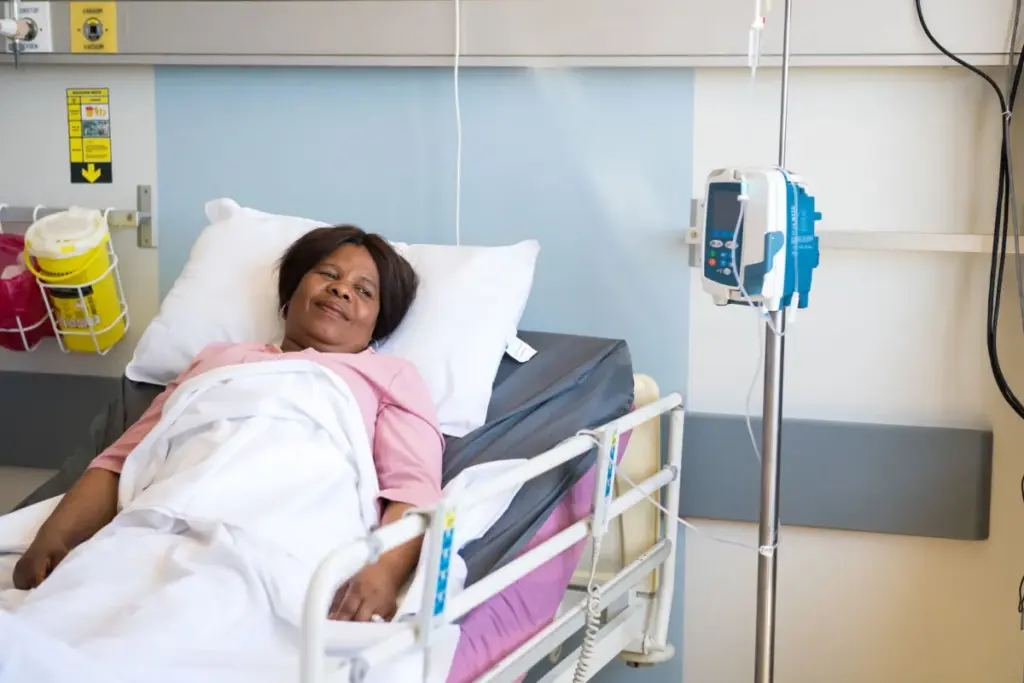
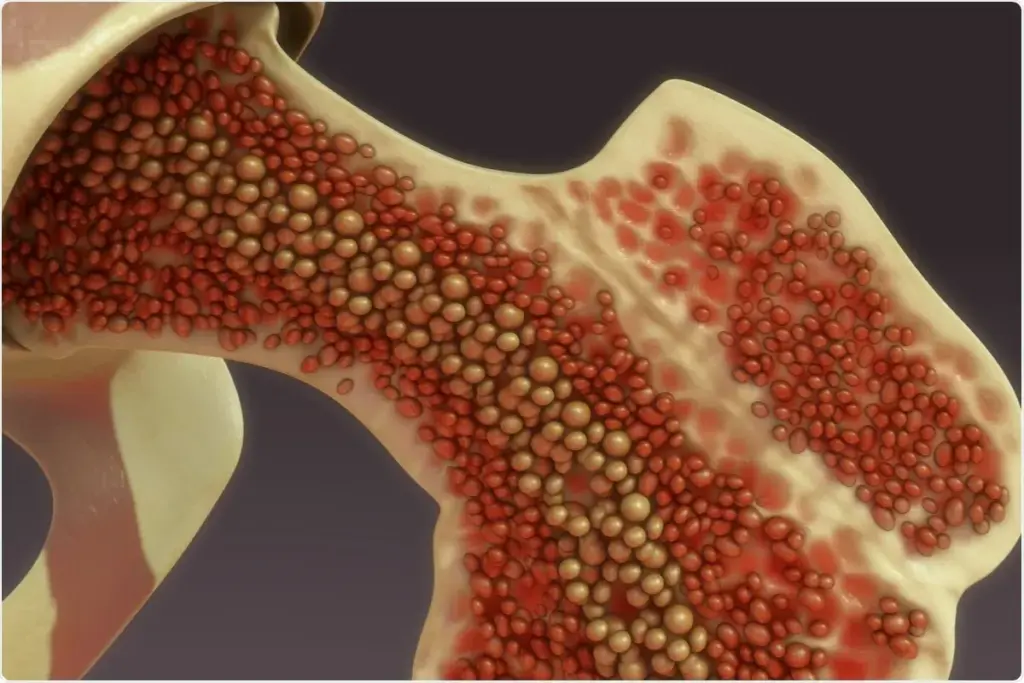
Bone marrow is a spongy tissue inside our bones. It’s key to making blood cells. This process is essential for our health, creating red, white blood cells, and platelets.
What is Bone Marrow?
Bone marrow is the soft, fatty tissue inside our bones. It makes blood cells through a process called hematopoiesis. Hematopoietic stem cells in the marrow can turn into different blood cells. Each type has its own role in our body.
The Role of Bone Marrow in the Body
Bone marrow’s role is huge. It’s where hematopoietic stem cells turn into red blood cells, white blood cells, and platelets. These cells carry oxygen, fight off infections, and help blood clot. Without healthy marrow, our body can’t make these cells.
Why Bone Marrow Transplants Are Necessary
Bone marrow transplants save lives for people with diseases like leukemia. When marrow is sick or damaged, a transplant can fix it. Hematopoietic stem cell transplants are a key treatment for blood cancers and other serious conditions.
In short, bone marrow is vital for our health. It makes the blood cells we need. Knowing about bone marrow and transplants helps us understand treatments for blood diseases.
Types of Bone Marrow Transplants
There are different types of bone marrow transplants, like autologous, allogeneic, haploidentical, and cord blood transplants. The choice depends on the patient’s health, the donor’s availability, and the transplant’s needs.
Autologous Transplants
Autologous transplants use the patient’s own stem cells. They’re often used for cancers like lymphoma or multiple myeloma. First, the patient’s stem cells are harvested and stored. Then, they get high-dose chemotherapy and the stem cells are reinfused.
Autologous transplants have less risk of GVHD and faster recovery. But, there’s a chance the stem cells could have cancer cells.
Allogeneic Transplants
Allogeneic transplants use stem cells from a donor. This donor can be a family member or someone unrelated. The donor’s stem cells are matched closely to the patient to lower GVHD risk.
These transplants can fight the patient’s cancer with the donor’s immune cells. But, they have a higher GVHD risk and other complications than autologous transplants.
Haploidentical Transplants
Haploidentical transplants use a donor who is a half-match, usually a family member. New technology has made these transplants safer and more common.
They’re useful when a full match isn’t available. While they have risks like GVHD, they offer a chance for life-saving transplants to more patients.
Cord Blood Transplants
Cord blood transplants use stem cells from newborn umbilical cord blood. These stem cells are collected at birth and stored in banks for later use.
These transplants have less GVHD risk and can match donors more flexibly. But, the cord blood volume and stem cell count are limited, often needing multiple units for adults.
|
Transplant Type |
Donor Source |
Key Advantages |
Key Challenges |
|---|---|---|---|
|
Autologous |
Patient’s own cells |
Reduced GVHD risk, faster engraftment |
Potential contamination with cancer cells |
|
Allogeneic |
Matched donor |
Graft-versus-tumor effect |
Higher GVHD risk, other complications |
|
Haploidentical |
Half-matched family member |
Expanded donor pool |
GVHD risk, other complications |
|
Cord Blood |
Umbilical cord blood |
Lower GVHD risk, flexible matching |
Limited stem cell count, may require multiple units |
The Bone Marrow Donation Process
The journey of bone marrow donation starts long before the actual procedure. Donors go through detailed preparations and assessments. They must ensure they are a good match for donation.
Pre-Donation Preparations
Potential donors prepare by undergoing medical screenings and blood tests. They also review their medical history. This ensures they are healthy enough for donation.
Donors learn about the risks and benefits of bone marrow donation. This education is key for informed consent. It helps them know what to expect during and after donation.
Peripheral Blood Stem Cell Donation
Peripheral blood stem cell donation is one way to donate bone marrow. It involves stimulating the bone marrow to produce more stem cells. These cells are then collected from the blood.
To stimulate the bone marrow, donors take a medication called G-CSF for several days. This increases stem cell production, causing them to enter the bloodstream.
After the stem cells are in the bloodstream, they are collected through apheresis. The donor’s blood is drawn, and the stem cells are separated and collected. The rest of the blood is returned to the donor.
Traditional Bone Marrow Harvest
The traditional method of bone marrow donation involves taking marrow directly from the bones. This is usually done from the pelvic area.
This procedure is done under general or regional anesthesia to reduce discomfort. Small incisions are made in the pelvic area. A needle is used to extract marrow from the bone.
The amount of marrow taken is small compared to the total amount in the body. The body can naturally replace it over time.
Comparison of Donation Methods
|
Donation Method |
Procedure |
Recovery Time |
|---|---|---|
|
Peripheral Blood Stem Cell Donation |
Stem cells collected from blood after G-CSF stimulation |
Typically 1-2 weeks |
|
Traditional Bone Marrow Harvest |
Marrow extracted directly from bones under anesthesia |
Typically 2-4 weeks |
Knowing the differences between these methods helps donors make informed choices.
Pain and Discomfort for Bone Marrow Donors
Bone marrow donation is a brave act that can save lives. Donors often wonder about the pain involved. It takes a lot of courage and commitment to donate bone marrow. Knowing about the possible discomfort is key for those thinking about donating.
Common Side Effects During Donation
Donors may face several side effects during and after donating bone marrow. These include:
- Lower back pain, reported by about 34% of donors
- Fatigue, experienced by around 28% of donors
- Other possible side effects are bruising, soreness at the needle site, and general discomfort
These side effects are usually manageable and short-lived. Most donors can get back to their usual activities within a few weeks.
Post-Donation Pain Statistics
More than 90% of bone marrow donors get back to normal within three weeks after donating. While severe pain is rare, it’s important to remember that everyone’s experience is different.
Studies have shown that:
- Most donors feel mild to moderate pain
- Good pain management can greatly reduce discomfort
- Regular monitoring and follow-up care can prevent complications
Managing Donor Pain
It’s vital to manage pain well for the donor’s recovery and well-being. We use several methods to lessen discomfort, including:
- Pharmaceutical interventions: Using the right pain relief medicines after donation
- Rest and recovery: Advising donors to rest well and avoid hard activities early on
- Follow-up care: Making sure donors see their healthcare providers regularly to check on their recovery and address any issues
By knowing about possible side effects and having good pain management plans, donors can make better choices. This helps them have a smoother recovery.
Recovery Timeline for Bone Marrow Donors
The recovery process for bone marrow donors is key. We’ll cover the typical recovery timeline. This helps donors know what to expect after donating bone marrow.
Immediate Post-Donation Period
Right after donating bone marrow, donors might feel some discomfort, fatigue, and pain at the site. Rest and hydration are key during this time. They’re told to rest for a few days and avoid hard activities.
One Week After Donation
By a week after donating, most donors start to feel much better. The body’s ability to grow back bone marrow is amazing. They often say they have more energy. But, some might feel soreness or bruising at the site.
Return to Normal Activities (3-Week Mark)
By the three-week mark, most donors are back to their usual activities. The recovery time can change based on health, donation method, and care after donation. It’s important to follow the doctor’s advice for a smooth recovery.
Knowing the recovery timeline helps donors prepare and understand what’s ahead. While everyone’s experience is different, being informed makes the journey easier.
The Recipient’s Experience of a Bone Marrow Transplant
Getting a bone marrow transplant is a big deal. It includes getting ready, the transplant itself, and the first recovery phase. This journey is tough, both in body and mind, needing lots of thought and support.
Pre-Transplant Conditioning
Before the transplant, there’s pre-transplant conditioning. It’s a plan to get the body ready for new stem cells. This usually means chemotherapy and sometimes radiation to clear out old bone marrow.
This part is hard, with side effects like tiredness, nausea, and hair loss. But it’s key for the transplant to work.
The Transplant Procedure Itself
The transplant is when the donated stem cells are put into the blood. It’s done through an IV, feeling like a blood transfusion. The stem cells then go to the bone marrow to make new blood cells.
This happens in a hospital or clinic. It lets doctors watch the recipient closely and act fast if needed.
Initial Recovery Phase
The initial recovery phase is very important. It’s when the body starts to heal and make new blood cells. Doctors keep a close eye for signs of new stem cells working and for any problems.
During this time, people might feel many emotions. They might feel relieved the transplant is over or worried about how it will go. Having support from doctors, family, and friends is really important.
Pain Management for Transplant Recipients
Pain management for transplant recipients uses both medical and natural methods. It’s key to make sure they are comfortable and avoid complications.
Pharmaceutical Interventions
Medicines are a big part of managing pain for transplant patients. Doctors choose the right medicines for each person’s needs.
- Opioids: These are strong for severe pain but need careful watch because of addiction risk.
- Non-opioid analgesics: For less pain, or with opioids, medicines like acetaminophen or NSAIDs are used.
- Adjuvant medications: Some medicines, like antidepressants or anticonvulsants, help with specific pain types, like nerve pain.
A study in the Journal of Pain and Symptom Management shows the need for a custom pain plan. It says “tailored pain management plans can greatly improve patient results” (1).
|
Medication Type |
Common Use |
Notable Side Effects |
|---|---|---|
|
Opioids |
Severe pain |
Constipation, risk of dependency |
|
Non-opioid analgesics |
Mild to moderate pain |
Gastrointestinal issues, kidney strain |
|
Adjuvant medications |
Neuropathic pain |
Varies by medication |
Complementary Pain Management Techniques
Along with medicines, other methods can help manage pain. These can make pain feel less and improve how well you feel overall.
- Relaxation techniques: Deep breathing, meditation, or muscle relaxation can lessen stress and pain.
- Physical therapy: Gentle exercises and stretches can help move better and feel less pain.
- Acupuncture: This ancient Chinese method uses thin needles in certain body spots to ease pain.
“Adding complementary therapies to pain plans can make patients more comfortable and might cut down on medicine use.”
– Expert in Pain Management
When to Seek Additional Help for Pain
Transplant patients should know when to ask for more help if pain isn’t managed. If pain doesn’t get better or gets worse, tell your doctor.
See a doctor right away if you have:
- Severe pain that medicines don’t help
- Signs of infection, like fever or chills
- More sensitivity or numbness
By mixing medicines with natural methods and talking openly with doctors, transplant patients can manage pain better. This helps them recover more smoothly.
Potential Complications Causing Pain After Transplant
After a bone marrow transplant, many people face pain due to complications. This procedure saves lives but can be tough to recover from. We’ll look at some common issues that can cause pain after a transplant.
Graft-Versus-Host Disease
Graft-versus-host disease (GVHD) happens when the donated cells attack the body. This can cause a lot of pain. GVHD can be acute or chronic, with acute happening early and chronic later.
Symptoms include skin rash, liver problems, and stomach issues. All these can hurt a lot.
Infections and Their Impact
Infections are another big problem after a transplant. The treatment weakens the immune system, making infections more likely. Bacterial, viral, and fungal infections can be very serious.
Pain from infections can be sharp or feel all over. It can come from fever and feeling unwell.
Neurological Syndromes Post-Transplant
Neurological problems can also cause pain after a transplant. Issues like peripheral neuropathy or central nervous system complications can happen. These can lead to pain, numbness, and weakness.
Knowing about these complications helps manage pain better after a transplant. We’ll keep exploring these topics to understand the challenges transplant recipients face.
Post-Transplant Severe Shoulder Pain
Bone marrow transplant patients may face severe shoulder pain. This issue needs careful handling. It can really affect a patient’s life during recovery.
Incidence and Timeframe
Severe shoulder pain after a bone marrow transplant is not common but can happen. Research shows it’s linked to certain treatments or complications. The pain can start a few weeks to months after the transplant.
Healthcare teams must watch patients closely to catch and treat any problems early.
Multidisciplinary Management Approaches
Dealing with severe shoulder pain after a transplant needs a team effort. Pain experts, neurologists, physical therapists, and others work together. They create a plan that fits the patient’s needs.
- Doctors might use medicines to help with pain and other symptoms.
- Physical therapy can help move better and feel less pain.
- Things like acupuncture or relaxation methods might also help.
A plan made just for the patient can really help them feel better and recover faster.
Long-Term Outcomes
How patients do long-term with severe shoulder pain after a transplant varies. With the right care, many see a big drop in pain and better function.
“Effective pain management is key to improving the life of bone marrow transplant patients with severe shoulder pain.” – Pain Specialist
It’s important to keep up with patients over time. This way, any ongoing or new pain can be caught and treated.
Emotional and Psychological Aspects of Bone Marrow Transplants
Bone marrow transplantation is more than a medical procedure. It’s a journey that deeply affects donors and recipients emotionally and psychologically. Understanding the challenges they face is key.
Donor Psychological Experience
Donating bone marrow is a big decision, filled with emotions. Donors feel proud and altruistic but also anxious about the process and its effects.
One donor said, “The decision was easy, but waiting and preparing were hard. I worried about pain and how it would affect my family.”
Donors go through emotional changes during donation. They need counseling and support to handle these changes well.
- Pre-donation counseling to address concerns and fears
- Support during the donation process
- Post-donation follow-up care to monitor emotional well-being
Recipient Mental Health Challenges
Recipients of bone marrow transplants face mental health challenges like anxiety, depression, and stress. These are linked to the transplant outcome and recovery.
The emotional burden on recipients is huge. They deal with the complexities of their treatment and the uncertainty of their future.
“The transplant was a turning point, but the emotional journey was just as challenging as the physical recovery.”
— A bone marrow transplant recipient
Recipients need a strong support system. This includes psychological support and counseling to tackle these mental health issues.
|
Mental Health Challenge |
Support Measures |
|---|---|
|
Anxiety |
Counseling, relaxation techniques |
|
Depression |
Psychotherapy, support groups |
|
Stress |
Mindfulness practices, family support |
Support Systems and Resources
Donors and recipients need strong support systems for bone marrow transplants. These systems are vital for their well-being and recovery.
Support groups, counseling, and online resources are key. They provide the emotional and psychological support needed.
Key Support Resources:
- Professional counseling services
- Support groups for donors and recipients
- Online forums and resources
By recognizing the emotional and psychological aspects of bone marrow transplants, we can improve the experience for donors and recipients.
Survival Rates and Long-Term Outcomes
Medical care has greatly improved survival rates for bone marrow transplant patients. As we learn more and get better at our techniques, the future looks brighter for these patients.
Current Survival Statistics
Recent studies show a big jump in survival rates for transplant recipients. Five-year survival rates now range from 50% to over 90%. This depends on things like the patient’s health, the match with the donor, and the disease being treated.
|
Condition |
Survival Rate |
Factors Influencing Outcome |
|---|---|---|
|
Leukemia |
60-80% |
Donor match, patient age, disease stage |
|
Lymphoma |
50-70% |
Disease stage, patient health, conditioning regimen |
|
Myeloma |
40-60% |
Patient age, disease stage, response to conditioning |
Factors Affecting Survival
Many things can affect how long a bone marrow transplant patient lives. These include the patient’s overall health, how well the donor and recipient match, and the disease being treated. Also, better conditioning regimens and care after the transplant have helped a lot.
Quality of Life After Transplant
Life after a bone marrow transplant can be very different for each patient. Some may fully recover and get back to their usual lives. But others may face ongoing challenges. Rehabilitation programs and supportive care are key to helping patients live well.
We know every patient’s journey is unique. Our goal is to give them the best care, both medical and emotional, to help them recover fully.
Innovations in Bone Marrow Transplant Procedures
Bone marrow transplantation is getting a lot of new advancements. These include reduced-intensity conditioning regimens and improved matching techniques. These changes are making transplants more available and successful for more people.
Reduced-Intensity Conditioning
Reduced-intensity conditioning (RIC) is a big step forward. It lets older patients or those with health issues get transplants. This is because RIC is less harsh than older methods.
- Reduced toxicity and fewer side effects
- Better suitability for older or sicker patients
- Potential for quicker recovery times
Improved Matching Techniques
There have been big improvements in human leukocyte antigen (HLA) typing and matching. This has made bone marrow transplants more successful. Better matching means less risk of graft-versus-host disease (GVHD).
- Enhanced HLA typing for better donor-recipient matching
- Use of advanced genetic testing to predict GVHD risk
- Increased availability of matched donors through global registries
Novel Pain Management Approaches
Pain management for bone marrow transplants is also getting better. Multimodal pain management strategies are being developed. These include both medicines and non-medicine ways to manage pain and cut down on opioid use.
- Use of complementary therapies like acupuncture and meditation
- Development of new pain medications with fewer side effects
- Personalized pain management plans tailored to individual patient needs
Who Can Donate Bone Marrow?
To donate bone marrow, you must meet certain health and age standards. These rules are in place to keep both the donor and the recipient safe.
Age and Health Requirements
Donors must be between 18 and 44 years old. Some registries might accept donors up to 60. They need to be in good health, with no serious medical issues.
Donors go through a detailed screening. This includes checking their medical history, physical exam, and blood tests. It’s to make sure they’re eligible.
The health standards for bone marrow donation are strict. This is to protect both the donor and the person receiving the marrow. They must not have certain diseases and have a good tissue type match.
The Male Donor Preference Explained
Male donors are often preferred. They have a lower risk of complications like graft-versus-host disease (GVHD). They also have more stem cells, making them better donors.
But, female donors can also be good candidates. The decision depends on the donor’s health and the recipient’s needs.
Joining a Bone Marrow Registry
If you want to donate bone marrow, start by joining a registry. Registries store information about donors. They help find a match when a patient needs a transplant.
Signing up is easy. You just need to swab your cheek for a DNA sample. This sample helps match donors with recipients.
By joining a registry, you can help save lives. You’ll make a big difference for patients needing a bone marrow transplant.
The Cost of Bone Marrow Transplants
Getting a bone marrow transplant can be very expensive. It’s not just the procedure that costs money. It also includes hospital stays, care before and after the transplant, and managing any problems that might come up.
Financial Considerations for Recipients
The cost of a bone marrow transplant includes several parts. These are the procedure itself, the time spent in the hospital, care before and after, and managing any complications.
- Pre-transplant evaluations: Initial assessments and tests to determine suitability for the transplant.
- The transplant procedure: Costs associated with the bone marrow harvest and infusion.
- Hospital stay: Charges for the hospital room, nursing care, and other services during the inpatient stay.
- Post-transplant care: Follow-up visits, medications, and possible interventions for complications.
These costs can change a lot. They depend on the type of transplant, the patient’s health, and if any complications happen.
Insurance Coverage in the United States
In the United States, insurance for bone marrow transplants varies. Many plans cover a lot of the costs, but how much can differ.
|
Typical Coverage |
Out-of-Pocket Costs | |
|---|---|---|
|
Covers a significant portion of transplant costs, including pre-transplant evaluations and post-transplant care. |
20% of Medicare-approved amount for most services. | |
|
Varies by policy; some cover a broad range of services, while others may have more limited coverage. |
Depends on the policy; may include deductibles, copays, and coinsurance. | |
|
Covers bone marrow transplants, but coverage details can vary by state. |
Generally low to no out-of-pocket costs for eligible beneficiaries. |
Financial Support Resources
Many organizations help with the financial burden of bone marrow transplants. They offer support to patients, helping to reduce the financial stress of the transplant process.
- Patient advocacy groups: Organizations that provide information, emotional support, and sometimes financial assistance.
- Financial assistance programs: Some pharmaceutical companies and non-profits offer help with medication costs, travel, and other expenses.
- Hospital financial counseling: Many hospitals offer counseling services to help patients navigate their financial obligations and explore available assistance programs.
Understanding the financial aspects of bone marrow transplants and using available resources can help patients manage the cost of their treatment.
Comparing Bone Marrow Transplants to Other Stem Cell Procedures
Patients often ask about the differences between bone marrow transplants and other stem cell procedures. Each method has its own benefits, risks, and pain levels. It’s important to know these differences to make the right choice.
Bone Marrow vs. Peripheral Blood Stem Cell Collection
Bone marrow transplants and peripheral blood stem cell collection both get stem cells for transplant. The main difference is where the stem cells come from and how they are collected.
- Bone Marrow Transplant: This method takes stem cells directly from the bone marrow, usually from the hip bones, through surgery.
- Peripheral Blood Stem Cell Collection: This method collects stem cells from the blood after they are moved from the bone marrow with medicine.
The pain from these procedures can vary. Bone marrow extraction is done under anesthesia, so the patient doesn’t feel pain during it. But, they might feel pain after and it’s managed with medicine. Peripheral blood stem cell collection might cause some discomfort from the mobilization medicine, but it’s less invasive.
Bone Marrow vs. Cord Blood Transplants
Cord blood transplants use stem cells from the umbilical cord after birth. There are key differences between bone marrow and cord blood transplants:
- Cord blood transplants have a lower risk of graft-versus-host disease.
- The amount of stem cells in cord blood is usually less than in bone marrow.
- Cord blood transplants might take longer to start working.
Cord blood collection is painless for the donor because it’s done after birth. But, the recipient might feel more pain due to the treatment or complications.
Pain Differences Between Procedures
The pain from bone marrow transplants, peripheral blood stem cell collection, and cord blood transplants can be different.
- Bone Marrow Transplants: Pain is managed during donation with anesthesia, but there can be pain after.
- Peripheral Blood Stem Cell Collection: There can be discomfort from the mobilization medicine and the collection, but it’s less invasive than bone marrow donation.
- Cord Blood Transplants: The collection isn’t painful for the donor, but the recipient might feel pain from the transplant and complications.
It’s important for patients and donors to understand these differences. Talking to a healthcare provider can help know the pain and discomfort each procedure might cause.
Conclusion: Weighing the Pain Against the Benefits
Bone marrow transplants are complex and can save lives. They cause a lot of pain for both donors and those receiving the transplant. At Liv Hospital, we know the pain is a big worry for patients.
Even though the procedure is painful, the benefits often make it worth it. Thanks to better medical care and pain relief, patients are doing better. Our team works hard to support patients every step of the way.
Knowing about the different types of bone marrow transplants helps patients make informed choices. We aim to provide top-notch care with kindness. Our goal is to make sure our patients get the best care possible.
FAQ
What is bone marrow, and what role does it play in the body?
Bone marrow is a spongy tissue inside some bones. It makes blood cells like red and white blood cells and platelets. This is key for our health.
Why are bone marrow transplants necessary?
They replace bad marrow with good. This is key for blood cancers like leukemia.
What are the different types of bone marrow transplants?
There are a few types. Autologous uses the patient’s own cells. Allogeneic uses a donor’s cells. Haploidentical uses a half-matched donor, often a family member. Cord blood transplants use umbilical cord stem cells.
How is bone marrow donated?
It can be donated through blood or bone marrow. Blood stem cells are collected from the blood. Bone marrow is taken from the bones.
Does donating bone marrow hurt?
Yes, donors might feel pain and discomfort. They might have lower back pain and feel tired.
How long does it take for bone marrow donors to recover?
Donors start feeling better in a few days. By 3 weeks, most are back to normal.
What is the transplant procedure like for recipients?
The procedure involves putting donated stem cells into the body. This is after preparing the body for the transplant.
How is pain managed for transplant recipients?
Pain is managed with medicines and relaxation techniques. Acupuncture is also used.
What are the possible complications after a bone marrow transplant?
Complications include graft-versus-host disease and infections. Neurological syndromes can also cause pain.
Can bone marrow transplants be painful in the long term?
Some recipients may have long-term pain. This can include severe shoulder pain from neurological syndromes.
Who can donate bone marrow?
Donors must meet age and health criteria. Male donors are preferred due to lower risks.
How much does a bone marrow transplant cost?
The cost is high. It includes procedure, hospital stay, and follow-up care. Insurance coverage varies.
How do bone marrow transplants compare to other stem cell therapies?
Bone marrow transplants are one of several options. Each has different levels of pain and discomfort.
What are the survival rates for bone marrow transplant patients?
Survival rates have improved. This is thanks to better technology and care. Health and donor match are key factors.
What innovations are being made in bone marrow transplant procedures?
New methods include less intense conditioning and better matching. There are also new pain management techniques to help patients.
References
National Center for Biotechnology Information. Evidence-Based Medical Insight. Retrieved from https://pubmed.ncbi.nlm.nih.gov/10603686/