Many patients wonder if a bone marrow transplant is a big deal. We’re here to tell you it’s not like regular surgery. It’s a special procedure that replaces bad hematopoietic stem cells with good ones. Understand the scope of the procedure. Learn why a bone marrow transplant is considered a big surgery and what the recovery process entails.
Studies have shown that patients are living longer after getting a bm transplantation. For adults, the one-year survival rate is between 82% and 89%. This is a big step forward in medical care, giving hope to many.
So, is bone marrow good for you? For those needing a transplant, it can save their life. Let’s dive into the details of this procedure and its benefits.
Key Takeaways
- A bone marrow transplant is not considered traditional major surgery.
- It involves replacing damaged stem cells with healthy ones.
- Recent studies show improved survival rates for transplant patients.
- One-year survival rates for adult allogeneic transplants range from 82% to 89%.
- This procedure offers new hope for patients with certain medical conditions.
Understanding Bone Marrow and Its Function
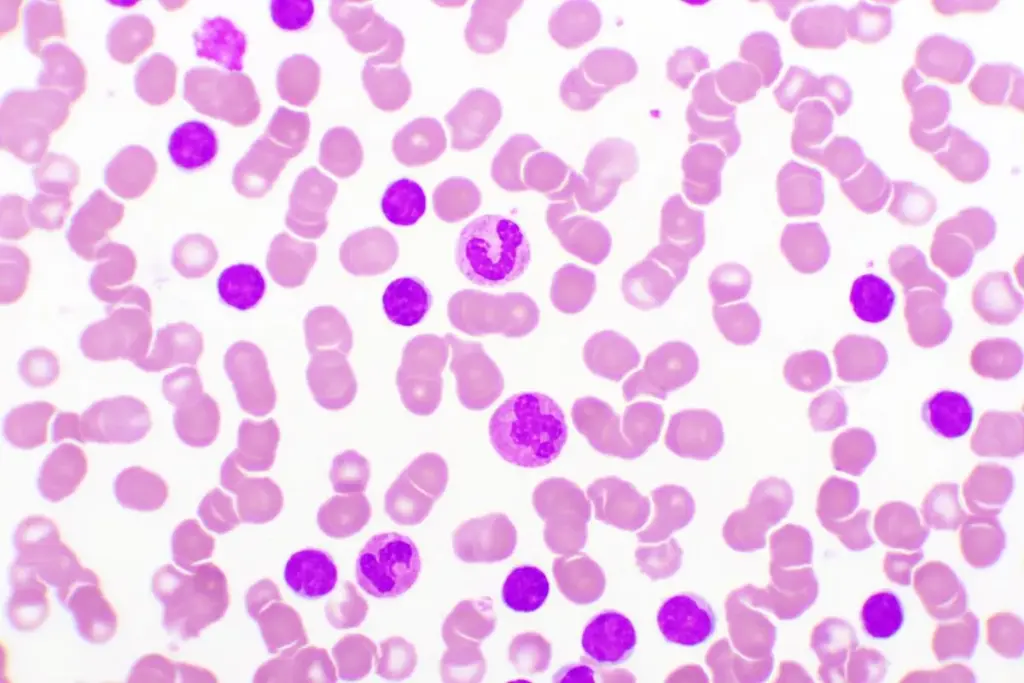
Bone marrow is a soft, fatty tissue inside our bones. It’s key to our health, making blood cells. These cells carry oxygen, fight infections, and stop bleeding.
What is Bone Marrow?
Bone marrow is found in the cavities of bones. In adults, it’s mainly in the pelvic bones, vertebrae, and long bone ends. Bone marrow function is vital, producing blood cells we need to live.
It has stem cells that turn into different blood cells. This keeps our blood cell counts healthy. It helps our body fight off injuries or infections.
The Role of Bone Marrow in the Body
Bone marrow makes blood cells like red, white, and platelets. Red cells carry oxygen, white cells fight infections, and platelets help blood clot. This shows how important bone marrow is for our health.
It also helps our immune system. White blood cells from bone marrow fight off diseases. This makes bone marrow a key part of our immune defense.
|
Type of Blood Cell |
Function |
|---|---|
|
Red Blood Cells |
Carry oxygen throughout the body |
|
White Blood Cells |
Fight infections and diseases |
|
Platelets |
Essential for blood clotting |
Types of Cells Produced in Bone Marrow

Bone marrow makes three main blood cells: red, white, and platelets. Each has a special job to keep us healthy.
- Red Blood Cells: Carry oxygen from the lungs to our body’s tissues.
- White Blood Cells: Part of our immune system, fighting infections and diseases.
- Platelets: Small cell fragments that help blood clot, stopping bleeding when a vessel is injured.
Knowing about bone marrow cells and their roles helps us see its importance. It’s linked to health and conditions like bone marrow cancer and bone marrow disorder.
What is a Bone Marrow Transplant?
A bone marrow transplant, also known as hematopoietic stem cell transplantation, is a medical procedure. It replaces damaged or diseased bone marrow with healthy bone marrow. This treatment is for life-threatening blood-related diseases and disorders.
Definition and Purpose
Bone marrow transplantation is a procedure where stem cells are infused into a patient. This is to replace their bone marrow. The goal is to help the patient produce healthy blood cells again.
This treatment is for diseases that affect the blood and bone marrow.
When is a Bone Marrow Transplant Needed?
A bone marrow transplant is considered when a patient’s bone marrow is damaged. This can be due to disease, infection, or chemotherapy. It’s often for patients with blood cancers like leukemia, lymphoma, or multiple myeloma.
The decision to have a bone marrow transplant is based on the patient’s condition and medical history.
Conditions Treated with Bone Marrow Transplants
Bone marrow transplants treat various conditions, including:
- Leukemia: A cancer of the blood and bone marrow.
- Lymphoma: A cancer of the immune system.
- Multiple myeloma: A cancer of plasma cells in the bone marrow.
- Aplastic anemia: A condition where the bone marrow fails to produce blood cells.
- Sickle cell disease: A genetic disorder affecting hemoglobin production.
These conditions can greatly affect a patient’s quality of life. A bone marrow transplant offers a chance for a cure or significant improvement.
Types of Bone Marrow Transplants
Bone marrow transplants come in different types, like autologous, allogeneic, haploidentical, and cord blood transplants. The choice depends on the patient’s health, donor availability, and the disease being treated.
Autologous Transplants
An autologous stem cell transplant uses the patient’s own stem cells. These cells are taken before high-dose treatments. Then, they are given back to the patient after treatment.
“Autologous transplants are safer because they use the patient’s cells,” says a leading hematologist. “But, there’s a chance the cancer could come back if the stem cells have cancer cells.”
Allogeneic Transplants
An allogeneic transplant uses stem cells from a donor. This donor can be a family member, an unrelated donor, or a cord blood unit. These transplants treat many diseases, like leukemia.
The big plus of allogeneic transplants is the chance for the donor’s cells to fight the patient’s cancer. But, there’s a risk of GVHD, a serious side effect.
Haploidentical Transplants
A haploidentical transplant uses a donor who is only half-matched to the patient. This is used when a full match is not found. Haploidentical transplants are becoming more common.
Haploidentical transplants have a higher risk of GVHD and other problems. But, new treatments have made them safer.
Cord Blood Transplants
A cord blood transplant uses stem cells from a newborn’s umbilical cord. These transplants are good for kids and adults without a matched donor. They have a lower risk of GVHD.
Cord blood transplants are great for genetic disorders or blood cancers. But, the stem cell amount can be small, affecting how fast the transplant works.
In conclusion, the type of bone marrow transplant depends on the patient’s health and donor availability. Knowing about the different types helps patients and families make better choices.
Patient Selection for Bone Marrow Transplantation
Choosing the right patients for bone marrow transplantation is key. We look at many factors to see if a patient is a good fit. This complex process helps us decide who can benefit most from the transplant.
Medical Eligibility Criteria
Patients must meet certain medical criteria to get a bone marrow transplant. This includes the type and stage of their disease, past treatments, and overall health. Medical eligibility is determined through a detailed assessment that weighs the benefits and risks of the transplant.
Age Considerations
Age is a big factor in choosing patients for bone marrow transplantation. While age isn’t the only thing that matters, older adults may face more risks. We look closely at the health of older patients to see if they’re a good match for the procedure.
Health Status Requirements
A patient’s overall health is very important for bone marrow transplantation. We check their heart, lungs, and kidneys to make sure they can handle the transplant. This ensures they can get through the process safely.
Psychological Evaluation
Psychological evaluation is also a big part of choosing patients. We check if the patient is mentally ready, has a strong support system, and can handle the transplant’s stress. A good support system and mental health are key for a successful transplant.
By looking at these factors, we can find patients who will likely do well with bone marrow transplantation. This helps us ensure the best possible outcome for them.
The Bone Marrow Donation Process
The bone marrow donation process is complex but very important. It starts with finding a donor who matches the recipient. Then, it goes through several steps until the bone marrow or stem cells are ready for transplant.
Finding a Compatible Donor
Finding a donor who matches is the first step. We use HLA typing to match donors with recipients. This reduces the risk of complications and ensures the transplant’s success.
We test family members first and then search national and international registries. Increasing diversity in donor registries helps find matches for patients from different backgrounds.
Bone Marrow Harvesting Methods
Bone marrow harvesting is one way to collect marrow. It’s done under general anesthesia to make the donor comfortable. The marrow is taken from the hip bone, and about 1-2 liters are collected.
We take great care during harvesting to protect the donor. While it’s generally safe, there are risks we watch for.
Peripheral Blood Stem Cell Collection
Peripheral blood stem cell (PBSC) collection is another method. It stimulates the bone marrow to release stem cells into the blood. Then, these cells are collected through apheresis.
PBSC collection is less invasive than bone marrow harvesting. But, it uses growth factors that can cause side effects. We closely watch donors to manage these effects.
Donor Experience and Recovery
The donor experience depends on the collection method. Donors might feel tired, have pain, or react to growth factors.
We take care of donors before, during, and after the procedure. Most donors recover in a few weeks. But, recovery times can vary.
Pre-Transplant Preparation and Evaluation
The journey to a bone marrow transplant starts with careful preparation and evaluation. This phase makes sure patients are ready physically and mentally for the transplant.
Medical Assessment and Testing
Before a bone marrow transplant, patients get a detailed medical check-up. This includes:
- Blood tests to check overall health and find infections.
- Imaging tests like X-rays and CT scans to see how organs work.
- Cardiac evaluations to check if the heart is okay.
- Pulmonary function tests to check lung health.
These tests find any issues that might make the transplant or recovery harder.
Psychological Preparation
Getting ready mentally is key before a transplant. Patients need to be emotionally strong for the transplant’s challenges. This includes:
“The psychological evaluation is not just about assessing the patient’s mental state; it’s about ensuring they have the support they need throughout this journey.” – Transplant Psychologist
- Counseling sessions to deal with anxiety and fear.
- Support group participation to meet others who’ve gone through similar things.
Financial and Logistical Planning
Planning financially and logistically is also important. Patients must:
|
Aspect |
Description |
|---|---|
|
Insurance Coverage |
Know what’s covered and what they’ll have to pay for themselves. |
|
Travel Arrangements |
Plan for getting to and from the transplant center, including where caregivers will stay. |
|
Post-Transplant Care |
Make plans for care after the transplant, like follow-up visits and managing medicine. |
Caregiver Requirements
Having a caregiver is essential for patients going through a bone marrow transplant. Caregivers offer emotional support, help with daily tasks, and manage medicine. We suggest that caregivers:
- Be there for the whole hospital stay and the early recovery.
- Know what the patient needs and what the transplant process is like.
- Be ready to handle any problems or side effects that come up.
The Conditioning Process Before Bone Marrow Transplant
Before a bone marrow transplant, patients go through a key step called conditioning. This step is vital for the transplant’s success. It gets the body ready to accept the new bone marrow cells.
Purpose of Conditioning
The main goal of conditioning is to get rid of sick cells and weaken the immune system. This lowers the chance of the transplant being rejected or the disease coming back. It makes room for the new bone marrow cells to work well.
Conditioning regimens are made just for each patient. They consider the disease type, its stage, and the patient’s health. The aim is to kill off sick cells while keeping risks low.
Chemotherapy Regimens
Chemotherapy is a big part of conditioning. It uses high doses to kill cancer or sick cells in the bone marrow. The drugs and doses depend on the disease and the patient’s health.
Chemotherapy targets fast-growing cells like cancer. It also weakens the immune system to stop transplant rejection. Choosing the right chemotherapy is very important and based on the latest research.
Radiation Therapy
In some cases, total body irradiation (TBI) is used. TBI gives the whole body a dose of radiation to kill any cancer cells left and weaken the immune system.
Even though TBI works well, it’s used carefully because of its side effects. We plan and give radiation therapy carefully to lessen risks and increase benefits.
Reduced-Intensity Conditioning
For older patients or those with health issues, reduced-intensity conditioning (RIC) might be used. RIC uses lower doses of chemotherapy and/or radiation. It aims to weaken the immune system enough for the new bone marrow to take hold without wiping out the patient’s marrow.
This method lowers the chance of serious side effects from traditional conditioning. It’s a good option for patients who can’t handle strong conditioning.
Understanding conditioning and its parts shows the detailed care needed for a bone marrow transplant. Our team works with patients to make the conditioning just right for them. This ensures the best chance for a successful transplant.
Is a Bone Marrow Transplant Considered Major Surgery?
A bone marrow transplant is a big medical step, but it’s different from usual surgeries. It involves putting stem cells into the blood, like a blood transfusion, not surgery.
The Actual Transplant Procedure
The transplant process is simple. Stem cells, from the patient or a donor, are put into the blood through a special catheter. This happens in an outpatient setting or a short hospital stay.
Comparison to Traditional Surgical Procedures
Unlike big surgeries, bone marrow transplants are not invasive. They don’t need big cuts or long recovery times. Patients usually feel little pain during the infusion.
|
Aspect |
Bone Marrow Transplant |
Traditional Major Surgery |
|---|---|---|
|
Procedure Type |
Infusion of stem cells |
Surgical operation with incisions |
|
Anesthesia |
Not required |
Typically required |
|
Recovery Time |
Variable, mainly due to conditioning regimen |
Generally long |
Why the Preparation is More Intensive Than the Procedure
The prep work for a bone marrow transplant is tough, not the transplant itself. This includes chemotherapy and radiation to get ready for the transplant. It’s hard for patients.
Patient Experience During Infusion
During the infusion, patients are awake and might feel a bit of side effect. The infusion takes from 30 minutes to a few hours. After, they watch for any quick reactions.
We know the prep work is hard, but the transplant itself is not like big surgery. Putting stem cells into the blood is much simpler than usual surgeries.
The Transplant Day: What Actually Happens
On transplant day, patients go through a key procedure that could change their health. This day is the result of a lot of preparation. We make sure every step is taken carefully to increase the chance of success.
The Infusion Process
The bone marrow infusion is simple. The new bone marrow cells are given through an IV, like a blood transfusion. This lets the cells move to the bone marrow, where they start making new blood cells.
The infusion might seem easy, but it’s actually very important. The cells can help rebuild the immune system and fight diseases.
Duration and Patient Experience
The infusion can take a few minutes to a few hours. Patients are usually awake during this time. Some might feel anxious, but others feel relieved that the transplant is underway.
We help manage any discomfort or anxiety. Our team watches the patient’s vital signs closely during the infusion. This ensures their safety and comfort.
Immediate Post-Infusion Monitoring
After the infusion, patients are watched for any bad reactions. This monitoring is key to keep the patient safe and handle any problems quickly. We look for signs like fever, chills, or breathing issues and act fast if needed.
The care right after the infusion is important for recovery. Our team supports the patient through the recovery, handling side effects and checking on their progress.
Potential Risks and Complications of Bone Marrow Transplants
Bone marrow transplants offer hope for many patients. But, they come with risks and complications. It’s important to know about both short-term and long-term effects.
Short-Term Risks
Right after a bone marrow transplant, patients face several risks. These include:
- Infections: Patients are very likely to get infections because their immune system is weak.
- Graft-versus-host disease (GVHD): In some cases, the donated marrow might attack the recipient’s body.
- Organ damage: The treatment can harm organs like the liver, lungs, and heart.
Doctors closely watch for these risks in the hospital. They take steps to reduce them.
Long-Term Complications
Even though many patients recover well, there are long-term risks to consider:
- Infertility: The treatment can affect fertility in both men and women.
- Secondary cancers: There’s a small chance of getting secondary cancers because of the intense treatment.
- Chronic GVHD: This can happen in patients who got allogeneic transplants. It can affect many organs.
Knowing these risks helps patients make informed choices about bone marrow transplants.
|
Complication |
Description |
Management |
|---|---|---|
|
Infections |
Risk due to immunosuppression |
Prophylactic antibiotics, isolation |
|
Graft-versus-host disease |
Immune reaction against the host |
Immunosuppressive drugs |
|
Infertility |
Potential impact on reproductive capabilities |
Fertility preservation techniques |
By knowing the risks and complications of bone marrow transplants, patients can prepare better. They can work closely with their healthcare team to manage these risks.
The Recovery Process After Bone Marrow Transplantation
The recovery after a bone marrow transplant is complex. It involves physical, emotional, and immunological rehabilitation. Understanding the different stages and what to expect is key.
Hospital Stay Duration
The first part of recovery is staying in the hospital. How long you stay depends on your health and how well you respond to the transplant. Usually, patients are in the hospital for 2-4 weeks after the transplant.
During this time, doctors watch your health closely. They manage any problems like infections or graft-versus-host disease (GVHD).
Immune System Reconstitution
Rebuilding your immune system is a big part of recovery. After a transplant, your immune system is very weak. This makes you more likely to get sick.
We use antibiotic prophylaxis and other care to help. It can take months to a year or more for your immune system to get better. Regular check-ups with our team are very important.
For more info on rebuilding your immune system, check out studies on PubMed Central.
Physical Rehabilitation
Physical therapy is a big part of getting better. Patients often feel tired, weak, and face other physical challenges after the transplant. We create a physical therapy program just for you.
This program helps you get stronger and move better. It’s made to fit your needs and how you’re doing.
Psychological Recovery
Getting better emotionally is just as important. The transplant process can be very hard on your mind. We offer counseling services and support groups to help.
Our team is here to support your mental health and well-being. We want to help you through this tough time.
By understanding the recovery process and working with our team, patients can get through this tough time. This helps them achieve a successful outcome.
Choosing a Bone Marrow Transplant Center
Starting your journey to a bone marrow transplant means picking a center that fits your medical needs. The right center can greatly affect your treatment and experience.
Accreditation and Certification
Look for accreditation and certification when choosing a center. These show the center meets high standards. For example, Foundation for the Accreditation of Cellular Therapy (FACT) accreditation is a sign of excellence in bone marrow transplants.
Accreditation means the center follows strict rules for donor selection, cell processing, and patient care. It shows the center’s dedication to quality and safety.
Experience and Expertise
The team’s experience and expertise are key. A team with a good track record can give you confidence in your care. Look for centers with specialists in hematology, oncology, and transplant medicine.
Also, ask about the center’s research and clinical trials. These can lead to new treatments and care methods.
Success Rates and Outcomes
It’s important to know a center’s success rates and outcomes. Success rates show how effective the center is. But, remember to consider the type of transplant, patient demographics, and the conditions being treated.
|
Center Characteristics |
Center A |
Center B |
Center C |
|---|---|---|---|
|
Accreditation Status |
FACT Accredited |
FACT Accredited |
Pending Accreditation |
|
Number of Transplants per Year |
100+ |
50-100 | |
|
Success Rate for Specific Conditions |
85% |
80% |
75% |
|
Support Services Available |
Comprehensive |
Limited |
Comprehensive |
Support Services Available
Also, think about the support services the center offers. Good care includes psychological support, nutritional counseling, and help with daily tasks. A center with many support services can make your experience and recovery better.
By looking at these factors, you can choose a bone marrow transplant center that’s right for you.
Success Rates and Survival Statistics
Looking at bone marrow transplant success rates, we see many factors at play. The disease type, patient health, and transplant specifics all matter. Each one can change the outcome.
Factors Affecting Success Rates
Several key factors influence bone marrow transplant success. The disease type is a big one, with some having better chances than others. For example, leukemia or lymphoma patients’ outcomes vary based on disease stage.
Patient health is also critical. Those with fewer health issues tend to do better. Age is another factor, as older patients face more risks due to weaker immune systems and other health problems.
- Disease type and stage
- Patient’s overall health and age
- Type of transplant (autologous, allogeneic, haploidentical, cord blood)
- Donor compatibility
Disease-Specific Outcomes
Outcomes for different diseases in bone marrow transplants vary a lot. For instance, AML patients in remission have better survival rates than those with active disease. Recent studies show that better transplant techniques and care have helped many patients.
|
Disease |
Survival Rate |
Factors Influencing Outcome |
|---|---|---|
|
Acute Myeloid Leukemia (AML) |
50-60% |
Disease status at transplant, patient age |
|
Multiple Myeloma |
40-50% |
Response to prior treatments, patient health |
|
Lymphoma |
50-70% |
Disease subtype, prior treatment history |
Age and Health-Related Outcomes
Age and health are key in bone marrow transplant outcomes. Older patients or those with health issues face higher risks. But, new ways to prepare for transplants have made them more possible for these groups.
“The introduction of reduced-intensity conditioning has significantly expanded the eligibility for bone marrow transplants, allowing older patients and those with comorbidities to benefit from this life-saving treatment.”
Bone Marrow Transplant Specialist
Recent Improvements in Survival Rates
In recent years, survival rates for bone marrow transplant patients have improved a lot. Better donor selection, conditioning, and care have all helped. New drugs and therapies have also made managing complications easier and improved survival chances.
We keep up with these advances to ensure patients get the best care possible.
Conclusion
Medical technology and care have made big strides in bone marrow transplants. We’ve looked at the different types of transplants and finding a good donor match. We also talked about the conditioning process before the transplant.
Good transplant centers are key in helping patients. They offer care and support that boosts survival chances. The success of a transplant depends on the patient’s health, the disease, and the center’s expertise.
Becoming a bone marrow donor is important for transplants. With better transplant procedures and care, patients are doing well. They’re living better lives thanks to these advances.
FAQ
What is a bone marrow transplant?
A bone marrow transplant replaces a patient’s bone marrow with healthy stem cells. These can come from the patient themselves or a donor.
Is a bone marrow transplant considered major surgery?
No, a bone marrow transplant is not major surgery. It’s like a blood transfusion, where stem cells are infused into the blood.
What is the role of bone marrow in the body?
Bone marrow makes blood cells like red and white blood cells, and platelets. These are key for carrying oxygen, fighting off infections, and clotting blood.
What are the different types of bone marrow transplants?
There are several types. These include using the patient’s own stem cells (autologous), a donor’s stem cells (allogeneic), or stem cells from umbilical cord blood.
How is a bone marrow donor selected?
Donors are chosen based on their HLA match with the patient. Their health and medical history are also checked.
What is the conditioning process before a bone marrow transplant?
Before the transplant, chemotherapy and/or radiation are used. This weakens the immune system and prepares the bone marrow for new stem cells.
What are the possible risks and complications of bone marrow transplants?
Risks include graft-versus-host disease, infections, organ damage, and disease relapse. These can happen in the short or long term.
How long does it take to recover from a bone marrow transplant?
Recovery can take months to a year or more. It depends on the patient’s health, the type of transplant, and any complications.
What factors affect the success rate of a bone marrow transplant?
Success depends on the disease, patient’s age and health, donor match, and transplant type.
How do I choose a reputable bone marrow transplant center?
Look for accreditation, experience, and success rates. Also, consider support services like medical staff, counseling, and patient education.
What is hematopoietic stem cell transplantation?
It’s another name for bone marrow transplantation. It focuses on the role of stem cells in the procedure.
Can bone marrow cancer be treated with a bone marrow transplant?
Yes, some bone marrow cancers like leukemia can be treated with a transplant. It may be used alone or with other treatments.
References
National Center for Biotechnology Information. Evidence-Based Medical Insight. Retrieved from https://pubmed.ncbi.nlm.nih.gov/32387559/