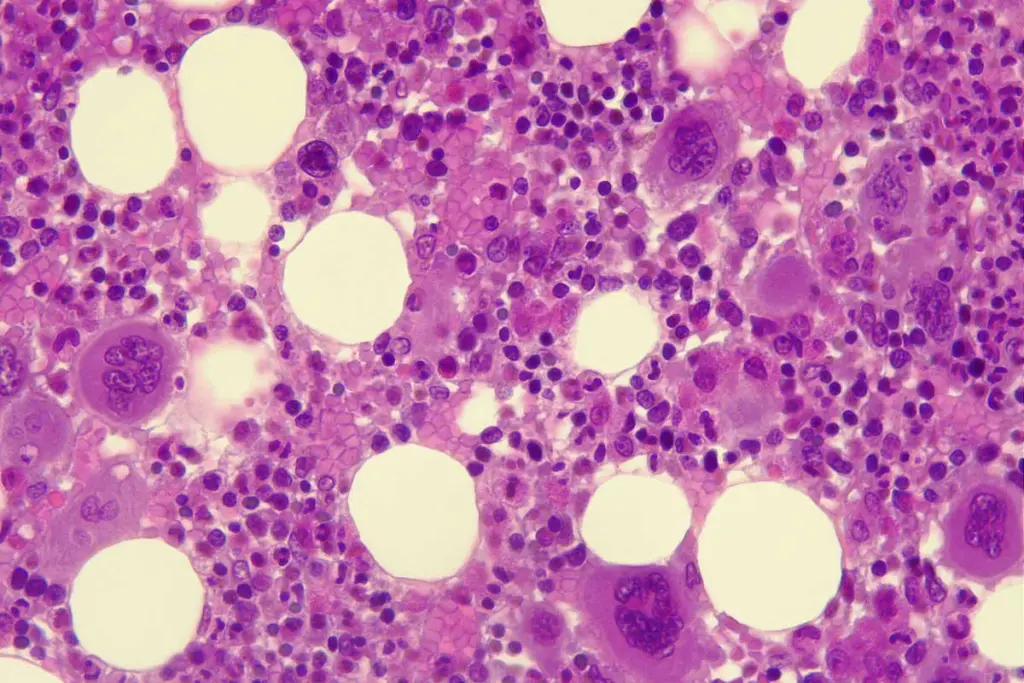
For those fighting blood cancers and severe blood disorders, bone marrow transplantation is a ray of hope. Studies show it can greatly boost survival chances. For some, the three-year survival rate can hit up to 92%. We look into the latest research and values that make this possible. Weighing the options? Learn about the bone marrow transplant success stories and the life-changing benefits of undergoing this procedure.
Exploring BM transplantation reveals it’s not risk-free. Yet, for many, the benefits are worth the hurdles. In this piece, we dive into the details of BMT transplant. We aim to help those looking for top-notch medical care understand its significance.
Key Takeaways
- Recent advancements in bone marrow transplantation have led to improved survival rates for patients with blood cancers.
- Three-year survival rates have been reported to be as high as 92% for certain conditions.
- The complexity of the procedure necessitates careful consideration of the risks and benefits.
- Institutional values and the latest research play a critical role in driving outcomes.
- Patients seeking advanced medical care can benefit from understanding the intricacies of BMT transplant.
Understanding Bone Marrow and Its Function

Bone marrow is a spongy tissue inside some bones. It’s key for making blood cells. It helps our body make red blood cells, white blood cells, and platelets.
The Role of Bone Marrow in the Human Body
Bone marrow is vital for our health. It makes cells for oxygen delivery, fighting off infections, and blood clotting. Without it, our bodies can’t make the blood cells we need to live.
How Bone Marrow Produces Blood Cells
Blood cell production, or hematopoiesis, happens in the bone marrow. Stem cells turn into different cell types. These include red blood cells, white blood cells, and platelets, which then go into our blood.
Common Disorders Affecting Bone Marrow
Several disorders can harm bone marrow. These include leukemia, lymphoma, and aplastic anemia. These problems can make it hard to produce blood cells, leading to health issues.
|
Disorder |
Description |
Impact on Bone Marrow |
|---|---|---|
|
Leukemia |
A cancer of the blood or bone marrow |
Disrupts normal blood cell production |
|
Lymphoma |
A cancer of the immune system |
Can affect bone marrow’s ability to produce healthy cells |
|
Aplastic Anemia |
A condition where bone marrow fails to produce blood cells |
Results in a significant reduction in blood cell production |
What is a Bone Marrow Transplant?

A bone marrow transplant (BMT) is a complex medical procedure. It replaces a patient’s bone marrow with healthy marrow or stem cells. This treatment helps patients with blood cancers, severe blood disorders, or immune system disorders.
Definition and Basic Procedure
Bone marrow transplantation involves several key steps. First, the patient’s diseased bone marrow is destroyed. This is done using chemotherapy and/or radiation, called conditioning. Then, healthy stem cells are infused into the patient’s bloodstream.
These stem cells migrate to the bone marrow. There, they start producing new blood cells.
“The success of a bone marrow transplant depends on several factors,” says a leading hematologist. “These include the patient’s overall health, the match between the donor and the recipient, and the condition being treated.”
Types of Bone Marrow Transplants
There are two main types of bone marrow transplants: autologous and allogeneic. In an autologous transplant, the patient’s own stem cells are used. On the other hand, an allogeneic transplant uses stem cells donated by another person.
Allogeneic transplants can be further divided. They can be from a related or unrelated donor.
- Autologous transplant: Using the patient’s own stem cells.
- Allogeneic transplant: Using stem cells from a donor.
It’s important to understand these differences. They help determine the best treatment for each patient.
Hematopoietic Stem Cell Transplantation Explained
Stem cell transplantation is a treatment for blood cancers and disorders. It replaces a patient’s damaged bone marrow with healthy stem cells. This helps the body make blood cells again.
The Science Behind Stem Cell Collection
Stem cells come from bone marrow, blood, and cord blood. The choice depends on the patient’s condition and the transplant type. Peripheral blood stem cell collection is more common because it’s less invasive.
Studies show stem cell therapy works well, with up to 78% success in some cases.
Differences Between Bone Marrow and Peripheral Blood Stem Cell Collection
Bone marrow and blood are main sources of stem cells. Bone marrow harvesting takes stem cells from the hip bones under anesthesia. Peripheral blood collection uses apheresis after stem cells are released into the blood.
|
Source |
Collection Method |
Advantages |
|---|---|---|
|
Bone Marrow |
Harvesting under general anesthesia |
Rich source of stem cells, established procedure |
|
Peripheral Blood |
Apheresis after stimulation |
Less invasive, quicker recovery |
Cord Blood as a Source of Stem Cells
Cord blood is collected from the umbilical cord after birth. It’s a valuable source of stem cells. It has a lower risk of graft-versus-host disease and can be used in unrelated transplants.
“The use of cord blood as a source of stem cells has expanded the donor pool and provided new hope for patients in need of a transplant,” said a leading researcher in the field.
In conclusion, hematopoietic stem cell transplantation is a complex procedure. It relies on collecting and transplanting stem cells from various sources. Knowing the differences between these sources is key to better treatment outcomes.
Medical Conditions That Benefit From Bone Marrow Transplantation
Bone marrow transplantation is a key treatment for many serious diseases. It gives hope to those with diseases once thought untreatable. By replacing bad marrow with good, BMT transplantation can cure or greatly improve life quality.
Blood Cancers (Leukemia, Lymphoma, Multiple Myeloma)
BMT is a main treatment for blood cancers like leukemia, lymphoma, and multiple myeloma. These cancers harm blood cells and marrow, causing serious health issues. “Bone marrow transplant is a lifesaving treatment for many patients with blood cancers,” it removes cancer cells and brings back healthy marrow.
Severe Blood Disorders (Aplastic Anemia, Thalassemia)
Severe blood disorders like aplastic anemia and thalassemia can also be treated with BMT. Aplastic anemia stops the bone marrow from making blood cells, while thalassemia affects hemoglobin production. A bone marrow transplant can greatly improve health and life quality for these patients.
Immune System Disorders
Some immune system disorders, where the immune system doesn’t work right, can be helped by BMT. This treatment rebuilds the immune system, helping the body fight off infections and diseases better.
Metabolic Disorders
Some metabolic disorders, which affect how the body uses nutrients or substances, can be treated with BMT. Replacing the bone marrow with healthy marrow can help restore normal metabolic functions.
In conclusion, bone marrow transplantation is a versatile treatment for many serious medical conditions. So, is bone marrow good for you? Yes, for many patients with life-threatening diseases, it offers a chance for a healthier life.
The Bone Marrow Transplant Procedure Step by Step
Getting a bone marrow transplant is a big step. It’s a treatment that saves lives. We’ll explain the whole process, from the first check-up to the transplant itself.
Pre-Transplant Evaluation and Preparation
The first thing is a detailed check-up before the transplant. This includes many tests to see if you’re healthy enough. Our doctors look at your medical history and do tests. They talk about the risks and benefits with you.
The Conditioning Regimen
Before the transplant, you’ll get special treatment. This is called the conditioning regimen. It uses chemotherapy and/or radiation. This treatment:
- Makes your immune system weak to stop it from rejecting the new stem cells
- Kills any cancer cells that might be there
- Prepares your bone marrow for the new stem cells
The Harvesting Process
The next step is collecting healthy stem cells. In an allogeneic transplant, these come from a donor. The process is called apheresis. It separates the stem cells from other blood cells and collects them.
The Transplantation Process
The last step is putting the stem cells into your body. This is done through an IV. It’s like a blood transfusion and takes a few hours. The stem cells then go to your bone marrow to make new blood cells.
Our medical team watches over you closely during the transplant. They help make sure you’re safe and do well.
Survival Rates and Success Statistics
The success of bone marrow transplants is measured by survival rates. These rates change based on several key factors. Recent studies show that three-year survival rates can reach up to 92% for some conditions. This highlights the long-term success of this treatment.
Current Three-Year Survival Rates for Different Conditions
Survival rates after a bone marrow transplant vary by condition. For example, patients with certain types of leukemia or lymphoma may have different rates than those with aplastic anemia or other blood disorders.
- Leukemia: Three-year survival rates range from 50% to 70% depending on the disease stage and patient health.
- Lymphoma: Survival rates can be as high as 80% for some subtypes, reflecting advancements in treatment protocols.
- Aplastic Anemia: Patients often see survival rates above 80% when treated with bone marrow transplantation.
One-Year to Three-Year Survival Statistics
Looking at survival statistics over one to three years gives insights into the transplant’s effectiveness. These numbers are influenced by patient age, overall health, and the conditioning regimen used.
Studies indicate that:
- One-year survival rates can be as high as 85% for patients receiving transplants from matched donors.
- Three-year survival rates are around 65% for patients with certain high-risk conditions.
Factors Affecting Transplant Success
Several factors influence the success of a bone marrow transplant, including:
- Donor Match: A closer match between donor and recipient improves outcomes.
- Patient Health: Patients in better overall health tend to have higher survival rates.
- Conditioning Regimen: The intensity and type of conditioning can impact survival and success.
- Center Experience: Transplant centers with more experience often report better outcomes.
Understanding these factors is key for patients and healthcare providers when considering bone marrow transplantation as a treatment option.
Leading Bone Marrow Transplant Centers in the United States
In the U.S., some centers are leaders in bone marrow transplantation. They offer top care and have made big strides in treatment. These places focus on giving patients the best care possible.
Dana-Farber Brigham Cancer Center Outcomes
The Dana-Farber Brigham Cancer Center is known for its new ways to fight cancer, including bone marrow transplants. It’s all about research and trying new things. Recently, Dana-Farber was praised for its success in adult donor stem cell transplants. This was the fifth year in a row they got this honor, as seen in their news release.
They have survival rates of 80% to 90% for some conditions. This is way better than the national average.
Cedars-Sinai Medical Center Performance
Cedars-Sinai Medical Center is also a top place for bone marrow transplants. They take a team approach to care. This has earned them high rankings for their blood and marrow transplant programs.
As shown in their newsroom, they use the latest tech and tailor treatments for each patient. This leads to great results for patients.
How to Identify Top-Performing Centers
Finding the best bone marrow transplant center takes some research. Look at:
- The center’s experience and success rates with your transplant type.
- The latest treatment tech and clinical trials they offer.
- The quality of their care team, including experts in hematology, oncology, and transplant surgery.
- The support services and care after the transplant.
The Importance of Center Experience
The experience of a bone marrow transplant center matters a lot. Centers that do many transplants have better care and results. Here’s a table showing the difference in outcomes based on experience.
|
Center Experience |
One-Year Survival Rate |
Three-Year Survival Rate |
|---|---|---|
|
High Volume Centers |
85% |
65% |
|
Low Volume Centers |
70% |
50% |
As the table shows, patients at high-volume centers do better. So, when looking for a transplant, check the center’s experience and results.
The Patient Journey Through Bone Marrow Transplantation
For patients going through bone marrow transplantation, the journey is not just about physical healing. It’s also about building emotional strength. We’ll walk you through the key stages, from getting ready to recovering.
Physical Preparation
Getting ready physically is the first step. It involves checking the patient’s health to see if they can handle the transplant. This includes tests and a conditioning regimen to get the body ready.
Emotional and Psychological Considerations
Supporting the mind is just as important as supporting the body. Patients often feel anxious and stressed. We stress the need for counseling and support groups to help them deal with these feelings.
Hospital Stay and Immediate Recovery
In the hospital, patients are watched closely for any quick problems. The medical team works hard to manage side effects. How long they stay depends on how well they recover.
Long-Term Recovery Timeline
Recovery doesn’t stop when you leave the hospital. Patients need ongoing care to deal with long-term side effects and ensure the transplant works. We provide a recovery plan with follow-up visits and lifestyle changes to help them get back to normal.
Important parts of the recovery timeline include:
- Watching for signs of graft-versus-host disease (GVHD)
- Managing medication and side effects
- Slowly getting back to normal activities
Potential Risks and Complications
Bone marrow transplantation can be a lifeline for many. Yet, it comes with risks and complications. It’s important for patients and their caregivers to know these risks to make informed choices.
Short-Term Complications
Right after or during the transplant, patients might face short-term issues. These include:
- Infections due to weakened immune system
- Bleeding problems
- Damage to organs
- Failure of the graft
These problems can be serious and need quick medical help.
Long-Term Side Effects
Months or years after the transplant, patients may deal with long-term effects. These can include:
- Cataracts
- Hormonal imbalances
- Osteoporosis
- Secondary cancers
Seeing a doctor regularly is key to managing these effects.
Graft-Versus-Host Disease (GVHD)
GVHD is a serious issue where the donated stem cells attack the recipient’s body. It can be acute or chronic, with symptoms ranging from mild to severe.
Prevention and treatment strategies are vital for managing GVHD. This includes using immunosuppressive drugs and supportive care.
Infection Risks and Prevention
After a bone marrow transplant, patients are at high risk for infections. To prevent this, they should:
- Take prophylactic antibiotics and antivirals
- Avoid contact with infectious agents
- Stay current with vaccinations
Patients must stay alert and work closely with their healthcare team to lower infection risks.
Quality of Life After Bone Marrow Transplantation
Understanding life after bone marrow transplant is key for patients and their caregivers. This journey includes physical recovery, mental health, and getting back to normal activities.
Physical Recovery and Limitations
Recovering physically is a big part of getting better after a transplant. Patients might feel tired, weak, and have other physical issues. Rehabilitation programs help them get stronger and function better.
Psychological Impact and Mental Health
The mental side of bone marrow transplant is just as important. Patients might deal with anxiety, depression, or other mental health problems. Support from mental health professionals and groups is very helpful.
Return to Normal Activities
Patients want to get back to their usual lives. How long it takes varies a lot. Health, any complications, and how well the transplant worked all play a part.
Long-Term Monitoring Requirements
Keeping an eye on health long-term is vital. Regular check-ups with doctors are key to catching and treating any problems early.
|
Aspect of Recovery |
Key Factors |
Interventions |
|---|---|---|
|
Physical Recovery |
Fatigue, weakness, physical limitations |
Rehabilitation programs, physical therapy |
|
Psychological Impact |
Anxiety, depression, mental health challenges |
Mental health support, counseling, support groups |
|
Return to Normal Activities |
Overall health, presence of complications, transplant effectiveness |
Gradual increase in activities, follow-up care |
|
Long-Term Monitoring |
Managing late effects, overall health |
Regular follow-up appointments, health monitoring |
The Financial Aspect of Bone Marrow Transplants
Bone marrow transplantation is a complex medical process that also comes with a big financial cost. The expenses for this treatment can be high. It’s important for patients and their families to understand these costs.
Average Costs in the United States
In the United States, the cost of a bone marrow transplant varies widely. It can range from $100,000 to over $500,000. This depends on the type of transplant, the patient’s health, and the transplant center’s fees.
|
Cost Component |
Average Cost Range |
|---|---|
|
Pre-transplant evaluation |
$5,000 – $20,000 |
|
Transplant procedure |
$50,000 – $200,000 |
|
Post-transplant care |
$10,000 – $50,000 |
|
Medications and follow-up |
$5,000 – $20,000 |
Insurance Coverage and Considerations
Insurance coverage is key in managing the financial costs of bone marrow transplantation. Most insurance plans cover some costs, but the amount can vary a lot. Patients should check their insurance policies to know what’s covered and what they might have to pay out of pocket.
Financial Assistance Programs
Financial assistance programs can be a big help for many patients. Organizations like the National Marrow Donor Program (NMDP) and cancer support groups offer financial aid. This aid can help cover the costs of bone marrow transplantation.
Hidden Costs to Consider
There are also hidden costs to think about. These include travel and accommodation for patients and their caregivers, lost income from time off work, and other related expenses. Understanding all these costs is important for making informed decisions about care.
By knowing all the financial aspects of bone marrow transplantation, patients can make better choices. Exploring financial assistance options can help them deal with the financial challenges of this treatment.
Innovations and Advancements in Bone Marrow Transplant Procedures
The field of bone marrow transplantation is changing fast. New innovations aim to boost survival rates and cut down on complications. These advancements have made bone marrow transplants safer and more effective for patients with blood disorders.
Reduced-Intensity Conditioning
One big leap is the creation of reduced-intensity conditioning (RIC) regimens. These regimens have lowered the toxicity of traditional conditioning. This makes bone marrow transplants possible for older patients and those with health issues. RIC regimens balance immune system suppression and toxicity.
Improved GVHD Prevention and Treatment
Graft-versus-host disease (GVHD) is a big problem in bone marrow transplants. New ways to prevent and treat GVHD focus on targeted therapies. These include new drugs and cell therapies, like regulatory T cells, to fight GVHD without harming the graft-versus-tumor effect.
Enhanced Matching Techniques
Advances in human leukocyte antigen (HLA) typing have made donor-recipient matching better. This reduces GVHD and other issues. High-resolution HLA typing helps find closely matched donors, even from unrelated individuals. This has grown the donor pool and improved transplant success.
Future Directions in Transplantation
The future of bone marrow transplantation looks bright. Ongoing research into gene editing and cellular therapies could lead to new treatments. These innovations might make bone marrow transplants even safer and more effective, potentially curing diseases that are hard to treat now.
In conclusion, the progress in bone marrow transplant procedures is changing patient care for the better. By keeping up with these advancements, we can make transplants safer and more accessible to more people.
Ethical Excellence and Patient-Centric Approaches
Ethical excellence is key in bone marrow transplantation. It ensures patients get the best care. A team effort is vital for this excellence.
Multidisciplinary Care Teams
Our teams have experts from many fields working together. This teamwork covers all aspects of a patient’s health. It leads to better treatment plans.
Informed Consent and Decision-Making
Informed consent is very important. We make sure patients and families know everything about the procedure. This helps them make good decisions about their care.
Continuous Protocol Improvements
We always look to improve our care methods. We keep up with new research and technologies. This shows our commitment to excellence and patient care.
Liv Hospital’s Approach to Ethical Excellence
Liv Hospital stands for ethical excellence. It focuses on the patient, teamwork, and always improving. This makes Liv Hospital a leader in bone marrow transplantation.
By focusing on ethics and patient care, we can make bone marrow transplantation better. This improves outcomes and experiences for patients.
The Donor Perspective: Becoming a Bone Marrow Donor
Becoming a bone marrow donor is easy, but you must meet certain criteria. Donors help treat serious diseases and can change lives. Their efforts are truly life-changing for patients.
Eligibility Requirements
To donate bone marrow, you need to be between 18 and 44 years old. You must also be in good health and pass a medical check. Donors must give consent and match with recipients through HLA testing.
The Donation Process and Experience
The donation process starts with collecting stem cells. This can happen through bone marrow or blood stem cell collection. The procedure is done under anesthesia to reduce pain. After, donors are watched for a short time and can usually go back to normal activities in a few days.
Impact on Donors’ Lives
Donating bone marrow can deeply impact a donor’s life. Many feel proud and fulfilled. It can also lead to personal growth and a greater appreciation for giving.
National Marrow Donor Program
The National Marrow Donor Program (NMDP) is key in bone marrow donations. It keeps a donor registry and matches donors with patients. The NMDP also supports donors during the donation process.
Making the Decision: Is a Bone Marrow Transplant Worth It for You?
Patients thinking about a bone marrow transplant face many choices. They need to know their prognosis, weigh the risks and benefits, and talk to their doctors.
Understanding Your Specific Prognosis
Knowing your prognosis is key to deciding on a bone marrow transplant. Prognosis can vary a lot based on your health, the disease, and how it responds to treatment.
For example, people with leukemia or lymphoma have different outlooks. Talking to your doctor about these factors is important to understand your situation.
Evaluating Risks Versus Benefits
It’s important to think about the risks and benefits of a bone marrow transplant. While it can save lives, it also has risks like GVHD, infections, and long-term side effects.
- Risks from the conditioning regimen
- Potential for GVHD
- Infection risks during recovery
- Long-term side effects and their impact on quality of life
The benefits, like a cure or controlling the disease, are significant. Talking to your healthcare team is key to understanding these for your case.
Questions to Ask Your Healthcare Team
Asking the right questions is essential. Ask about outcomes, success rates, and what to expect during recovery.
“Understanding your treatment and what to expect can reduce anxiety and help you make a better decision.” – Expert in Hematology
|
Questions to Ask |
Why It Matters |
|---|---|
|
What are the chances of success with a bone marrow transplant? |
Understanding the chance for a cure or controlling the disease |
|
What are the possible risks and complications? |
Evaluating the risks of the procedure |
|
How will the transplant affect my quality of life? |
Assessing the impact on daily life and long-term well-being |
Second Opinions and Additional Resources
Getting a second opinion can offer new insights and reassurance. Many find it helpful to talk to specialists at different centers or join support groups.
Additional resources, like counseling or patient support groups, are also important. They help patients and their families through this tough decision.
Conclusion: Weighing the Worth of Bone Marrow Transplantation
When thinking about bone marrow transplantation, we must look at a few key points. These include the chance for better survival rates, the risks of the procedure, and how it affects quality of life. For many, this treatment is a lifeline, giving them a chance to beat serious diseases like leukemia and lymphoma.
Choosing to have a bone marrow transplant is a big decision. It’s one that patients must think about carefully. By looking at all the facts, patients can make a choice that fits their situation and health needs. This treatment can bring new hope and better results for those with severe blood diseases.
The true value of bone marrow transplantation is in how it can change lives. As medical science gets better, so will the chances of success for those who get this treatment. This makes it a vital option in the battle against some cancers and blood diseases.
FAQ
What is bone marrow transplantation?
Bone marrow transplantation is a medical procedure. It replaces a patient’s diseased bone marrow with healthy stem cells. These stem cells can come from the patient themselves or a donor.
What is the role of bone marrow in the human body?
Bone marrow makes blood cells. These include red blood cells, white blood cells, and platelets. They carry oxygen, fight infections, and stop bleeding.
What are the common disorders that affect bone marrow?
Disorders like blood cancers and severe blood disorders affect bone marrow. Examples include leukemia, lymphoma, and aplastic anemia.
What are the different types of bone marrow transplants?
There are two main types: autologous and allogeneic. Autologous uses the patient’s own stem cells. Allogeneic uses a donor’s stem cells. Allogeneic can be related or unrelated to the patient.
How are stem cells collected for bone marrow transplantation?
Stem cells are collected from bone marrow, blood, or cord blood. The method depends on the transplant type and patient condition.
What is graft-versus-host disease (GVHD)?
GVHD is a complication of allogeneic transplants. It happens when the donor’s immune cells attack the recipient’s tissues.
What are the possible risks and complications of bone marrow transplantation?
Risks include infection, GVHD, organ damage, and secondary cancers. The risk varies based on the transplant type and patient factors.
How long does it take to recover from a bone marrow transplant?
Recovery time varies by patient and transplant type. It can take months to a year or more to fully recover.
What is the cost of bone marrow transplantation in the United States?
Costs vary widely. They depend on the transplant type, center, and insurance. Costs can range from $100,000 to over $500,000.
Are there financial assistance programs available for bone marrow transplantation?
Yes, financial help is available. Hospitals, non-profits, and government agencies offer assistance programs.
How can I find a top-performing bone marrow transplant center?
Look online, ask your doctor, or contact bone marrow organizations. They can help find a top center.
What is the role of the National Marrow Donor Program in bone marrow donation?
The National Marrow Donor Program connects donors with patients. They support donors throughout the donation process.
How do I become a bone marrow donor?
Register with the National Marrow Donor Program or other registries. You’ll need a cheek swab or blood test to register.
What are the eligibility requirements for bone marrow donation?
Requirements include being 18-60, in good health, and meeting medical criteria. Donor registry rules vary.
References