The days after a bone marrow transplant are very important. The recovery is watched closely, and the Canadian Cancer Society uses a counting system to track the patient’s progress. Being isolated is key for patients to get better and stay safe from infections. How long they remain in isolation depends on the type of transplant and their overall health condition.
Key Takeaways
- The isolation period after a stem cell transplant is critical for recovery.
- The length of isolation varies based on the transplant type and the patient’s health.
- Patients are closely monitored during their recovery.
- The Canadian Cancer Society’s day counting system helps track recovery progress.
- New blood cells start to appear during the recovery process.
Understanding Stem Cell and Bone Marrow Transplants
Stem cell and bone marrow transplants are complex treatments. They use stem cells, which can become many types of cells in the body. These cells are key for making blood cells like red and white blood cells, and platelets.
Types of Transplants: Autologous vs. Allogeneic
There are two main types of transplants: autologous and allogeneic. An autologous transplant uses the patient’s own stem cells. These cells are collected, stored, and then given back after treatment. On the other hand, an allogeneic transplant uses stem cells from another person, which can be a relative or not.
The choice between these types depends on the patient’s health, the disease, and if a donor is available.
The Transplant Procedure Overview
The transplant starts with conditioning therapy. This includes chemotherapy and/or radiation to kill diseased cells and weaken the immune system. Then, the patient gets the stem cells through an IV, like a blood transfusion.
The stem cells go to the bone marrow and start making new blood cells. This is called engraftment. The Canadian Cancer Society says engraftment usually happens in 2 to 6 weeks, starting the recovery phase.
Why Immune Compromise Necessitates Isolation
After a transplant, patients have a weak immune system. The treatment kills diseased cells and the immune system, making them open to infections. Isolation is key during this time to avoid infections.
By keeping the environment clean and limiting contact, doctors can lower the chance of complications. This helps the new immune system to grow strong.
The Typical Isolation Period After Transplantation
The time after a stem cell transplant is very important for recovery. Patients are more likely to get sick because their immune systems are weak.
Experts note that it can take 3 to 12 months for the immune system to recover after a stem cell transplant.This long time means patients must stay isolated to avoid infections.
Initial Hospital Isolation (7-30 days)
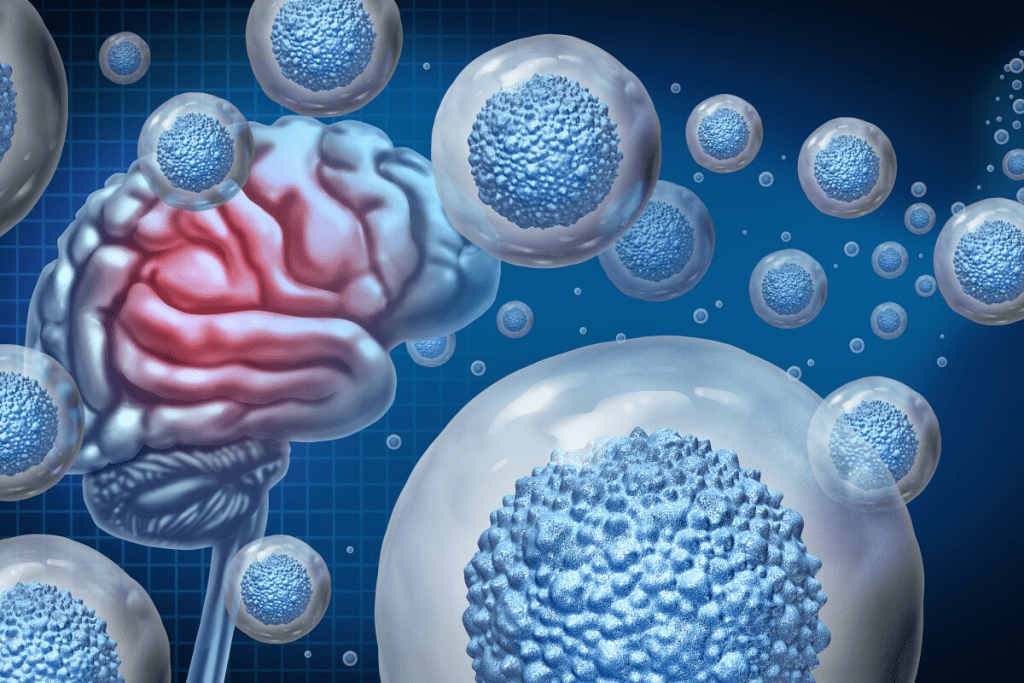
Patients start their isolation in the hospital. They are watched closely for any signs of infection. This can last from 7 to 30 days, based on the patient’s health and the transplant type.
In the hospital, patients stay in clean areas to avoid germs. Doctors and nurses wear protective gear and wash their hands a lot.
Extended Home Isolation (30-100 days)
After leaving the hospital, patients stay isolated at home. This can last from 30 to 100 days after the transplant.
At home, patients must follow strict rules to avoid getting sick. These include:
- Avoiding close contact with sick people
- Staying away from crowded places and public events
- Practicing good hygiene, like washing hands often
- Keeping away from pets and animals that might carry germs
Factors That Affect Isolation Duration
Several things can change how long a patient needs to stay isolated. These include:
- The type of transplant: Different transplants have different recovery times.
- The patient’s health and immune system before the transplant.
- Any complications or graft-versus-host disease (GVHD).
- How well the patient’s immune system recovers.
Knowing these factors helps doctors make isolation plans that fit each patient’s needs. This ensures a safe and successful recovery.
The Critical First 30 Days Post-Transplant
The first 30 days after a stem cell transplant are key for recovery. Patients face big challenges that can affect their health and transplant success.
Immediate Recovery Challenges
Patients often feel fatigue, nausea, and a weakened immune system right after the transplant. These symptoms can be managed with medicine and care, but need close watch.
Infection risk is high in the first 30 days because of the weak immune system. Patients are told to stay in a germ-free place to lower this risk.
Strict Infection Prevention Protocols
To avoid infections, patients must follow strict hygiene protocols. This includes washing hands often, wearing masks, and avoiding sick people.
A sterile environment is essential during this time. Patients are usually advised to stay at home or in a hospital. This helps control germ exposure.
Medical Monitoring During This Period
Regular medical check-ups are critical in the first 30 days. Doctors watch the patient’s health, handle any problems, and change treatment plans if needed.
Blood tests are done often to check on the patient’s recovery and spot any issues early.
Days 30-100: The Transition Period
Between days 30 and 100, the recovery process enters a new phase. Patients who have undergone a stem cell transplant start to feel a change in their recovery journey.
Gradual Relaxation of Isolation Measures
As the patient’s condition stabilizes, healthcare providers start to ease up on strict isolation measures. This easing is based on the patient’s health, the new bone marrow’s function, and any complications.
Key factors influencing the relaxation of isolation measures include:
- Stable engraftment of the new bone marrow
- Absence of severe infections or graft-versus-host disease (GVHD)
- Improvement in the patient’s overall condition
Common Milestones During This Phase
During the transition period, patients often reach several significant milestones. These may include:
- Reduced need for transfusions
- Improved energy levels
- Gradual return to normal activities
According to the Canadian Cancer Society, patients need frequent checkups and tests after their stem cell transplant. These milestones show the patient’s progress.
Ongoing Medical Assessments
Ongoing medical assessments are key during the transition period. Healthcare providers monitor the patient’s condition through regular checkups, blood tests, and other diagnostic procedures.
| Assessment Type | Frequency | Purpose |
| Blood Tests | Weekly or Bi-Weekly | Monitor blood cell counts and detect any abnormalities |
| Physical Exams | Regularly Scheduled | Assess overall health and detect signs of complications |
| Imaging Studies | As Needed | Evaluate the presence of any infections or other complications |
The information from these assessments helps healthcare providers adjust the treatment plan. This ensures the patient continues to recover smoothly.
The Significance of Day 100 After Bone Marrow Transplant
Day 100 after a bone marrow transplant is a big deal. It shows how well the patient is doing. It’s a key moment in their journey to getting better.
Why Day 100 Is a Major Milestone
Day 100 is a big milestone because it means the patient has made it past the toughest part. By then, the bone marrow is making new blood cells. The immune system is starting to get better. It shows the patient’s strength and how well the transplant worked.
Comprehensive Medical Evaluations at This Point
At day 100, patients get a full check-up. Doctors look at how well the transplant is working. They check:
- Blood tests for graft-versus-host disease (GVHD) and bone marrow function.
- Imaging studies to see how the patient is doing and catch any problems early.
- How well the immune system is recovering and can fight off infections.
These tests help doctors see how the patient is doing. They also find any problems that need fixing.
Potential for Reduced Restrictions
By day 100, many patients can start to leave their isolation rooms. Their immune system is getting stronger. They can slowly start to go back to their normal lives. But, how much they can do depends on their health and any complications.
Even though day 100 is a big milestone, the recovery doesn’t stop there. Patients need to keep following their doctor’s advice. This helps them recover well and smoothly.
Life After Bone Marrow Transplant: The First Year
Recovering from a bone marrow transplant takes time, often more than a hospital stay. The first year is key, as many people find they can slowly get back to normal. They must also take precautions and manage their health carefully.
Gradual Return to Normal Activities
Patients start to do normal things again in the first year. How fast they can depends on their health and how they recover. It’s important to listen to their doctor about when to start again with work, exercise, and social events.
At first, they should avoid hard work and big crowds to stay safe from infections. As their immune system gets stronger, they can do more. It’s key to not overdo it and listen to their body.
Ongoing Precautions and Restrictions
Even when feeling better, patients must keep up with safety steps to avoid infections. This means washing hands a lot and staying away from sick people. Knowing what precautions to take helps them stay safe every day.
Some activities or places might be too risky. Patients should talk to their doctor about these. For example, they might need to avoid certain foods or places where they could get sick.
Managing Possible Complications
Even after a year, patients might face problems like graft-versus-host disease (GVHD), infections, or damage to organs. Going to regular check-ups with their doctor is important to watch their health and fix any problems fast.
They should know the signs of possible problems and when to get help. Being careful and proactive helps them manage their health and avoid risks.
How to Build Your Immune System After Stem Cell Transplant
Rebuilding your immune system after a stem cell transplant needs a full plan. This includes eating right, exercising safely, and getting the right vaccinations.
Nutrition Guidelines for Immune Recovery
Eating a balanced diet is key for getting your immune system back. Eat a variety of foods like fruits, veggies, whole grains, lean proteins, and healthy fats.
- Fruits and Vegetables: Aim for a rainbow of colors to ensure a broad intake of vitamins and minerals.
- Protein: Include lean protein sources like poultry, fish, and legumes to support immune function.
- Whole Grains: Choose whole grains over refined grains for fiber and nutrient-rich carbohydrates.
| Nutrient | Food Sources | Benefit |
| Vitamin C | Citrus fruits, berries, leafy greens | Boosts immune function |
| Zinc | Meat, shellfish, legumes | Supports immune cell function |
| Probiotics | Yogurt, kefir, fermented vegetables | Enhances gut health |
Safe Exercise Recommendations
Exercise is key for recovery, but it’s important to do it right. Avoid overdoing it or getting sick.
- Start Slow: Begin with gentle activities like walking or yoga and gradually increase intensity.
- Avoid Crowds: Exercise in well-ventilated, non-crowded areas to minimize exposure to infections.
- Listen to Your Body: Rest when needed, and don’t push through pain or extreme fatigue.
Vaccination Schedule Post-Transplant
Vaccines are vital for fighting off infections. Stick to the vaccination schedule your healthcare provider gives you.
- Inactivated Vaccines: Typically administered starting at 3-6 months post-transplant.
- Live Vaccines: Usually avoided until the immune system is sufficiently recovered, often after 24 months.
By following these guidelines for nutrition, exercise, and vaccinations, patients can significantly enhance their immune system’s ability to fight off infections and support overall health after a stem cell transplant.
Daily Life During Post-Transplant Isolation
After a stem cell transplant, daily life changes a lot. You need to plan carefully to stay safe. This means making big changes to your routine to recover well.
Creating a Safe Home Environment
Making your home safe is key. You must reduce infection risks by keeping it clean. Here’s how:
- Regularly clean and disinfect high-touch areas such as doorknobs, light switches, and countertops.
- Use a HEPA air purifier to reduce airborne pathogens.
- Avoid having plants or flowers in the home, as they can harbor mold and bacteria.
Food Safety and Dietary Restrictions
Your diet is very important during this time. You need to be careful about food safety. Here’s what to do:
- Avoid raw or undercooked foods, which can contain harmful bacteria.
- Opt for cooked or canned foods, which are safer.
- Ensure all food and drinks are stored and handled properly to prevent contamination.
Visitor Policies and Social Interaction
It’s good to stay connected, but you must be careful. Limiting visitors helps keep you safe. Here’s what to do:
- Restrict visitors to immediate family members or caregivers who are healthy and not showing any signs of illness.
- Avoid crowded areas and public gatherings.
- Use masks and maintain distance when interacting with others.
By following these tips, you can stay safe and focus on getting better during isolation.
Caregiver Responsibilities During Isolation Periods
Caregivers are key in helping patients after a stem cell transplant. They do many things, like keeping the area safe and managing medicines. They also watch for any health problems.
Infection Control Practices
Keeping infections away is very important. Caregivers make sure the patient’s area is clean. They do this by:
- Cleaning and disinfecting things that get touched a lot.
- Helping the patient wash their hands often.
- Keeping away from sick people.
Medication Management
Caregivers handle the patient’s medicines. This means:
- Giving medicines as the doctor says.
- Tracking when and how much medicine to take.
- Watching for any bad side effects.
It’s very important to manage medicines right. This helps the patient get better.
Recognizing Emergency Situations
Caregivers need to know the signs of big problems. These can be infections, graft-versus-host disease (GVHD), or other emergencies. They should look out for fever, chills, and coughing.
Quickly spotting emergencies is very important. It can really help the patient’s recovery. So, caregivers must stay alert and know what to do.
Returning to Work, School, and Social Activities
After a stem cell transplant, patients often wonder when they can go back to work, school, and social events. The recovery time varies for everyone. It depends on the patient’s health, the type of transplant, and any complications.
Timeline for Reintegration
The time it takes to get back to normal can be a few months to a year or more. The Canadian Cancer Society says patients might need to adjust their schedules. It’s important to talk to employers and healthcare teams for a smooth transition.
At first, patients should avoid crowded places and people who are sick. This helps prevent infections. As their immune system gets stronger, they can start doing more things.
Necessary Accommodations and Precautions
When going back to work or school, patients might need special arrangements. This could include flexible hours, avoiding heavy work, and taking breaks. Schools and employers are often willing to help, but patients need to tell them what they need.
Some necessary precautions include:
- Avoiding close contact with anyone who is sick
- Maintaining good hygiene practices, such as frequent handwashing
- Avoiding crowded areas, specially during flu season
- Getting vaccinated as recommended by their healthcare provider
Communicating with Employers and Institutions
Talking openly with employers, educators, and institutions is key for a successful return. Patients should be ready to share their needs, any limitations, and what they need to stay safe and healthy.
Tips for communicating with employers and institutions include:
- Providing medical documentation to support their needs
- Discussing possible challenges and solutions
- Setting clear expectations for work or school performance
- Regularly updating their employer or educators on their health status
Understanding the timeline for getting back to normal, making necessary arrangements, and keeping open communication with employers and institutions helps patients successfully return to their activities after a stem cell transplant.
Conclusion: Embracing Life Beyond Isolation
Patients going through recovery after a stem cell transplant face a tough journey. It’s important to understand the isolation period. This journey can be long and emotional, but being ready helps a lot.
Patients need to be patient and take their time. The initial hospital stay and later home isolation are key for a good transplant outcome.
As recovery progresses, patients can start doing normal things again. Moving past isolation means staying careful and managing risks.
Knowing the recovery process and building a strong immune system are key. This way, patients can look forward to a successful recovery and a return to normal life after a stem cell transplant.
FAQ
How long do patients typically stay in isolation after a stem cell transplant?
Patients stay isolated for a few weeks to several months. This depends on the transplant type and health. They usually stay isolated for 30 to 100 days.
What is the difference between autologous and allogeneic stem cell transplants?
Autologous transplants use the patient’s own stem cells. Allogeneic transplants use a donor’s stem cells. The type affects isolation time and risk of complications.
Why is isolation necessary after a stem cell transplant?
Isolation prevents infections and reduces recovery risks. This is because the patient’s immune system is weak.
What are the immediate recovery challenges after a stem cell transplant?
Patients face fatigue, nausea, and a weak immune system. They’re more likely to get infections. Strict infection prevention is key.
How can patients build their immune system after a stem cell transplant?
Patients can boost their immune system with good nutrition, safe exercise, and vaccinations.
What precautions should be taken during the first 30 days post-transplant?
Patients should avoid sick people, wear masks, and practice good hygiene. This helps prevent infections.
How long does it take to recover from a bone marrow transplant?
Recovery time varies, but it can take months to a year or more. The first 100 days are critical. Ongoing medical checks are needed to track progress.
Can patients return to normal activities after a stem cell transplant?
Yes, patients can gradually return to normal. But they must follow precautions to avoid complications.
What are the responsibilities of caregivers during isolation periods?
Caregivers must manage infections, medications, and emergencies. They’re vital in supporting patients during recovery.
When can patients return to work, school, and social activities after a stem cell transplant?
Patients usually need several months to a year or more before returning. They should take precautions to avoid complications.
How can patients create a safe home environment during post-transplant isolation?
Patients can make their home safe by avoiding sick people, practicing hygiene, and following food safety.
What is the significance of day 100 after a bone marrow transplant?
Day 100 is a major milestone in recovery. It marks significant progress. Medical evaluations are thorough at this point, and some restrictions may be lifted.
References
- American Cancer Society. (2024). Infection prevention after a stem cell transplant. Retrieved September 25, 2025, fromhttps://www.cancer.org/cancer/managing-cancer/treatment-types/stem-cell-transplant/after/preventing-infections.html
- Canadian Cancer Society. (2024). Bone marrow and stem cell transplant: Isolation period. Retrieved September 25, 2025, fromhttps://cancer.ca/en/treatments/treatment-types/stem-cell-transplant/bone-marrow-and-stem-cell-transplant-isolation-period
- Leukemia and Lymphoma Society. (2024). Life after a transplant. Retrieved September 25, 2025, fromhttps://www.lls.org/managing-your-cancer/side-effects/stem-cell-transplant-side-effects/life-after-transplant
- National Cancer Institute. (2024). Stem cell transplantation: Questions and answers. Retrieved September 25, 2025, fromhttps://www.cancer.gov/about-cancer/treatment/types/stem-cell-transplant/stem-cell-transplant-questions
- American Cancer Society. (2024). After a stem cell transplant: The first 100 days and beyond. Retrieved September 25, 2025, fromhttps://www.cancer.org/cancer/managing-cancer/treatment-types/stem-cell-transplant/after/after-100-days.html