At Liv Hospital, we know facing a glioma brain stem cancer diagnosis is tough. The brain stem controls vital functions. When it gets a tumor, it’s a big problem.
We get how important it is to know about brainstem gliomas. These tumors are rare and hard to treat because of where they are.
Our team works hard to offer the best treatments and support for brain tumor on brain stem prognosis. We’ll share important facts about symptoms, survival chances, and treatments. This will help you understand this condition better.
Key Takeaways
- Knowing the tumor’s type and grade is key to understanding the prognosis.
- Brain stem gliomas are rare and hard to treat because of their location.
- Symptoms change based on the tumor’s size and where it is in the brain stem.
- Survival rates depend on many things, like the patient’s age and the tumor’s type.
- There are advanced treatment options, including those at Liv Hospital.
What Are Brain Stem Tumors?
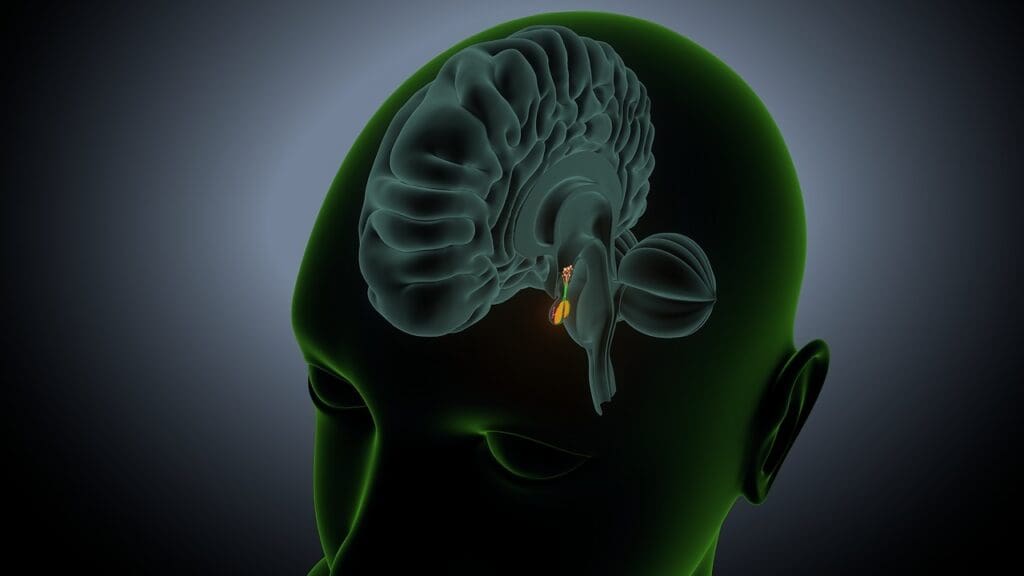
Brain stem tumors are abnormal growths in the brain stem. This area controls many vital functions. It connects the cerebrum to the spinal cord and manages breathing, heart rate, and blood pressure.
Critical Functions of the Brain Stem
The brain stem controls many automatic functions. These include:
- Regulating breathing and heart rate
- Controlling blood pressure
- Facilitating swallowing and speech
Tumors here can greatly affect a patient’s health.
Common Types of Brain Stem Tumors
Brainstem gliomas are common brain stem tumors. They can be benign or malignant and vary in aggressiveness. Brainstem gliomas account for 1-2 percent of primary malignant CNS tumors in adults but up to 20 percent of childhood brain tumors.
Why Location Matters for Prognosis
The tumor’s location in the brain stem affects prognosis and treatment.
Knowing the tumor’s location and type is key for the best treatment.
Fact 1: Prevalence of Brainstem Gliomas Varies by Age
Age is key when it comes to brainstem gliomas. These tumors are rare in adults, making up 1-2% of adult primary CNS malignancies. But in kids, they’re more common, making up up to 20% of childhood brain tumors. This shows we need different treatments for different ages.
1-2% of Adult Primary CNS Malignancies
In adults, brainstem gliomas are rare. They make up a small part of brain tumors. Adults with these tumors usually live between 24 and 44 months. But, how long they live can depend on the tumor’s type and grade.
Up to 20% of Childhood Brain Tumors
But in kids, brainstem gliomas are more common. They make up a big part of brain tumors in children. This means finding and treating them early is very important.
Risk Factors and Genetic Considerations
We don’t know for sure why brainstem gliomas happen. But some genes and risk factors might play a part. Knowing this could help us find ways to prevent or treat them early.
Brainstem gliomas are rare in adults but common in kids. This difference is important for doctors and researchers to keep in mind.
Fact 2: Recognizing Brain Stem Tumor Symptoms Early
The brain stem is very important, and tumors here can cause many symptoms. If we catch these symptoms early, we can help patients better. Brain stem tumors can affect different nerves, leading to various problems.
Cranial Nerve Deficits and Their Manifestations
Cranial nerve deficits are common in brain stem tumors. These can show up as facial weakness, hearing loss, or trouble with speech and swallowing. The nerve affected depends on where the tumor is in the brain stem.
Balance and Swallowing Difficulties
People with brain stem tumors often have trouble balancing and swallowing. This makes simple tasks hard. Swallowing problems can lead to not getting enough nutrients and even pneumonia.
Double Vision and Speech Problems
Double vision, or diplopia, can happen because of eye movement nerve issues. Speech problems, like dysarthria, can also occur. This makes it hard for patients to talk clearly.
Progressive Weakness and Other Warning Signs
Getting weaker, mainly in arms or legs, can be a sign of a brain stem tumor. Other signs include headaches, nausea, and vomiting. These can happen because of too much pressure inside the skull.
| Symptom | Description |
|---|---|
| Cranial Nerve Deficits | Facial weakness, hearing loss, speech and swallowing difficulties |
| Balance and Swallowing Issues | Difficulty with coordination and swallowing |
| Double Vision and Speech Problems | Diplopia and dysarthria |
| Progressive Weakness | Weakness in arms or legs |
It’s very important to notice these symptoms early. This helps get a diagnosis and treatment faster. If you notice any of these symptoms, see a doctor right away.
Fact 3: Diagnosis Challenges and Approaches
Diagnosing brain stem tumors is very hard because of their location. The brain stem controls many important body functions. This makes it hard to diagnose and treat.
Advanced Imaging Techniques
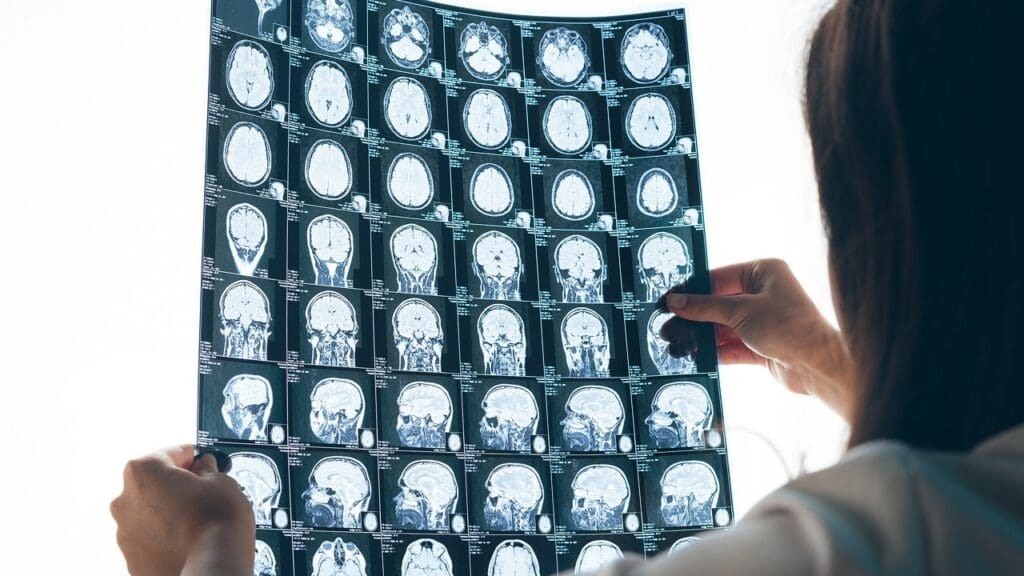
Advanced imaging is key in finding brain stem tumors. Magnetic Resonance Imaging (MRI) is very helpful. It shows detailed pictures of the brain stem and nearby areas.
MRI helps doctors see where the tumor is, how big it is, and how it might affect nearby tissues.
When Biopsy Is Possible vs. Too Risky
A biopsy can give a clear diagnosis, but it’s not always safe for brain stem tumors. The risk of harming important brain parts is too high in some cases. Doctors have to think carefully about the risks and look for other ways to diagnose.
Molecular and Genetic Testing
Molecular and genetic tests can give important information about the tumor. They help doctors decide on the best treatment. These tests find specific genetic changes or markers that affect how the tumor grows and responds to treatment.
By using advanced imaging and molecular and genetic tests together, doctors can understand brain stem tumors better. This leads to better treatment plans.
Fact 4: Brain Tumor on Brain Stem Prognosis Depends on Multiple Factors
The outlook for brain stem tumors changes a lot based on several important factors. Knowing these factors helps us give accurate predictions and plan treatments.
Impact of Tumor Grade and Type
The grade and type of tumor greatly affect the prognosis. High-grade tumors usually have a worse outlook than low-grade tumors. The type of tumor also matters, as some grow faster than others.
Significance of Tumor Size (Under vs. Over 3cm)
Tumor size is a key factor in prognosis. Tumors bigger than 3cm often have a poorer outlook than smaller ones. This is because big tumors are harder to treat and may spread more easily.
Age-Related Prognostic Differences
Age is a big factor in brain stem tumor prognosis. Younger patients usually have a better chance of recovery than older adults. This is because younger people are often healthier and can handle treatments better.
Location Within the Brain Stem (Midbrain vs. Pons)
The tumor’s location in the brain stem also matters. Tumors in the midbrain or pons have different effects on prognosis. For example, tumors in the pons are harder to treat because they’re close to important brain areas.
By looking at these factors, we can give more precise predictions. We can then create treatment plans that fit each patient’s specific needs.
Fact 5: Survival Rates Vary Significantly
Brain stem tumor survival rates vary a lot. They depend on the tumor type and grade. Knowing these factors helps patients and doctors make better treatment choices.
Median Survival for Adults
Adults with brainstem glioma have a median survival of 24 to 44 months. This shows how different tumors and treatments can affect survival. Every patient’s case is unique, and these numbers help us understand what might happen.
Glioblastoma of the Brain Stem
Those with glioblastoma of the brain stem face a tough outlook, with survival usually under 15 months. This aggressive tumor needs quick and strong treatment. Our team creates personalized plans to meet each patient’s needs.
Low-Grade Midbrain Tumors
Low-grade midbrain tumors have a better outlook, with a chance for long-term survival. These tumors are less aggressive, allowing for gentler treatment. Regular check-ups and care are key to the best results.
Pediatric vs. Adult Survival Comparisons
Survival rates differ between kids and adults with brain tumors. The biology of the tumor and how it responds to treatment can vary a lot. Our team provides care tailored to each age group’s needs.
Fact 6: Surgical Options Are Limited But Valuable
Surgery is a key treatment for some brain stem tumors, even though it’s not always possible. The choice to have surgery depends on the tumor’s location, size, and type.
Determining Surgical Candidacy
We check each patient to see if surgery is right for them. We look at how easy it is to reach the tumor and the risks of harming nearby brain areas.
Accessible vs. Inaccessible Tumors
Some tumors are easy to get to and can be removed. But, many are too deep in the brain stem to be safely operated on.
Surgical Approaches and Success Rates
There are different ways to approach surgery, based on the tumor’s spot and the patient’s health. How well surgery works can vary. Some patients see big improvements in their symptoms and life quality.
Postoperative Complications and Management
Like any surgery, there are risks after the operation. These can include infection, bleeding, or harm to brain tissue. We work hard to prevent these problems and help our patients recover well.
“Surgery can be a lifesaving intervention for selected patients with brain stem tumors.” We carefully look at each patient and use the latest surgical methods. This way, we offer effective treatments for those with these tough tumors.
Fact 7: Radiation Therapy Is a Primary Treatment
For many patients with brain stem tumors, radiation therapy is a key treatment. It offers hope and a way to fight the disease. Dealing with a brain stem tumor diagnosis can be tough, but radiation therapy is a valuable option.
Standard Radiation Protocols
Standard treatments for brain stem tumors include a total dose of 54 Gy. This is spread over several weeks. It aims to damage the tumor while protecting healthy tissue.
Stereotactic Radiosurgery Applications
Stereotactic radiosurgery (SRS) is a precise radiation therapy. It gives a high dose of radiation in one session. SRS is great for treating small, well-defined tumors in the brain stem.
Managing Radiation Side Effects
It’s important to manage side effects from radiation therapy. These can include fatigue, nausea, and hair loss. We help patients deal with these effects to improve their quality of life during treatment.
Understanding radiation protocols and managing side effects is key. Our team is dedicated to giving the best care and support. We aim to help patients with brain stem tumors get the best treatment outcomes.
Chemotherapy Approaches for Brain Stem Gliomas
Chemotherapy is a key treatment for brain stem gliomas. We’re always looking to make it better. It’s often used with other treatments to fight these tough tumors.
Standard Chemotherapy Agents
Several drugs are used to treat brain stem gliomas. Temozolomide is one that works well. The choice of drug depends on the tumor and the patient’s health.
| Chemotherapy Agent | Usage | Efficacy |
|---|---|---|
| Temozolomide | Oral administration | High |
| Other Agents | Varies | Varies |
Drug Delivery Challenges
Getting drugs to brain stem gliomas is hard. The blood-brain barrier blocks some drugs. Scientists are working on new ways to get drugs past this barrier.
We’re always trying to make chemotherapy better for brain stem gliomas. By tackling the challenges, we aim to help patients more.
Emerging and Experimental Treatments
The field of neuro-oncology is seeing big changes. New treatments are giving hope for better results in brain stem tumor cases. Researchers are finding new ways to treat this complex condition.
Immunotherapy Developments
Immunotherapy uses the body’s immune system to fight cancer. Checkpoint inhibitors and cancer vaccines are being tested in trials. They might help treat brain stem tumors.
Targeted Molecular Therapies
Targeted molecular therapies aim to attack cancer cells without harming healthy tissues. Studies on BRAF mutations and other genetic changes are leading to new treatments. These could improve results for some patients.
Promising Clinical Trials
Many clinical trials are looking at new treatments. Below is a table of some ongoing trials:
| Trial | Treatment | Focus |
|---|---|---|
| Trial 1 | Immunotherapy | Checkpoint inhibitors for recurrent brain stem tumors |
| Trial 2 | Targeted therapy | BRAF mutation-targeted treatment for pediatric patients |
| Trial 3 | Combination therapy | Radiation with immunotherapy for newly diagnosed cases |
New treatments are bringing hope to patients with brain stem tumors. Ongoing research is helping us understand their benefits better.
Supportive Care and Symptom Management
Managing symptoms of brain stem tumors needs a full approach to care. Patients with these tumors face special challenges that affect their life quality. It’s key to tackle these challenges to better their outcomes.
Physical and Occupational Therapy
Physical and occupational therapy are essential. They help patients stay independent and function well. We create therapy plans tailored to each patient’s needs, like improving mobility or coping with new limitations.
Speech and Swallowing Therapy
Patients with speech or swallowing issues can get better with therapy. Our programs aim to enhance communication and safe eating. This helps patients keep their dignity.
Pain Management Strategies
Pain management is vital for brain stem tumor patients. We use various methods, including medicine and alternative therapies, for pain relief. Cancer resources show that effective pain management boosts comfort and life quality.
| Supportive Care Measure | Benefit |
|---|---|
| Physical Therapy | Maintains mobility and strength |
| Occupational Therapy | Enhances daily functioning and independence |
| Speech and Swallowing Therapy | Improves communication and nutrition |
| Pain Management | Reduces discomfort and improves quality of life |
Living with a Brain Stem Tumor
Dealing with a brain stem tumor is more than just medical treatment. It’s about improving quality of life too. Patients and their families face big challenges that need a lot of support and care.
Quality of Life Considerations
Keeping quality of life high is key for those with brain stem tumors. It means managing symptoms, dealing with physical limits, and giving emotional support. We know that every patient’s story is different. So, we tailor our care to fit each person’s needs.
Support Resources for Patients and Families
Having access to support is essential for patients and their families. This includes physical and occupational therapy, speech and swallowing therapy, and ways to manage pain. We give info on resources and help patients get through the healthcare system.
- Support groups for patients and caregivers
- Counseling services for emotional support
- Rehabilitation programs to improve physical function
Making Treatment Decisions
Choosing the right treatment is a big part of managing a brain stem tumor. Patients and families work with their healthcare team to understand options. This includes surgery, radiation, and chemotherapy. We stress the need for informed decision-making and support every step of the way.
We focus on quality of life, support, and informed treatment choices. Our goal is to enhance the care experience for those with brain stem tumors.
Conclusion: Navigating the Brain Stem Tumor Journey
Navigating the brain stem tumor journey needs hope, resilience, and full care. Patients and families face big challenges. They must understand the tumors and make smart treatment choices.
We’ve looked at key parts of brain stem tumors. This includes how common they are, their symptoms, how they’re found, and treatment options. Knowing these details helps patients face this tough journey better.
Good treatment isn’t just about medicine. It also includes supportive care and help for patients. We stress the need for a team approach. This combines the newest medical methods and caring support to help patients do better.
We keep working to understand and treat brain stem tumors better. We’re dedicated to giving top-notch healthcare and support to patients from around the world. Our aim is to give patients and families the knowledge and support they need. This way, they can face the brain stem tumor journey with hope and confidence.
What are the common symptoms of a brain stem tumor?
Symptoms include problems with balance and swallowing. Double vision and speech issues are also common. Weakness that gets worse over time is another sign.
How are brain stem tumors diagnosed?
Doctors use MRI scans to find tumors. They might also do genetic tests. Taking a sample of the tumor is risky because of where it is.
What factors influence the prognosis of a brain tumor on the brain stem?
The tumor’s type and size matter. So does the patient’s age and where the tumor is in the brain stem.
What is the survival rate for patients with brain stem tumors?
Survival rates vary. For example, adults with glioblastoma might live less than 15 months. But, some low-grade midbrain tumors could lead to long-term survival.
Are there surgical options available for brain stem tumors?
Surgery is rare because of the risk of harming important brain areas. But, it might be an option for some patients.
What role does radiation therapy play in treating brain stem tumors?
Radiation is a main treatment. It includes standard radiation and a more precise method called stereotactic radiosurgery.
How is chemotherapy used to treat brain stem gliomas?
Chemotherapy is key, with drugs like temozolomide used. But, getting these drugs to the brain stem is hard.
What emerging treatments are being explored for brain stem tumors?
New treatments include immunotherapy and targeted molecular therapies. Several clinical trials are showing promise.
How can patients with brain stem tumors manage their symptoms and improve quality of life?
Supportive care helps a lot. This includes physical and speech therapy. Also, managing pain can greatly improve life quality.
What support resources are available for patients and families dealing with brain stem tumors?
There are many resources to help. They can guide treatment choices and help manage life with a brain stem tumor.
References
- Frontiers in Oncology (Diffuse Intrinsic Pontine Glioma) : https://www.frontiersin.org/journals/oncology/articles/10.3389/fonc.2016.00180/full
- PMC – PubMed Central : https://pmc.ncbi.nlm.nih.gov/articles/PMC8857120
- PMC – PubMed Central : https://pmc.ncbi.nlm.nih.gov/articles/PMC8237753
- UCSF Brain Tumor Center (Brainstem Glioma) : https://braintumorcenter.ucsf.edu/condition/brainstem-glioma
- The Brain Tumour Charity (Brainstem Glioma in Children) : https://www.thebraintumourcharity.org/brain-tumour-diagnosis-treatment/types-brain-tumour-children/brainstem-glioma