
A herniated disc happens when the soft center of the disc pushes through the tough outer layer. This can irritate or press on the spinal nerves or cord. It leads to back pain and discomfort for millions globally. A bulging disc doesn’t always require surgery. Discover proven non-surgical treatments and amazing recovery tips for your spine health today.
Dealing with a herniated disc is tough, and surgery seems scary. But, not everyone needs surgery. Many find relief through other treatments and changes in their lifestyle.
Key Takeaways
- Understanding what a herniated disc is and its symptoms.
- Exploring alternative treatments beyond surgery.
- Learning about lifestyle changes that can alleviate back pain.
- Discovering the role of physical therapy in recovery.
- Understanding when surgery might be necessary.
Understanding Herniated Discs: Anatomy and Causes
To understand herniated discs, we must first know about the spine’s anatomy and the role of intervertebral discs. The spine is made up of vertebrae, discs, and nerves. These parts work together to support the body and help it move.
Spinal Anatomy and Disc Function
The spine has 33 vertebrae, divided into five areas: cervical, thoracic, lumbar, sacrum, and coccyx. Between these vertebrae are the intervertebral discs. These discs act as cushions and shock absorbers, making sure there’s enough space for spinal nerves. They are key for spinal flexibility and for spreading out the forces on the spine.
Intervertebral discs have two main parts: the nucleus pulposus and the annulus fibrosus. The nucleus pulposus is the soft, gel-like center. The annulus fibrosus is the tougher, outer layer. Together, they help the disc absorb shock and move the spine.
How Discs Become Herniated
A herniated disc happens when the nucleus pulposus bulges out through a tear in the annulus fibrosus. This can be due to aging, wear and tear, or injury. As we get older, our discs dry out and become more likely to crack. This makes them more likely to herniate. Also, repeated strain or sudden injury can cause a disc to herniate.
Knowing the causes and the anatomy of herniated discs is key to finding the right treatment. While some herniated discs need surgery, like microdiscectomy, others can be treated without surgery.
Recognizing the Symptoms of a Herniated Disc

It’s important to know the symptoms of a herniated disc. This condition can cause pain in the back and limbs. The symptoms depend on where and how severe the herniation is.
Common Physical Symptoms
Back pain is a common symptom. It can be mild or very severe. This pain might spread to the legs or arms, following the nerve path.
People may also feel muscle weakness. This happens if the herniation presses on a nerve that controls muscles. You might also feel numbness or tingling in the affected limb. This is because of nerve compression or irritation.
Neurological Symptoms and Warning Signs
Neurological symptoms can be scary. They include progressive weakness in the affected limb’s muscles. You might also lose reflexes or, in severe cases, lose bladder or bowel control.
These symptoms are serious and need immediate medical help. They show that nerves are being compressed or damaged. Recognizing these symptoms early is key to avoiding long-term damage.
If you notice any of these symptoms, get medical help right away. Early treatment can greatly improve your chances of recovery from a herniated disc.
Different Types of Disc Herniations
The location of a disc herniation in the spine affects symptoms and treatment. Disc herniations are divided into types based on their location in the cervical, thoracic, or lumbar spine.
Cervical Disc Herniation
Cervical disc herniations happen in the neck. They can cause neck pain, arm pain, and weakness. These issues often come from aging or injuries.
Common symptoms include:
- Neck pain and stiffness
- Radiating pain or numbness in the arms or hands
- Weakness in the muscles of the arms or hands
Thoracic Disc Herniation
Thoracic disc herniations are rare and found in the mid-back. They can cause back pain and neurological issues. These problems come from the spinal cord being compressed.
Symptoms may include:
- Mid-back pain
- Pain or numbness radiating around the torso
- In severe cases, neurological deficits
Lumbar Disc Herniation
Lumbar disc herniations are the most common. They happen in the lower back. They can cause lower back pain and leg pain, known as sciatica.
Common symptoms include:
- Lower back pain
- Sciatica (pain radiating down one or both legs)
- Numbness or tingling in the legs or feet
Knowing the type of disc herniation is key to finding the right treatment.
|
Type of Herniation |
Common Symptoms |
Typical Location |
|---|---|---|
|
Cervical Disc Herniation |
Neck pain, radiating pain down the arms |
Neck region |
|
Thoracic Disc Herniation |
Mid-back pain, pain around the torso |
Mid-back region |
|
Lumbar Disc Herniation |
Lower back pain, sciatica |
Lower back |
Diagnosing a Bulging Dis
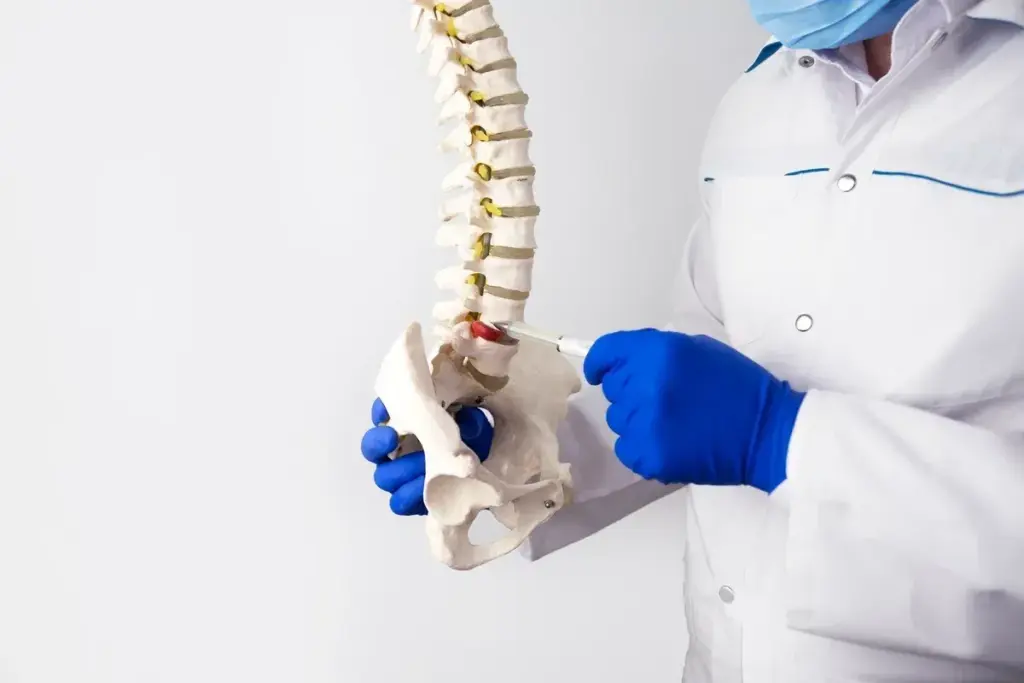
Diagnosing a bulging disc takes a detailed approach. It includes physical checks and advanced imaging. This method is key to finding out if you have a bulging disc and how serious it is. It helps doctors decide the best treatment for you.
Physical Examination Techniques
A physical check is the first step in finding a bulging disc. Doctors look at how well you move, your muscle strength, and reflexes. They might use the straight leg raise test to see if nerves are being pressed.
They also check your posture, how you walk, and for muscle wasting. These signs can show if a bulging disc is affecting you.
Imaging Studies: MRI, CT Scans, and X-rays
Imaging tests are key to confirming a bulging disc. MRI is the best for seeing soft tissues like discs and nerves. It shows where and how bad the bulge is, and if nerves are being pressed.
CT scans are good for looking at bones. They’re used when MRI isn’t possible. X-rays are not as good for soft tissues but help rule out other back pain causes like fractures.
|
Imaging Modality |
Primary Use |
Advantages |
|---|---|---|
|
MRI |
Soft tissue visualization |
High sensitivity for disc and nerve abnormalities |
|
CT Scan |
Bony structure assessment |
Excellent for evaluating bone pathology |
|
X-ray |
Initial assessment of spine |
Quick and widely available |
Electromyography and Nerve Conduction Studies
EMG and NCS are important tests for nerve function. They check if nerves are damaged because of a bulging disc. EMG looks at muscle electrical activity, and NCS checks nerve signal speed and strength.
These tests show if nerves are being pressed or damaged. They help link symptoms to a bulging disc. They’re useful when the diagnosis is not clear or when surgery is being considered.
Conservative Treatment Approaches
Starting to feel better from a herniated disc often means trying non-surgical methods first. These methods aim to ease pain, cut down on swelling, and help you move better without surgery.
Rest and Activity Modification
First off, doctors might tell you to rest and change how you move to avoid making things worse. This means not lifting heavy, bending, or twisting too much. By letting the disc heal and reducing strain, many people see big improvements.
Physical Therapy and Exercise Programs
Physical therapy is key in treating herniated discs without surgery. A custom exercise plan can make your spine muscles stronger, improve flexibility, and help your posture. You’ll likely do stretching, core exercises, and aerobic activities.
Physical therapy can bring many benefits, such as:
- Improved spinal stability
- Enhanced range of motion
- Better posture
- Reduced pain
Medications for Pain and Inflammation
To tackle pain and swelling, doctors might prescribe different medicines. These can be over-the-counter pain relievers, muscle relaxants, or sometimes oral steroids for a short time. The goal is to lessen pain so you can do physical therapy and daily tasks better.
Here’s a look at some common medicines for herniated disc treatment:
|
Medication Type |
Purpose |
Common Examples |
|---|---|---|
|
Over-the-counter pain relievers |
Reduce pain and inflammation |
Ibuprofen, Acetaminophen |
|
Muscle relaxants |
Relieve muscle spasms |
Cyclobenzaprine, Metaxalone |
|
Oral steroids |
Reduce inflammation |
Prednisone |
By mixing rest, physical therapy, and the right medicine, many can manage their herniated disc symptoms without surgery. It’s a full plan that tackles symptoms and the root cause.
Non-Surgical Interventional Treatments
Non-surgical treatments are a good choice for those who haven’t seen results from other methods. They aim to ease pain and swelling from herniated discs. This might help avoid surgery.
Epidural Steroid Injections
Epidural steroid injections are a common choice for herniated discs. They put corticosteroids near the spinal cord to cut down on swelling and pain. The procedure is done under fluoroscopic guidance to make sure it’s accurate.
These injections can really help some people, but it doesn’t work for everyone. Some might feel better for a long time, while others might need more than one shot.
Nerve Blocks and Radiofrequency Ablation
Nerve blocks involve injecting something into or around nerves to stop pain signals. Radiofrequency ablation uses heat to damage the nerve, which might help with pain for longer.
These treatments are usually safe, but they can have risks like infection, nerve damage, and soreness at the injection site.
Traction and Decompression Therapy
Traction and decompression therapy try to take pressure off herniated discs. Traction uses a device to gently stretch the spine. Decompression therapy can be done with machines or by hand.
Some people find these treatments helpful, but they don’t work for everyone. It’s important to talk to a doctor to find the best treatment.
In summary, non-surgical treatments offer many options for herniated disc symptoms. Knowing the benefits and risks helps patients make the best choices for their care.
When Is Surgery Considered Necessary?
Herniated disc surgery is usually a last choice. It’s needed when other treatments don’t work or when there are serious nerve problems. Emergency situations also call for surgery.
Failed Conservative Treatment
First, doctors try non-surgical treatments like rest and physical therapy. If these don’t help, surgery might be next. When these treatments don’t work, it’s a sign surgery could be needed.
Progressive Neurological Deficits
At times, a herniated disc can cause nerve problems that get worse. Symptoms like numbness or weakness in the limbs can signal this. Quick surgery may be needed to avoid lasting damage.
Cauda Equina Syndrome and Emergency Indications
Cauda equina syndrome is a serious issue where nerves in the lower back are compressed. It causes severe symptoms like loss of bladder control and numbness in the legs. This is a medical emergency that needs immediate surgery. A leading medical journal says, “Cauda equina syndrome is a surgical emergency that requires prompt decompression to prevent permanent neurological damage.”
In summary, surgery for a herniated disc is needed when other treatments fail, nerve problems worsen, or in emergencies like cauda equina syndrome. Knowing these reasons helps patients make better choices about their treatment.
Types of Surgical Procedures for Herniated Discs
When other treatments don’t work, surgery might be needed for a herniated disc. Surgery aims to ease nerve pressure, which helps reduce pain and improve life quality.
Microdiscectomy: Procedure and Benefits
Microdiscectomy is a small surgery to remove the herniated disc part pressing on the nerve. It’s done under a microscope for precise removal. This method has smaller cuts, less damage, and faster healing than old-school surgery.
It’s great for lumbar disc herniations. It helps a lot with sciatica and other nerve issues.
Traditional Open Discectomy
Traditional open discectomy uses a bigger cut to get to the herniated disc. It lets the surgeon see the disc and nerves clearly. This way, they can remove the bad part. It’s good for complex cases or big herniations, but it takes longer to heal.
Minimally Invasive Techniques
Minimally invasive surgeries are becoming more popular. They use special tools and images to get to the disc through small cuts. This includes discectomy and endoscopic discectomy, which cause less scarring and pain.
We’ll look into these methods more. We’ll talk about when to use them, their benefits, and possible downsides. This will help patients choose the best treatment for them.
Understanding the Risks of Herniated Disc Surgery
Herniated disc surgery can be very helpful, but it comes with risks. Knowing these risks is important for making the right choice for your health. We will talk about the common problems and long-term risks of herniated disc surgery.
Common Complications
Surgeries like microdiscectomy have risks. These include infection, nerve damage, and bleeding. Infection is rare but serious. Nerve damage can cause weakness, numbness, or pain.
Choosing an experienced surgeon can lower these risks.
Common Complications of Herniated Disc Surgery:
|
Complication |
Description |
Mitigation Strategy |
|---|---|---|
|
Infection |
Bacterial infection at the surgical site |
Proper wound care, antibiotics |
|
Nerve Damage |
Damage to nerves surrounding the disc |
Experienced surgeon, precise technique |
|
Bleeding |
Excessive bleeding during or after surgery |
Careful patient selection, monitoring |
Long-term Risks and Considerations
There are risks beyond immediate problems. The disc might come back, or scar tissue could cause pain. Knowing these risks helps you talk to your doctor about what to expect.
It’s key to think about these risks and the surgery’s benefits. Talking to your doctor about your situation can help you decide what’s best for you.
Recovery After Disc Surgery: What to Expect
Recovering from disc surgery means resting, doing physical therapy, and slowly getting back to normal. This plan helps your body heal well, lowers the chance of problems, and boosts your recovery.
Immediate Post-Operative Period
The first hours after surgery are key for a good recovery. Patients are closely monitored in the hospital or recovery area for several hours post-surgery to catch any early complications. Medical staff will manage pain, watch for nerve problems, and give first advice on care.
After going home, patients need to rest and do light activities. They should avoid heavy lifting, bending, or hard work for a time set by their surgeon.
Physical Therapy and Rehabilitation
Physical therapy is very important after disc surgery. A good physical therapy program helps patients get stronger, more flexible, and move better. The program is made just for the patient and the surgery they had.
In physical therapy, patients learn exercises to strengthen the muscles around the spine, improve posture, and help healing. The therapist also teaches how to move right to avoid future injuries.
Return to Normal Activities Timeline
When you can go back to normal activities after disc surgery depends on the surgery and your health. Most people start with light activities a few weeks after surgery. Then, they can do harder things like lifting and bending in 6-12 weeks.
- Most patients can resume light activities within a few weeks post-surgery.
- More strenuous activities, including heavy lifting and bending, may be restricted for 6-12 weeks.
- Full recovery, including return to all normal activities, can take several months.
It’s very important to follow your surgeon’s exact instructions on recovery and when to start activities again. This helps you get the best results.
Success Rates and Outcomes of Surgical Intervention
When thinking about surgery for a herniated disc, it’s key to look at the possible results and success rates. Surgery can help many people feel better, but results can differ for each person.
Statistical Success Rates
Research shows that many patients see improvement after surgery. For example, microdiscectomy, a common procedure, helps 70% to 90% of patients with pain and mobility.
Success is measured by less pain, better movement, and being able to do daily activities again. It’s important to remember that results can vary based on the herniation’s severity, the patient’s health, and other spinal issues.
Factors Affecting Surgical Outcomes
Several things can affect how well surgery works for herniated discs. These include:
- The severity and location of the herniation
- The patient’s age and overall health
- The presence of other spinal conditions or comorbidities
- The surgical technique used
- The surgeon’s experience and skill level
Knowing these factors helps set realistic hopes for surgery results. Healthcare providers can guide patients better by considering these points.
Choosing to have surgery should be a careful decision. It should be made after talking thoroughly with a healthcare provider. This is based on the person’s specific situation and health.
Alternative and Complementary Approaches
There are new ways to handle herniated discs beyond traditional treatments. Many people try these options to ease their pain and live better lives.
Acupuncture and Massage Therapy
Acupuncture is a traditional Chinese method that uses thin needles to help heal and reduce pain. It has been shown to help people with herniated discs feel better. It can also lower inflammation and make the spine more flexible.
Massage therapy is another way to ease herniated disc symptoms. It relaxes muscles and boosts blood flow, which can lessen pain. It also makes you feel better overall and can reduce stress.
Chiropractic Care: Benefits and Risks
Chiropractic care includes spinal adjustments to help align the spine and ease pressure on herniated discs. It can help restore spinal function and reduce pain. But, it’s important to consider the risks, like temporary pain or, rarely, nerve damage.
A study in the Journal of Manipulative and Physiological Therapeutics showed chiropractic care and exercise can help. It’s key to talk to a doctor before starting chiropractic care to see if it’s right for you.
Mind-Body Techniques for Pain Management
Mind-body techniques like meditation, yoga, and cognitive-behavioral therapy are great for managing herniated disc pain. They help patients cope, reduce stress, and enhance their life quality. These methods work well when used with other treatments, like physical therapy or medication.
A study in the Journal of Pain Research showed mindfulness-based stress reduction can help with chronic back pain, including herniated discs. By adding mind-body techniques to their treatment, patients can actively manage their symptoms and improve their well-being.
Living with a Herniated Disc Without Surgery
Many people live with a herniated disc by managing pain and changing their daily life. Surgery is not always needed. Instead, they use conservative treatments and lifestyle changes.
Long-term Pain Management Strategies
Managing pain is key when you have a herniated disc. You might use medicine, physical therapy, or alternative therapies. Medications like NSAIDs or muscle relaxants can help. Physical therapy strengthens muscles around the spine, easing pain.
Acupuncture and massage can also help by easing muscle tension and aiding healing. It’s important to work with doctors to create a pain management plan that’s right for you.
Lifestyle Adaptations and Ergonomics
Making lifestyle changes is important for managing a herniated disc. This includes setting up your workspace to avoid straining your spine. For example, using an ergonomic chair and placing your computer monitor at eye level helps keep your spine straight.
Also, using proper lifting techniques and stretching regularly can help prevent making the problem worse. Simple things like using a back support while sitting can also help a lot.
By using good pain management and making smart lifestyle changes, many people can live well with a herniated disc without surgery.
Preventing Future Disc Problems
To prevent future disc problems, we need to make lifestyle changes and take care of our spine. Simple habits and smart choices can lower the risk of disc issues.
Core Strengthening Exercises
Strengthening the core is key to avoiding disc problems. The core muscles, like the abs and back, support the spine. Doing regular core exercises boosts spinal stability and cuts down herniation risk.
Try planks, bridges, and pelvic tilts for core strength. Start slow and increase the challenge to avoid injury.
Proper Body Mechanics
Keeping the right body mechanics is also important. This means good posture, lifting right, and avoiding bending or twisting that strains the spine.
When lifting, bend at the knees, keep it close, and lift with your legs. Regular stretching breaks also help prevent disc issues.
Weight Management and Nutrition
Managing weight is critical for disc health. Extra weight strains the spine, raising herniation risk. A healthy weight from diet and exercise helps.
Eating a nutrient-rich diet with calcium, vitamin D, and omega-3s supports the spine. These nutrients are key for strong bones and less inflammation.
By doing core exercises, using good body mechanics, and keeping a healthy weight, we can lower the risk of disc problems. This promotes better spinal health.
Making an Informed Decision: Surgery vs. Conservative Care
Choosing between surgery and conservative care for a herniated disc is a big decision. It’s personal and depends on many factors. Patients need to know all they can about their options.
Questions to Ask Your Doctor
When deciding between surgery and conservative care, ask the right questions. This will help you make an informed decision. Here are some important questions to ask your doctor:
- What are the benefits and risks of surgery for my condition?
- How will conservative care be managed, and what are the expected outcomes?
- Are there any other treatments I should think about?
- What’s the recovery time for surgery and conservative care?
Getting a Second Opinion
Getting a second opinion can offer more insights. It helps confirm the best treatment for you. We suggest talking to another specialist to understand your options better.
Patient Decision-Making Tools
Patient decision-making tools can also help. They compare the pros and cons of each treatment. This makes it easier to decide what’s best for you.
By thinking about these points and using these tools, patients can make a choice that fits their needs and preferences.
Conclusion
The choice between surgery and conservative care for a herniated disc is complex. It depends on many factors. Knowing about the condition and treatment options is key.
Patients need to talk to their doctors to decide what’s best. They might choose surgery for serious cases or conservative care for milder ones. The main goal is to reduce pain, improve function, and enhance life quality.
Those with a bulging disc or herniated disc should learn about treatment choices. This includes physical therapy, pain management, and surgery. Making an informed choice is the first step to managing the condition and getting back to health.
FAQ
What is a herniated disc, and how does it occur?
A herniated disc happens when the soft center of a spinal disc bulges through a tear. This can be due to age, injury, or strain on the spine.
What are the common symptoms of a herniated disc?
Common symptoms include back pain, numbness, tingling, and weakness in the arms or legs. In severe cases, it can cause loss of bladder or bowel control.
How is a herniated disc diagnosed?
A diagnosis involves a physical exam, imaging studies like MRI or CT scans, and sometimes electromyography to check for nerve damage.
What are the treatment options for a herniated disc?
Treatment options include rest, physical therapy, and medications. Non-surgical treatments like epidural steroid injections are also available. In some cases, surgery like microdiscectomy is needed.
When is surgery considered necessary for a herniated disc?
Surgery is needed when other treatments fail. It’s also necessary for severe pain, progressive neurological deficits, or emergency situations like cauda equina syndrome.
What are the benefits and risks of microdiscectomy surgery?
Microdiscectomy is a minimally invasive surgery that can relieve symptoms. It has smaller incisions and faster recovery. But, it carries risks like infection, nerve damage, and recurrence of the herniation.
How long does it take to recover from herniated disc surgery?
Recovery time varies, but most people can get back to normal in a few weeks to months. Physical therapy is often recommended to aid in recovery.
Can a herniated disc be managed without surgery?
Yes, many manage their symptoms without surgery. This can be done through conservative treatments, lifestyle changes, and alternative therapies like acupuncture and chiropractic care.
How can I prevent future disc problems?
To prevent future problems, maintain a healthy weight, do core strengthening exercises, and practice proper body mechanics. Make ergonomic adjustments to daily activities.
What are the success rates of surgical intervention for herniated discs?
Success rates for herniated disc surgery vary. Many patients experience relief from symptoms. Outcomes depend on the severity of the herniation and overall health.
Are there alternative treatments for herniated discs that can complement conventional care?
Yes, alternative therapies like massage, acupuncture, and mind-body techniques can help manage pain and improve well-being. They complement conventional treatments.
How do I make an informed decision between surgery and conservative care?
Discuss your options with your healthcare provider. Consider your health, the severity of symptoms, and the benefits and risks of each approach.
What questions should I ask my doctor about herniated disc treatment?
Ask about diagnosis, treatment options, outcomes, risks, and recovery. Inquire about alternative therapies and preventive measures.
Is it necessary to get a second opinion for herniated disc treatment?
Getting a second opinion can provide more insights. It’s valuable if you’re considering surgery or if symptoms persist despite treatment.
References
National Center for Biotechnology Information. Evidence-Based Medical Insight. Retrieved from https://pubmed.ncbi.nlm.nih.gov/28192790/