
Colon cancer is a big problem worldwide. Every year, 1.9 million new cases and over 900,000 deaths happen. Managing a difficult ca liver prognosis? Learn how to slow the spread of colon cancer to the liver and improve your overall survival odds.
We can make a big difference by catching it early and living healthy. These steps, along with better screening, are key to slowing colon cancer’s spread.
Knowing the risks and acting early can fight colorectal cancer. This is true, even for younger people everywhere.
Key Takeaways
- Early detection is key to lowering colon cancer cases.
- Changing our lifestyle can greatly help prevent colon cancer.
- Better screening rates are essential in slowing colon cancer’s spread.
- Colorectal cancer is a major health issue globally.
- Being aware and taking action can help fight rising colon cancer rates.
The Rising Threat of Colorectal Cancer

Colorectal cancer is becoming more common, worrying health systems around the world. Looking at global numbers and trends shows this disease is affecting more young people. It’s no longer just a worry for older adults.
Global Statistics: 1.9 Million New Cases Annually
Colorectal cancer is a big health problem worldwide, with about 1.9 million new cases each year. This number shows how big the issue is. It’s clear we need strong plans to fight this disease.
Key statistics include:
- 1.9 million new cases annually
- Increasing incidence rates globally
- Significant impact on public health
Alarming Increase in Young Adult Cases
Young adults are getting colorectal cancer more often. Over the last 20-30 years, cases in people under 50 have gone up by 1-2% each year. This change is a big problem for doctors and researchers.
The reasons for this trend are complex. They include lifestyle, diet, and environmental changes. Knowing these factors helps us create better prevention plans.
Notable trends among young adults include:
- Increasing incidence rates among individuals under 50
- Changes in lifestyle and dietary patterns
- Potential genetic predispositions
Understanding Colon Cancer Development and Progression
Colon cancer starts with a mix of genetic and environmental factors. It usually begins as a benign polyp in the colon or rectum. Over time, this polyp can turn malignant.
How Colon Cancer Forms
Colon cancer’s development is complex. It involves genetic mutations, environmental factors, and the tumor’s interaction with its surroundings. The first steps often include the growth of adenomatous polyps, which are initially benign but can become cancerous.
“Most colon cancers start from adenomatous polyps,” say doctors. “The risk of these polyps turning cancerous grows with their size and certain features.” Removing these polyps during screenings can stop colon cancer from developing.
Growth Patterns and Metastasis Pathways
After colon cancer starts, its growth and spread are shaped by many biological factors. It can grow locally or spread to distant organs through the blood or lymphatic system.
The liver is a common place for colon cancer to spread. This is because it has a lot of blood and the colon’s blood goes straight to it. Knowing how cancer spreads is key to finding good treatments.
Key factors influencing colon cancer progression include:
- The stage and grade of the cancer at diagnosis
- Genetic mutations within the tumor
- The presence of lymphovascular invasion
- The patient’s overall health and immune response
Understanding how colon cancer grows helps us see why early detection is so important. It also shows the need for treatments that fit each person’s situation.
Why the Liver is a Common Site for Colon Cancer Metastasis
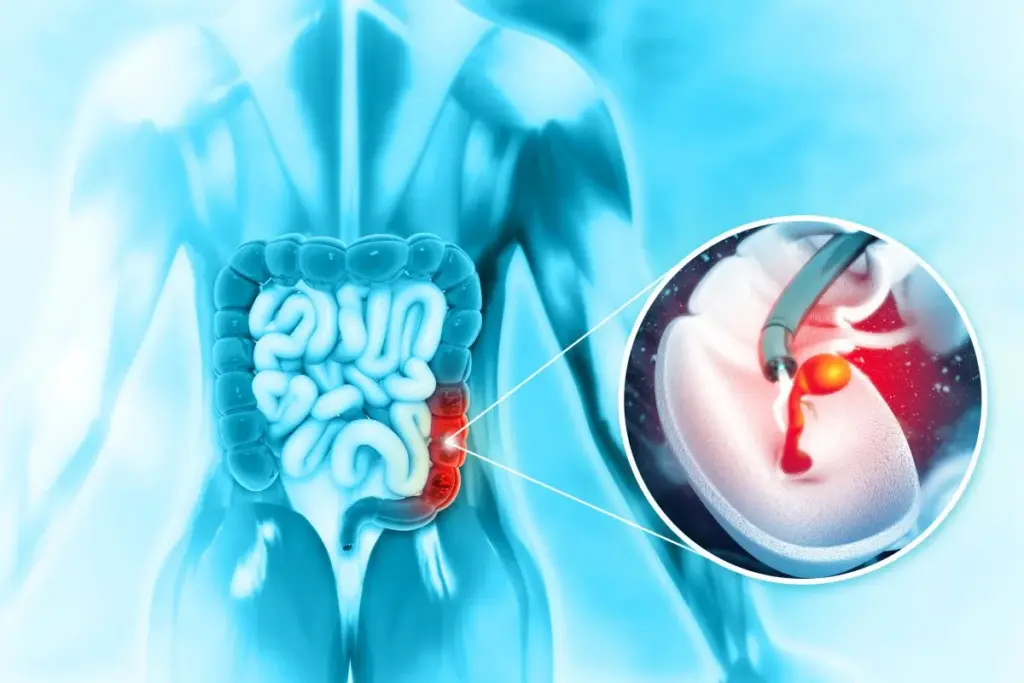
Colon cancer often spreads to the liver because of its rich blood supply. The liver is connected to the colon through the portal venous system. This connection helps cancer cells move from the colon to the liver, making it a common place for metastasis.
The Portal Venous System Connection
The portal venous system is key in colon cancer spreading to the liver. It carries blood from the colon to the liver. Cancer cells can travel through this blood and settle in the liver, forming new tumors.
Biological Factors Facilitating Liver Metastasis
Several factors make the liver a prime target for colon cancer metastasis. These include:
- The liver’s rich blood supply, which provides a fertile ground for cancer cells to grow.
- The presence of growth factors and other molecular signals that can promote the proliferation of cancer cells.
- The liver’s immune microenvironment, which can be conducive to the survival and growth of metastatic cancer cells.
|
Biological Factor |
Description |
Impact on Metastasis |
|---|---|---|
|
Rich Blood Supply |
The liver receives a significant amount of blood from the hepatic artery and portal vein. |
Provides oxygen and nutrients to metastatic cancer cells. |
|
Growth Factors |
Molecular signals that promote cell growth and proliferation. |
Enhances the growth of metastatic cancer cells. |
|
Immune Microenvironment |
The liver’s immune environment can tolerate or support the growth of cancer cells. |
Facilitates the survival and growth of metastatic cancer cells. |
Understanding these factors is key to preventing or treating liver metastases in colon cancer patients. Experts say, “The liver’s unique anatomy and biology make it a prime target for colon cancer metastasis. This highlights the need for targeted therapies and preventive measures.”
“The liver’s role in colon cancer metastasis is multifaceted, involving both its vascular structure and its biological properties.”
Early Detection: The Most Powerful Tool Against Spread
Early detection through screening is key to stopping colon cancer. Finding the disease early can greatly improve treatment success and survival chances.
Screening Guidelines: Starting at Age 45
The American Cancer Society says adults should start screening at 45 if they have average risk. Starting at 45 can cut colorectal cancer cases by up to 22% and deaths by 33% by 2030. This advice is based on studies showing early detection can stop cancer or treat it when it’s easier to cure.
The American Cancer Society explains, “The goal of screening is to find and remove polyps before they become cancerous, and to detect cancer at an early stage, when it is more likely to be cured.” This proactive approach has been shown to save lives.
Available Screening Methods and Their Effectiveness
There are several screening methods, each with its own strengths. These include:
- Colonoscopy: Seen as the best, it lets doctors diagnose and remove polyps.
- Fecal Immunochemical Test (FIT): A simple test that finds blood in the stool.
- Stool DNA Test: Finds DNA changes in the stool that might mean cancer.
The right screening method depends on many things, like what the patient prefers, their risk factors, and what’s available.
A study highlights, “The success of these screening methods in lowering colon cancer cases and deaths is clear.”
By following these guidelines and using these methods, we can make big progress against colon cancer.
The Critical Importance of Timely Screening
Regular and timely screening is key to catching colon cancer early. This early detection boosts our chances of successful treatment and survival. It’s not just about finding cancer; it’s also about stopping it by removing precancerous polyps.
Current Screening Rates: Only 61% Up-to-Date
Despite the benefits of screening, only 61% of adults are current with their colon cancer screening. This means over a third of adults aged 45 and older are not screened as they should be. It’s important to see that this gap is not just about personal choice. It’s also due to various systemic and personal factors.
The current screening rate of 61% shows a big gap in preventing colon cancer. This gap highlights the need for better public health strategies and awareness about the importance of timely screening.
Barriers to Screening Compliance
Several barriers lead to low screening rates. These include not knowing about screening guidelines, fear of the process, cost and access issues, and not being recommended by healthcare providers. It’s important to tackle these barriers to boost screening rates.
- Lack of awareness about the importance and guidelines for colon cancer screening.
- Fear or discomfort associated with the screening process.
- Cost and accessibility issues, mainly for underserved populations.
- Inadequate recommendation or encouragement from healthcare providers.
By tackling these barriers, we can increase screening rates. Boosting screening rates is not just about individual actions. It needs a team effort from public health, healthcare providers, and policy changes.
We must stress the importance of timely screening and work to overcome barriers to screening. By doing this, we can greatly lower colon cancer incidence and death rates.
CA Liver Prognosis: Understanding Survival Rates and Outcomes
Liver metastasis from colon cancer is a big challenge in predicting patient outcomes. To understand the prognosis, we look at several key factors. These include the stage of liver metastases and the patient’s health.
Staging Systems for Liver Metastases
The stage of liver metastases is very important for predicting outcomes. The Fong Clinical Risk Score is used to predict outcomes based on clinical and pathological factors. This score helps doctors sort patients into different risk groups, guiding treatment choices.
Key Prognostic Factors for Liver Involvement
Several factors affect survival rates. These include the number and size of liver metastases, extrahepatic disease, and the patient’s overall health. A leading oncologist notes,
‘The presence of more than three liver metastases is generally associated with a poorer prognosis.’
Statistical Outlook by Stage
Survival rates change a lot by stage. Patients with resectable liver metastases have a better outlook than those with unresectable disease. Studies show, the five-year survival rate for patients undergoing resection of liver metastases can be as high as 50% in some cases.
It’s important to remember that each patient is different. These statistics should be seen in the context of individual health and treatment plans.
Dietary Modifications to Reduce Colon Cancer Risk and Spread
<SEP-1226_image_4>
Certain foods can help lower the risk of colon cancer. Making smart food choices is key to preventing it.
Foods That May Help Prevent Colorectal Cancer
Adding certain foods to our diet can lower colon cancer risk. These include:
- Fiber-rich foods: Whole grains, fruits, and veggies are high in fiber. They help lower colon cancer risk.
- Antioxidant-rich foods: Foods like berries and leafy greens are full of antioxidants. They protect against cancer cells.
- Omega-3 fatty acids: Omega-3s in fatty fish are anti-inflammatory. They may help prevent cancer.
Dietary Patterns Associated with Increased Risk
Some diets increase colon cancer risk. Knowing these patterns helps us make better choices.
- High consumption of red and processed meats: Eating a lot of red and processed meats raises colon cancer risk.
- Low intake of fiber and high intake of refined sugars: Diets low in fiber and high in sugars also increase risk.
Understanding how diet affects colon cancer risk helps us make better choices. Eating a balanced diet with lots of fruits, veggies, whole grains, and lean proteins is key. Limiting red and processed meats is also important for prevention.
The Role of Physical Activity in Preventing Metastasis
Regular exercise is a key lifestyle change to prevent colon cancer from spreading. Physical activity is vital for health and helps lower cancer risk.
Impact of Exercise on Cancer Development
Exercise helps fight cancer by boosting the immune system and reducing inflammation. It strengthens the body’s defenses against cancer cells.
Mechanisms through which exercise influences cancer development include:
- Improving insulin sensitivity and reducing insulin levels, which can promote cancer cell growth.
- Enhancing immune function to better detect and eliminate cancer cells.
- Reducing inflammation, a known risk factor for cancer development.
Recommended Activity Levels for Prevention
The American Cancer Society suggests 150 minutes of moderate or 75 minutes of vigorous activity weekly. Activities like brisk walking, cycling, or swimming are great.
For maximum benefit, it’s also recommended to:
- Engage in muscle-strengthening activities on two or more days a week.
- Avoid inactivity and return to normal daily activities as soon as possible after surgery or treatment.
Regular exercise can lower colon cancer metastasis risk and improve life quality.
Weight Management Strategies for Reducing Cancer Risk
There’s a strong link between body weight and cancer risk. This makes managing weight a key part of preventing cancer. Being overweight increases the risk of many cancers, including colon cancer. It’s important to understand this to create effective prevention plans.
The Obesity-Cancer Connection
Obesity affects many parts of the body and is linked to cancer. It can cause chronic inflammation, insulin resistance, and hormonal changes. These changes can lead to cancer. For colon cancer, being overweight can increase the risk of tumors and their growth.
Key factors in the obesity-cancer connection include:
- Chronic inflammation
- Insulin resistance
- Hormonal changes
- Genetic predisposition
Healthy Approaches to Weight Maintenance
Managing weight effectively involves diet, exercise, and lifestyle changes. Eating a balanced diet with fruits, vegetables, and whole grains helps keep a healthy weight. Regular exercise also helps control weight and lowers cancer risk.
Strategies for healthy weight maintenance:
- Adopt a balanced diet
- Engage in regular physical activity
- Monitor and manage stress levels
- Get adequate sleep
By understanding the obesity-cancer link and using healthy weight management strategies, people can lower their colon cancer risk.
Limiting Alcohol and Tobacco: Impact on Colorectal Cancer Risk
Reducing alcohol and tobacco use is key to lowering colorectal cancer risk. Lifestyle choices greatly affect this disease. Knowing the dangers of alcohol and tobacco helps us fight it better.
Quantifying the Risk from Alcohol Consumption
Drinking too much alcohol raises colorectal cancer risk. Research shows heavy drinking increases this risk. It’s best to drink less than three drinks per day to stay safe.
A study in a top medical journal found that drinking in moderation is okay. Women should have up to one drink a day, and men up to two. But drinking more than that raises the risk a lot.
|
Alcohol Consumption Level |
Relative Risk of Colorectal Cancer |
|---|---|
|
Moderate (1-2 drinks/day) |
1.2 times |
|
Heavy (3+ drinks/day) |
1.5 times |
Tobacco’s Effect on Colon Cancer Development and Progression
Smoking also raises colorectal cancer risk. It can lead to more adenomas and carcinomas. Tobacco’s chemicals harm colon cells, causing cancer.
Smoking not only raises the risk of colorectal cancer but also worsens its outcome. Smokers often face a worse prognosis than non-smokers, due to ongoing exposure to harmful substances.
Understanding alcohol and tobacco’s effects on colorectal cancer helps us guide patients. Cutting down on alcohol and quitting tobacco are essential steps to lower this disease’s risk.
Medical Interventions to Slow Metastatic Spread
There are many ways to slow down metastatic colon cancer. We need to know about the different treatments and how they help manage the disease.
Surgical Approaches for Liver Metastases
Surgery is key in treating liver metastases from colon cancer. Resecting liver metastases can greatly increase survival chances for some patients. This is done when the metastases are few and can be removed completely.
Choosing surgery depends on many factors. These include imaging tests and the patient’s overall health. Advances in surgical techniques and care have made more people eligible for liver resection.
- Liver resection: Removing the part of the liver with metastases.
- Ablation therapies: Killing cancer cells with heat or cold.
- Embolization techniques: Cutting off the tumor’s blood supply.
Chemotherapy and Targeted Therapies
Chemotherapy uses drugs to kill cancer cells. For metastatic colon cancer, it’s often the main treatment. Targeted therapies, which target specific cancer molecules, are used with chemotherapy.
Chemotherapy has seen big improvements, like combination therapies that attack cancer from different sides. Targeted therapies, like those against VEGF, have also helped many patients.
- FOLFOX: A mix of chemotherapy drugs.
- FOLFIRI: Another common chemotherapy mix.
- Bevacizumab: A targeted therapy against VEGF.
Emerging Treatments and Clinical Trials
New treatments for metastatic colon cancer are being developed. Clinical trials are key in testing these new options. They give patients access to treatments that could extend their lives.
Immunotherapy, which uses the body’s immune system to fight cancer, is a big area of research. Other promising areas include precision medicine, which is tailored to each tumor’s genetic makeup.
As we learn more about metastatic colon cancer, we see that a mix of treatments is best. Combining old and new therapies can improve patient outcomes and quality of life.
Managing Metastatic Colorectal Cancer: Treatment Strategies
Managing metastatic colorectal cancer needs a detailed plan. This plan should fit each patient’s unique needs. The disease’s complexity and the patient’s health are key in choosing the right treatment.
Metastatic colorectal cancer, including liver metastasis, needs a broad treatment plan. The spread of the cancer, the patient’s health, and the tumor’s biology are important. These factors help decide the best treatment.
First-line Treatment Options
First-line treatment often includes chemotherapy and targeted therapy. The choice depends on the tumor’s genetics and the patient’s health.
- Chemotherapy: Traditional drugs are a mainstay in treating metastatic colorectal cancer.
- Targeted Therapy: Drugs targeting specific molecular pathways are used based on the tumor’s genetics.
Bevacizumab, an anti-VEGF monoclonal antibody, has shown great benefits. It improves survival when used with chemotherapy.
Sequential Therapy Approaches
As the disease advances, changing treatments is key. This means switching to new treatments or adding more drugs to the current regimen.
|
Treatment Line |
Therapeutic Options |
Considerations |
|---|---|---|
|
First-line |
Chemotherapy + Targeted Therapy |
Tumor molecular profile, Patient health |
|
Second-line |
Alternative Chemotherapy + Targeted Therapy |
Previous treatment response, Toxicity profile |
|
Third-line and beyond |
Clinical trials, Salvage chemotherapy |
Performance status, Patient preference |
“The sequential use of different therapeutic regimens is critical in managing metastatic colorectal cancer. It allows for adapting to changing tumor biology and patient needs.”
Expert Opinion
Liver Mets Cancer: Specialized Treatments
For liver metastases, specialized treatments are beneficial. These include:
- Liver resection or ablation for potentially curative intent.
- Transarterial chemoembolization (TACE) or radioembolization for local control.
Managing metastatic colorectal cancer is complex. It requires a personalized approach. Understanding treatment options helps healthcare providers offer better care. This improves outcomes and quality of life for patients.
Psychological Support and Quality of Life with Metastatic Disease
Living with metastatic colon cancer is tough on the mind. It brings anxiety, depression, and fear about the future. Keeping a good quality of life is just as important as medical care.
Coping Strategies for Patients
Patients with metastatic colon cancer need good coping strategies. These include:
- Mindfulness and Meditation: These practices help lower stress and boost mental health.
- Support Groups: Sharing experiences with others can offer emotional support and a sense of belonging.
- Counseling: Professional help can guide patients through their feelings and teach coping skills.
- Family and Friends: Having a strong support network of loved ones is key for emotional support.
By using these strategies, patients can handle the emotional side of their diagnosis better. This improves their quality of life.
Resources for Emotional and Practical Support
Many resources are available for emotional and practical support for patients with metastatic colon cancer. These include:
- Online Resources: Websites and forums for cancer support.
- Hotlines: Phone lines with professionals who offer guidance and support.
- Local Support Groups: Groups where patients can meet others facing similar challenges.
- Palliative Care Services: Special care for relief from serious illness symptoms and stress.
Using these resources can help patients cope with metastatic disease better. It improves their overall quality of life.
Innovative Approaches in Colorectal Cancer Care
The field of colorectal cancer care is changing fast. New methods are giving patients hope. We’re learning more about this disease and finding better treatments and technologies.
Precision Medicine and Genetic Testing
Precision medicine is changing how we treat colorectal cancer. It tailors treatments to each patient’s genes. This makes treatments more effective and reduces side effects.
Genetic testing is key in this process. It helps us find specific mutations and biomarkers. These guide our treatment choices.
Key benefits of precision medicine include:
- Personalized treatment plans based on genetic profiles
- More effective targeting of cancer cells
- Reduced risk of unnecessary side effects
Immunotherapy Developments
Immunotherapy is another big step forward in treating colorectal cancer. It uses the immune system to fight cancer. New immunotherapy treatments are showing great promise.
“Immunotherapy has the power to change cancer treatment. It offers a targeted and lasting approach.”
Liv Hospital’s Approach to Cancer Care
Liv Hospital leads in innovative cancer care. They offer a full approach with the latest treatments and support. Their team creates personalized plans for each patient.
|
Aspect of Care |
Description |
|---|---|
|
Precision Medicine |
Tailored treatment based on genetic profiles |
|
Immunotherapy |
Harnessing the immune system to fight cancer |
|
Comprehensive Support |
Multidisciplinary team providing emotional and practical support |
The future of colorectal cancer care looks bright. With precision medicine, immunotherapy, and full support, we can offer the best care. This will help those affected by this disease.
Monitoring and Follow-up: Vigilance After Diagnosis
After being diagnosed with colon cancer, staying vigilant is essential. Continuous monitoring is key to managing the disease. Effective follow-up care can greatly improve outcomes by catching any signs of progression or recurrence early.
Surveillance Protocols for Different Stages
Surveillance plans change based on the cancer’s stage and individual risk factors. For those with early-stage colon cancer, regular check-ups, imaging tests, and tumor marker monitoring are common. Those with more advanced cancer may need more frequent imaging and treatment response checks.
|
Cancer Stage |
Surveillance Frequency |
Key Components |
|---|---|---|
|
Stage I |
Every 6-12 months |
Physical exam, CEA levels, CT scans |
|
Stage II-III |
Every 3-6 months |
Physical exam, CEA levels, CT scans, colonoscopy |
|
Stage IV |
As determined by treatment plan |
Imaging studies, assessment of treatment response, symptom management |
Warning Signs of Progression or Recurrence
It’s important for patients to know the warning signs of colon cancer progression or recurrence. Look out for changes in bowel habits, unexplained weight loss, abdominal pain, or blood in the stool. If you notice any of these, contact your healthcare provider right away.
Key Warning Signs:
- Changes in bowel habits
- Unexplained weight loss
- Abdominal pain or discomfort
- Blood in the stool
- Fatigue or weakness
Conclusion: A Comprehensive Approach to Slowing Colon Cancer Spread
Stopping colon cancer from spreading needs a plan that includes early detection, healthy living, and quick medical help. Knowing the risks and taking steps to prevent them can lower the number of cases and help patients do better.
Preventing colon cancer means regular check-ups, eating right, and staying active. We also need to tackle things we can change like being overweight, drinking too much, and smoking. These steps can really help stop colon cancer from spreading.
Doctors use surgery, chemo, and new treatments to fight cancer that has spread. New treatments and studies give hope to those with advanced colon cancer.
By focusing on preventing and treating colon cancer in a complete way, we can make patients’ lives better and lessen the disease’s impact worldwide. Our work to raise awareness, prevent, and act quickly will lead to better health for those at risk of colon cancer.
FAQ
What are the chances of survival for stage 4 colon cancer that has spread to the liver?
Survival rates for stage 4 colon cancer in the liver vary. This depends on how much the liver is involved and how well treatment works. Generally, the five-year survival rate is about 14%. But, with new treatments, some patients might have a better chance.
How fast does colon cancer grow, and what factors influence its growth rate?
Colon cancer grows at different rates for everyone. Things like genetic changes, environment, and the tumor’s surroundings can speed it up or slow it down. Knowing these factors helps doctors plan better treatments.
What are the most effective screening methods for colon cancer, and how often should I be screened?
There are several ways to screen for colon cancer, like colonoscopy and stool tests. How often you should get screened depends on your risk and age. Usually, it’s recommended to start screening at 45.
Can lifestyle changes, such as diet and exercise, help prevent colon cancer or slow its spread?
Yes, a healthy lifestyle can lower your risk of colon cancer. Eating lots of fruits, veggies, and whole grains, staying active, and keeping a healthy weight can help. These habits might also slow the cancer’s growth.
What are the available treatment options for metastatic colon cancer that has spread to the liver?
Treatments for colon cancer in the liver include surgery, chemotherapy, and new treatments like immunotherapy. The best option depends on how much the liver is involved, your overall health, and other factors.
How does the liver’s anatomy and biology make it a common site for colon cancer metastasis?
The liver’s connection to the portal vein makes it a common spot for cancer to spread. Knowing how this happens helps doctors find better ways to prevent and treat it.
What are the warning signs of colon cancer progression or recurrence, and how can I monitor my condition?
Signs of colon cancer getting worse or coming back include changes in bowel habits, pain, weight loss, and feeling tired. Seeing your doctor regularly and following their advice is key to catching any problems early.
How can I manage the psychological impact of metastatic colon cancer?
Dealing with the mental side of metastatic colon cancer involves stress management, joining support groups, and counseling. Having access to emotional and practical support is important for living well.
What are the latest developments in colorectal cancer care, and how can I access innovative treatments?
Colorectal cancer care is getting better, with new treatments like precision medicine and immunotherapy. Places like Liv Hospital are leading the way, providing the latest treatments and care.
References
Cancer Research Institute. Colorectal Cancer Awareness Month. https://www.cancerresearch.org/blog/colorectal-cancer-awareness-month



 Departments
 Related Videos
 Our Doctors
 News
News