Many people worry about the link between anemia and leukemia. They wonder if anemia can turn into leukemia. At Liv Hospital, we aim to clear up this confusion. We want to give our patients the right info and care they need.
It’s key to know that anemia and leukemia are different health issues. They both affect the blood, but research shows anemia doesn’t raise the risk of getting leukemia. But, people with leukemia might get anemia because their bone marrow can’t make healthy red blood cells.
Key Takeaways
- Anemia and leukemia are distinct medical conditions with different causes.
- Leukemia can lead to anemia, but anemia does not increase the risk of leukemia.
- Certain leukemia treatments can cause anemia as a side effect.
- Understanding the connection between anemia and leukemia is key for patient care.
- Liv Hospital offers top-notch healthcare and support for international patients.
Understanding Anemia: Types, Causes, and Symptoms
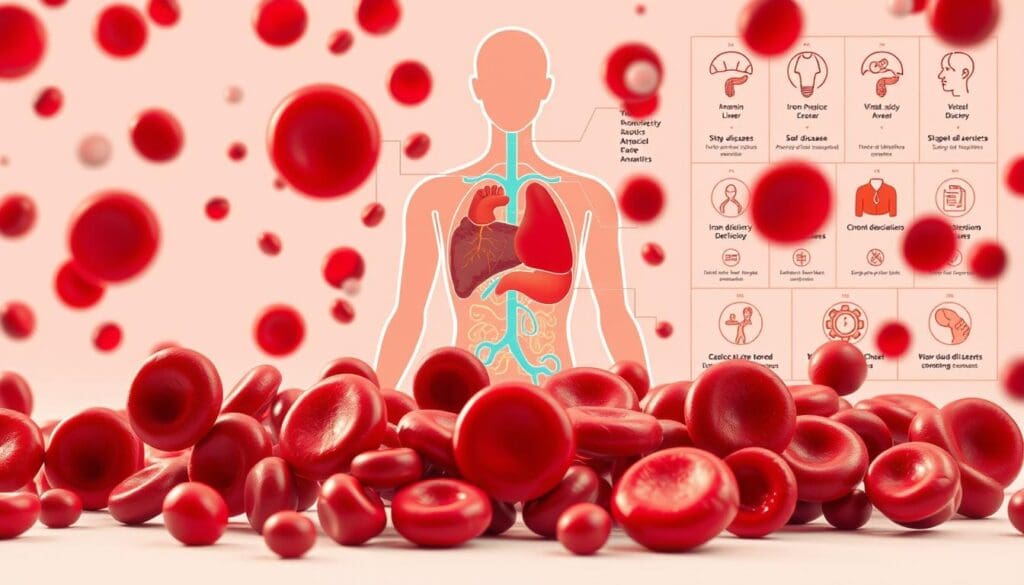
Anemia is a condition where there’s not enough red blood cells or hemoglobin. It affects millions of people worldwide. Knowing its types, causes, and symptoms is key to understanding its health impact.
Definition and Classification of Anemia
Anemia is not just one disease but a group of conditions. They all lead to fewer red blood cells or less oxygen-carrying ability. The main types are iron-deficiency anemia, vitamin deficiency anemia, anemia of chronic disease, and aplastic anemia.
“Anemia is a complex condition that requires a detailed approach to diagnosis and treatment,” says a leading hematologist. Knowing the different types is essential for managing it well.
Common Causes of Anemia
Anemia can be caused by many things, from not getting enough nutrients to chronic diseases. Iron deficiency is a big cause, often from not eating enough iron or losing blood. Other causes include vitamin deficiencies, chronic diseases, and problems with the bone marrow.
- Nutritional deficiencies
- Chronic diseases
- Blood loss
- Bone marrow disorders
Recognizing Anemia Symptoms
The symptoms of anemia can vary but often include feeling tired, weak, and pale. It’s important to notice these symptoms early for timely treatment. Sometimes, anemia doesn’t show symptoms early on, making regular health checks vital.
| Symptom | Description |
|---|---|
| Fatigue | Feeling tired or weak |
| Pale skin | Loss of skin color due to reduced hemoglobin |
| Shortness of breath | Difficulty breathing, specially during physical activity |
Leukemia Explained: A Type of Blood Cancer
Leukemia is a cancer that affects the blood and bone marrow. It causes the bone marrow to make too many bad white blood cells. This messes up the body’s blood-making process, leading to health problems.
What Is Leukemia?
Leukemia is a cancer that messes with the blood and bone marrow. The bone marrow is where blood cells are made. When it makes bad white blood cells, it’s hard for the body to fight off infections and stop bleeding.
“Leukemia is a complex disease that needs a detailed treatment plan,” says a top hematologist. “Knowing the different types of leukemia is key to finding the right treatment.”
Different Types of Leukemia
There are many types of leukemia, each affecting different blood cells at different speeds. The main types are:
- Acute Lymphocytic Leukemia (ALL): A fast-growing leukemia that affects lymphoid cells.
- Chronic Lymphocytic Leukemia (CLL): A slower-growing leukemia that also affects lymphoid cells.
- Acute Myeloid Leukemia (AML): A fast-growing leukemia that affects myeloid cells.
- Chronic Myeloid Leukemia (CML): A slower-growing leukemia that affects myeloid cells.
Common Symptoms of Leukemia
The symptoms of leukemia vary by type and stage. Common signs include:
- Bruising or bleeding easily
- Fatigue or weakness
- Frequent infections
- Loss of weight
- Pain in the bones or joints
Spotting these symptoms early can help catch leukemia sooner. This can make treatment more effective.
Does Anemia Turn Into Leukemia? Addressing the Main Concern
Many people with anemia worry it might turn into leukemia. It’s key to clear up the link between these two conditions.
The Scientific Evidence
Many studies have looked into if anemia leads to leukemia. Doctors agree anemia doesn’t directly cause leukemia. They say both affect the blood but in different ways.
A study in a top medical journal found no link between anemia and leukemia. This shows anemia doesn’t lead to leukemia.
Debunking Common Misconceptions
Some think anemia can turn into leukemia. But science doesn’t back this up. Anemia and leukemia are two different diseases.
To understand the difference, let’s look at a table:
| Characteristics | Anemia | Leukemia |
|---|---|---|
| Cause | Often related to iron deficiency, vitamin deficiency, or chronic disease | Caused by genetic mutations leading to abnormal white blood cell production |
| Primary Symptoms | Fatigue, weakness, pale skin | Unexplained weight loss, frequent infections, swollen lymph nodes |
| Treatment Approach | Depends on the underlying cause; may include iron supplements, dietary changes | Typically involves chemotherapy, targeted therapy, or stem cell transplantation |
Knowing anemia and leukemia are different helps patients. It shows the need for proper diagnosis and treatment for each.
The Actual Relationship Between Anemia and Leukemia
Anemia and leukemia are two different blood disorders. They can be linked in complex ways. It’s key for doctors to understand this to treat patients well.
How Leukemia Can Cause Anemia
Leukemia is a cancer that affects the blood and bone marrow. It can cause anemia by stopping the production of healthy red blood cells. The bone marrow’s inability to produce enough red blood cells is a direct result of leukemia’s effect on the body’s blood-making tissues.
Leukemia cells in the bone marrow take over the space needed for normal cells. These cells are responsible for making red blood cells, white blood cells, and platelets. This can lead to fewer red blood cells, causing anemia.
Shared Symptoms and Diagnostic Challenges
Anemia and leukemia share common symptoms, making it hard to diagnose. Fatigue, shortness of breath, and pale skin are symptoms of both conditions. This makes it tough to figure out what’s wrong.
The symptoms of both diseases can confuse doctors. Anemia might hide the presence of leukemia. Doctors need to be careful and think of leukemia in patients with severe anemia.
To accurately diagnose, doctors use blood tests and bone marrow exams. These tests help find the cause of anemia and spot leukemia if it’s there.
Can Anemia Lead to Blood Cancer? Examining the Evidence
To understand if anemia can lead to blood cancer, we need to look at the evidence closely. We’ll review studies, explain the difference between correlation and causation, and explore how different anemias might relate to cancer.
Research Findings on Anemia and Cancer Risk
Many studies have looked into the connection between anemia and cancer risk. Some studies show that certain anemias might raise the risk of getting cancer, including blood cancers like leukemia. For example, a study in the Journal of Clinical Oncology found that people with unexplained anemia were more likely to get cancer, including blood cancers.
But, it’s important to remember that anemia is a symptom, not a cause. It can happen for many reasons, some of which might also increase cancer risk. So, anemia might be a sign of other health issues that could lead to cancer.
Understanding Correlation vs. Causation
It’s key to know the difference between correlation and causation when looking at anemia and blood cancer. Even if some anemias seem to be linked to a higher cancer risk, it doesn’t mean anemia causes cancer.
Correlation does not imply causation. Anemia and cancer might both be caused by the same underlying factors. For example, chronic diseases, poor nutrition, or genetic factors could lead to both anemia and a higher cancer risk.
Specific Types of Anemia and Their Relationship to Cancer
Not all anemias are linked to cancer in the same way. For example:
- Iron deficiency anemia might be connected to a higher risk of some cancers, possibly because of chronic blood loss or other health issues.
- Anemia of chronic disease often happens in people with long-term illnesses, which might also raise cancer risk.
- Megaloblastic anemia, caused by a lack of vitamin B12 or folate, might have different effects on cancer risk compared to other anemias.
It’s important to understand these differences to accurately see how anemia and blood cancer are related.
In summary, while some anemias might be linked to a higher cancer risk, it’s important to distinguish between correlation and causation. Anemia itself doesn’t directly cause blood cancer, but it can signal other health problems that need to be checked.
When Anemia Is a Warning Sign: Red Flags to Watch For
It’s important to know when anemia might signal a bigger problem. Anemia is when you have too few red blood cells. It can happen for many reasons, like not getting enough nutrients, having a chronic disease, or a problem with your bone marrow.
Distinguishing Between Common Anemia and Possible Leukemia Symptoms
Common signs of anemia include feeling very tired, weak, and looking pale. But, if you also lose a lot of weight, sweat a lot at night, or keep getting sick, it could mean something serious like leukemia.
Unexplained or Severe Anemia
Severe or unexplained anemia might mean there’s something serious going on, like leukemia. We should watch out for symptoms that don’t get better with usual treatments or get worse over time.
When to Seek Medical Attention
If you keep feeling tired, have trouble breathing, or feel dizzy, see a doctor. Getting help early can make a big difference for people with anemia or other serious conditions.
| Red Flag Symptoms | Possible Indication |
|---|---|
| Significant weight loss, night sweats | Potential leukemia or lymphoma |
| Recurrent infections | Immune system disorder or bone marrow issue |
| Severe or unexplained anemia | Underlying bone marrow disorder or leukemia |
Diagnostic Approaches for Anemia and Leukemia
Getting the right diagnosis for anemia and leukemia is key to good treatment. We’ll look at the different ways to diagnose these conditions. This will help us understand how doctors figure out what’s wrong.
Blood Tests and What They Reveal
Blood tests are a main tool for diagnosing anemia and leukemia. A Complete Blood Count (CBC) is often the first step. It shows details about blood cells, like red and white blood cells, and platelets.
For anemia, a CBC tells us how bad it is and what kind it is. It looks at things like mean corpuscular volume (MCV) and red cell distribution width (RDW).
Leukemia can show up in blood tests too. A CBC might find abnormal white blood cells. More tests, like flow cytometry, can pinpoint the leukemia type. For more on leukemia in blood work, check this resource.
Bone Marrow Examination
A bone marrow test is very important for both anemia and leukemia. It takes a sample of bone marrow for analysis. For anemia, it can find the cause, like bone marrow failure.
In leukemia, it’s key for finding the leukemia type and how far it has spread. It also checks how well treatment is working.
Advanced Diagnostic Techniques
Modern tests are essential for diagnosing anemia and leukemia well. Molecular testing and cytogenetic analysis give detailed genetic info. For anemia, they can find rare causes.
Using all these methods, doctors can accurately diagnose and plan the best treatment for each patient.
Treatment Strategies for Anemia
Treating anemia means finding and fixing the problems that cause it. Anemia is not just one disease. It’s a sign of many different issues. So, treatment must match the cause and type of anemia.
Addressing Underlying Causes
The first step is to find and fix the root cause of anemia. This might mean treating chronic diseases, stopping blood loss, or fixing nutritional gaps. For example, if anemia comes from chronic kidney disease, treating that disease is key.
Common underlying causes of anemia include:
- Iron deficiency
- Vitamin deficiency (e.g., vitamin B12 or folate)
- Chronic diseases (e.g., chronic kidney disease, rheumatoid arthritis)
- Blood loss (e.g., heavy menstrual bleeding, gastrointestinal bleeding)
Nutritional Interventions
Nutrition is very important in treating anemia, like iron and vitamin deficiencies. We suggest changing diets and using supplements to fix these gaps.
Key nutritional interventions include:
- Iron supplements for iron-deficiency anemia
- Vitamin B12 injections or oral supplements for vitamin B12 deficiency
- Folate supplements for folate deficiency
- Dietary counseling to increase intake of iron-rich foods, vitamin B12-rich foods, and folate-rich foods
Medical Treatments for Different Types of Anemia
Medical treatments for anemia depend on the type and cause. For example, erythropoiesis-stimulating agents (ESAs) help make more red blood cells in cases of chronic kidney disease or cancer chemotherapy.
Medical treatments may include:
- Erythropoiesis-stimulating agents (ESAs) for anemia caused by chronic kidney disease or cancer chemotherapy
- Blood transfusions for severe anemia or acute blood loss
- Discontinuing medications that may be causing anemia
- Surgical interventions to address underlying causes such as gastrointestinal bleeding
Understanding the cause and type of anemia helps us create a treatment plan. This plan fixes the problem and improves patient health.
Leukemia Treatment Approaches
Leukemia treatment depends on several factors like the disease type and stage. We’ll look at the available options, their benefits, and possible results.
Chemotherapy and Targeted Therapies
Chemotherapy is a key treatment for leukemia, using drugs to kill cancer cells. Targeted therapies aim at specific molecules in leukemia cells. This approach is more precise and may have fewer side effects.
A study in the Journal of Clinical Oncology found targeted therapies promising. They improve patient outcomes and quality of life for certain leukemia types.
| Treatment Type | Description | Benefits |
|---|---|---|
| Chemotherapy | Uses drugs to kill cancer cells | Effective against various leukemia types |
| Targeted Therapy | Targets specific molecules in cancer cells | Precision treatment with fewer side effects |
Stem Cell Transplantation
Stem cell transplantation can be a cure for some leukemia patients. It replaces the diseased bone marrow with healthy stem cells. These can come from the patient (autologous transplant) or a donor (allogeneic transplant).
“Stem cell transplantation offers a chance for long-term remission and potentially a cure for patients with high-risk or relapsed leukemia.”
Emerging Treatment Options
New research brings hope for leukemia treatment. Immunotherapies use the immune system to fight cancer. Novel targeted therapies target specific genetic mutations.
As we learn more about leukemia, treatments are getting better. We aim to offer personalized and effective care. Our goal is to provide the best outcomes for those with leukemia.
Managing Anemia in Leukemia Patients
Managing anemia in leukemia patients requires a detailed plan to improve their lives. Anemia is common and affects their quality of life. We will explore ways to manage anemia, focusing on care and improving life quality.
Supportive Care Strategies
Supportive care is key in managing anemia in leukemia patients. It includes various methods to ease symptoms and boost well-being. Effective supportive care greatly improves their quality of life.
Nutritional management is a big part of supportive care. Patients need enough nutrients to make healthy red blood cells. A diet rich in iron, vitamin B12, and folate is recommended to manage anemia.
Blood Transfusions and Growth Factors
Blood transfusions are a common treatment for anemia in leukemia patients. They increase red blood cells, easing symptoms like fatigue and shortness of breath. Recent studies show their importance in managing anemia.
Growth factors, like erythropoietin-stimulating agents (ESAs), also help. They boost red blood cell production, reducing the need for transfusions. But, their use must be carefully weighed due to possible side effects.
Quality of Life Considerations
Managing anemia in leukemia patients goes beyond treating the condition. It’s about improving their overall quality of life. We must consider the emotional and physical effects of anemia on patients and their families. This approach provides complete care that enhances well-being.
Improving quality of life means managing fatigue, boosting nutrition, and supporting their mental health. By caring for them holistically, we help leukemia patients with anemia live more fulfilling lives.
Prevention and Risk Reduction Strategies
Keeping your health in check is key to avoiding anemia and possibly lowering leukemia risk. A balanced lifestyle and regular health checks are essential. They help support your blood health.
Maintaining Blood Health
To prevent anemia, your body needs the right nutrients for red blood cells. Eating foods high in iron, vitamin B12, and folate is important. Red meat, leafy greens, and fortified cereals are good choices. Also, limit alcohol and avoid smoking to boost blood health.
Regular Medical Check-ups
Regular doctor visits are critical for catching anemia and leukemia early. Doctors can run blood tests to spot issues. Early detection can lead to better outcomes.
If you have a family history of leukemia, talk to your doctor. They can help decide how often you need check-ups and screenings.
Lifestyle Factors That Support Blood Health
More than just diet and doctor visits, lifestyle choices matter too. Regular exercise, stress management, and enough sleep are vital. They help keep your blood cells healthy.
Also, being mindful of environmental toxins is important. If you work with chemicals or radiation, follow safety rules to lower exposure.
By following these preventive steps and staying informed, you can greatly reduce your risk of anemia and leukemia.
Conclusion: Understanding the True Connection Between Anemia and Leukemia
We’ve looked into how anemia and leukemia are connected, even though they are different blood disorders. Knowing the difference between leukemia and anemia is key for the right diagnosis and treatment.
Anemia and leukemia are serious health issues that need quick action. Anemia is when you don’t have enough red blood cells or hemoglobin. Leukemia, on the other hand, is a blood cancer that affects white blood cells. Sometimes, leukemia can lead to anemia, making it important to get a full medical check-up.
By knowing the signs of anemia and leukemia, people can get help early. This can lead to better treatment results. We stress the importance of regular doctor visits and taking care of your blood health to lower the risk of these problems.
We hope this article has helped you understand the link between anemia and leukemia. We want to encourage patients to be more involved in their health care.
FAQ
Does anemia turn into leukemia?
No, anemia and leukemia are not related in a way that one turns into the other. They are two different health issues.
Can anemia lead to blood cancer?
Anemia itself does not lead to blood cancer. Some anemias might raise the risk of health problems, but anemia is not a direct cause of blood cancer.
Can leukemia cause anemia?
Yes, leukemia can cause anemia. This is because leukemia affects the bone marrow’s ability to make healthy blood cells.
What is the relationship between anemia and leukemia?
Leukemia can cause anemia because it impacts the bone marrow. But, having anemia does not mean you will get leukemia.
Can anemia be a warning sign for leukemia?
Sometimes, anemia can signal a problem like leukemia. If your anemia is severe or doesn’t go away, you should see a doctor.
How are anemia and leukemia diagnosed?
Doctors use blood tests, bone marrow exams, and other methods to diagnose anemia and leukemia. Accurate diagnosis is key for treatment.
Can anemia treatment prevent leukemia?
Treating anemia does not stop leukemia. Anemia treatment aims to fix the cause, while leukemia treatment uses specific therapies.
Is there a link between iron-deficiency anemia and leukemia?
There’s no clear link between iron-deficiency anemia and leukemia. Iron-deficiency anemia is usually treated with iron supplements and diet changes.
Can aplastic anemia turn into leukemia?
Aplastic anemia is when the bone marrow doesn’t make blood cells. It can lead to infections and bleeding, but it’s not a direct path to leukemia.
How can I reduce my risk of anemia and leukemia?
Eating well, getting regular check-ups, and avoiding toxins can help keep your blood healthy. This reduces the risk of both anemia and leukemia.
References Links:
- MedicalNewsToday – “Anemia and leukemia: Connection explained”
https://www.medicalnewstoday.com/articles/anemia-and-leukemia Medical News Today - Healthline – “Leukemia and Anemia: Is There a Link?”
https://www.healthline.com/health/leukemia-and-anemia Healthline - American Cancer Society – “Is Anemia a Sign of Cancer?”
https://www.cancer.org/cancer/diagnosis-staging/signs-and-symptoms-of-cancer/anemia.html Cancer Research UK - ACCC – Myelodysplastic Syndromes (MDS)
https://www.accc-cancer.org/home/learn/cancer-types/hematologic-malignancies/myelodysplastic-syndromes / - PMC / Case Report – Acute Myeloid Leukemia with B12 Deficiency
https://ncbi.nlm.nih.gov/pmc/articles/PMC9486749/ NCBI