
Can asthma cause fever? Learn the critical facts. Fever signals infection, not asthma itself, and requires urgent medical attention.
Asthma is a long-term lung disease that causes airway inflammation and tightness. Fever is not a direct symptom of asthma. But, people with asthma often get fever when they catch colds, flu, or other viruses.
At Liv Hospital, we understand how hard it is to manage asthma, even more so with infections. We aim to give top-notch care that meets each patient’s needs. This includes those with asthma.
Key Takeaways
- Asthma itself does not directly cause fever.
- Respiratory infections can trigger both asthma exacerbations and fever.
- Understanding the link between asthma and infections is key for proper care.
- Liv Hospital offers detailed care for managing asthma and related issues.
- Proper asthma management involves treating both the chronic condition and any acute infections.
The Relationship Between Asthma and Fever

It’s important to know how asthma and fever are connected to take care of your breathing. Asthma makes the airways swell and can block airflow. This can happen for many reasons, like infections or being around certain things.
When asthma and fever happen together, it’s key to tell them apart. Asthma attacks can feel like a cold or flu. This makes it hard to figure out what’s going on and how to treat it.
What Causes Fever in Respiratory Conditions
Fever is the body’s way of fighting off an infection or inflammation. In the lungs, fever often means you have a cold, flu, or pneumonia. These can make asthma symptoms worse.
- Infections: Viral or bacterial infections are a common cause of fever in individuals with respiratory conditions.
- Inflammation: The body’s inflammatory response to an infection can lead to fever.
For people with asthma, knowing why they have a fever is important. It’s not the asthma itself that causes fever but the infection that needs to be treated.
Why Asthma Alone Doesn’t Directly Cause Fever
Asthma makes the airways swell, causing wheezing, coughing, and trouble breathing. But asthma itself doesn’t cause fever. Fever means there’s an infection or inflammation somewhere.
When asthma patients have a fever, it’s usually because they have a cold or flu. It’s important to tell asthma symptoms from a cold or flu symptoms to get the right treatment.
- Watch your symptoms to see if they’re not just asthma.
- See a doctor if your symptoms get worse or if you have a fever.
Knowing how asthma and fever are connected helps people with asthma manage their health better. They can get the right care when they need it.
Understanding Asthma as a Chronic Inflammatory Condition
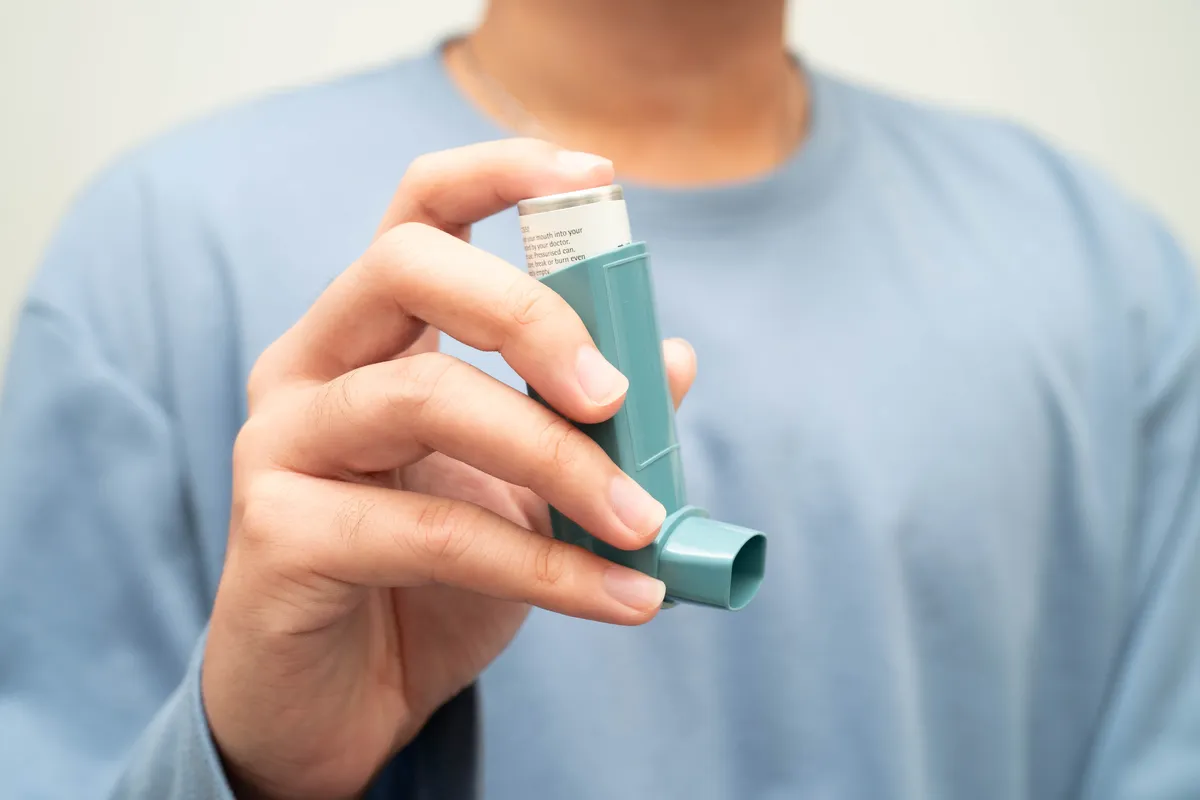
Asthma is a chronic inflammatory condition. It causes inflammation in the airways, leading to various symptoms and complications.
Typical Asthma Symptoms and Triggers
Asthma symptoms vary but often include wheezing, coughing, and shortness of breath. These symptoms can be triggered by allergens, infections, and irritants like smoke. Identifying and managing triggers is key to controlling symptoms.
Allergens like dust mites and pollen can trigger asthma. Respiratory infections, such as those caused by viruses, can also worsen symptoms. Irritants like tobacco smoke and pollution can further irritate the airways.
How Asthma Affects the Airways
Asthma causes inflammation in the airways, leading to constriction and narrowing. This makes breathing difficult. The chronic inflammation sets asthma apart from other respiratory conditions.
People with asthma have airways that are more sensitive. They can overreact to triggers, leading to asthma attacks. During an attack, the airways tighten and produce extra mucus, making it hard to breathe.
Common Misconceptions About Asthma Symptoms
Many think asthma only affects children. But it can start in childhood or even adulthood. Another myth is that asthma means you have “bad” lungs. In truth, asthma involves the immune system and airway inflammation.
Some believe mild symptoms mean they don’t need to manage their asthma. But consistent management is vital for preventing worsening and maintaining quality of life.
Can Asthma Cause Fever? The Scientific Answer
Asthma is known for causing breathing problems, but can it also cause fever? We need to look into the science behind asthma and how it affects body temperature.
Research Findings on Asthma and Body Temperature
Research shows asthma itself doesn’t directly cause fever. A study in the Journal of Allergy and Clinical Immunology found that asthma attacks are often caused by infections, which can lead to fever. [1] This is important for understanding what’s causing symptoms.
“Fever usually means there’s an infection or inflammation somewhere in the body,” says Medical Expert, a pulmonologist. “In asthma cases, fever often means there’s an infection making symptoms worse.” [2]
Distinguishing Between Asthma Symptoms and Infection Symptoms
Asthma symptoms include wheezing, coughing, and feeling short of breath. These symptoms are different from infection symptoms like fever and sore throat.
- Asthma symptoms are about airway constriction and inflammation.
- Infection symptoms involve the whole body, like fever and body aches.
It’s important to know the difference between these symptoms. Medical Expert, an asthma specialist, says, “Knowing the difference between asthma symptoms and infection symptoms is key to managing asthma well.” [3]
When to Suspect an Infection Instead of Just Asthma
If you have asthma symptoms and fever, it’s likely an infection is making your asthma worse. Signs of an infection include:
- A persistent cough with colored mucus.
- Increased wheezing or shortness of breath.
- Fever above 102°F (39°C).
- Fatigue or feeling generally unwell.
If you notice these signs, see a healthcare provider. The Global Initiative for Asthma says treating infections is key to managing asthma attacks. [4]
Upper Respiratory Infections and Asthma
Upper respiratory infections (URIs) often trigger asthma attacks. These infections can cause inflammation and tighten airways. Knowing this helps manage asthma better.
Types of Upper Respiratory Infections
URIs include the common cold, sinusitis, and laryngitis. Viruses, like rhinoviruses, usually cause them. When someone with asthma gets a URI, their airways can get worse, making symptoms worse.
- Common Cold: The most frequent URI, often caused by rhinoviruses.
- Sinusitis: Inflammation of the sinuses, which can increase asthma symptoms.
- Laryngitis: Inflammation of the larynx, potentially leading to voice changes and increased coughing.
How URIs Trigger Asthma Exacerbations
URIs make asthma worse by causing more inflammation and mucus. The body’s fight against the infection can make airways constrict and swell. This can lead to wheezing, coughing, and breathing trouble for people with asthma.
Key mechanisms include:
- Increased inflammation of the airway walls.
- Enhanced mucus production, which can clog airways.
- Airway hyperresponsiveness, making the airways more sensitive to triggers.
Differentiating Between Asthma and Upper Respiratory Infections
Telling asthma symptoms from URI symptoms can be hard. Asthma mainly affects the lower airways, while URIs hit the upper airways. Knowing the specific symptoms and how long they last can help tell them apart.
|
Symptom |
Asthma |
Upper Respiratory Infection |
|---|---|---|
|
Wheezing |
Common |
Rare |
|
Coughing |
Common |
Common |
|
Shortness of Breath |
Common |
Rare |
|
Nasal Congestion |
Rare |
Common |
Understanding the link between URIs and asthma helps manage asthma better. It can reduce the risk of asthma getting worse.
The Role of Viral Infections in Asthma Exacerbations
It’s important to know how viral infections affect asthma. Viral infections are a big reason for asthma attacks. Research has found certain viruses that often cause these problems.
Human Rhinovirus and Its Impact on Asthma
Human Rhinovirus (HRV) is the top cause of asthma attacks. HRV infections can cause severe asthma attacks, mostly in kids and young adults. Studies show that HRV makes asthma worse by causing more inflammation and making airways more sensitive.
HRV’s impact on asthma is complex. It helps the virus grow and makes inflammation worse. Knowing this helps us find better treatments.
Influenza, RSV, and COVID-19 in Asthma Patients
Other viruses like Influenza, Respiratory Syncytial Virus (RSV), and COVID-19 also cause asthma attacks. Influenza can make asthma patients very sick, so getting vaccinated is key. RSV causes serious infections in young kids, which can make asthma worse. COVID-19 has also been linked to asthma attacks, but we’re studying how.
|
Virus |
Impact on Asthma |
Prevention Strategies |
|---|---|---|
|
Human Rhinovirus (HRV) |
Most common cause of asthma exacerbations |
Avoid close contact with infected individuals, practice good hygiene |
|
Influenza |
Can lead to severe respiratory illness |
Get vaccinated annually |
|
Respiratory Syncytial Virus (RSV) |
Causes severe lower respiratory tract infections in young children |
Practice good hygiene, avoid close contact with infected individuals |
|
COVID-19 |
Linked to asthma exacerbations |
Follow public health guidelines, get vaccinated |
Why Viral Infections Often Lead to Asthma Attacks
Viral infections can make asthma worse by causing inflammation and making airways more sensitive. The virus and the body’s immune response work together in complex ways.
“Viral infections can exacerbate asthma by making airways more inflamed and sensitive to triggers.”
Understanding how viruses affect asthma is key to better management. By knowing which viruses trigger asthma and how they work, we can improve treatment and outcomes.
Asthma and Fever in Different Age Groups
It’s important to know how asthma and fever affect people of different ages. Asthma is a long-term condition that can happen to anyone. But, how it shows up and what infections do to it changes a lot with age.
Children: High Incidence of Infection-Triggered Exacerbations
In kids, asthma gets worse because of infections. Studies say about 80% of asthma attacks in children come from viruses. Human rhinovirus is a big one. When kids with asthma get sick, they often feel very bad, including having a fever.
Parents and caregivers should watch for signs and get help if they think their child’s asthma is getting worse with fever.
Adults: Significant but Lower Incidence of Infection-Linked Exacerbations
In adults, infections also make asthma worse, but not as much as in kids. About 50% of asthma attacks in adults come from infections. Adults with asthma should know the risks of getting sick and take steps to avoid it.
Adults should talk to their doctors about managing their asthma, even more so during cold and flu season.
Special Considerations for Elderly Asthma Patients
Older people with asthma have special problems. Their immune system changes with age, and they might have other health issues too. This makes them more likely to get very sick from infections.
It’s key for older asthma patients to see their doctors often and keep up with their treatment.
|
Age Group |
Percentage of Asthma Exacerbations Triggered by Infections |
Common Considerations |
|---|---|---|
|
Children |
80% |
Viral infections, like rhinovirus; close monitoring by parents and caregivers |
|
Adults |
50% |
Respiratory infections; preventive steps during cold and flu season |
|
Elderly |
Varies |
Other health problems, immune system changes; regular doctor visits |
Recognizing When Fever Indicates a Complication in Asthma
Fever can be a warning sign for asthma patients, showing possible complications. It’s important to know when a fever means a serious issue like pneumonia or bronchitis.
Warning Signs That Require Medical Attention
Asthma patients need to watch for signs that mean they should see a doctor right away. These include:
- High fever (over 102°F)
- Severe difficulty breathing
- Chest pain or tightness
- Coughing up yellow or green mucus
- Worsening asthma symptoms
The Asthma and Allergy Foundation of America says, “If you have asthma and are experiencing any of these symptoms, it’s essential to seek medical attention promptly.”
“Early recognition of these warning signs can lead to timely intervention and better outcomes for asthma patients.”Asthma and Allergy Foundation of America
Fever Patterns in Different Types of Respiratory Infections
Respiratory infections have different fever patterns. Knowing these patterns helps identify the cause of fever in asthma patients.
|
Infection Type |
Typical Fever Pattern |
|---|---|
|
Upper Respiratory Infection (URI) |
Low-grade fever (less than 102°F), often accompanied by cough and sore throat |
|
Pneumonia |
High fever (often over 102°F), chills, and cough with rust-colored mucus |
|
Bronchitis |
Moderate fever (usually less than 102°F), persistent cough, and mucus production |
When Fever Signals Pneumonia or Bronchitis
Pneumonia and bronchitis are serious infections that can make asthma worse. It’s important to recognize their signs and symptoms for timely medical help.
The Centers for Disease Control and Prevention (CDC) says, “Pneumonia is an infection that inflames the air sacs in one or both lungs, which may fill with fluid.” Asthma patients are at higher risk for developing pneumonia, mainly if they have a viral infection.
Bronchitis is an inflammation of the bronchial tubes. Chronic bronchitis can be a complication in asthma patients, mainly if they smoke or are exposed to pollutants.
We recommend that asthma patients work closely with their healthcare providers to manage their condition and promptly address any signs of infection or complications.
Managing Asthma During Respiratory Infections
Asthma patients face higher risks during respiratory infections. It’s important to manage their condition well. Respiratory infections can trigger asthma attacks, so adjusting management strategies is key to prevent complications.
Adjusting Asthma Action Plans When Sick
When you’re sick with a respiratory infection, you need to adjust your asthma action plan. This might mean taking more medication, watching your symptoms closely, and being ready for asthma symptoms to get worse. Always talk to your healthcare provider for personalized advice on managing asthma during infections.
- Review your asthma action plan with your healthcare provider.
- Increase medication as directed by your healthcare provider.
- Monitor your symptoms closely and be prepared to seek medical help if they worsen.
Treating Both Infection and Asthma Symptoms
Managing asthma during respiratory infections means treating both the infection and asthma symptoms. You might need to use antiviral medications for viral infections and adjust your asthma medications. It’s important to follow your healthcare provider’s advice on balancing these treatments.
- Use antiviral medications as prescribed for viral infections.
- Adjust your asthma medication according to your asthma action plan.
- Stay hydrated and get plenty of rest to help your body recover.
Over-the-Counter Medications: What’s Safe for Asthma Patients
Asthma patients often need to use over-the-counter (OTC) medications for respiratory infections. But, it’s important to choose medications that are safe for asthma patients. Avoid using non-selective beta-blockers and certain cough medicines that can worsen asthma.
Some safe options include:
- Saline nasal spels or drops to help moisturize the nasal passages.
- Expectorants to help loosen mucus, though their use should be cautious and under the guidance of a healthcare provider.
When to Seek Emergency Care
Knowing when to seek emergency care is critical for asthma patients, even more so during respiratory infections. If you have severe asthma symptoms, such as trouble breathing, chest tightness, or wheezing that doesn’t get better with medication, seek immediate medical attention.
“If you’re experiencing severe asthma symptoms or if your symptoms are worsening despite following your asthma action plan, don’t hesitate to seek emergency care. Prompt treatment can prevent serious complications.”
By being proactive and adjusting your asthma management strategy during respiratory infections, you can reduce the risk of complications and manage your asthma effectively.
Prevention Strategies for Reducing Infection Risk in Asthma
Preventing infections is key for managing asthma. It needs a mix of strategies. By taking certain steps, people with asthma can lower their chance of getting infections that make their asthma worse.
Vaccination Recommendations for Asthma Patients
Vaccines are important in stopping infections that can make asthma worse. Annual influenza vaccination is a must for those with asthma. The flu can be very serious. Also, pneumococcal vaccination is suggested for some to protect against serious infections like pneumonia.
- Get an annual flu vaccine to protect against influenza.
- Discuss pneumococcal vaccination with your healthcare provider.
- Ensure you are up-to-date on all recommended vaccinations.
Hygiene Practices and Lifestyle Modifications
Simple steps in hygiene and lifestyle changes can help a lot. Frequent handwashing is a top way to stop viruses. Also, stay away from sick people and don’t share things.
Quitting smoking and avoiding secondhand smoke can help your lungs. Eating well, with lots of fruits, veggies, and whole grains, boosts your immune system.
Maintaining Optimal Asthma Control
Keeping asthma under control is vital to avoid infections. Stick to your asthma meds, watch your symptoms, and change your treatment as your doctor says.
- Adhere to your prescribed asthma medication regimen.
- Monitor your asthma symptoms regularly.
- Adjust your treatment plan as recommended by your healthcare provider.
Building Respiratory Health Through Exercise and Nutrition
Regular exercise and a healthy diet boost your lungs and overall health. Exercise can make your lungs work better. A diet full of antioxidants and nutrients helps your immune system. Choose exercises that fit your fitness level and asthma control.
By using these prevention strategies every day, people with asthma can lower their infection risk and manage their condition better.
Conclusion: Understanding the Asthma-Infection-Fever Connection
We’ve looked into how asthma, infections, and fever are connected. Asthma itself doesn’t cause fever. But, infections can trigger asthma attacks and lead to fever. Knowing this helps manage asthma better.
It’s important to tell infections apart from asthma symptoms. We talked about how URIs and viral infections can cause asthma attacks and fever. To manage asthma during these times, treatment plans need to be adjusted. Sometimes, treating the infection and asthma symptoms together is needed.
Preventing infections is also key. Keeping asthma under control, practicing good hygiene, and getting vaccinated can help. A complete approach to asthma care, including lifestyle changes and medical treatment, is essential. This improves outcomes for people with asthma.
Understanding the connection between asthma, infections, and fever helps manage asthma better. It reduces the risk of complications. This improves the quality of life for those with asthma and URI or asthma and infection.
FAQ
Can an asthma attack cause a fever?
No, asthma itself does not cause fever. But, infections that trigger asthma can lead to fever.
What is the difference between asthma symptoms and upper respiratory infection symptoms?
Asthma symptoms include wheezing, coughing, and shortness of breath. Upper respiratory infections have fever, runny nose, and sore throat. Fever is not a direct symptom of asthma.
Can asthma cause fever in children?
Asthma itself does not cause fever in kids or adults. But, kids with asthma are more likely to get infections that can trigger fever and asthma.
How do viral infections affect asthma?
Viral infections can make asthma worse. They cause inflammation and more mucus, making breathing harder.
What are the warning signs that require medical attention in asthma patients with fever?
Look out for high fever, severe breathing trouble, and chest pain. Severe wheezing or coughing and not responding to meds are also warning signs. If you see these, get medical help.
How can asthma patients prevent infections that may trigger fever?
To prevent infections, get vaccinated against flu and pneumococcal disease. Practice good hygiene and keep asthma under control. Exercise and eat well to boost respiratory health.
Can asthma patients take over-the-counter medications for fever and colds?
Talk to your doctor before taking over-the-counter meds. Some, like aspirin or ibuprofen, might be okay. But others could interact with asthma meds or make symptoms worse.
How do upper respiratory infections trigger asthma exacerbations?
Infections cause inflammation and more mucus in the airways. This makes breathing harder and triggers asthma symptoms.
Are there any specific considerations for elderly asthma patients with fever?
Older asthma patients are at higher risk for complications from infections. They should be watched closely. Report any signs of infection or worsening symptoms to their doctor right away.
How can asthma action plans be adjusted during respiratory infections?
Adjust asthma action plans based on symptom severity and infection presence. This might mean increasing meds, monitoring symptoms more, and seeking medical help if symptoms get worse.
References
National Health Service (NHS). Evidence-Based Medical Guidance. Retrieved from https://www.nhs.uk/conditions/asthma/