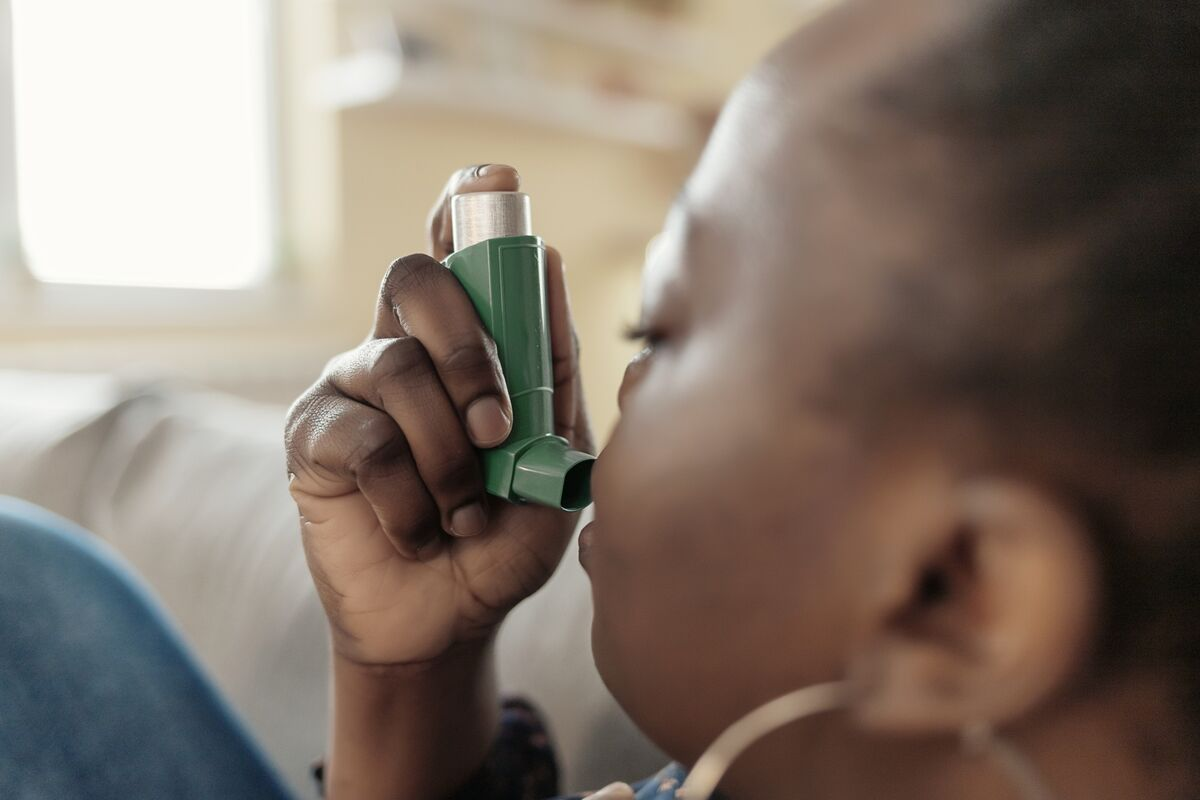
Asthma is a long-term lung condition that affects millions globally. In the United States, about 25 million people have asthma, with 6 million being kids. Many wonder if they can be free from this chronic illness. The key is knowing the difference between remission and a cure.can asthma go away
Even though asthma can’t be fully cured, it can go into remission. This means patients can have long stretches without symptoms or needing medication. At Liv Hospital, we focus on our patients, giving them the care and treatments they need to manage asthma effectively.
Key Takeaways
- Asthma is a chronic condition that cannot be completely cured.
- Remission is possible, allowing for prolonged periods without symptoms.
- Liv Hospital offers patient-centered respiratory care.
- Understanding the difference between remission and cure is key.
- Effective asthma management needs evidence-based treatments.
Understanding Asthma as a Chronic Condition

Asthma is a chronic condition that causes inflammation and narrowing of the airways. This leads to symptoms like wheezing, coughing, and shortness of breath. It’s not just a simple respiratory issue; it’s complex and needs ongoing management.
What Happens in the Airways During Asthma
When asthma strikes, the airways get inflamed and narrow. This makes breathing hard. Symptoms include wheezing, coughing, and shortness of breath.
Prevalence of Asthma in the United States
Asthma is common in the United States. Around 8% of adults and 10% of children have it. This number has been rising, showing the need for better asthma care.
The Chronic Nature of Asthma
Asthma is a chronic condition that needs ongoing treatment. Effective management includes medication, lifestyle changes, and monitoring symptoms. This helps prevent bad episodes and improves life quality.
It’s key for both patients and healthcare providers to understand asthma’s chronic nature. By seeing it as a long-term condition, we can work towards better control. This improves the lives of those affected.
Can Asthma Go Away? The Truth About Remission

It’s important to know if asthma can truly go away. Asthma remission, where symptoms lessen or disappear, gives hope to those with this chronic condition.
Defining Asthma Remission
Asthma remission means going 12 months or longer without symptoms or needing corticosteroid meds. It also means improved lung function tests. This shows the importance of both feeling better and seeing lung health improve.
The Difference Between Cure and Remission
It’s key to know the difference between a “cure” and “remission.” A cure means the disease is gone forever. Remission means the disease is there but not causing symptoms. Asthma remission means the disease is being well-managed, not cured.
How Common is Asthma Remission
Asthma remission rates vary a lot. In adults, they range from 2 percent to 52 percent. This shows that outcomes for people with asthma can be very different.
|
Population |
Remission Rate (%) |
|---|---|
|
Children |
20-40 |
|
Adults |
2-52 |
|
Adults with Mild Asthma |
30-60 |
Understanding asthma remission is key for managing treatment plans. Remission is a big step towards a better life for those with asthma, even if it’s not a cure.
Childhood Asthma: Growth and Development Factors
As kids grow, their airways change a lot. These changes can affect how bad their asthma symptoms are. Knowing about these changes is key to managing childhood asthma well.
Airway Changes Over Time
Children’s airways are different from adults’. They grow and change as kids get older. Airway development is very important for how asthma shows up in kids. Studies show that airways keep growing until late teens, which can change asthma symptoms.
Young airways are more likely to get narrow and inflamed, which is common in asthma. As kids get older, some might see their symptoms get better. Others might keep facing problems.
Statistics on Asthma Improvement
Many studies show that a big number of kids with asthma see their symptoms get better with age. About 30% to 50% of kids with asthma might outgrow their symptoms or see big improvements by adulthood.
|
Age Group |
Percentage Experiencing Improvement |
|---|---|
|
Children under 5 |
20% |
|
Children aged 5-12 |
40% |
|
Teenagers |
50% |
Factors Contributing to Symptom Reduction
There are many reasons why some kids with asthma see their symptoms get better. Things like changes in airway structure, fewer triggers, and better lung function help. Some kids might naturally see their asthma get less severe as their airways mature.
Knowing these reasons helps doctors make better plans for each child’s asthma.
Adult-Onset Asthma and Remission Possibilities
Adult-onset asthma is different from childhood asthma. It affects how likely it is to go into remission. We need to look at the unique triggers, risk factors, and how the disease progresses in adults.
Differences Between Childhood and Adult-Onset Asthma
Childhood asthma and adult-onset asthma have different causes. Childhood asthma often comes from allergies and genetics. Adult-onset asthma is linked to work, obesity, and the environment. These differences change how we manage and treat the disease.
Adult-onset asthma is usually more severe. It doesn’t always respond well to common treatments. This is because adults often have other health issues like COPD that make asthma harder to control.
Remission Rates in Adult Asthma
How often adult asthma goes into remission varies. It depends on how bad the symptoms are, what triggers them, and how well treatment works. Remission is less common in adults than in kids, but it’s not impossible.
Things that help with remission include good treatment plans, quitting smoking, and managing other health problems. Customizing treatment for each person can help them go into remission.
Age-Related Factors in Asthma Progression
Age affects how asthma gets worse. As people get older, their lungs work less well. This can make asthma symptoms worse. Older adults also often have other health issues that make asthma harder to manage.
It’s important to understand these age-related factors. Doctors need to think about the patient’s age, overall health, and lifestyle when treating adult-onset asthma.
When Childhood Asthma Returns in Adulthood
Asthma, often seen as a childhood issue, can come back in adults who had it as kids. This raises big questions about managing asthma long-term and what makes it come back.
Relapse Statistics and Timeframes
Research shows many kids with asthma will see it again as adults. About 25 percent of kids with asthma see it return by age 21. By age 26, this number jumps to around 35 percent. These numbers highlight the need for constant asthma care, even if it seems gone.
We’ve made a table to show when relapses are most common. It gives a clear view of when asthma might come back.
|
Age |
Relapse Rate |
|---|---|
|
18 |
20% |
|
21 |
25% |
|
26 |
35% |
Common Triggers for Asthma Recurrence
Knowing what triggers asthma back is key to managing it well. Common culprits include dust mites, pet dander, and pollen. Respiratory infections and air pollutants also play a part. Lifestyle choices, like smoking, can also trigger asthma to come back.
Why One-Third of Children Experience Return of Symptoms
The reasons for asthma coming back in about one-third of kids are complex. The severity of asthma in childhood, exposure to allergens, and lung function changes all matter. Hormonal shifts during puberty and adulthood can also affect asthma.
Healthcare providers can use this knowledge to better manage asthma. This might help lower the chance of it coming back.
Factors That Influence Successful Asthma Remission
Understanding what helps asthma go into remission is key. It’s a complex mix of disease and personal factors.
Asthma Severity and Remission Likelihood
Asthma’s severity greatly affects the chance of remission. Studies show mild asthma is more likely to go into remission than severe. Mild asthma often means better lung function and fewer symptoms, making remission easier.
The Impact of Lung Function
Lung function is a big deal for asthma remission. People with better lung function, like FEV1, are more likely to remit. This shows how important it is to keep lungs healthy in managing asthma.
Age of Onset and Disease Duration
When asthma starts and how long it lasts also matter. Early onset and shorter disease time mean a better chance of remission. This stresses the need for early diagnosis and action.
Lifestyle Factors Including Smoking Cessation
Lifestyle choices, like quitting smoking, really affect asthma remission. Stopping smoking can boost lung health and remission chances. Other lifestyle changes, like avoiding triggers and staying healthy, also help manage asthma.
|
Factor |
Influence on Remission |
|---|---|
|
Asthma Severity |
Mild severity is associated with higher remission rates |
|
Lung Function |
Better lung function increases the likelihood of remission |
|
Age of Onset |
Earlier onset is linked to higher remission rates |
|
Disease Duration |
Shorter duration is associated with better remission outcomes |
|
Smoking Cessation |
Quitting smoking improves remission chances |
By tackling these factors, healthcare and patients can aim for successful asthma remission. This improves life quality greatly.
Medical Approaches to Achieving Asthma Control
Managing asthma well needs a mix of medicines and working with doctors. It’s about knowing your asthma, using the right treatments, and making lifestyle changes.
Medication Strategies for Long-Term Management
Medicines are key in controlling asthma. Inhaled corticosteroids and long-acting beta-agonists are often used. They help lower inflammation and stop symptoms.
We team up with doctors to create a treatment plan that fits you. This might include:
- Daily controller meds to keep symptoms in check
- Quick-relief meds for sudden symptoms
- Combination therapy for better control
Working With Healthcare Providers
Working with doctors is vital for managing asthma. Regular check-ups let us track your condition and tweak your treatment if needed.
At these visits, we talk about:
- How well symptoms are being controlled
- The results of lung function tests
- Any side effects from meds
Monitoring Lung Function and Symptoms
Keeping an eye on lung function is key for asthma management. Peak flow meters and spirometry tests check how well your lungs are working.
|
Monitoring Method |
Purpose |
Frequency |
|---|---|---|
|
Peak Flow Meter |
Measures airflow |
Daily or as needed |
|
Spirometry |
Assesses lung function |
During healthcare visits |
When to Adjust Treatment Plans
Changing treatment plans is needed when symptoms change or lung function tests show a need. We work with doctors to:
- Adjust the amount or type of medication
- Switch medications
- Add or remove treatments based on symptoms
By using medicines, monitoring, and working with doctors, we can control asthma well. This improves your quality of life.
Living Well With Asthma: Lifestyle Strategies
Managing asthma well means making lifestyle changes. By choosing healthy habits, people with asthma can live better lives. They can also have fewer asthma attacks.
Environmental Trigger Management
Managing asthma means controlling environmental triggers. Common ones are dust mites, pet dander, pollen, and air pollution. To avoid these, people can:
- Use allergen-proof bedding and mattress covers.
- Keep pets out of bedrooms.
- Use HEPA filters in air purifiers.
- Avoid outdoor activities during peak pollen hours.
Exercise and Physical Activity Approaches
Exercise is good for everyone, including those with asthma. But, it’s important to do it carefully. Here’s how:
- Consult with a healthcare provider before starting a new exercise routine.
- Use a pre-exercise inhaler as prescribed by a doctor.
- Choose low-intensity activities if you’re just starting out.
- Warm up before exercising and cool down afterwards.
Exercise can make lungs work better and improve fitness. This makes managing asthma easier.
Dietary Considerations for Asthma Management
Eating right is key to managing asthma. Some foods can reduce inflammation and improve lung function. A balanced diet should include:
|
Food Group |
Examples |
Benefits |
|---|---|---|
|
Fruits and Vegetables |
Apples, Berries, Leafy Greens |
Rich in Antioxidants |
|
Omega-3 Rich Foods |
Salmon, Walnuts |
Reduces Inflammation |
|
Whole Grains |
Oats, Brown Rice |
Provides Fiber and Nutrients |
Keeping a healthy weight through diet can also lessen asthma symptoms.
“A healthy diet is key for managing asthma. Eating the right foods can reduce inflammation and improve lung health.” Medical Expert, Asthma Specialist
Stress Reduction Techniques
Stress can make asthma worse. So, managing stress is important. Techniques like meditation, yoga, and deep breathing can help. Regular use of these can improve asthma control and quality of life.
By using these lifestyle strategies, people with asthma can manage their condition better. They can also improve their overall well-being.
Conclusion: The Lifelong Journey of Asthma Management
Asthma is a chronic condition that needs ongoing care. But with the right steps, people can live active lives. We’ve looked at how to manage asthma, including medical treatment and lifestyle changes.
It’s key to see asthma as a lifelong condition. Working with doctors, checking lung health, and making smart lifestyle choices can help. We’ve talked about the need for a full approach to managing asthma, including treatments and managing triggers.
In short, managing asthma for life is a big job that needs commitment and the right help. By being proactive, people can lessen symptoms and enjoy better health. We stress the need to keep up with asthma care to ensure a good quality of life for those with asthma.
FAQ
Is asthma a lifelong condition?
Asthma is seen as a long-term condition. But, symptoms can get better or even seem to disappear, mainly in kids as they grow.
Can asthma go away on its own?
Some people, mostly kids, might see their asthma symptoms lessen or even go away. But, asthma can be unpredictable. Symptoms can come back.
Does asthma remission mean a cure?
No, remission doesn’t mean you’re cured. It means symptoms are mild or gone. But, the condition is always there, and symptoms can come back.
Can asthma come back after remission?
Yes, asthma symptoms can come back after a break. This often happens if there are triggers or changes in health or environment.
Can childhood asthma go away and come back?
Yes, childhood asthma can seem to get better or even go away. But, it can come back, often due to triggers or stress.
How common is it for asthma to go into remission?
Remission rates vary a lot. It depends on how severe the asthma is, lung function, age when symptoms start, and lifestyle.
Can adults with asthma experience remission?
Yes, adults can also experience remission. But, it’s less common than in kids. Remission chances can depend on how severe the asthma is and other health issues.
What factors influence the likelihood of asthma remission?
Several things can affect remission chances. These include how severe the asthma is, lung function, when symptoms start, and how long you’ve had it. Lifestyle choices like not smoking and avoiding triggers also play a role.
Can lifestyle changes help manage asthma and potentially lead to remission?
Yes, making lifestyle changes can help manage asthma. Avoiding triggers, eating well, exercising, and managing stress can improve symptoms. This might lead to better control and even remission.
How can working with healthcare providers help in achieving asthma control and potentially remission?
Working with healthcare providers is key. They can create a treatment plan just for you. They’ll check your lung function and symptoms regularly. They can also adjust your treatment as needed. This is important for controlling asthma and possibly achieving remission.
References
National Center for Biotechnology Information. Evidence-Based Medical Guidance. Retrieved from https://pmc.ncbi.nlm.nih.gov/articles/PMC5540533/