
It’s important to know where cervical cancer metastasis starts early. Lymph nodes are usually the first place it goes. Studies show that the lung and lymph nodes are common first spots for cervical cancer patients.
At Liv Hospital, we focus on catching cancer early and treating it right. We offer complete care for cervical cancer patients. Our goal is to use the best treatment plans.
Key Takeaways
- Cervical cancer often spreads to the regional lymph nodes first.
- The lung is another common site for initial distant metastasis.
- Early detection is critical for effective treatment.
- Tailored treatment strategies improve patient outcomes.
- Advanced medical care is available for cervical cancer patients.
Understanding Cervical Cancer: A Brief Overview
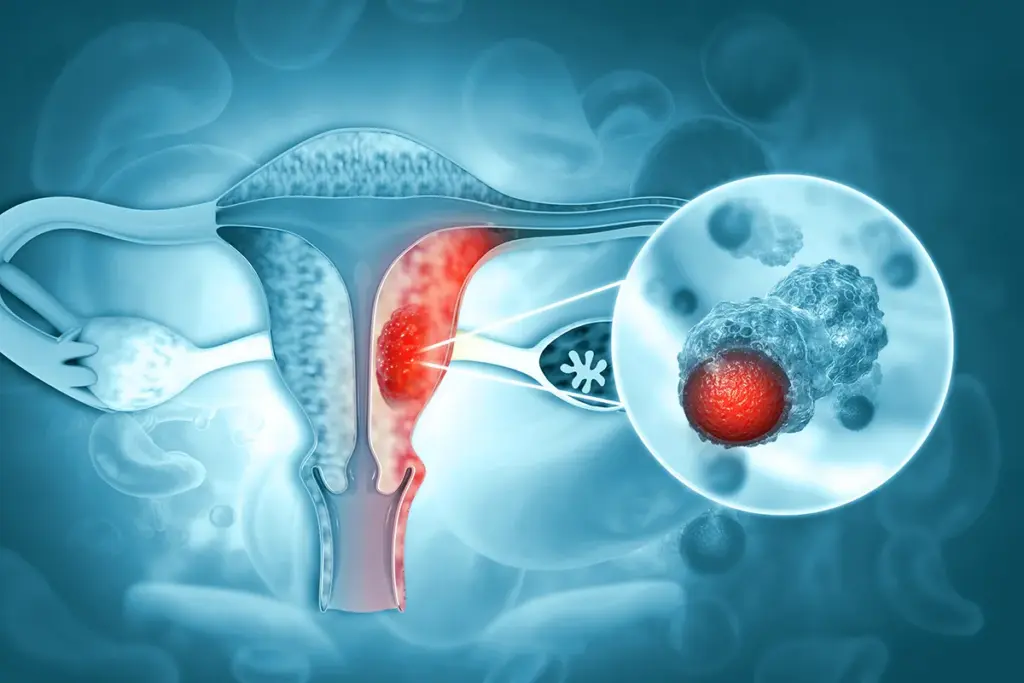
Cervical cancer is mainly caused by the human papillomavirus (HPV). It’s preventable and treatable if caught early. Knowing the basics helps women protect their health.
What is Cervical Cancer?
Cervical cancer starts with abnormal cell changes in the cervix. This is the lower part of the uterus. These changes, often from HPV, can turn into cancer if not treated.
Common Causes and Risk Factors
HPV infection is the main cause of cervical cancer. Other risks include smoking, a weak immune system, and a history of cervical cancer or abnormal cell changes.
Stages of Cervical Cancer Development
Cervical cancer goes through stages, from pre-cancer to invasive cancer. Knowing these stages helps with early detection and treatment.
|
Stage |
Description |
|---|---|
|
Stage I |
Cancer is confined to the cervix |
|
Stage II |
Cancer has spread beyond the cervix but not onto the pelvic wall |
|
Stage III |
Cancer has extended to the pelvic wall and/or lower third of the vagina |
|
Stage IV |
Cancer has spread to distant organs or outside the pelvis |
It’s important to know the causes, risk factors, and stages of cervical cancer. This knowledge helps with prevention, early detection, and managing the disease.
The Metastatic Process: How Cancer Spreads

Cancer metastasis happens when cancer cells move from their original site to other organs. This complex process involves many steps and is influenced by different factors.
The Mechanism of Cancer Metastasis
The process starts with cancer cells invading nearby tissues. Local invasion is followed by intravasation, where cells enter blood vessels or lymphatic channels.
Once in the blood or lymph, cancer cells can travel to other parts of the body. This is called dissemination. They then extravasate into new tissues, forming secondary tumors.
Why Cancer Cells Leave the Primary Site
Cancer cells leave their original site for several reasons. Genetic mutations and environmental pressures are key factors. The microenvironment around the tumor also plays a big role.
Factors That Influence Metastatic Potential
Many factors affect how likely cancer cells are to spread. These include:
Cellular Characteristics
- Genetic instability: Cancer cells with genetic mutations are more likely to spread.
- Cell adhesion properties: Changes in cell adhesion molecules help cancer cells detach from the primary tumor.
Microenvironment Factors
The environment around the tumor greatly affects metastasis. Factors like angiogenesis (new blood vessel formation) and immune evasion can help cancer spread.
Researchers say, “The ability of cancer cells to metastasize is complex. It’s influenced by many genetic and environmental factors.”
This complexity shows why we need detailed treatment plans. These plans should target both the primary tumor and possible metastatic sites.
Understanding these factors is key to finding effective treatments. We’ll see how these principles apply to cervical cancer next.
First Sites of Cervical Cancer Spread: Regional Lymph Nodes
The regional lymph nodes are the first places cervical cancer spreads. Knowing this is key to managing the disease well. Cervical cancer usually moves through the lymphatic system first. The pelvic lymph nodes are often the first place it goes.
Pelvic Lymph Nodes as Primary Metastatic Sites
The pelvic lymph nodes are the first line of defense for cancer cells from the cervix. Metastasis to these nodes means the cancer is moving beyond its initial stage. Research shows that cancer in these nodes affects patient outcomes a lot.
Paraaortic Lymph Node Involvement
As cervical cancer gets worse, it can reach the paraaortic lymph nodes. These nodes are around the aorta. This is a sign of more serious disease and a worse outlook. Treatment for this stage is more intense.
The Significance of Lymphatic Spread in Staging
Lymphatic spread is very important in figuring out the stage of cervical cancer. Finding cancer in lymph nodes helps decide the stage. This stage affects treatment choices and how well a patient might do.
Impact on Treatment Planning
How much cancer is in lymph nodes affects treatment. Patients with cancer in lymph nodes might need stronger treatments. This could include chemoradiation or surgery, and maybe more treatments after.
Prognostic Implications
Having cancer in lymph nodes at diagnosis is a big deal. It means a worse outlook for patients. Knowing how far cancer has spread helps doctors give better news to patients.
In short, the first places cervical cancer spreads are the regional lymph nodes. The pelvic and paraaortic nodes are key. Their involvement affects how we stage, treat, and predict outcomes for patients.
Distant Metastasis Patterns in Cervical Cancer
It’s important to know how cervical cancer spreads to distant organs. This knowledge helps doctors plan better treatments. As the cancer grows, it can reach different parts of the body, changing treatment options and patient outcomes.
Lung Metastasis: The Most Common Distant Site
Lung metastasis is seen in up to 32.8% of cervical cancer cases. The lungs are a common site because of their blood flow and how the cervix drains into the body’s system. We need to think about how lung metastasis affects treatment plans.
Bone Metastasis: Prevalence and Implications
Bone metastasis is found in about 36.8% of cases. Bone metastases can cause a lot of problems, like pain, fractures, and high calcium levels. It’s important to understand bone metastasis to make better treatment choices.
Liver Metastasis: Impact on Prognosis
Liver metastasis is seen in about 24% of cases and is linked to a worse prognosis. The liver’s role in detoxification makes it key in managing metastatic cervical cancer. Liver metastasis often means the disease is more advanced, needing aggressive treatment.
Other Less Common Sites of Spread
Cervical cancer can also spread to the brain, adrenal glands, and peritoneum, aside from the lungs, bones, and liver. Recent studies show these sites are important in managing advanced cervical cancer.
- Lung metastasis is the most common distant site, occurring in up to 32.8% of cases.
- Bone metastasis is also frequent, affecting approximately 36.8% of patients.
- Liver metastasis is observed in about 24% of metastatic cases.
Knowing how cervical cancer spreads is key to better treatment plans and outcomes. We must look at the tumor, metastatic sites, and patient health together when treating advanced cervical cancer.
Risk Factors for Cervical Cancer Metastasis
The risk of cervical cancer spreading is influenced by several factors. These include clinical, tumor-related, and patient-specific factors. Knowing these factors helps doctors identify who is at higher risk. It also helps in creating better treatment plans.
Clinical Stage and Metastatic Risk
The stage of cervical cancer at diagnosis is key in predicting metastasis risk. Advanced clinical stage means a higher chance of cancer spreading. A medical expert noted,
“The stage of cervical cancer at diagnosis remains one of the most important prognostic factors for patient outcomes.”
Tumor Size and Invasiveness
Larger tumors and increased invasiveness raise the risk of metastasis. Tumors that are bigger or more invasive can spread more easily. This includes spreading to lymph nodes and distant sites.
Age-Related Factors
Age also plays a role in metastasis risk. Older patients face a higher risk of metastatic disease. This might be due to differences in tumor biology and immune response.
Lymph Node Status at Diagnosis
Lymph node metastasis at diagnosis is a big prognostic factor. The status of lymph nodes shows how far the disease has spread.
Number of Involved Nodes
The number of lymph nodes involved directly affects metastasis risk. It also impacts survival rates.
Extracapsular Extension
Extracapsular extension, where cancer cells spread beyond the lymph node capsule, is a bad sign. It indicates a poor prognosis and higher metastatic risk.
Understanding these risk factors helps healthcare providers. They can better predict cervical cancer metastasis and plan treatments. Early action and intervention are key to better patient outcomes.
Detecting Cervical Cancer Spread: Diagnostic Approaches
Finding out if cervical cancer has spread is key to choosing the right treatment. Spotting metastasis early can lead to better outcomes. This is because it allows for quicker action.
Imaging Techniques for Metastasis Detection
Imaging is a big help in finding where cervical cancer has spread. These tools give important info on how far the disease has gone. This info helps doctors decide on the best treatment.
CT and MRI Scanning
CT and MRI scans are often used to see how far cervical cancer has spread. CT scans show detailed pictures of the body’s cross-sections. They help find cancer in lymph nodes, lungs, and other organs.
MRI scans, on the other hand, show soft tissue details. They help spot cancer in nearby areas and see how it’s affecting tissues.
PET-CT combines two types of imaging. It gives a full view of cancer spread. It’s great for finding cancer in distant places and seeing how active tumors are.
Laboratory Tests and Biomarkers
Labs and biomarkers also play a big role in finding and tracking cervical cancer spread. These tests look for specific markers and genetic changes linked to metastasis.
Biopsy and Pathological Confirmation
Biopsy is the top way to confirm cancer spread. Examining biopsy samples under a microscope gives clear proof of metastasis. This info helps doctors make treatment plans and predict outcomes.
“Early detection and accurate diagnosis are the cornerstones of effective cervical cancer management,” says the need for a team effort in patient care.
Can Cervical Cancer Be Cured? Treatment Options and Success Rates
Early detection and the right treatment can cure cervical cancer. If caught early, the chances of a full recovery are much higher.
Early-Stage Treatment and Cure Rates
For early cervical cancer, treatments like surgery or radiation are used. The choice depends on the patient’s health and what they prefer.
Surgical Options
Surgery is often the first choice for early cervical cancer. The surgery type varies based on the disease’s extent.
- Conization: Removes the cancerous part of the cervix.
- Hysterectomy: Removes the uterus and sometimes nearby tissues.
Radiation Therapy Approaches
Radiation therapy is used alone for early stages or with chemotherapy for more advanced cases.
- External Beam Radiation Therapy (EBRT): Targets cancer cells from outside the body.
- Brachytherapy: Places radioactive material directly into or near the tumor.
Treatment Approaches for Locally Advanced Disease
Locally advanced cervical cancer needs aggressive treatment. This often includes a mix of therapies.
Combined Modality Therapy
This method combines radiation and chemotherapy to improve treatment results.
Neoadjuvant Strategies
Neoadjuvant chemotherapy is given before main treatments. It aims to shrink the tumor.
Managing Metastatic Cervical Cancer
Metastatic cervical cancer treatment focuses on symptom control and improving life quality.
Systemic Therapy Options
Chemotherapy is the main treatment for metastatic cervical cancer.
Targeted and Immunotherapy Approaches
New treatments like targeted and immunotherapy offer hope for advanced disease patients.
Factors Affecting Treatment Success
Several factors affect treatment success. These include the cancer stage, tumor size, and the patient’s health.
|
Stage at Diagnosis |
5-Year Survival Rate |
|---|---|
|
Localized |
92% |
|
Regional |
63% |
|
Distant |
17% |
Early detection and tailored treatment are key to better survival rates. The survival rate for localized cancer is much higher than for metastatic disease. This shows the importance of quick diagnosis and effective treatment planning.
Survival Outcomes and Prognosis After Metastasis
When cervical cancer spreads, survival chances drop a lot. Knowing what affects survival after metastasis is key. It helps set realistic hopes and treatment goals.
Survival Rates Based on Metastatic Sites
Survival rates change a lot depending on where the cancer spreads. The place of metastasis greatly affects how long a patient lives.
For example, people with lung metastasis live longer than those with liver or bone metastasis.
Impact of Liver Metastasis on Survival
Liver metastasis is very bad news. Patients with liver metastasis usually live about 11-12 months. This shows a big drop in survival chances.
Prognostic Factors in Metastatic Disease
Many things affect how long a patient with metastatic cervical cancer will live. These include:
Response to Initial Therapy
How well the first treatment works is very important. Patients who respond well tend to live longer.
Performance Status and Comorbidities
A patient’s health and any other health issues also matter a lot. Those who are healthier and have fewer health problems usually live longer.
|
Metastatic Site |
Median Survival (Months) |
|---|---|
|
Lung |
14-16 |
|
Liver |
11-12 |
|
Bone |
10-14 |
In summary, survival chances after cervical cancer spreads vary a lot. This depends on where the cancer goes and other factors. Knowing these helps make better treatment plans and improve patient outcomes.
Advanced Treatment Protocols at Liv Hospital
At Liv Hospital, we’re proud to offer top-notch care for cervical cancer patients. Our goal is to give each patient the best care possible. We focus on treating each patient as an individual, ensuring they get the best results.
Multidisciplinary Approach to Cervical Cancer
Our team includes experts in gynecologic oncology, medical oncology, radiation oncology, and supportive care. This multidisciplinary approach helps us create a treatment plan that covers all aspects of a patient’s condition.
Innovative Therapies for Metastatic Disease
We’re always looking for new ways to help our patients. Our use of innovative therapies like targeted therapy and immunotherapy gives hope to those with metastatic cervical cancer.
Personalized Treatment Planning
Personalized treatment is key to our approach. This means:
- Molecular Profiling: We analyze the tumor’s genetics to find the best treatment.
- Tailored Supportive Care: We provide support that meets each patient’s unique needs, improving their quality of life.
Molecular Profiling
Molecular profiling helps us understand the tumor’s genetics. This precision medicine approach has shown great promise in improving patient outcomes.
Tailored Supportive Care
Our supportive care team focuses on each patient’s physical, emotional, and psychological needs. From nutrition counseling to psychological support, we aim to provide complete care.
By combining advanced treatment protocols with a patient-centered approach, Liv Hospital leads in cervical cancer care. Our dedication to innovation and compassion ensures our patients receive the best care possible.
Conclusion: The Importance of Early Detection and Specialized Care
Early detection and tailored treatment are key to better survival rates in cervical cancer patients. The 5-year survival rate for localized cervical cancer is much higher than for metastatic disease. This shows how important it is to catch the disease early and get effective care.
At Liv Hospital, we focus on advanced cervical cancer treatment. This includes early detection and specialized care to help patients get the best results. Our team works together to create a treatment plan that fits each patient’s needs and situation.
We aim to improve treatment success rates and quality of life for cervical cancer patients. Specialized care from experienced professionals is vital in dealing with cervical cancer’s complexities. We are committed to providing top-notch care to our patients.
FAQ
What is cervical cancer and what causes it?
Cervical cancer is a type of cancer that affects the cervix. It’s mainly caused by the human papillomavirus (HPV). Knowing the risk factors and stages helps in early detection and treatment.
Where does cervical cancer spread to first?
Cervical cancer first spreads to the pelvic and paraaortic lymph nodes. This spread is key in planning treatment and understanding the disease’s stage.
Can cervical cancer spread to distant organs?
Yes, it can spread to distant organs like the lungs, bones, and liver. The spread to these areas affects treatment and prognosis.
What are the risk factors for cervical cancer metastasis?
Several factors increase the risk of metastasis, including the cancer’s stage, size, age, and lymph node status. Knowing these helps in planning treatment.
How is cervical cancer spread detected?
Imaging, lab tests, and biopsies are used to detect spread. Each method has its own strengths and limitations.
Can cervical cancer be cured if it has spread?
Cure chances depend on the stage and treatment effectiveness. Treatment options and success rates vary based on the cancer’s stage.
What are the survival outcomes for cervical cancer patients after metastasis?
Survival rates vary based on where the cancer spreads. Liver metastasis and other factors also play a role. Understanding these helps in personalized care.
What treatment options are available for metastatic cervical cancer?
Liv Hospital offers a multidisciplinary approach. This includes innovative therapies and personalized plans. Advanced treatments include molecular profiling and tailored care.
Is -1 a stage of cervical cancer?
No, cervical cancer stages range from I to IV. There is no Stage -1.
What’s a cervical lymph node metastasis?
It’s when cancer cells spread to the neck lymph nodes. This is more common in other cancers but is important in cervical cancer management.
Does cervical cancer metastasis occur frequently?
Yes, it can happen if the disease is not caught early. Understanding the risk factors and mechanisms is key to management.
What is locally advanced carcinoma of the cervix?
It’s cancer that has grown beyond the cervix but hasn’t spread to distant organs. It requires a detailed treatment plan, often combining therapies.
Can advanced cervical cancer be treated effectively?
Yes, advanced cervical cancer can be treated. Treatment options and success rates vary. Liv Hospital offers advanced, tailored treatments.
References
- National Center for Biotechnology Information (NCBI): https://pmc.ncbi.nlm.nih.gov/articles/PMC6701644/
- Gynecology and Pelvic Medicine (GPM): https://gpm.amegroups.org/article/view/8777/html
- Frontiers in Medicine: https://www.frontiersin.org/journals/medicine/articles/10.3389/fmed.2024.1401700/full
- National Cancer Institute (NCI): https://www.cancer.gov/types/cervical/hp/cervical-treatment-pdq
- National Center for Biotechnology Information (NCBI): https://www.ncbi.nlm.nih.gov/pmc/articles/PMC5292527/
National Center for Biotechnology Information. Evidence-Based Medical Insight. Retrieved from https://pmc.ncbi.nlm.nih.gov/articles/PMC8750515/