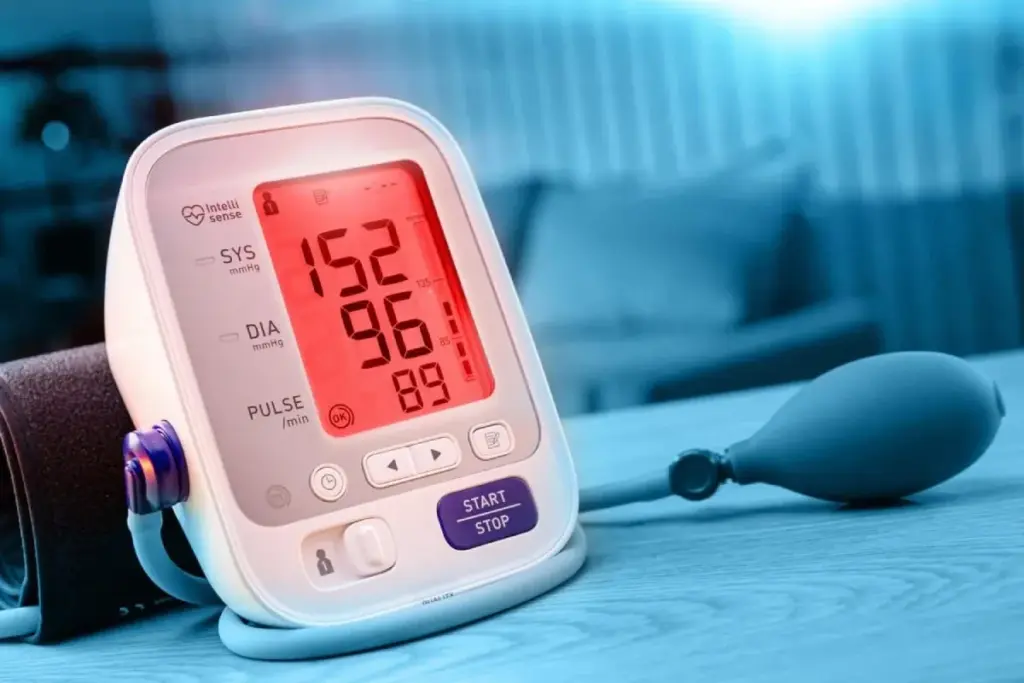
The link between fluid retention and high blood pressure is a big deal in heart health.
At Liv Hospital, we know that fluid retention, or edema, can signal a health problem. It’s closely tied to how well the heart works.
Studies show that too much fluid in the body makes the heart work harder. It also makes blood vessels narrower, which raises blood pressure.
Heart failure is a top reason for fluid retention. This shows why treating both conditions well is so important.
Key Takeaways
- Fluid retention is a big factor in high blood pressure.
- Too much fluid in the body makes the heart and blood vessels work harder.
- Heart failure is a common reason for fluid retention.
- Good care is needed to manage fluid retention and high blood pressure.
- Proper treatment can ease symptoms and boost heart health.
Understanding the Relationship Between Fluid and Blood Pressure

It’s important to know how fluid retention affects blood pressure. Fluid retention, or edema, happens when too much fluid builds up in the body. This can be due to diet, hormonal changes, or health issues.
We’ll look at how extra fluid affects blood pressure and why. The kidneys help control fluid balance by adjusting urine production. But, if the body holds onto too much fluid, blood volume goes up.
How Blood Volume Affects Blood Pressure
Extra fluid in the body means more blood volume. This makes the heart work harder to pump blood. As a result, blood pressure goes up because the heart pumps more blood with each beat.
Increased blood volume is a big factor in high blood pressure. Research shows a small increase in blood volume can raise blood pressure a lot in some people.
The Role of Sodium in Fluid Balance
Sodium intake is key to fluid balance. Eating too much sodium can cause water retention. This is because the body holds onto water to dilute the sodium. This retention increases blood volume, which puts more pressure on blood vessels and raises blood pressure.
“Reducing sodium intake is a well-established strategy for managing blood pressure and reducing the risk of cardiovascular diseases.”
The American Heart Association suggests eating less than 2,300 milligrams of sodium a day. For those with high blood pressure or at risk, eating 1,500 milligrams a day is even better.
| Sodium Intake Level | Effect on Blood Pressure |
|---|---|
| High (>2,300 mg/day) | Increased risk of hypertension |
| Moderate (1,500-2,300 mg/day) | Moderate blood pressure |
| Low (<1,500 mg/day) | Lower risk of hypertension |
Controlling sodium intake is a big part of managing fluid retention and blood pressure. By understanding how fluid balance, sodium intake, and blood pressure are connected, we can take steps to keep our hearts healthy.
Can Fluid Retention Cause High Blood Pressure?

It’s important to know how fluid retention affects blood pressure. Fluid retention happens when the body holds too much fluid. This can cause swelling and higher blood pressure.
Scientific Evidence Linking Fluid Retention to Hypertension
Many studies have looked into fluid retention and blood pressure. They found that about one-third of adults worldwide have high blood pressure. Fluid retention is a big part of this problem.
A recent study showed that fluid retention can make blood volume go up. This increase can raise blood pressure. The 2022 NIH study found a strong link between hypertension and how much fluid we have in our bodies.
Mechanisms of Fluid-Induced Hypertension
Fluid retention can lead to high blood pressure in several ways. One main reason is the increase in blood volume. This extra volume puts more pressure on blood vessels, raising blood pressure.
- Increased blood volume
- Sodium retention
- Vascular resistance
These factors can help cause hypertension in people with fluid retention.
The 2022 NIH Study on Hydration Parameters
The 2022 NIH study gave us new insights into hydration and blood pressure. It showed that staying hydrated is key to keeping blood pressure healthy.
“The findings underscore the importance of considering hydration status in the management of hypertension.”
Risk Factors for Fluid Retention-Related Hypertension
Some people are more likely to get hypertension from fluid retention. These include:
- Those who eat a lot of sodium
- People with kidney disease
- Individuals with heart failure
It’s important to know and manage these risk factors to avoid fluid retention-related hypertension.
Conclusion
Understanding the link between fluid retention and high blood pressure is key to managing hypertension. We’ve seen how fluid retention can cause high blood pressure. The connection between blood volume and blood pressure is clear, with too much fluid leading to hypertension.
Controlling fluid retention requires diuretics, lifestyle changes, and weight monitoring. By managing fluid, people can lower their risk of high blood pressure. This method is backed by scientific studies on sodium and hydration’s effects on blood pressure.
Fluid retention greatly affects blood pressure, making it essential to address. A thorough approach to managing fluid can reduce hypertension risk. This improves overall health and quality of life.
FAQ
What is the relationship between fluid retention and high blood pressure?
Fluid retention is linked to high blood pressure. When we hold onto too much fluid, our heart works harder. This makes our blood pressure go up.
How does sodium intake affect fluid retention and blood pressure?
Sodium is key in how our body handles fluids. Too much sodium can make us hold onto water. This extra water can raise our blood pressure.
Can managing fluid retention help control hypertension?
Yes, controlling fluid retention is vital for managing high blood pressure. By making healthy lifestyle choices, like eating right and exercising, we can lower our blood pressure.
What are the risk factors for fluid retention-related hypertension?
Several factors can increase the risk of fluid retention and high blood pressure. These include eating too much sodium, having certain health conditions, and taking certain medications. Knowing and managing these risks can help prevent hypertension.
Does high blood pressure cause fluid retention or is it the other way around?
The connection between fluid retention and high blood pressure is complex. Studies suggest that fluid retention can lead to high blood pressure. But, high blood pressure can also cause fluid retention, creating a cycle.
How can I reduce fluid retention to help manage my blood pressure?
To reduce fluid retention, try making healthy lifestyle changes. Eat less sodium, exercise regularly, and drink plenty of water. Working with a healthcare professional can help create a plan tailored to your needs.
Is there a link between hydration parameters and hypertension?
Yes, research shows that how much we drink and our body’s fluid balance is important for blood pressure. The 2022 NIH study on hydration highlights its role in keeping blood pressure healthy.
Can fluid retention be a symptom of an underlying medical condition that affects blood pressure?
Yes, fluid retention can be a sign of a health issue like kidney disease or heart failure. These conditions can also affect blood pressure. If you have ongoing or severe fluid retention, see a doctor to check for any underlying conditions.
Reference
https://pubmed.ncbi.nlm.nih.gov/16467498