
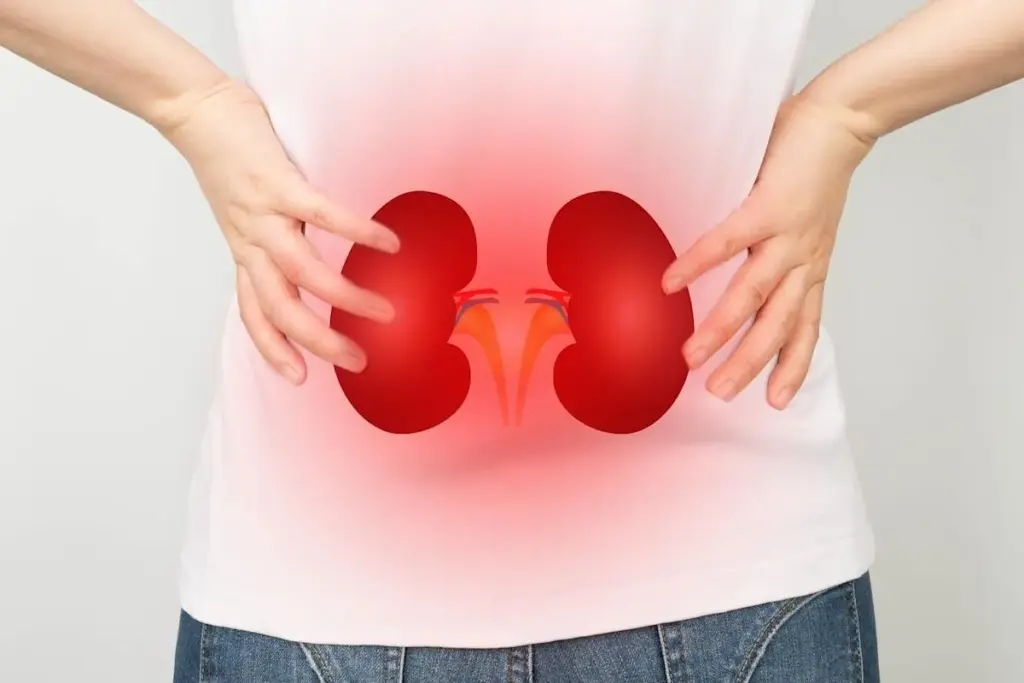
Unexplained weight gain might signal kidney disease, a common issue affecting millions. Unlike usual weight gain from eating too much, kidney diseaseweight gain comes from fluid issues.
At Liv Hospital, we know how important kidney health and weight management are together. We offer detailed care to help you spot and tackle related problems. For more on keeping a healthy weight and its role in kidney health, check out Kidney Care UK.
Key Takeaways
- Kidney disease can cause significant weight gain due to fluid retention.
- Healthy kidneys regulate fluid balance, and dysfunction leads to fluid accumulation.
- Weight gain is a common issue in kidney disease, affecting overall health.
- Managing weight is key for patients with kidney disease.
- A healthy diet and regular exercise can help prevent weight gain.
- Understanding the link between kidney health and weight gain is vital for effective management.
Can Kidney Disease Cause Weight Gain? Understanding the Connection

Kidney disease can make it hard for our bodies to handle fluids, leading to weight gain. This is due to fluid buildup, not fat. Let’s look at how kidneys work and how problems with them affect fluid balance.
How Healthy Kidneys Regulate Fluid Balance
Healthy kidneys are key in keeping fluid balance right. They filter out waste and extra fluids from our blood. They control how much urine we make to keep fluid levels stable.
But when kidneys don’t work well, this balance gets messed up. They can’t filter waste and fluids properly. This leads to a buildup of toxins and fluids in our bodies.
Fluid Retention vs. Fat Accumulation
It’s important to know the difference between fluid retention and fat gain in kidney disease. Fluid retention, or edema, happens when too much fluid builds up in tissues, causing swelling. This is a common issue in kidney disease.
Fat accumulation, on the other hand, means more body fat, which can also lead to weight gain. While both can happen in kidney disease, fluid retention is usually the main reason for weight gain.
Signs of Kidney-Related Weight Gain
Kidney-related weight gain from fluid retention shows up in different ways. You might see swelling in your legs, ankles, feet, and around your eyes. You could also gain weight quickly, have puffy face, and tight skin.
Spotting these signs early is key to catching kidney disease early. If you notice unexplained weight gain or swelling, see a doctor right away.
Mechanisms and Progression of Weight Gain in Kidney Disease
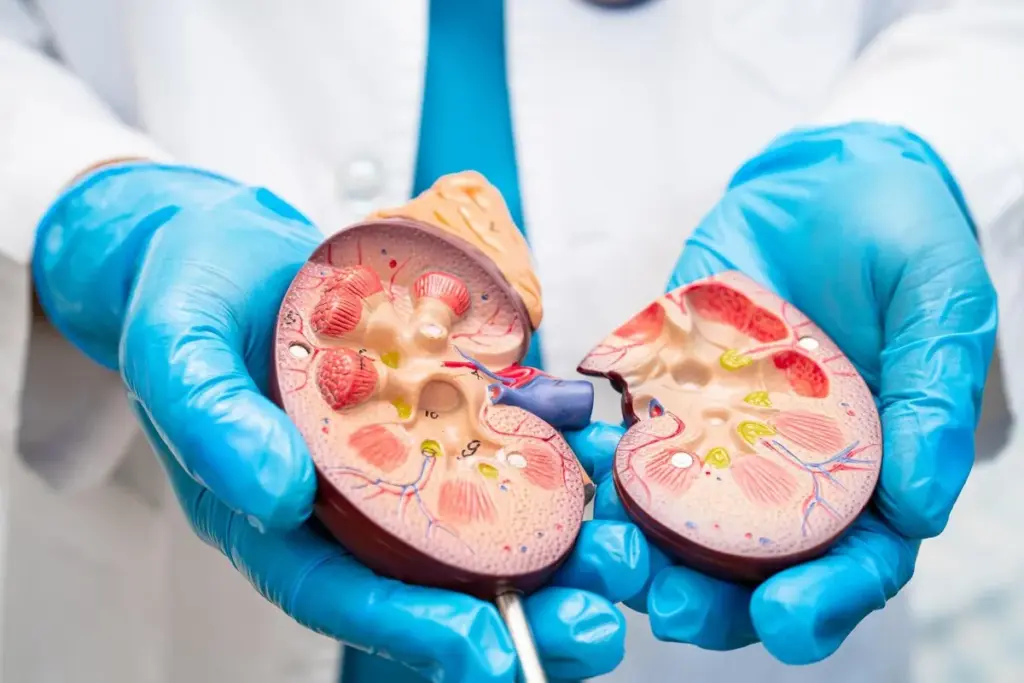
Kidney disease and weight gain are linked in many ways. This includes how the kidneys work and changes in hormones. We’ll look at how these factors lead to weight gain in kidney disease.
Impaired Filtration and Fluid Regulation
Kidneys help keep the body’s fluid balance right. If they don’t work well, they can’t remove extra fluids. This leads to fluid buildup, causing weight gain, known as edema.
Fluid regulation is key to staying healthy. When it’s off, it can cause serious problems. We’ll see how fluid buildup affects weight in kidney disease.
Hormonal Imbalances Affecting Weight
Hormonal changes also play a big role in weight gain with kidney disease. Kidneys help make hormones that control things like metabolism and hunger. When they’re not working right, hormone levels can get out of balance, affecting weight.
For example, erythropoietin production might be off, and other hormone balances can be disrupted. This can change how much we eat and how our body uses energy. Knowing about these hormonal changes is key to managing weight gain in kidney disease.
Medication Side Effects
Medicines for kidney disease can also cause weight gain. Some drugs, like corticosteroids, can make us hungrier and hold onto fluids. This makes managing weight harder.
It’s important to think about how medicines might affect weight in kidney disease patients. Changing treatment plans to reduce these effects can help manage weight.
Weight Changes Through Different Stages of Kidney Disease
Weight gain in kidney disease changes as the disease progresses. From small changes early on to more noticeable edema later, understanding these changes is key to managing it well.
| Stage of Kidney Disease | Typical Weight Changes | Management Strategies |
| Early Stage | Minimal weight gain, possibly due to fluid retention | Monitoring fluid balance, dietary adjustments |
| Moderate Stage | Noticeable weight gain due to increased fluid retention | Diuretics, dietary restrictions, increased monitoring |
| Advanced Stage | Significant weight gain, severe edema | Aggressive fluid management, dialysis consideration |
Understanding how weight gain happens in kidney disease helps doctors find better ways to manage it. This can improve patients’ lives and outcomes.
Managing Weight Changes and Treatment Options
Managing weight gain with kidney disease starts with finding the cause. We suggest a diet friendly for kidneys and regular exercise. These steps help control weight and keep kidneys working well.
Weight gain from fluid buildup can be treated with specific therapies. Dialysis may be needed to filter out toxins and excess fluid. Medications can also help manage blood sugar, blood pressure, and fluid buildup.
Keeping a healthy weight is key to slowing kidney disease. It lowers the risk of serious problems and improves health. We help patients create a treatment plan that meets their needs and goals.
Spotting weight changes early and monitoring them closely is important. Working with a healthcare team can greatly improve health and quality of life.
FAQ
Can kidney disease cause weight gain?
Yes, kidney disease can cause weight gain. This is mainly because of fluid retention. When kidneys don’t work right, they can’t remove extra fluids and waste. This leads to fluid buildup and weight gain.
How do healthy kidneys regulate fluid balance?
Healthy kidneys help keep fluid balance by filtering out waste and extra fluids. They adjust urine production to match the body’s needs. This keeps fluid levels balanced.
What is the difference between fluid retention and fat accumulation?
Fluid retention means extra fluids in the body, causing swelling. Fat accumulation is when body fat increases, often due to diet or hormones. In kidney disease, weight gain usually comes from fluid retention, not fat.
What are the signs of kidney-related weight gain?
Signs include swelling in legs, ankles, and face. Also, rapid weight gain and puffiness around the eyes. Tight clothes or jewelry and shortness of breath can also happen.
Can kidney stones cause weight gain?
Kidney stones themselves don’t cause weight gain. But, some treatments or conditions might lead to weight changes. For example, certain meds or diet changes can affect weight.
How does impaired filtration contribute to weight gain in kidney disease?
Impaired filtration in kidney disease leads to waste and fluid buildup. This fluid retention is a main reason for weight gain in kidney disease.
Can hormonal imbalances due to kidney disease affect weight?
Yes, hormonal imbalances from kidney disease can affect weight. Changes in hormone levels can influence appetite, metabolism, and fluid balance. This can lead to weight gain.
Do medications for kidney disease cause weight gain?
Some kidney disease meds can cause weight gain as a side effect. For example, steroids or meds that affect hormone levels can increase weight.
How can I manage weight changes associated with kidney disease?
To manage weight changes, find the cause of weight gain. This could be fluid retention or other factors. A kidney-friendly diet, exercise, and sometimes meds can help manage weight and support kidney health.
Is a special diet necessary for managing weight with kidney disease?
Yes, a kidney-friendly diet is key for managing weight and kidney health. This diet limits sodium, potassium, and phosphorus and ensures enough protein.
Can low potassium levels cause weight gain?
Low potassium levels can cause muscle weakness and fatigue. While not a direct cause of weight gain, severe low potassium can affect health and indirectly influence weight.
How does urine infection relate to weight gain?
Urine infections aren’t a direct cause of weight gain. But, severe or frequent infections can lead to health decline. This might indirectly affect weight.
References:
National Center for Biotechnology Information. Evidence-Based Medical Guidance. Retrieved from https://www.ncbi.nlm.nih.gov/pmc/articles/PMC7432509/



 Departments
 Related Videos
 Our Doctors
 News
News